Professional Irons
Achieve salon-quality hair styling at home with our selection of professional hair irons. Whether you're looking to straighten, curl, or create waves, these high-performance tools are designed to deliver sleek and flawless results. From advanced heat settings to innovative technologies, our range of professional hair irons offers the perfect combination of style and convenience. With their ergonomic designs and durable construction, these hair irons are built to withstand daily use and provide long-lasting performance. Discover the perfect hair iron for your styling needs and elevate your hairstyling game effortlessly.
Sort
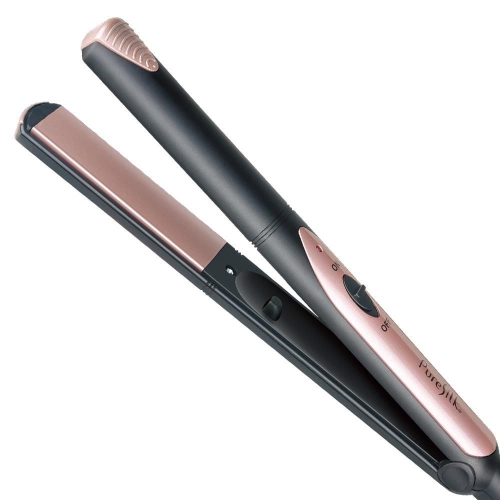
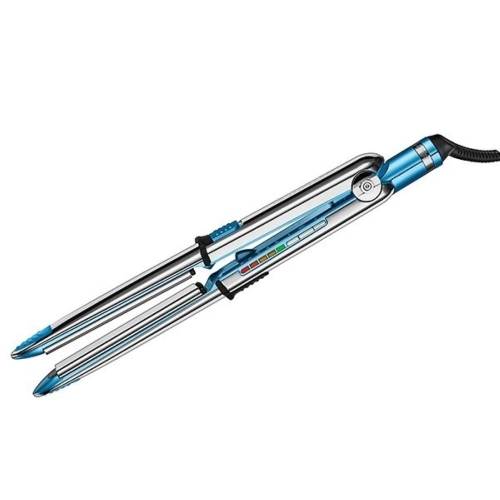
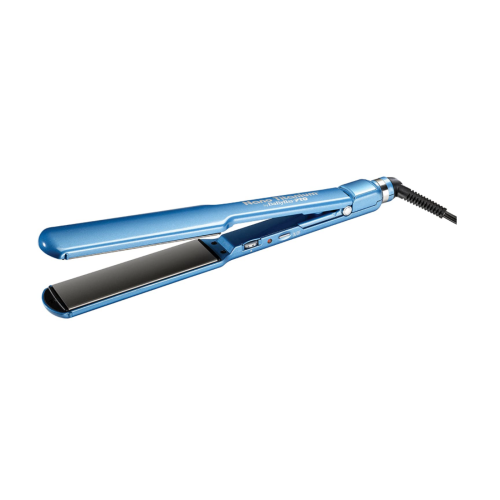
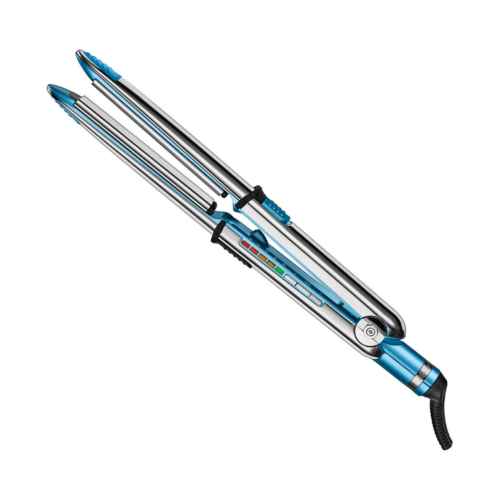


Why precise pressing takes more than powerful steam
Professional irons are garment-care appliances designed for precise pressing, dependable heat, and the repeated use involved in finishing clothing, sewing projects, and household linens. The category includes self-contained steam irons as well as ironing systems with a separate water tank or boiler. A conventional iron keeps the water reservoir in the handheld appliance, while a steam generator supplies steam from a separate base through a hose. Certain boiler-based systems produce pressurized steam that can penetrate layered fabric, making them useful for substantial cotton garments and tailoring work. The word “professional” does not describe one universal performance standard, so the practical differences lie in steam delivery, temperature control, soleplate construction, and suitability for the intended workload. For someone pressing office shirts, that might mean a pointed tip that reaches between buttons and steady steam across a broad back panel. For a dressmaker, it may mean controlled heat for shaping a collar or opening a seam without disturbing the surrounding fabric. Quilters often value a flat, smooth soleplate and predictable dry pressing, particularly where excess moisture could distort carefully cut pieces. The related Professional Steam Irons category focuses on appliances that combine heat and moisture to relax fabric fibres and help release wrinkles. Continuous steam supports longer passes over suitable fabrics, while a steam boost provides a brief increase for stubborn creases. Higher steam output is not automatically better for every textile: a lightweight blouse needs a different approach from a thick cotton tablecloth. Adjustable steam and clearly marked fabric settings make an iron more versatile across those tasks. Wattage indicates electrical power consumption rather than the quality of the finished press on its own; heat consistency, steam recovery, and the way the soleplate contacts fabric also matter. A neatly finished cuff, a smooth pillowcase, or a trouser crease that sits exactly where intended depends on that combination of control and performance, not simply the largest specification on a label.
Soleplate materials and shape influence how a professional iron feels in use and how easily it moves across different fabrics. Stainless steel is commonly used for its smooth surface and durability, while ceramic-coated soleplates can offer easy gliding when their coating is kept in good condition. Other coated metal surfaces are designed to balance heat distribution, glide, and resistance to wear, although performance varies by construction. No surface is immune to damage: metal fasteners, rough storage surfaces, and unsuitable cleaning tools can leave marks or scratches. A narrow nose helps with pleats, collar points, and the spaces around buttons, while a wider pressing area covers sheets and larger garment panels with fewer passes. Steam-hole placement can affect where moisture reaches the fabric, but hole count alone does not establish how evenly an appliance presses. Weight is another practical consideration. Some users appreciate the planted feel of a heavier iron, while others prefer a lighter handheld unit for repeated lifting and repositioning. A separate-tank system can reduce the amount of water carried in the hand, though the base needs its own stable resting space. Handle shape, grip texture, control placement, and cord movement become especially noticeable during a stack of shirts or an extended sewing session. A cord or steam hose should have enough reach for the work surface without pulling against the wrist or catching on the board. Water capacity affects how often filling is needed, but a larger onboard reservoir also adds weight when full. Removable tanks can simplify filling, and some systems permit refills during use; pressurized boilers may require cooling and depressurizing first, according to their instructions. The ironing surface deserves equal attention. A firm, well-padded board with a taut cover supports accurate pressing, while a surface suited to steam helps moisture pass through rather than collect beneath the garment. Larger stations also need a support rated for their weight and dimensions, especially in a compact laundry area or shared sewing space.
Fabric compatibility, routine care, and realistic expectations help professional irons earn their place in a household or workroom. Cotton and linen often tolerate more heat and moisture than delicate synthetics, but garment care labels remain the starting point because fibre blends, dyes, trims, and finishes can change what is safe. Wool tailoring may benefit from a pressing cloth and a lift-and-place motion rather than repeated sliding, which can flatten texture or stretch a shaped section. Dark trousers and textured fabrics are also susceptible to shine when pressed too aggressively. Silk, decorative details, and heat-sensitive materials call for particular caution; where ironing is permitted, an inconspicuous test area helps reveal unwanted marking before a visible panel is treated. For sewing, pressing is often part of construction rather than just the final tidy-up. Flattening a stitched seam before opening it, setting a hem fold, or shaping a facing can make later steps more accurate and leave the finished piece sitting more naturally. Not every task needs steam, and a dry setting is useful when moisture would interfere with a project. Long-term durability depends on maintenance as well as build quality. Mineral deposits can restrict steam passages or lead to spotting, so the correct water type and cleaning procedure should come from the appliance manufacturer; distilled water is not a universal requirement. Descaling systems, removable collectors, and self-clean functions differ, and none should be treated as permission to add unapproved cleaners, fragrances, or starch to a tank. Residue on a soleplate needs cleaning by an approved method once the appliance is safe to handle. Automatic shut-off can provide an additional safeguard, but it does not replace unplugging the iron after use or keeping hot surfaces and trailing cords away from children and pets. These appliances suit people who regularly maintain tailored clothing, sew garments, prepare textiles for display, or work through substantial loads of linens. They can also be a thoughtful gift for an experienced sewing enthusiast when the recipient’s preferred pressing method and workspace are known. For business use, duty-cycle guidance, electrical requirements, and warranty terms need to match the workload rather than relying on the professional label alone.
Soleplate materials and shape influence how a professional iron feels in use and how easily it moves across different fabrics. Stainless steel is commonly used for its smooth surface and durability, while ceramic-coated soleplates can offer easy gliding when their coating is kept in good condition. Other coated metal surfaces are designed to balance heat distribution, glide, and resistance to wear, although performance varies by construction. No surface is immune to damage: metal fasteners, rough storage surfaces, and unsuitable cleaning tools can leave marks or scratches. A narrow nose helps with pleats, collar points, and the spaces around buttons, while a wider pressing area covers sheets and larger garment panels with fewer passes. Steam-hole placement can affect where moisture reaches the fabric, but hole count alone does not establish how evenly an appliance presses. Weight is another practical consideration. Some users appreciate the planted feel of a heavier iron, while others prefer a lighter handheld unit for repeated lifting and repositioning. A separate-tank system can reduce the amount of water carried in the hand, though the base needs its own stable resting space. Handle shape, grip texture, control placement, and cord movement become especially noticeable during a stack of shirts or an extended sewing session. A cord or steam hose should have enough reach for the work surface without pulling against the wrist or catching on the board. Water capacity affects how often filling is needed, but a larger onboard reservoir also adds weight when full. Removable tanks can simplify filling, and some systems permit refills during use; pressurized boilers may require cooling and depressurizing first, according to their instructions. The ironing surface deserves equal attention. A firm, well-padded board with a taut cover supports accurate pressing, while a surface suited to steam helps moisture pass through rather than collect beneath the garment. Larger stations also need a support rated for their weight and dimensions, especially in a compact laundry area or shared sewing space.
Fabric compatibility, routine care, and realistic expectations help professional irons earn their place in a household or workroom. Cotton and linen often tolerate more heat and moisture than delicate synthetics, but garment care labels remain the starting point because fibre blends, dyes, trims, and finishes can change what is safe. Wool tailoring may benefit from a pressing cloth and a lift-and-place motion rather than repeated sliding, which can flatten texture or stretch a shaped section. Dark trousers and textured fabrics are also susceptible to shine when pressed too aggressively. Silk, decorative details, and heat-sensitive materials call for particular caution; where ironing is permitted, an inconspicuous test area helps reveal unwanted marking before a visible panel is treated. For sewing, pressing is often part of construction rather than just the final tidy-up. Flattening a stitched seam before opening it, setting a hem fold, or shaping a facing can make later steps more accurate and leave the finished piece sitting more naturally. Not every task needs steam, and a dry setting is useful when moisture would interfere with a project. Long-term durability depends on maintenance as well as build quality. Mineral deposits can restrict steam passages or lead to spotting, so the correct water type and cleaning procedure should come from the appliance manufacturer; distilled water is not a universal requirement. Descaling systems, removable collectors, and self-clean functions differ, and none should be treated as permission to add unapproved cleaners, fragrances, or starch to a tank. Residue on a soleplate needs cleaning by an approved method once the appliance is safe to handle. Automatic shut-off can provide an additional safeguard, but it does not replace unplugging the iron after use or keeping hot surfaces and trailing cords away from children and pets. These appliances suit people who regularly maintain tailored clothing, sew garments, prepare textiles for display, or work through substantial loads of linens. They can also be a thoughtful gift for an experienced sewing enthusiast when the recipient’s preferred pressing method and workspace are known. For business use, duty-cycle guidance, electrical requirements, and warranty terms need to match the workload rather than relying on the professional label alone.
Top selling and popular products
-
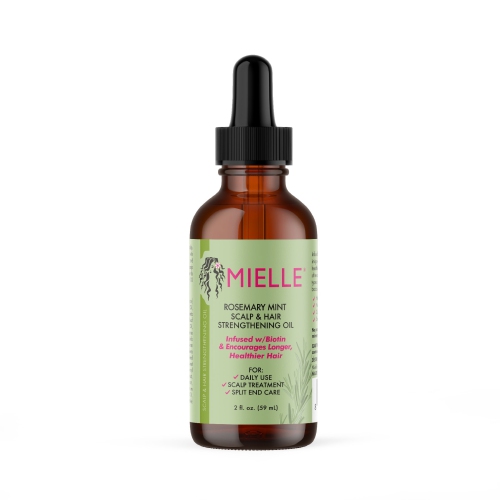 Your price for this item is $15.99
 -
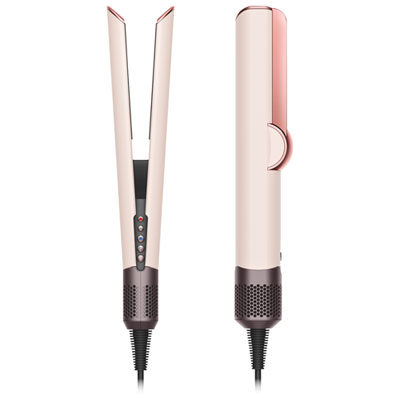 Your price for this item is $699.99
 -
 Your price for this item is $549.99
 -
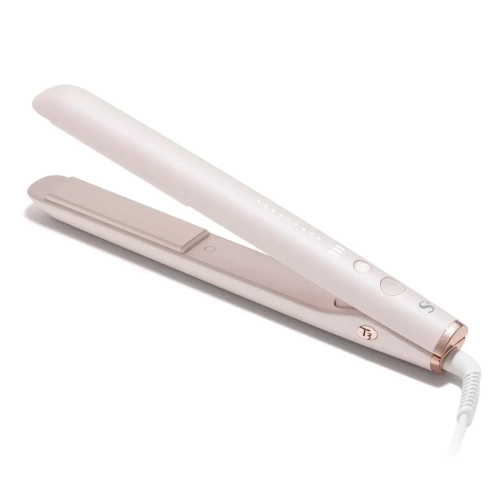 Your price for this item is $249.99
 -
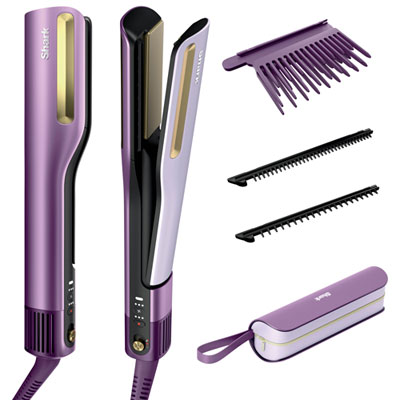 Your price for this item is $349.99
 -
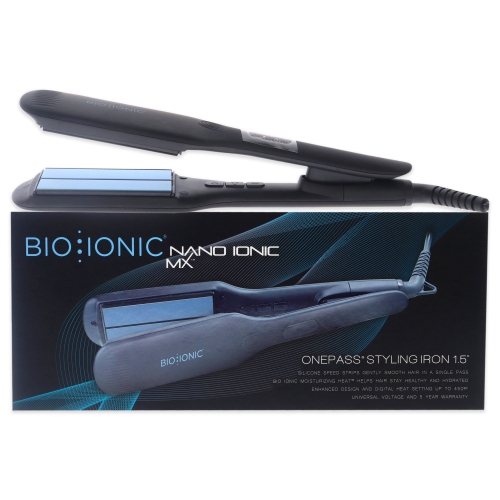 Your price for this item is $283.56
 -
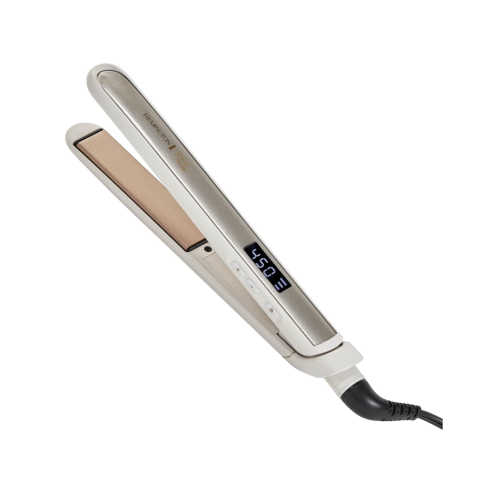 Your price for this item is $53
 -
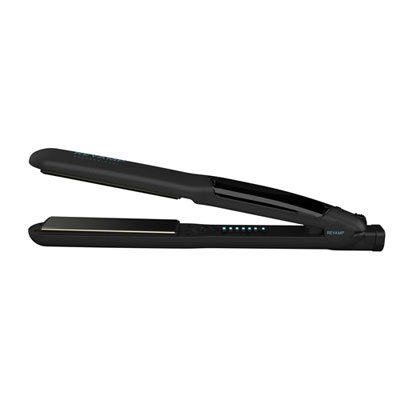 Your price for this item is $139.99
Discover more categories related to Professional Irons

Top Collections:
Pokemon Centers, Kindle Devices, Best Budget Office Chairs, Apple iPhones 16, Best Laptops for Writers, iPhone 15 Apple, Canon G7X Cameras, Refurbished Apple Laptops, Alarm Clock, Motorola Razr Phones
Some products may be subject to Environmental Handling Fees
(EHF) depending on your province.
Learn more about EHFs.