Professional Steam Irons
Achieve crisp, polished results with a professional steam iron, designed to meet the demands of both home enthusiasts and those with frequent ironing needs. Whether you're preparing garments for important meetings or ensuring linens look their best, a professional steam iron offers reliable performance and consistent results. Explore a range of options that help take the effort out of ironing, making it easier to maintain a sharp and wrinkle-free wardrobe.
Sort


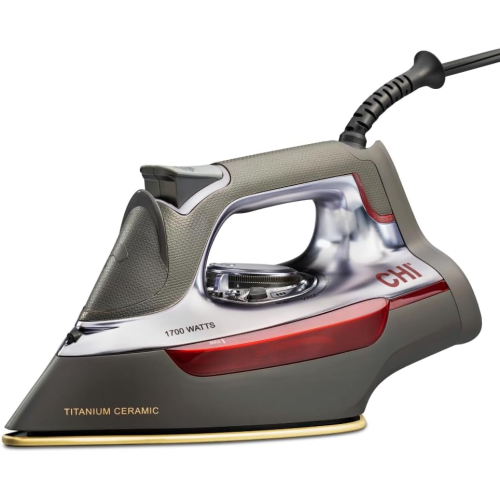

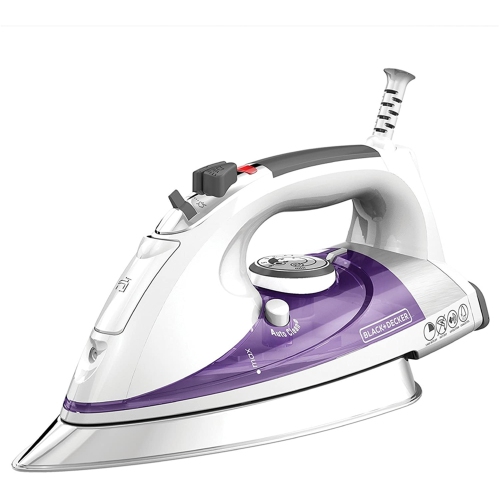
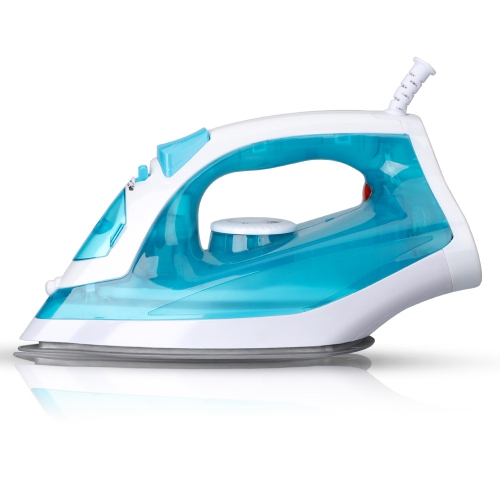
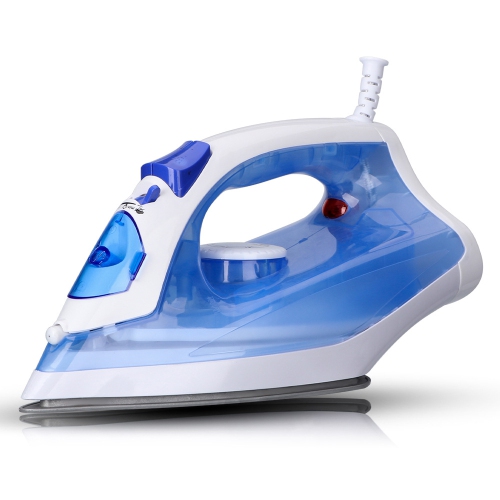
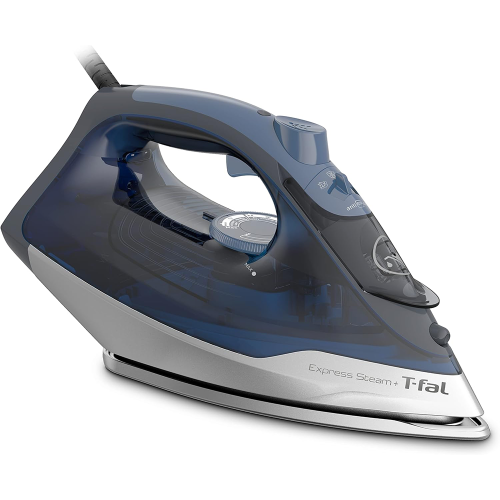
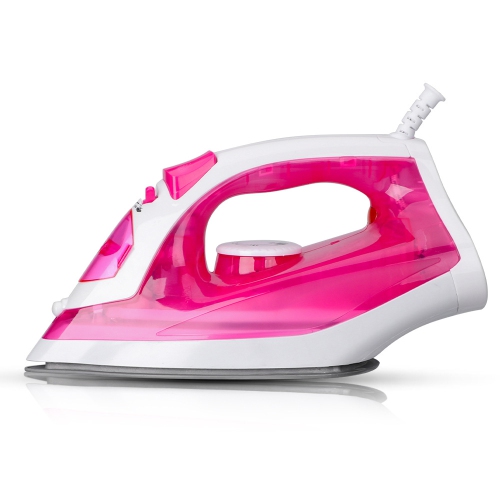
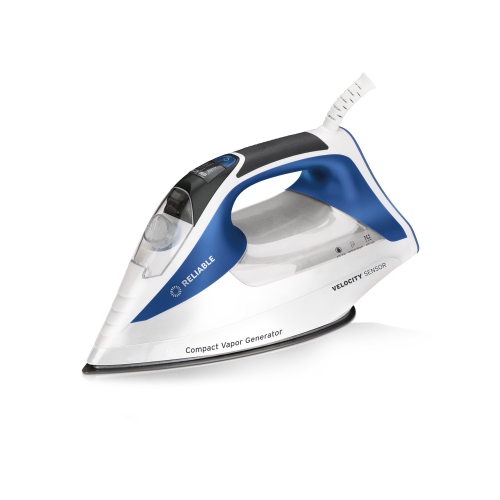
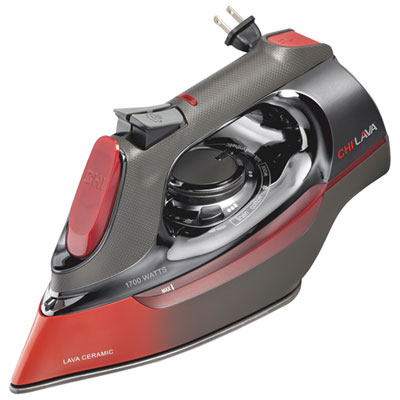
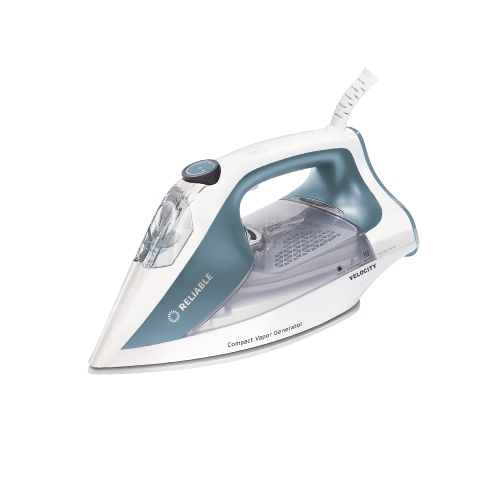
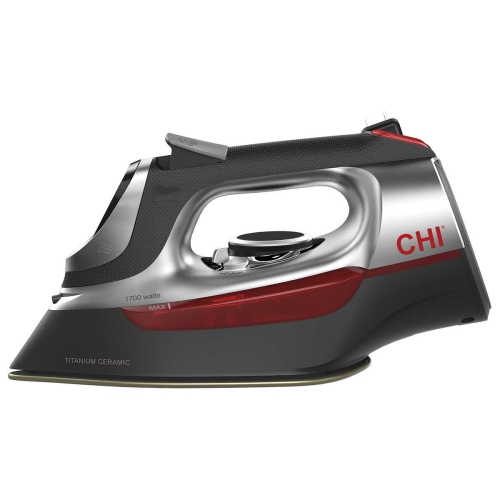
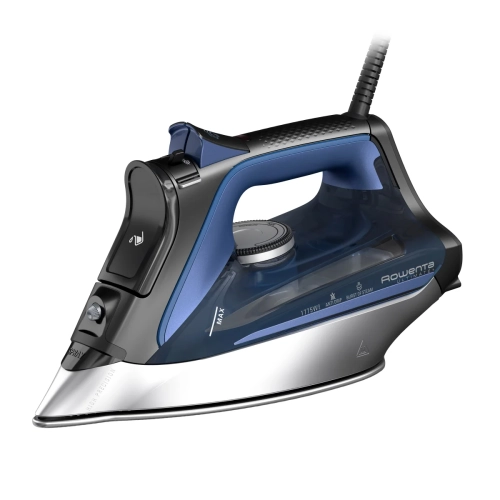


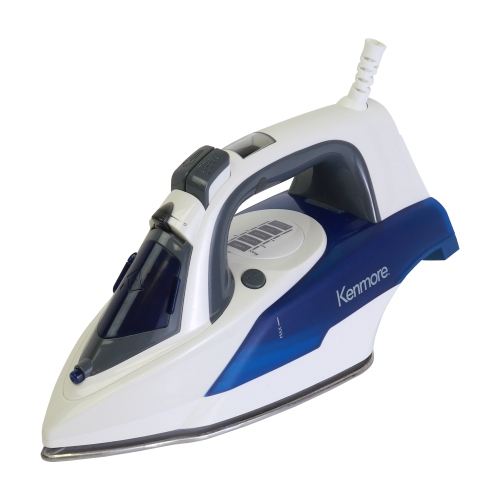
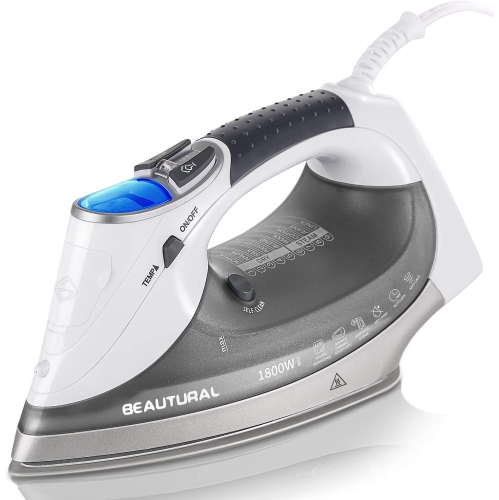
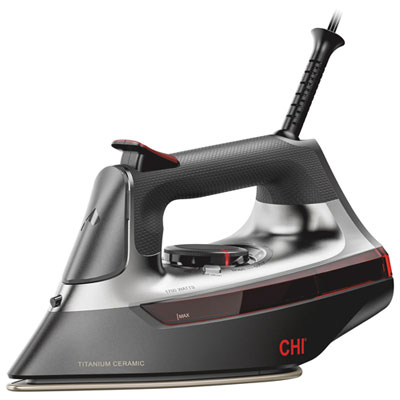

Precision pressing for crisp collars and defined seams
Professional steam irons combine a heated soleplate with controlled steam delivery to smooth wrinkles, shape seams, and give garments a crisp finish. They suit tasks that call for more precision than simply relaxing fabric on a hanger, from pressing a shirt collar flat to opening a seam before the next stage of sewing. The category spans self-contained steam irons with built-in water reservoirs and steam generator systems that pair a handheld iron with a separate water tank or boiler. A self-contained design keeps the equipment together in a compact format, while a separate station can move much of the water weight off the hand and provide capacity for longer pressing sessions. Some boiler-based systems produce pressurized steam, but pressure, continuous output, and operating time vary by design. For shoppers comparing Professional Irons, the distinction between a powerful household appliance and equipment rated for commercial use matters more than the word “professional” alone. A home sewer working through several garment pieces has different requirements from a tailoring business pressing throughout the day. Continuous steam output helps describe sustained delivery, while a steam boost is a brief burst intended for stubborn creases; the two measurements are not interchangeable. Steam pressure can help move steam through thicker layers, but it does not tell the whole story of pressing performance. Soleplate temperature, steam distribution, fabric type, and technique also affect the result. Higher wattage may support faster heating and heat recovery, although wattage alone does not establish how evenly an iron presses or how suitable it is for delicate materials. Tank capacity, warm-up time, refill procedures, and the length of uninterrupted operation are equally practical considerations. A larger reservoir can reduce refill interruptions during a stack of shirts or a lengthy sewing project, while a removable tank may be easier to carry to a tap. Whether refilling is permitted while the system remains on depends on its construction and the manufacturer’s directions.
The soleplate is the working surface of a professional steam iron, and its shape and material influence how the iron moves across fabric. Stainless steel, aluminium, and ceramic-coated surfaces are among the constructions used, with glide, weight, heat distribution, and care requirements varying between designs. A smooth, clean surface is important for consistent contact, particularly on light-coloured shirts and finely woven fabrics where residue can leave visible marks. A tapered tip provides access around buttons, inside pleats, and along narrow seams, while the arrangement of steam holes affects where moisture reaches the cloth. Overall weight deserves attention alongside the specifications: a heavier iron can provide useful pressure on flat areas, but repeated lifting may become tiring during detailed work. Handle shape, grip texture, steam-trigger placement, and cord movement all contribute to comfort. On a separate steam station, the hose also needs enough freedom to follow the iron without pulling across freshly pressed fabric. These details become noticeable when moving from a broad trouser leg to a cuff or rotating a small sewing piece on the board. Fabric compatibility remains central to the finished result. Cotton and linen often benefit from moisture and firm pressing, while wool, silk, synthetics, and blends require settings appropriate to their care labels. More heat or more steam is not automatically better. A pressing cloth can help protect susceptible surfaces from shine or direct soleplate contact, although it does not make an unsuitable temperature safe. Tailoring and garment construction also involve pressing rather than constant sliding: lowering the iron, applying controlled heat and steam, then lifting it helps preserve the shape of a seam or panel. For everyday clothing, a flat soleplate can create defined collars, cuffs, and trouser creases that a garment steamer generally does not produce on its own. Vertical steam, where supported, adds flexibility for hanging garments, but it is a supplementary function rather than a substitute for every task performed on a pressing surface. Steam should never be directed at clothing while someone is wearing it.
Professional steam irons also depend on a suitable workspace and regular care to perform consistently. A stable ironing board with a steam-permeable surface allows moisture to pass through rather than collect beneath the fabric, and its cover should be suitable for the heat and steam being used. Steam generator bases need secure support with the load capacity specified for the equipment; a small iron rest is not necessarily designed to hold a filled station. Cord and hose length should suit the layout without placing hot components near an edge or creating a trip hazard. Electrical ratings matter as well, particularly for higher-powered equipment used alongside other appliances, and commercial or imported systems require careful attention to voltage, plug type, and installation requirements. Water recommendations differ between manufacturers. Some systems are designed for tap water, while others specify a particular mixture or treatment, so distilled water should not be assumed to be the universal choice. Mineral deposits can affect steam delivery, making the prescribed cleaning routine, anti-scale cartridge replacement, or boiler maintenance an important part of ownership. Fragrance, starch, and other additives belong in a reservoir only when expressly permitted by the manufacturer. Keeping the soleplate free of residue, avoiding contact with pins and zippers, and allowing the equipment to cool before storage can help protect both the iron and the fabrics it touches. Safety features may include automatic shut-off, a secure carrying lock, or a heat-resistant resting surface, but their presence and operation vary. Pressurized boilers must cool or depressurize as directed before any cap is opened. For a busy household, the appeal may be a dependable finish on work shirts and school uniforms; for a sewing enthusiast, it may be precise control over darts, hems, and seams. In a tailoring or alterations setting, serviceability, duty rating, replacement parts, and warranty coverage for business use become especially relevant. Matching those practical details to the intended workload makes professional steam irons useful tools for both routine garment care and more exacting fabric work.
Top selling and popular products
-
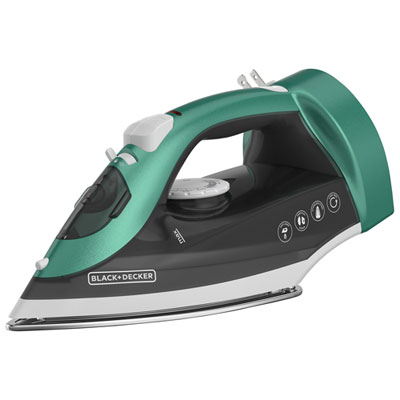 Your price for this item is $59.99
-
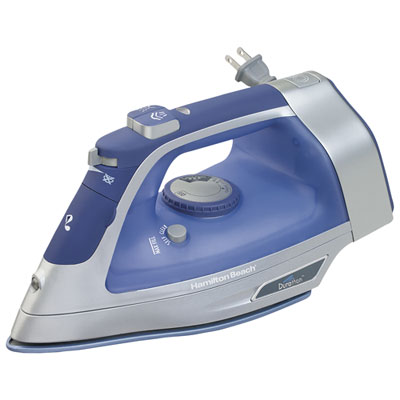 Your price for this item is $56.99
-
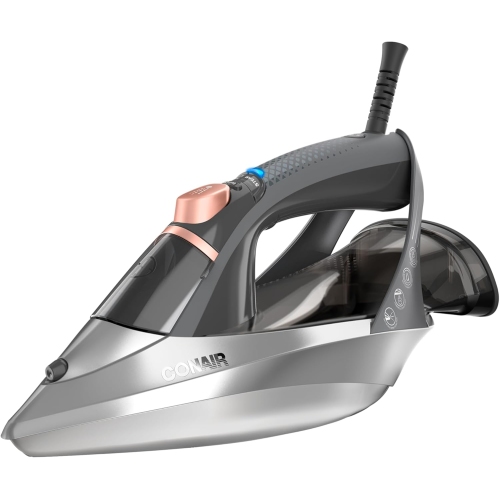 Your price for this item is $183.28
-
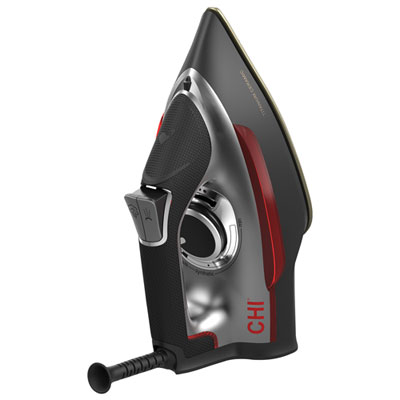 Your price for this item is $69.98
-
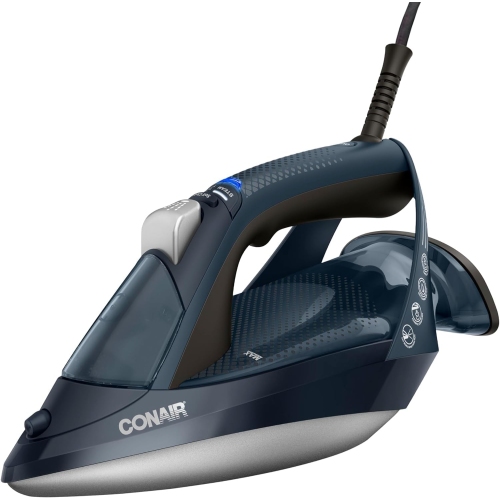 Your price for this item is $49.97
-
 Your price for this item is $239
-
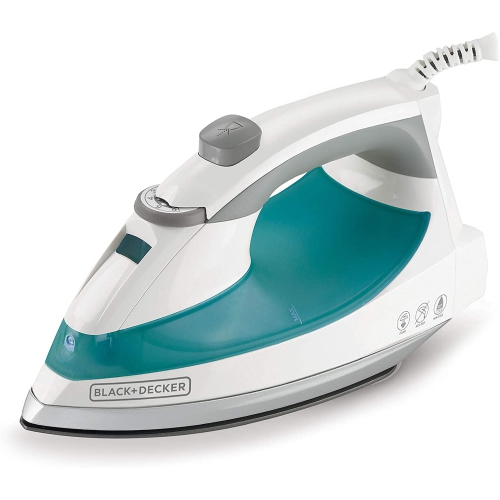 Your price for this item is $28.98
-
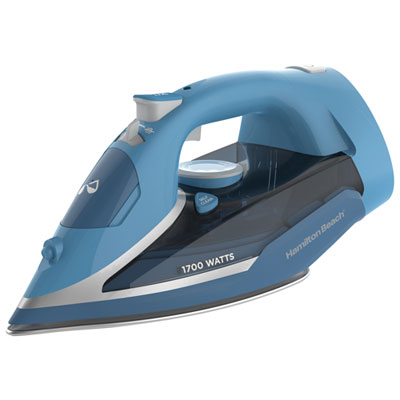 Your price for this item is $69.99
Discover more categories related to Professional Steam Irons

Top Collections:
Pokemon Centers, Kindle Devices, Best Cameras for Sports Photography, Best Budget Office Chairs, Pokémon 30th Celebration Cards, Apple iPhones 16, Canon G7X Cameras, iPhone 15 Apple, Flip Phones, Samsung Galaxy Phones
Some products may be subject to Environmental Handling Fees
(EHF) depending on your province.
Learn more about EHFs.