Propane Patio Heaters
Stay warm and cozy on your patio all year with a propane patio heater. These heaters use propane gas to provide steady, comfortable warmth in outdoor areas. They are designed to be portable, making them easy to move around and place wherever you need heat. Here are some great options available.
Sort


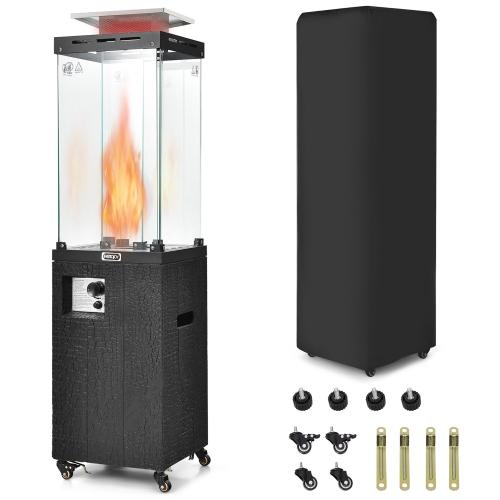

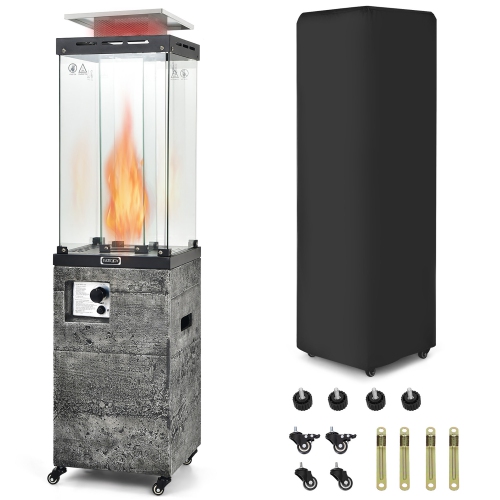

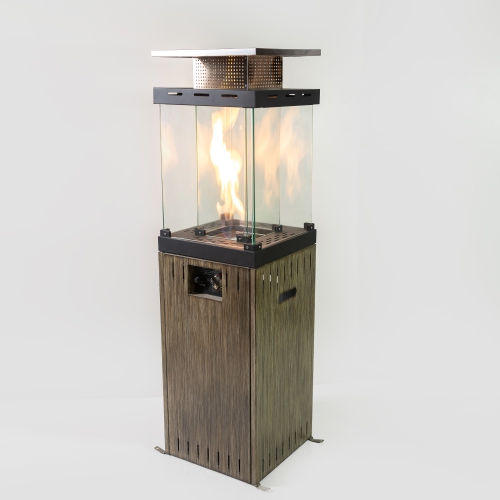
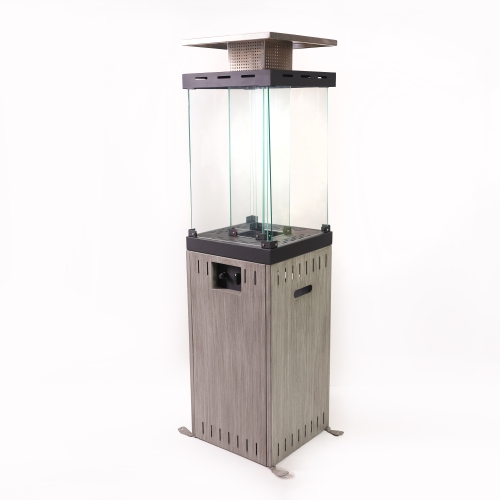





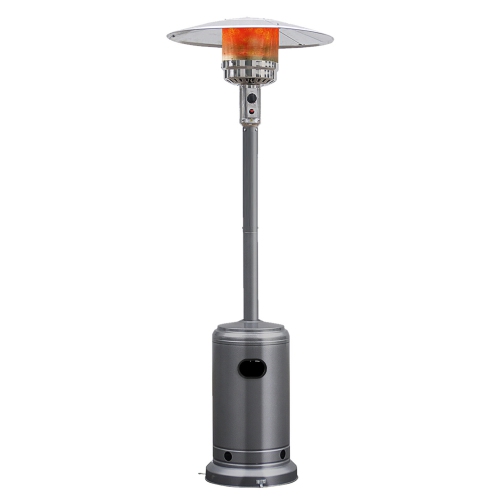

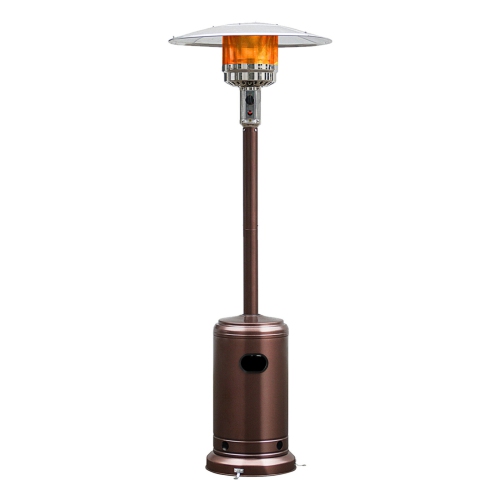
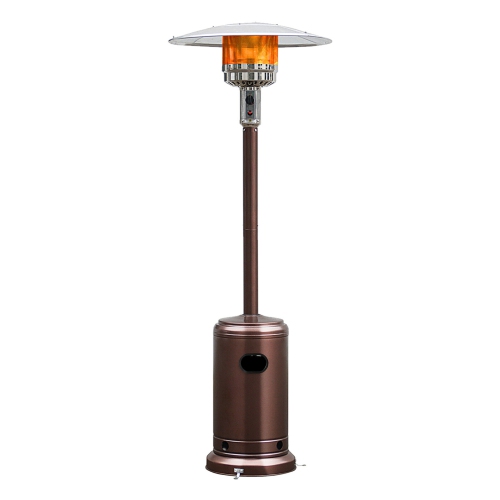

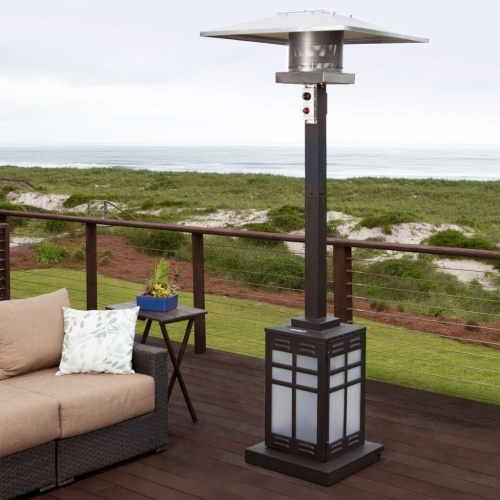

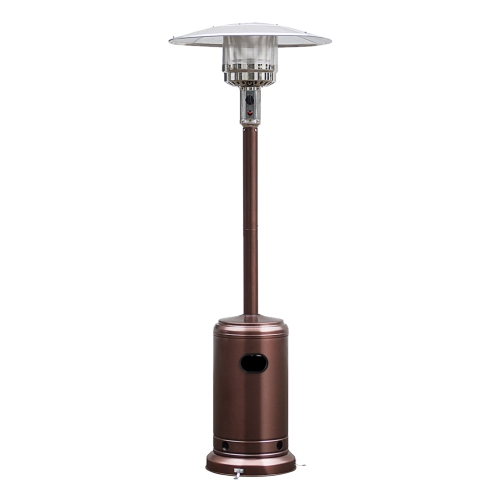
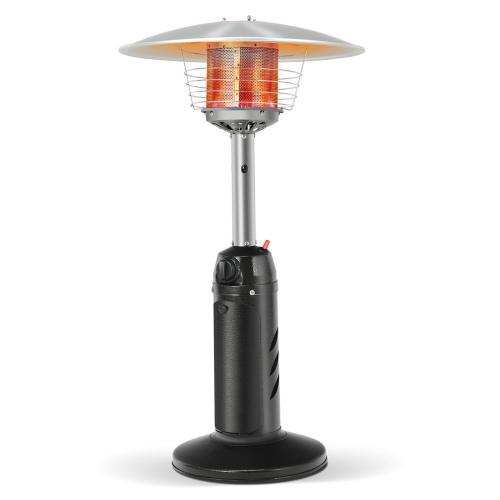
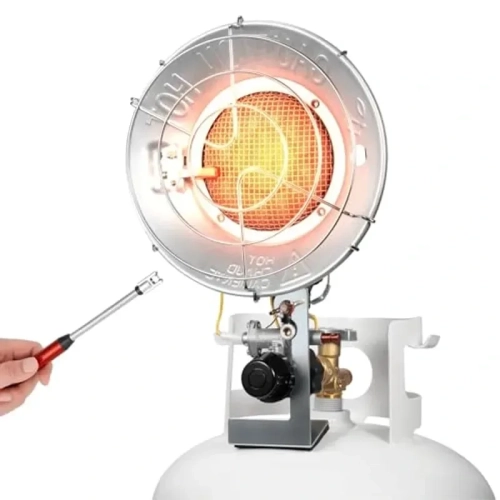

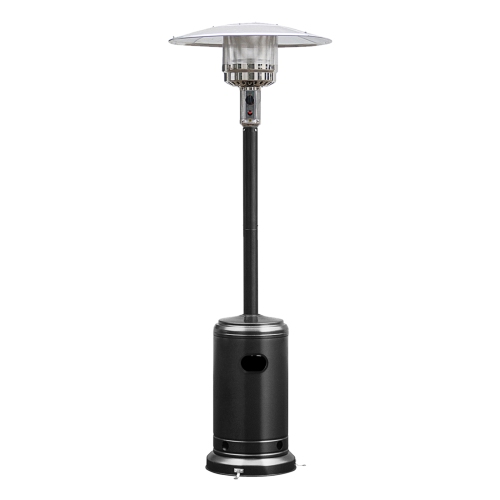




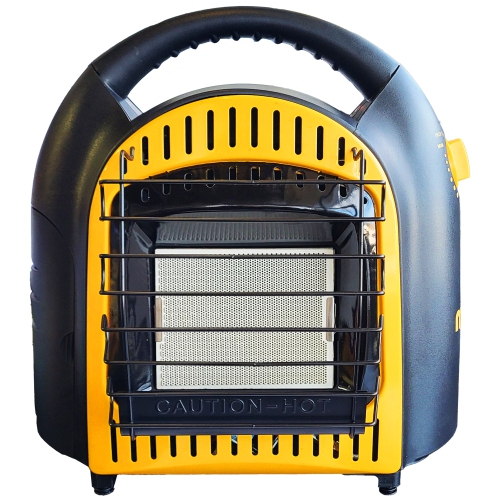
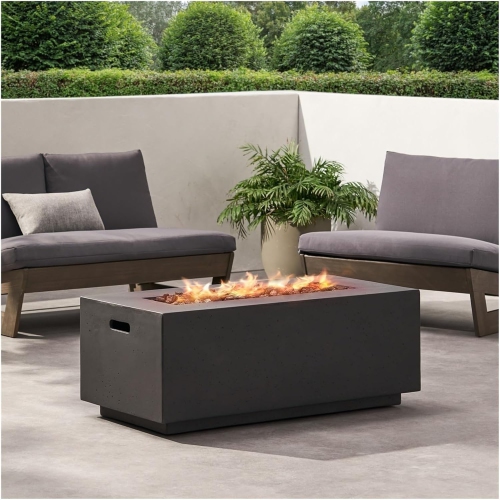
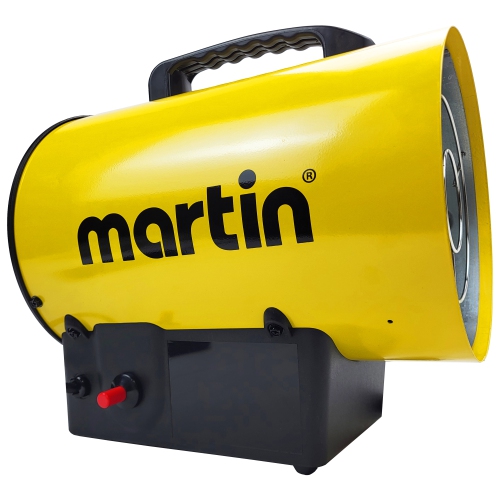
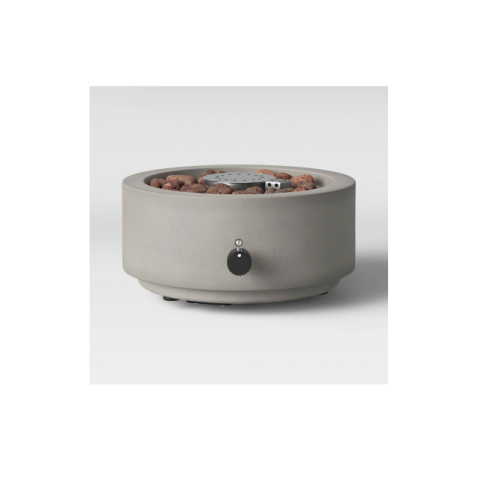



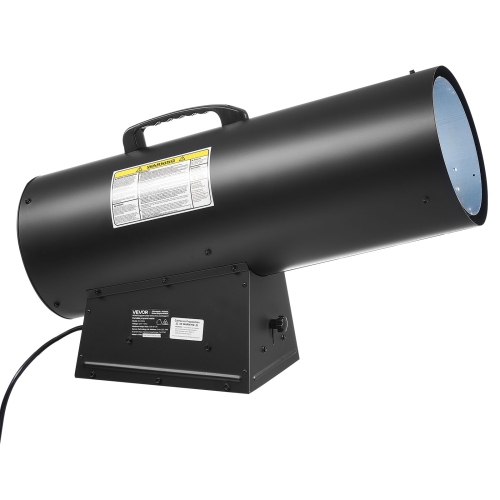
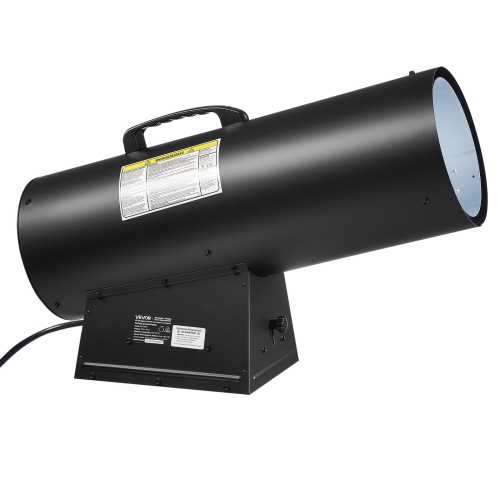

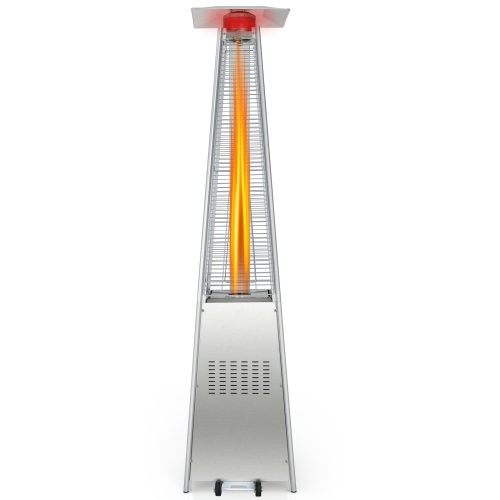
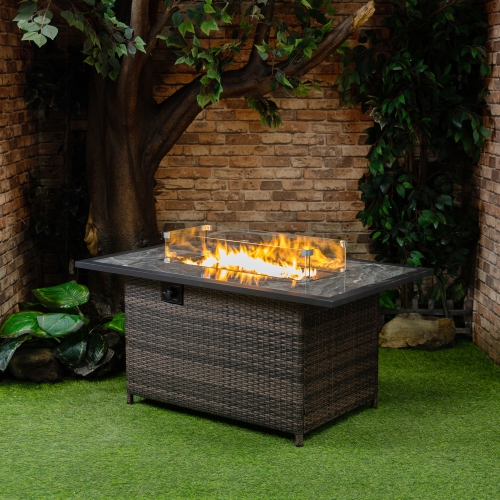






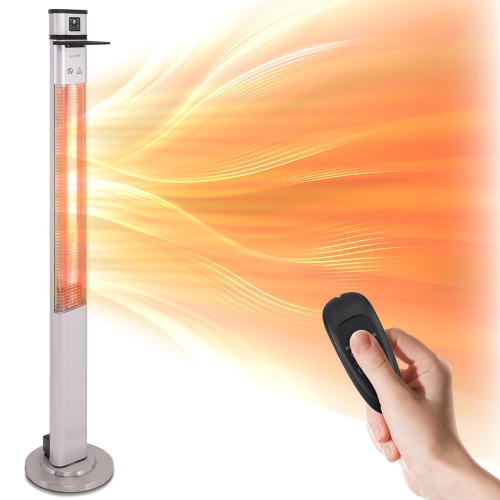


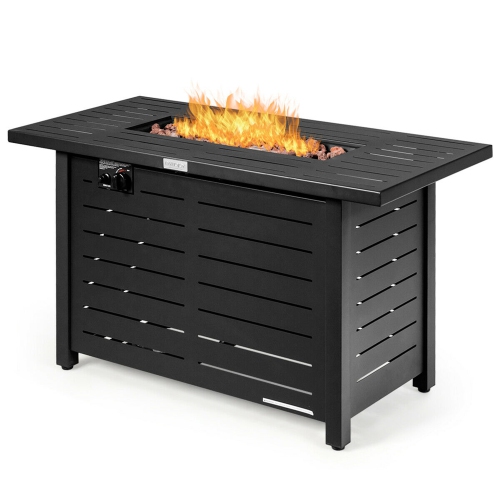
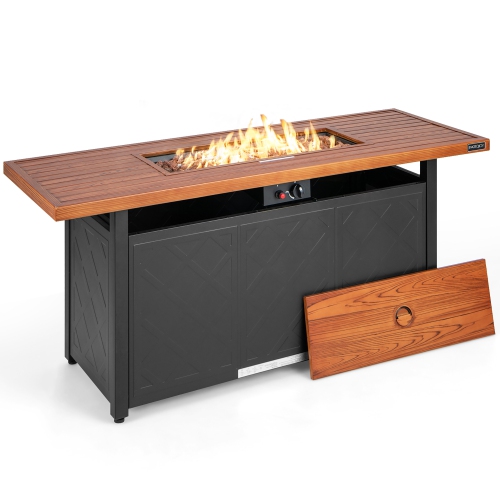
Adjustable warmth for outdoor gatherings without an outlet
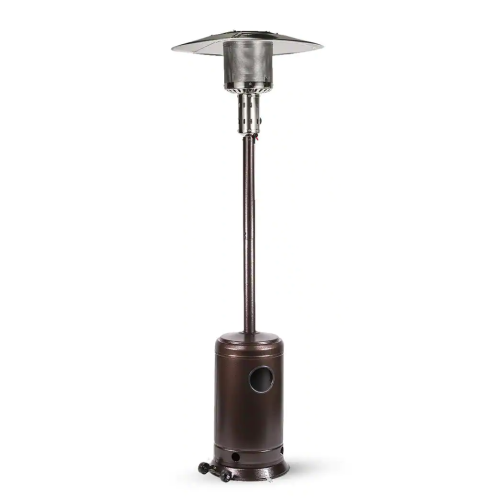
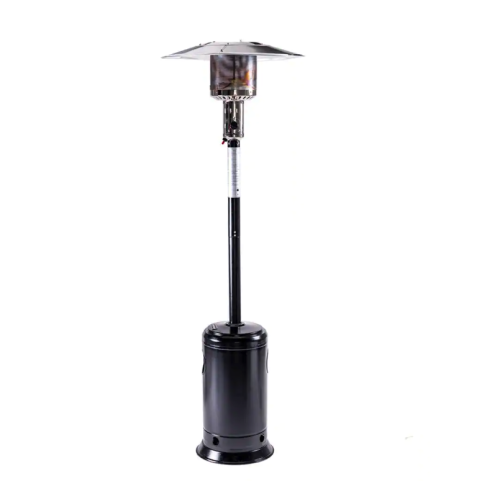
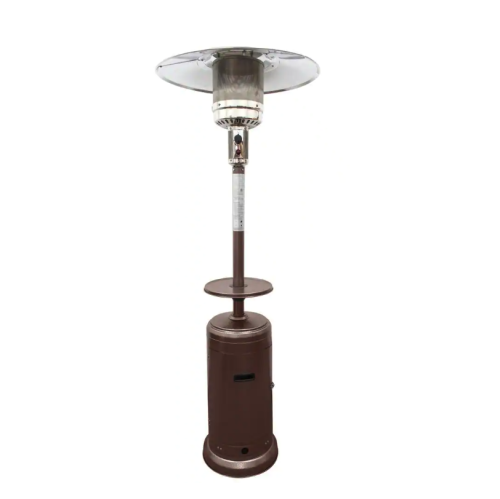
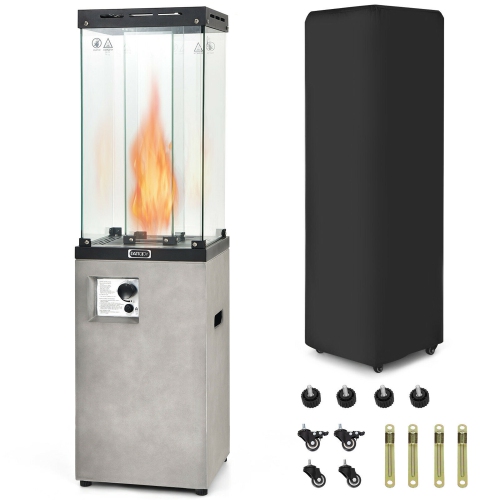
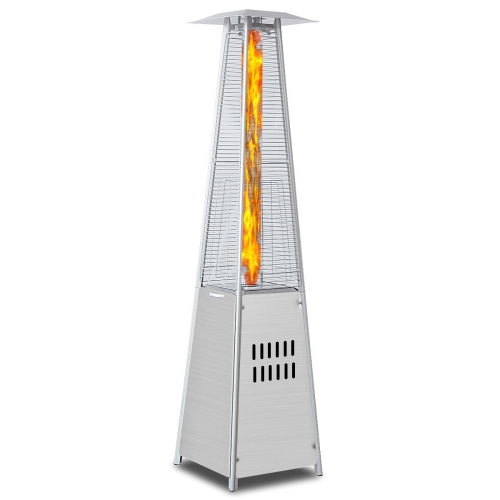
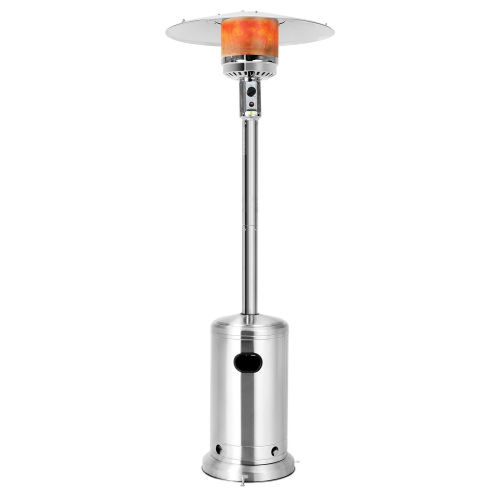
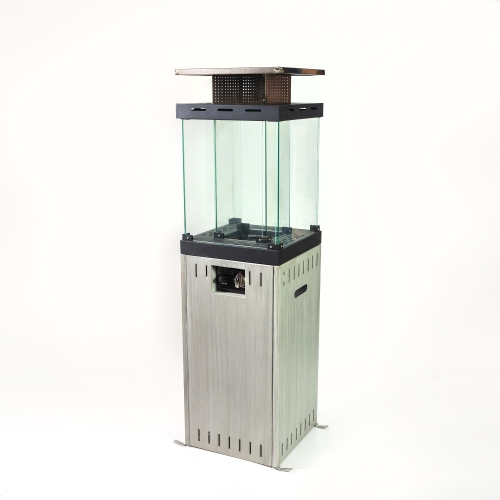
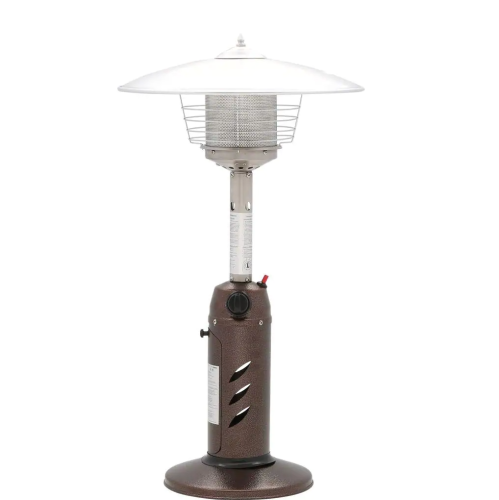
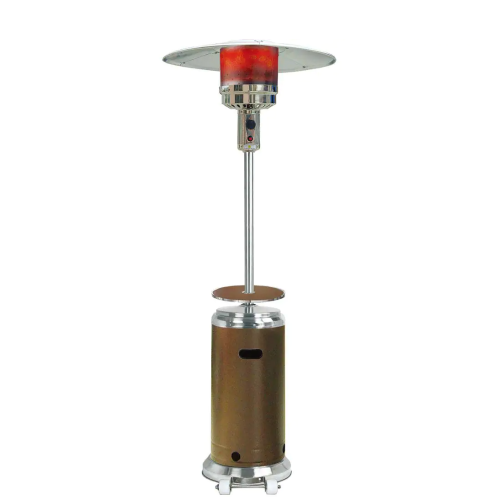
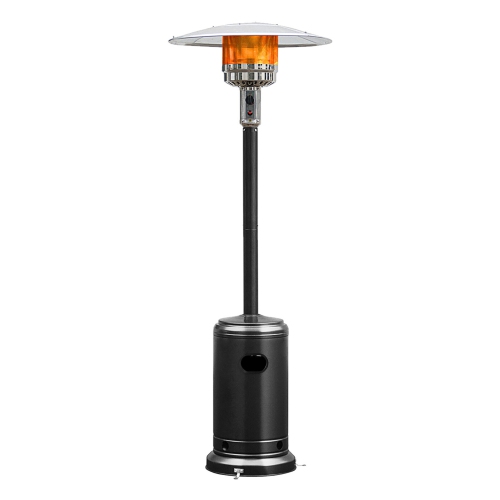
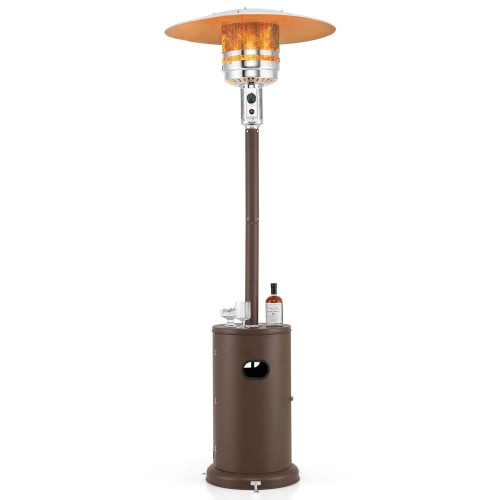
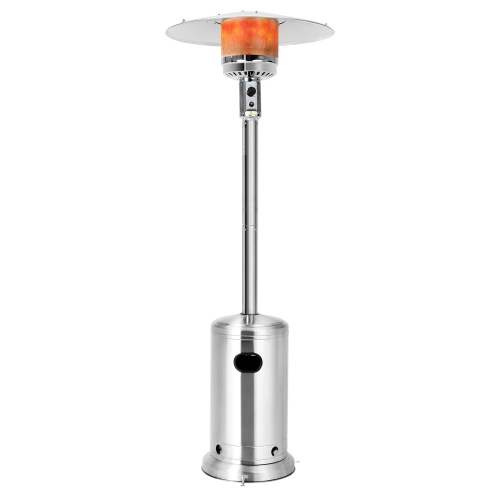
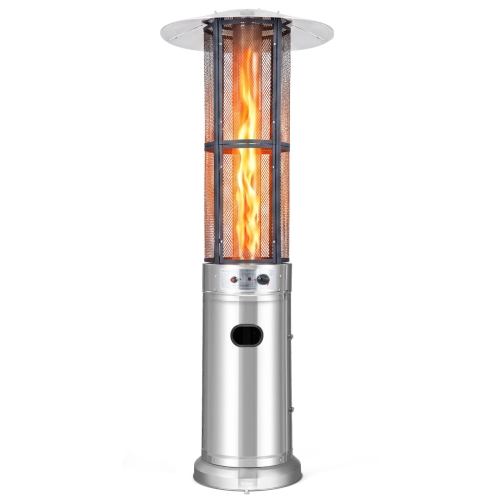
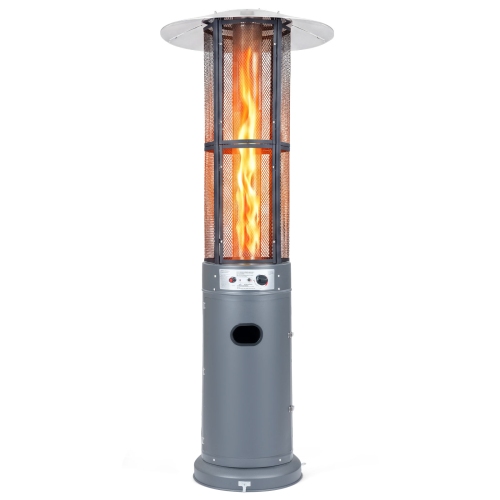
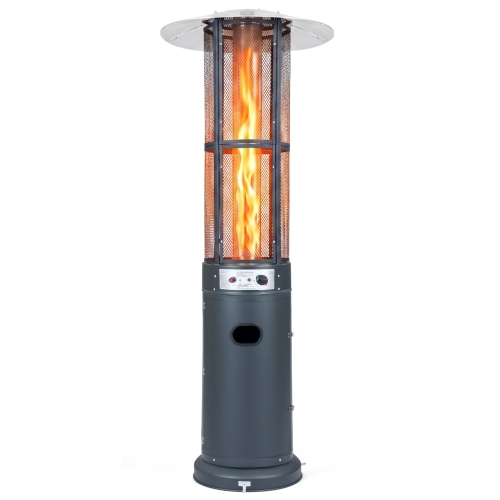
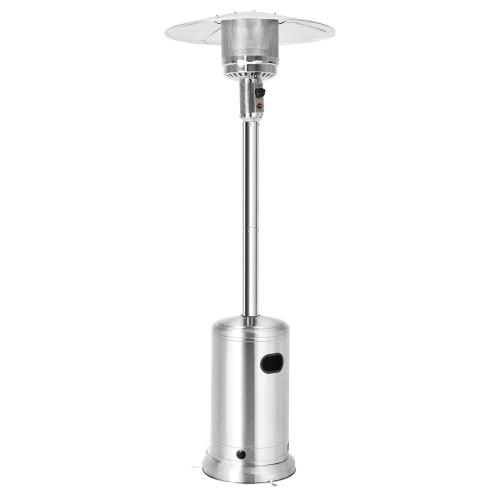
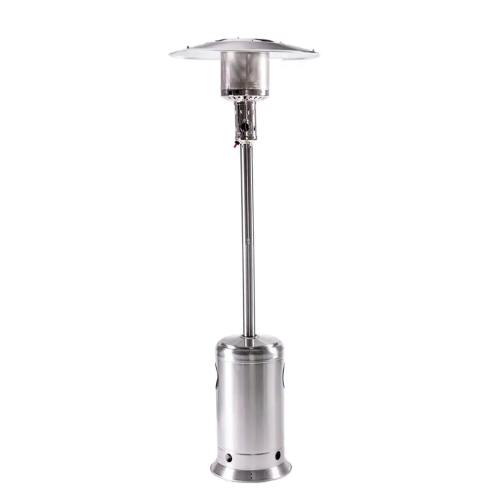
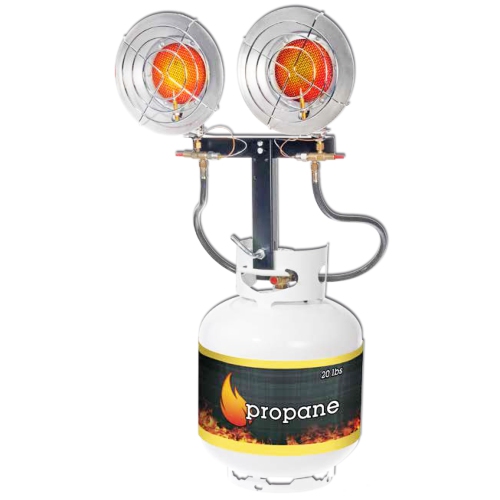
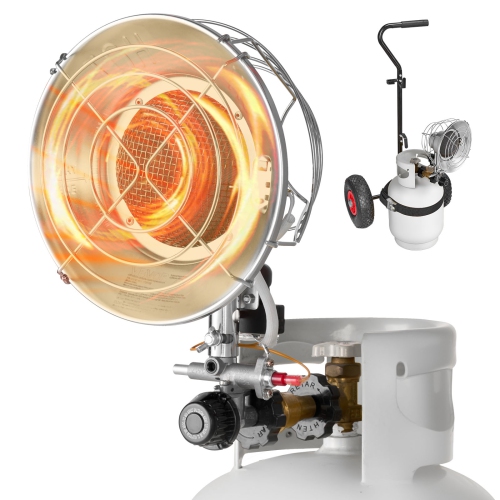
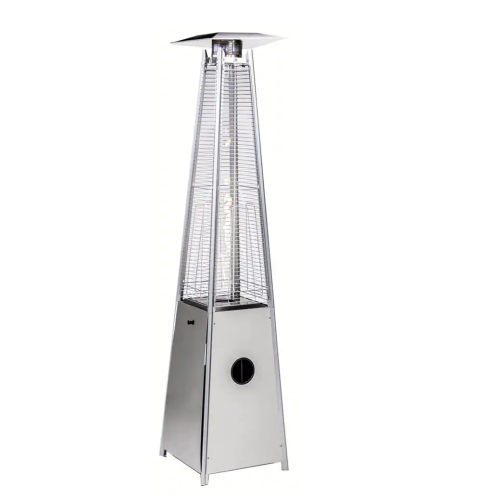
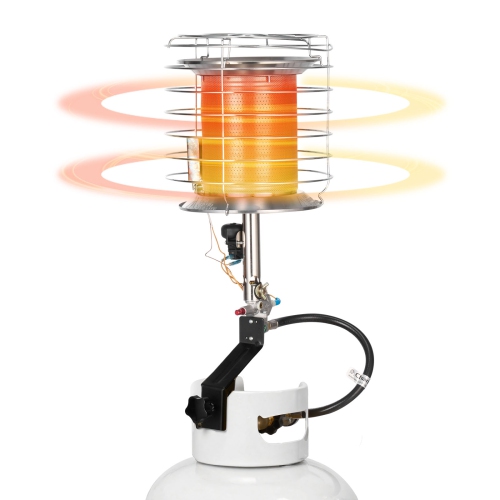
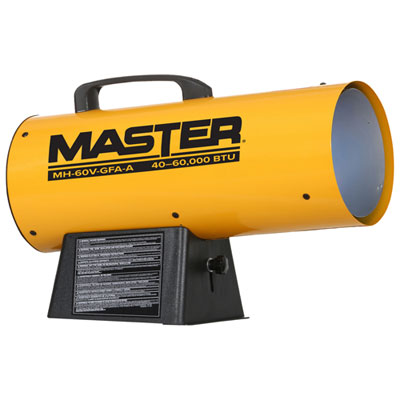
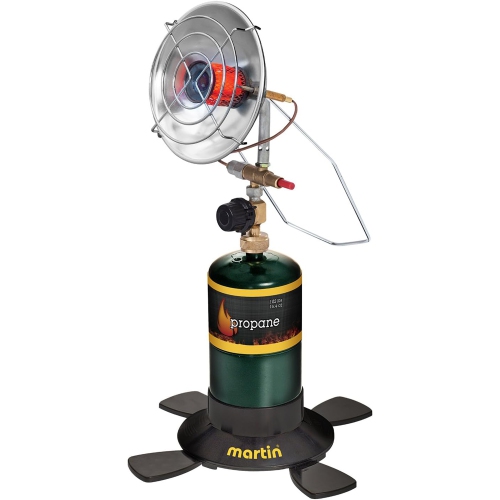
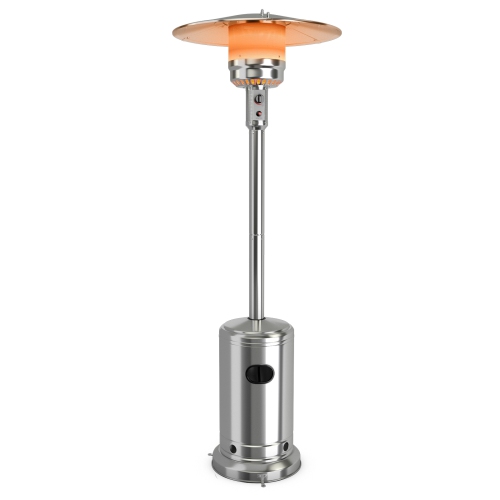
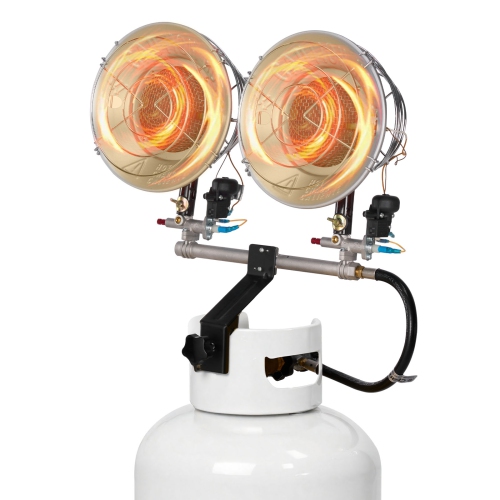
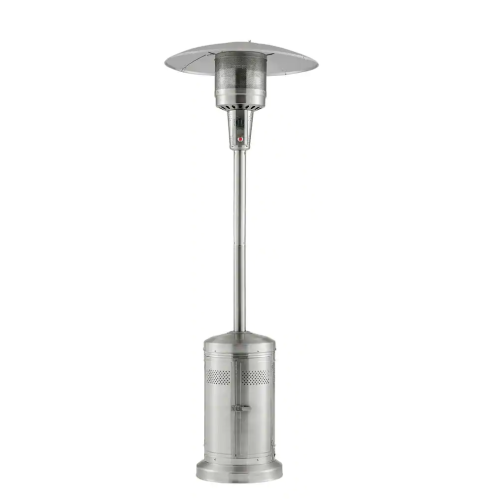
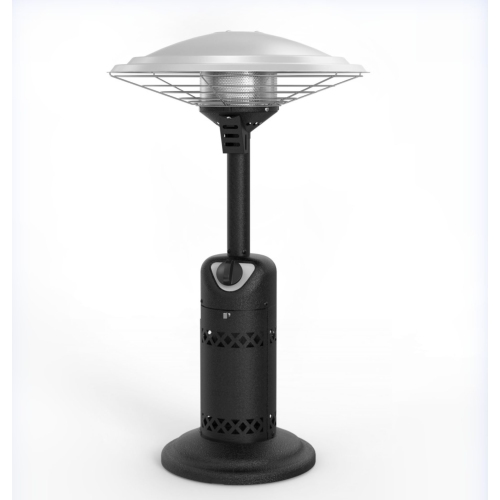
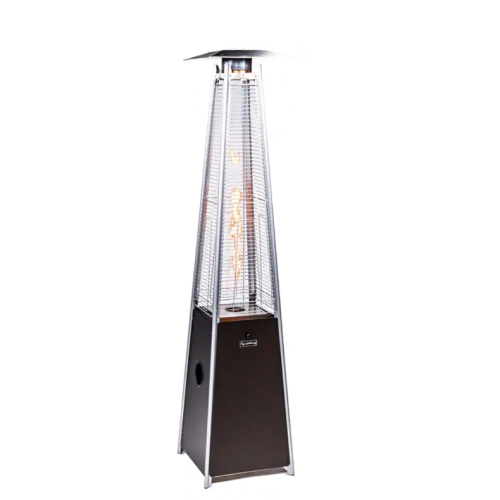
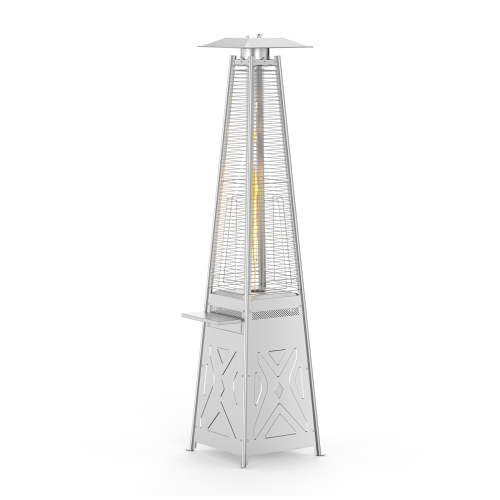
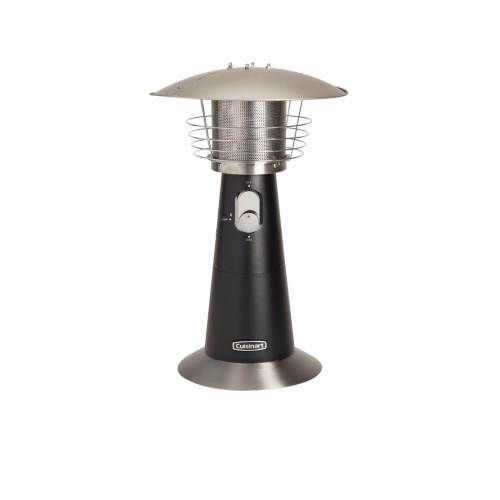
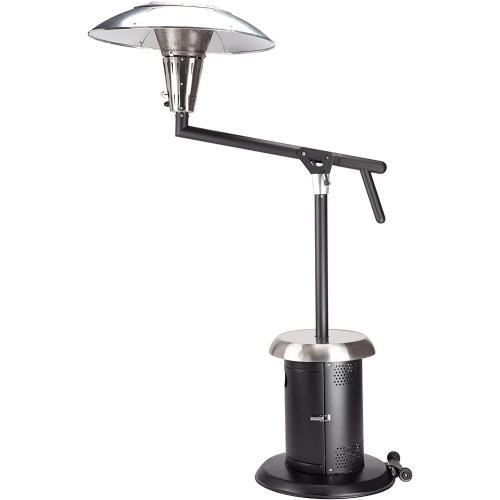
Propane patio heaters bring adjustable warmth to open-air seating and dining areas without needing a nearby electrical outlet. Many full-size freestanding models deliver approximately 38,000 to 50,000 BTUs per hour and connect to a standard 20 lb propane cylinder. A full cylinder can provide roughly 8 to 10 hours of operation at a high setting, although actual runtime depends on the heater’s fuel consumption, the selected heat level, and how much propane is in the cylinder. These heaters suit outdoor spaces where people tend to stay in one place: a dining table set for a leisurely meal, a pair of lounge chairs beside the garden, or a conversation area where guests gather after sunset. They provide localized warmth rather than heating an entire yard, so their position relative to the seating matters more than the overall size of the property. Tall mushroom-style heaters typically use a broad reflector above the burner to direct heat downward and outward. Pyramid-style heaters often feature a visible flame inside a protective glass tube, adding a distinctive focal point alongside their heating function. Their shapes distribute heat differently, so appearance alone does not indicate how warm a seated guest will feel. Compact tabletop propane heaters offer another format for smaller arrangements, but they still require a suitable supporting surface and all clearances specified by the manufacturer. Adjustable controls make it easier to match the heat output to the gathering, while ignition systems vary between designs and should be considered alongside access to the controls. A heater with straightforward operation can be especially practical for households that regularly move between outdoor dining and relaxed seating. For hosts, homeowners, and people furnishing a spacious open patio, the most useful design is one that complements the way the space is actually used, rather than simply offering the tallest frame or the largest stated output.
Fit involves the heater’s footprint, height, overhead clearance, and distance from nearby objects. A broad base may improve stability, but it also needs enough room that chairs can slide back and guests can walk past without brushing against the heater. On a narrow patio, the space occupied by the base can be just as important as the size of the reflector. Propane patio heaters belong outdoors, with the ventilation and clearances required in their instructions; they are not suitable for bringing into a garage, enclosed porch, tent, or other enclosed space. A roof, awning, pergola, or overhanging branch also needs careful consideration, since an open side does not automatically make an overhead structure safe. Manufacturer-specified distances from combustible materials take priority over a preferred furniture arrangement. Heat output, usually expressed in BTUs per hour, describes the rate of heat production, not a guaranteed comfort radius. Wind, exposure, heater design, and the distance between the burner and the seating all influence the warmth people feel. In an exposed space, even a powerful heater may feel less effective than expected, and operation in strong winds may be prohibited by the manufacturer. Materials also shape how a heater looks and holds up to outdoor use. Stainless steel is often chosen for its corrosion resistance and clean finish, while powder-coated steel offers different colour options and a protective surface that benefits from prompt attention to chips or scratches. Neither finish makes a heater maintenance-free, particularly where moisture or salt exposure is common. Reflectors, burner assemblies, glass components, fasteners, and cylinder compartments each have their own care requirements. A sturdy frame, accessible cylinder housing, and secure connections can matter more in everyday use than decorative details. Wheels can help with repositioning a cooled heater, but a tall unit may still be awkward on steps, gravel, or uneven paving. Its operating position should always be firm, level, and consistent with the installation instructions.
Ownership also includes handling the propane cylinder, keeping the burner area clear, and finding suitable storage for periods when the heater is not being used. Full-size designs commonly conceal the cylinder inside the base, giving the heater a tidier appearance while leaving a door or lifting section for access. That access is worth considering if bending or lifting is difficult, since changing a cylinder requires more effort than turning a control dial. Smaller heaters may use different cylinder sizes or connection arrangements, and compatibility should never be assumed. Only the fuel supply, regulator, hose, and accessories specified for the heater should be used. Safety features such as a tip-over shut-off and flame-failure protection are useful considerations, but they do not replace stable placement, supervision, or the required clearances. Children and pets need space away from hot surfaces, and a heater should be switched off and allowed to cool before it is moved or covered. For routine care, the manufacturer’s instructions should govern cleaning products and methods, especially around glass tubes, coated finishes, and burner parts. Keeping ventilation openings unobstructed and checking for visible hose damage, loose fittings, or corrosion helps identify concerns before the next gathering. A correctly fitted cover can limit exposure to rain, snow, and debris once the heater is completely cool, but it does not make an unsuitable storage location safe. Propane cylinders require upright outdoor storage in a well-ventilated location, following supplier guidance and local requirements; they should not be stored indoors. Anyone comparing the broader range of Propane Heaters should pay particular attention to each model’s intended application, because a shared fuel source does not mean different heater types are interchangeable. For patio use, a well-matched heater combines suitable warmth, manageable cylinder access, durable construction, and a footprint that leaves the seating area comfortable to move through. Those practical details help make outdoor meals, quiet reading, and conversations around the table more comfortable without overwhelming the space.
Top selling and popular products
-
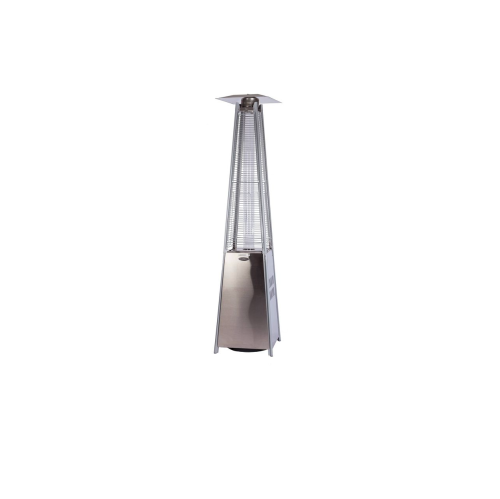 Your price for this item is $879.99
-
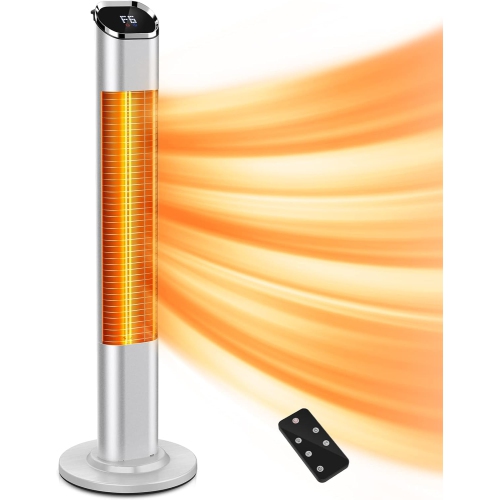 Your price for this item is $219.95
-
 Your price for this item is $329.99
-
 Your price for this item is $783.99
-
 Your price for this item is $318.99
-
 Your price for this item is $1199.99
-
 Your price for this item is $259.99
-
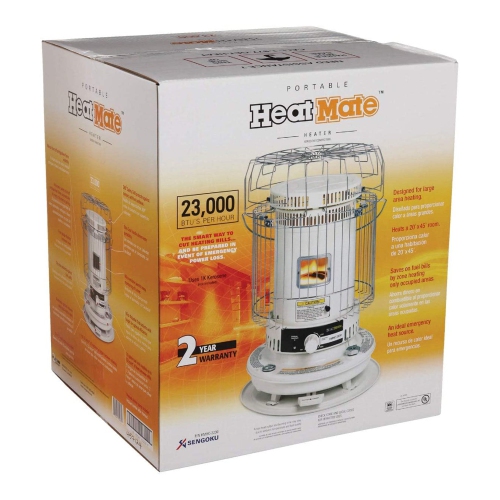 Your price for this item is $611.99
Discover more categories related to Propane Patio Heaters
Top Collections:
Best Black Friday Deals This Year, Best Black Friday Deals On Electronics, Kindle Devices, Pokemon Centers, Best Black Friday Deals On Apple Products, Best Cameras for Sports Photography, Dyson Airwrap, Pokémon 30th Celebration Cards, Apple iPhone 17 Pro, Canon G7X Cameras
Some products may be subject to Environmental Handling Fees
(EHF) depending on your province.
Learn more about EHFs.