Quiet Wall Air Conditioners
Quiet wall air conditioners offer an excellent solution for maintaining a comfortable indoor temperature without unwanted noise. Designed to fit seamlessly into the wall, these units are ideal for bedrooms, living rooms, offices, and other spaces where low sound levels are a priority. Explore a selection of quiet wall air conditioners that combine efficient cooling with discreet operation, helping you create a relaxing and productive atmosphere throughout the year.
Sort



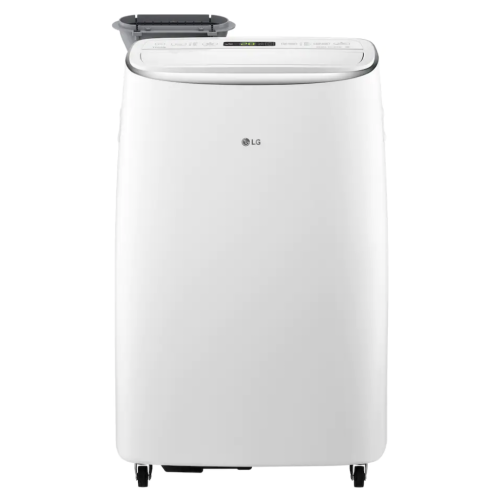
Why quieter cooling depends on more than decibels
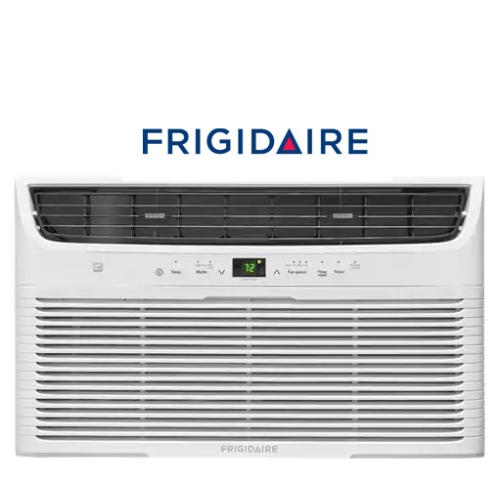
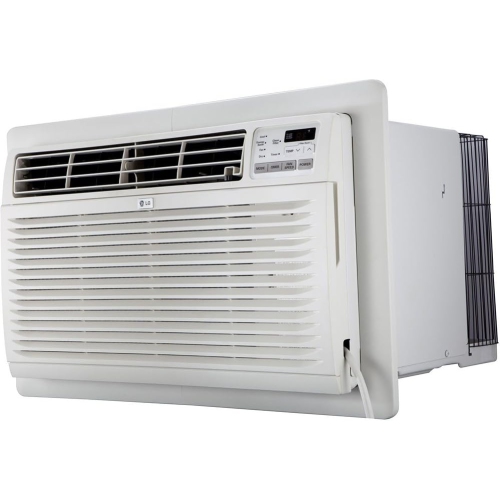
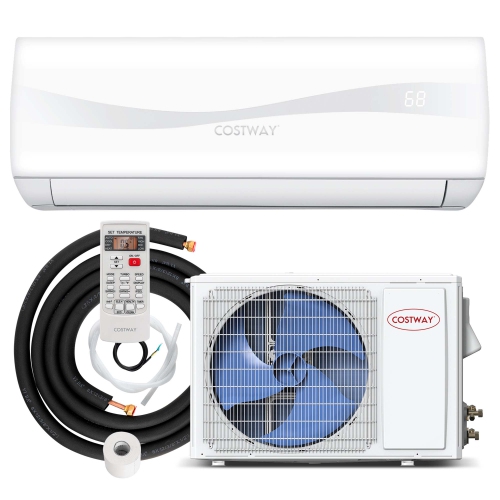
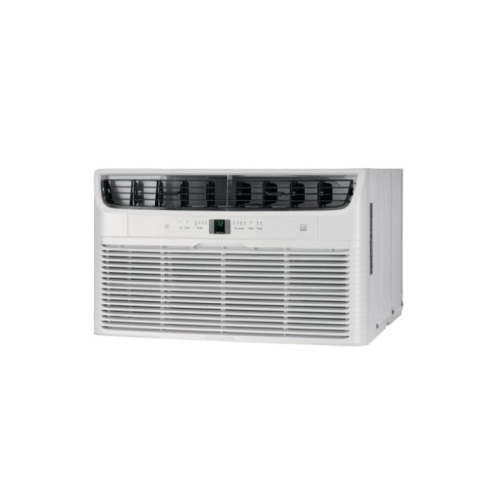
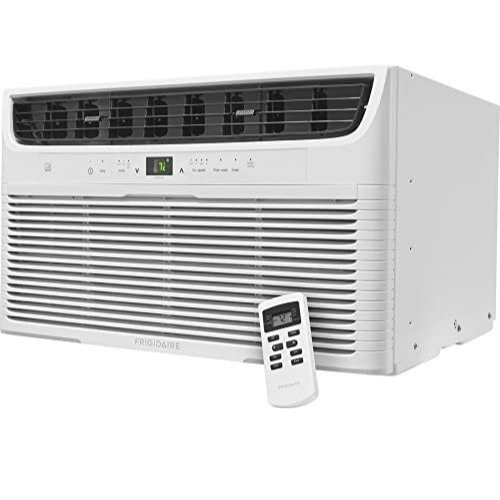
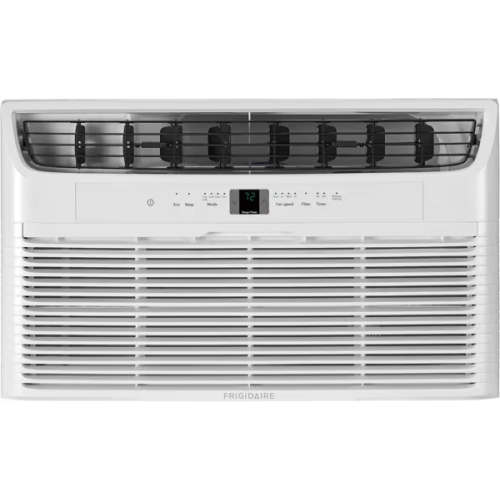
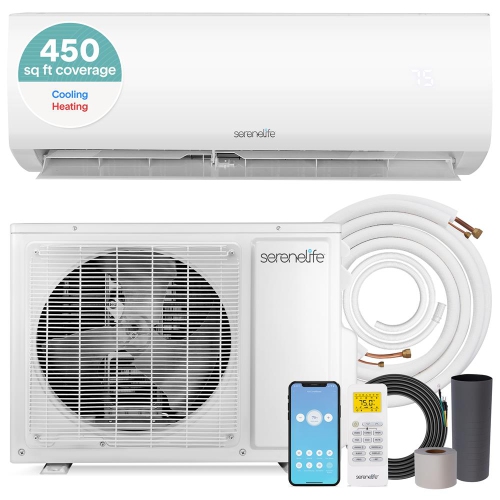
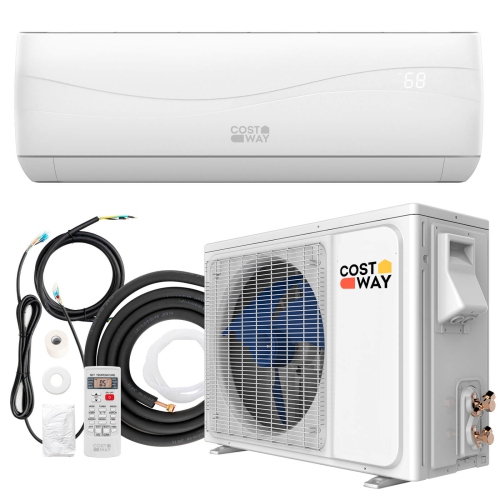
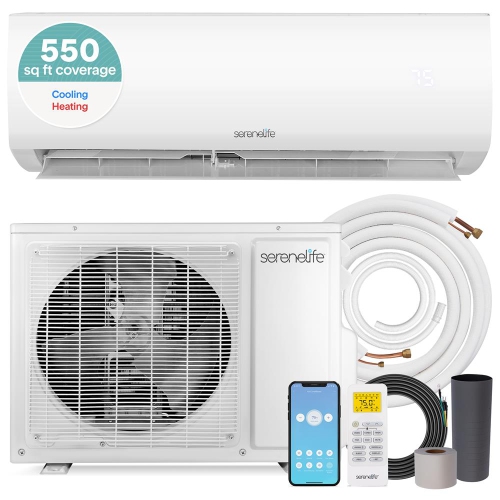
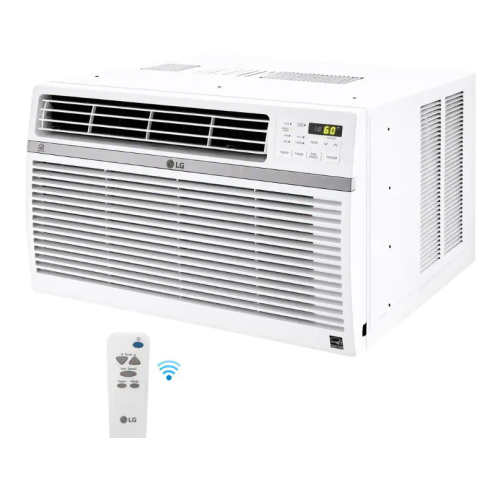
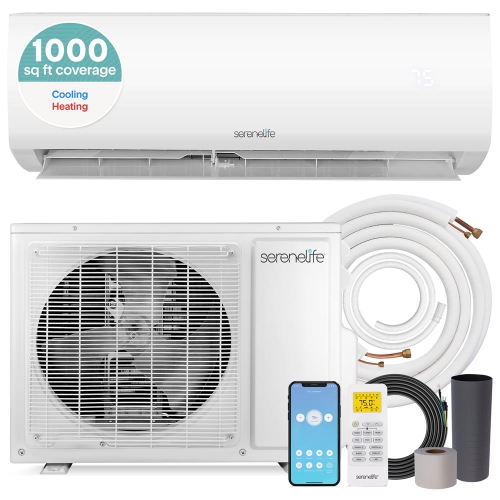
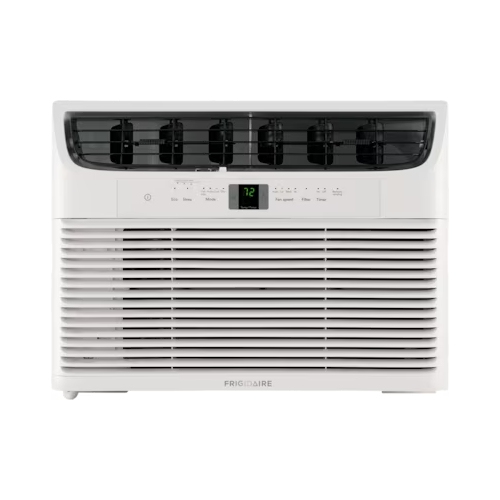
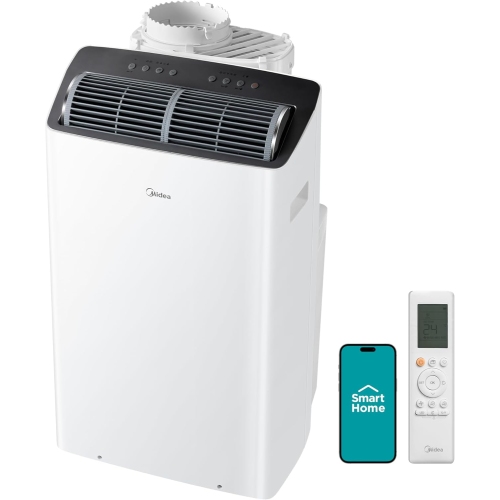
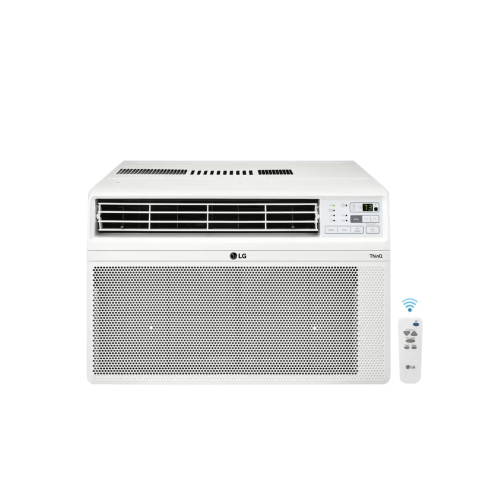
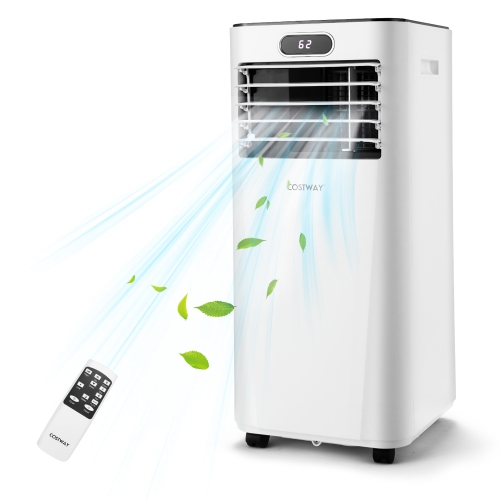
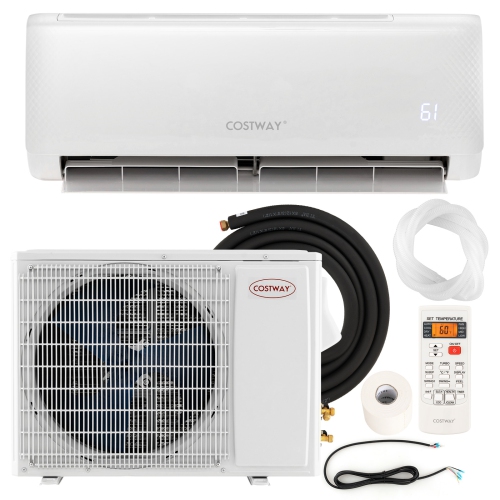
Quiet wall air conditioners offer room-by-room cooling for bedrooms, living rooms, home offices, and other spaces where a steady indoor temperature matters as much as keeping background noise unobtrusive. The category includes two distinct designs: single-package through-the-wall air conditioners and wall-mounted indoor units that form part of a ductless mini-split system. A through-the-wall air conditioner houses its cooling components in one cabinet fitted into an exterior wall sleeve. A ductless mini-split connects an indoor air-handling unit to a separate outdoor unit through refrigerant lines. Mini-split systems are often quieter indoors because the compressor is outside rather than within the wall-mounted cabinet, although actual sound levels depend on the equipment, operating mode, and installation. Through-the-wall units can also offer quieter settings, making them worth considering when an existing wall opening suits that style of appliance. For either design, published indoor sound ratings are more useful than a quiet label alone. Decibel figures should be compared under similar test conditions, including fan speed and measurement distance; a low-speed rating does not describe how a unit sounds at maximum output. The character of the sound matters, too. A consistent airflow sound may be less noticeable beside a desk than a compressor that starts and stops frequently, while vibration against a loose sleeve can become distracting near a bed. Lower fan settings, sleep modes, and variable-speed operation may help reduce interruptions, but their availability and behaviour vary by design. Quiet operation does not mean silent operation: moving air, refrigerant flow, and occasional operating sounds can still be audible. For someone who sleeps lightly, takes calls from home, or watches television at a low volume, the most suitable choice balances cooling output with the sound produced during everyday use, rather than relying only on the lowest advertised noise figure.
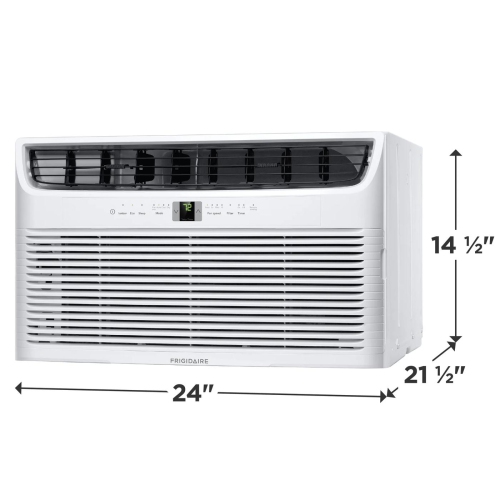
Cooling capacity and physical fit have a direct effect on how comfortably a wall air conditioner performs. Capacity is usually expressed in British thermal units per hour, or BTU/h, and should suit the space rather than simply being as large as possible. An oversized unit may cool a room quickly and cycle off before removing enough moisture, while an undersized unit may run for long periods without reaching the desired temperature. Floor area is a starting point, but ceiling height, insulation, direct sunlight, window size, and heat from people or electronics also influence the cooling load. A compact bedroom with the door closed has different needs from an open living and dining area, and an upstairs room with broad sun-facing windows may need a different assessment from a shaded room of similar size. Adjustable louvers help direct airflow across the room rather than straight at a pillow, sofa, or work surface. Furniture and curtains need to leave the intake and outlet clear so air can circulate properly. For through-the-wall installations, cabinet dimensions, sleeve compatibility, wall depth, and the location of exterior vents all matter. Window air conditioners are not automatically suitable substitutes, since enclosing their side vents within a wall can obstruct airflow. A compatible sleeve, appropriate support, and correct sealing help limit drafts, vibration, and water intrusion. Installation must also follow the specified drainage arrangement rather than an assumed angle or slope. Ductless systems require a suitable outdoor location, properly sized refrigerant connections, and professional installation. Electrical requirements vary, so outlet type, voltage, and circuit capacity need to match the equipment specifications; an extension cord is not a substitute for a suitable supply. In condos and rental homes, building rules and permission for exterior alterations can also affect which installation is practical. These details help distinguish a straightforward replacement in an existing opening from a project that requires changes to the wall or electrical service.
Everyday usability, construction, and care help determine whether a quiet wall air conditioner remains a comfortable part of the room over time. Coated metal cabinets and sleeves provide structural support, while indoor grilles and trim are often made from moulded plastic that can be wiped clean. A secure installation and well-fitted trim help prevent rattles, but exterior components also need the clearances and protection specified for their location. Inside, accessible filters make routine maintenance easier, especially in rooms where pet hair or household dust builds up quickly. Washable filters should be cleaned and dried according to the manufacturer’s directions, while replaceable filters need the correct replacement type. Keeping filters and accessible grilles clear helps maintain airflow; restricted airflow can reduce cooling performance and make the unit work harder. Power should be disconnected as directed before cleaning, and work involving sealed electrical or refrigerant components belongs with a qualified technician. Persistent rattling, unusual odours, or new operating sounds deserve attention rather than being treated as normal signs of age. Controls also shape day-to-day comfort. A readable display, an easy-to-use remote, adjustable fan speeds, and a timer can make a bedroom installation less intrusive, particularly when the display can be dimmed or switched off. Wi-Fi connectivity may support remote scheduling or temperature adjustments on compatible models, though basic controls remain important for anyone who prefers a simpler setup. Heating and dehumidifying functions are separate capabilities to check, not features that every wall air conditioner includes. Appearance matters as well, since the indoor face remains visible even when cooling is not needed. A white finish can blend with pale walls and trim, and White Wall Air Conditioners suit spaces where a light, neutral appliance finish is preferred. Whether the setting is a restful bedroom or a shared living area, suitable capacity, unobstructed airflow, accessible maintenance, and well-controlled sound contribute more to lasting comfort than any single feature on its own.
Top selling and popular products
-
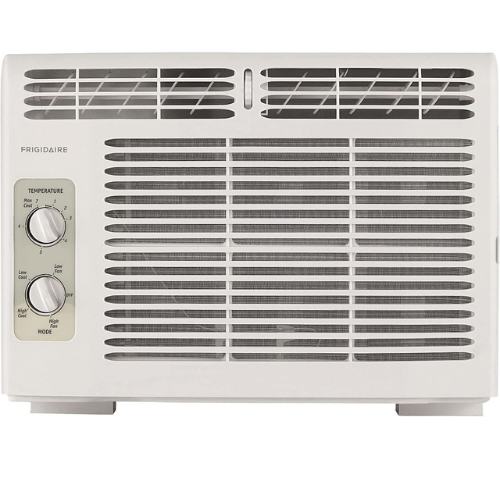 Your price for this item is $400
-
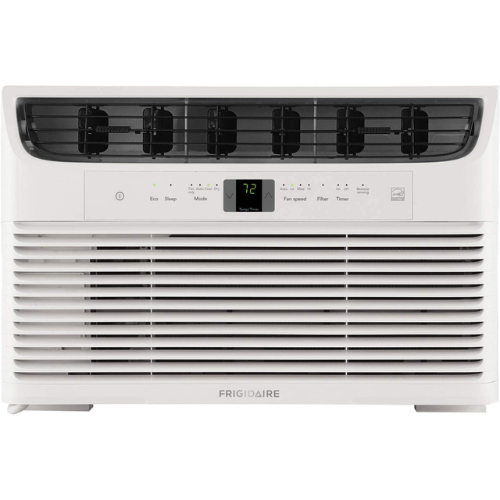 Your price for this item is $799
-
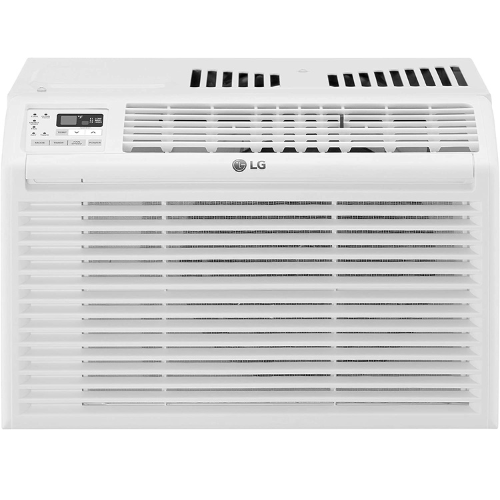 Your price for this item is $699
-
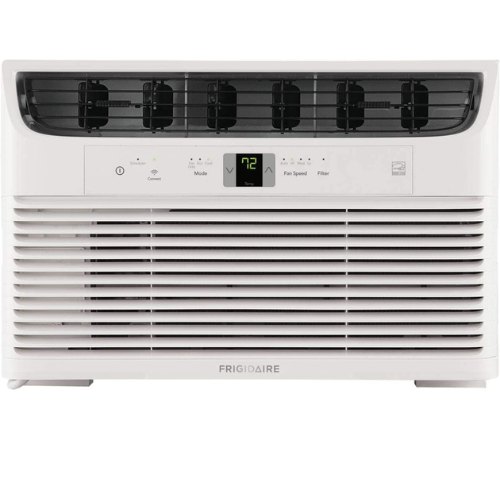 Your price for this item is $399
-
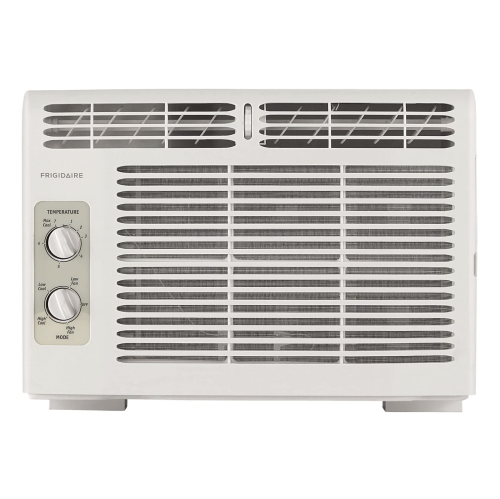 Your price for this item is $429
-
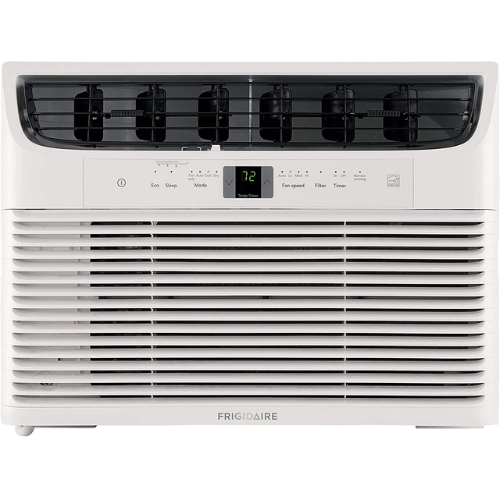 Your price for this item is $873.99
-
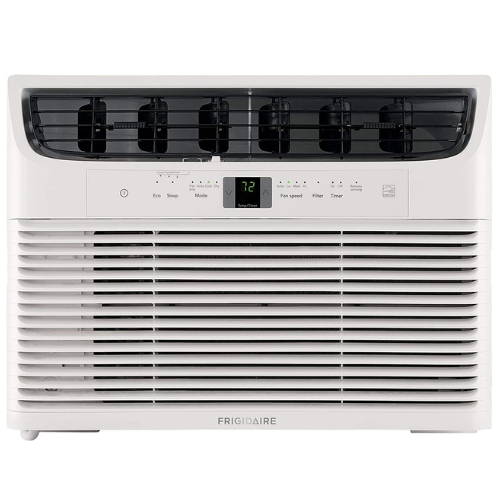 Your price for this item is $695
-
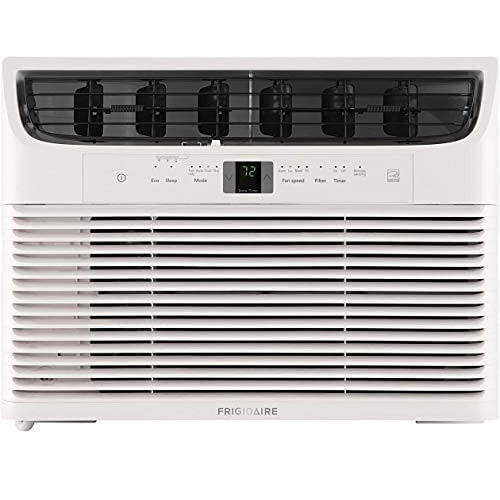 Your price for this item is $829
Discover more categories related to Quiet Wall Air Conditioners
Top Collections:
Best Black Friday Deals This Year, Best Black Friday Deals On Electronics, Kindle Devices, Pokemon Centers, Best Black Friday Deals On Apple Products, Best Cameras for Sports Photography, Dyson Airwrap, Pokémon 30th Celebration Cards, Apple iPhone 17 Pro, Canon G7X Cameras
Some products may be subject to Environmental Handling Fees
(EHF) depending on your province.
Learn more about EHFs.