Quietest Range Hoods
Upgrade your kitchen with the Quietest Range Hood options designed to keep your cooking space fresh and peaceful. Whether you’re preparing daily meals or entertaining guests, these range hoods help minimize background noise while efficiently clearing smoke and odors. Discover a selection that blends seamlessly into your kitchen décor while offering reliable performance. Find the ideal Quietest Range Hood to create a more enjoyable and tranquil cooking environment.
Sort
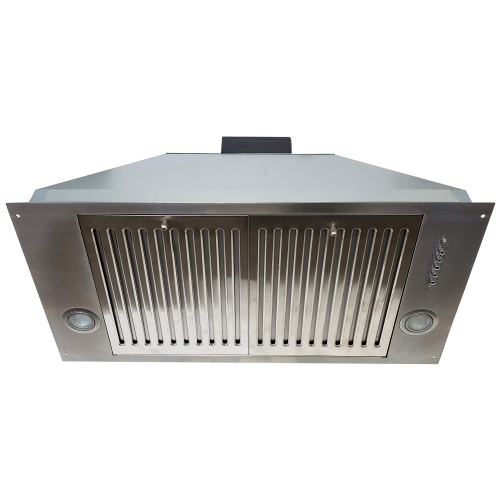
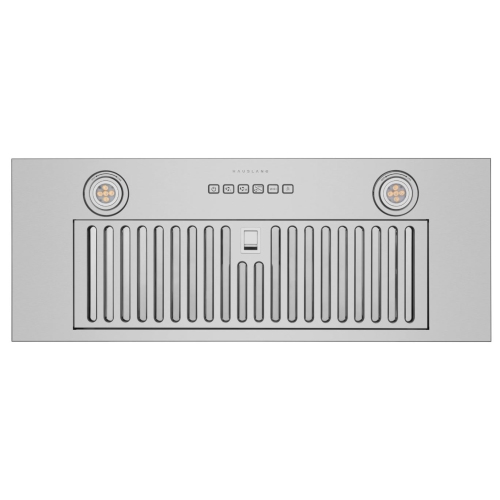
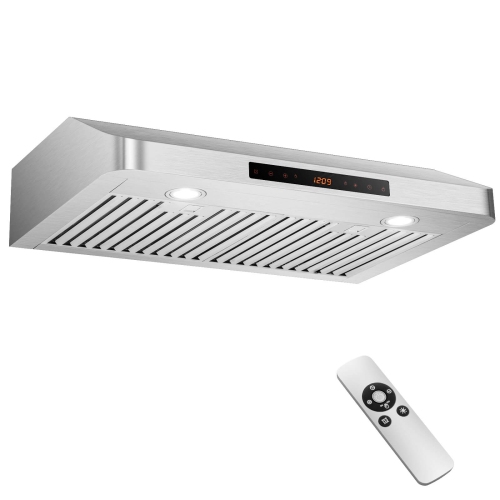
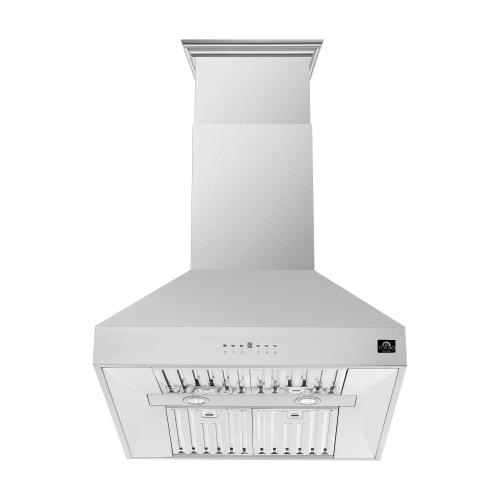
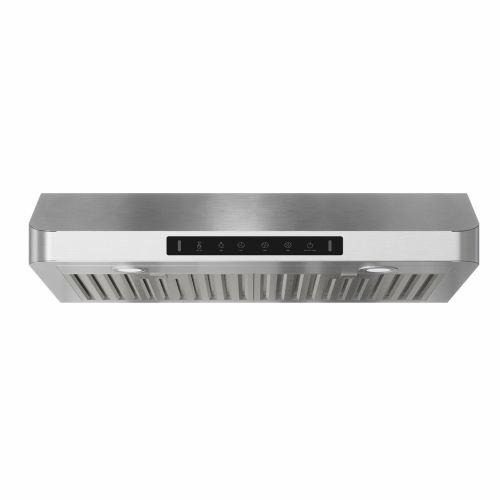
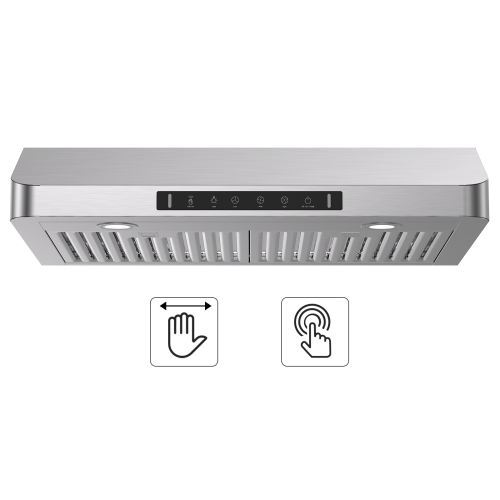
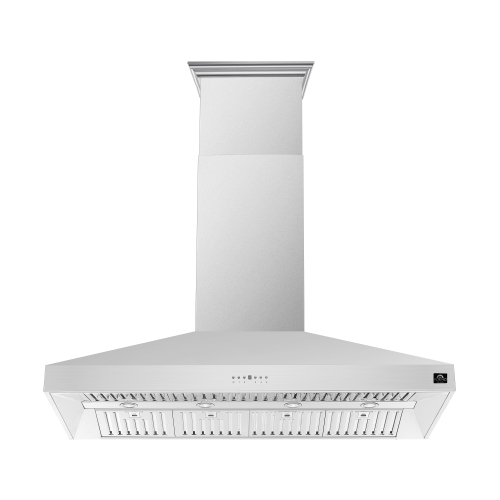
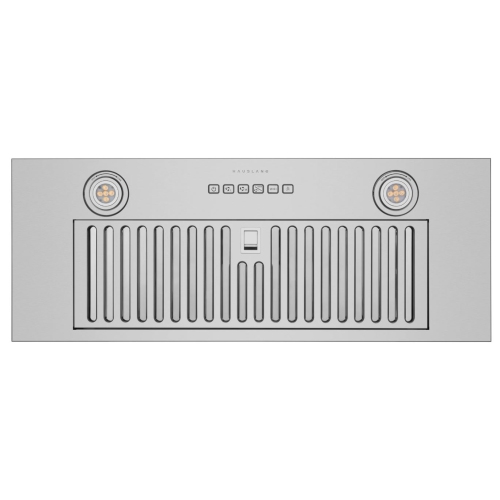
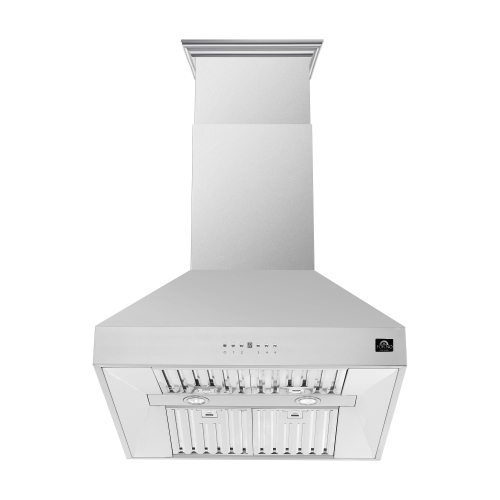
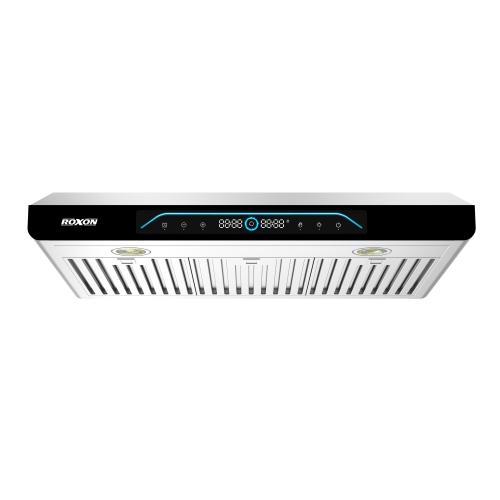
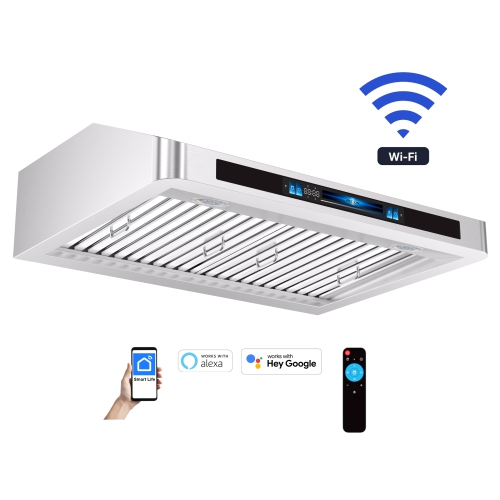
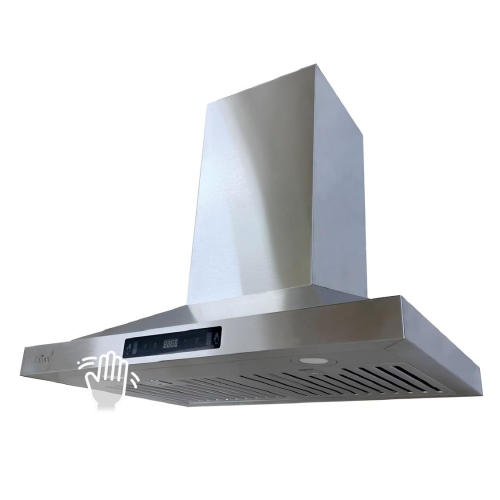
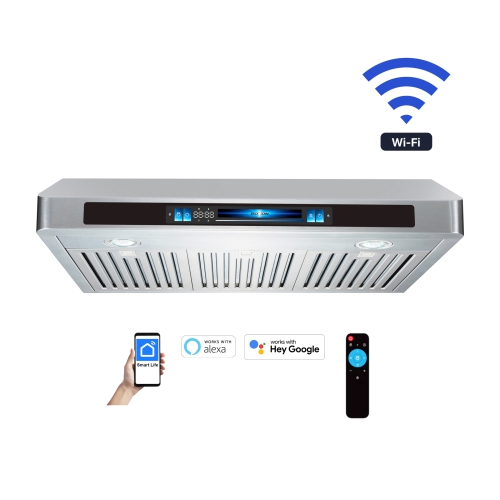
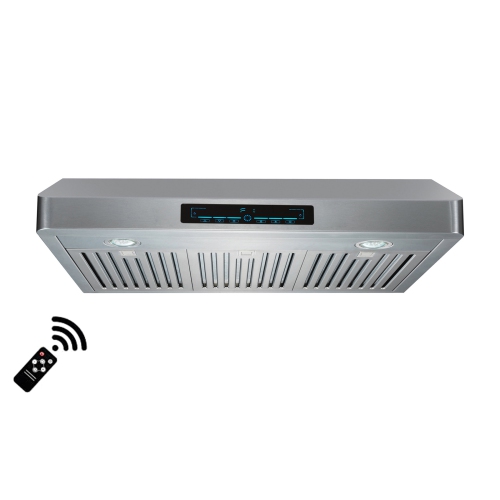
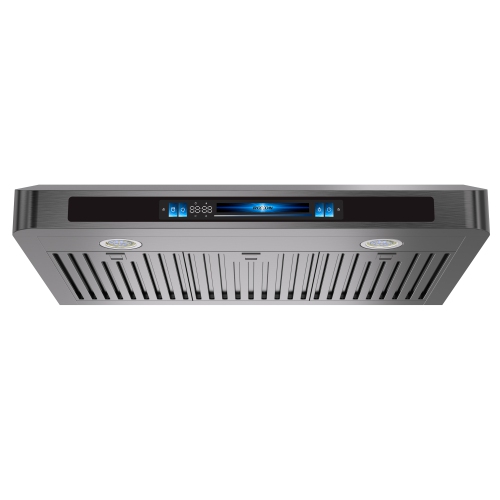

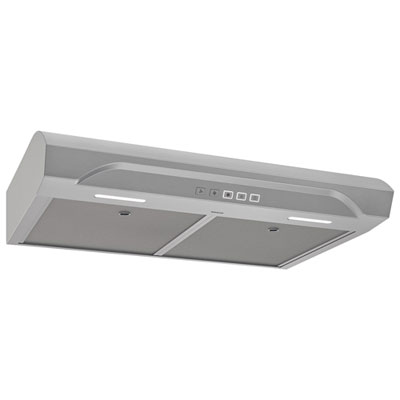
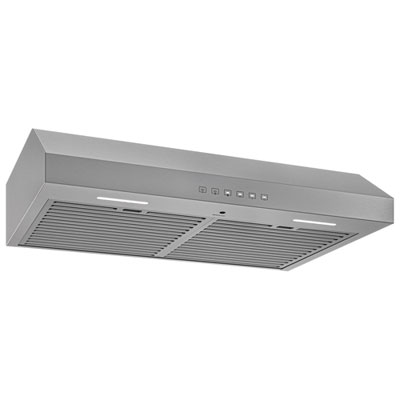
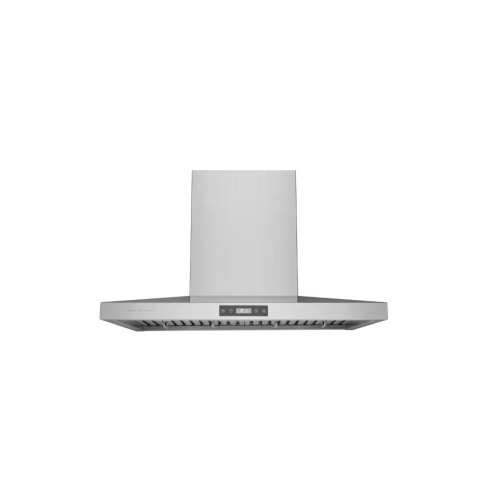
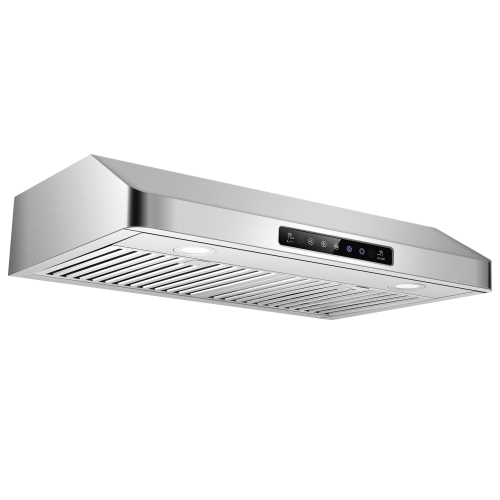
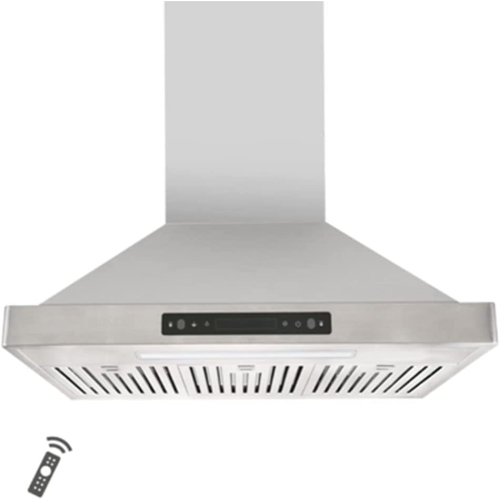
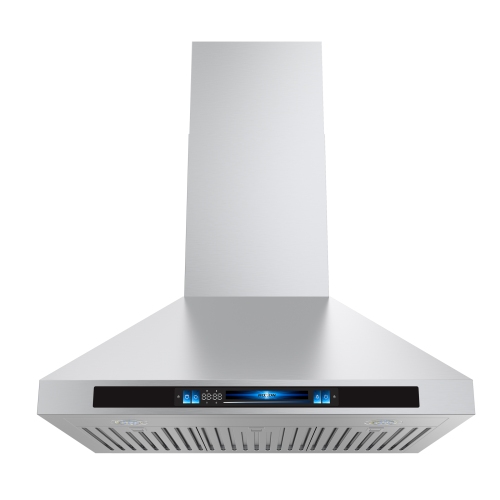
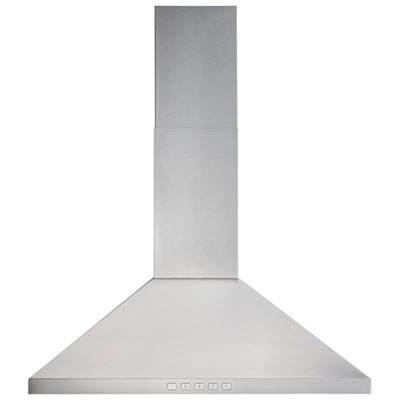
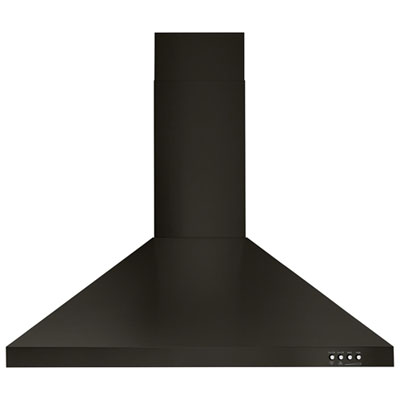
Quiet ventilation takes more than a low sone rating
The quietest range hoods pair low sound ratings with enough airflow to capture cooking smoke, grease, and odours effectively. A rating of around 1.1 sones or lower at low speed can be a useful starting point for comparing quieter operation, but it does not describe how loud a hood will be at its highest setting. Sound and airflow ratings are most useful when compared at the same fan speed and under comparable testing conditions. Sones describe perceived loudness: a lower number generally means a quieter fan, while a higher number indicates a more noticeable sound. Airflow is commonly measured in cubic feet per minute, or CFM, and describes how much air the fan moves rather than how quietly it runs. A hood with a very quiet low setting may still become quite audible when clearing smoke from searing food. Multiple fan speeds make it easier to match ventilation to the task, whether that means gently simmering soup or cooking with several burners. In an open-concept home, quieter operation can help keep conversation at the kitchen island comfortable and make television dialogue easier to hear from an adjoining room. It can also make a difference in a compact condo, where the kitchen and living area share much of the same space. Low-speed performance matters for everyday cooking, while sound levels at medium and high speeds give a fuller picture for households that frequently fry, grill, or prepare larger meals. The character of the sound matters, too: steady airflow can feel less intrusive than rattling, vibration, or a pronounced motor whine. Motor design, blower placement, hood construction, and the duct installation all contribute to the result. A quieter kitchen therefore depends on more than a single specification; it comes from matching the hood’s useful airflow and sound profile to the way the cooking space is used.
Installation style and physical fit are just as important as a low sone rating. Under-cabinet range hoods sit beneath overhead cabinetry, wall-mounted chimney hoods become a visible feature above the cooking surface, and island hoods serve cooktops without a wall directly behind them. Inserts fit within a compatible enclosure for a more integrated appearance. Each arrangement has different space and installation requirements, so hood width, depth, mounting height, and duct location deserve close attention. A hood generally needs to cover at least the width of the cooking surface, while adequate depth helps capture vapours rising from front burners. The final dimensions and clearance must follow the hood and cooking appliance instructions, particularly above gas appliances. Proper capture can reduce the need to run the fan at its highest setting for routine cooking. Ducted range hoods exhaust captured air outdoors, whereas recirculating configurations pass air through filters before returning it to the room. Recirculation can help manage grease and some odours, but it does not exhaust moisture or combustion pollutants outdoors. It also requires compatible filters and maintenance suited to that setup. For ducted installations, the specified duct diameter, a short and direct route, and fewer bends help limit airflow restrictions that can increase noise or reduce performance. Reducing the duct size to fit an existing opening can undermine an otherwise quiet design. Secure mounting and properly supported ductwork also help prevent vibration from travelling through cabinets or walls. Certain compatible systems allow an inline or exterior blower, which moves the motor farther from the cooking area, although airflow noise can still be heard at the hood. A qualified installer can assess the existing vent route, electrical connection, and any local requirements for replacement air or combustion safety. These details are especially relevant during a renovation, when cabinetry and ductwork can be planned together rather than adapted after installation.
Materials, controls, and upkeep shape how satisfying a quiet range hood remains after daily use. Stainless steel is a common choice for its durability and straightforward appearance, while painted finishes and glass details offer different looks alongside cabinetry and other appliances. Smooth, accessible surfaces make grease easier to wipe away, and removable filters simplify regular cleaning. Stainless steel baffle filters and aluminium mesh filters handle grease differently, but both need care according to the manufacturer’s directions; dishwasher cleaning is suitable only when expressly permitted. Letting grease build up can restrict airflow, create lingering odours, and leave the fan working less effectively. Filters should be fully dry before they are refitted, and charcoal filters used for recirculation generally need replacement at the specified interval unless they are designed for another maintenance method. A soft cloth and a suitable non-abrasive cleaner help protect visible finishes, with wiping along the grain useful for many stainless steel surfaces. Accessible controls make it easier to adjust the fan while cooking, and clearly marked speed settings help avoid running more ventilation than the task needs. Integrated lighting adds visibility over a crowded pan or a pot at the back of the cooktop; light placement and ease of replacement are worth considering alongside brightness. Timer functions and delayed shut-off, where included, let ventilation continue briefly after cooking without requiring another trip back to the stove. For households comparing Quiet Kitchen Hoods, the strongest fit is not necessarily the hood with the lowest advertised sound figure alone. It is one that captures vapours across the cooking surface, suits the existing space, and stays comfortable to use at the speeds needed most often. A well-matched hood can make everyday meals more pleasant, from an early breakfast prepared beside a shared living area to a busy dinner with several pans on the go, without making ventilation the loudest part of the kitchen.
Top selling and popular products
-
 Your price for this item is $566.99
-
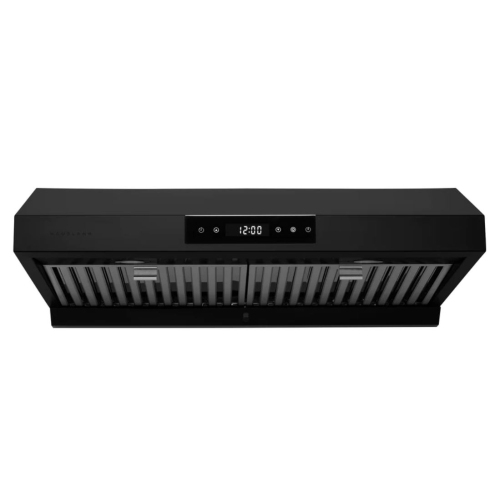 Your price for this item is $611.99
-
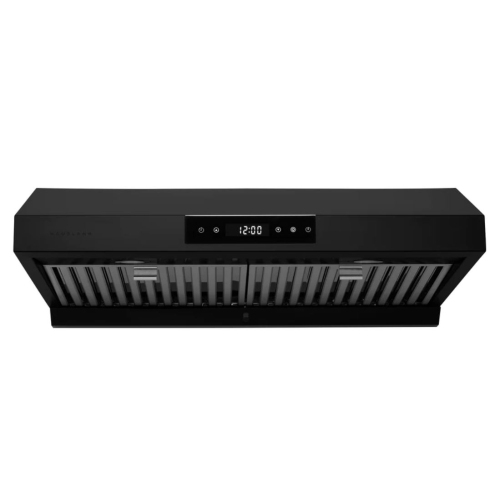 Your price for this item is $566.99
-
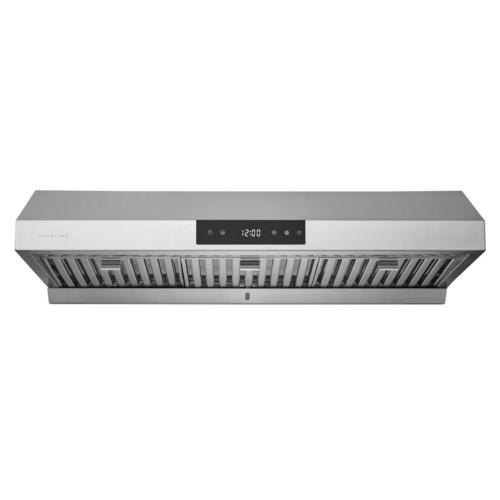 Your price for this item is $611.99
-
 Your price for this item is $611.99
-
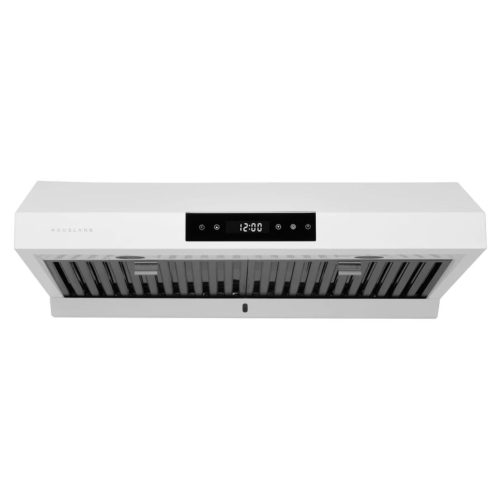 Your price for this item is $566.99
-
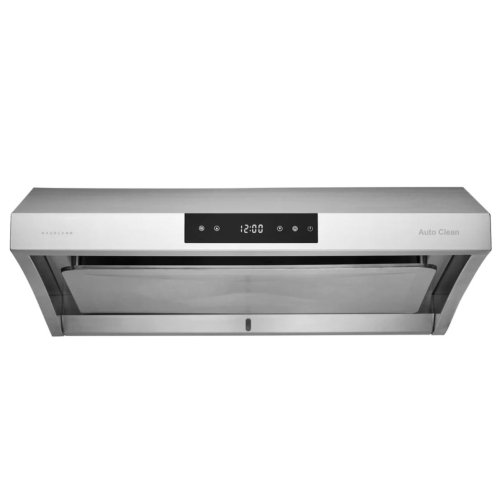 Your price for this item is $701.99
-
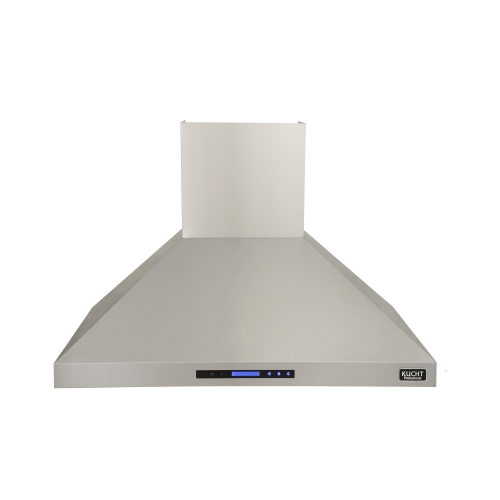 Your price for this item is $2455
Discover more categories related to Quietest Range Hoods
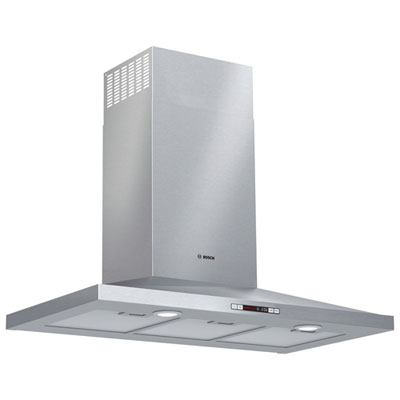
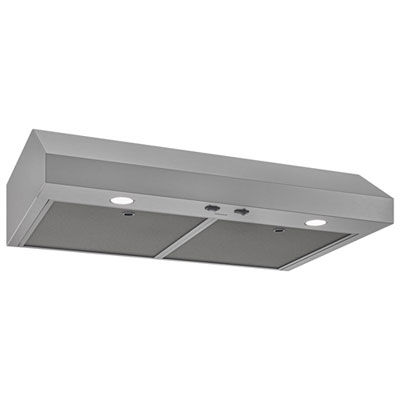
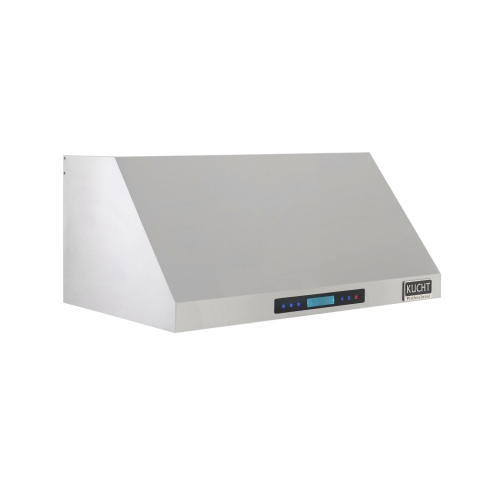
Top Collections:
Best Black Friday Deals This Year, Best Black Friday Deals On Electronics, Kindle Devices, Pokemon Centers, Best Black Friday Deals On Apple Products, Best Cameras for Sports Photography, Dyson Airwrap, Pokémon 30th Celebration Cards, Apple iPhone 17 Pro, Canon G7X Cameras
Some products may be subject to Environmental Handling Fees
(EHF) depending on your province.
Learn more about EHFs.