Reflective Tape for Bikes
Stay safe while cycling at night with our selection of reflective tape for bikes. Enhance your visibility on the road and ensure you are seen by motorists and pedestrians, reducing the risk of accidents. Our reflective tape is easy to apply to your bike frame, wheels, or helmet, providing an extra layer of safety for your nighttime rides. Choose from a variety of colors and styles to customize your bike while staying safe in low-light conditions.
Sort
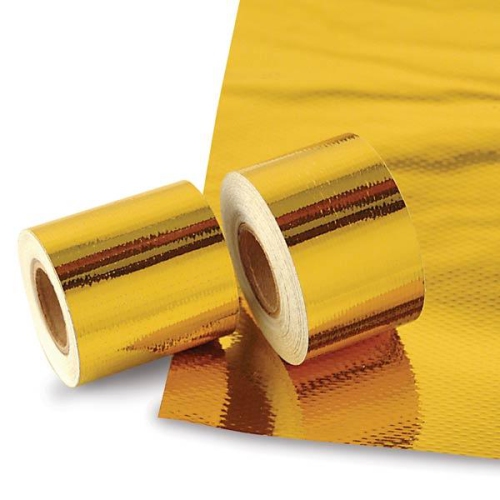
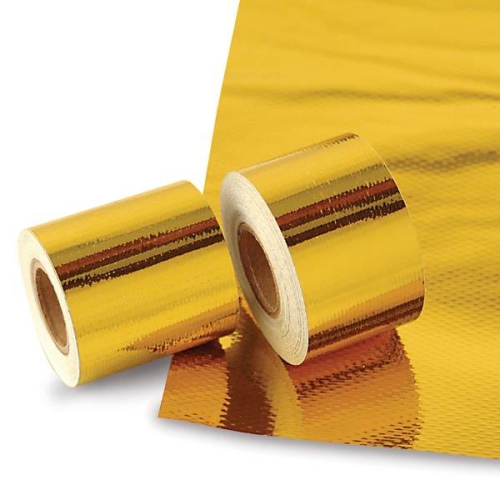
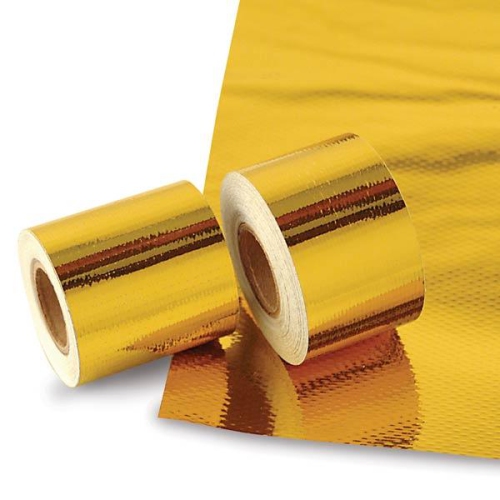
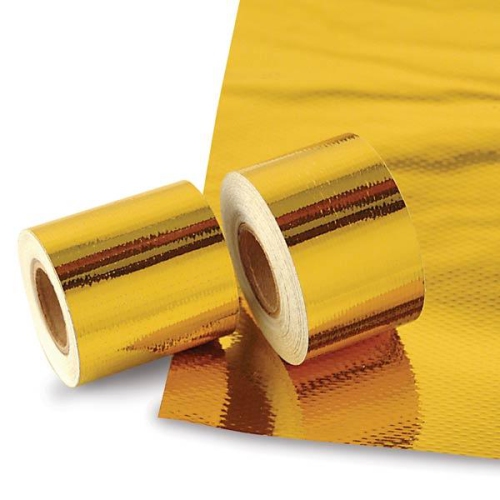
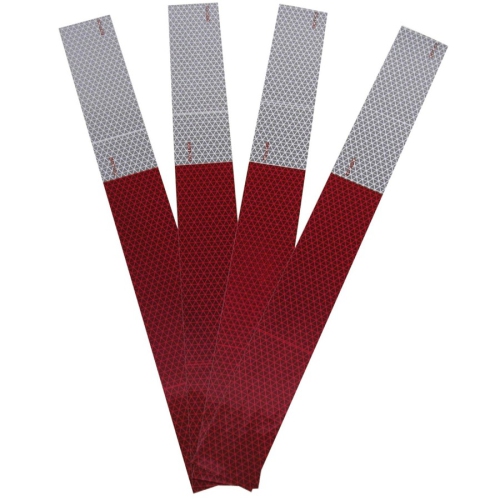
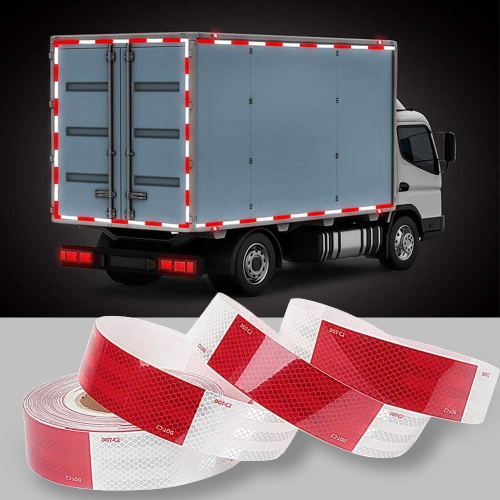
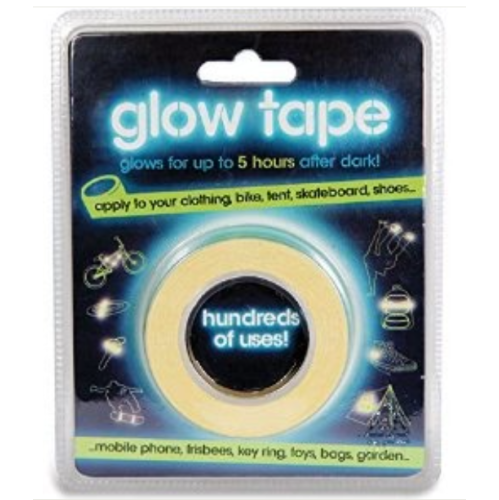
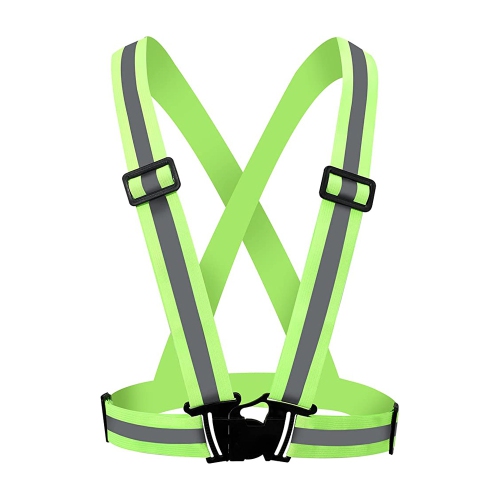
How reflected light can highlight your bike’s outline
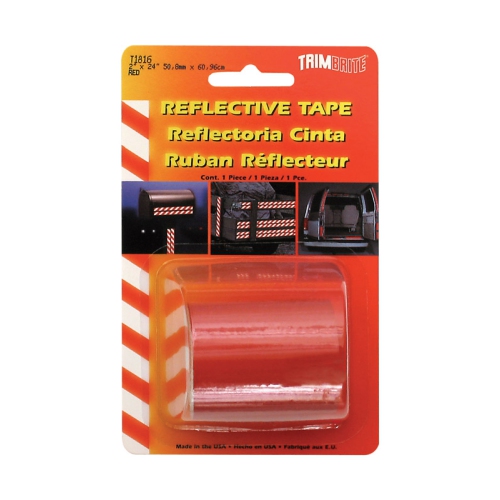
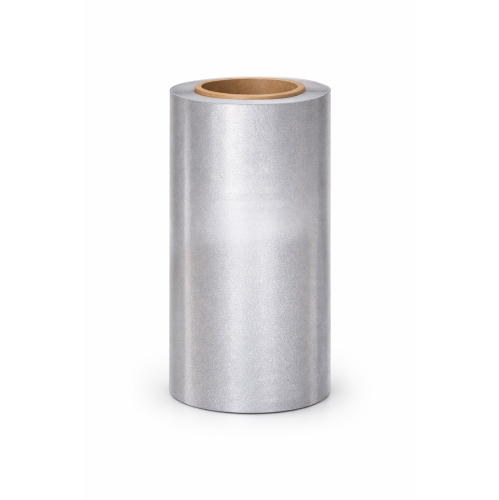
Reflective tape for bikes adds a light-catching surface to selected parts of a bicycle, helping make its outline more noticeable when illuminated by headlights or another nearby light source. Unlike a battery-powered bike light, reflective tape does not produce its own light. Most bicycle applications use retroreflective material, which directs incoming light back towards its source rather than scattering it broadly. That distinction matters on a ride home after an evening shift or a trip along streets with frequent intersections: reflective details can supplement a bicycle’s visibility from angles that front and rear lights may not fully cover. Their effectiveness depends on the tape’s construction, placement, condition, and angle relative to the light source and the person viewing it. Reflective tape is an addition to suitable bike lights and required reflectors, not a replacement for them, and it cannot guarantee that a driver will notice a cyclist. The category includes adhesive rolls, cut-to-fit sheets, narrow strips, and curved decals intended for compatible wheel rims. Rolls offer flexibility for longer sections of frame tubing, while smaller pieces suit limited spaces and allow more control around fittings. Curved rim strips follow the shape of a wheel more naturally than broad, straight tape, provided their dimensions match the intended surface. White, silver, red, yellow, and other colours offer different visual effects, but daytime colour alone does not establish how brightly a material reflects. Some tapes blend into a dark frame until light reaches them; others remain conspicuous in ordinary daylight. Reflective tape for bikes can appeal to commuters, students, delivery riders, and people who use a bicycle for everyday errands. It can also make a practical small gift for a cyclist who enjoys personalizing a bike, especially when the tape’s colour, width, and adhesive compatibility suit the bicycle they already ride.
The construction of reflective bicycle tape affects both its appearance and where it fits comfortably. Glass-bead materials use tiny embedded beads to return light, while microprismatic materials use small prism-shaped structures. Neither description alone establishes the best choice for every bicycle: flexibility, adhesive performance, viewing angle, and the manufacturer’s intended use all matter. A highly reflective but stiff material may sit well on a broad, flat panel yet lift at the edges when wrapped around a narrow tube. Thinner, more flexible films can be easier to position along curved frame sections, although suitability still depends on the surface and the tape’s specifications. Width is particularly important on crowded frames. A slim strip can fit between cable guides without covering them, while a wider section needs enough uninterrupted space for full adhesive contact. Smooth, intact finishes generally provide a more suitable bonding surface than textured coatings, soft fabric, or damaged paint. Compatibility with painted metal, carbon-fibre finishes, and plastic should be confirmed rather than assumed. Wheel placement brings additional considerations: exterior reflective rim tape is different from the rim tape installed inside a wheel beneath a tyre, and the two serve unrelated purposes. Reflective strips belong only on approved exterior areas, never on a rim-brake track, disc rotor, tyre contact surface, or another area involved in braking. Tape also needs clearance from moving parts, valves, spoke openings, and service points. Side-facing frame or rim details can add reflected light when a bike is viewed across an intersection, while tape on suitable rear-facing surfaces serves a different viewing angle. No single strip provides visibility from every direction. For broader comparisons of adhesive visibility materials, High Visibility Tapes offers a related category, with bicycle use still depending on each material’s surface compatibility and application specifications. Colour placement should also remain consistent with applicable local cycling requirements, particularly where front- and rear-facing colours are regulated.
A durable finish depends as much on adhesion and placement as on the reflective layer itself. Bicycle frames collect chain lubricant, skin oils, dust, and cleaning residue, all of which can interfere with an adhesive bond. A clean, completely dry surface gives compatible tape a better starting point, but cleaning methods must suit both the bicycle finish and the adhesive manufacturer’s directions. Strong solvents can damage certain coatings or plastics, so a cleaner that works on bare metal is not automatically suitable for a painted frame. Full contact is important: tape that bridges a recess or traps dirt beneath an edge has less support than a piece sitting flat against the surface. Shorter sections may follow a complex shape more neatly than one long strip, and rounded corners can reduce exposed points that catch during handling. Adhesives may need a specified settling period before washing or regular use; immediate tack does not always mean the bond has reached its full strength. Everyday durability also depends on abrasion. A strip beneath a frequently tightened lock, beside a rubbing cable, or against a bike rack may wear sooner than one on a protected section of tubing. Gentle cleaning with a soft cloth helps keep the reflective face free of grime without scraping its surface, while peeling edges, cracking, or worn patches indicate that a section may need replacement. Permanent and removable adhesives behave differently, and removal can leave residue or disturb a delicate finish, particularly on older or repainted frames. Bags and clothing need their own compatibility checks, since adhesive intended for a rigid bicycle frame may not hold reliably on woven fabric or tolerate repeated flexing. Helmet shells should only receive adhesive accessories approved by the helmet manufacturer. For a shared household bike, restrained strips on suitable frame sections can add a consistent visual detail without changing the fit or controls. For a commuter who parks in tight racks, placement away from common contact points helps preserve that finish. The most useful reflective bike tape is material that fits the available space, stays clear of working components, and retains a clean, securely bonded reflective surface through regular use.
The construction of reflective bicycle tape affects both its appearance and where it fits comfortably. Glass-bead materials use tiny embedded beads to return light, while microprismatic materials use small prism-shaped structures. Neither description alone establishes the best choice for every bicycle: flexibility, adhesive performance, viewing angle, and the manufacturer’s intended use all matter. A highly reflective but stiff material may sit well on a broad, flat panel yet lift at the edges when wrapped around a narrow tube. Thinner, more flexible films can be easier to position along curved frame sections, although suitability still depends on the surface and the tape’s specifications. Width is particularly important on crowded frames. A slim strip can fit between cable guides without covering them, while a wider section needs enough uninterrupted space for full adhesive contact. Smooth, intact finishes generally provide a more suitable bonding surface than textured coatings, soft fabric, or damaged paint. Compatibility with painted metal, carbon-fibre finishes, and plastic should be confirmed rather than assumed. Wheel placement brings additional considerations: exterior reflective rim tape is different from the rim tape installed inside a wheel beneath a tyre, and the two serve unrelated purposes. Reflective strips belong only on approved exterior areas, never on a rim-brake track, disc rotor, tyre contact surface, or another area involved in braking. Tape also needs clearance from moving parts, valves, spoke openings, and service points. Side-facing frame or rim details can add reflected light when a bike is viewed across an intersection, while tape on suitable rear-facing surfaces serves a different viewing angle. No single strip provides visibility from every direction. For broader comparisons of adhesive visibility materials, High Visibility Tapes offers a related category, with bicycle use still depending on each material’s surface compatibility and application specifications. Colour placement should also remain consistent with applicable local cycling requirements, particularly where front- and rear-facing colours are regulated.
A durable finish depends as much on adhesion and placement as on the reflective layer itself. Bicycle frames collect chain lubricant, skin oils, dust, and cleaning residue, all of which can interfere with an adhesive bond. A clean, completely dry surface gives compatible tape a better starting point, but cleaning methods must suit both the bicycle finish and the adhesive manufacturer’s directions. Strong solvents can damage certain coatings or plastics, so a cleaner that works on bare metal is not automatically suitable for a painted frame. Full contact is important: tape that bridges a recess or traps dirt beneath an edge has less support than a piece sitting flat against the surface. Shorter sections may follow a complex shape more neatly than one long strip, and rounded corners can reduce exposed points that catch during handling. Adhesives may need a specified settling period before washing or regular use; immediate tack does not always mean the bond has reached its full strength. Everyday durability also depends on abrasion. A strip beneath a frequently tightened lock, beside a rubbing cable, or against a bike rack may wear sooner than one on a protected section of tubing. Gentle cleaning with a soft cloth helps keep the reflective face free of grime without scraping its surface, while peeling edges, cracking, or worn patches indicate that a section may need replacement. Permanent and removable adhesives behave differently, and removal can leave residue or disturb a delicate finish, particularly on older or repainted frames. Bags and clothing need their own compatibility checks, since adhesive intended for a rigid bicycle frame may not hold reliably on woven fabric or tolerate repeated flexing. Helmet shells should only receive adhesive accessories approved by the helmet manufacturer. For a shared household bike, restrained strips on suitable frame sections can add a consistent visual detail without changing the fit or controls. For a commuter who parks in tight racks, placement away from common contact points helps preserve that finish. The most useful reflective bike tape is material that fits the available space, stays clear of working components, and retains a clean, securely bonded reflective surface through regular use.
Top selling and popular products
-
 Your price for this item is $684.88
 -
 Your price for this item is $543.42
 -
 Your price for this item is $650
 -
 Your price for this item is $69.99
 -
 Your price for this item is $449.99
 -
 Your price for this item is $239.27
 -
 Your price for this item is $99.99
 -
 Your price for this item is $1092.5
Discover more categories related to Reflective Tape for Bikes
Top Collections:
Pokemon Centers, Kindle Devices, Best Budget Office Chairs, Apple iPhones 16, Canon G7X Cameras, iPhone 15 Apple, Alarm Clock, Refurbished Apple Laptops, Flip Phones, Best Laptops for Writers
Some products may be subject to Environmental Handling Fees
(EHF) depending on your province.
Learn more about EHFs.