Reflective Stickers for Cars
Enhance your car's visibility and safety with our collection of reflective stickers for cars. These eye-catching accessories are designed to catch the attention of other drivers, pedestrians, and cyclists, ensuring that you and your vehicle are seen even in low-light conditions. Whether you're looking to add a touch of style or prioritize safety on the road, our range of reflective stickers offers a variety of options to suit your preferences. From sleek designs to vibrant patterns, these stickers are not only functional but also a great way to personalize your vehicle. Upgrade your car's visibility and make a statement on the road with our selection of reflective stickers for cars.
Sort
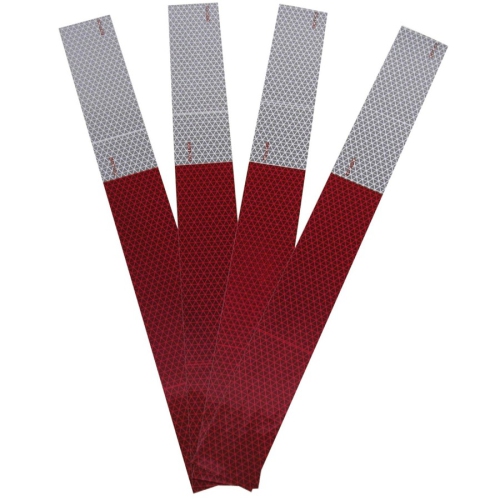
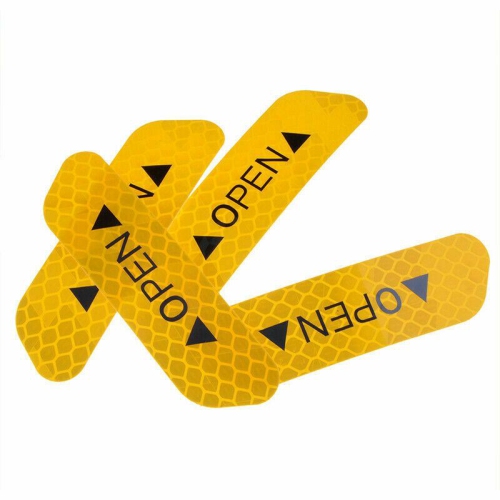

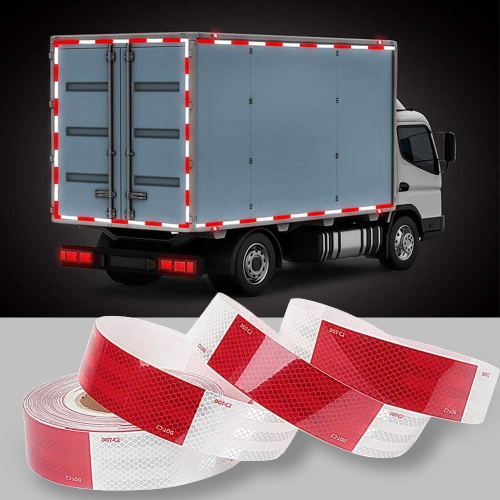
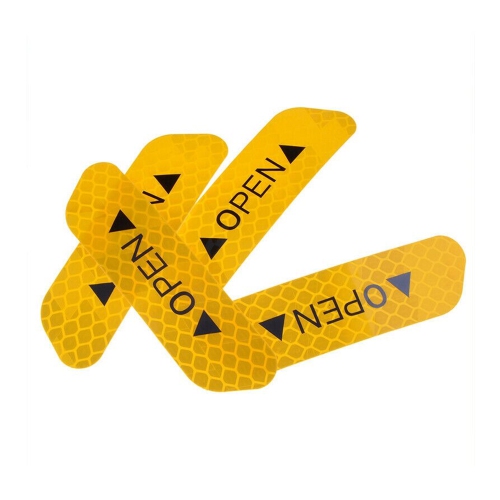
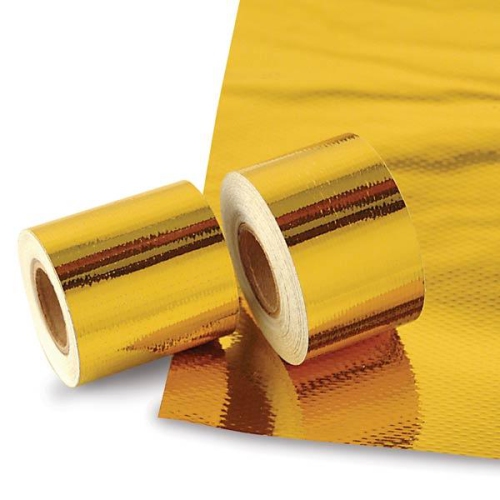
Improve vehicle visibility in low-light conditions
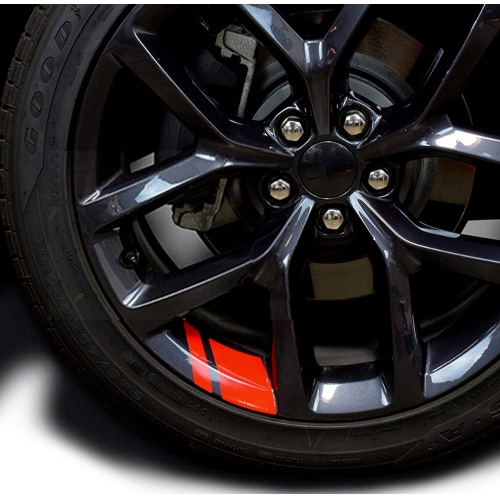
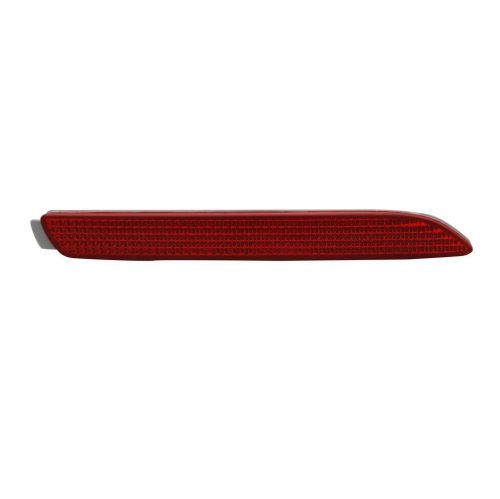
Reflective stickers for cars are a practical way to make selected areas of a vehicle easier to notice in low-light conditions. Unlike ordinary decorative decals, reflective materials are designed to bounce light from headlights, flashlights, or street lighting back towards its source, creating a brighter visual signal after dark. They can be useful on rear bumpers, door edges, side panels, wheel rims, trailers, utility vehicles, and other exterior surfaces where additional visibility may be helpful. Drivers who regularly travel on unlit roads, park outdoors, work near traffic, or load and unload equipment during the cooler, darker part of the year may appreciate the extra visual contrast. Reflective stickers can also help family members identify a vehicle in a crowded car park or make a parked vehicle easier to see beside a driveway. The effect is most noticeable when light strikes the material at an angle, so placement and orientation matter. Rear-facing strips can help approaching drivers notice the back of a vehicle, while side-facing pieces may outline the vehicle’s profile when headlights approach from an angle. Choose a size, colour, and shape that complement the vehicle without covering licence plates, lights, sensors, windows, manufacturer information, or other areas that must remain visible. For more general styling options, browse Car Decal Stickers to compare decal formats that may suit personal vehicles, work cars, vans, or recreational equipment.
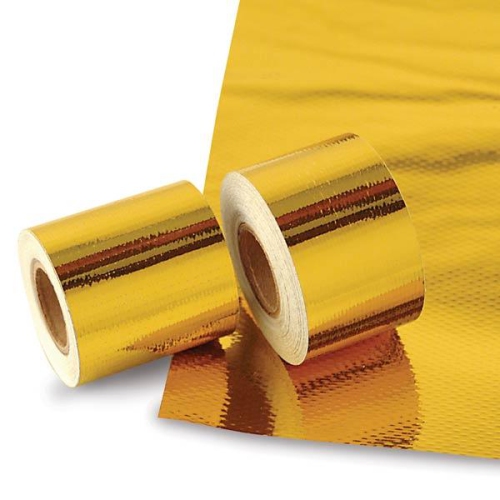
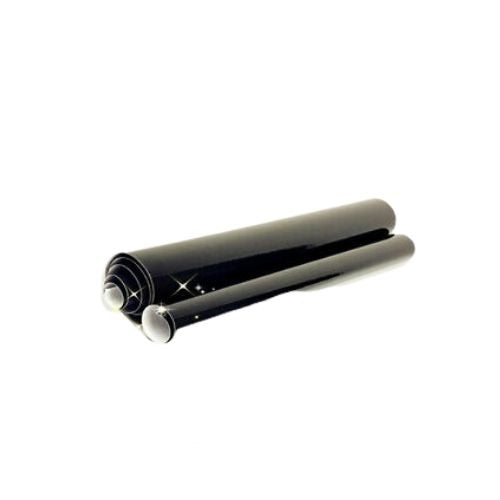
When choosing reflective stickers for cars, start by considering the surface, the amount of exposure to weather, and the type of visibility you want to add. Pre-cut safety strips are convenient for door edges, bumpers, hatch areas, and other narrow sections because they provide a consistent shape without requiring trimming. Larger reflective decals or heavy-duty reflective tape may be better suited to broad, relatively flat exterior panels, while smaller pieces can create a simple outline around a bike rack, roof box, trailer, or equipment carrier. Check whether the material is described as waterproof, weather-resistant, or suitable for exterior automotive use, particularly if the vehicle is exposed to rain, road spray, snow, dust, or frequent washing. Reflectivity can vary between materials, so compare the intended viewing distance and angle rather than judging only by how bright the sticker looks in daylight. Some designs are highly visible during the day, while others have a more understated appearance until headlights reach them. Neutral white, silver, yellow, and other high-contrast colours can work well for visibility, but avoid arranging red or blue reflective patterns in a way that could be confused with emergency-service markings. A reflective sticker should support clear vehicle identification, not imitate official warning equipment. It is also wise to check local rules before applying conspicuous markings to a commercial vehicle, trailer, or fleet vehicle. Prices commonly range from about $8 to $20 for multi-packs and standard decal sets, although larger formats, custom designs, and heavy-duty materials may cost more. A multipack can be useful when outlining more than one vehicle or replacing pieces over time, while a custom decal may suit a small business, club, outdoor group, or driver who wants visibility alongside a personal logo or design.
Application has a direct effect on how well reflective stickers remain attached. Before installation, wash the selected area to remove road film, dust, wax, grease, and other residue, then dry it thoroughly with a clean, lint-free cloth. The surface should be smooth and free from loose paint, rust, deep scratches, heavy texture, or flaking trim. Applying decals in moderate conditions is generally easier than working on a very hot, cold, or damp panel, since extreme temperatures can affect adhesive performance and make flexible materials difficult to position. Measure the area first, lightly mark the intended placement if needed, and apply the sticker gradually to reduce wrinkles and trapped air. Press firmly across the entire surface, paying particular attention to corners and edges. Allow the adhesive time to bond before exposing the vehicle to a car wash, heavy rain, or vigorous rubbing. Even weather-resistant materials can lift if they are installed over contamination or on a sharply curved surface, and pressure washers can shorten the life of exposed edges. Inspect the stickers occasionally for peeling, fading, cracking, or damage and replace them when they no longer sit securely or reflect light evenly. Reflective car stickers can be a thoughtful gift for a new driver, a commuter, a camper, a roadside worker, or someone who frequently parks near a dark street or rural property. They are also a useful addition to a vehicle-care kit or seasonal travel supplies, especially as daylight becomes shorter and visibility conditions change during the cooler months. Used thoughtfully, they add a clear visual detail to a vehicle while allowing drivers to personalize bumpers, doors, trailers, and other exterior areas without committing to a permanent modification.
When choosing reflective stickers for cars, start by considering the surface, the amount of exposure to weather, and the type of visibility you want to add. Pre-cut safety strips are convenient for door edges, bumpers, hatch areas, and other narrow sections because they provide a consistent shape without requiring trimming. Larger reflective decals or heavy-duty reflective tape may be better suited to broad, relatively flat exterior panels, while smaller pieces can create a simple outline around a bike rack, roof box, trailer, or equipment carrier. Check whether the material is described as waterproof, weather-resistant, or suitable for exterior automotive use, particularly if the vehicle is exposed to rain, road spray, snow, dust, or frequent washing. Reflectivity can vary between materials, so compare the intended viewing distance and angle rather than judging only by how bright the sticker looks in daylight. Some designs are highly visible during the day, while others have a more understated appearance until headlights reach them. Neutral white, silver, yellow, and other high-contrast colours can work well for visibility, but avoid arranging red or blue reflective patterns in a way that could be confused with emergency-service markings. A reflective sticker should support clear vehicle identification, not imitate official warning equipment. It is also wise to check local rules before applying conspicuous markings to a commercial vehicle, trailer, or fleet vehicle. Prices commonly range from about $8 to $20 for multi-packs and standard decal sets, although larger formats, custom designs, and heavy-duty materials may cost more. A multipack can be useful when outlining more than one vehicle or replacing pieces over time, while a custom decal may suit a small business, club, outdoor group, or driver who wants visibility alongside a personal logo or design.
Application has a direct effect on how well reflective stickers remain attached. Before installation, wash the selected area to remove road film, dust, wax, grease, and other residue, then dry it thoroughly with a clean, lint-free cloth. The surface should be smooth and free from loose paint, rust, deep scratches, heavy texture, or flaking trim. Applying decals in moderate conditions is generally easier than working on a very hot, cold, or damp panel, since extreme temperatures can affect adhesive performance and make flexible materials difficult to position. Measure the area first, lightly mark the intended placement if needed, and apply the sticker gradually to reduce wrinkles and trapped air. Press firmly across the entire surface, paying particular attention to corners and edges. Allow the adhesive time to bond before exposing the vehicle to a car wash, heavy rain, or vigorous rubbing. Even weather-resistant materials can lift if they are installed over contamination or on a sharply curved surface, and pressure washers can shorten the life of exposed edges. Inspect the stickers occasionally for peeling, fading, cracking, or damage and replace them when they no longer sit securely or reflect light evenly. Reflective car stickers can be a thoughtful gift for a new driver, a commuter, a camper, a roadside worker, or someone who frequently parks near a dark street or rural property. They are also a useful addition to a vehicle-care kit or seasonal travel supplies, especially as daylight becomes shorter and visibility conditions change during the cooler months. Used thoughtfully, they add a clear visual detail to a vehicle while allowing drivers to personalize bumpers, doors, trailers, and other exterior areas without committing to a permanent modification.
Top selling and popular products
-
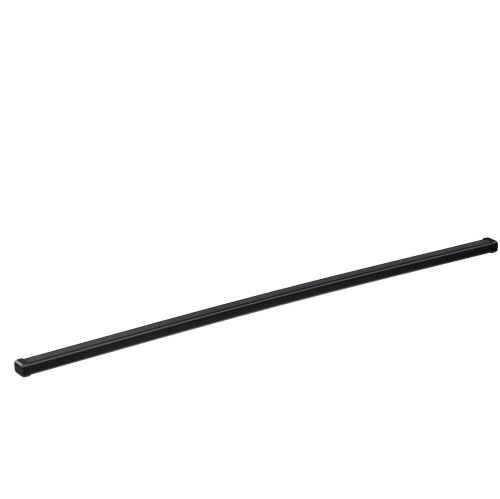 Your price for this item is $236.5
 -
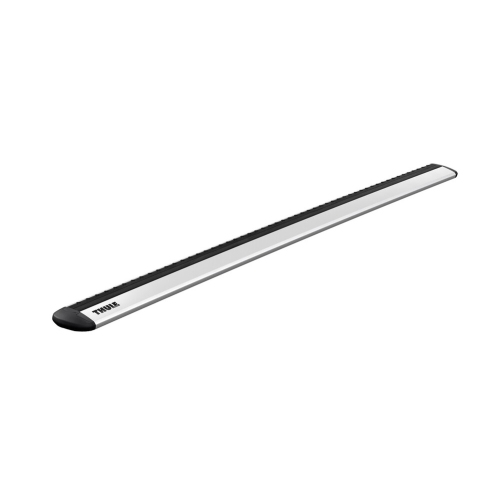 Your price for this item is $332.45
 -
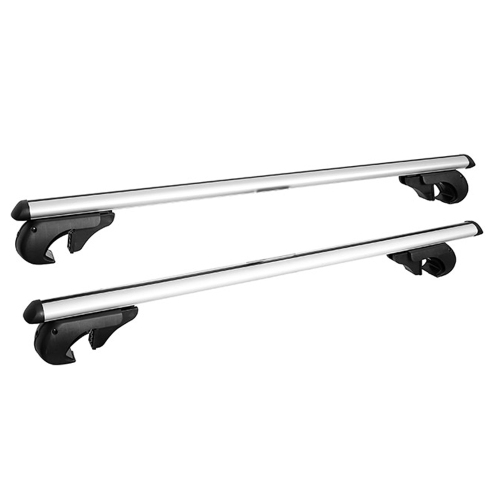 Your price for this item is $119.99
 -
 Your price for this item is $178.99
 -
 Your price for this item is $18.99
 -
 Your price for this item is $144.81
 -
 Your price for this item is $289.99
 -
 Your price for this item is $413.84
Discover more categories related to Reflective Stickers for Cars

Top Collections:
Pokemon Centers, Kindle Devices, Best Budget Office Chairs, Apple iPhones 16, Canon G7X Cameras, iPhone 15 Apple, Alarm Clock, Refurbished Apple Laptops, Flip Phones, Best Laptops for Writers
Some products may be subject to Environmental Handling Fees
(EHF) depending on your province.
Learn more about EHFs.