Refrigerators With Water And Ice Dispensers
Refrigerators with water and ice dispensers offer the convenience of having chilled water and ice readily available without the need for ice cube trays or a separate water dispenser. This can save time and effort while also encouraging you to stay hydrated. Here are the refrigerators with water and ice dispensers that we offer.
Sort


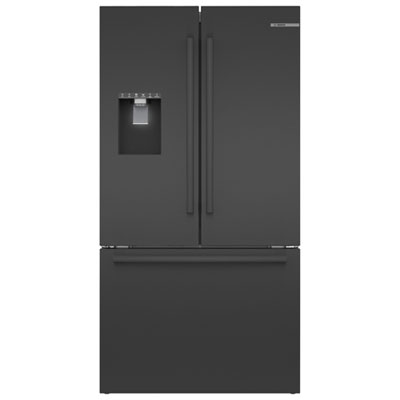
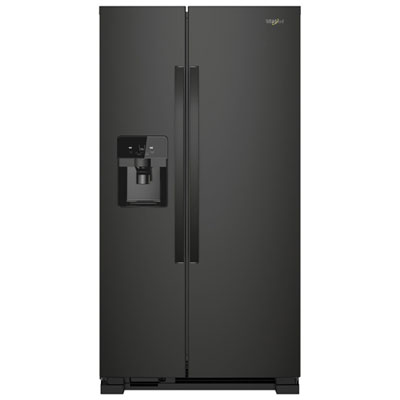
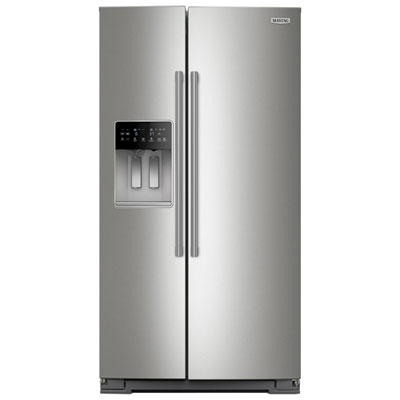
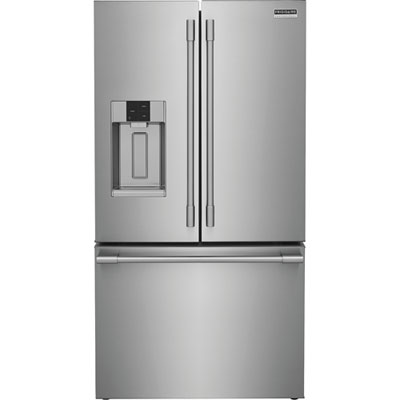
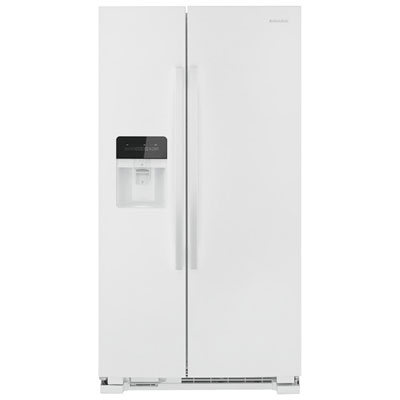

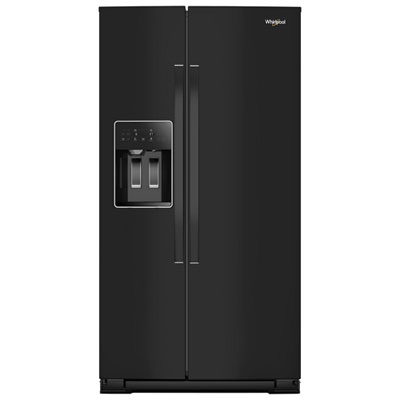
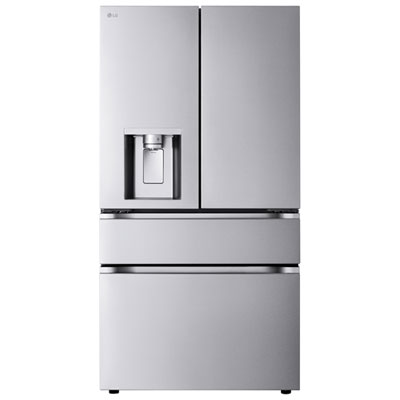
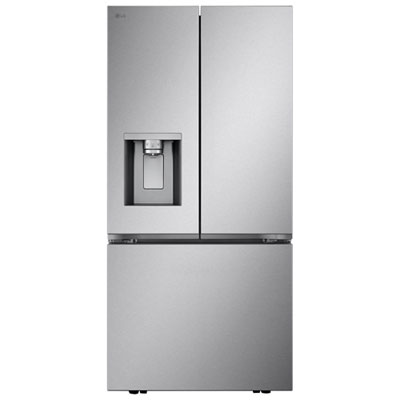
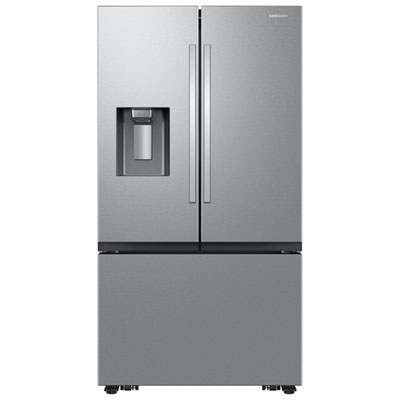
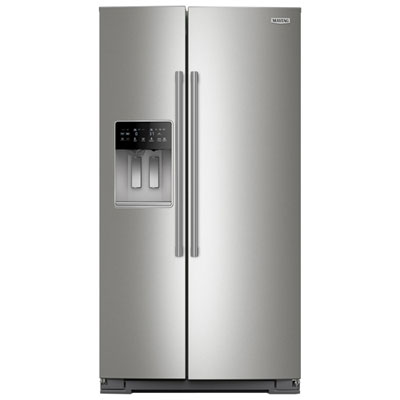
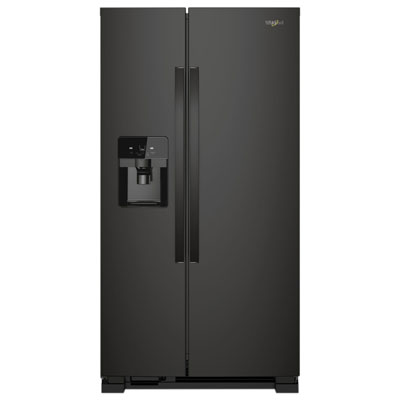
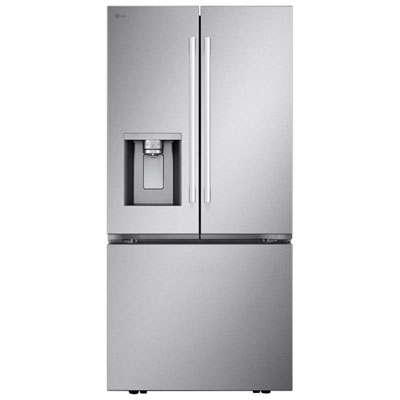
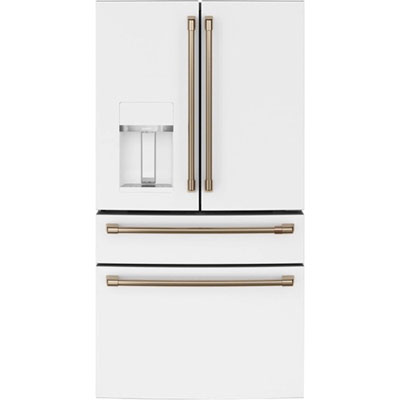
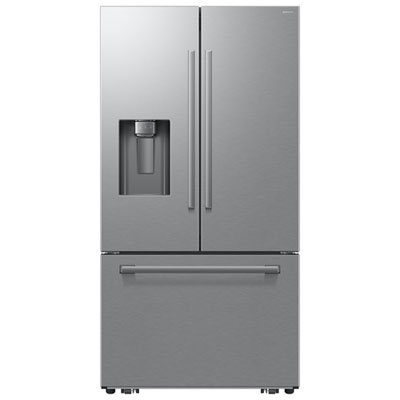
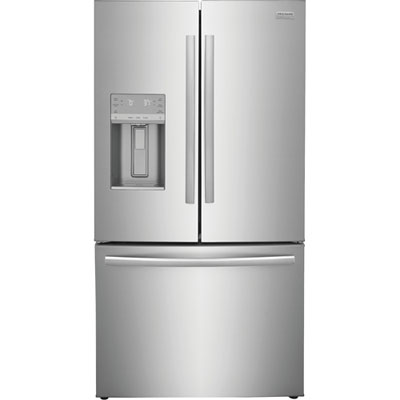
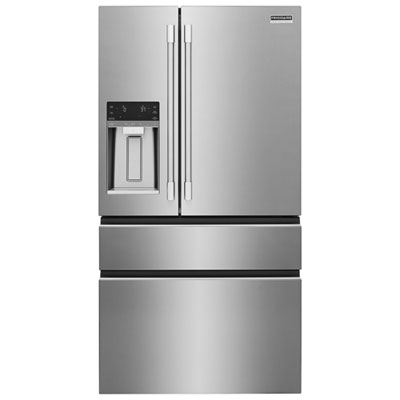

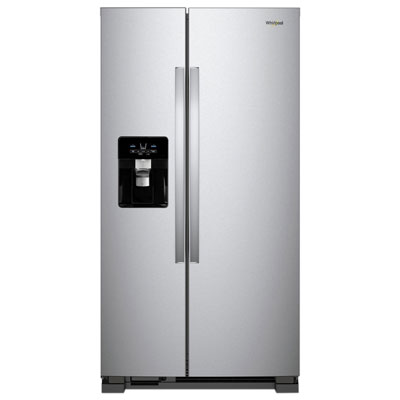
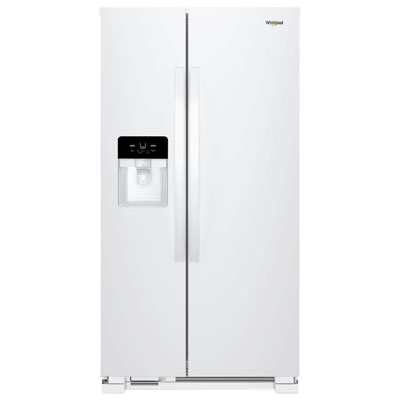


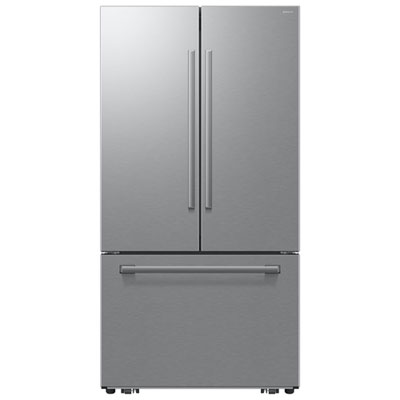
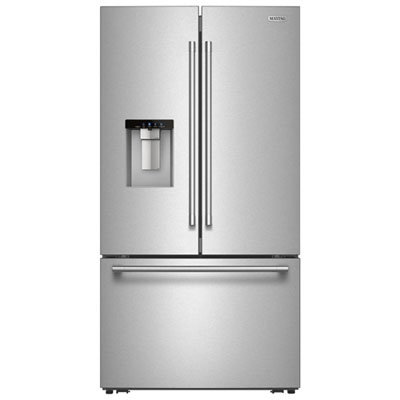


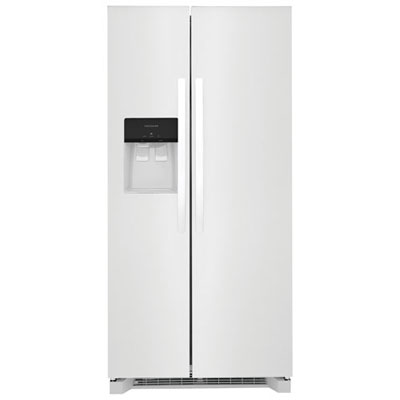
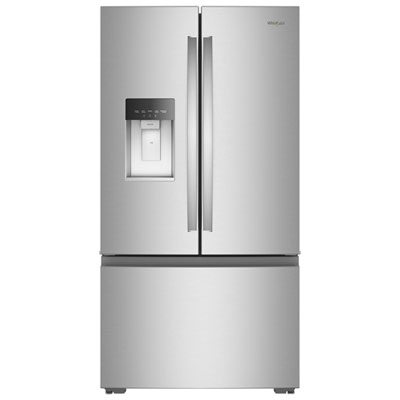

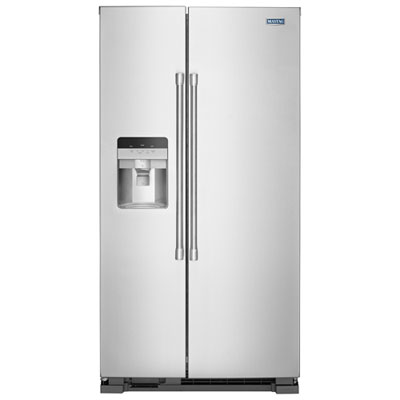
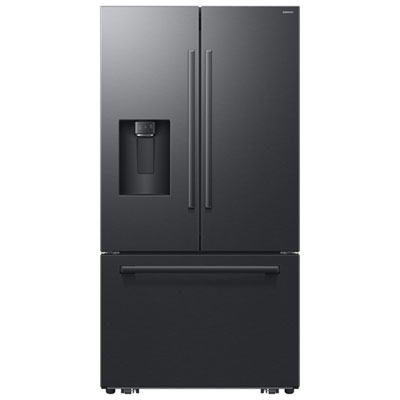
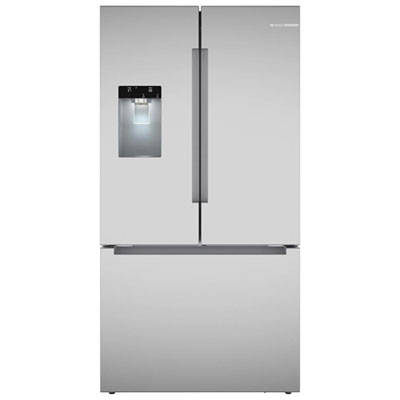
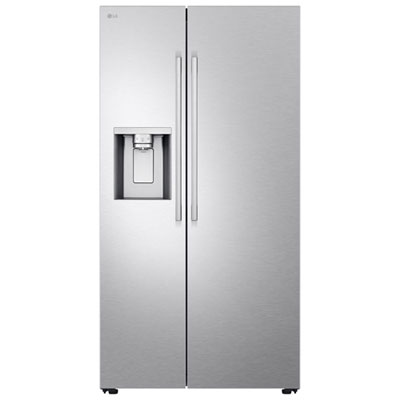
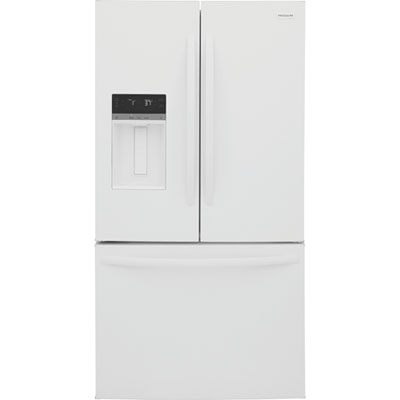
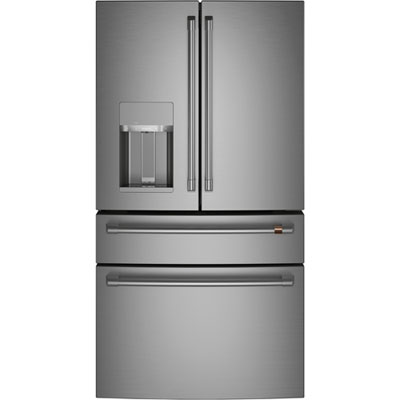
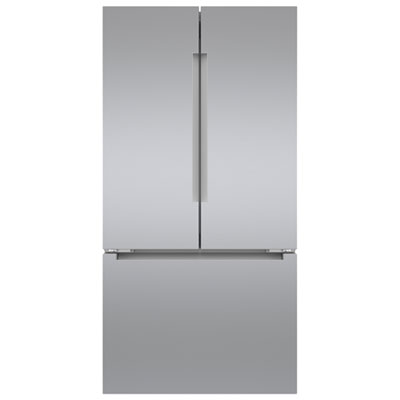
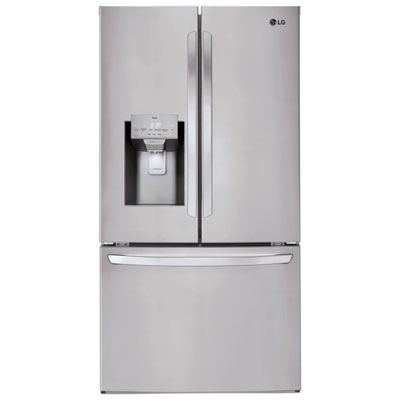
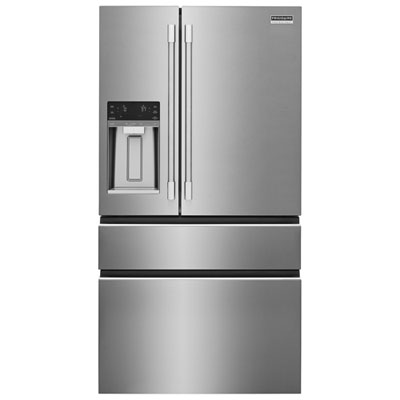

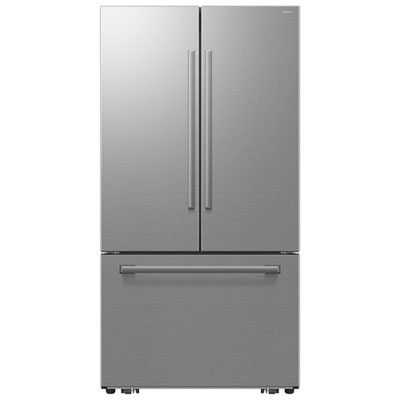
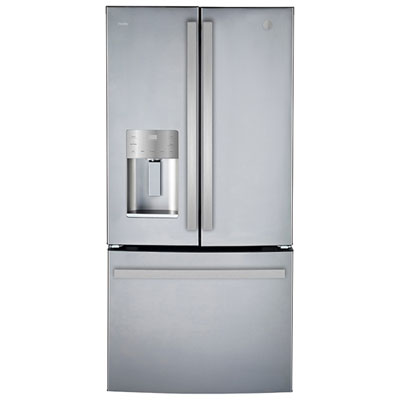

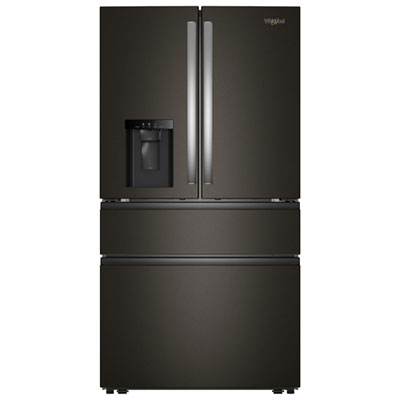

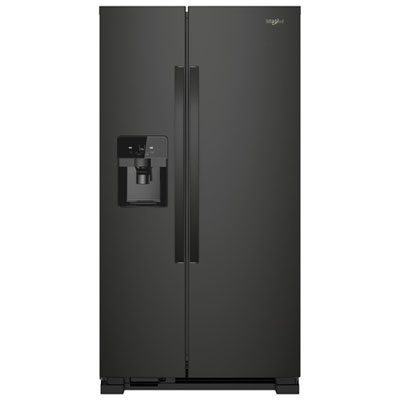
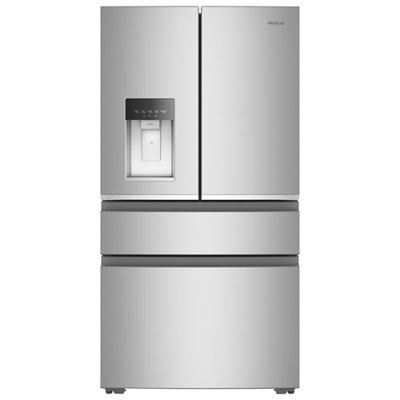

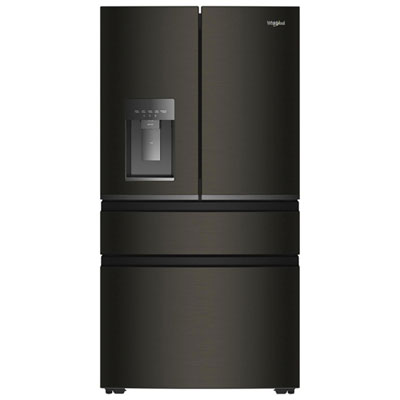
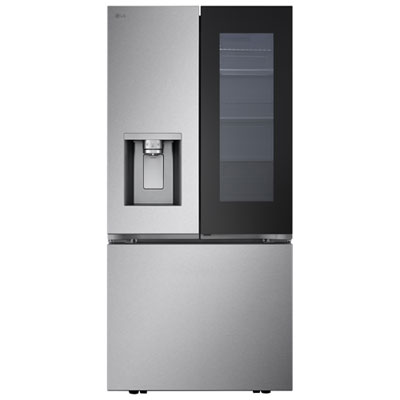


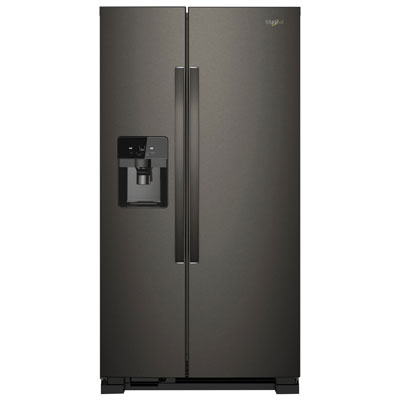
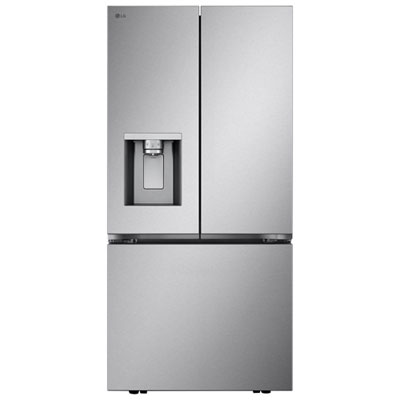

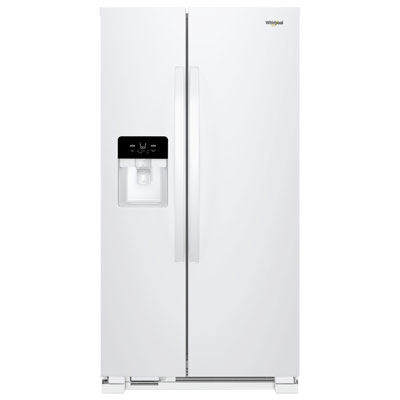

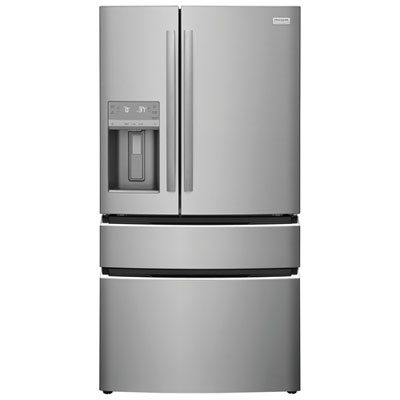
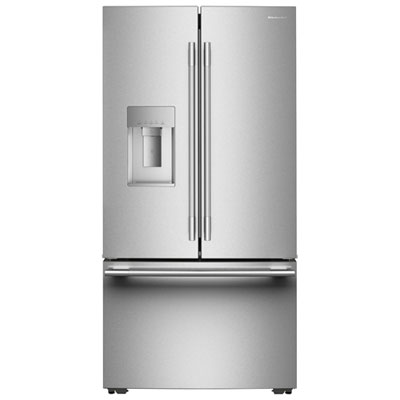
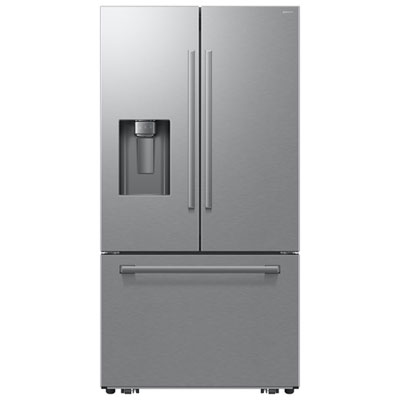
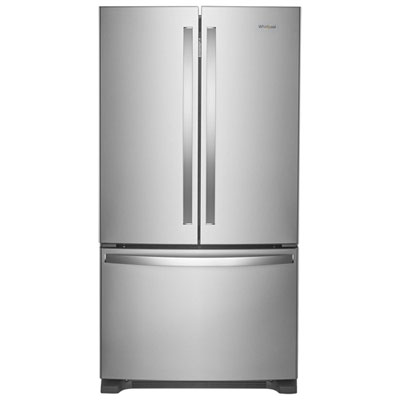
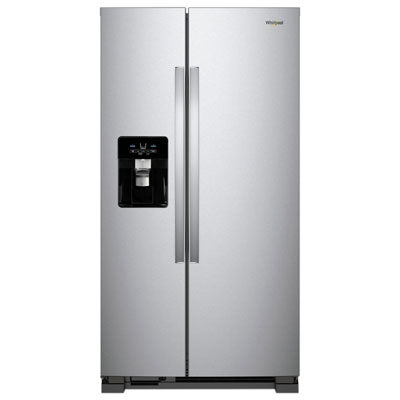
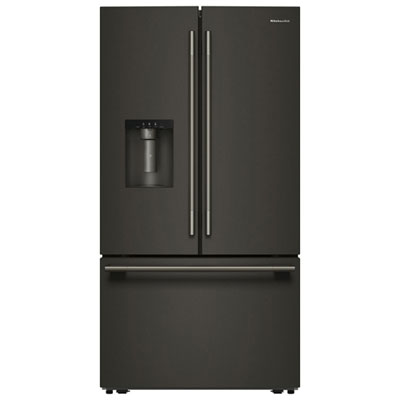

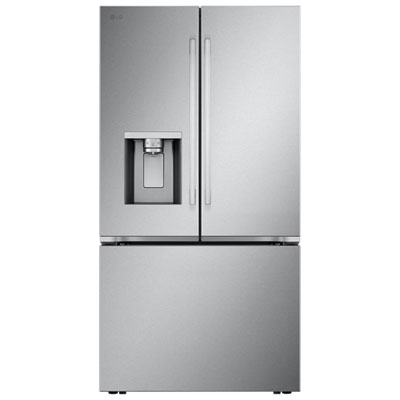
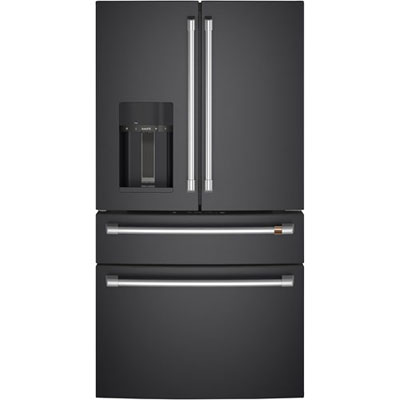
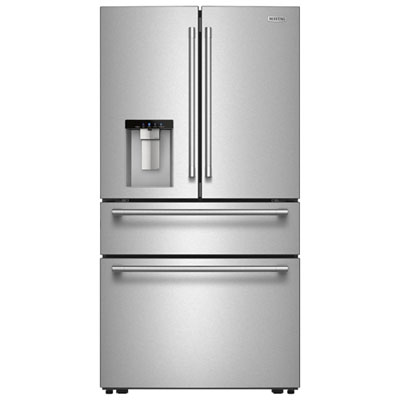
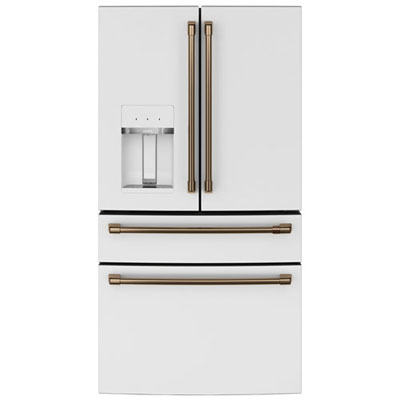
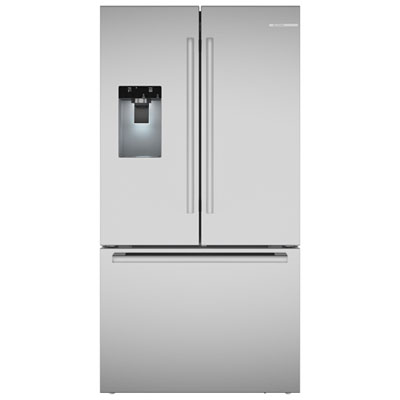
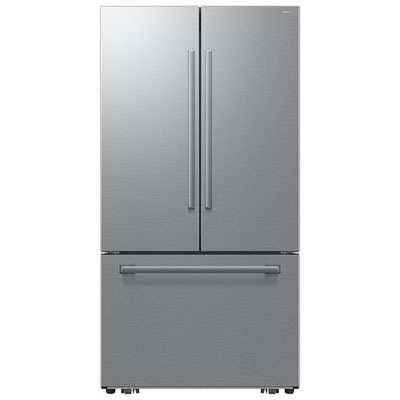

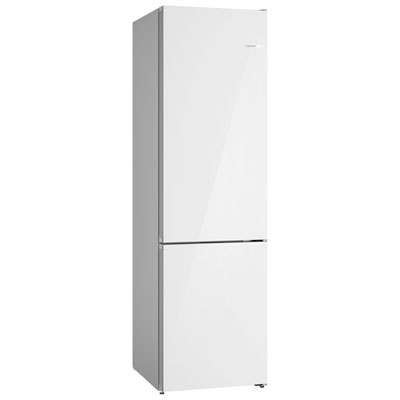

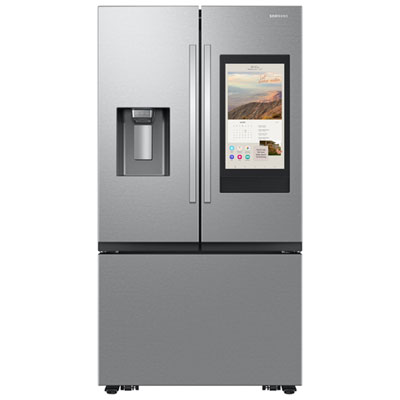
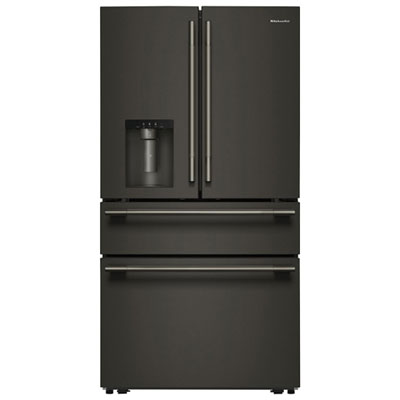


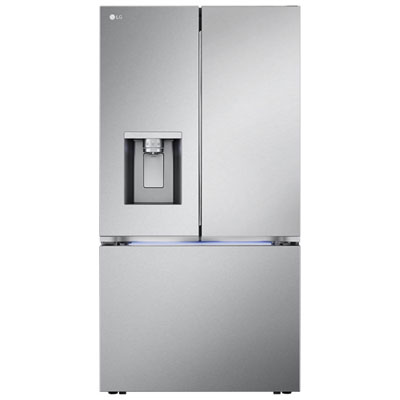

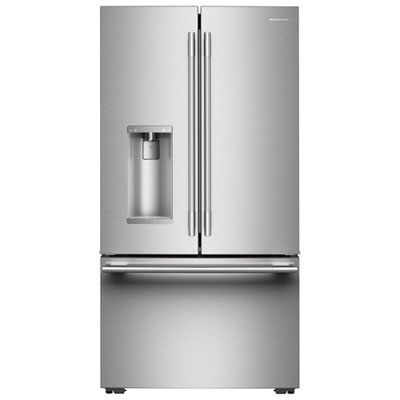

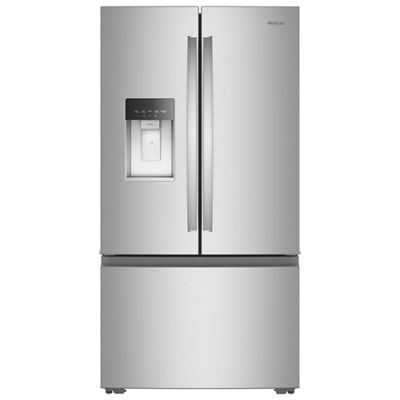

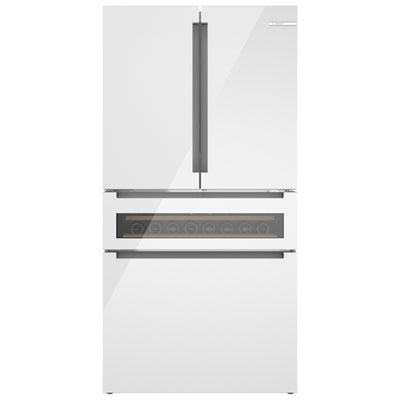
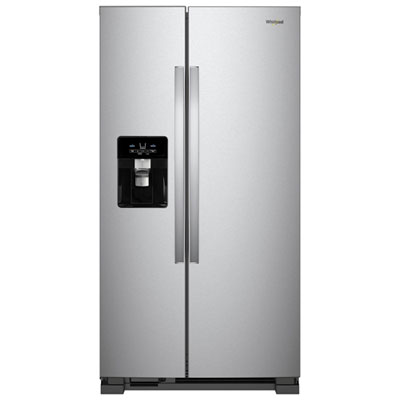

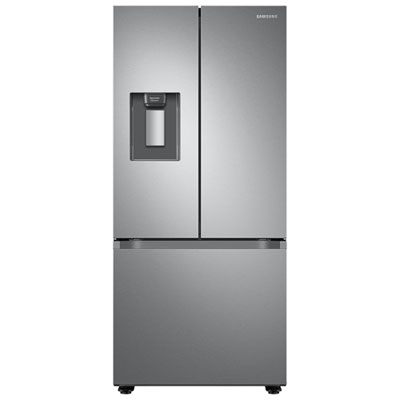
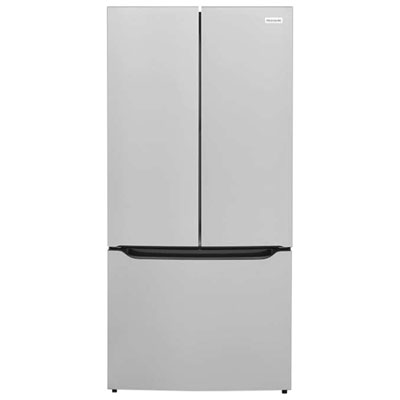

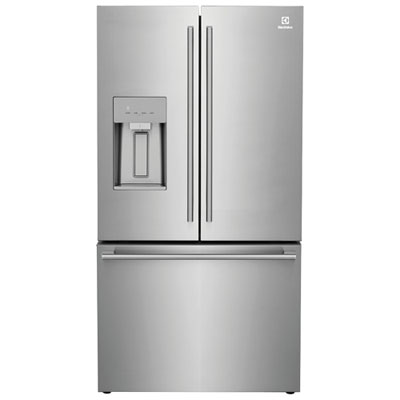
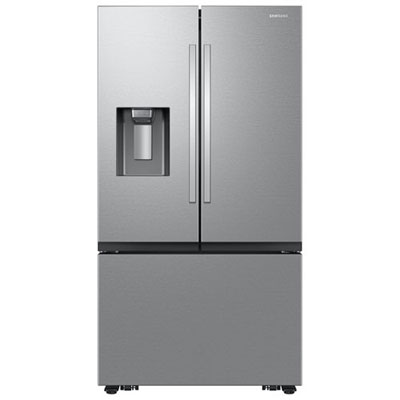

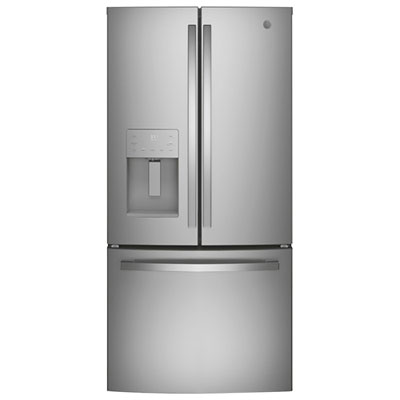

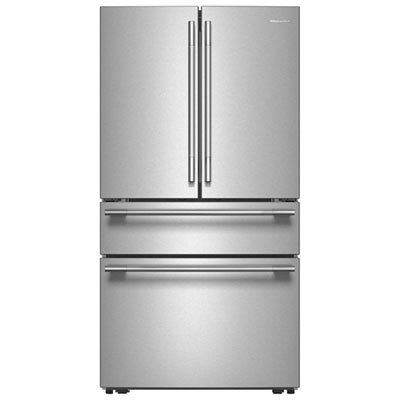
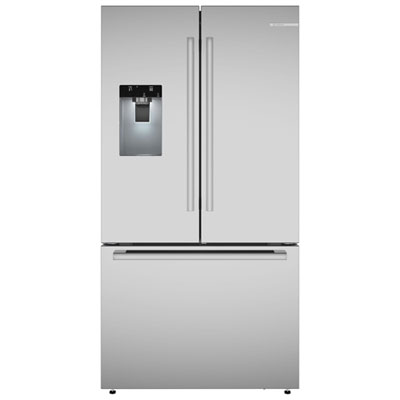
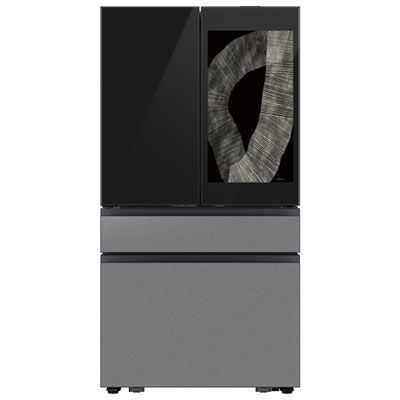

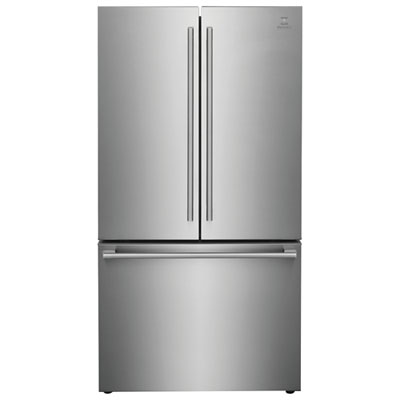


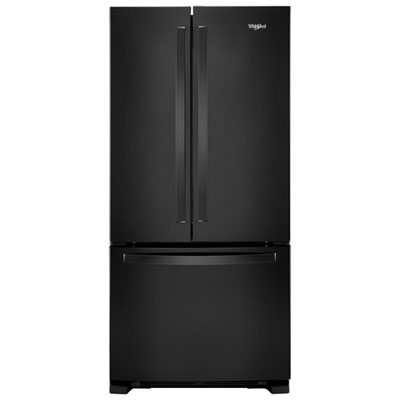
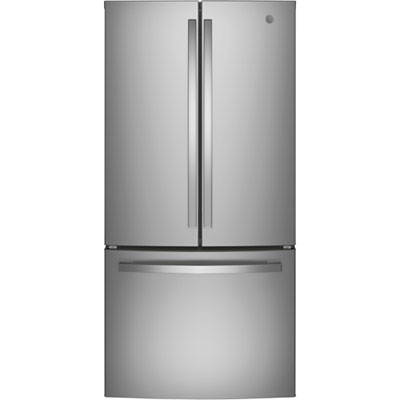



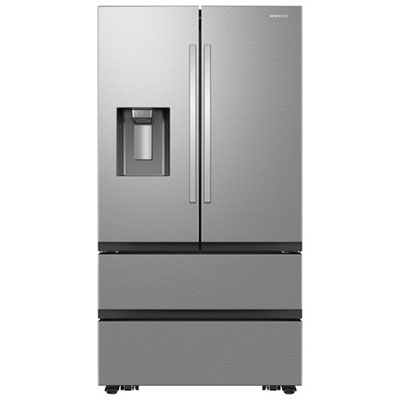
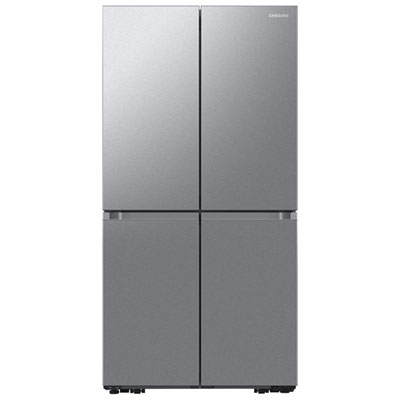
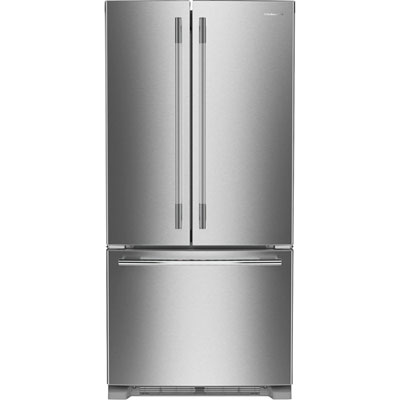
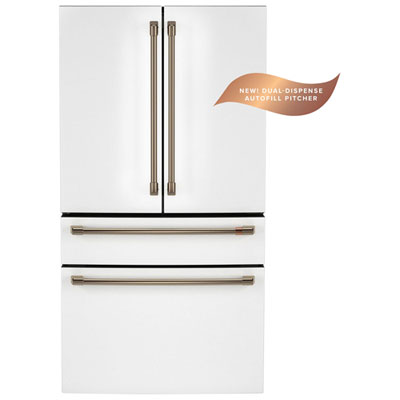













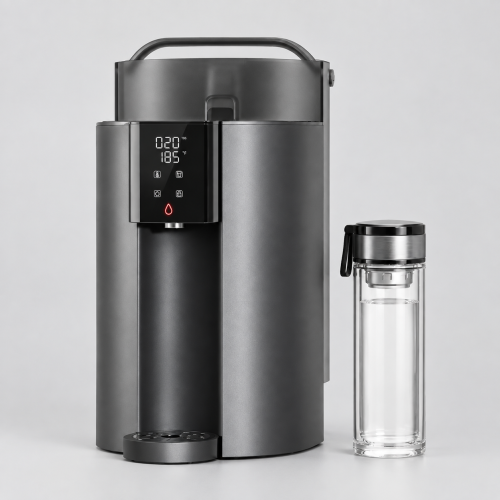
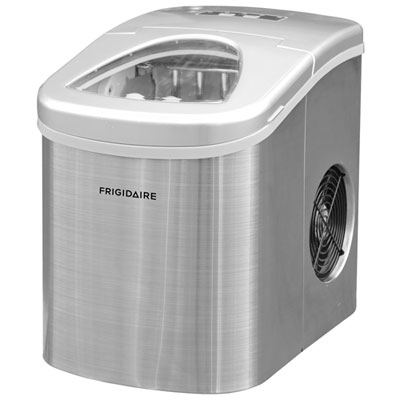

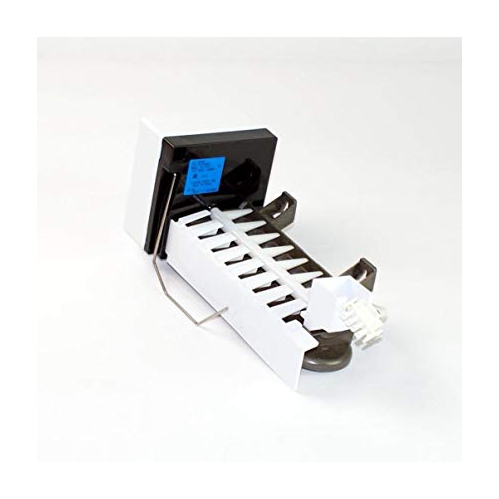
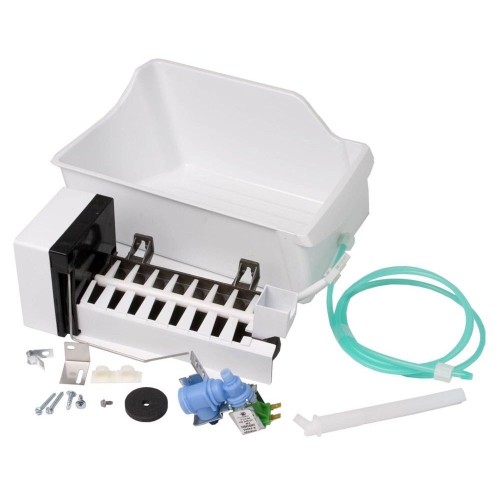

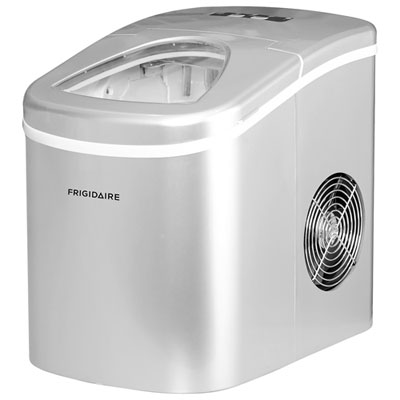


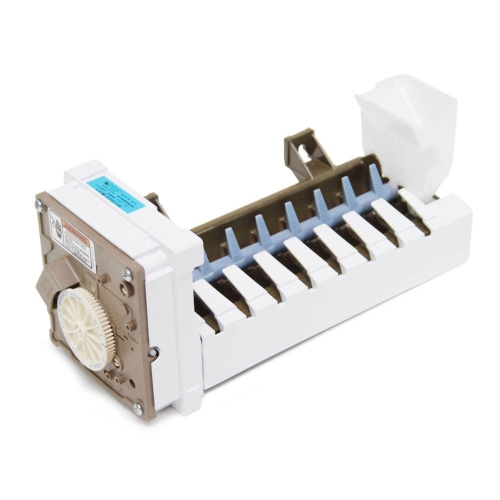
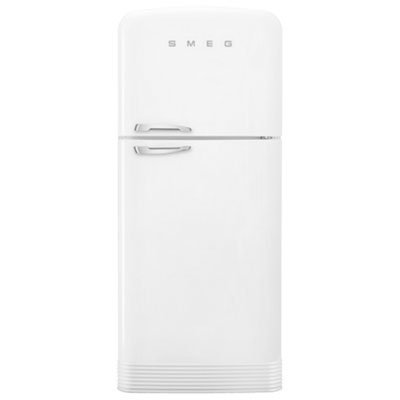
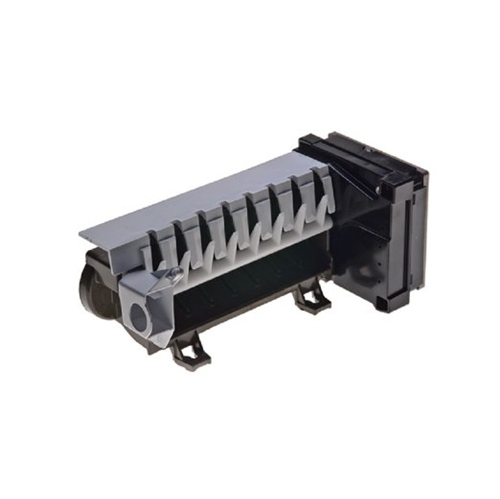

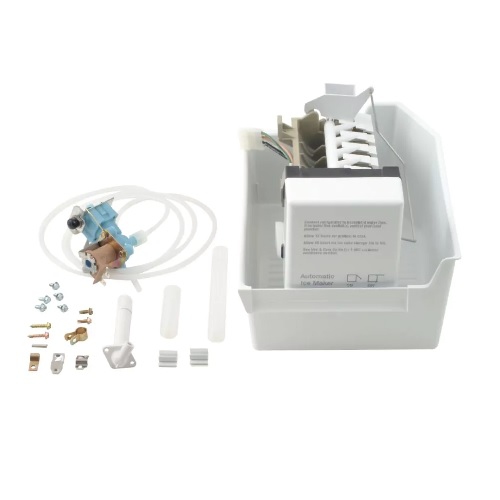

How dispenser placement affects storage and daily use
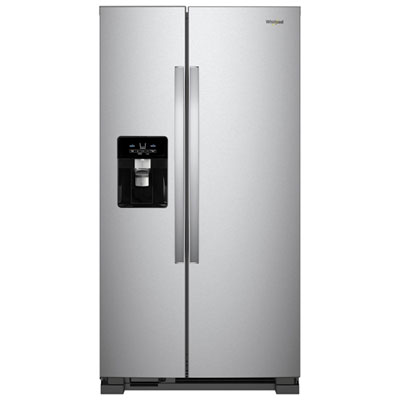
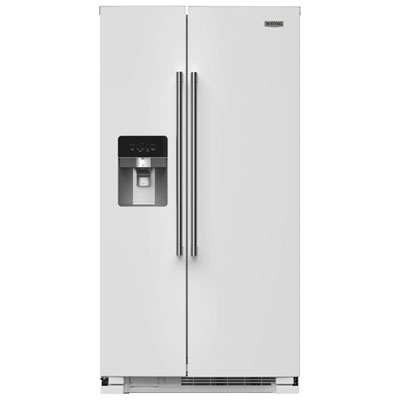
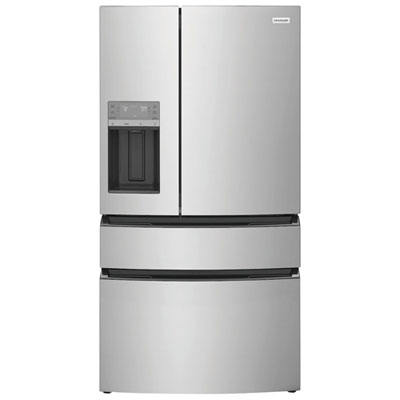
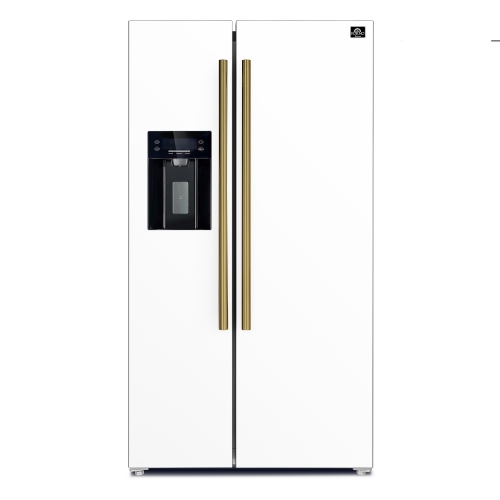
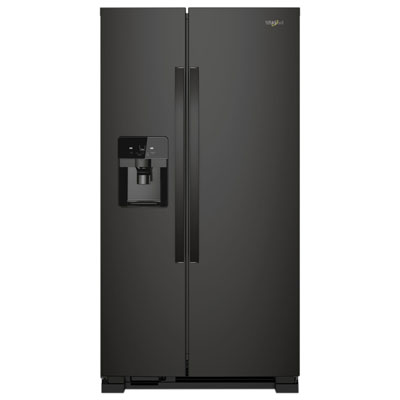
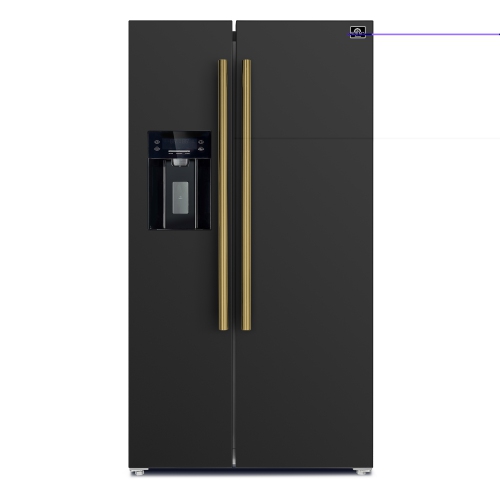
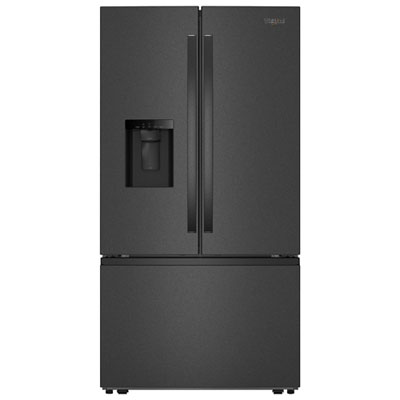
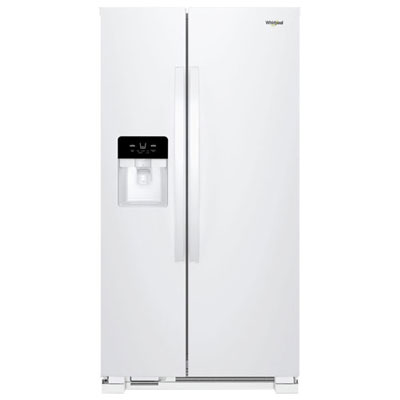
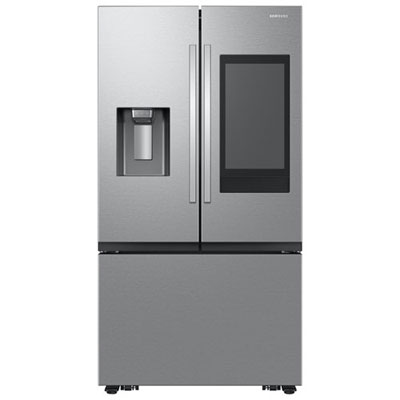
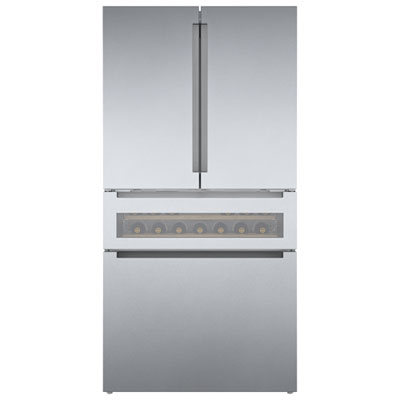
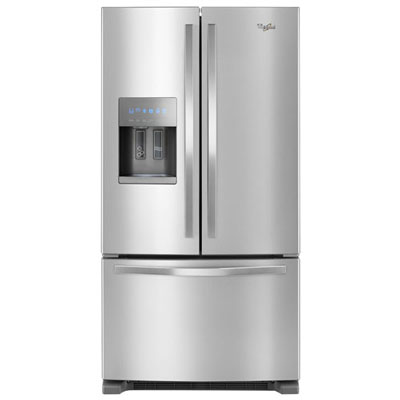
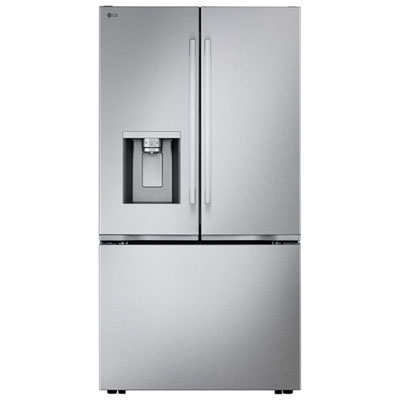
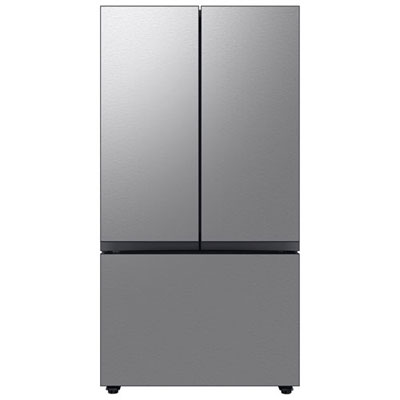
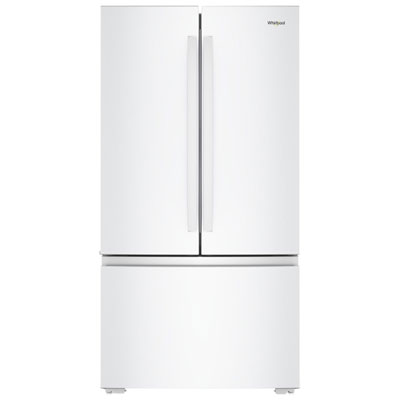
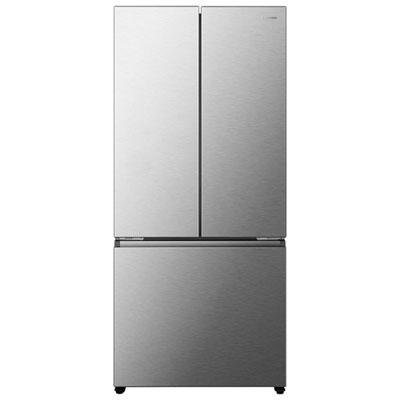
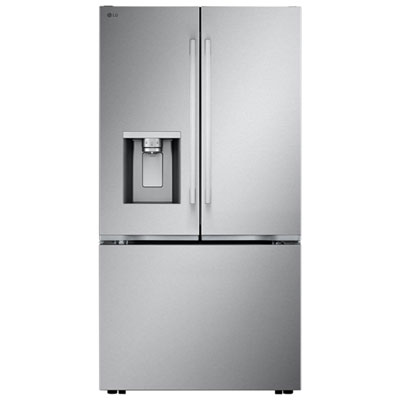
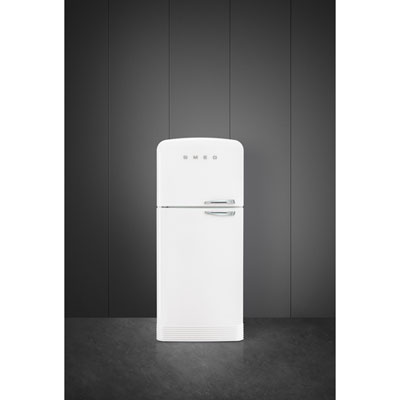
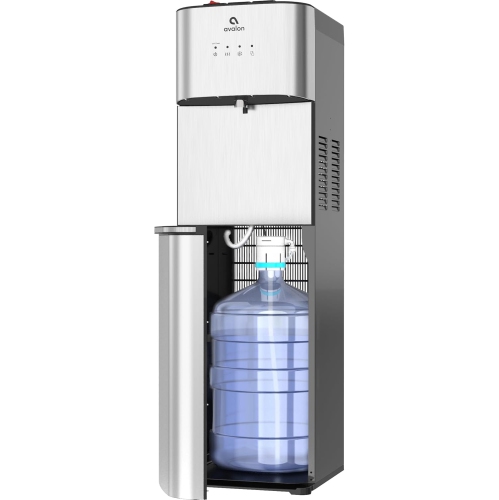
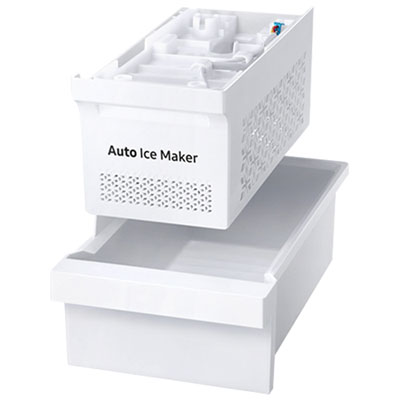
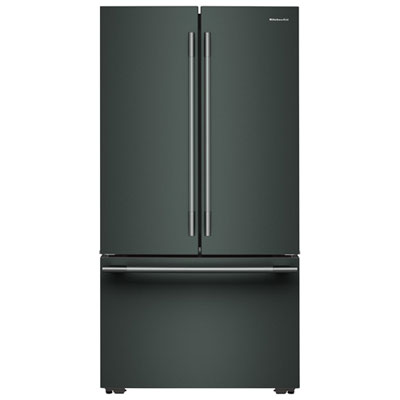
Refrigerators with water and ice dispensers combine everyday food storage with convenient access to drinking water and ice for glasses, reusable bottles, and serving pitchers. The main differences are the refrigerator layout, the location of the dispenser, and the way ice is stored and delivered. An exterior dispenser provides water and, on suitably equipped models, cubed or crushed ice through the door without opening the refrigerator compartment. A recessed dispensing area can make filling a glass straightforward, while a taller opening offers more room for bottles and larger containers. For an uninterrupted door finish, refrigerators with internal water dispensers keep the water outlet inside the fresh-food compartment; ice is often collected separately from a bin in the freezer rather than dispensed through the door. This distinction matters for households that want both water and automatic ice making but do not necessarily need an exterior ice chute. French door refrigerators offer wide fresh-food storage above a lower freezer, making them well suited to platters, broad containers, and groceries that benefit from being visible at eye level. Side-by-side refrigerators place fresh and frozen storage in vertical compartments, with narrower doors that can suit some kitchen layouts, although shelf width deserves attention for large trays. Bottom-freezer designs provide another arrangement, with dispenser and ice-making features varying by model. Within any configuration, the location of the ice maker affects usable storage: a door-mounted assembly, a compartment inside the refrigerator, and a freezer ice bin each occupy space differently. Adjustable shelves, door bins, produce drawers, and freezer dividers help determine how comfortably the interior handles a household’s routine. A family packing lunches may value room for tall drink containers and frequently used snacks, while someone who hosts meals may prefer flexible shelving for serving dishes. For frequent entertaining, ice production and storage capacity are worth distinguishing, since the amount a bin holds is not the same as the amount the ice maker can produce over a day.
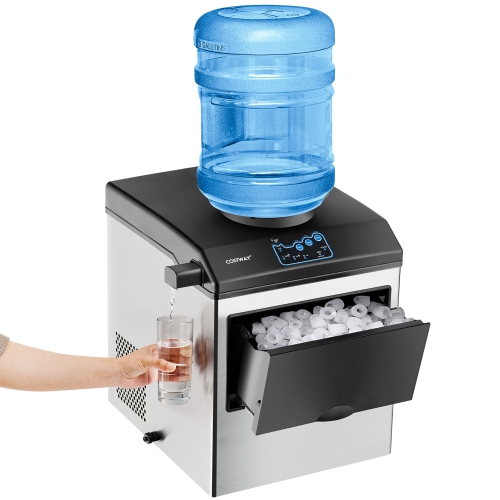
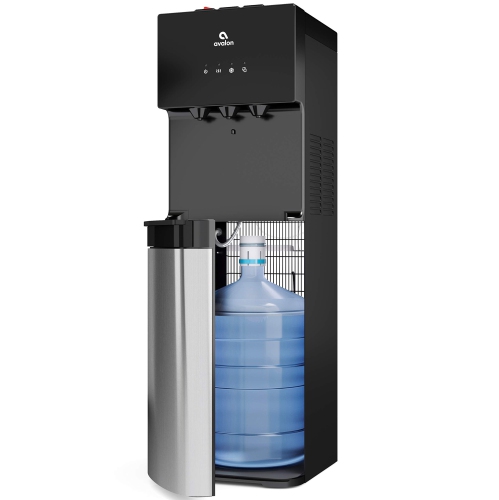
The right fit depends on more than the refrigerator’s stated width. Overall height, cabinet depth, handles, hinge clearance, and the space needed for ventilation all contribute to the installed footprint. Counter-depth refrigerators generally sit closer to the surrounding cabinetry for a more integrated appearance, while standard-depth designs project farther into the room and often provide greater storage capacity within a similar width. Neither description replaces the actual dimensions, particularly in a kitchen with an island, a nearby wall, or upper cabinets above the refrigerator opening. Door movement also affects daily use: sufficient clearance allows shelves and drawers to slide out fully, and a handle that clears the cabinetry when closed may still need additional room as the door swings open. The delivery route matters as well, including doorways, hallways, stair turns, and any tight approach to the kitchen. Most automatic water and ice systems require a connection to the household cold-water supply, with installation requirements for water pressure, tubing, and shut-off access specified by the manufacturer. Some designs use refillable reservoirs instead, but those arrangements should not be assumed to include automatic ice making or the same dispensing features as a plumbed refrigerator. A qualified installer can assess an existing connection and arrange the appliance without pinching the supply line behind it. Finish and construction influence how the refrigerator looks and feels over time. Stainless steel, painted surfaces, and fingerprint-resistant finishes have different cleaning requirements, and resistance to fingerprints does not mean a surface cannot show marks or scratches. Secure handles, smoothly moving drawers, sturdy shelf supports, and accessible door bins contribute to everyday usability. Adjustable glass shelving can make small spills easier to contain, depending on its edge design, while removable bins simplify cleaning after a leaking carton or sticky bottle. For a busy shared kitchen, practical details such as a drip tray that is easy to wipe and dispenser controls that are simple to identify can matter just as much as the exterior finish.
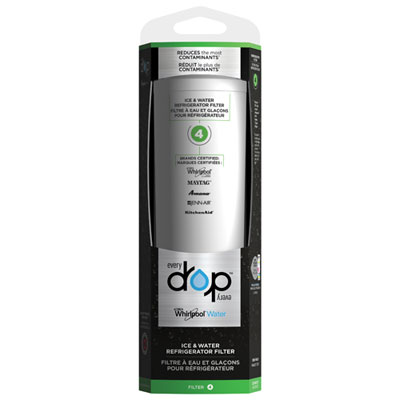
Water quality, routine care, and dispenser design shape the experience after installation. Many refrigerators with dispensers use replaceable water filters, but filtration capabilities depend on the particular filter and its stated certification; the presence of a dispenser alone does not establish what substances the system reduces. Compatible replacement filters, an accessible filter location, and clear replacement indicators can make regular maintenance easier to manage. Replacement and flushing intervals should follow the manufacturer’s directions, including any instructions for a newly installed filter or a refrigerator that has been unused for an extended period. The dispenser nozzle, paddle, drip tray, and ice bin also benefit from cleaning according to the appliance’s care instructions. Water marks around the dispensing recess and occasional ice fragments beneath the chute are ordinary cleaning considerations, especially where several people refill bottles throughout the day. Ice that sits unused can clump or pick up odours, so clean storage compartments and well-covered food help preserve a fresher taste. A dispenser lock can help prevent unintended operation, while lighting around the outlet makes it easier to position a glass accurately. Measured-fill settings, where included, provide added convenience for filling containers to a selected volume, although they are not a substitute for checking quantities when precision matters. Households that regularly fill tall bottles may find the dispenser opening and paddle position more useful to compare than the appearance of the control panel alone. Automatic ice makers also make intermittent sounds as water enters and ice drops into the bin, a detail that can be noticeable in an open-plan kitchen or a nearby living area. Water flow and ice production vary with the design, installation conditions, and frequency of use, and a newly installed refrigerator needs time to reach its normal operating conditions before dependable ice production begins. A layout that suits the kitchen, a dispenser that accommodates everyday drinkware, and accessible components for routine cleaning all help make these refrigerators practical additions to daily meal preparation and household routines.
Top selling and popular products
-
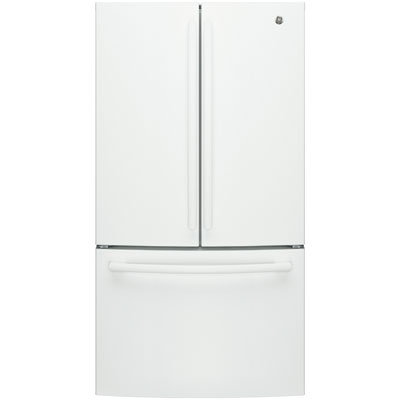 Your price for this item is $1899.99
-
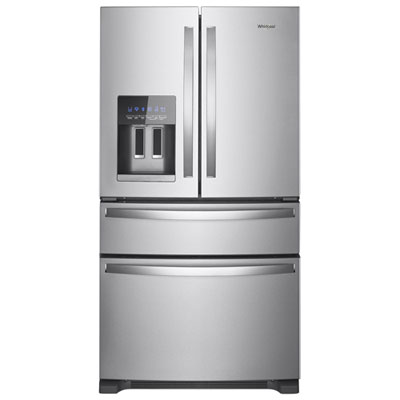 Your price for this item is $2999.99
-
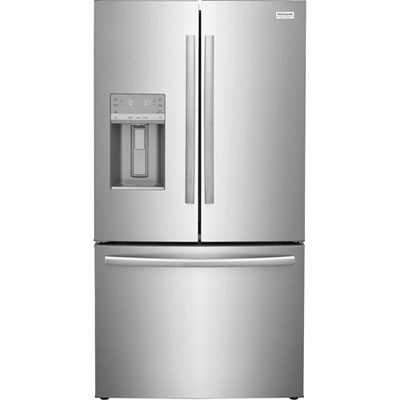 Your price for this item is $2499.99
-
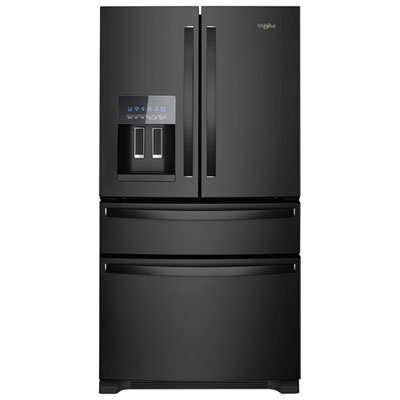 Your price for this item is $2949.99
-
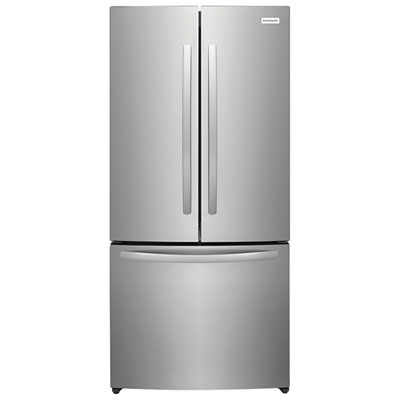 Your price for this item is $1599.99
-
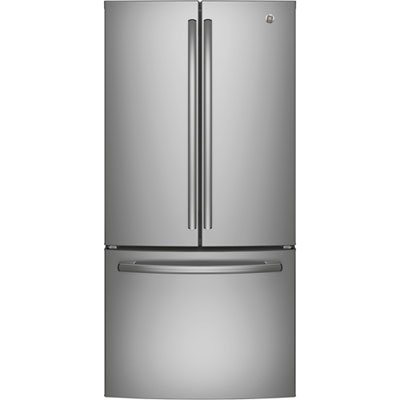 Your price for this item is $1699.99
-
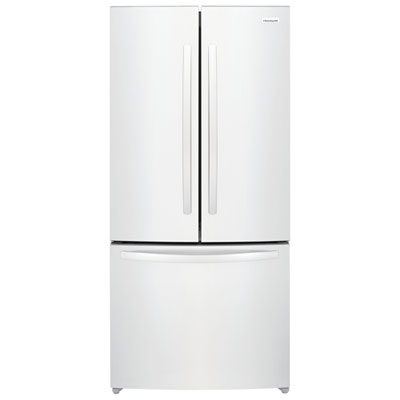 Your price for this item is $1599.99
-
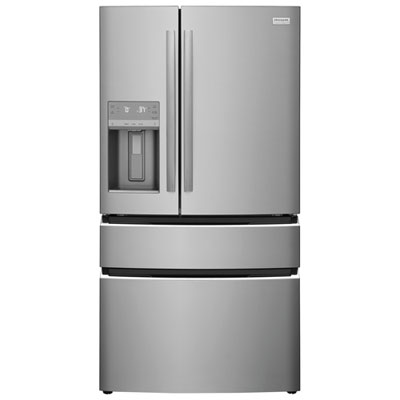 Your price for this item is $2799.99
Discover more categories related to Refrigerators With Water And Ice Dispensers
Top Collections:
Pokemon Centers, Kindle Devices, Best Budget Office Chairs, Canon G7X Cameras, Apple iPhones 16, Samsung Galaxy Phones, Refurbished Apple Laptops, Laptops for Students, iPhone 15 Apple, Budget Smartphones
Some products may be subject to Environmental Handling Fees
(EHF) depending on your province.
Learn more about EHFs.