Residential Air Conditioning Units
Looking to beat the heat this summer? Look no further than our selection of residential air conditioning units. Whether you're looking to cool a single room or your entire home, we have a wide range of options to suit your needs. With advanced features and energy-efficient designs, our air conditioning units will keep you comfortable all season long. Stay cool and relaxed with the perfect cooling solution for your home.
Sort
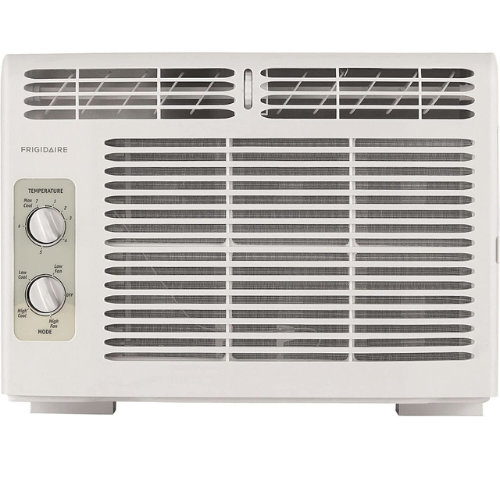
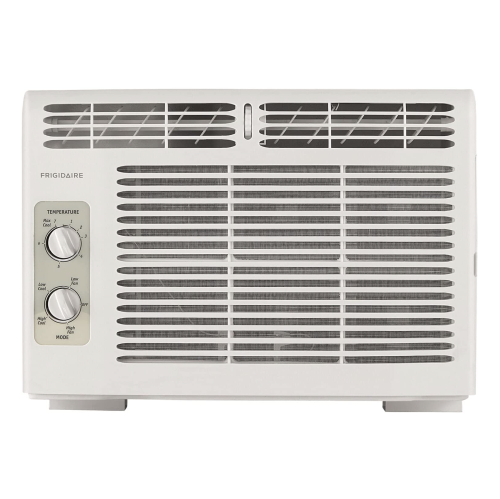
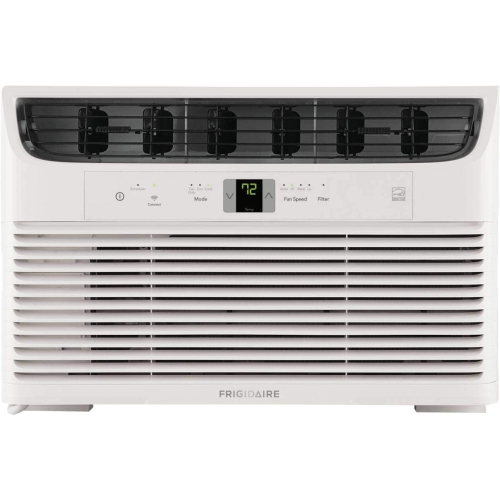
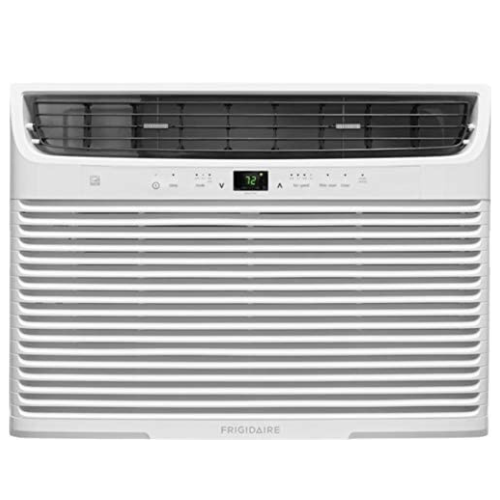



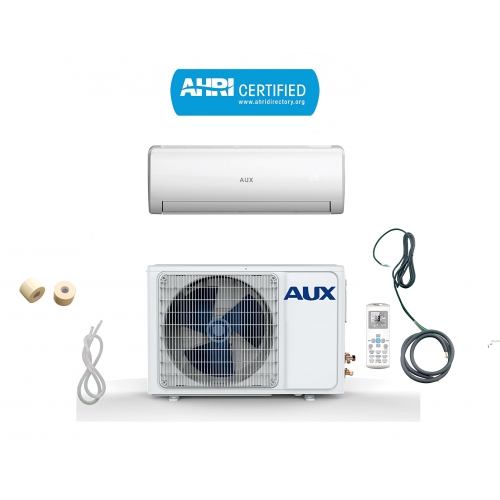
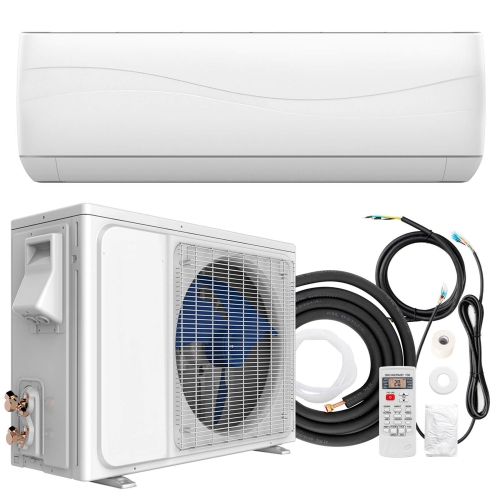
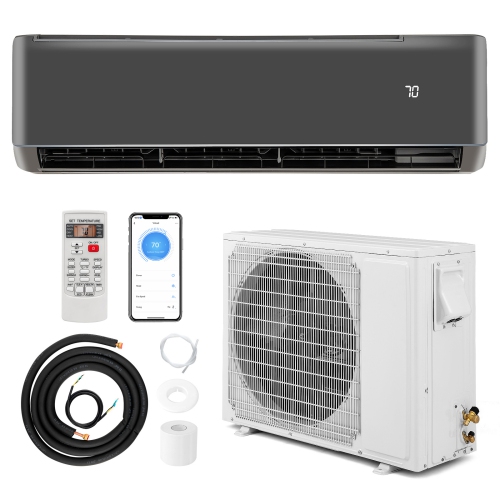
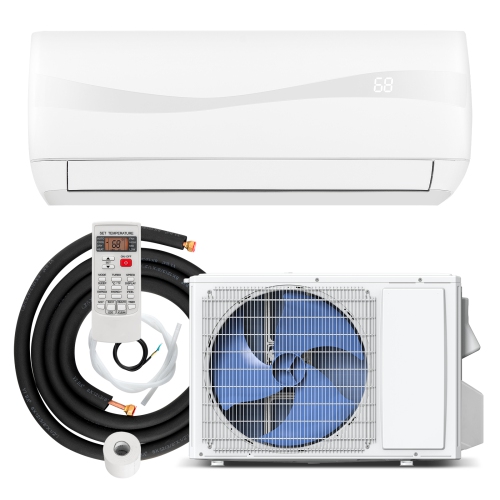


Why your home’s layout matters when comparing cooling options
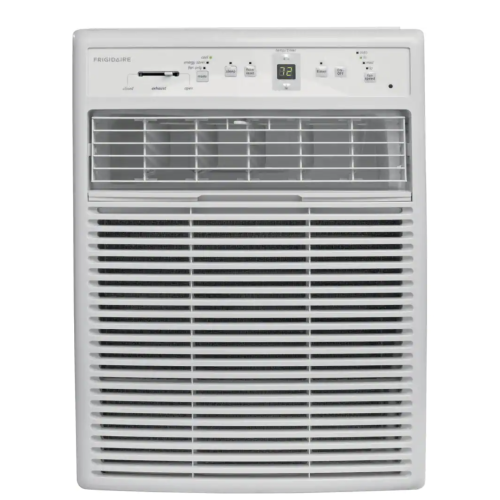
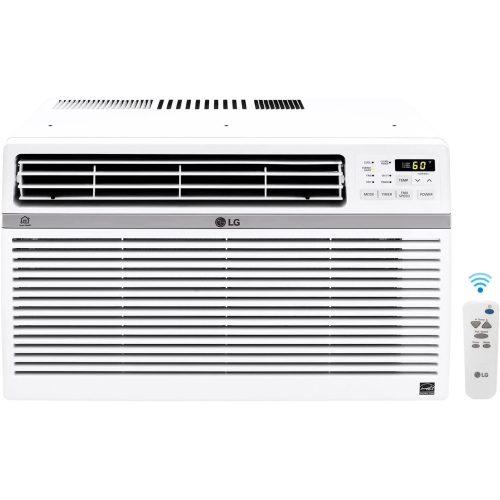
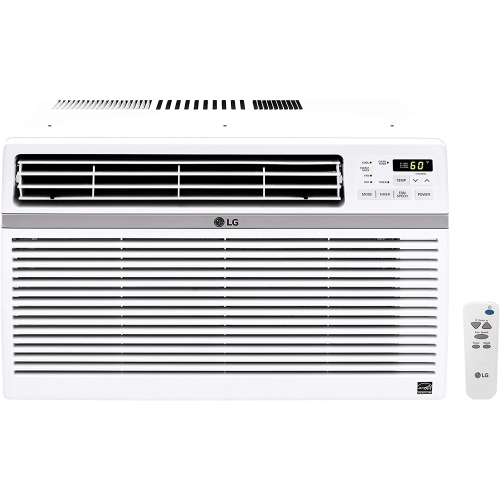
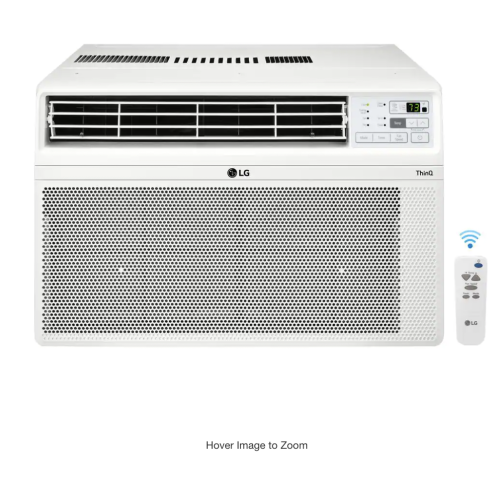
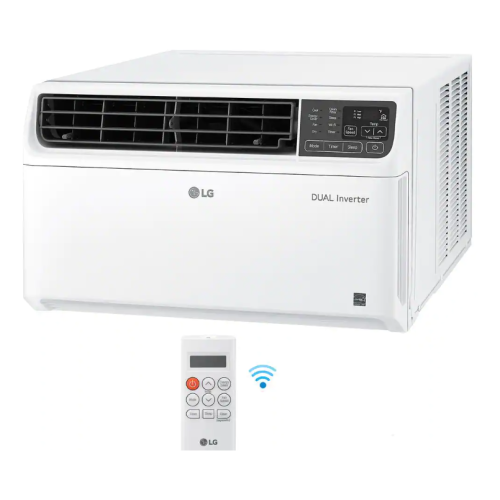
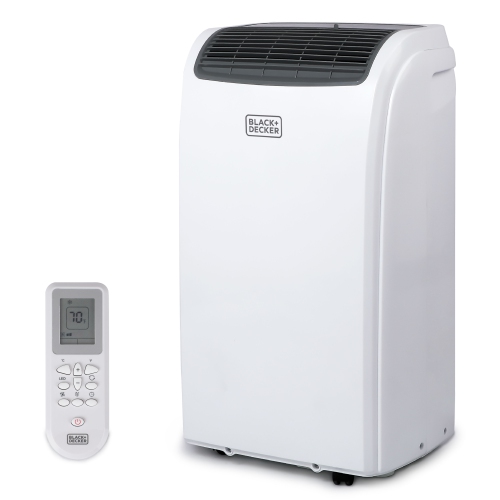
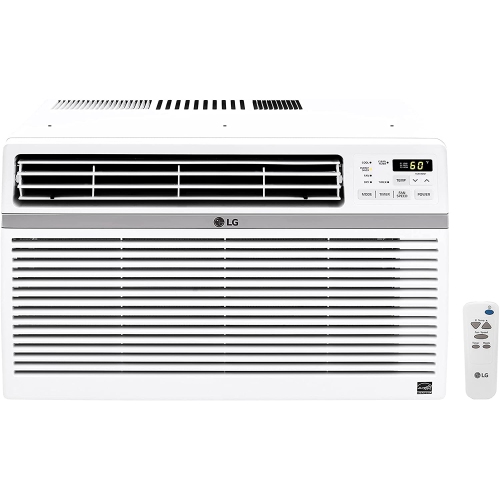
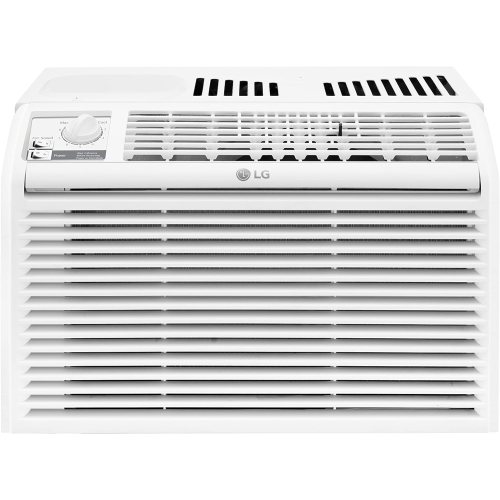
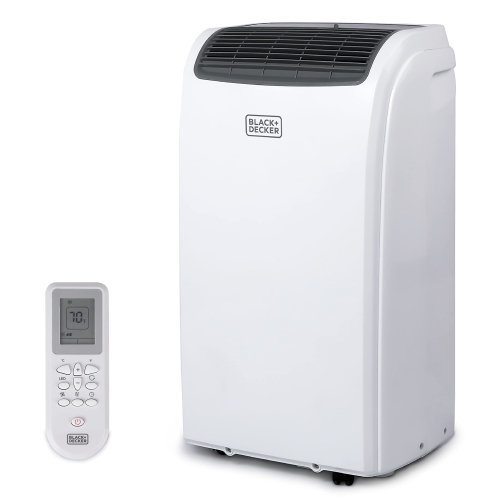
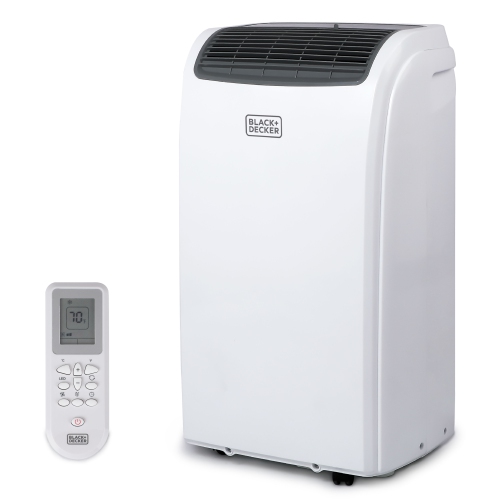
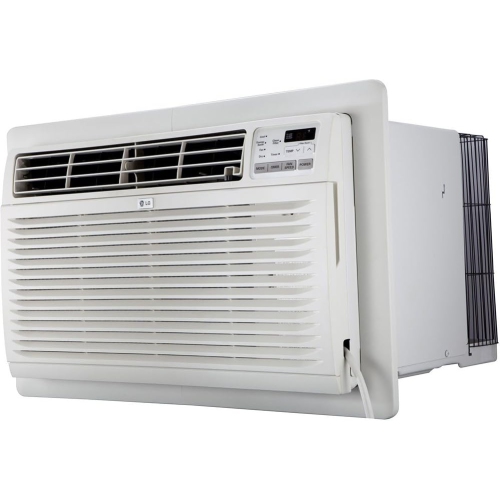
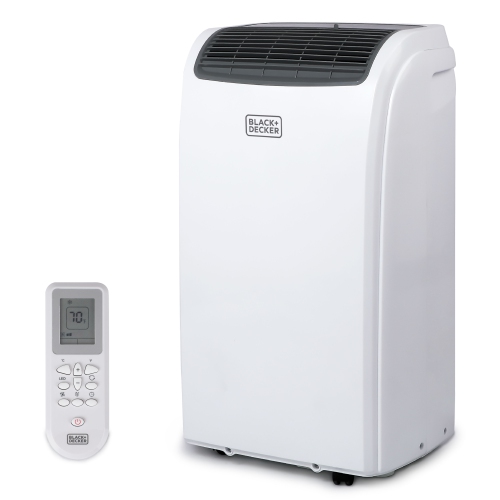
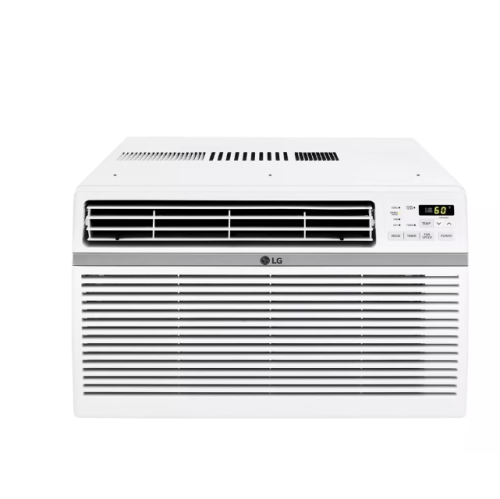
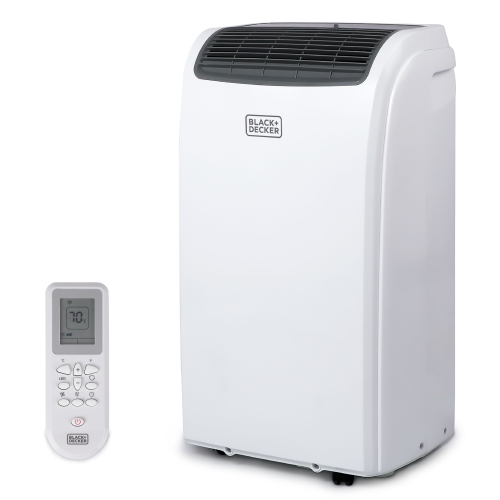
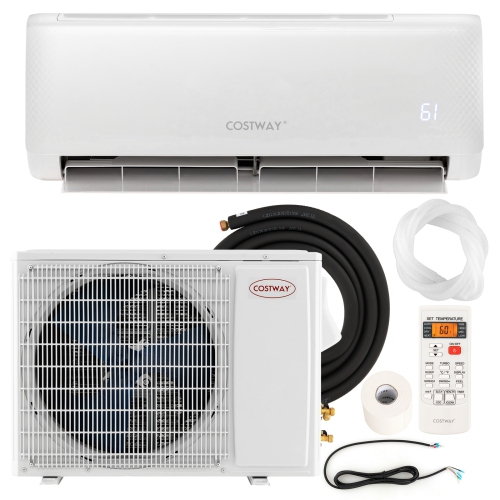
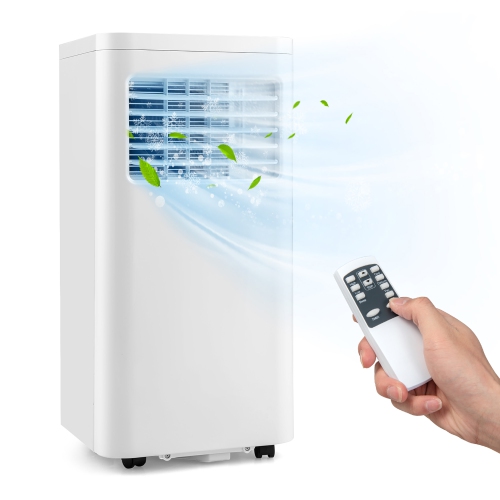
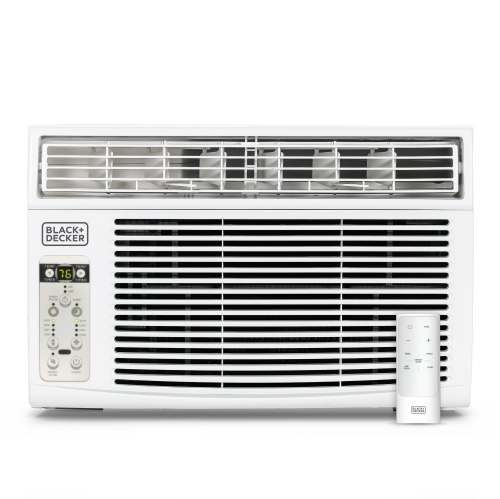
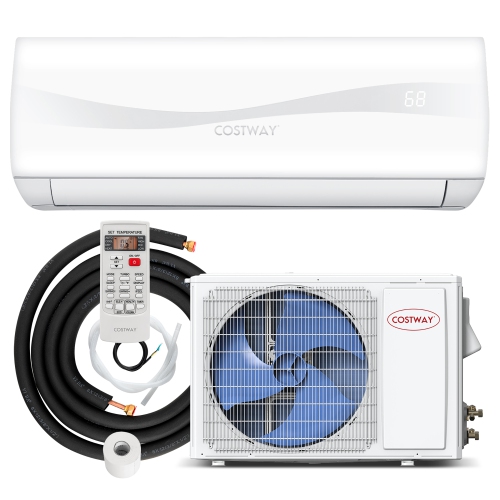
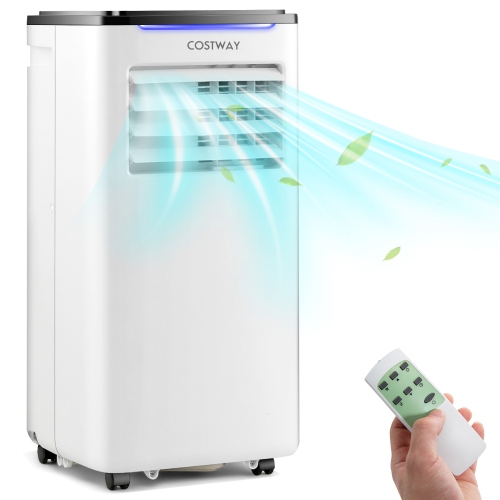
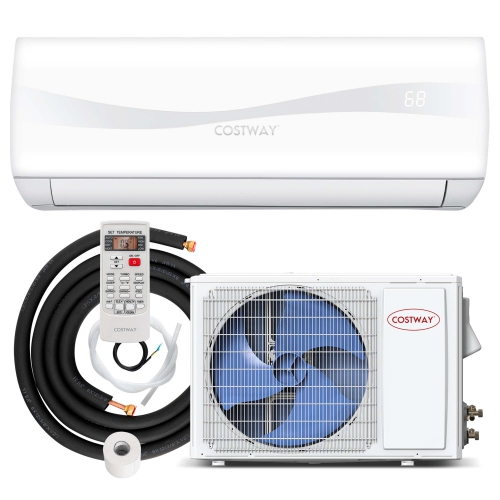
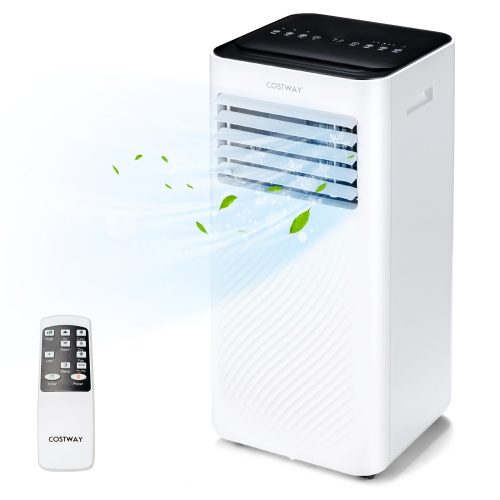
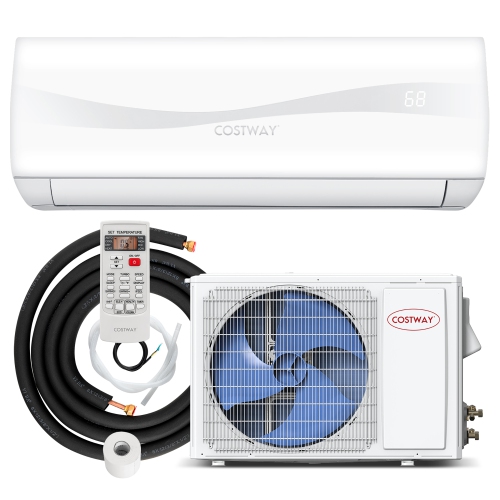
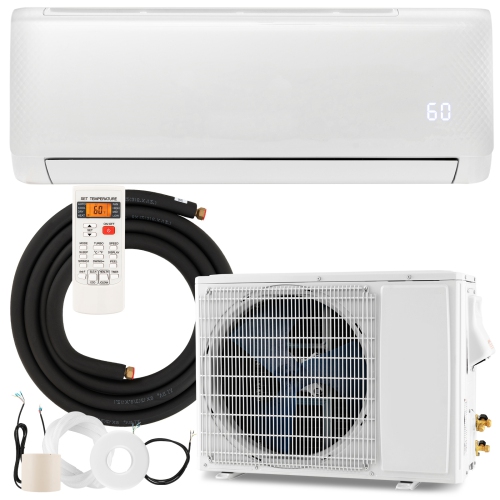
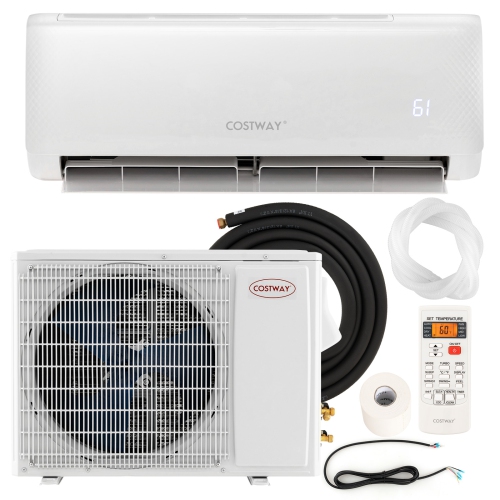
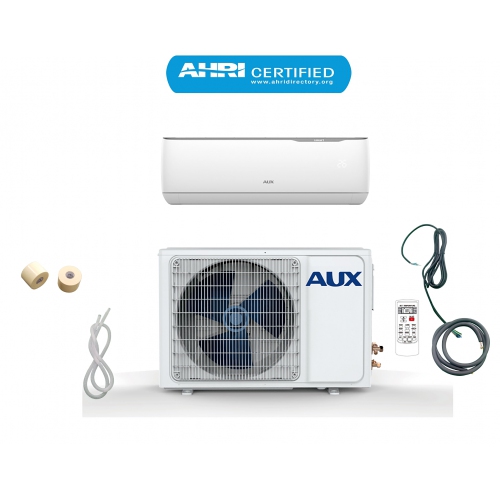
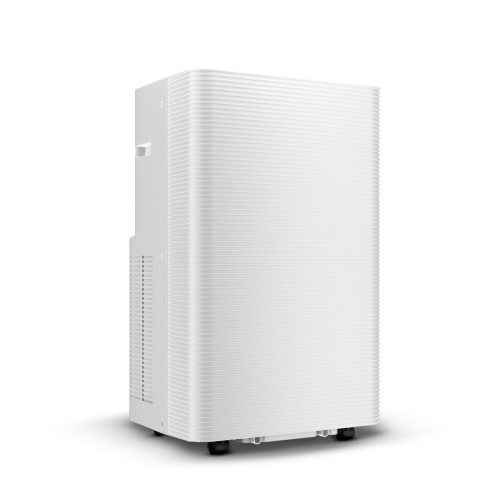
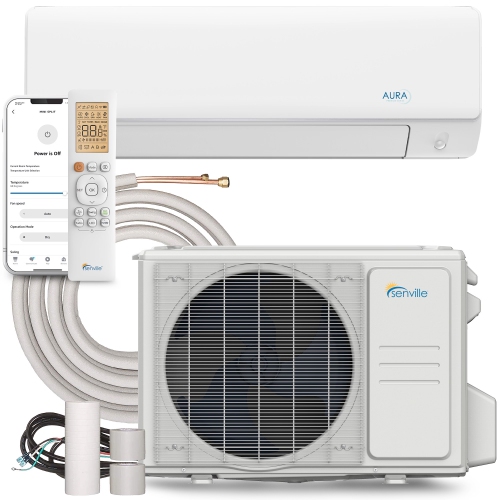
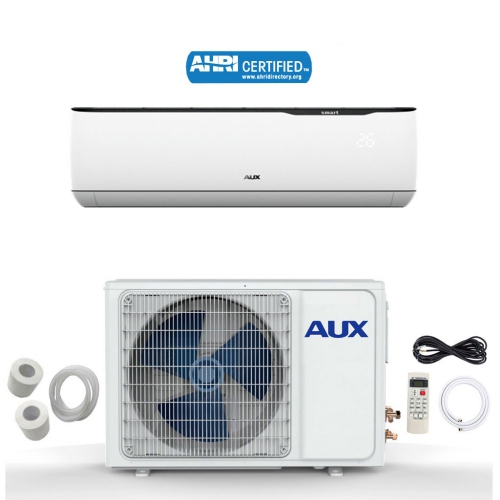
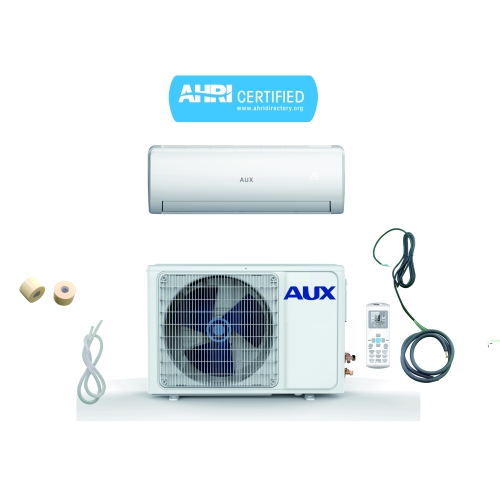
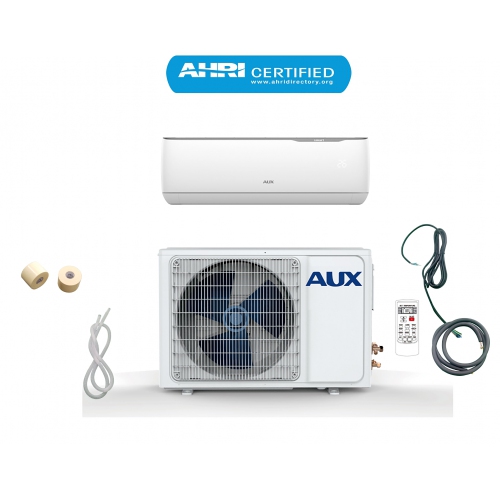
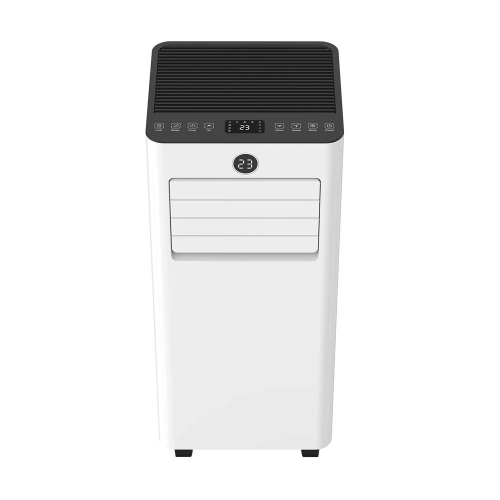
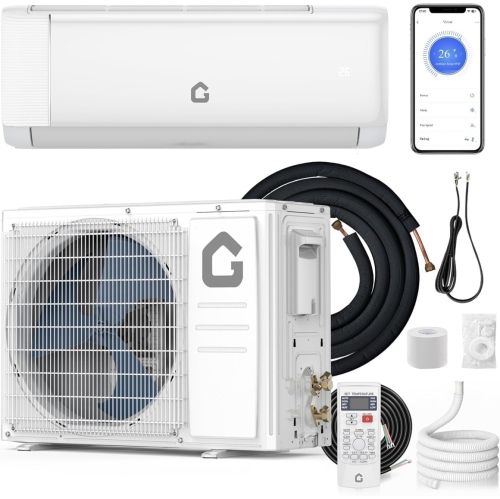
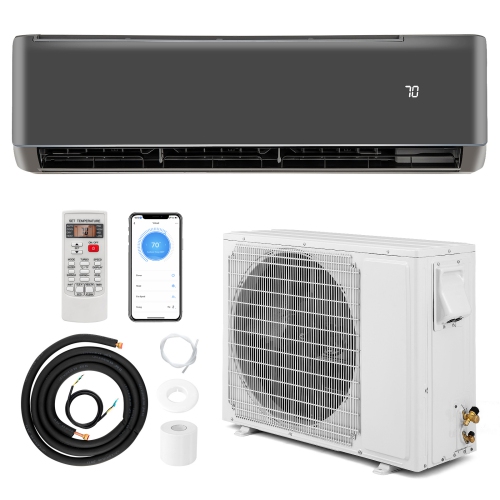
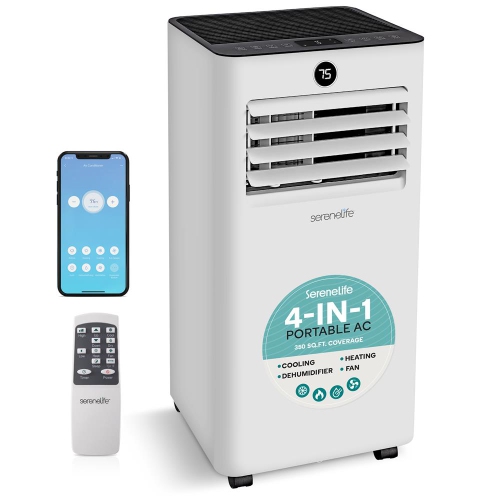
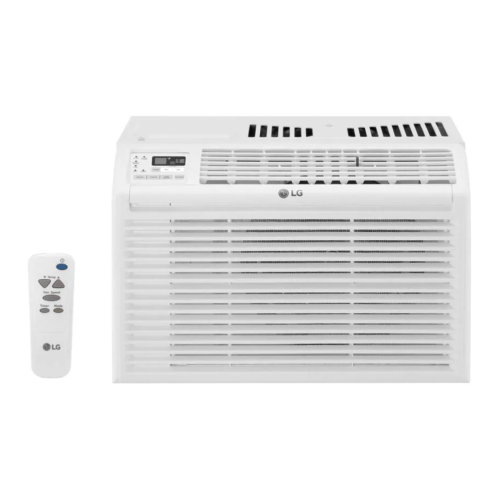
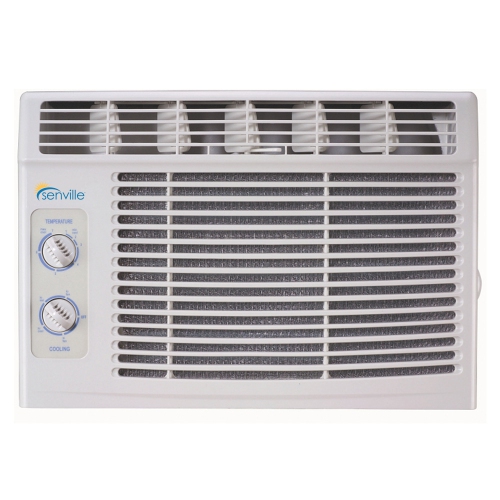
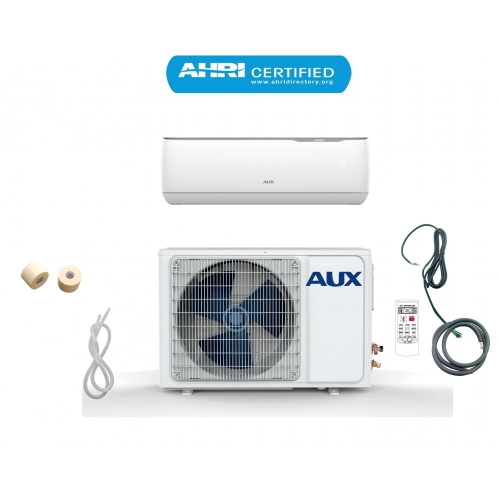
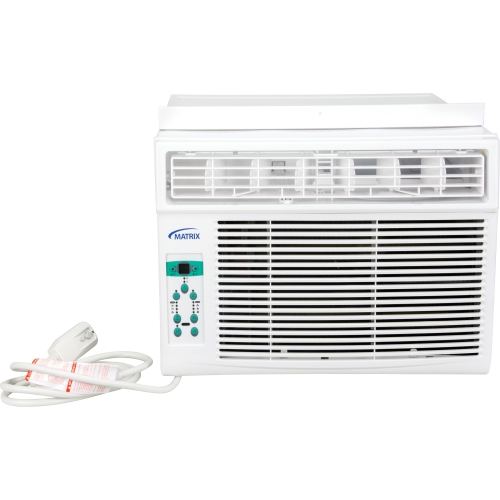
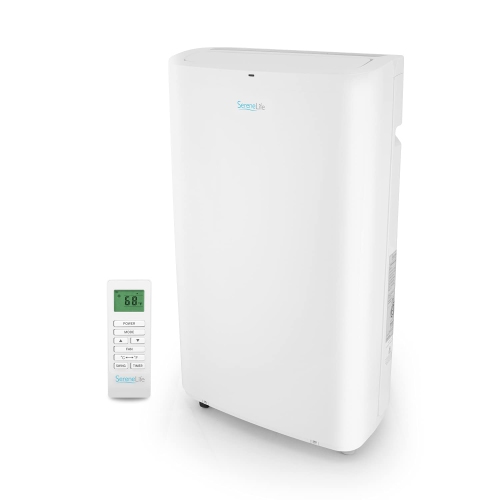
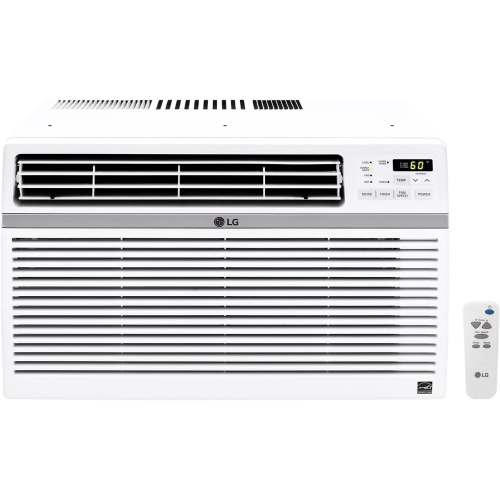
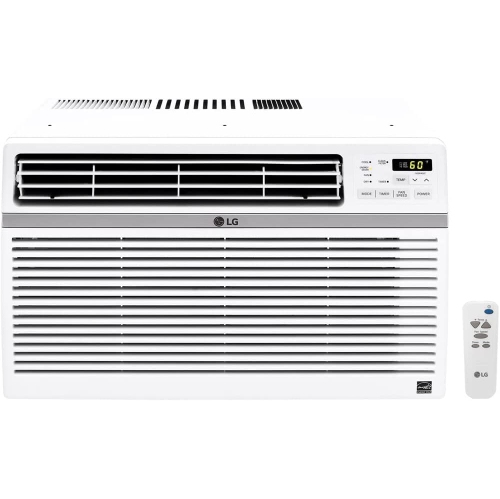
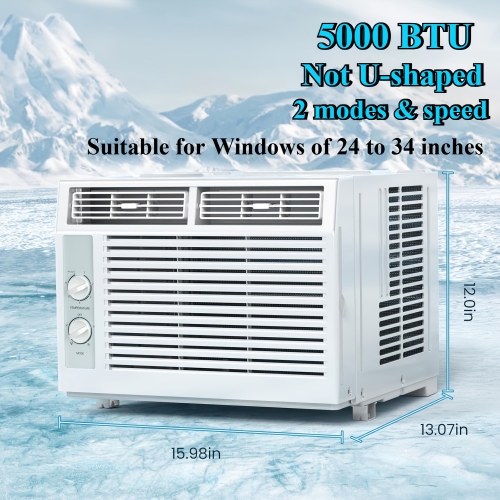
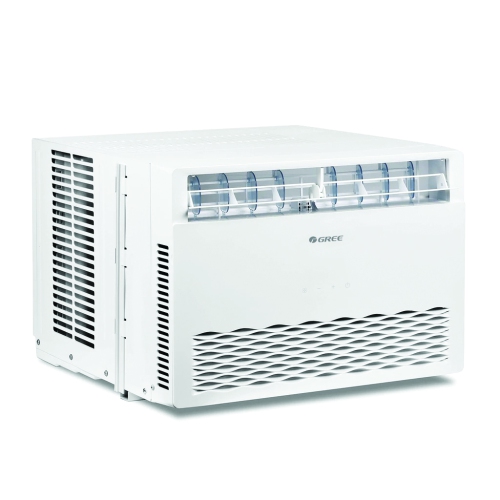
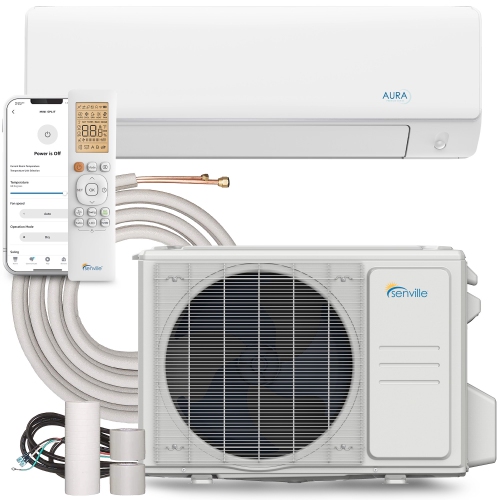
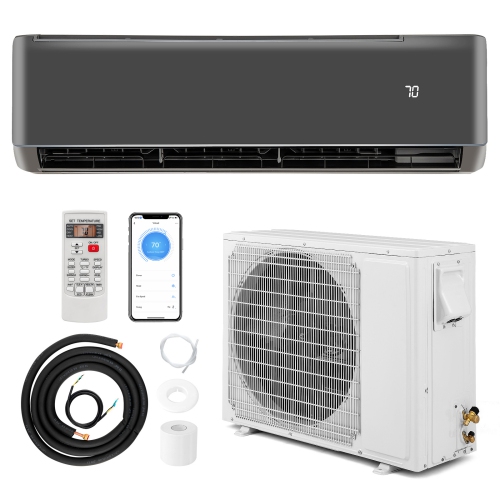
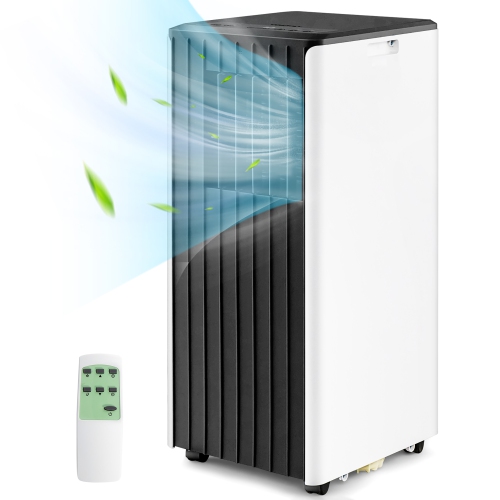
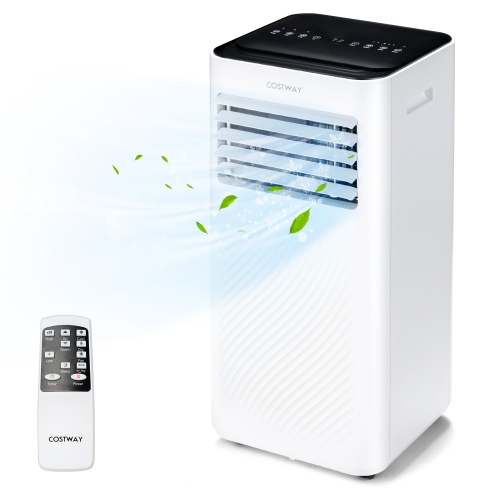
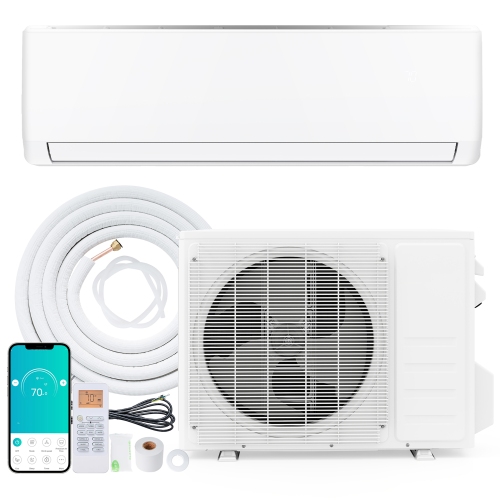
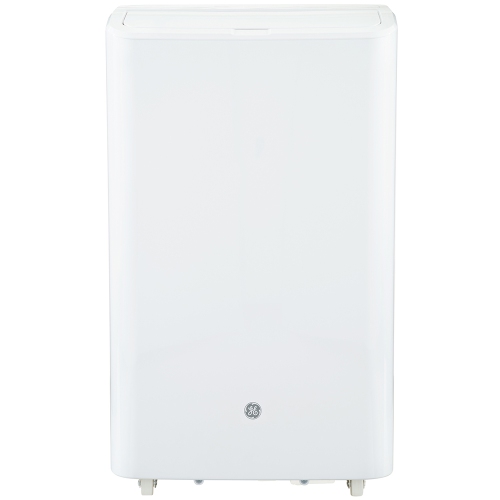
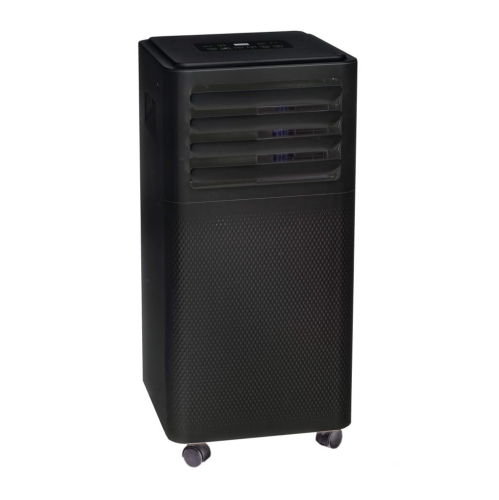
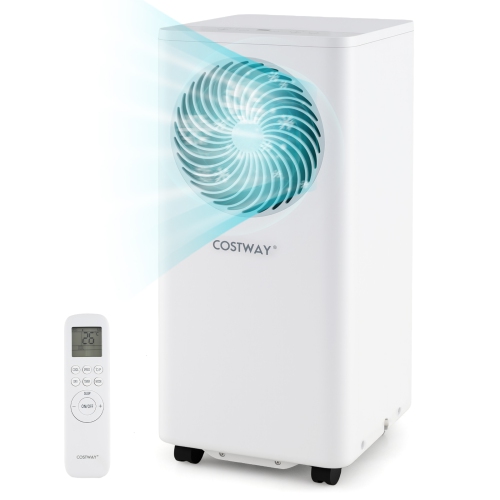
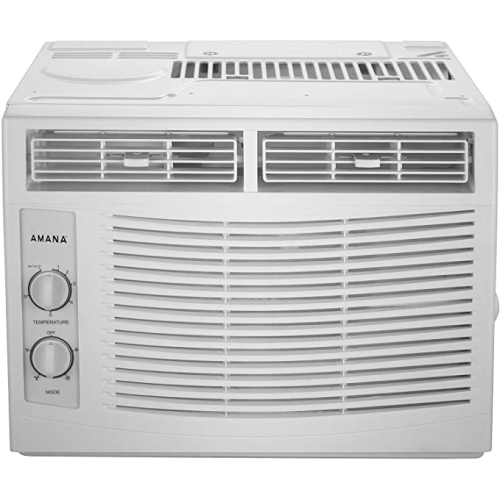
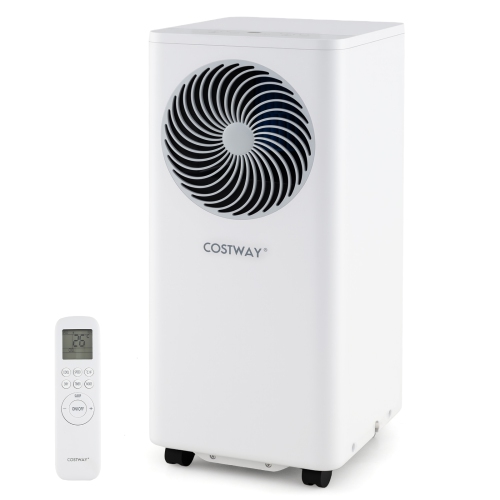
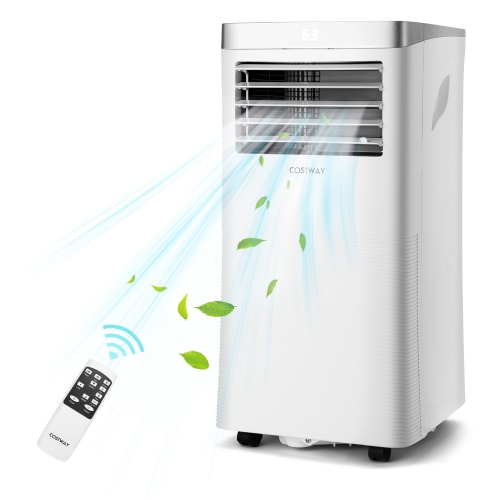
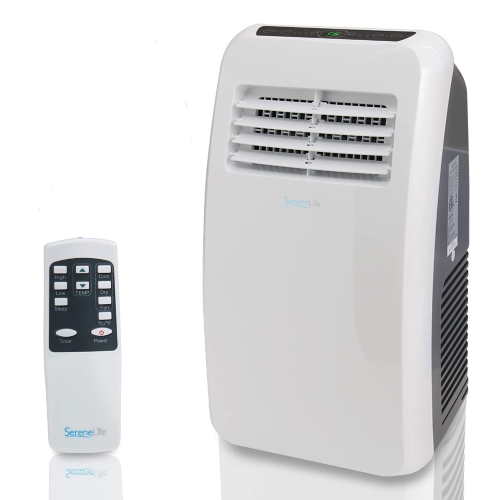
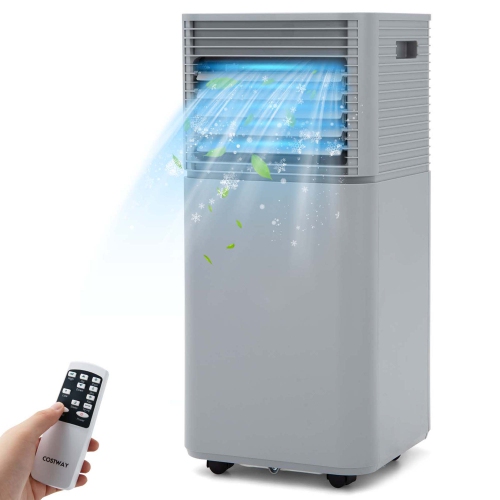
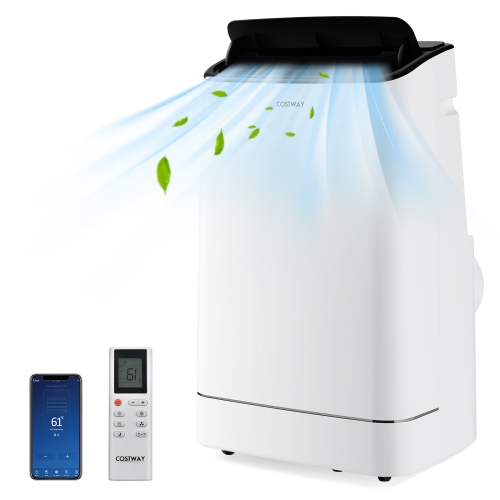
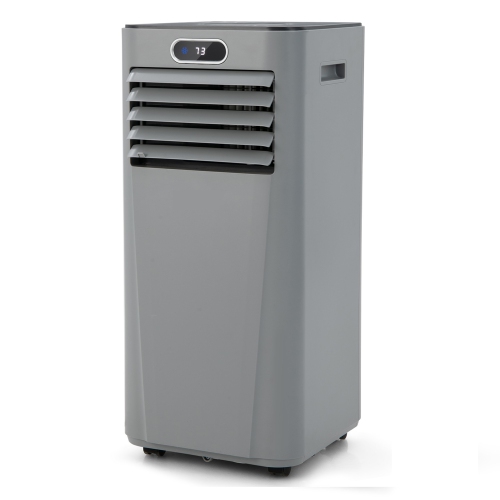
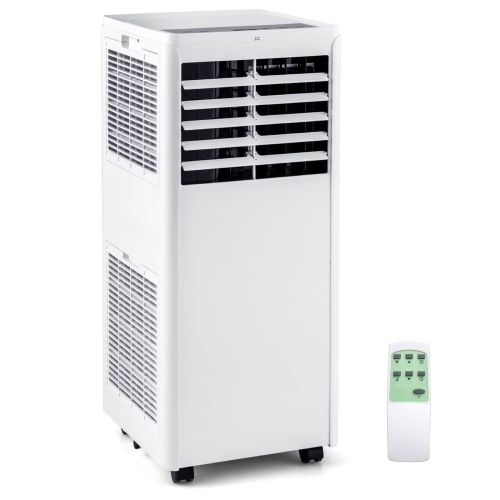
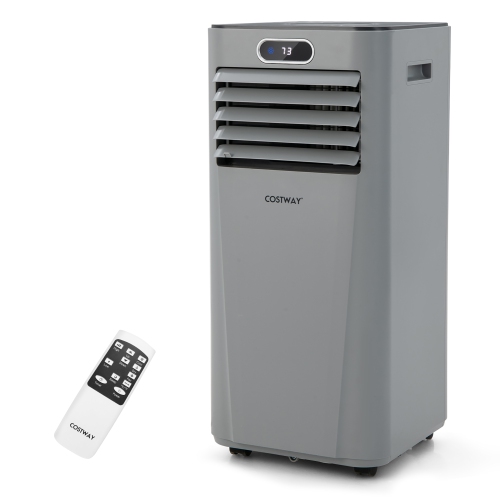
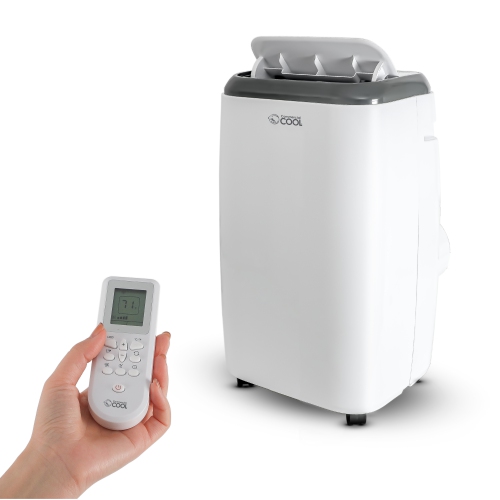
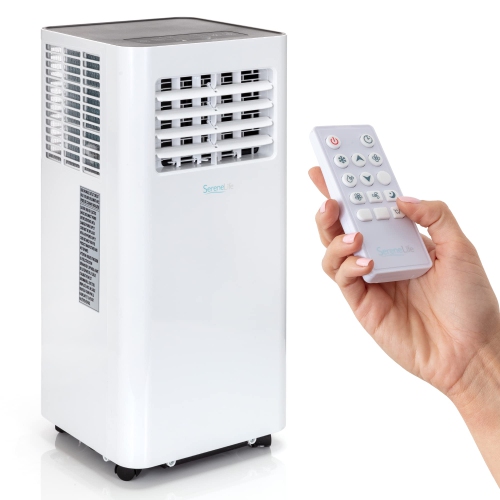
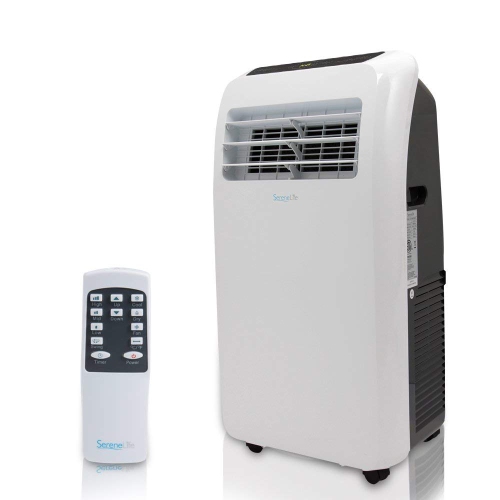
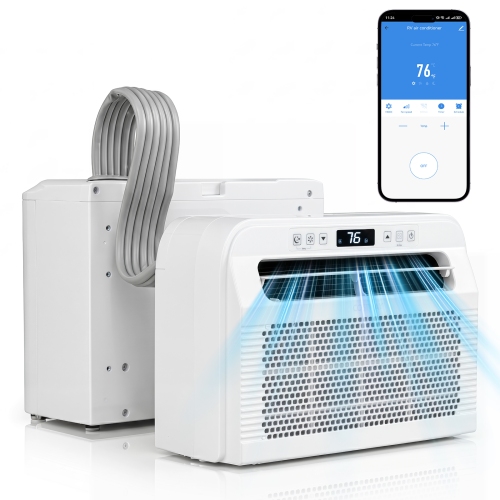
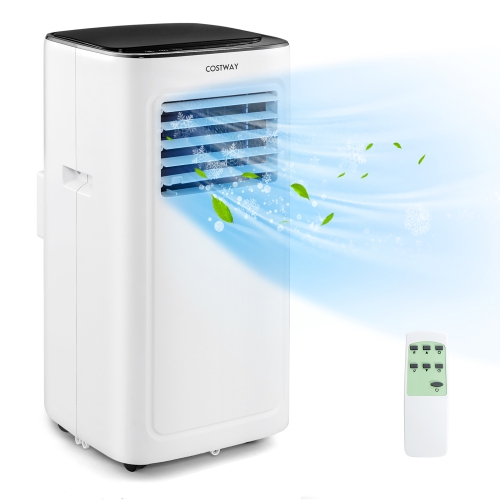
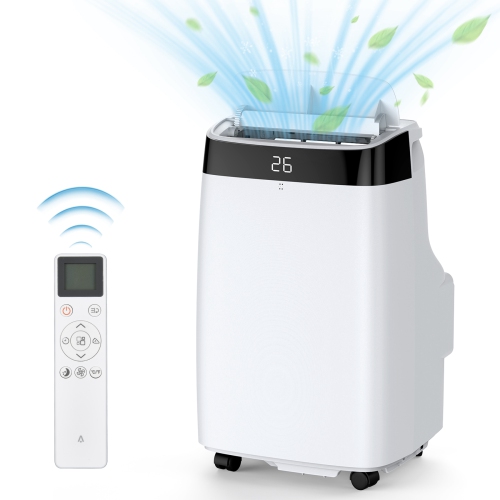
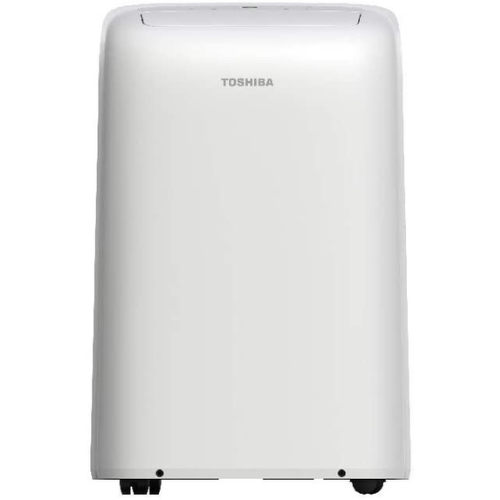
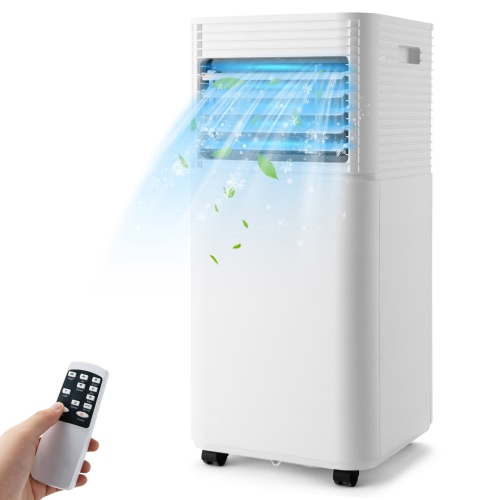
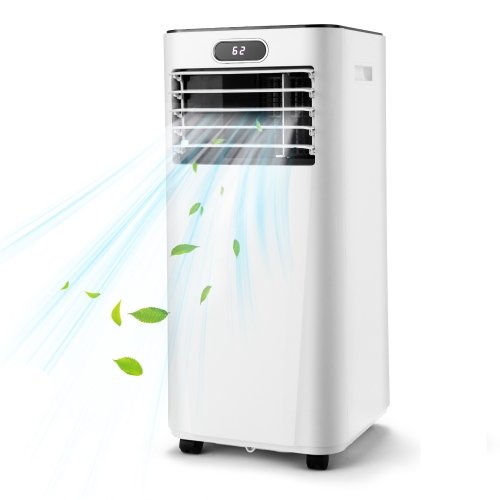
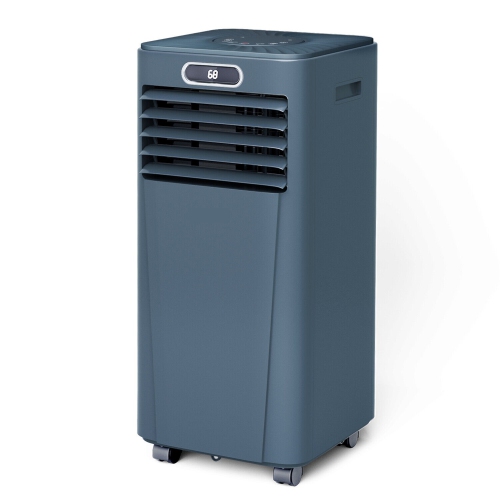
Residential air conditioning units cool indoor living spaces by transferring heat outdoors, helping bedrooms, living rooms, and home offices feel more comfortable when indoor temperatures rise. The main types are central air conditioners, ductless mini-splits, window air conditioners, and portable air conditioners. Their suitability depends on the area being cooled, the home’s layout, and whether existing ductwork can distribute conditioned air. Central air conditioning uses an outdoor unit connected to an indoor coil and a network of ducts, making it a practical option for cooling multiple rooms throughout a house. Ductless mini-splits connect an outdoor unit to one or more indoor air handlers without requiring ducts. They can suit older homes, additions, and rooms that remain uncomfortable despite the main heating and cooling system. A multi-zone ductless system allows separate temperature settings in different areas, although its overall capacity still needs to match the combined cooling demand. Window units concentrate cooling in a single room and sit within a compatible window opening or, for models specifically designed for it, a wall sleeve. Portable units stand on the floor and discharge heat outdoors through an exhaust hose and window connection. For renters or households seeking room-by-room cooling without a permanent installation, residential portable air conditioners offer an alternative to fixed equipment, provided the space has a suitable venting location and electrical outlet. Portability does not mean a unit can operate anywhere: the exhaust connection, floor clearance, and drainage requirements determine where it can be used. A compact bedroom with a closing door has different needs from an open living and dining area, while a sunny upstairs office may gain considerable heat through its windows. These everyday differences matter more than choosing the largest unit that physically fits. The right format works with the home rather than forcing furniture, window access, and daily routines around the equipment.
Cooling capacity is commonly expressed in British thermal units per hour, often shortened to BTU/h or simply BTU in product descriptions. Capacity should correspond to the room’s floor area, ceiling height, insulation, sun exposure, occupancy, and heat-producing equipment. Floor area is a starting point, not a complete sizing calculation. A shaded bedroom and a similarly sized kitchen can have very different cooling demands, and an open doorway into a hallway adds space that the unit may struggle to serve. An undersized air conditioner may run continuously without reaching the selected temperature. An oversized fixed-speed unit can cool too quickly and cycle off before removing enough moisture, leaving the room feeling cool but damp. Variable-speed and inverter-driven systems can adjust output more gradually, which may improve temperature consistency and reduce abrupt changes in operating sound. For whole-home systems, a professional cooling-load assessment provides a more reliable basis for sizing than floor area alone. Portable air conditioners may display both an ASHRAE capacity rating and a seasonally adjusted cooling capacity, or SACC, rating. These figures use different test methods, so comparing the same rating type gives a clearer picture of relative performance. Fit also includes details beyond the unit’s width: window opening height, sash style, hose reach, furniture placement, and the clearances specified by the manufacturer all affect installation. Sliding and casement windows may require different fittings from vertically opening windows. In a bedroom, published sound levels, fan settings, display dimming, and sleep functions can be as important as cooling output. Sound figures are most useful when their operating modes and measurement conditions are comparable. Adjustable louvers help direct airflow away from a pillow or desk chair, while timers and programmable controls allow operation to follow household routines. Wi-Fi connectivity can add remote control and scheduling on compatible models, but supported app features and network requirements vary. For electricity use, efficiency ratings offer another useful comparison: SEER2 commonly applies to central and ductless systems, while room units use other measures, including CEER where applicable. Ratings are best compared within the same equipment category and testing standard.
Installation, construction, and routine care shape how well a residential air conditioner performs over time. Central and ductless systems require qualified installation, including refrigerant connections, electrical work, drainage, and equipment placement that meets applicable requirements. In a condominium or rental home, building rules and owner approval may also affect what can be installed and where. Window units need secure support appropriate to their weight and the window structure, with gaps sealed using suitable materials. A window screen alone cannot support an air conditioner, and installation should not obstruct a required exit. Portable models need their exhaust hoses arranged according to the manufacturer’s directions; unnecessary extensions or sharp bends can restrict airflow. Dual-hose designs use separate outdoor air intake and exhaust paths, which can limit the indoor air drawn outside compared with single-hose designs. Most portable units also collect moisture, even when they evaporate some condensate through the exhaust, so drainage needs can change with humidity and operating mode. Electrical requirements deserve equal attention: the outlet voltage, circuit capacity, and plug configuration must match the equipment, and extension cords or power bars should not substitute for the specified connection. Durable housings, intact seals, sturdy casters, and accessible filters make a difference in everyday handling and upkeep. Outdoor cabinets are exposed to rain and debris, while delicate coil fins require careful cleaning to avoid damage. Indoors, washable filters should be cleaned and dried as directed, and disposable filters replaced at the recommended intervals. These filters primarily help protect airflow and internal components; a standard air conditioner is not a substitute for a dedicated air purifier. Keeping vents unobstructed by curtains, sofas, or shelving allows cooled air to circulate more evenly. Before storing a removable unit, draining residual water, cleaning accessible parts, and allowing them to dry helps prevent odours and moisture damage. Storage orientation and restart procedures should follow the manufacturer’s instructions, particularly after transport. With appropriate sizing, a sound installation, and consistent maintenance, residential air conditioning can support restful bedrooms, comfortable shared living areas, and more usable workspaces without unnecessary disruption to the home.
Cooling capacity is commonly expressed in British thermal units per hour, often shortened to BTU/h or simply BTU in product descriptions. Capacity should correspond to the room’s floor area, ceiling height, insulation, sun exposure, occupancy, and heat-producing equipment. Floor area is a starting point, not a complete sizing calculation. A shaded bedroom and a similarly sized kitchen can have very different cooling demands, and an open doorway into a hallway adds space that the unit may struggle to serve. An undersized air conditioner may run continuously without reaching the selected temperature. An oversized fixed-speed unit can cool too quickly and cycle off before removing enough moisture, leaving the room feeling cool but damp. Variable-speed and inverter-driven systems can adjust output more gradually, which may improve temperature consistency and reduce abrupt changes in operating sound. For whole-home systems, a professional cooling-load assessment provides a more reliable basis for sizing than floor area alone. Portable air conditioners may display both an ASHRAE capacity rating and a seasonally adjusted cooling capacity, or SACC, rating. These figures use different test methods, so comparing the same rating type gives a clearer picture of relative performance. Fit also includes details beyond the unit’s width: window opening height, sash style, hose reach, furniture placement, and the clearances specified by the manufacturer all affect installation. Sliding and casement windows may require different fittings from vertically opening windows. In a bedroom, published sound levels, fan settings, display dimming, and sleep functions can be as important as cooling output. Sound figures are most useful when their operating modes and measurement conditions are comparable. Adjustable louvers help direct airflow away from a pillow or desk chair, while timers and programmable controls allow operation to follow household routines. Wi-Fi connectivity can add remote control and scheduling on compatible models, but supported app features and network requirements vary. For electricity use, efficiency ratings offer another useful comparison: SEER2 commonly applies to central and ductless systems, while room units use other measures, including CEER where applicable. Ratings are best compared within the same equipment category and testing standard.
Installation, construction, and routine care shape how well a residential air conditioner performs over time. Central and ductless systems require qualified installation, including refrigerant connections, electrical work, drainage, and equipment placement that meets applicable requirements. In a condominium or rental home, building rules and owner approval may also affect what can be installed and where. Window units need secure support appropriate to their weight and the window structure, with gaps sealed using suitable materials. A window screen alone cannot support an air conditioner, and installation should not obstruct a required exit. Portable models need their exhaust hoses arranged according to the manufacturer’s directions; unnecessary extensions or sharp bends can restrict airflow. Dual-hose designs use separate outdoor air intake and exhaust paths, which can limit the indoor air drawn outside compared with single-hose designs. Most portable units also collect moisture, even when they evaporate some condensate through the exhaust, so drainage needs can change with humidity and operating mode. Electrical requirements deserve equal attention: the outlet voltage, circuit capacity, and plug configuration must match the equipment, and extension cords or power bars should not substitute for the specified connection. Durable housings, intact seals, sturdy casters, and accessible filters make a difference in everyday handling and upkeep. Outdoor cabinets are exposed to rain and debris, while delicate coil fins require careful cleaning to avoid damage. Indoors, washable filters should be cleaned and dried as directed, and disposable filters replaced at the recommended intervals. These filters primarily help protect airflow and internal components; a standard air conditioner is not a substitute for a dedicated air purifier. Keeping vents unobstructed by curtains, sofas, or shelving allows cooled air to circulate more evenly. Before storing a removable unit, draining residual water, cleaning accessible parts, and allowing them to dry helps prevent odours and moisture damage. Storage orientation and restart procedures should follow the manufacturer’s instructions, particularly after transport. With appropriate sizing, a sound installation, and consistent maintenance, residential air conditioning can support restful bedrooms, comfortable shared living areas, and more usable workspaces without unnecessary disruption to the home.
Top selling and popular products
-
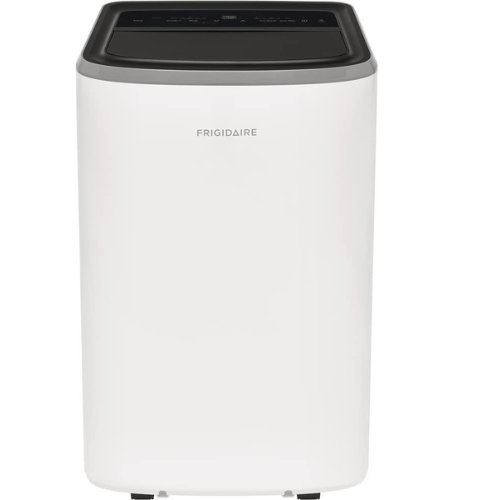 Your price for this item is $860
 -
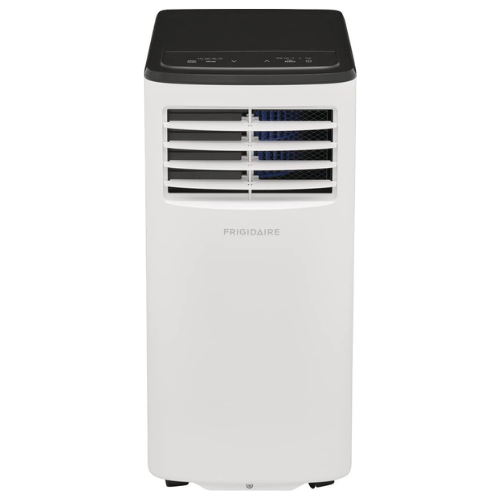 Your price for this item is $599
 -
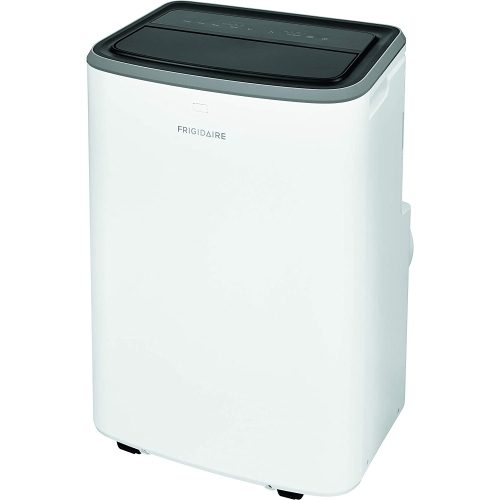 Your price for this item is $1000
 -
 Your price for this item is $999
 -
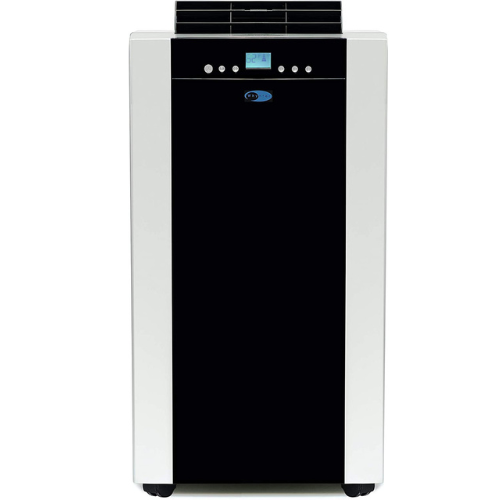 Your price for this item is $1089
 -
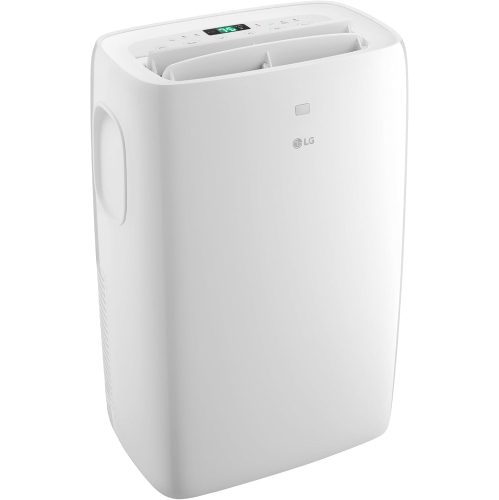 Your price for this item is $839.68
 -
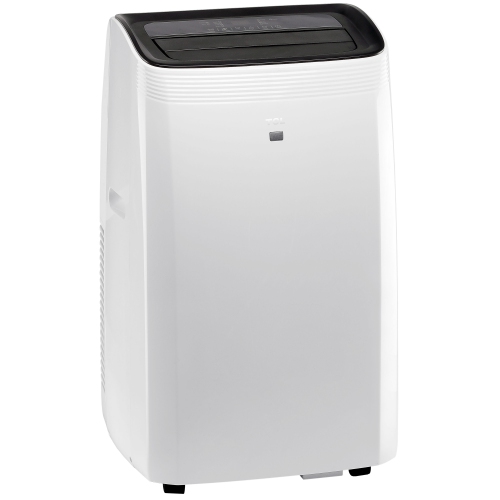 Your price for this item is $549.99
 -
 Your price for this item is $519.99
Discover more categories related to Residential Air Conditioning Units
Top Collections:
Pokemon Centers, Kindle Devices, Best Budget Office Chairs, Apple iPhones 16, Best Laptops for Writers, iPhone 15 Apple, Canon G7X Cameras, Refurbished Apple Laptops, Alarm Clock, Motorola Razr Phones
Some products may be subject to Environmental Handling Fees
(EHF) depending on your province.
Learn more about EHFs.