Robot Vacuums for Dorm Rooms
Robot Vacuum For Dorm Rooms offers a convenient solution for keeping your space tidy with minimal effort. Perfect for busy students and compact living areas, these robotic cleaners are designed to fit seamlessly into dorm life. Discover options that help maintain clean floors so you can focus on studying, relaxing, or spending time with friends. Find the right robot vacuum to make cleaning your dorm room easier than ever.
Sort


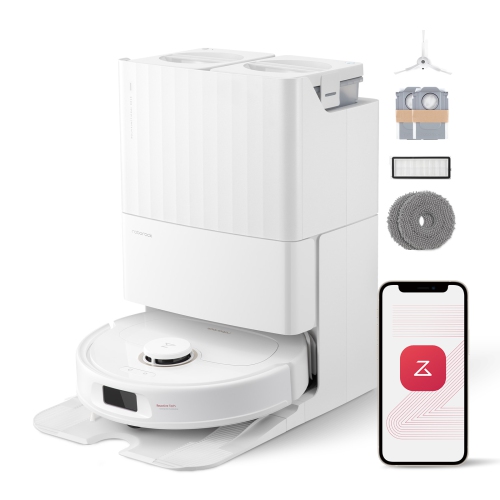
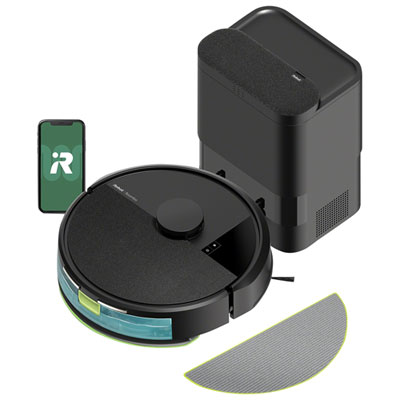
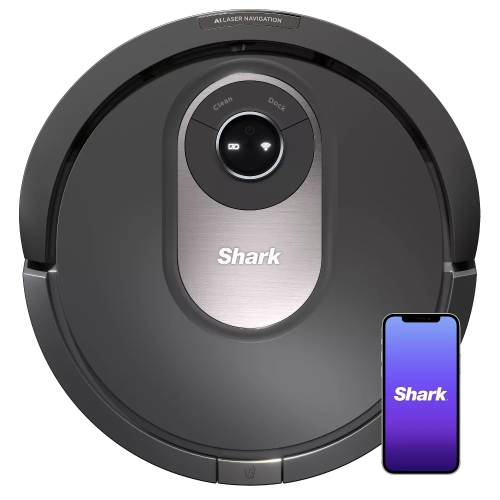
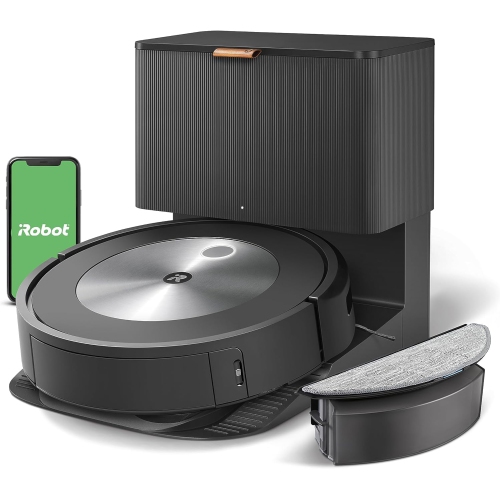
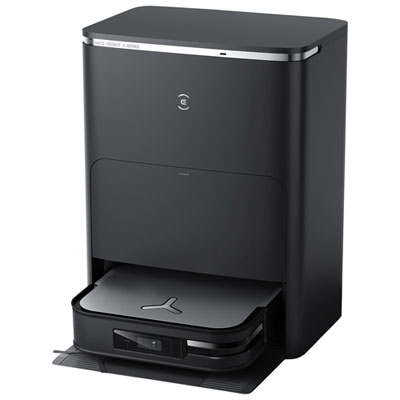


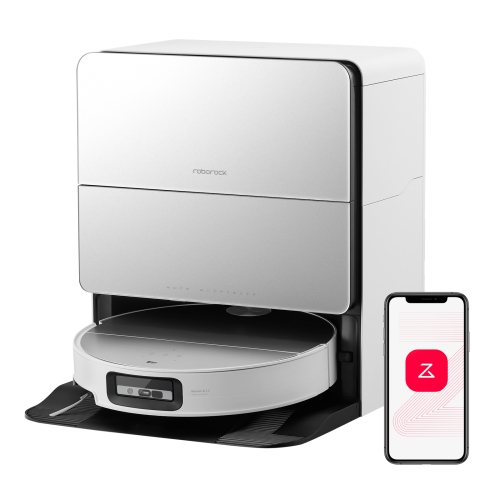

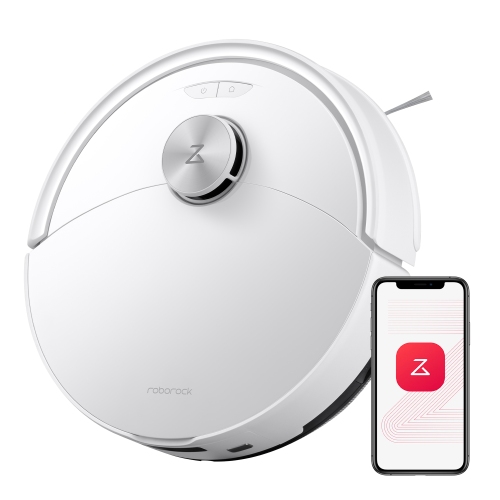
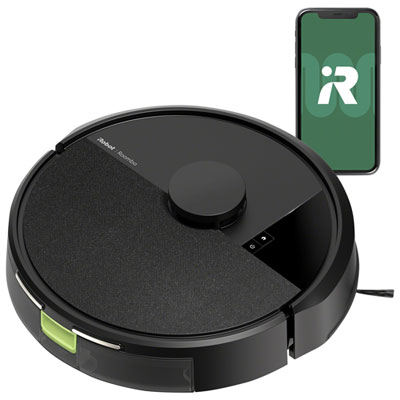
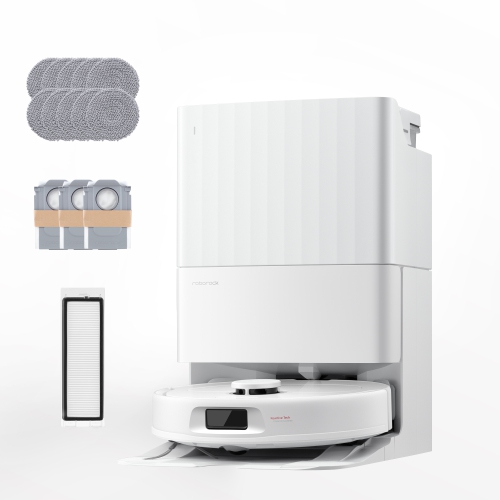
Why room layout matters more than floor area
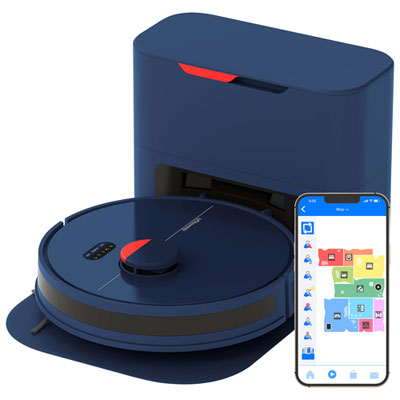
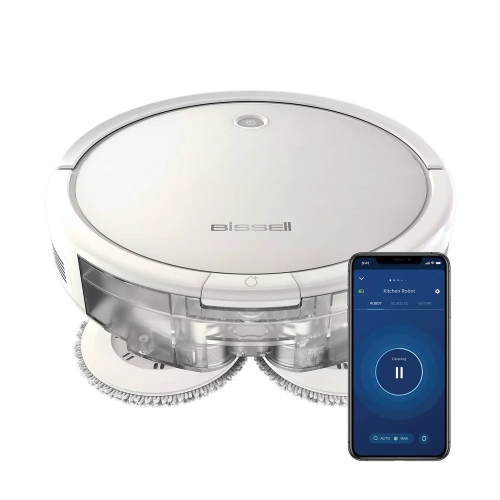
Robot vacuums for dorm rooms offer a convenient way to keep everyday dust, hair, and crumbs from building up between more thorough cleanings. In a college or university residence, the same small floor area often serves as a bedroom, study space, and place to eat, so regular floor care can make a noticeable difference. A robot vacuum is best suited to accessible floors with enough open space to travel between furniture and return to its charging dock. It can collect crumbs beneath a desk or dust under a bed when its height and width allow, but it cannot move a backpack, untangle a charging cable, or clean a shelf. The most useful fit depends on the room’s layout rather than floor area alone. Clearance beneath the bed frame, gaps between chair legs, doorway thresholds, and the space required around the dock all affect how easily a robot can work. A low-profile body may reach beneath furniture that blocks a taller machine, while a compact dock can be easier to position along a wall without obstructing a walkway. The dock’s required clearance still matters, even when the robot itself looks small. Flooring is another important distinction. Hard floors generally benefit from brushes that gather loose debris without scattering it, while low-pile carpet may need stronger agitation to lift embedded hair and dust. Suction figures alone do not describe cleaning performance; brush design, floor contact, navigation, and debris pickup also matter. Thick rugs, shag carpeting, curled mat edges, and loose fringe can interrupt cleaning or trap the robot. For rooms with approved sealed hard flooring, a vacuum-and-mop design can add light maintenance wiping, although its water settings, pad care, and floor compatibility need attention. Mopping functions are not a substitute for treating sticky spills promptly, and standard robot vacuums should not collect liquids. Carpet avoidance or mop lifting also varies by model, so mixed flooring calls for particular attention to how the machine handles the transition from a hard surface to a bedside rug.
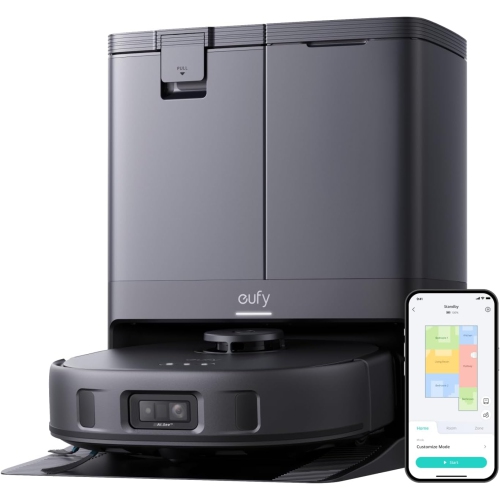
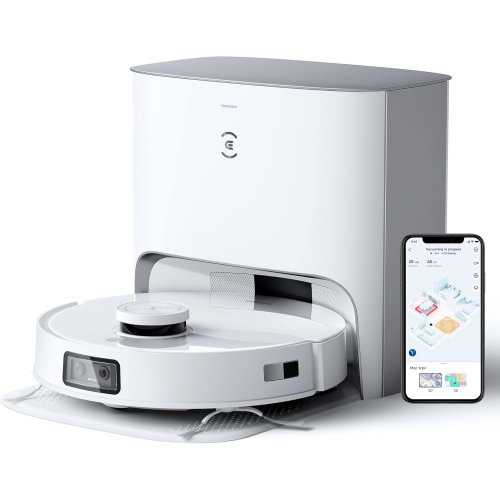
Navigation and controls shape how comfortably a robot vacuum fits into shared residence life. Basic navigation may be sufficient for an open room, while mapping features can make cleaning more predictable around a bed, desk, dresser, and shared storage. LiDAR-based navigation measures distances to help create a map, but mapping is not the same as recognizing every small object on the floor. Even robots with obstacle detection may miss thin cords, socks, or lightweight items, making a quick floor check a sensible part of regular use. Laundry tucked into a hamper and charging leads secured away from the floor give the robot a clearer route and reduce interruptions. Where supported, room maps, cleaning zones, and virtual boundaries can help keep the machine away from a crowded storage corner or a roommate’s bedside area. Physical controls can be especially useful in a dorm, where connecting an appliance to the building’s Wi-Fi may not be straightforward. Some residence networks require a browser sign-in, registration, or a connection method that a particular robot does not support. Checking both the vacuum’s network requirements and the residence’s device policy helps establish whether app controls, scheduling, and mapping features will work as expected. On-device operation may remain possible without Wi-Fi, but the available functions differ. Sound also deserves consideration when a room doubles as a place to sleep, study, and take calls. Quiet modes can reduce operating noise, sometimes with a change in cleaning performance, while automatic emptying can produce a brief, louder burst at the dock. Scheduling a run around a roommate’s routine is often more practical than assuming any robot will be unobtrusive during a lecture or late-night study session. In a small room, reliable navigation and an accessible dock may be more useful than the longest advertised runtime. Automatic charging, and the ability to resume an unfinished clean where supported, can reduce supervision without removing the need to check for occasional snags.
Long-term convenience comes from a design that is easy to empty, inspect, and maintain in limited space. A small onboard dustbin needs regular attention, particularly where long hair, carpet fibres, or frequent snacks create extra debris. An automatic-emptying dock can reduce manual bin emptying, but it takes up additional room and may require replacement bags; it does not eliminate brush or filter maintenance. Smooth plastic housings are generally straightforward to wipe clean, while rubberized wheels, bumper surfaces, and brush assemblies benefit from occasional checks for trapped grit and tangled hair. Bristle and silicone roller designs have different care needs, and no brush should be assumed to stay free of tangles indefinitely. Removable rollers, accessible side brushes, and clearly identified replacement parts can make ongoing upkeep less awkward beside a desk or in a shared room. Washable components should only be rinsed when the manufacturer permits it, and they need to dry fully before being reinstalled. Filters are not universally washable, and charging contacts and powered components require cleaning according to the manufacturer’s directions. Keeping the dock on a stable surface with its cable tucked safely away also helps protect the setup from chair wheels and passing feet. These practical details make robot vacuums particularly relevant for students who want routine floor cleaning without storing a full-size upright, provided the room can stay reasonably clear. They can also be thoughtful gifts for someone moving into residence when the recipient’s flooring, storage space, preferences, and building rules are known. Robot cleaning still leaves tasks such as upholstery, stairs, tight corners, and sudden spills that need direct attention. For dry debris on those harder-to-reach surfaces, Cordless Vacuums for Dorm Rooms can complement automated floor care when equipped with suitable attachments. A robot’s strongest role is consistent upkeep of reachable floors, helping a compact room stay tidier without taking over the student’s routine.
Top selling and popular products
-
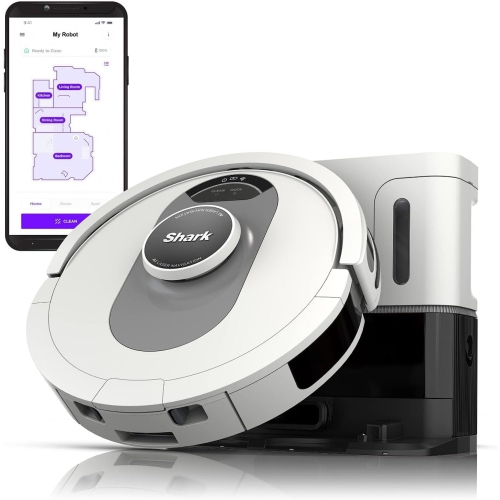 Your price for this item is $699.99
-
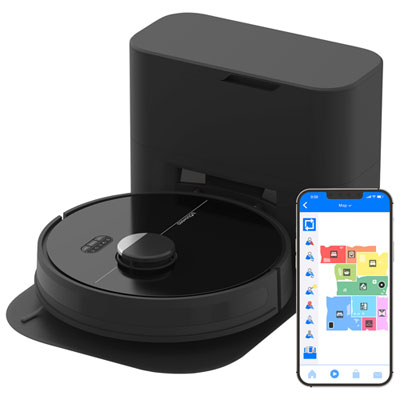 Your price for this item is $199.99
-
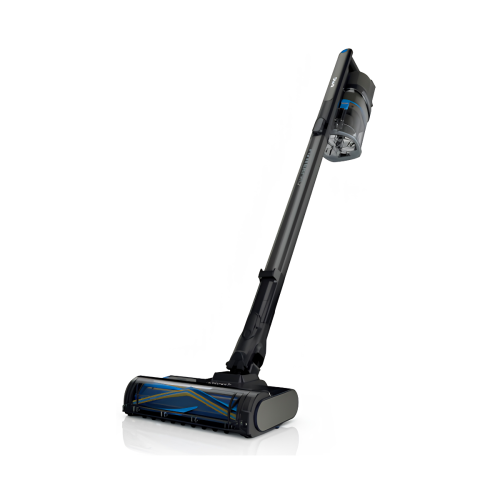 Your price for this item is $399.99
-
 Your price for this item is $999
-
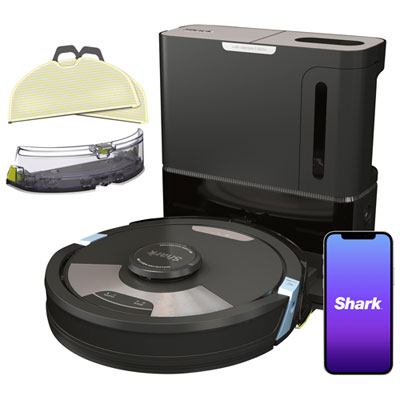 Your price for this item is $399.99
-
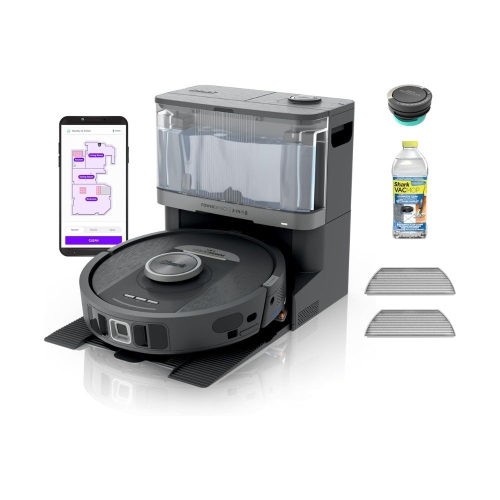 Your price for this item is $1149.99
-
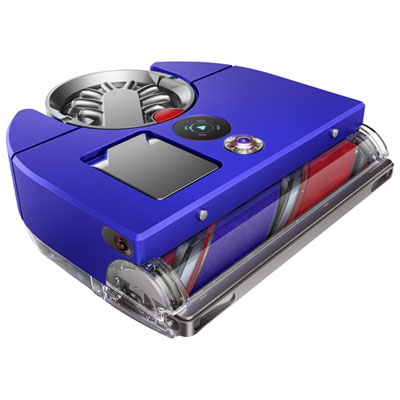 Your price for this item is $1052.95
-
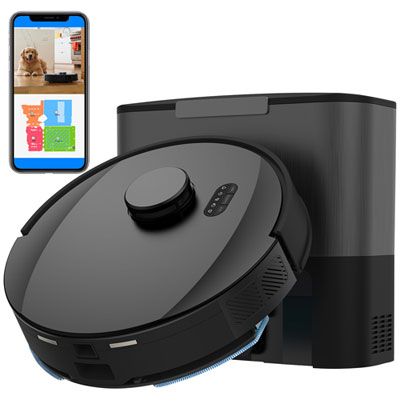 Your price for this item is $1249.99
Discover more categories related to Robot Vacuums for Dorm Rooms
Top Collections:
Best Black Friday Deals This Year, Best Black Friday Deals On Electronics, Kindle Devices, Pokemon Centers, Best Black Friday Deals On Apple Products, Best Cameras for Sports Photography, Dyson Airwrap, Pokémon 30th Celebration Cards, Apple iPhone 17 Pro, Canon G7X Cameras
Some products may be subject to Environmental Handling Fees
(EHF) depending on your province.
Learn more about EHFs.