Robotic Vacuums Under $1000
A robot vacuum cleaner is a self-navigating, remote-controlled machine that cleans your floors for you. It's like having a little robot that can go around and clean up the messes you make. They're great for people with pets, as they can get rid of pet hair and dander. Here are some of the best robot vacuums under $1,000 on the market today.
Sort
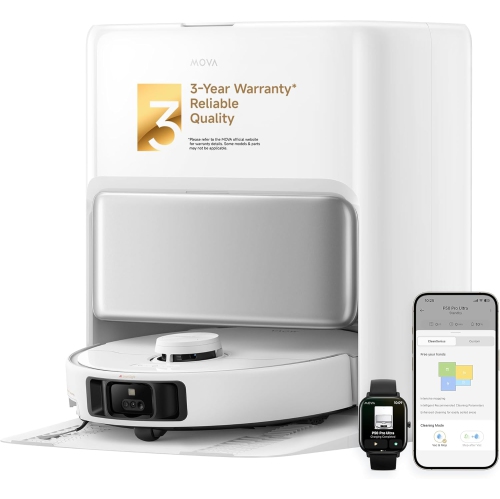
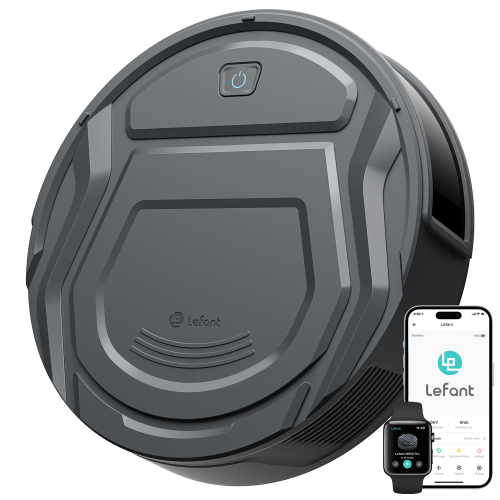
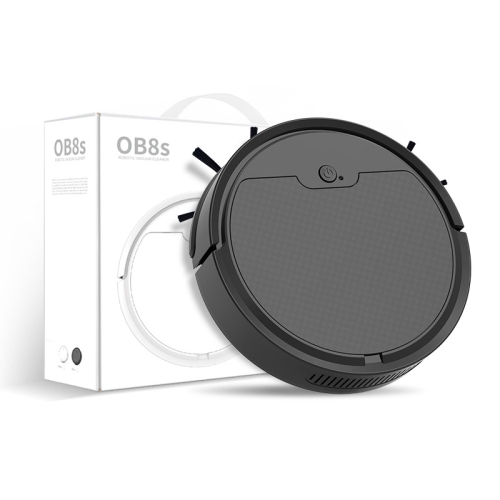
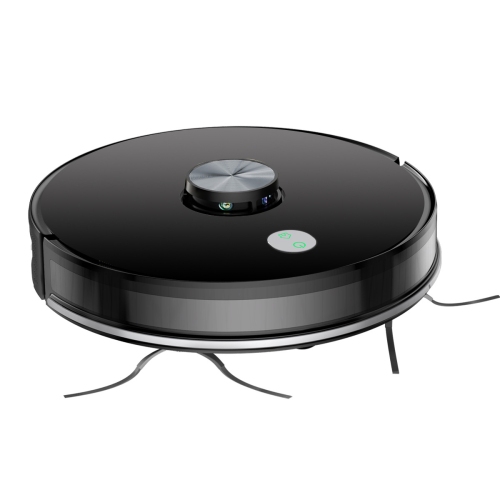
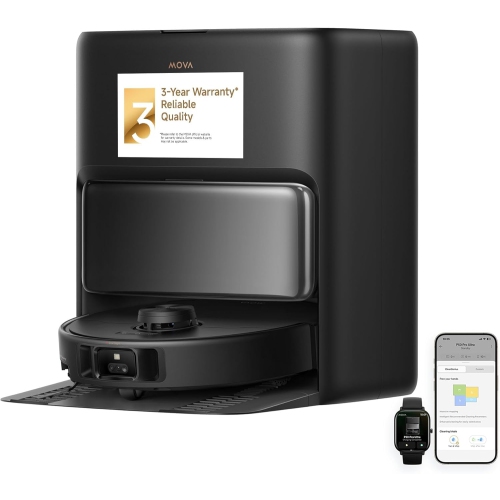
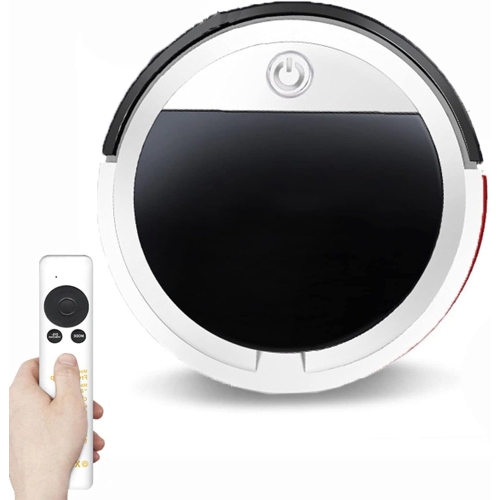
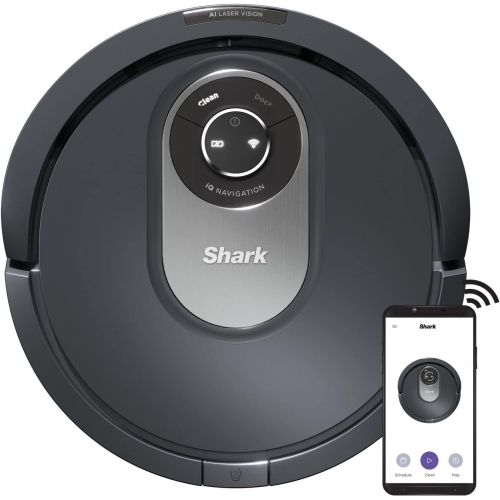
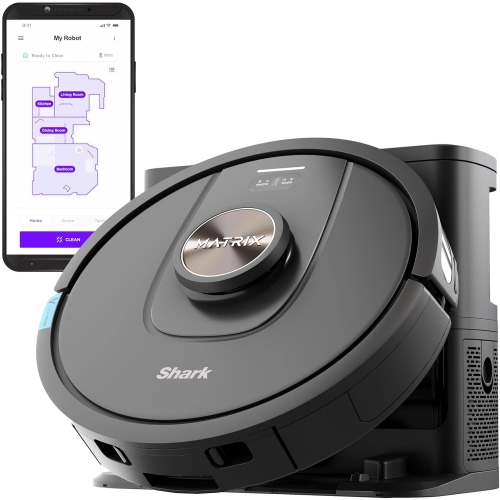
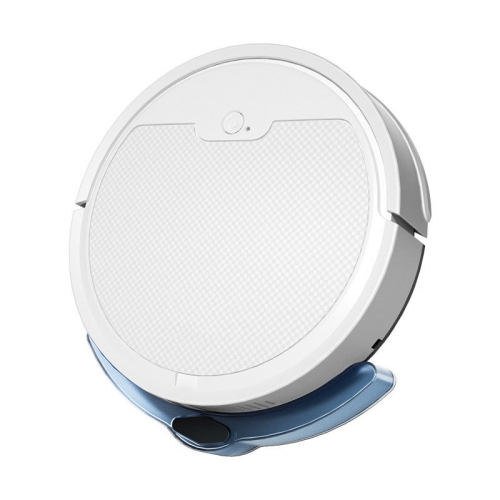
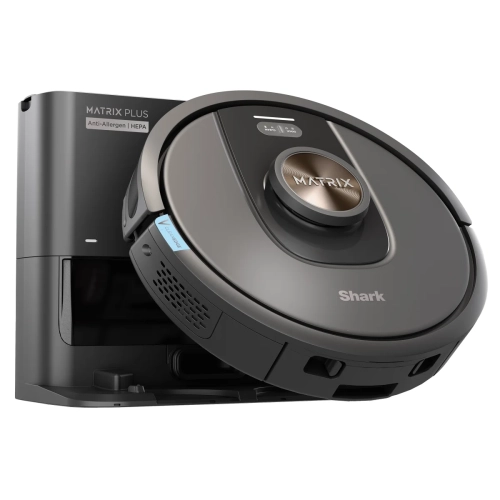
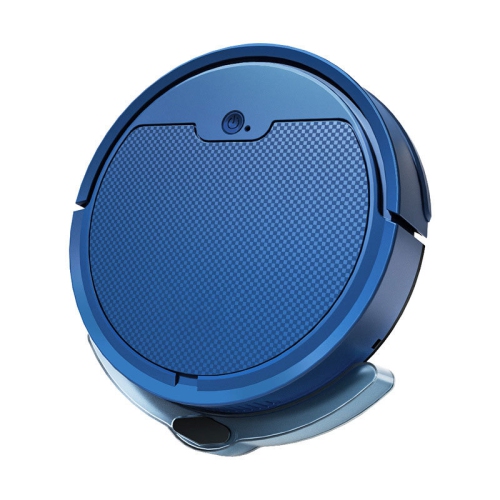
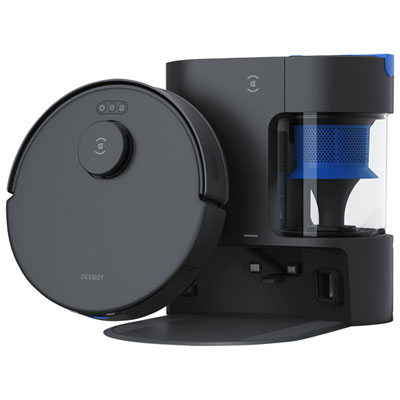
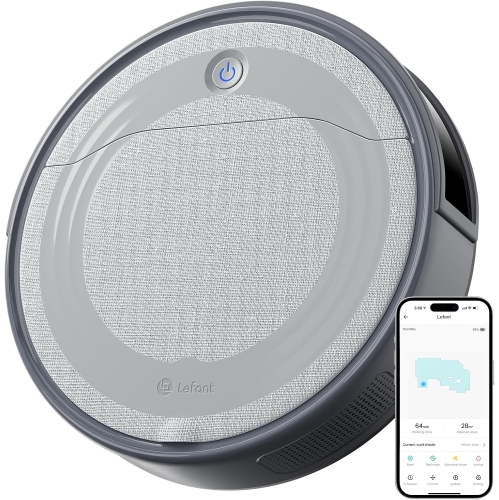
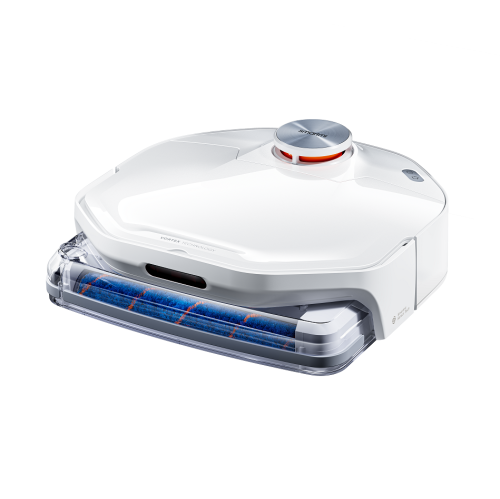
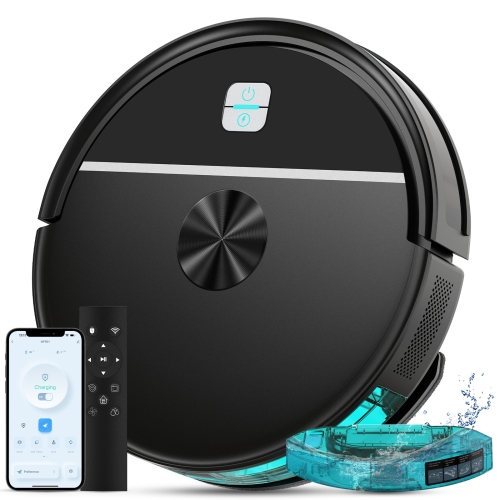
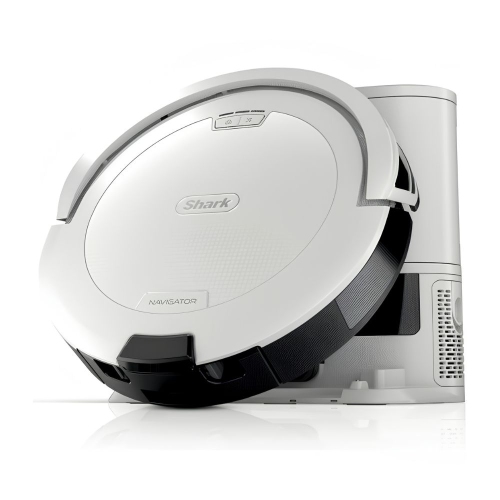
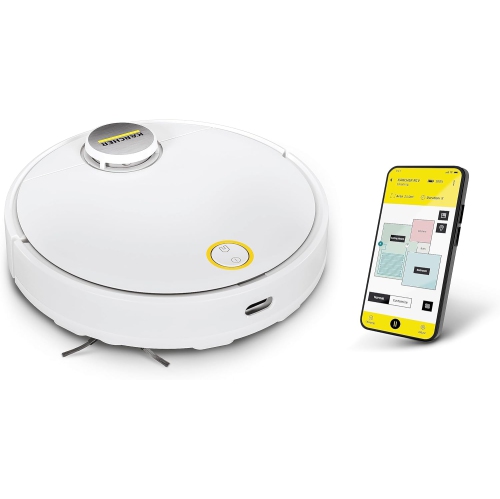
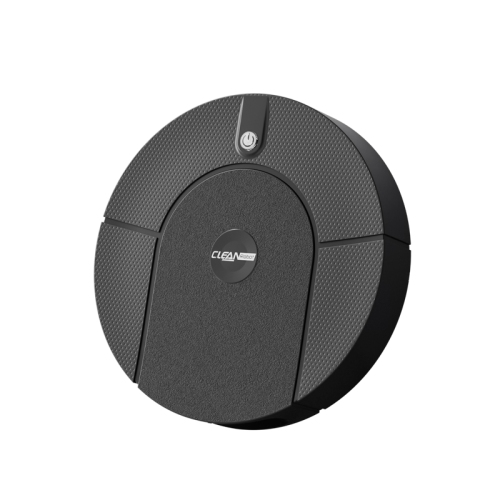
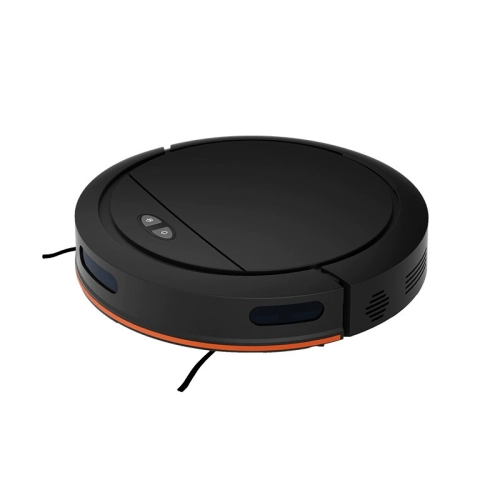
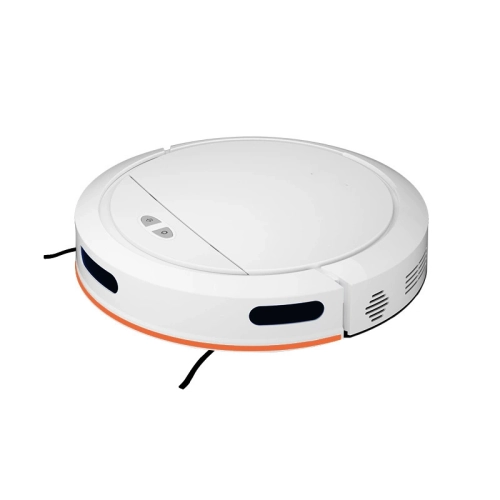

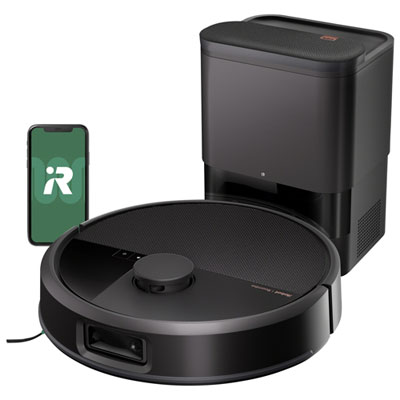
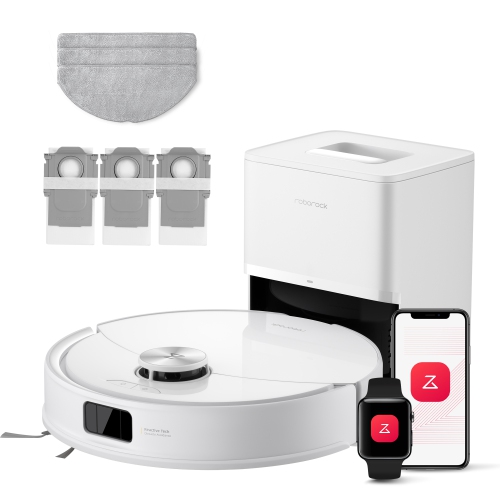
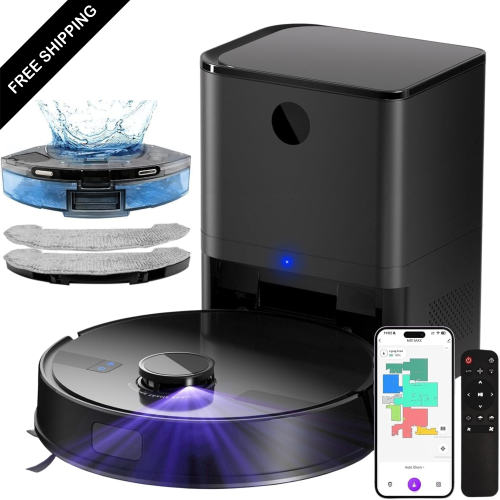
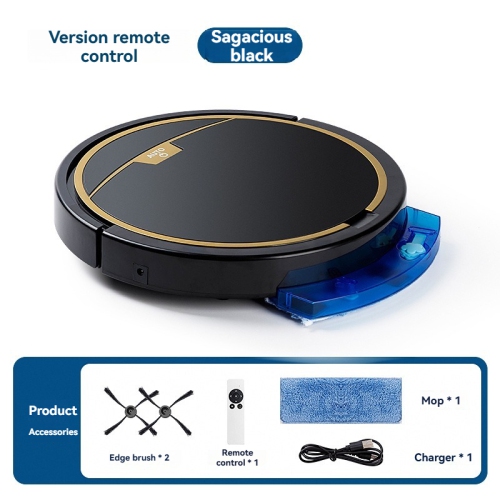
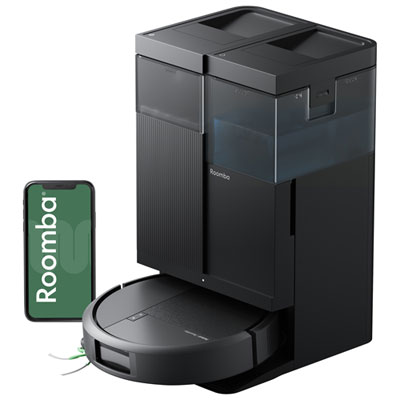
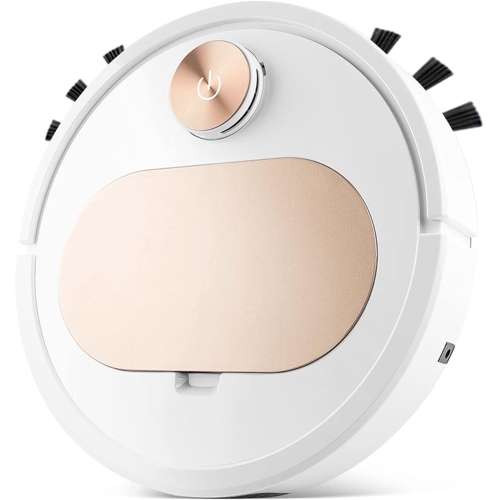
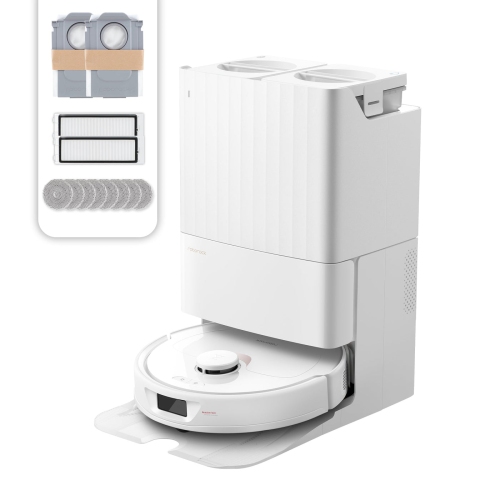
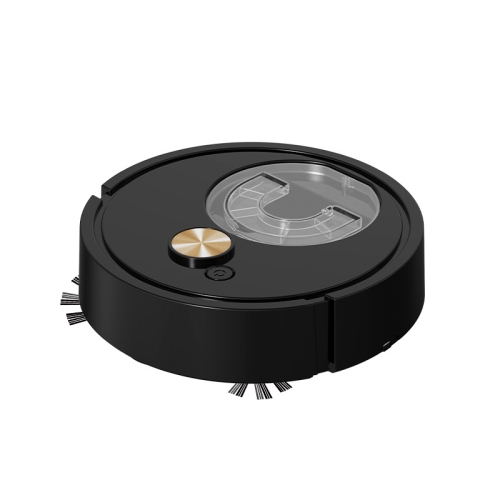
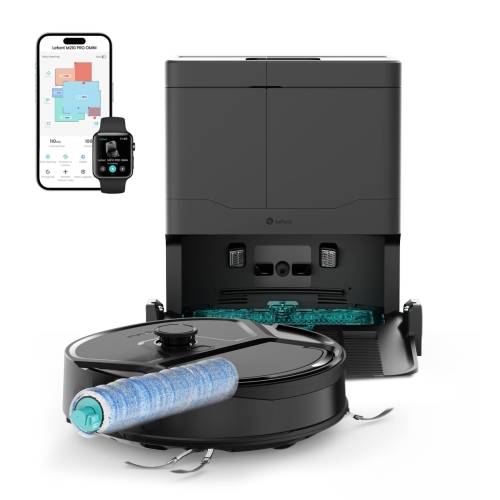
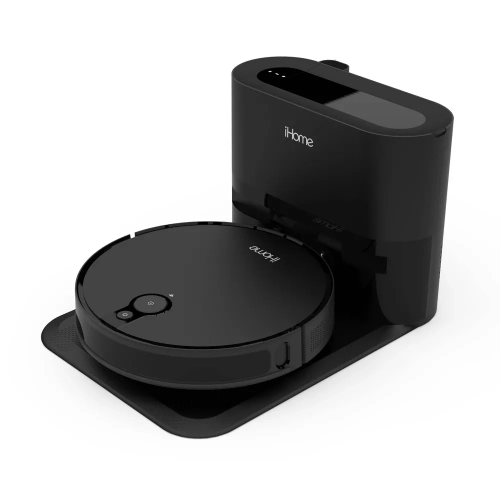
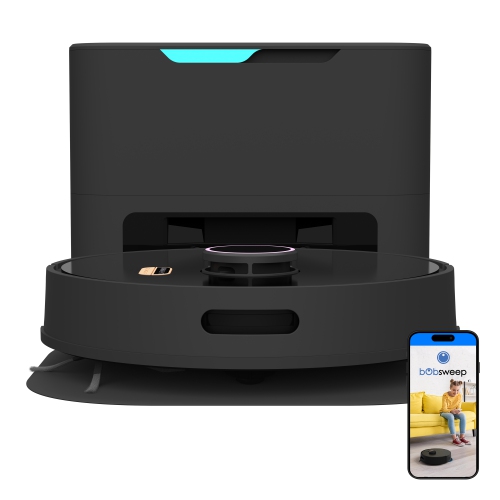
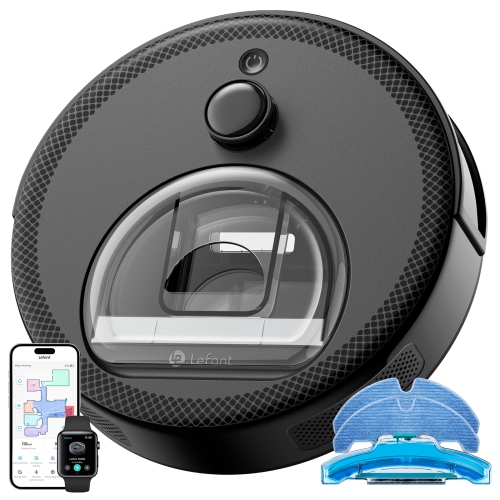
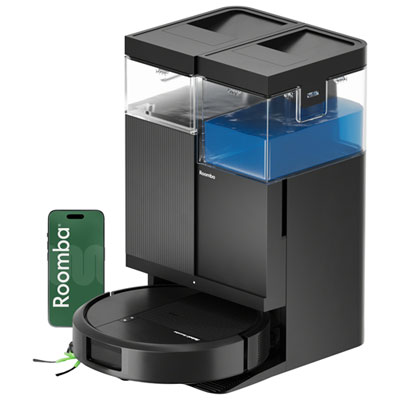
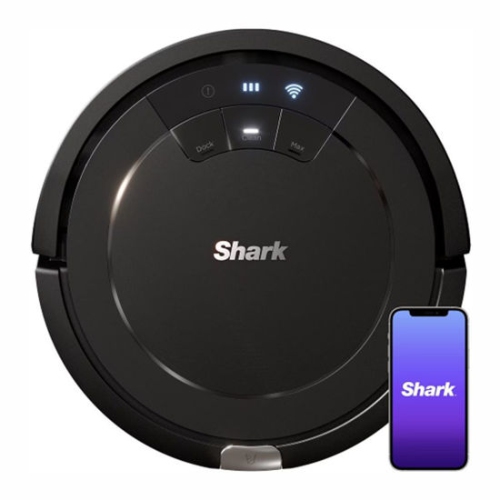
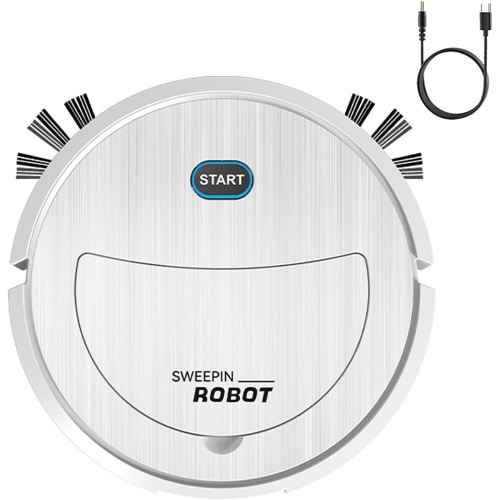
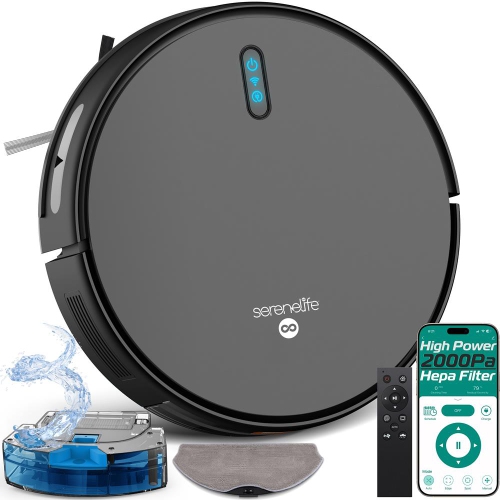
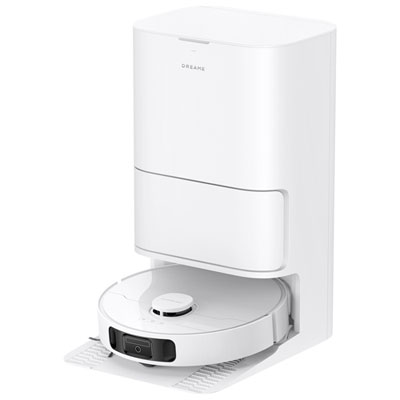
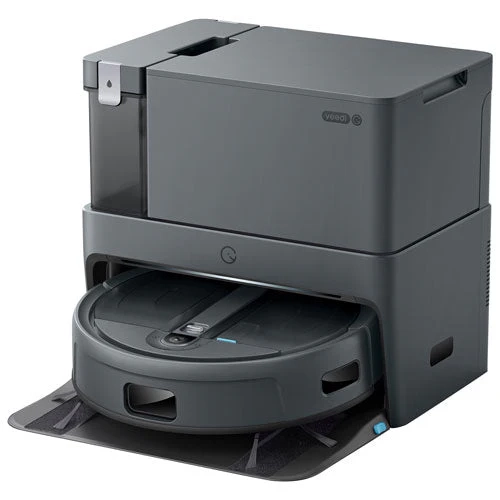
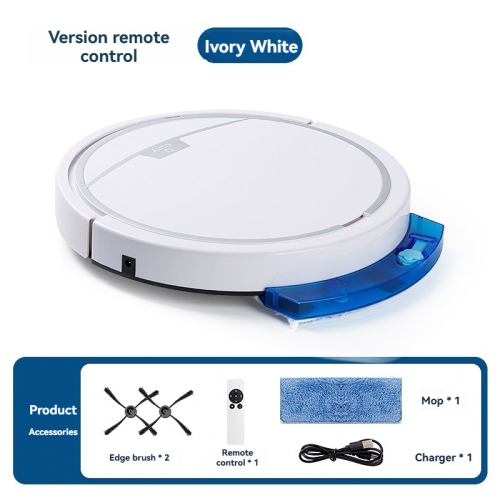
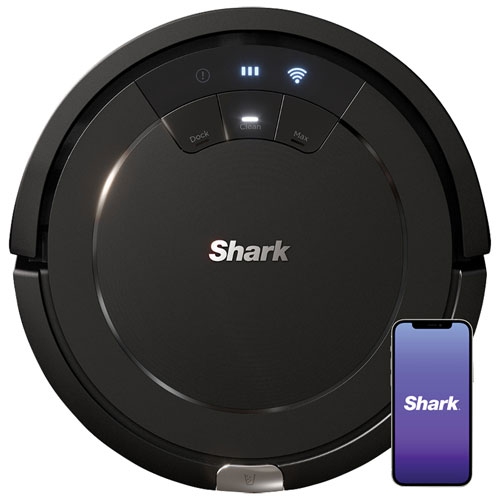
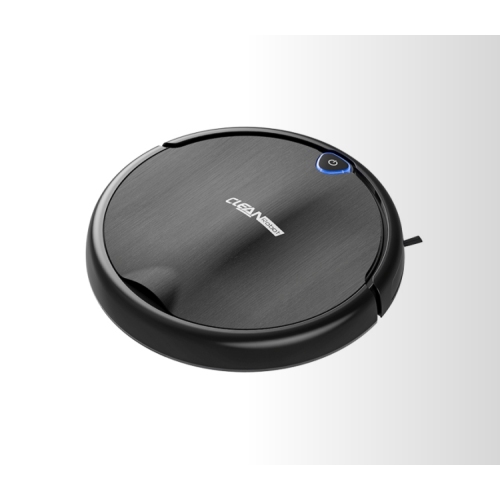
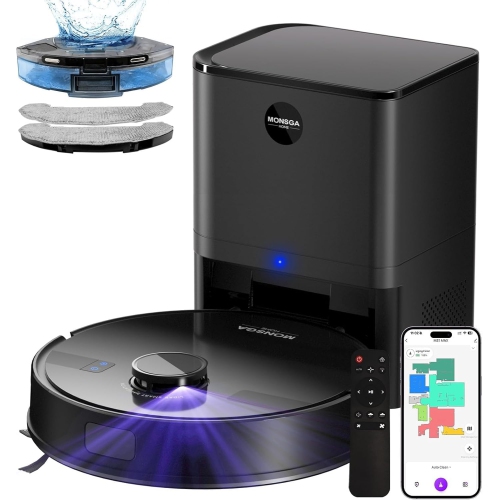
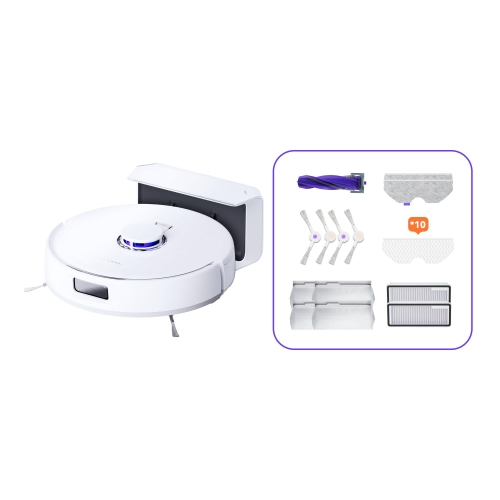
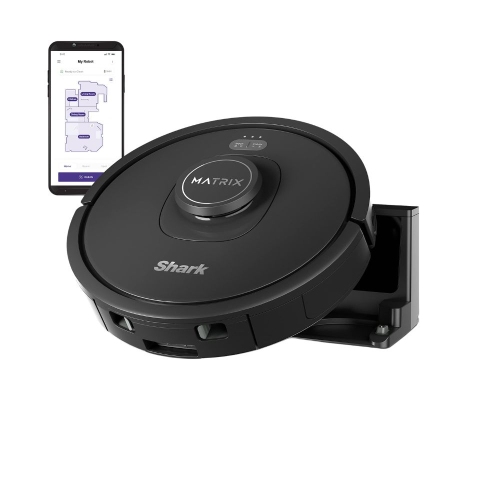
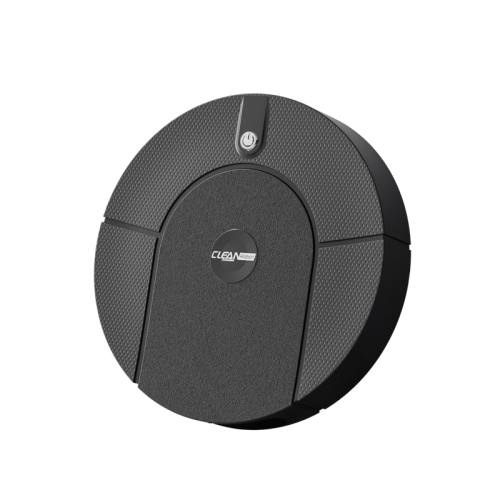
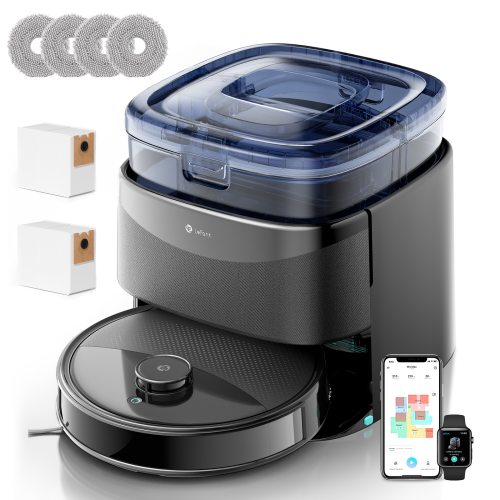
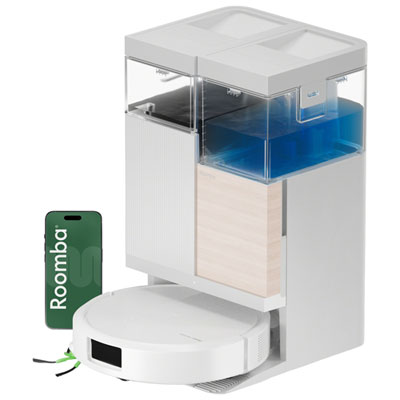
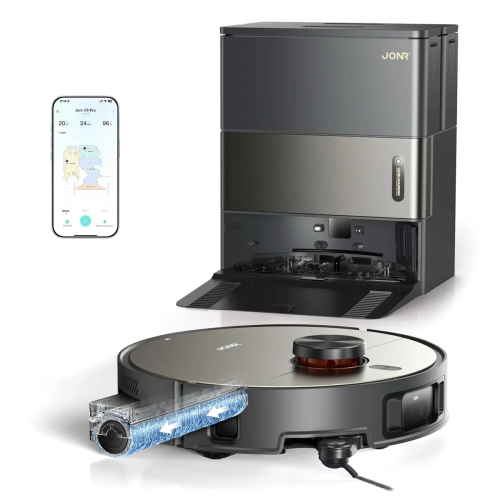
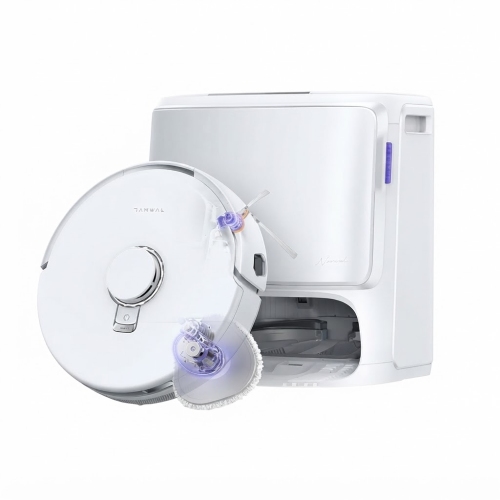
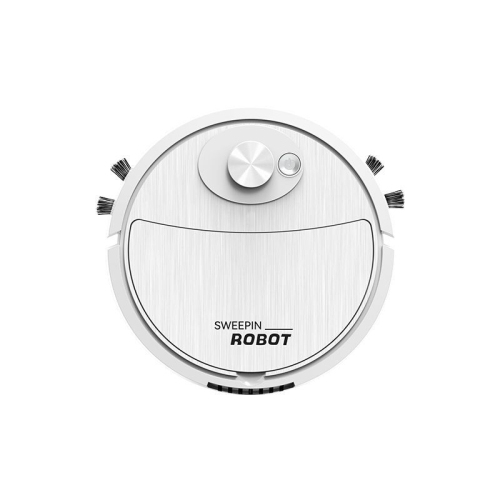
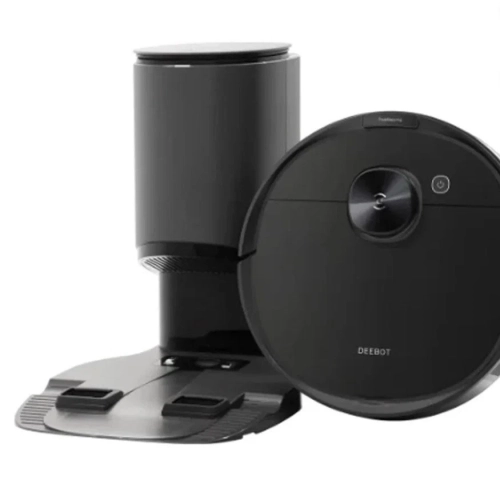
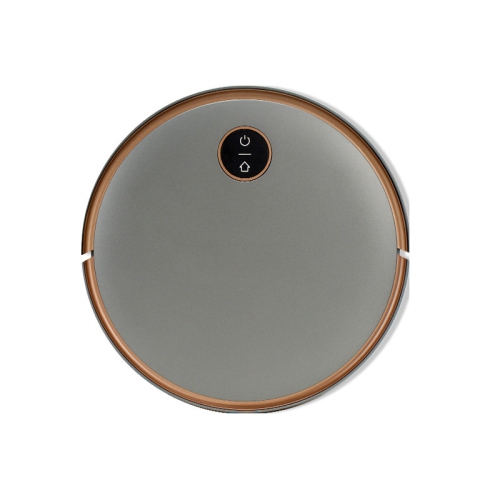

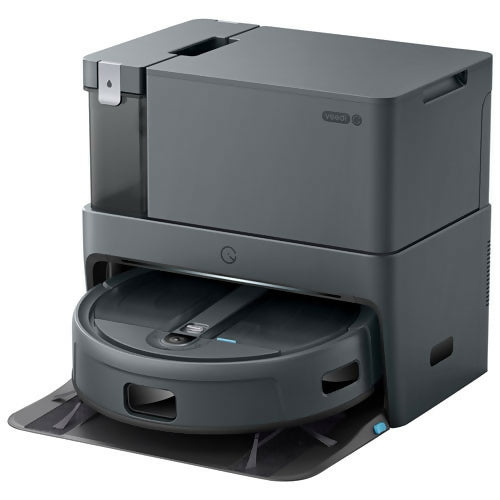
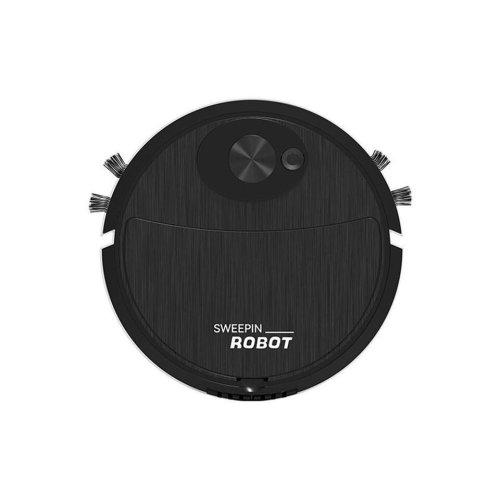
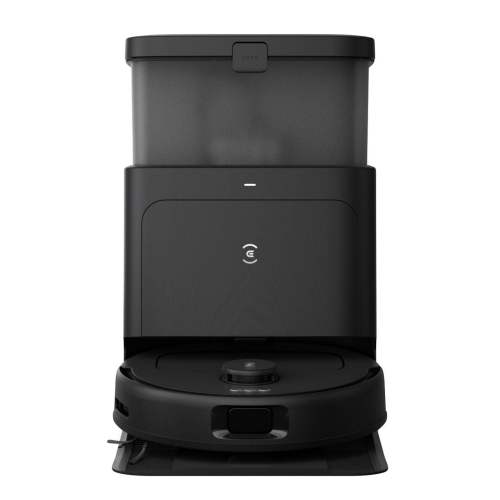
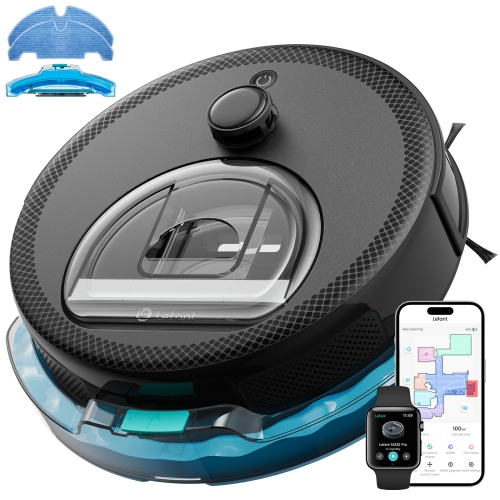
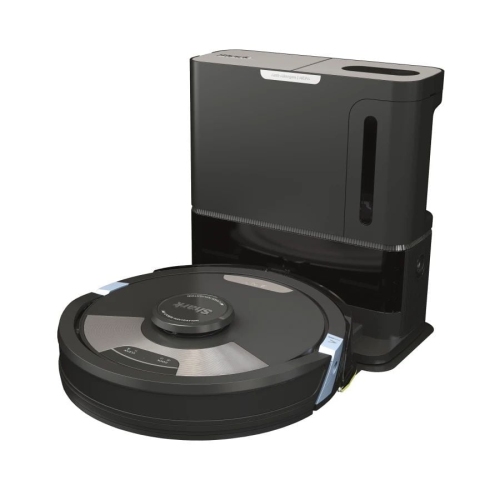
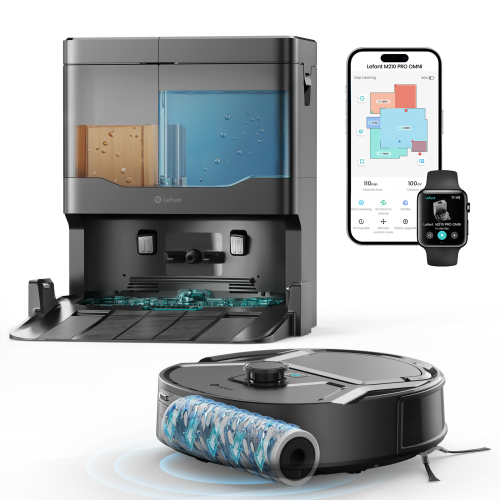
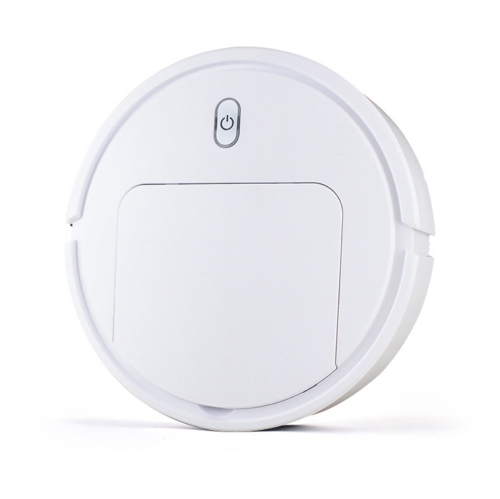
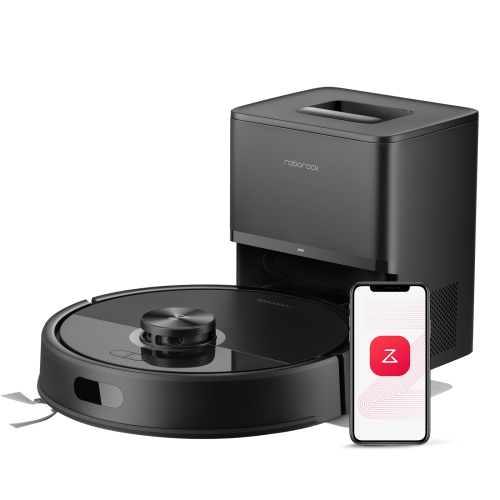
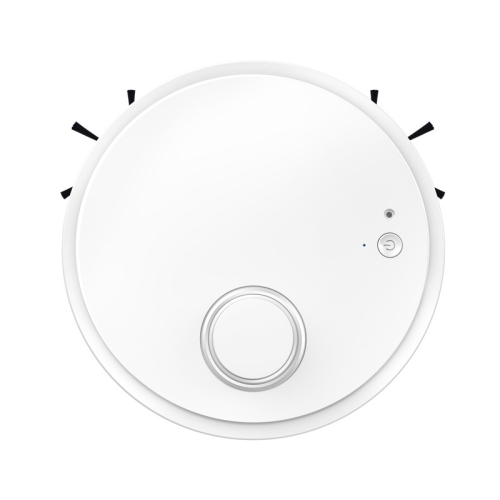
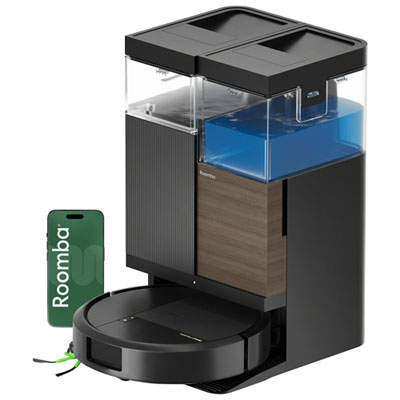
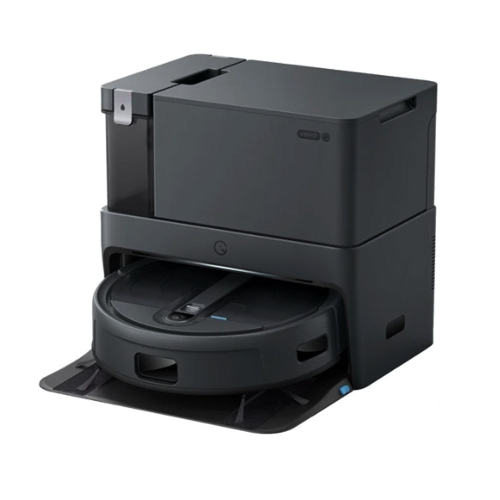
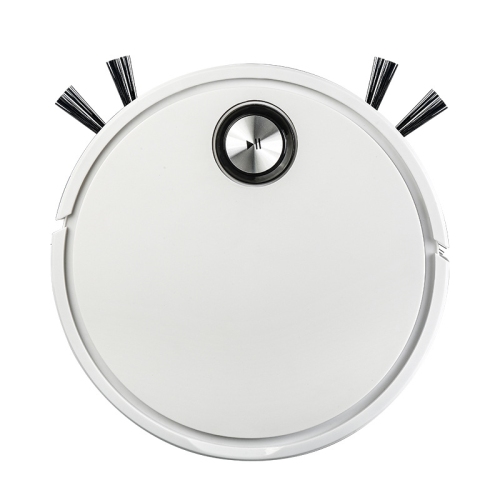

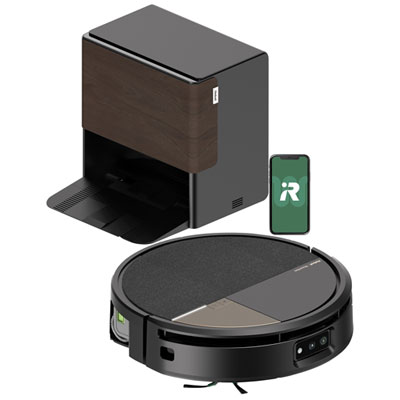
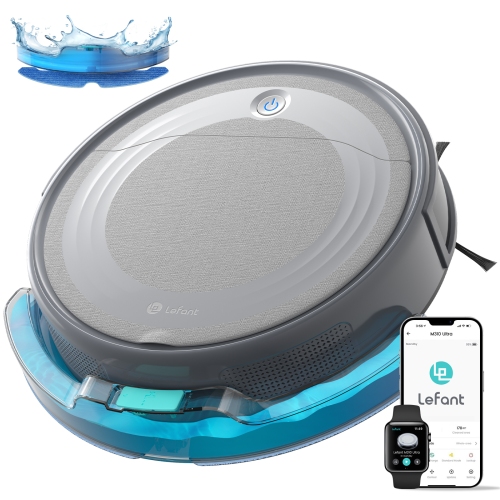
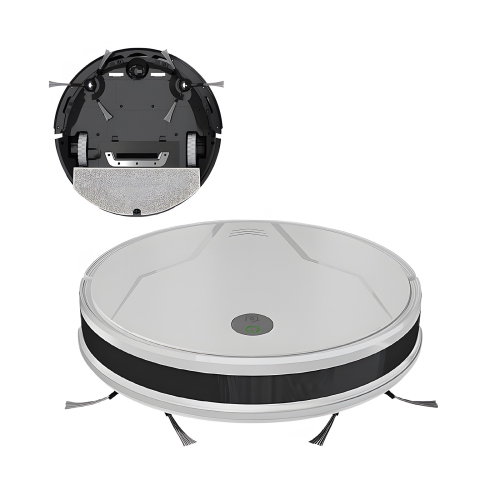
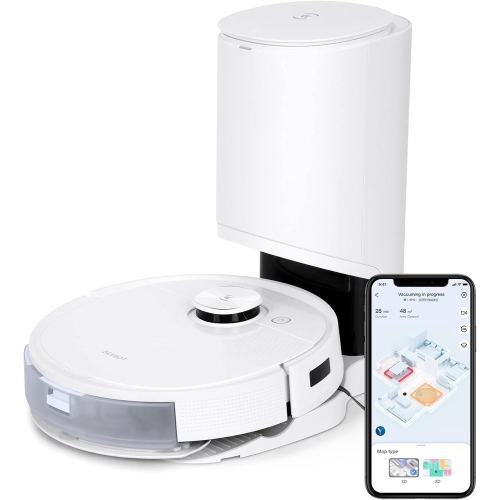
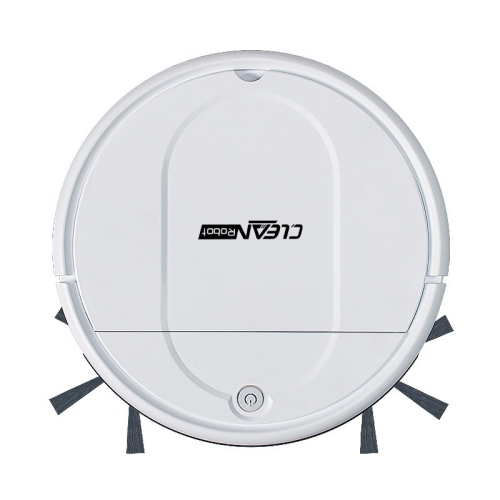
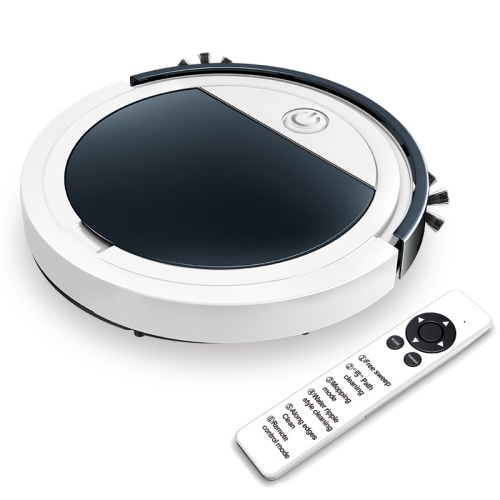
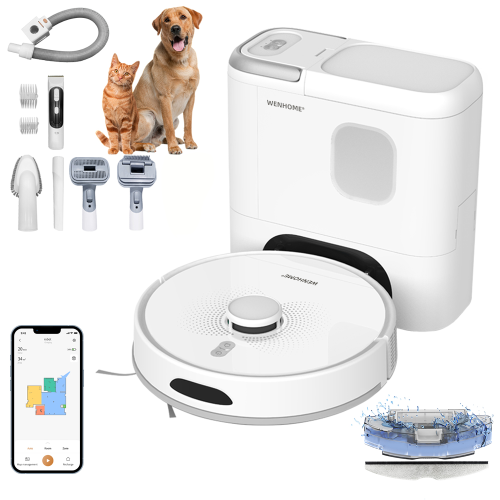
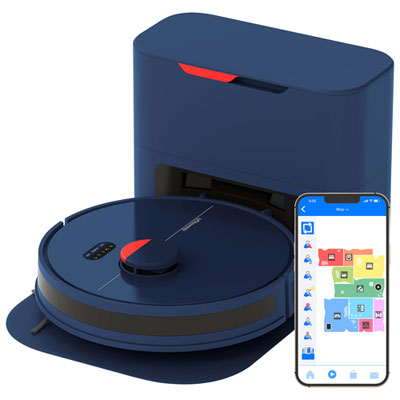
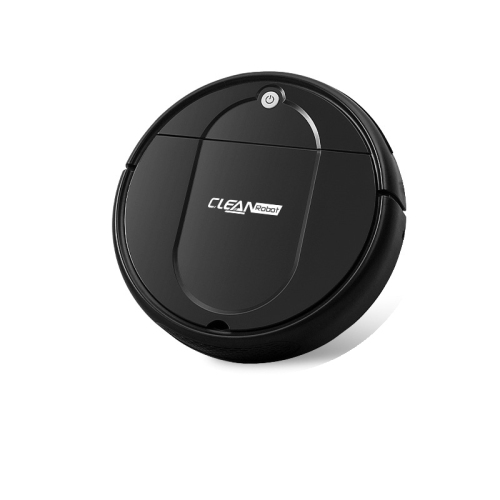
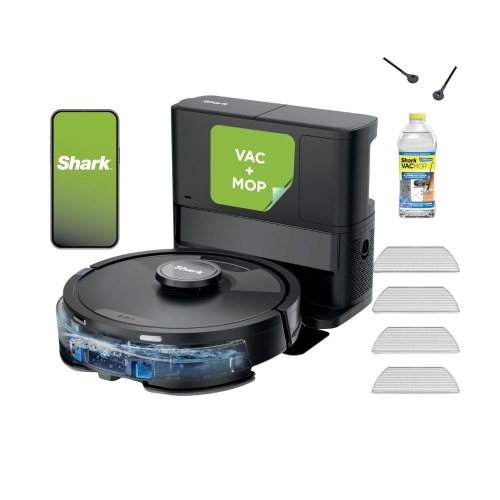
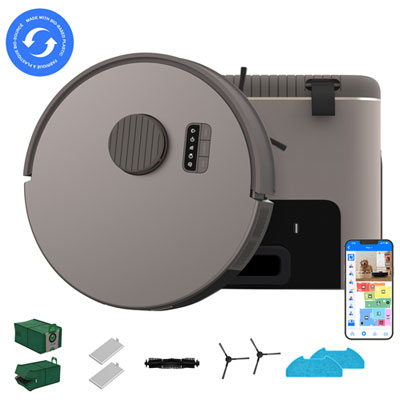
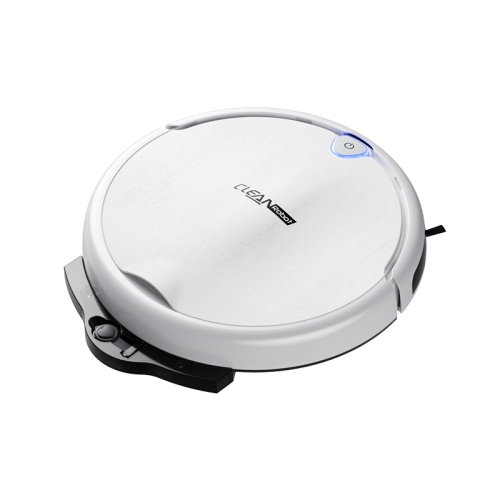
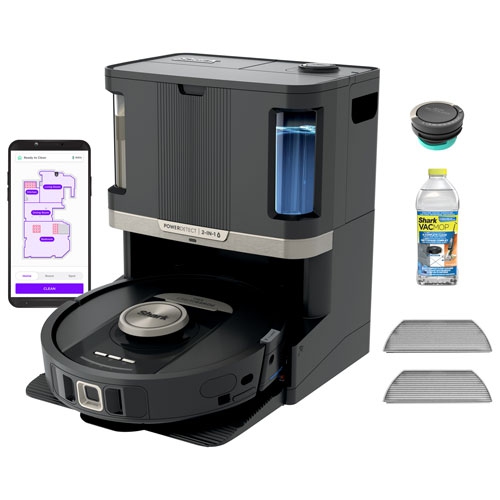
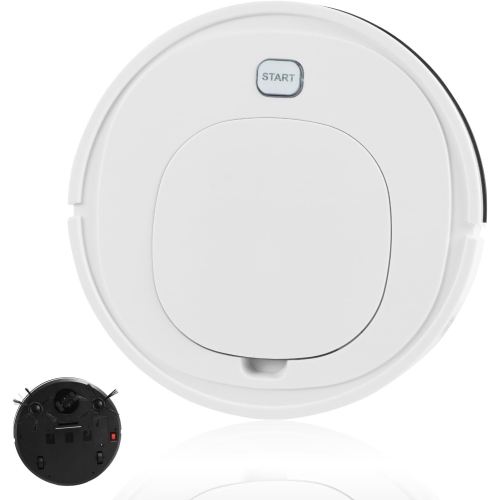
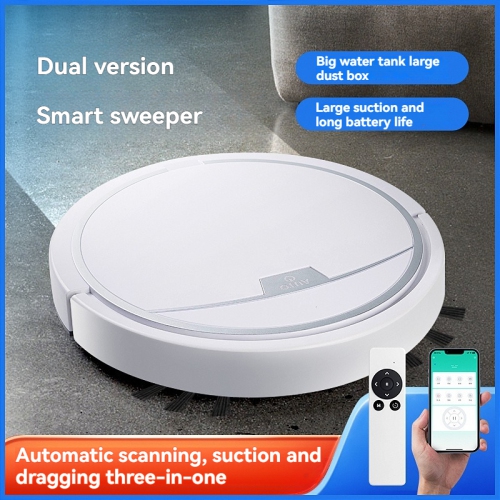
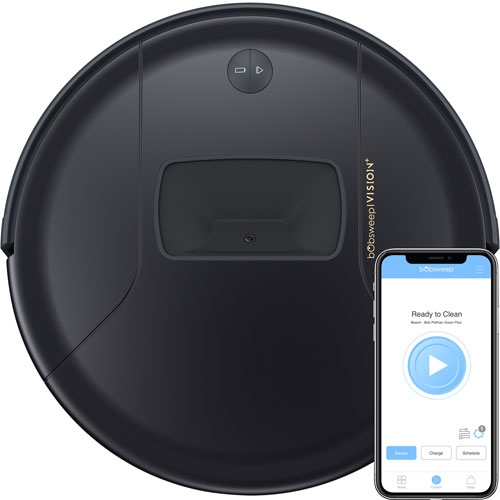
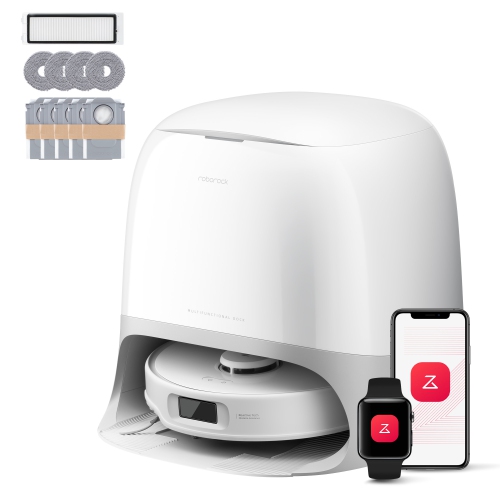
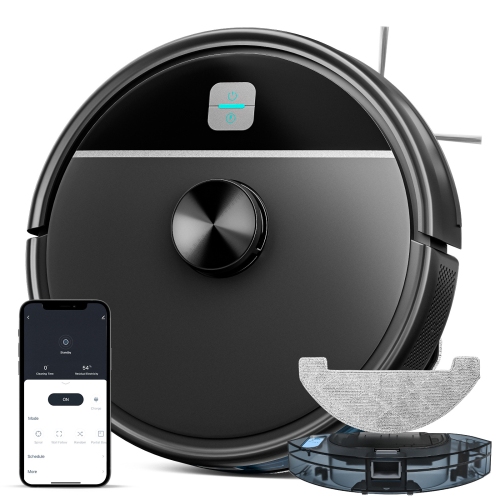
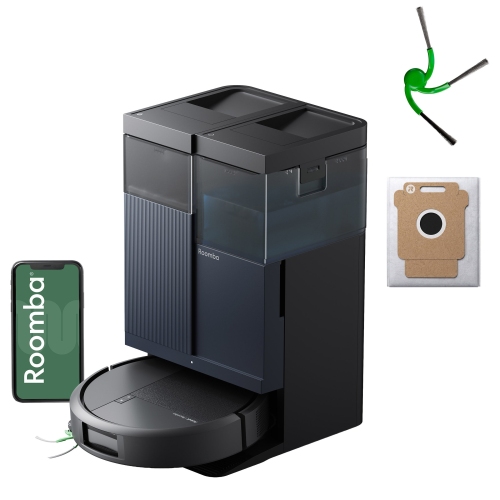
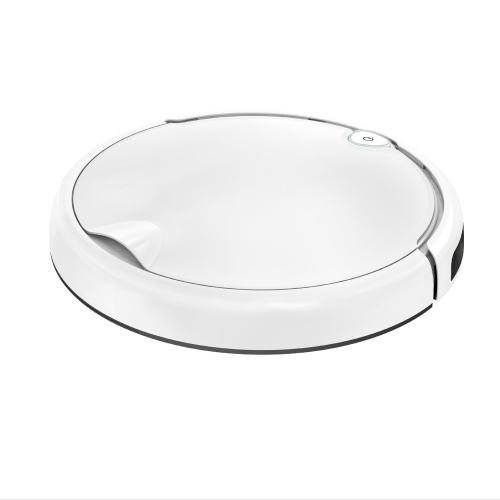
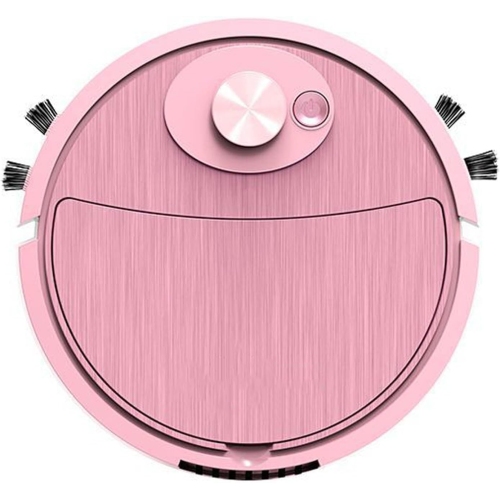
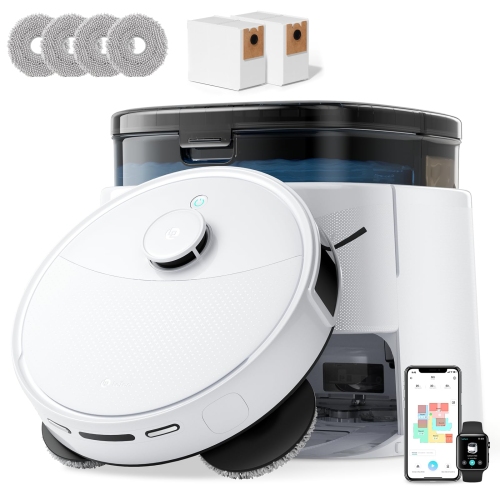
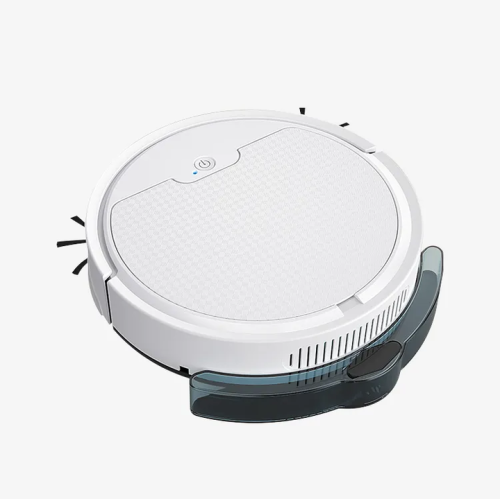
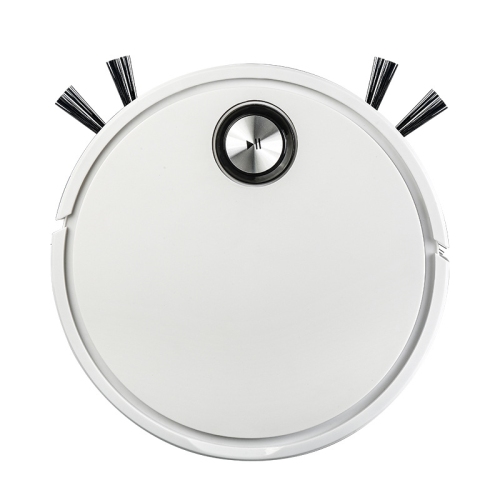
How robotic vacuums fit your floors and routine
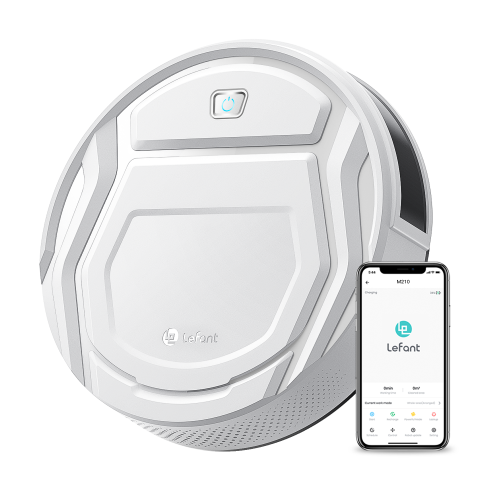
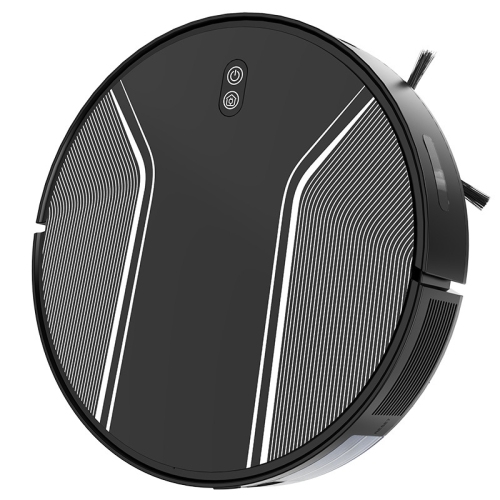
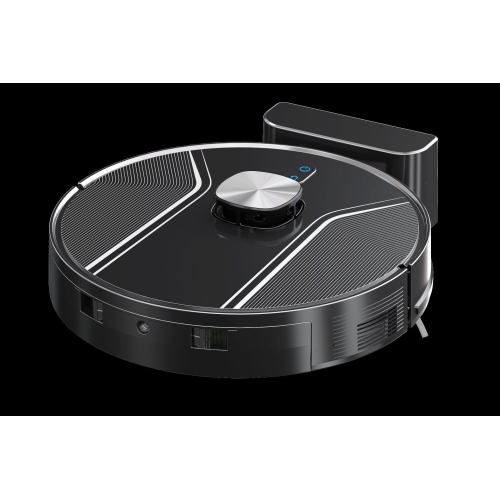
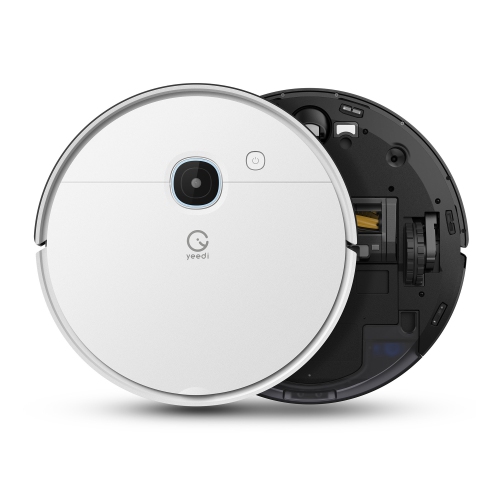
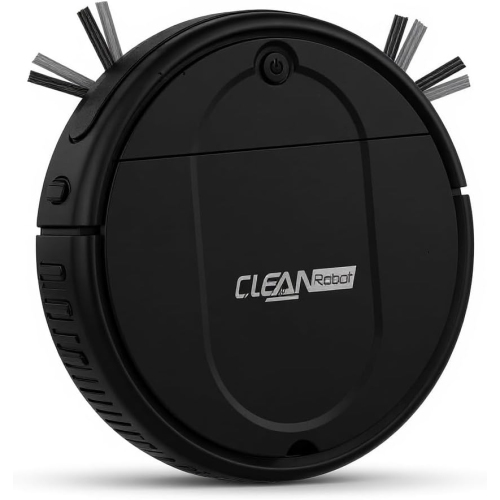
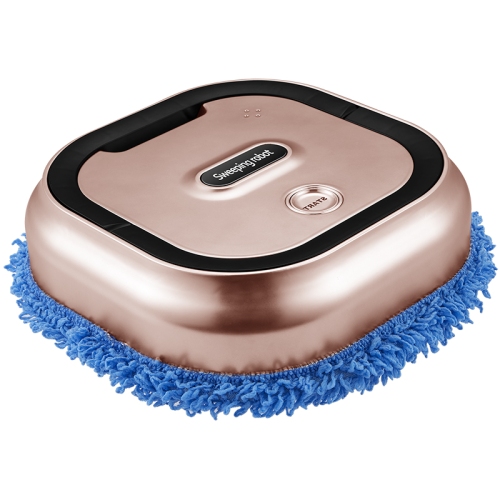
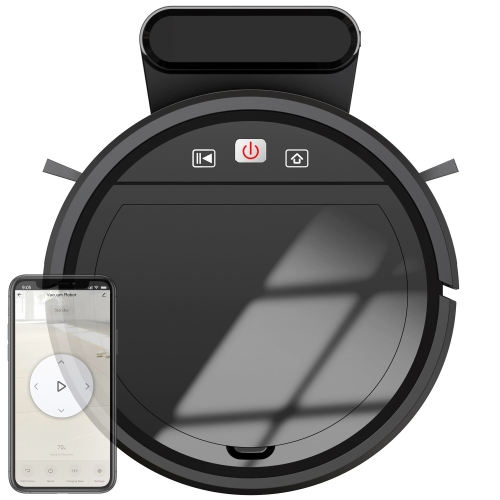
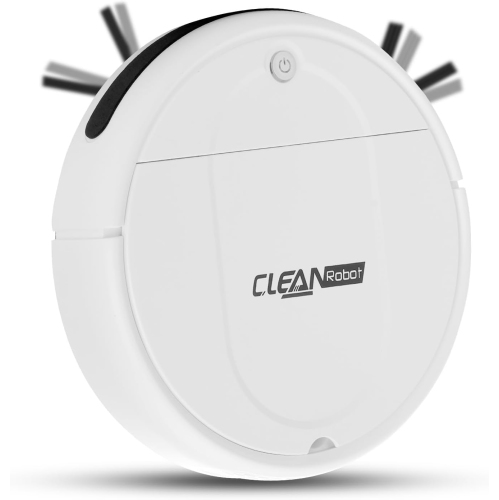
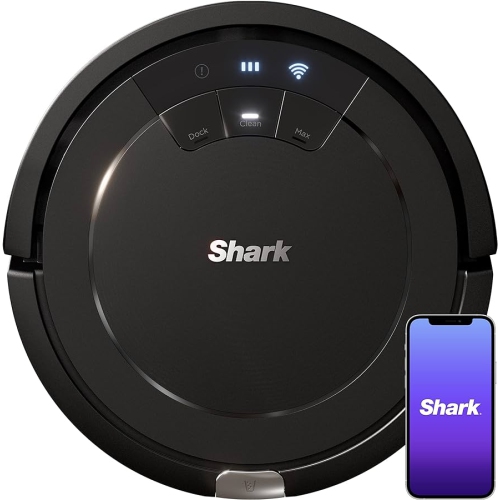
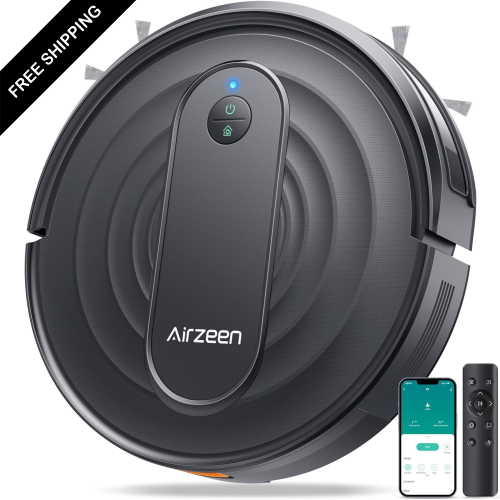
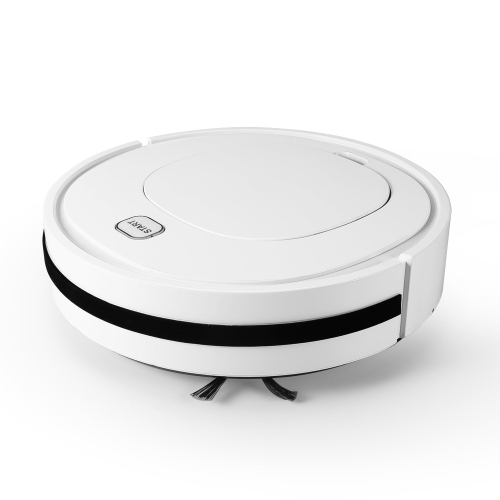
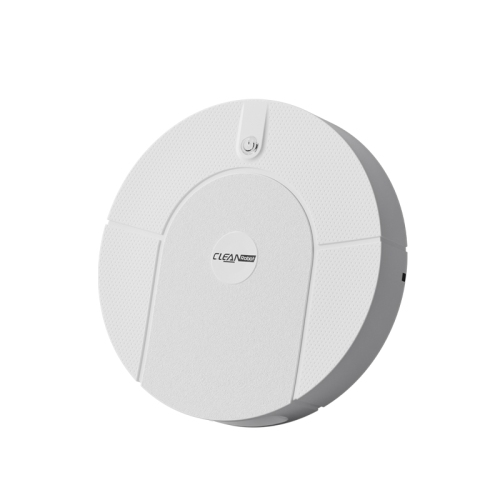
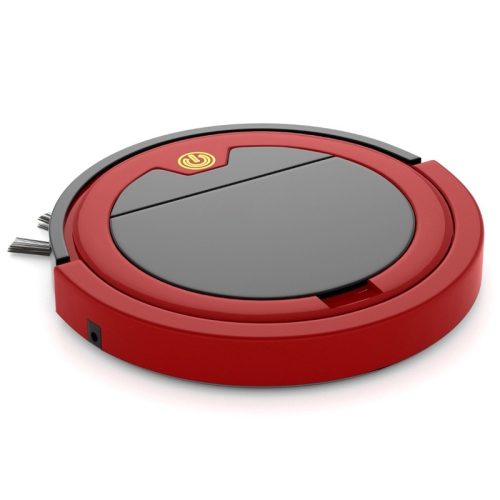
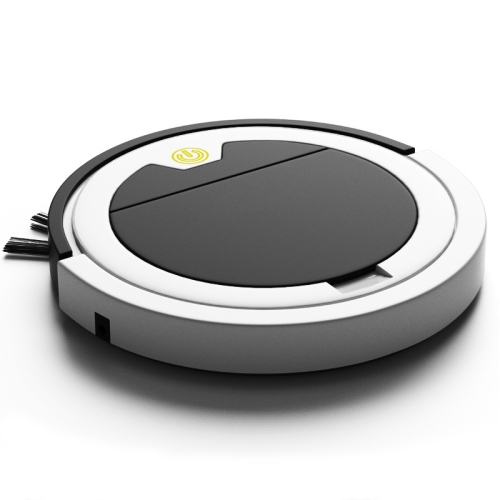
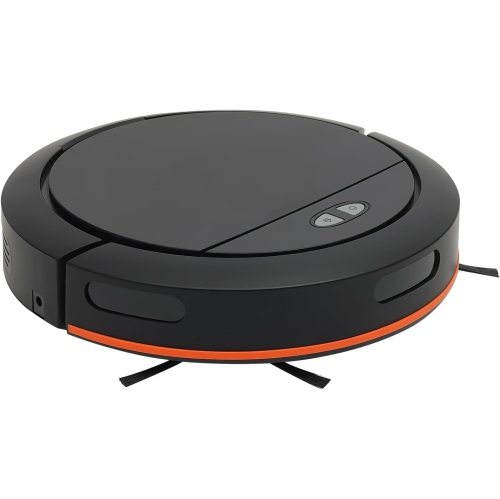
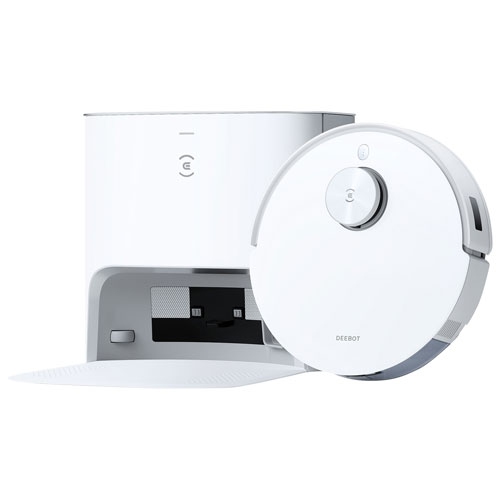
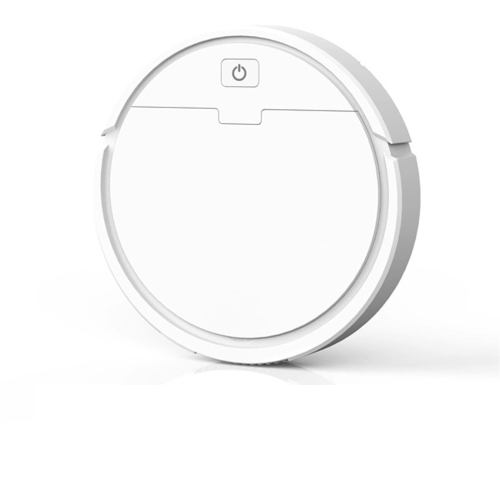
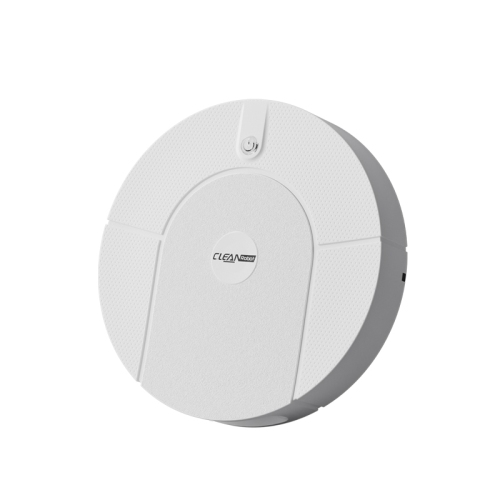
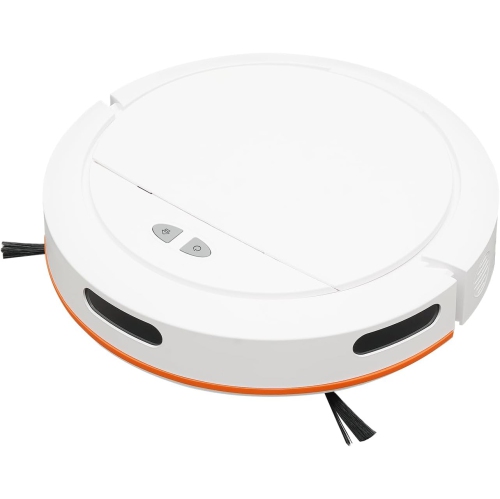
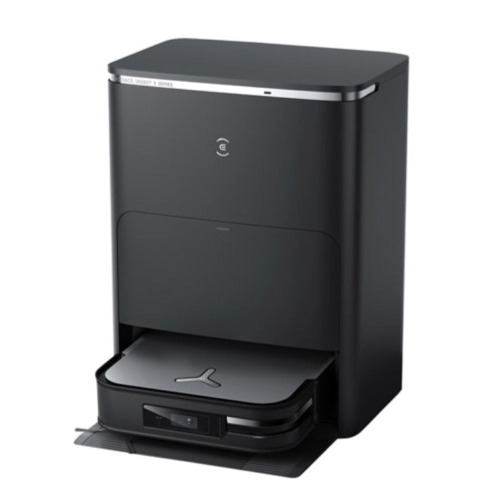
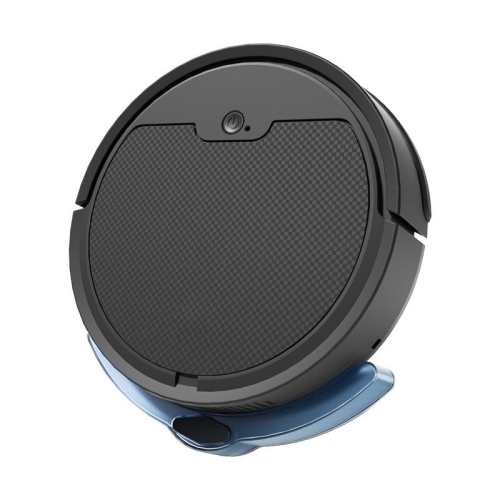
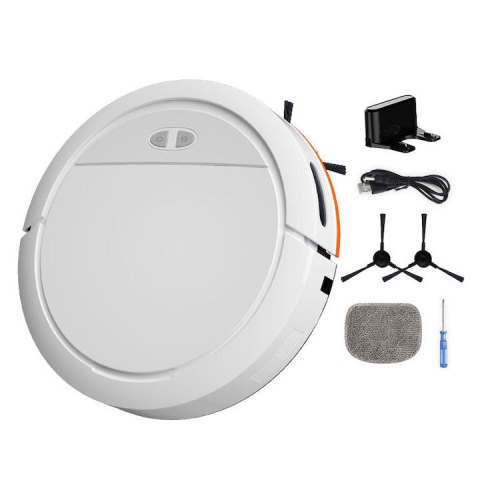
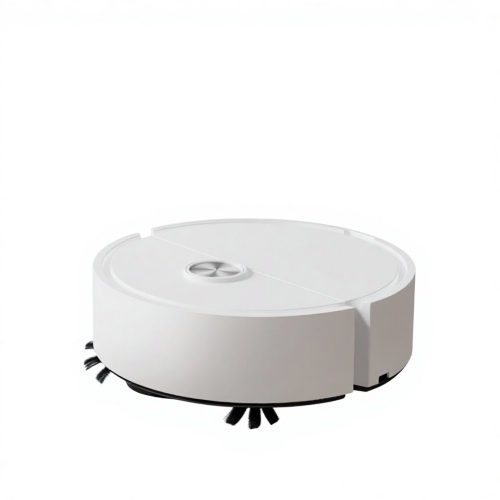
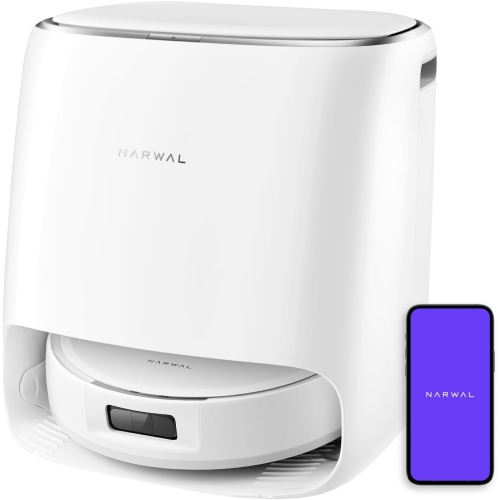
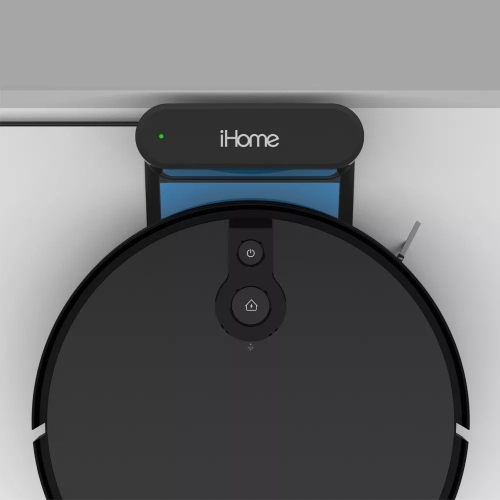
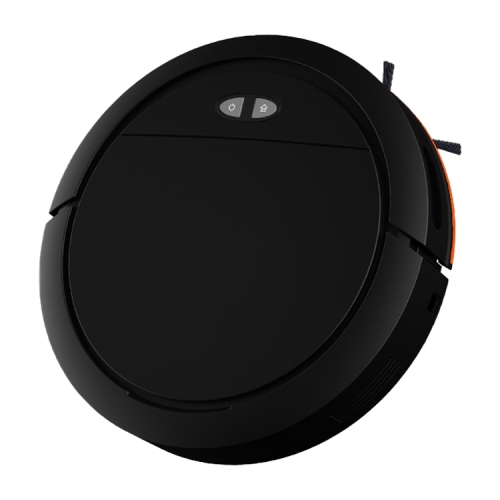
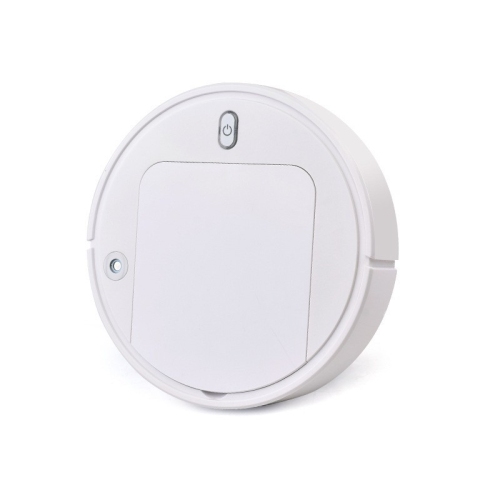
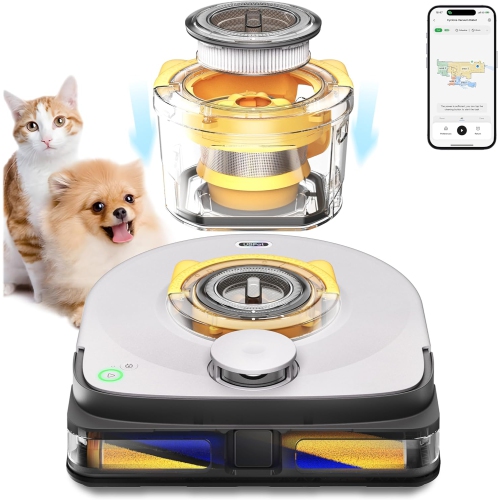
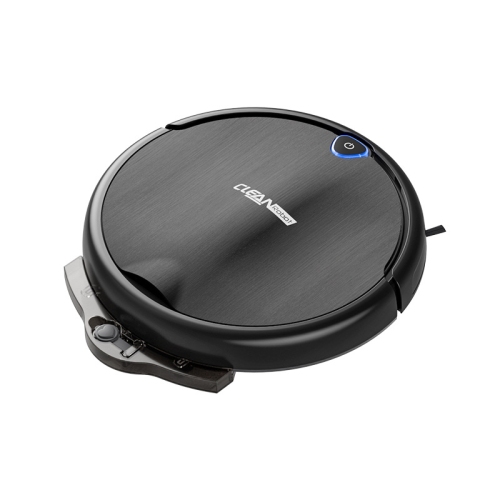
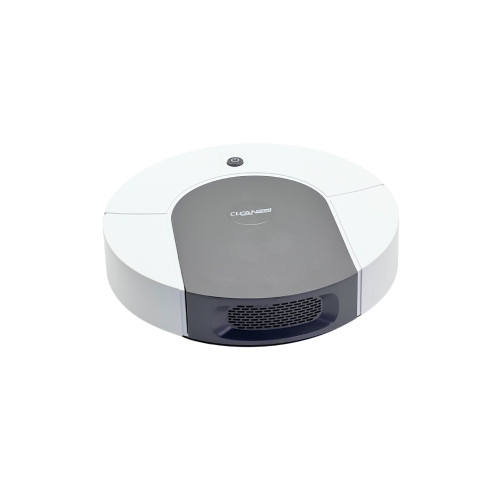
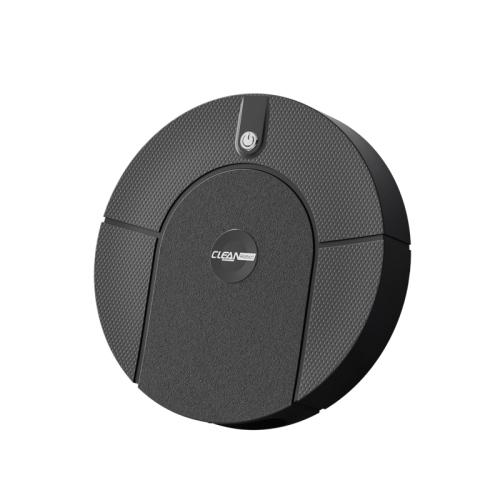
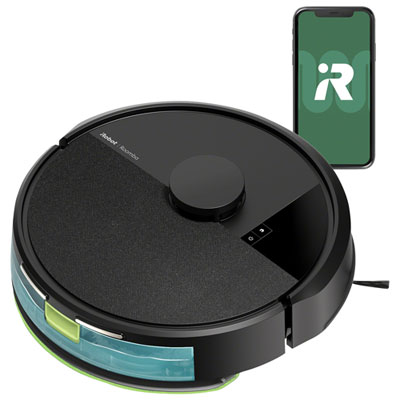
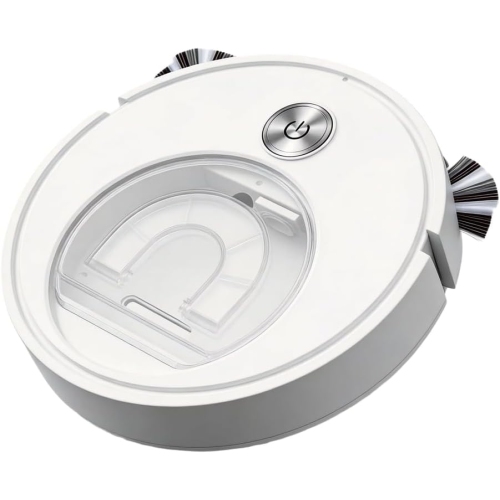
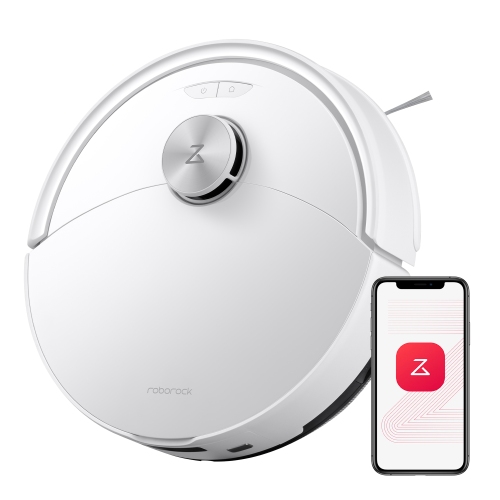
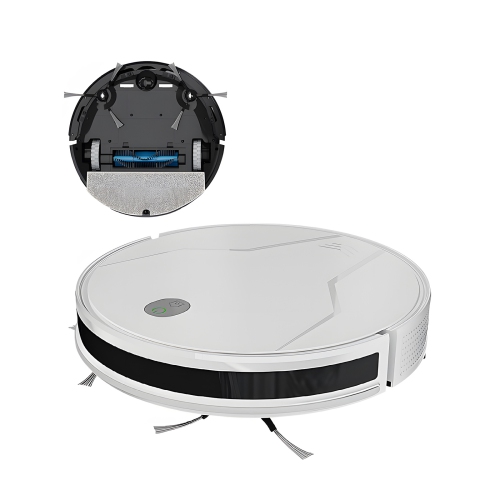
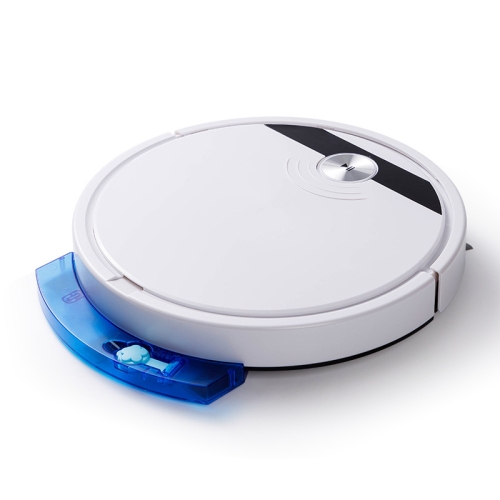
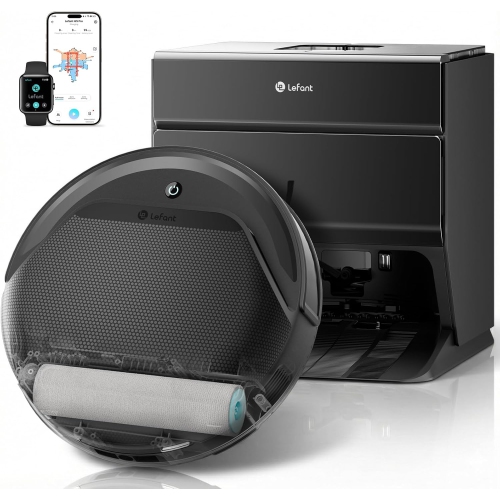
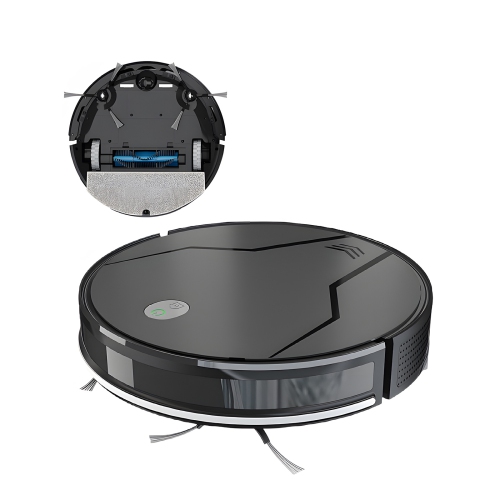
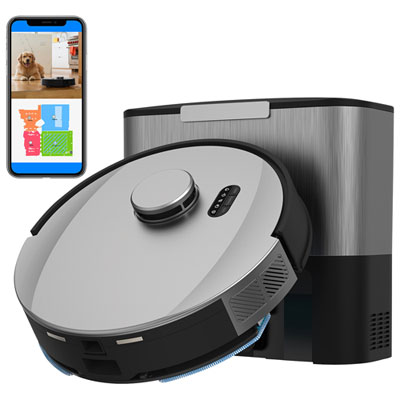
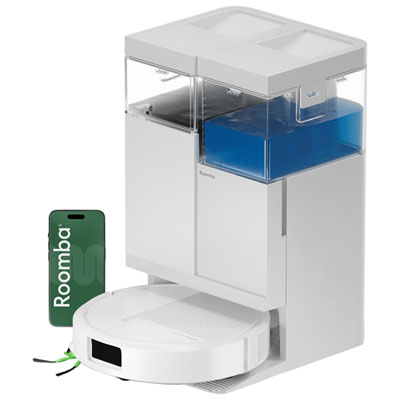
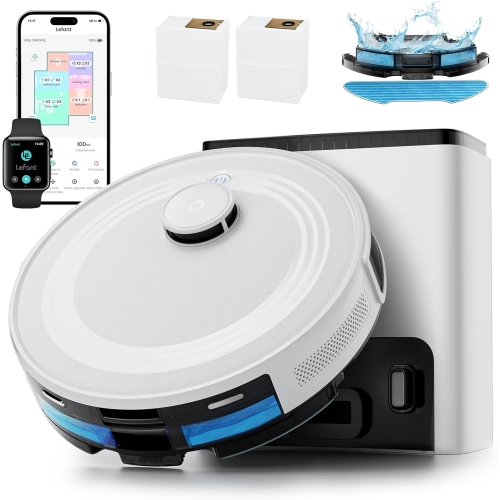
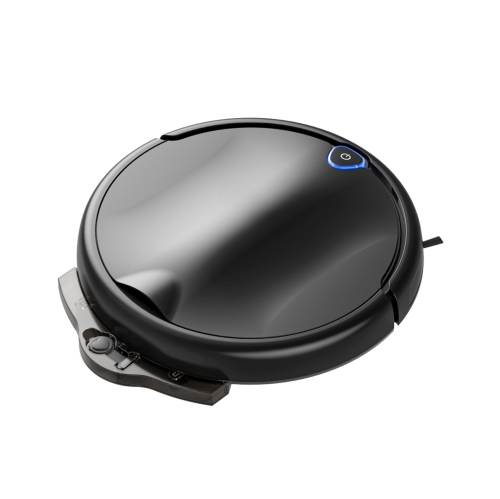
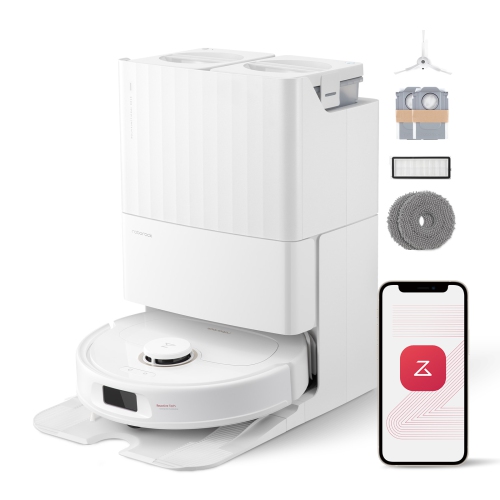
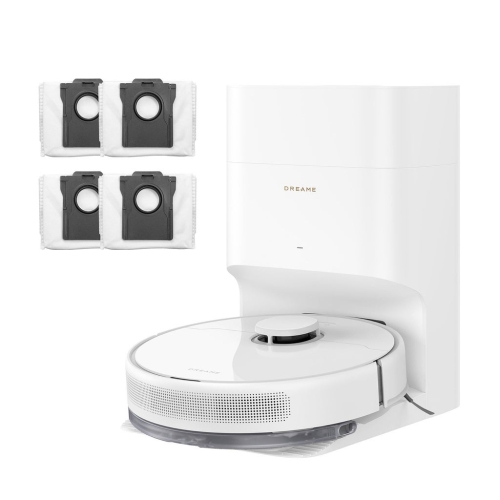
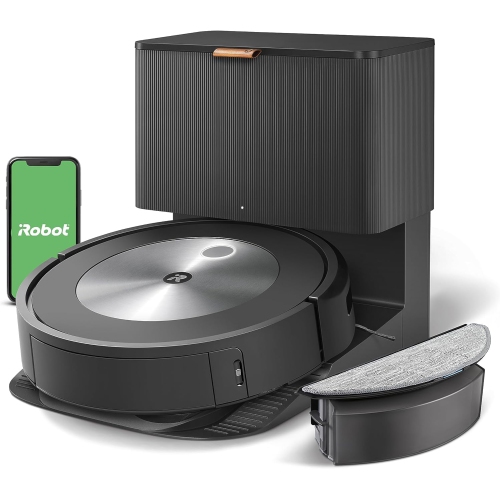
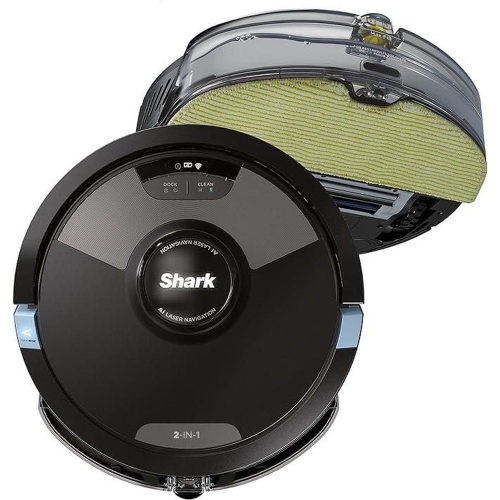
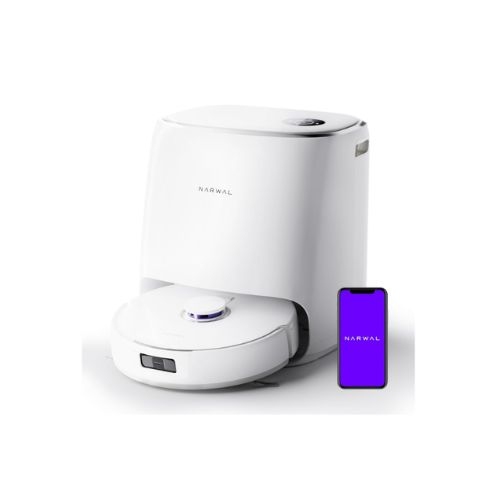
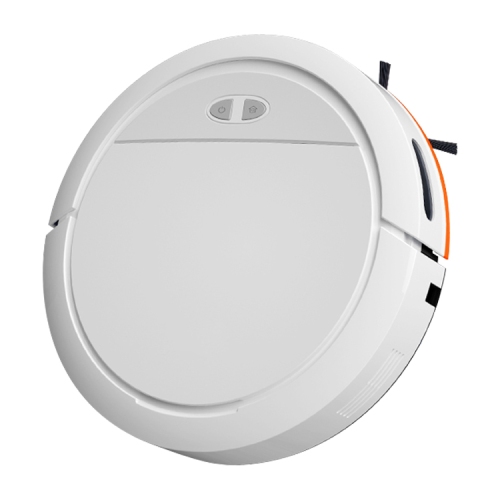
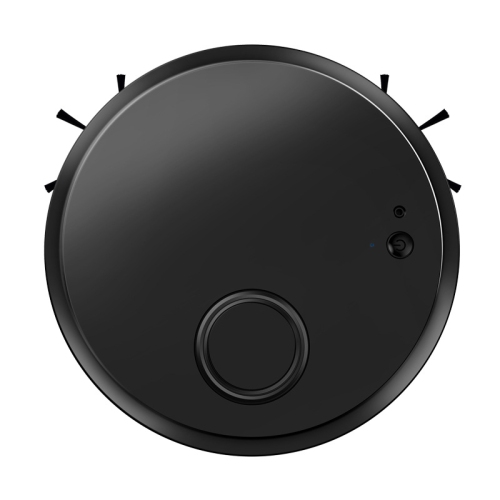
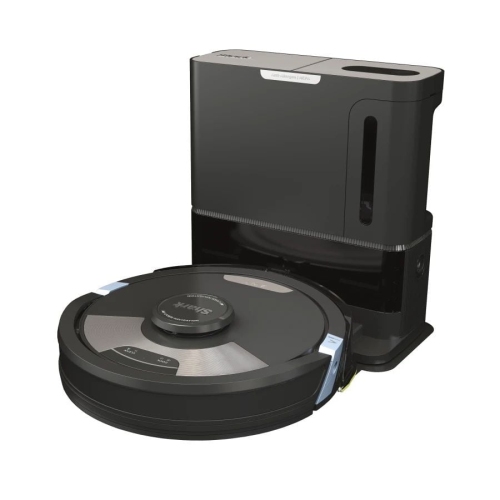
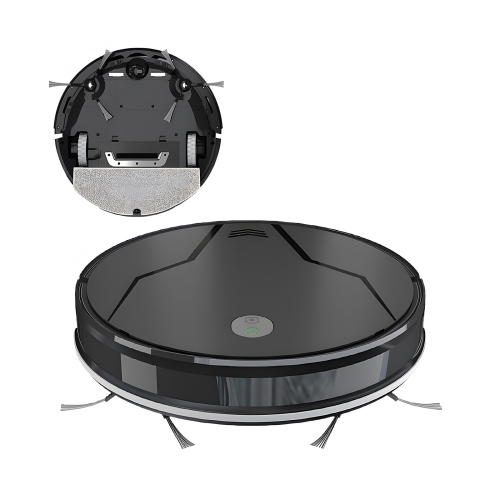
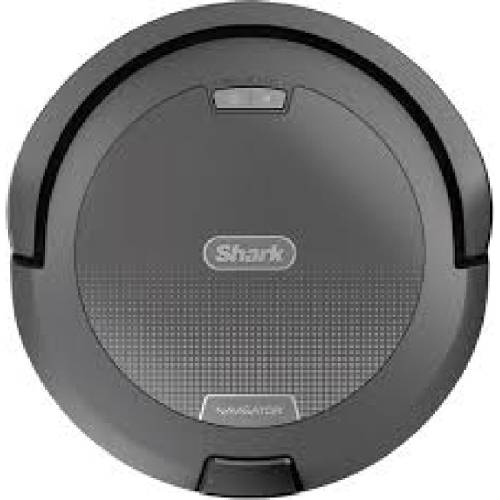
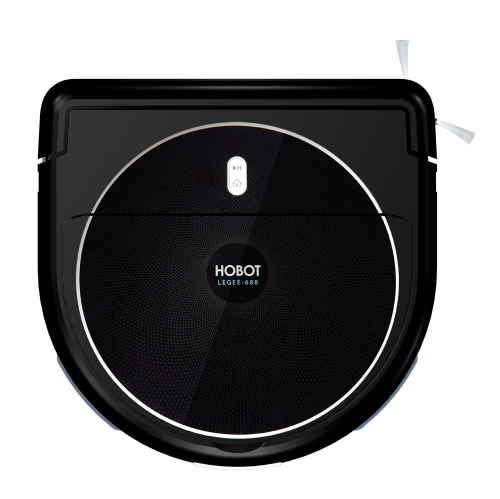
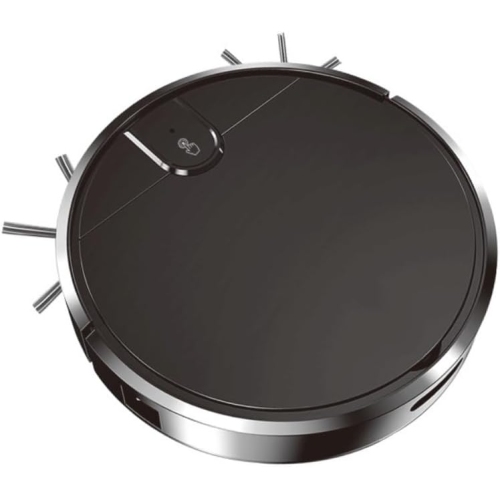
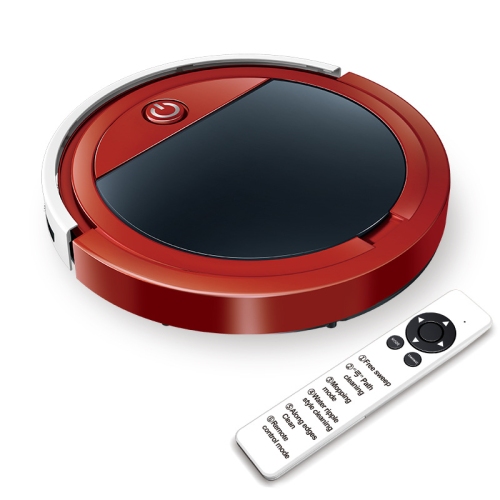
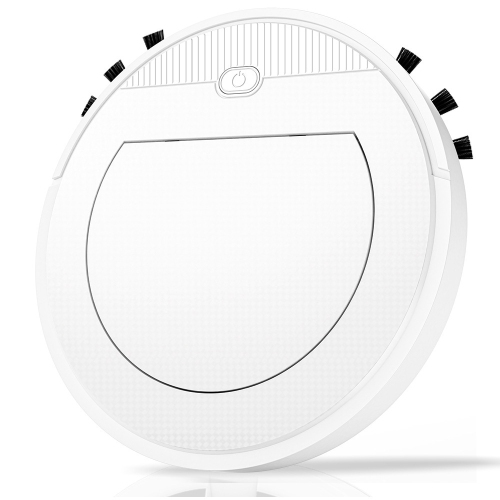
Robotic vacuums handle routine floor cleaning by moving through a room, collecting loose debris, and returning to a charging dock when needed. They are particularly useful for the everyday buildup that appears between more thorough cleans: crumbs beneath the breakfast table, hair along a hallway, and dust under furniture that is awkward to reach with an upright vacuum. Their usefulness depends on how well their cleaning system matches the home. On hardwood, tile, and other hard surfaces, side brushes help draw debris away from edges while the main brush and suction carry it into a dustbin. On carpet, brush agitation helps loosen particles caught in the fibres, so suction strength alone does not tell the whole story. Brush design, airflow, cleaning coverage, and the condition of the filter also affect results. Rubber rollers can simplify hair removal, while bristled brushes may need more frequent attention when long hair winds around them. For households with pets, an easy-to-remove roller and accessible brush ends can make maintenance less fiddly. Low-pile rugs and relatively level floors are generally easier for a robot to navigate than thick shag, loose fringe, or abrupt transitions between rooms. A low-profile body may reach beneath a sofa or bed, but the full height, including any raised navigation sensor, needs to fit within the available clearance. Threshold-climbing ability matters in homes where tile, wood, and carpet meet at different heights. These machines suit busy households, condo residents, and anyone who wants help keeping open floor areas tidy without carrying a vacuum from room to room. They are not designed to clean stairs, upholstery, or elevated surfaces, and a conventional vacuum still has a role for those jobs and deeper carpet cleaning. Small preparations make a noticeable difference: lifting charging cables, gathering toys, and checking for spills gives the robot a clearer path and reduces the chance of a brush catching something it should leave alone.
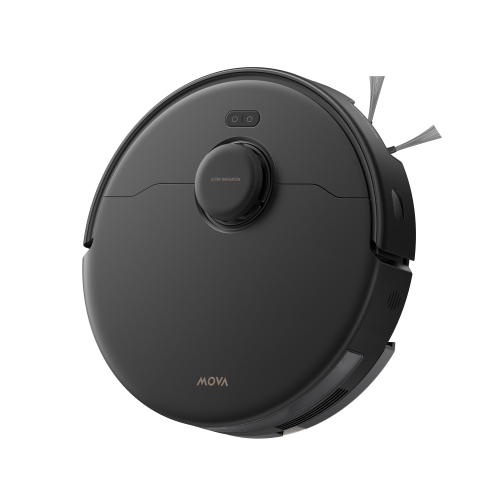
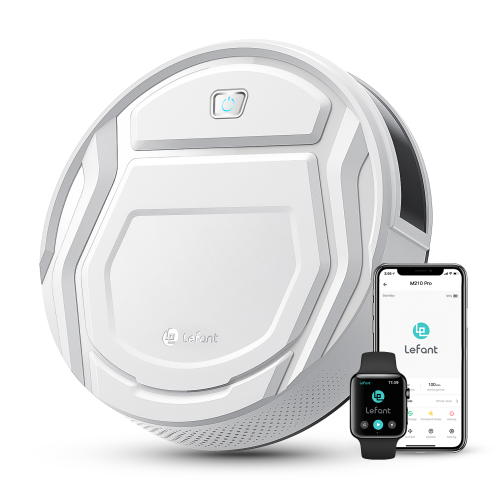
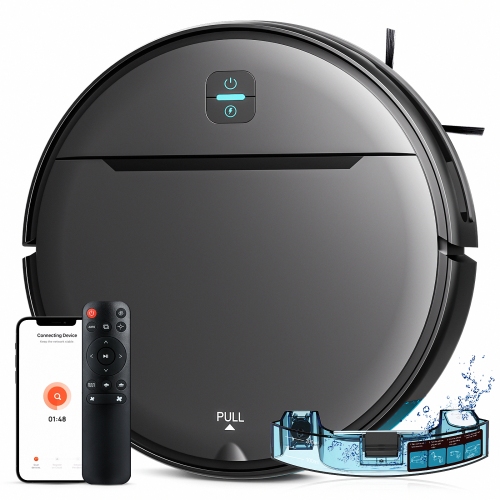
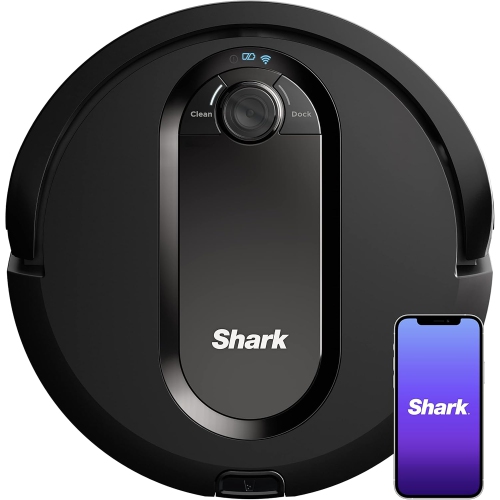
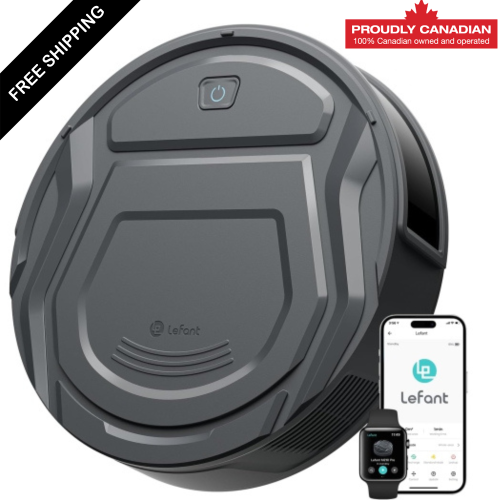
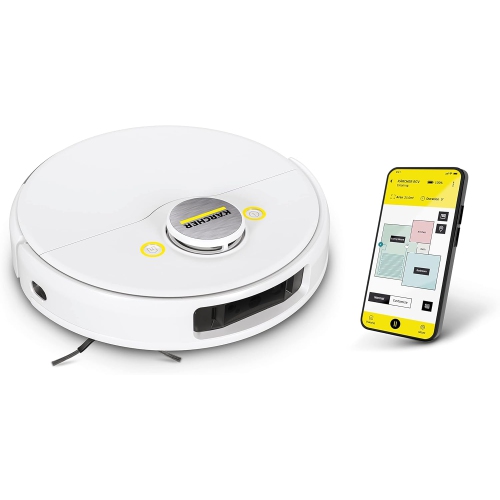
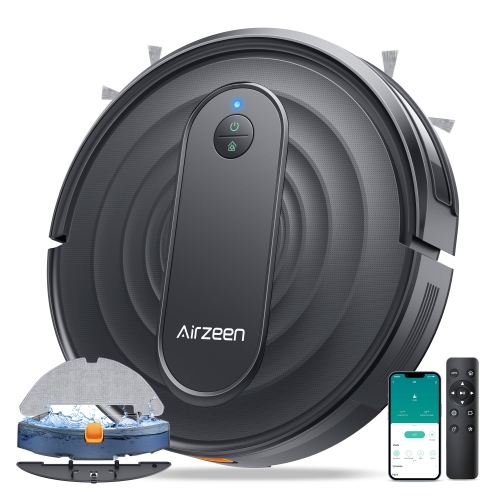
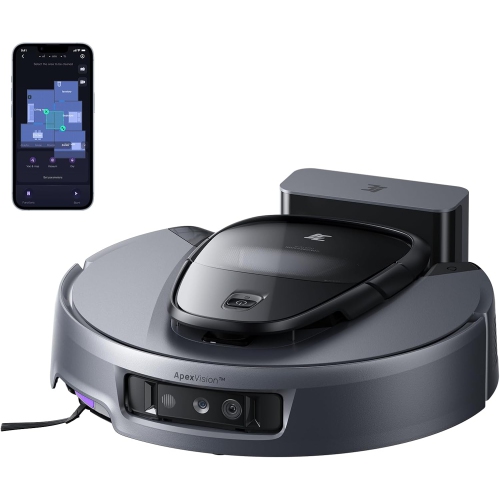
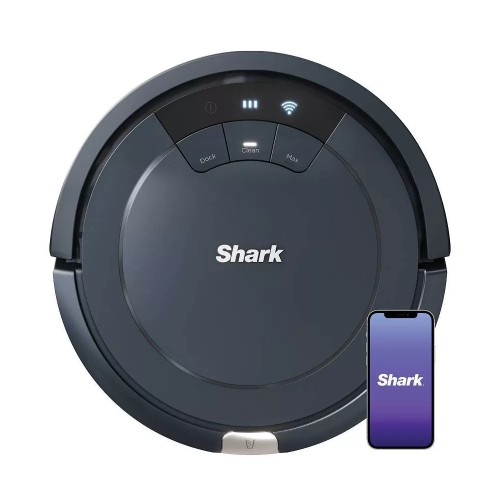
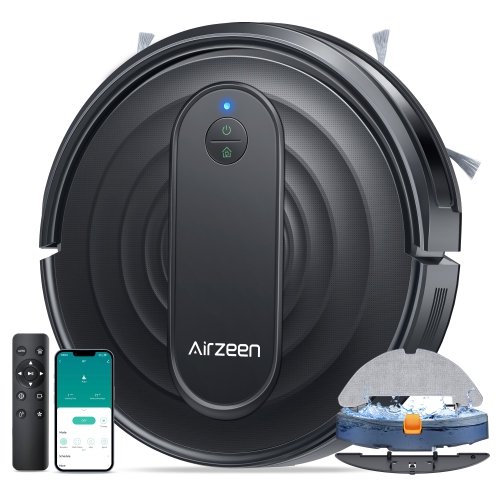
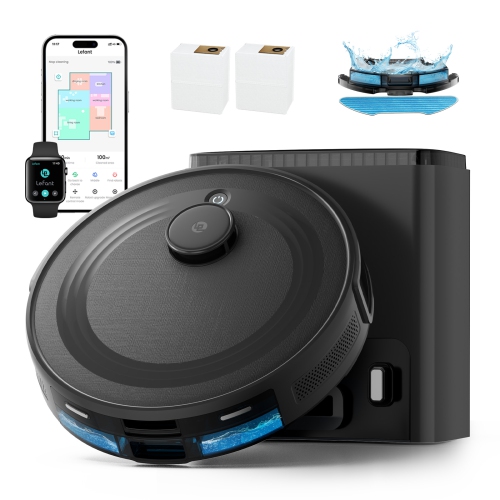
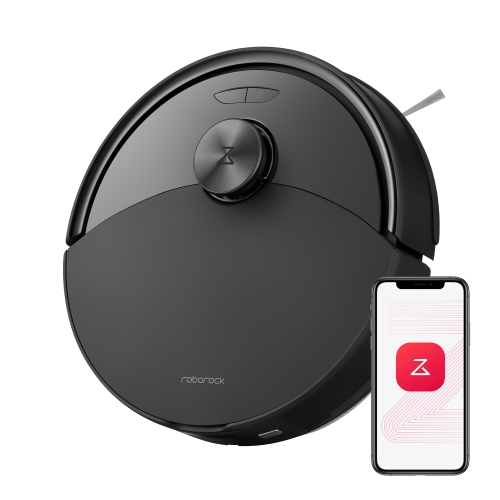
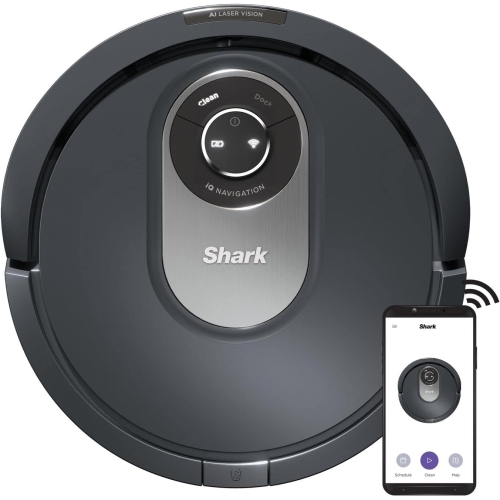
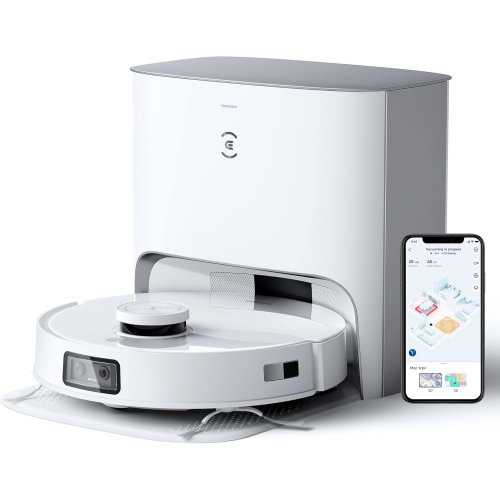
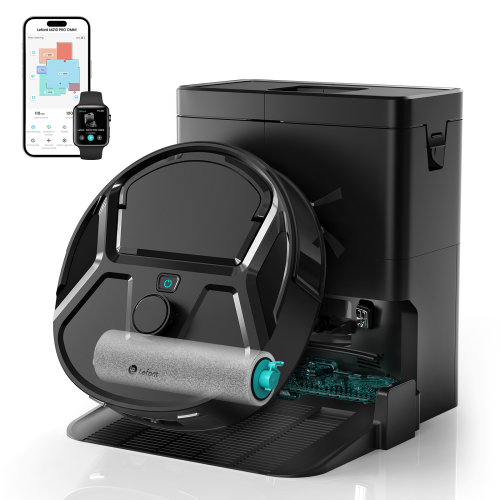
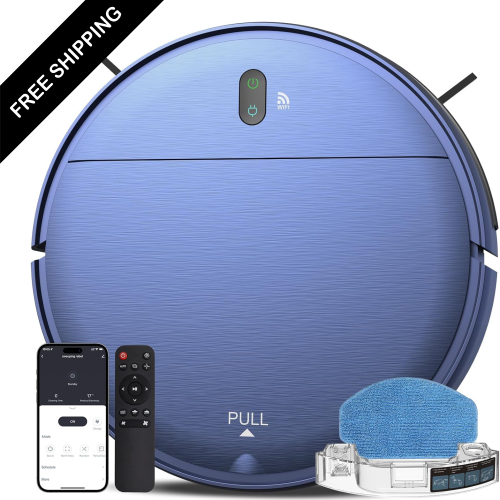
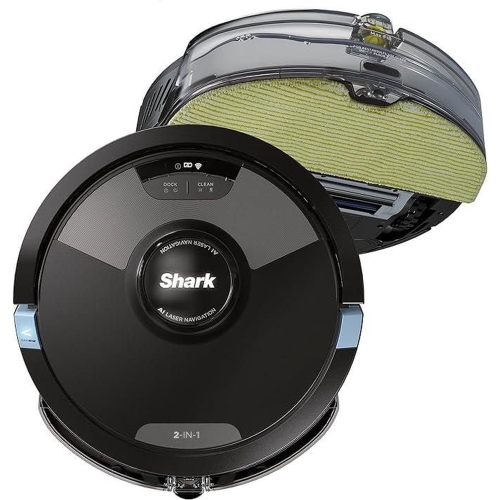
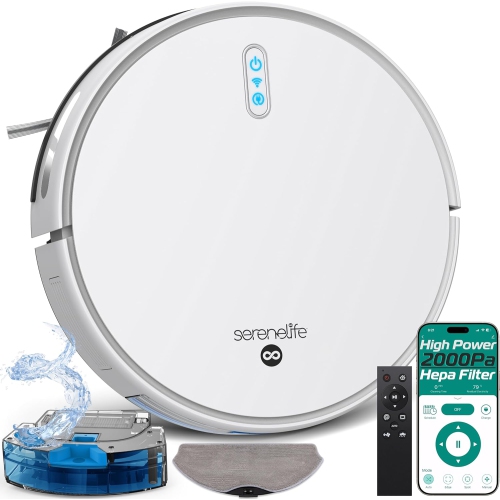
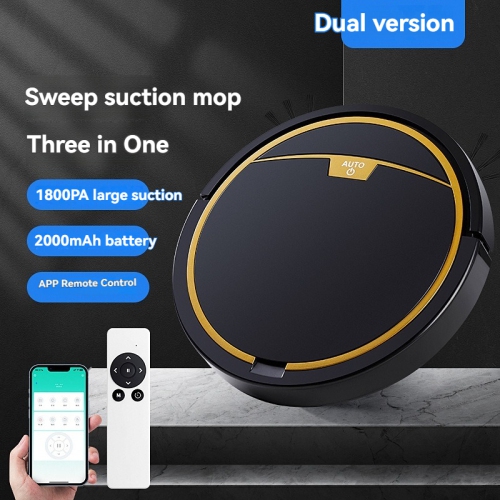
Navigation determines whether a robotic vacuum cleans in organised passes or spends more time finding its way around furniture. Depending on the design, navigation may use laser-based mapping, cameras, other sensors, or a combination of technologies. Mapping-capable models can build a floor plan that supports room-by-room cleaning, scheduled routines, and designated areas to avoid. That can be useful in a home where the kitchen needs frequent attention but a spare bedroom sees little foot traffic. Virtual boundaries can keep the robot away from a pet feeding station, a delicate rug, or an area crowded with cords, provided the model supports those controls. Obstacle detection is separate from mapping: knowing where a wall sits does not necessarily mean a machine will recognize a sock, a thin cable, or a pet accident. Even with advanced detection, checking the floor before a run remains sensible. Stair sensors are another important feature, although dark surfaces, unusual edges, and nearby clutter can affect how sensors behave. Following the manufacturer's placement and safety instructions is especially important around landings. For homes with a mixture of hard floors and carpet, vacuum-and-mop designs add another layer of convenience. Some drag a damp pad across the floor, while others use vibrating or rotating pads to help loosen light marks. Neither approach makes every floor suitable for wet cleaning. The flooring manufacturer's care instructions should determine whether moisture is appropriate, particularly for wood, laminate, and surfaces with vulnerable seams. Carpet detection and mop lifting can help manage mixed flooring, but lift height varies, and thicker rugs may still need a no-mop boundary or a separate cleaning routine. Water control, removable pads, and straightforward access to the tank all matter for everyday use. App-connected features may allow cleaning schedules, room selection, and status updates; compatible Wi-Fi requirements should match the home's network. For shoppers who prefer fewer connected features, accessible onboard controls can be more important than voice commands. It is also worth understanding any account requirements and how camera images or floor maps are handled.
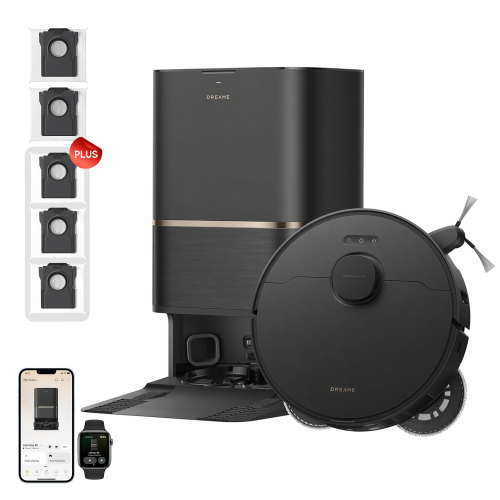
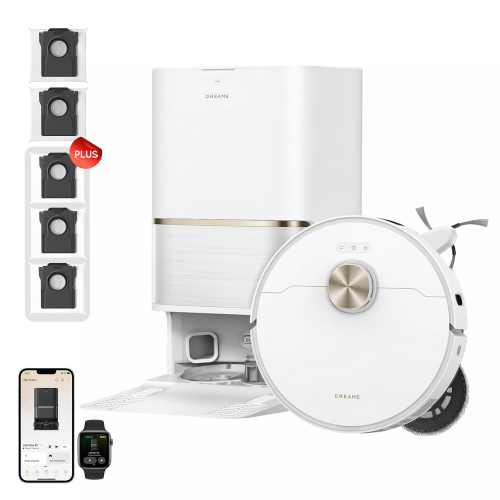
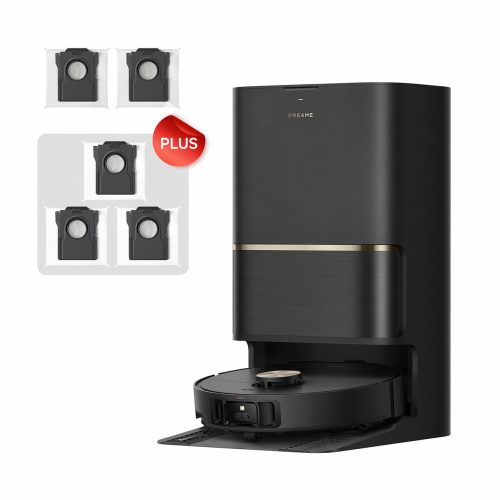
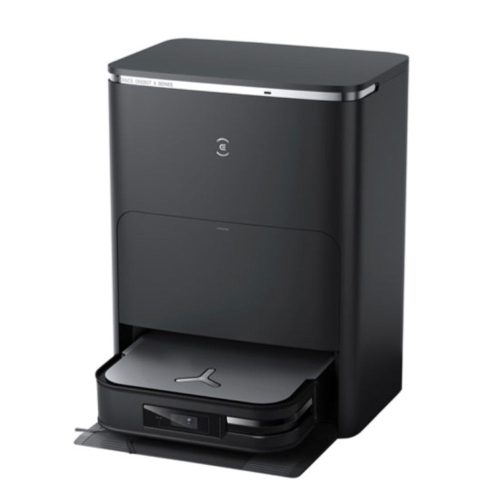
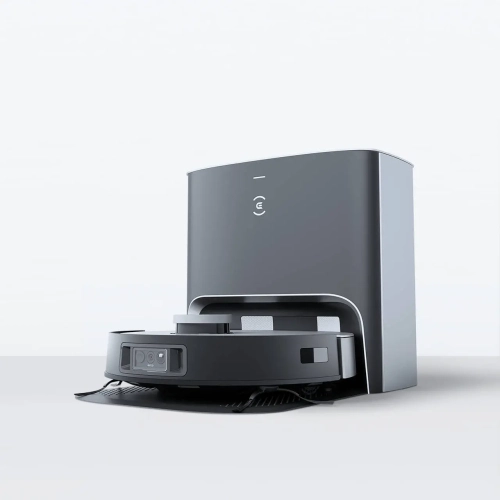
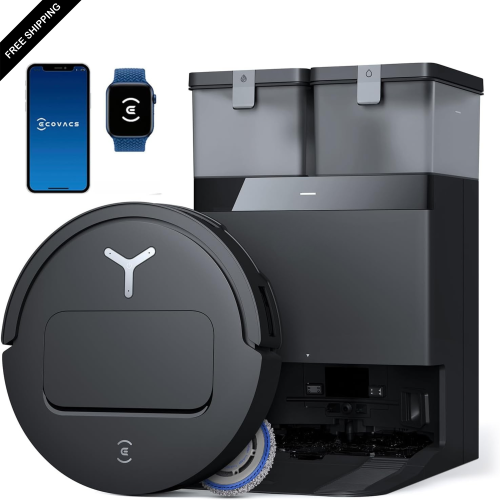
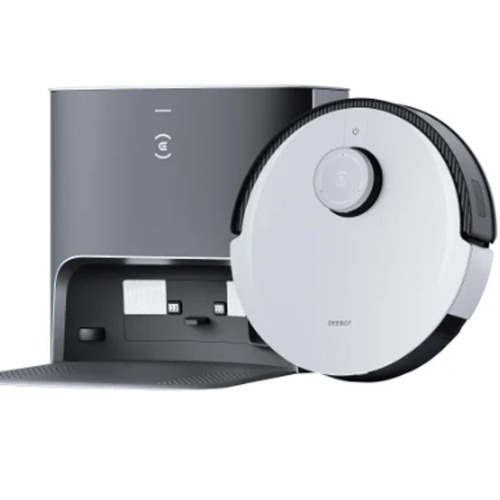
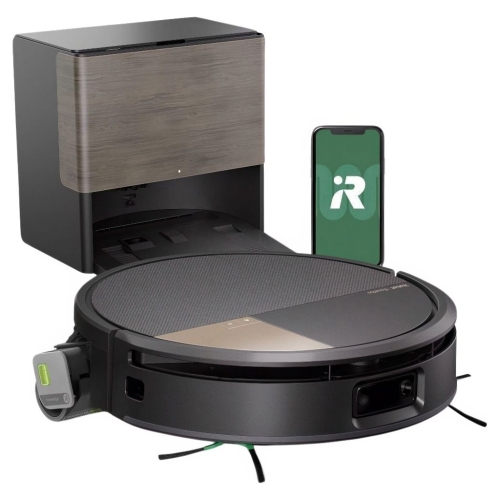
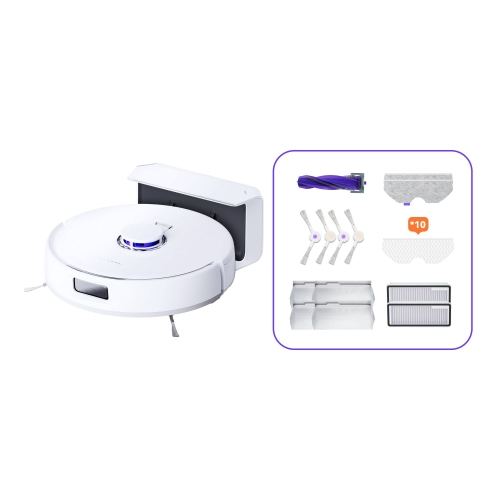
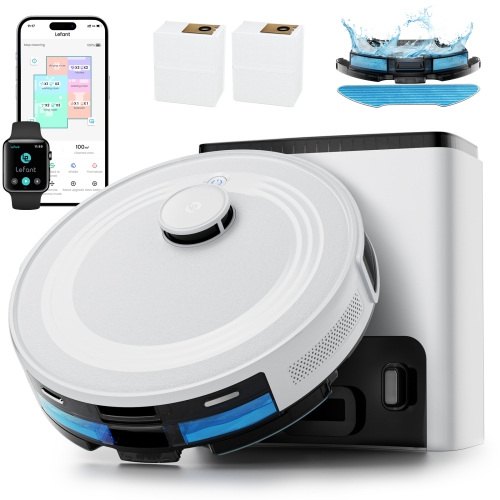
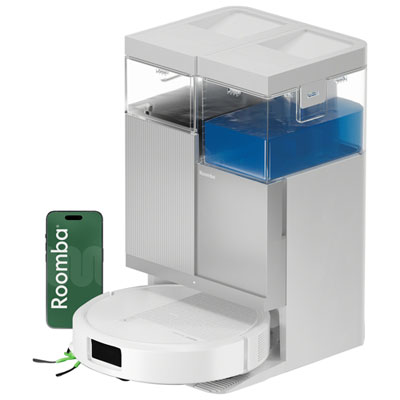
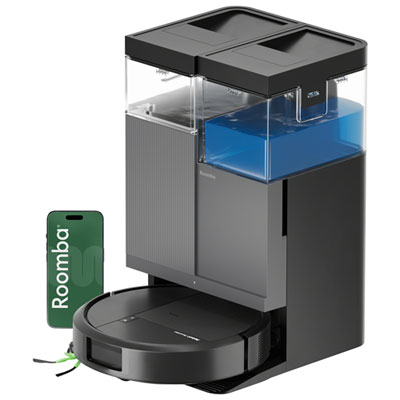
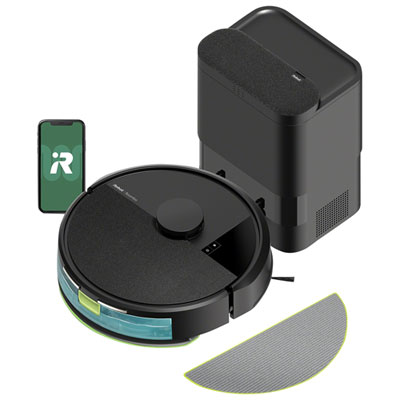
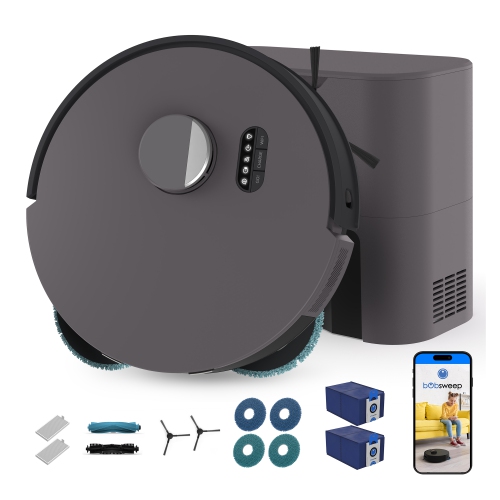
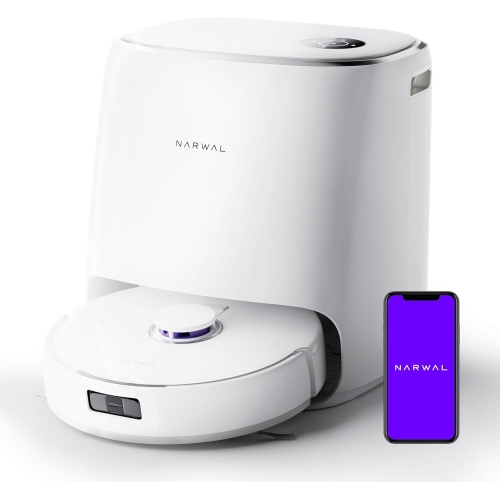
The charging dock is part of the robot's everyday footprint, not just a place to park it. A simple dock needs an accessible position with the clearances specified by the manufacturer, while an automated station may also need room above or beside it for opening lids, lifting tanks, and replacing bags. A narrow gap behind a chair can look convenient but make docking unreliable or routine care awkward. Auto-empty systems move collected debris from the robot into a larger container, reducing how often the onboard bin needs attention. They do not remove maintenance altogether, and the brief emptying cycle can be noticeably louder than normal cleaning. Stations that wash or dry mop pads add convenience, but fresh-water tanks still need filling and dirty-water tanks need prompt emptying and cleaning. Filter type and replacement intervals deserve attention, especially in homes where fine dust accumulates quickly; a filter's performance should not be assumed from its appearance alone. For lasting performance, clear hair from rollers and wheels, wipe sensors as directed, and keep charging contacts clean and dry. Wash only components identified as washable, let them dry fully before reinstalling, and use cleaning solution only when the manufacturer permits it. Replaceable brushes, filters, pads, and batteries, where supported, can help extend useful service life. Durable housings and flexible bumpers help with ordinary contact around furniture, but robots should still be protected from standing water, sharp debris, and unsuitable surfaces. A robotic vacuum can be a practical gift for someone setting up a home or seeking help with repetitive chores, provided the recipient's floor layout, comfort with apps, and ability to maintain the machine are considered. The related Spring Cleaning Robot Vacuums Under $500 collection provides another way to browse robotic floor care. For daily use, the most useful combination is one that fits the space, handles its floor types, and makes the small tasks surrounding each cleaning run manageable.
Top selling and popular products
-
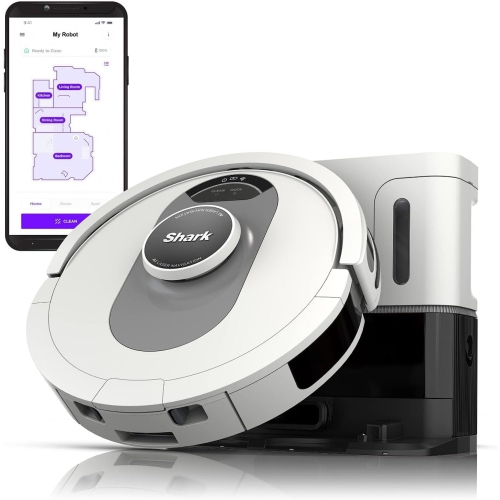 Your price for this item is $699.99
-
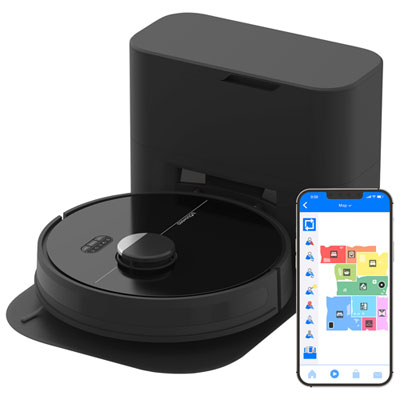 Your price for this item is $199.99
-
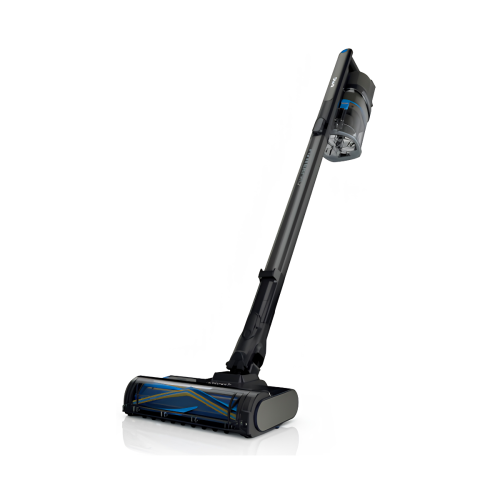 Your price for this item is $399.99
-
 Your price for this item is $999
-
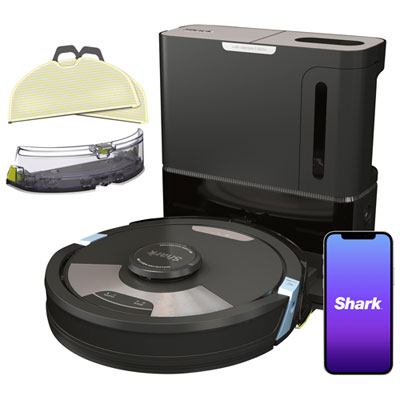 Your price for this item is $399.99
-
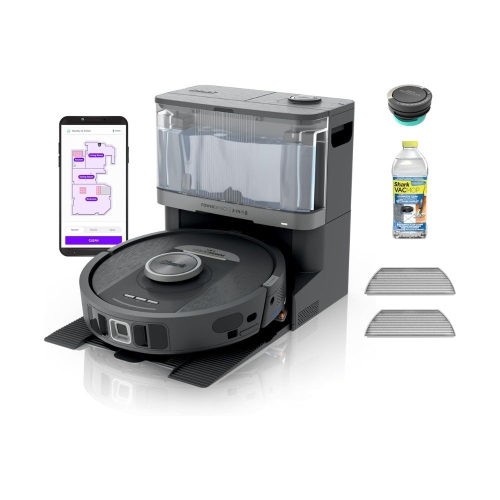 Your price for this item is $1149.99
-
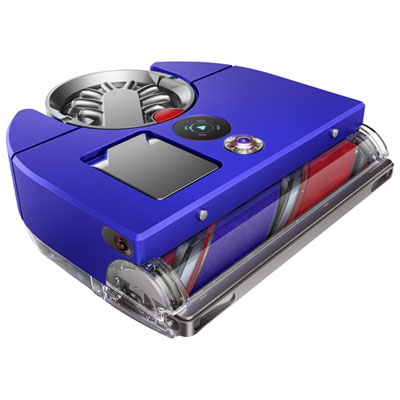 Your price for this item is $1052.95
-
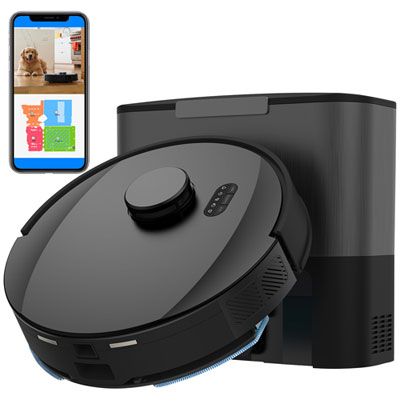 Your price for this item is $1249.99
Discover more categories related to Robotic Vacuums Under $1000
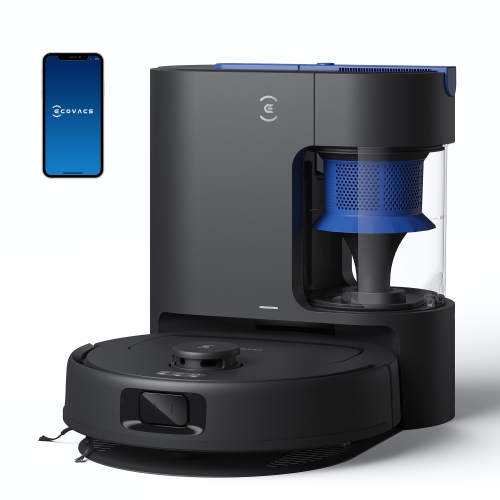
Top Collections:
Best Black Friday Deals This Year, Best Black Friday Deals On Electronics, Kindle Devices, Pokemon Centers, Best Black Friday Deals On Apple Products, Best Cameras for Sports Photography, Dyson Airwrap, Pokémon 30th Celebration Cards, Apple iPhone 17 Pro, Canon G7X Cameras
Some products may be subject to Environmental Handling Fees
(EHF) depending on your province.
Learn more about EHFs.