Safe Toasters
A safe toaster is an essential addition to any kitchen, offering peace of mind while you prepare breakfast or snacks. Designed with user safety in mind, these toasters make it easy to enjoy perfectly toasted bread, bagels, and more. Whether outfitting a family kitchen or upgrading your countertop appliances, choosing a safe toaster helps ensure reliable performance every time you use it. Explore a variety of options to find the ideal model that fits your needs and complements your kitchen style.
Sort
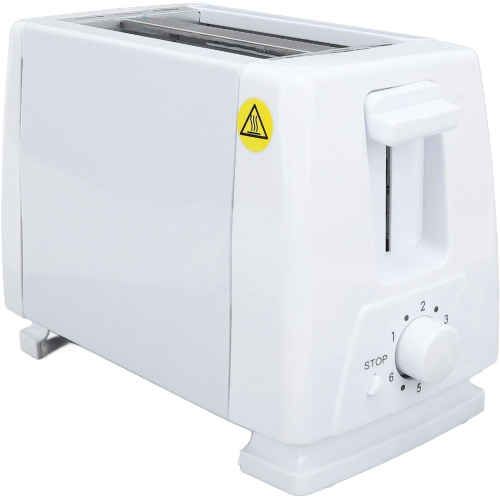
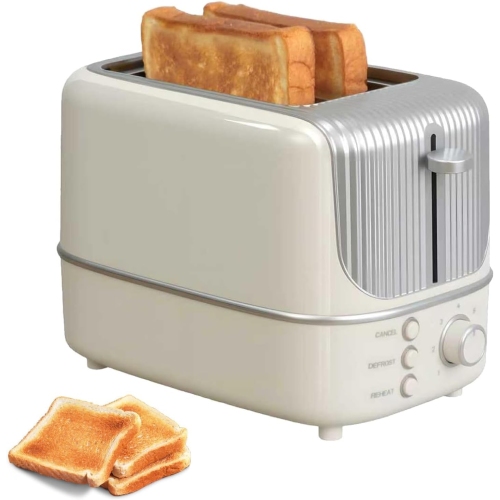
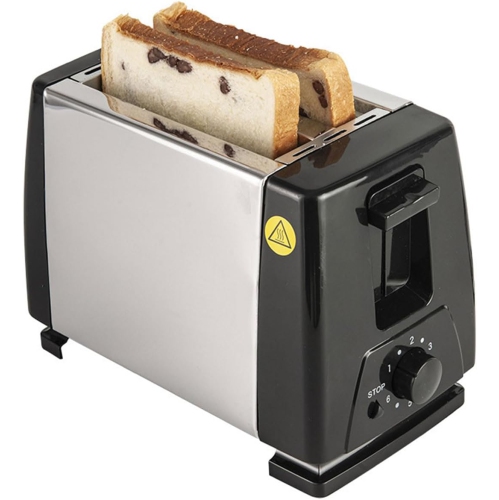
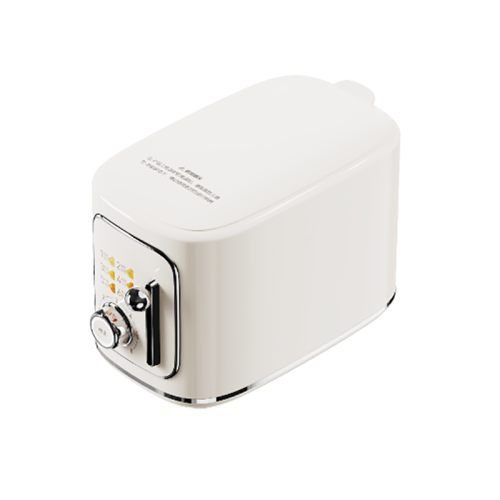
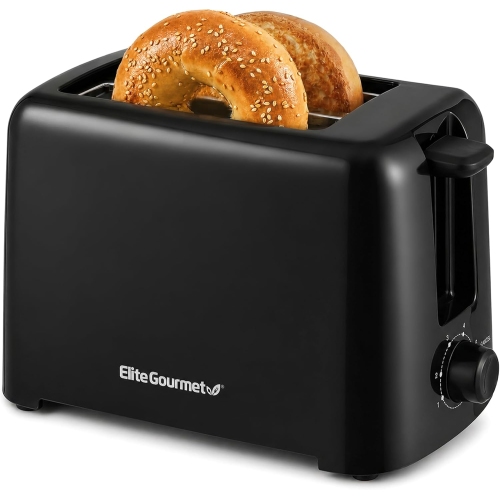
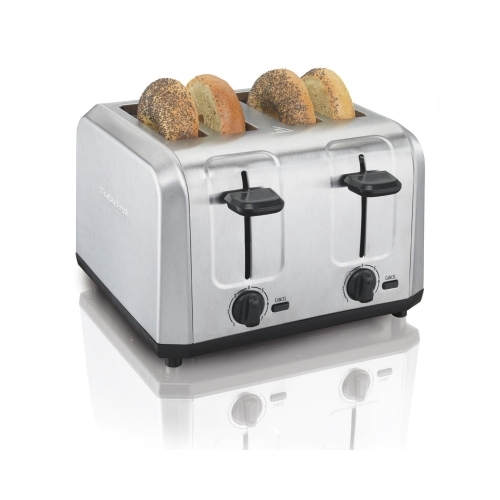
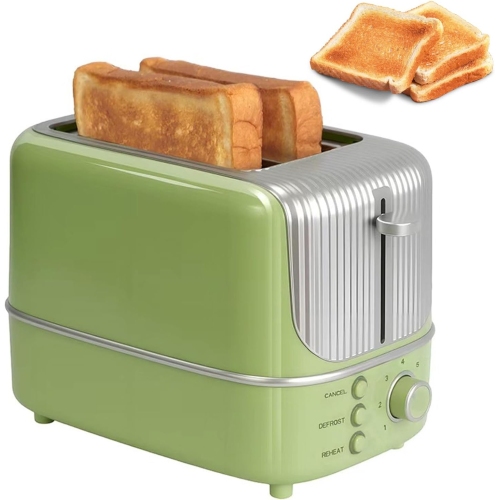
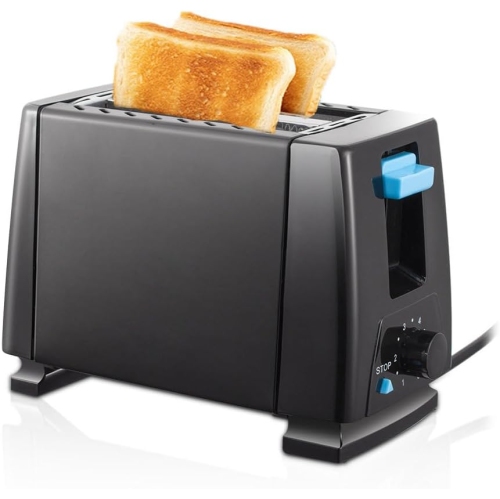
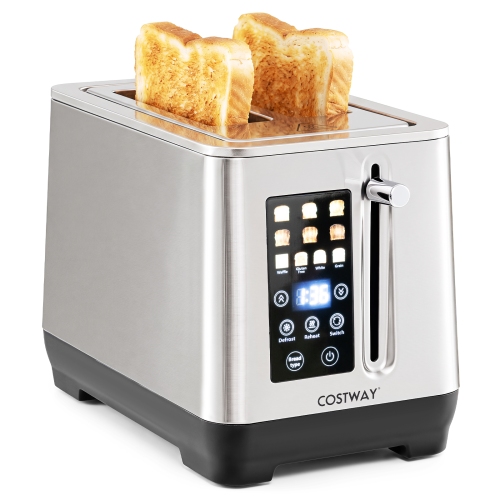
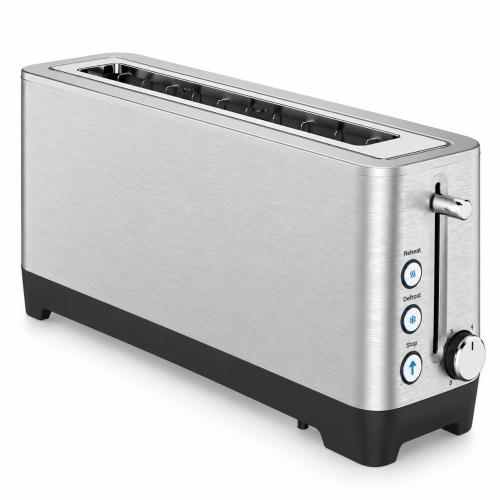
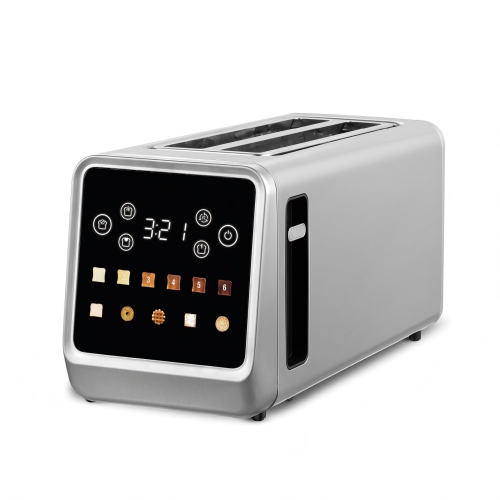
Why toaster safety goes beyond automatic shut-off
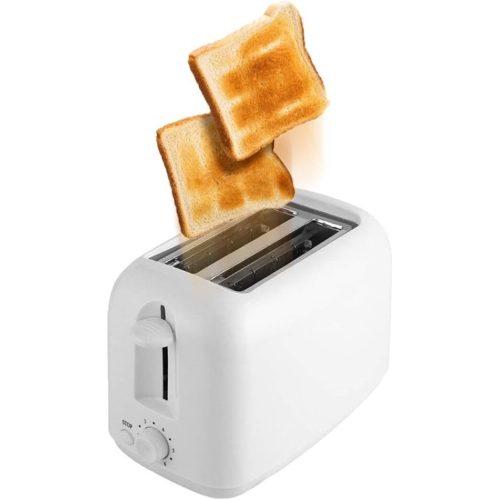
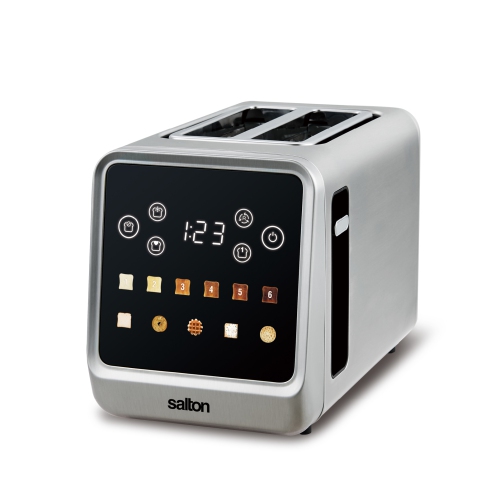
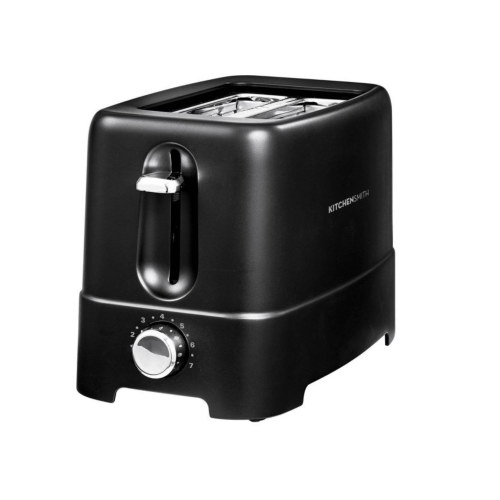
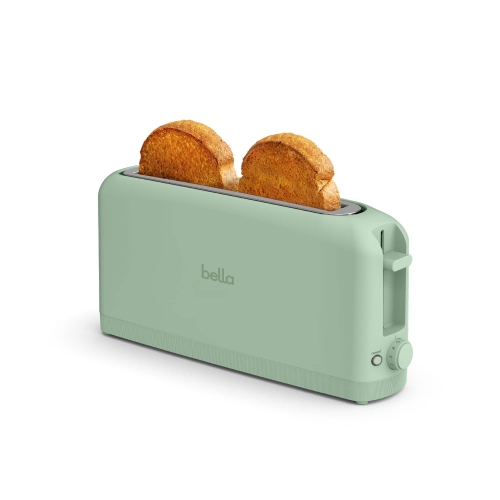
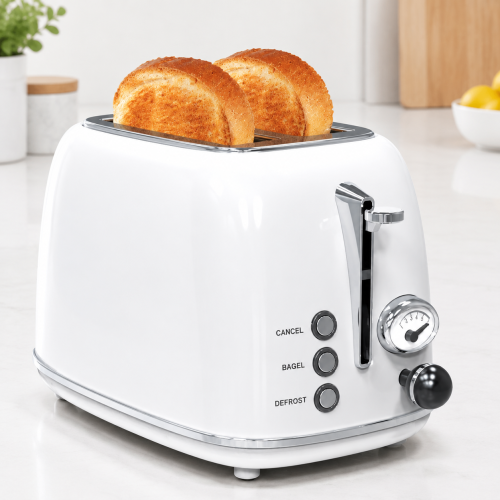
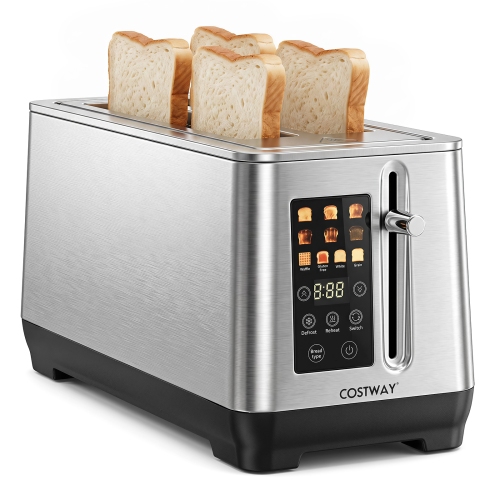
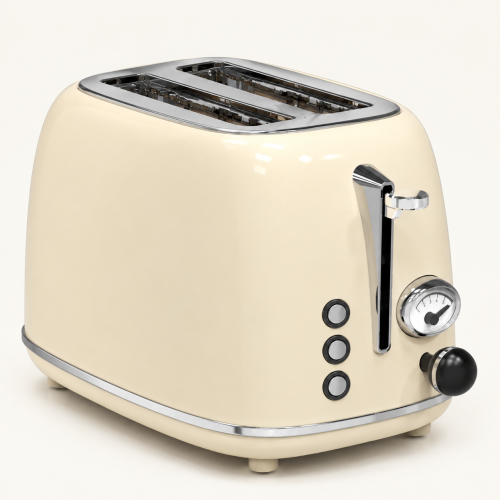
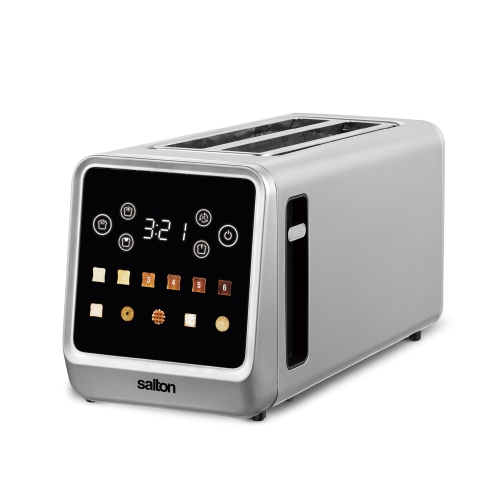
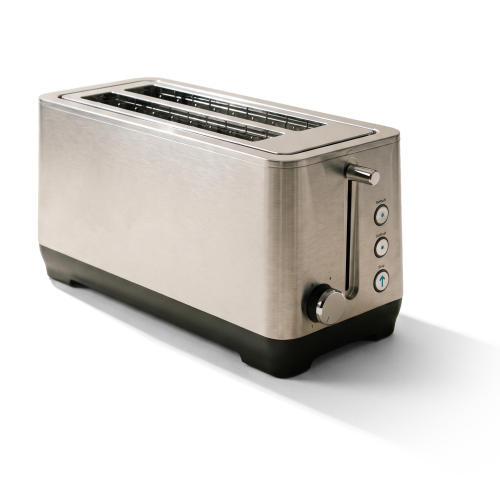
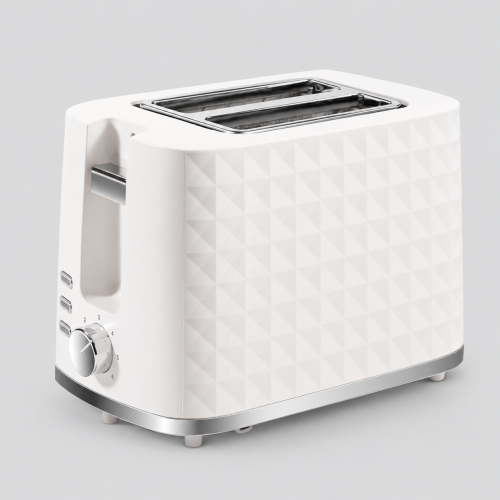
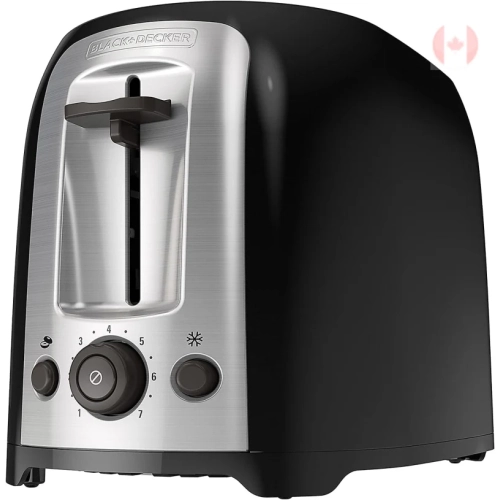
Safe toasters combine everyday convenience with features that help reduce common risks, including overheated bread, jammed slices, and accidental contact with hot surfaces. These features work alongside sensible placement, regular cleaning, and use that follows the manufacturer’s directions. Automatic shut-off is an important consideration, but the term can describe different functions: ending a normal toasting cycle is not necessarily the same as detecting a jam or responding to excessive heat. Clearly documented protection is more useful than a broad safety claim. A readily accessible cancel button also gives someone a quick way to stop a cycle when a thin slice browns faster than expected. High-lift levers raise smaller pieces closer to the top of the slots, making an English muffin or a short slice of bread easier to retrieve without reaching towards the heating elements. They do not make the slots safe to touch, and stuck food calls for switching off, unplugging, and allowing the appliance to cool before following the manufacturer’s removal instructions. Wide slots can accommodate thicker bread, while self-centring guides help hold slices upright and at a more consistent distance from the elements. The bread still needs to fit freely; an oversized bagel forced into a narrow opening can catch as the mechanism rises. Browning controls with clear markings make everyday results easier to repeat, particularly in a household where one person prefers lightly toasted sandwich bread and another likes a darker slice. A visible operating indicator can help make the appliance’s status apparent, although an unlit indicator does not mean every surface has cooled. For use in Canada, a recognized Canadian electrical certification mark provides another meaningful detail to check on the appliance itself. Certification addresses applicable safety requirements, rather than guaranteeing that misuse cannot cause injury. Together, practical controls, appropriate electrical certification, and clearly described protective functions provide a stronger basis for choosing a toaster than appearance or a safety-sounding label alone.
Materials matter, but a stainless steel exterior does not, by itself, establish that a toaster is safer or free from a particular coating. The outer housing, bread guides, crumb tray, and internal components can use different materials, so information about one surface should not be assumed to describe the entire appliance. Stainless steel is valued for its sturdy feel and straightforward cleaning, while other housings may offer different finishes or insulation. Metal surfaces can become hot during operation. A cool-touch housing is intended to reduce heat transfer to accessible exterior areas, but the slot openings and nearby components may still cause burns. That distinction matters in a busy kitchen where someone might reach past the toaster for a mug or brush against its side while preparing breakfast. For shoppers concerned about PFAS or PTFE coatings, explicit manufacturer information about the relevant internal and food-contact surfaces is more useful than an assumption based on an all-metal appearance. An uncoated surface and a coated surface are not interchangeable descriptions, and the absence of a particular coating does not establish overall fire or burn safety. Care and construction are equally important to long-term use. A removable crumb tray makes routine cleaning easier, especially when sesame seeds, loose crumbs, and small bread fragments collect beneath the slots. The tray should slide out without excessive force and fit securely when replaced. Cleaning belongs to an unplugged, fully cooled appliance, with the method and frequency set out in its care instructions. A soft, lightly dampened cloth is often suitable for the exterior, while immersion and dishwasher cleaning are inappropriate unless the manufacturer specifically permits them for a removable part. Abrasive tools can damage finishes or internal components. Stable feet, a lever that moves smoothly, securely fitted controls, and an undamaged cord all contribute to dependable daily handling. A damaged plug, frayed cord, sticking mechanism, or repeated failure to release bread is a reason to stop using the toaster and seek appropriate service rather than continue operating it.
The right fit includes the counter as well as the bread. A compact two-slice toaster can suit a smaller kitchen or someone preparing breakfast for one, while a four-slice design can reduce repeated batches in a shared household. Long-slot formats may accommodate some longer slices, although the stated slot dimensions remain more informative than the overall size of the housing. Space around the appliance matters too: a toaster needs a stable, level, heat-resistant surface and the clearances specified by its manufacturer, away from sinks, curtains, paper towels, and other combustible materials. An open section of counter is preferable to operating beneath a low shelf or inside an appliance cupboard that does not provide the required clearance. A suitable wall outlet within reach helps keep the cord away from the counter edge and hot surfaces without relying on an extension cord or power bar. Storage features are useful only when they support proper operation; excess cord should be arranged as directed, and the appliance needs to cool before being put away. Intended use also shapes the choice. Plain bread, bagels, and English muffins have different thicknesses and textures, while buttered bread, leaking fillings, and foods not approved for a pop-up toaster can introduce avoidable problems. Clear controls and an easy-to-grip lever may be especially welcome for someone with limited hand strength or vision, but no feature replaces appropriate supervision where needed. As a housewarming or wedding gift, a toaster is most useful when its capacity, controls, and footprint match the recipient’s routine. Finish can then bring the appliance into the room’s colour scheme: Red Toasters can add a bright accent beside neutral cabinetry or coordinate with other countertop appliances. Colour remains separate from safety performance. A well-suited toaster earns its place through manageable handling, consistent everyday results, accessible cleaning, and protective features that are clearly explained rather than merely implied.
Top selling and popular products
-
 Your price for this item is $34.99
-
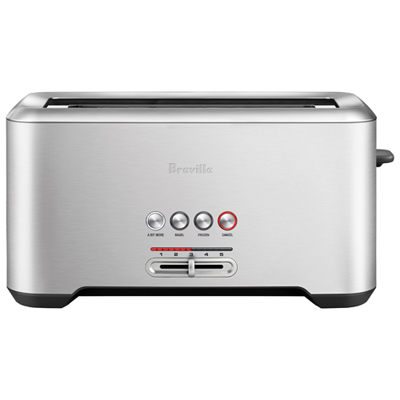 Your price for this item is $159.99
-
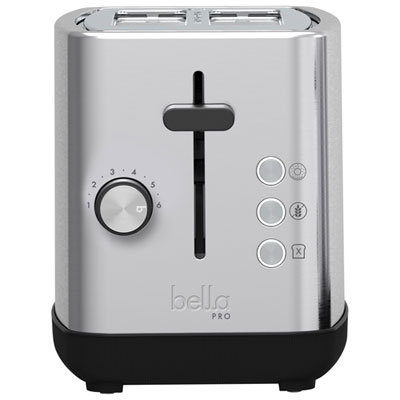 Your price for this item is $109.99
-
 Your price for this item is $122.82
-
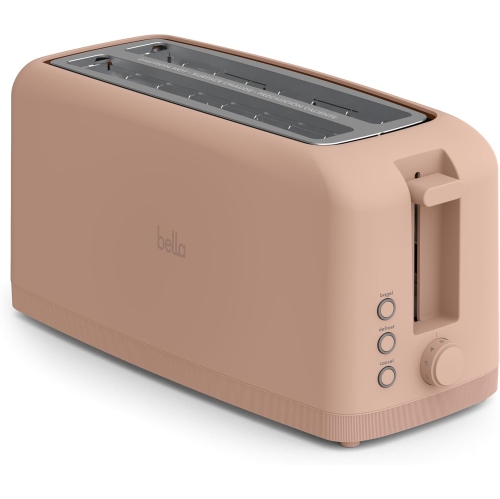 Your price for this item is $104.99
-
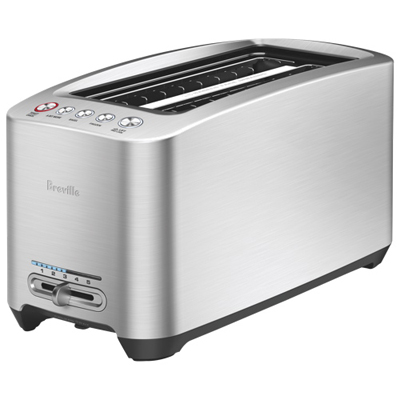 Your price for this item is $179.99
-
 Your price for this item is $209.99
-
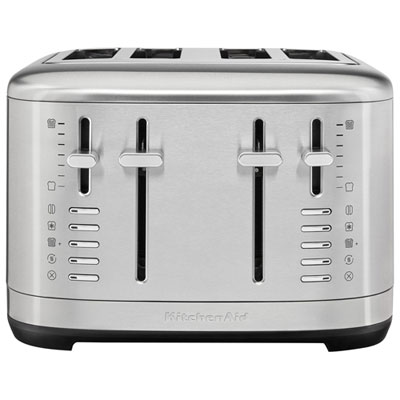 Your price for this item is $219.99
Discover more categories related to Safe Toasters

Top Collections:
Best Black Friday Deals This Year, Best Black Friday Deals On Electronics, Kindle Devices, Pokemon Centers, Best Black Friday Deals On Apple Products, Best Cameras for Sports Photography, Dyson Airwrap, Pokémon 30th Celebration Cards, Apple iPhone 17 Pro, Canon G7X Cameras
Some products may be subject to Environmental Handling Fees
(EHF) depending on your province.
Learn more about EHFs.