Samsung Duo Ovens
If you’re looking for a powerful, yet efficient oven that can handle all of your cooking needs. These Samsung Duo Ovens are the ideal choice. This oven is designed with two separate cooking compartments, allowing you to cook different dishes at the same time without transferring flavors or odors. Here are some great options available.
Sort
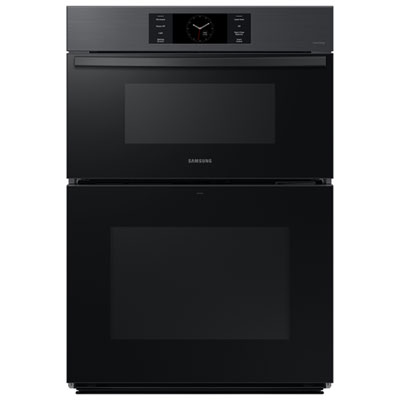
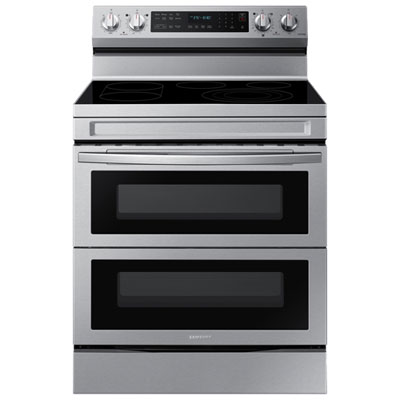
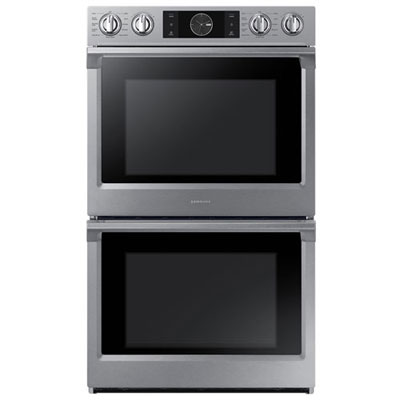
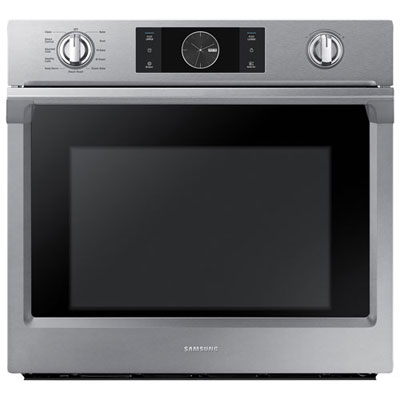
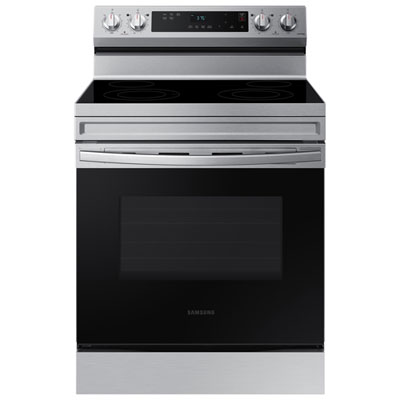
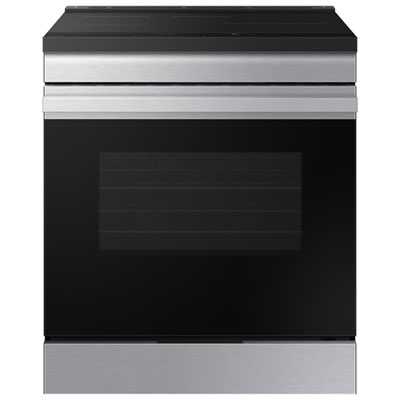
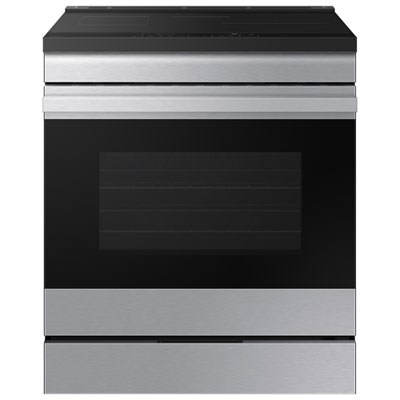
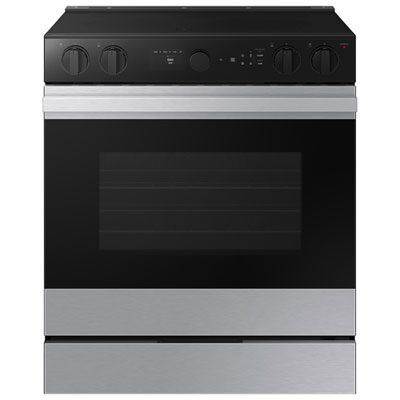
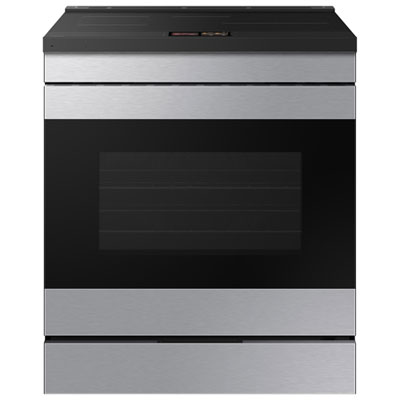
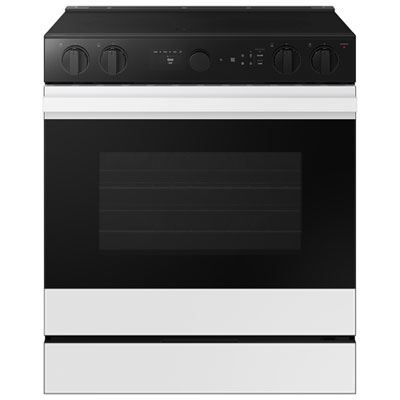
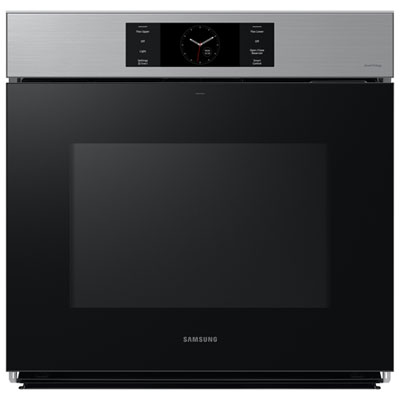
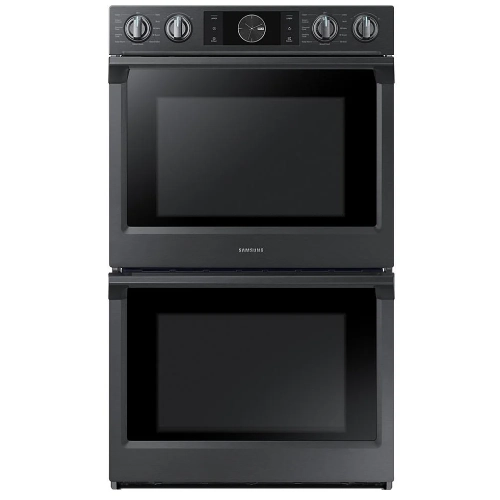
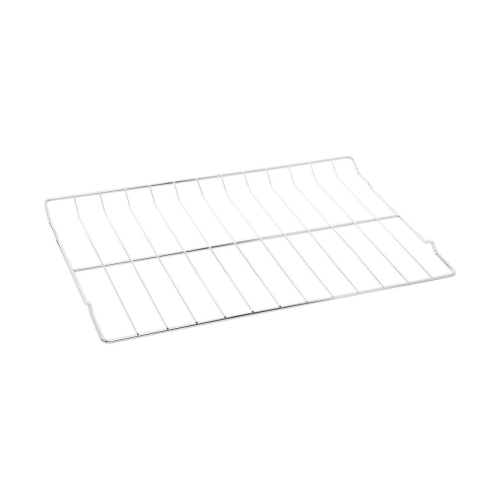
Two cooking zones when dinner needs different temperatures
Duo ovens bring flexible cooking space to kitchens where one meal can involve several dishes with different needs. Their defining feature is a removable divider that allows a single oven cavity to function as separate upper and lower cooking zones. With the divider installed, compatible ovens can run the two zones at different temperatures and use separate timers, making it easier to prepare a main dish and a side together. A tray of roasted vegetables can cook above a casserole, for example, without both dishes having to share the same temperature setting. The permitted temperature difference, cooking modes, and usable space in each zone depend on the oven, so split cooking works best when the recipes fall within those limits. Removing the divider restores the full cavity for a large roasting pan, a tall covered pot, or baking that needs more vertical clearance. This makes the format distinct from a conventional double oven, which has two permanently separate cavities. Dual convection supports this flexibility by circulating heated air through the cooking spaces, helping maintain more consistent cooking conditions around food when pans are positioned correctly. It does not remove the need to leave room for airflow or check food for doneness, especially when loading several trays. For households that alternate between smaller dinners and larger gatherings, the appeal is having two ways to use the same appliance rather than committing all cooking tasks to one layout. A smaller active zone may also suit a modest portion without requiring the entire cavity to be heated, where single-zone operation is supported. Couples, families, and people who prepare meals in batches can each benefit from that adaptability. The most useful capacity is not simply the largest stated volume: it is the space that accommodates the cookware and portions used regularly. A wide baking sheet, deep lasagne dish, or covered roaster should fit comfortably in the intended configuration, with enough clearance above and around it for safe handling and effective heat circulation.
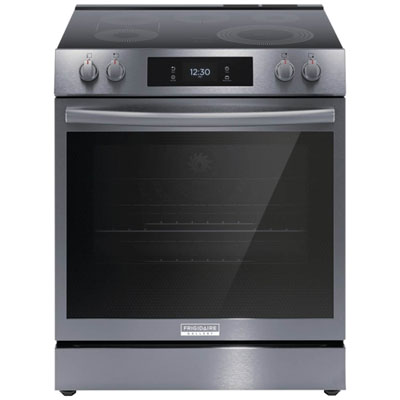
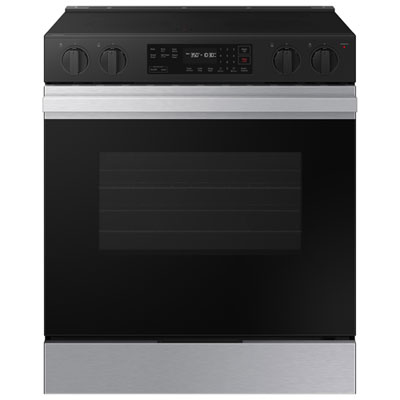
The installation format matters just as much as the divided cooking space. A range combines an oven and cooktop in one appliance, while a built-in wall oven fits into cabinetry and works with a separate cooktop. Within the range category, gas, radiant electric, and induction cooking surfaces offer different experiences, and the cooktop fuel does not by itself establish how the oven is heated. Induction cooking requires compatible magnetic cookware; gas cooking requires an appropriate gas connection; and electrical requirements vary by appliance. A divider-based oven should also not be confused with a dual-fuel range, a term that generally describes a gas cooktop paired with an electric oven. Fit involves more than matching the stated appliance width. Cabinet opening dimensions, depth, required clearances, electrical or gas connection locations, and room for the door to open all affect installation. An oven door that clears the cabinetry but crowds an island can still make it awkward to lift out a heavy roasting pan. For a wall installation, the mounting height should make both cooking zones comfortable to reach, particularly when removing hot dishes from the upper rack. For a range, the relationship between the cooking surface, surrounding counters, and ventilation needs attention as well. Professional installation can help address the required connections, anchoring, and clearances specified by the manufacturer. Inside the oven, rack positions and rack design influence everyday usability. A smooth-gliding rack can make a loaded pan easier to manage, while clear interior lighting helps reveal browning without opening the door repeatedly. Door arrangements also vary: some designs provide access to an upper section without opening the entire oven, but that feature should not be assumed across the category. Households comparing a convertible cavity with permanently separate cooking spaces can also explore Bosch Double Ovens. The practical distinction is whether the priority is one large cavity that can be divided or two fixed cavities, with the cooking space and installation requirements that each arrangement entails.
Everyday satisfaction also comes down to controls, cooking functions, materials, and upkeep. A clear display should make it easy to see which zone is active, adjust its settings, and distinguish one timer from the other. Connected features, where included, can support checking cooking status, receiving notifications, or controlling certain functions through a compatible app over Wi-Fi. Remote preheating and other controls depend on the appliance’s capabilities and safety requirements, and connectivity is no substitute for checking that the oven is safe to operate. Additional modes such as air frying may broaden what the oven can do, but their operation can depend on whether the divider is installed. Air frying uses moving hot air to brown and crisp food; a suitable tray, space between pieces, and the recommended rack position help prevent a crowded batch from cooking unevenly. For baking, convection settings may require adjustments to recipe temperature or timing, following the appliance manual and the recipe’s guidance. These details matter when moving between delicate biscuits, bubbling pasta bakes, and thick cuts of meat. On the exterior, stainless steel and coated finishes offer different appearances and cleaning needs. Fingerprint-resistant finishes can reduce visible handling marks, but they still need gentle cleaning with suitable products rather than abrasive pads. Inside, coated cavity surfaces, racks, door glass, and the removable divider each have their own care requirements. Spills are easier to manage once the appliance has cooled and before residue is baked on repeatedly, while door seals need careful treatment to preserve a proper closure. Steam-cleaning or self-cleaning functions, where provided, have specific preparation steps; racks and the divider may need to be removed first. A safe, dry storage spot for the divider keeps it out of the way when the full cavity is in use. Durable everyday performance depends on correct installation, unobstructed vents, sensible loading, and regular care as well as construction. An oven that fits familiar pans, offers accessible controls, and supports the household’s usual cooking routine is more likely to make its flexible layout genuinely useful.
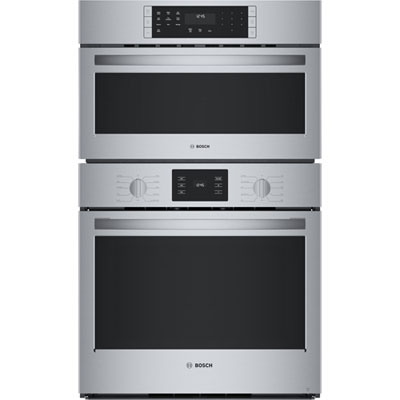
The installation format matters just as much as the divided cooking space. A range combines an oven and cooktop in one appliance, while a built-in wall oven fits into cabinetry and works with a separate cooktop. Within the range category, gas, radiant electric, and induction cooking surfaces offer different experiences, and the cooktop fuel does not by itself establish how the oven is heated. Induction cooking requires compatible magnetic cookware; gas cooking requires an appropriate gas connection; and electrical requirements vary by appliance. A divider-based oven should also not be confused with a dual-fuel range, a term that generally describes a gas cooktop paired with an electric oven. Fit involves more than matching the stated appliance width. Cabinet opening dimensions, depth, required clearances, electrical or gas connection locations, and room for the door to open all affect installation. An oven door that clears the cabinetry but crowds an island can still make it awkward to lift out a heavy roasting pan. For a wall installation, the mounting height should make both cooking zones comfortable to reach, particularly when removing hot dishes from the upper rack. For a range, the relationship between the cooking surface, surrounding counters, and ventilation needs attention as well. Professional installation can help address the required connections, anchoring, and clearances specified by the manufacturer. Inside the oven, rack positions and rack design influence everyday usability. A smooth-gliding rack can make a loaded pan easier to manage, while clear interior lighting helps reveal browning without opening the door repeatedly. Door arrangements also vary: some designs provide access to an upper section without opening the entire oven, but that feature should not be assumed across the category. Households comparing a convertible cavity with permanently separate cooking spaces can also explore Bosch Double Ovens. The practical distinction is whether the priority is one large cavity that can be divided or two fixed cavities, with the cooking space and installation requirements that each arrangement entails.
Everyday satisfaction also comes down to controls, cooking functions, materials, and upkeep. A clear display should make it easy to see which zone is active, adjust its settings, and distinguish one timer from the other. Connected features, where included, can support checking cooking status, receiving notifications, or controlling certain functions through a compatible app over Wi-Fi. Remote preheating and other controls depend on the appliance’s capabilities and safety requirements, and connectivity is no substitute for checking that the oven is safe to operate. Additional modes such as air frying may broaden what the oven can do, but their operation can depend on whether the divider is installed. Air frying uses moving hot air to brown and crisp food; a suitable tray, space between pieces, and the recommended rack position help prevent a crowded batch from cooking unevenly. For baking, convection settings may require adjustments to recipe temperature or timing, following the appliance manual and the recipe’s guidance. These details matter when moving between delicate biscuits, bubbling pasta bakes, and thick cuts of meat. On the exterior, stainless steel and coated finishes offer different appearances and cleaning needs. Fingerprint-resistant finishes can reduce visible handling marks, but they still need gentle cleaning with suitable products rather than abrasive pads. Inside, coated cavity surfaces, racks, door glass, and the removable divider each have their own care requirements. Spills are easier to manage once the appliance has cooled and before residue is baked on repeatedly, while door seals need careful treatment to preserve a proper closure. Steam-cleaning or self-cleaning functions, where provided, have specific preparation steps; racks and the divider may need to be removed first. A safe, dry storage spot for the divider keeps it out of the way when the full cavity is in use. Durable everyday performance depends on correct installation, unobstructed vents, sensible loading, and regular care as well as construction. An oven that fits familiar pans, offers accessible controls, and supports the household’s usual cooking routine is more likely to make its flexible layout genuinely useful.
Top selling and popular products
-
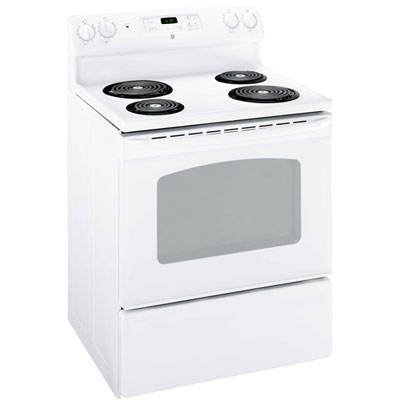 Your price for this item is $849.99
 -
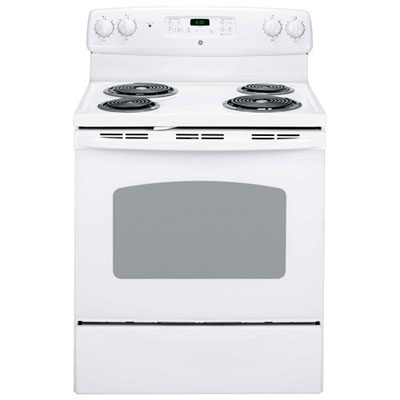 Your price for this item is $899.99
 -
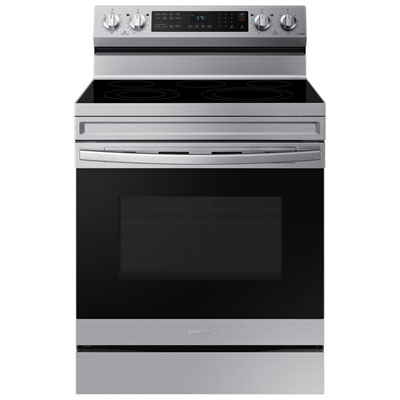 Your price for this item is $1195.99
 -
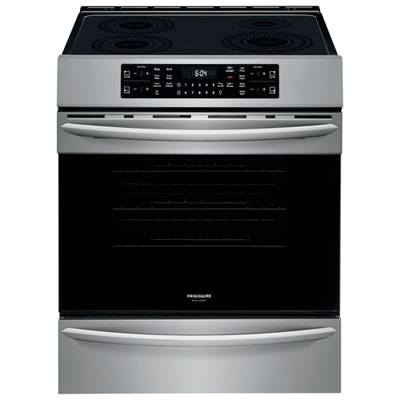 Your price for this item is $1649.97
 -
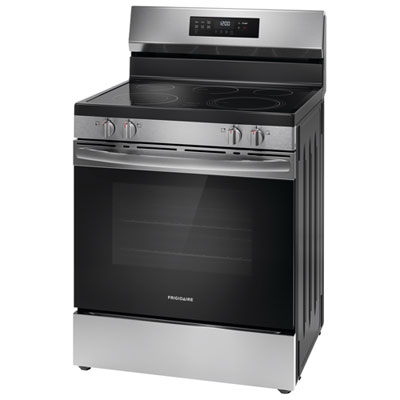 Your price for this item is $999.99
 -
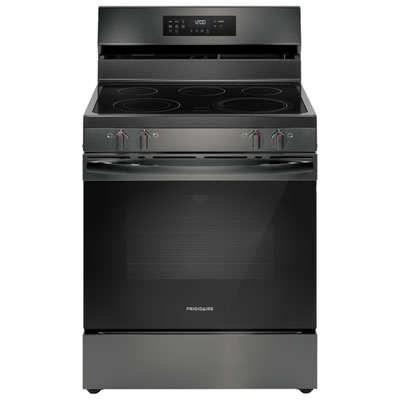 Your price for this item is $1449.99
 -
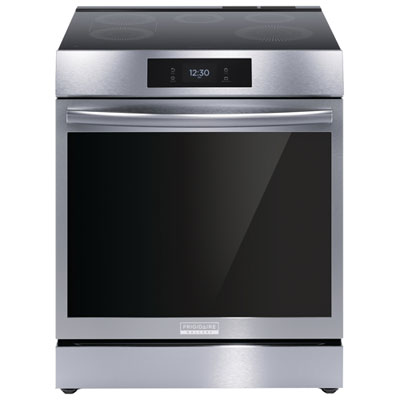 Your price for this item is $1999.99
 -
 Your price for this item is $2049.99
Discover more categories related to Samsung Duo Ovens
Top Collections:
Pokemon Centers, Kindle Devices, Best Budget Office Chairs, Apple iPhones 16, Best Laptops for Writers, iPhone 15 Apple, Canon G7X Cameras, Refurbished Apple Laptops, Alarm Clock, Motorola Razr Phones
Some products may be subject to Environmental Handling Fees
(EHF) depending on your province.
Learn more about EHFs.