Samsung Stainless Fridges
Upgrade your kitchen with the sleek and modern look of samsung stainless fridges. Designed to complement any décor, these refrigerators offer a polished finish that easily fits into both contemporary and classic spaces. Whether you’re storing fresh groceries or preparing for a family gathering, samsung stainless fridges provide reliable performance and style. Explore a variety of sizes and configurations to find the perfect fit for your home and lifestyle.
Sort
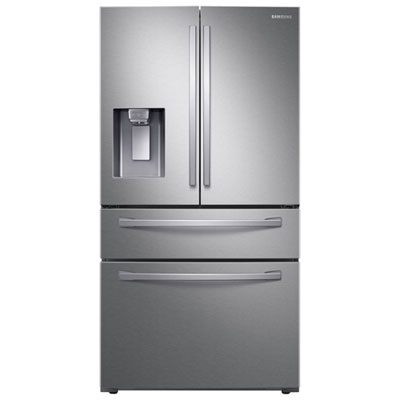
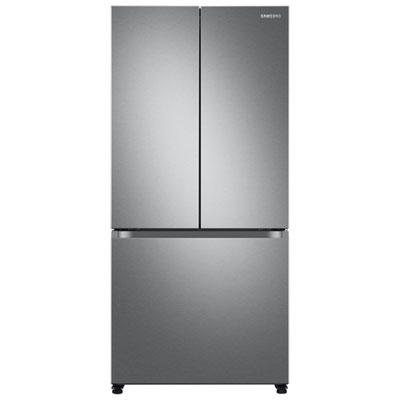
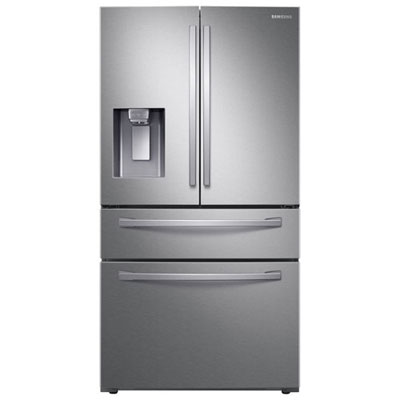
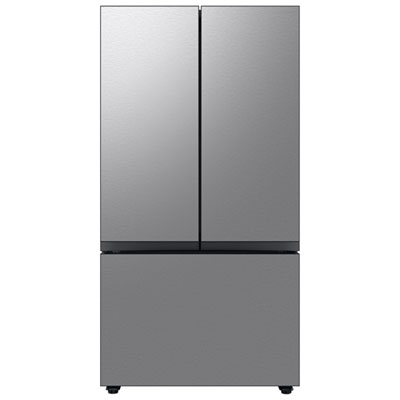

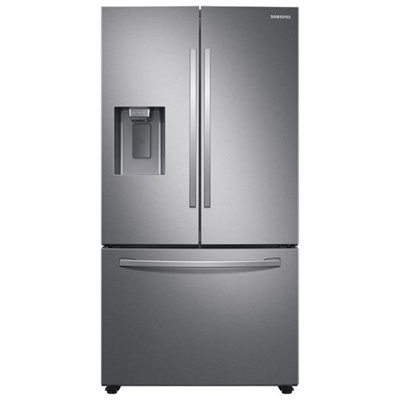
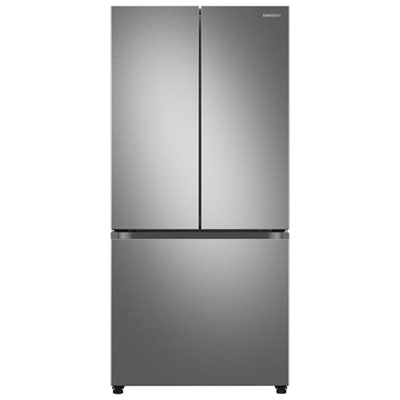

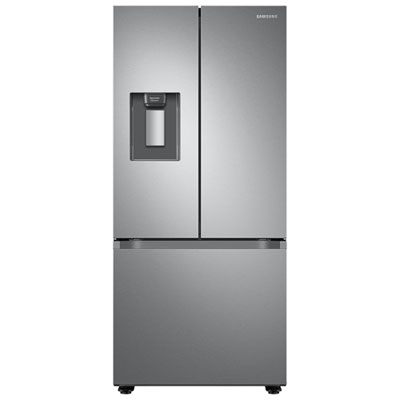
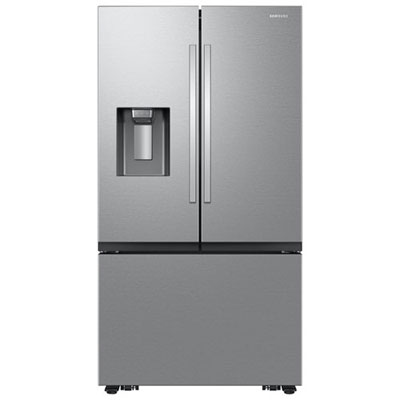
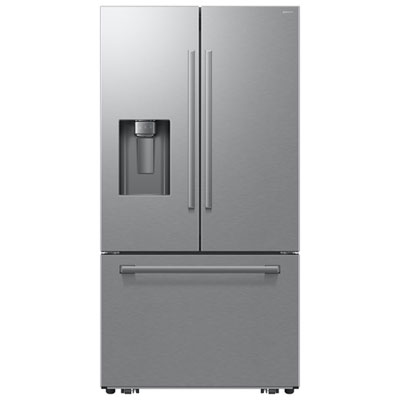
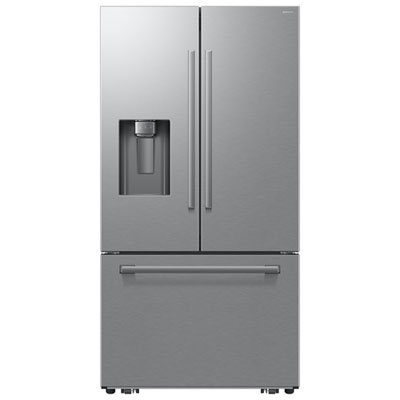
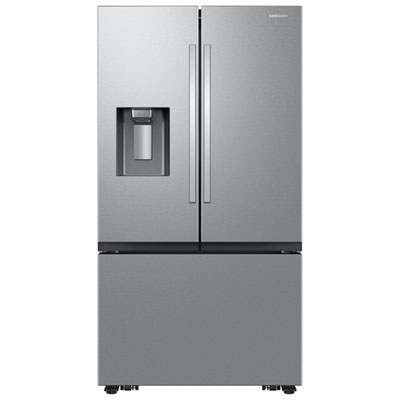
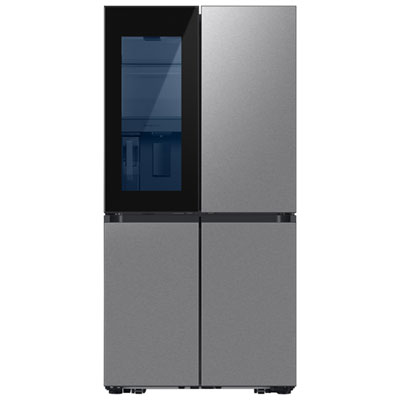
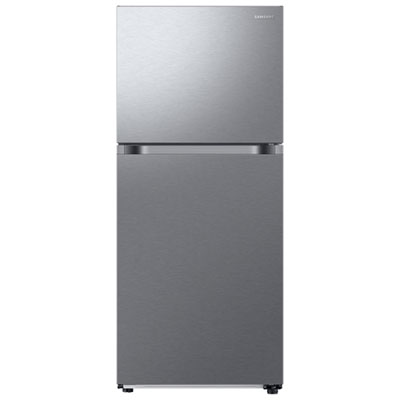
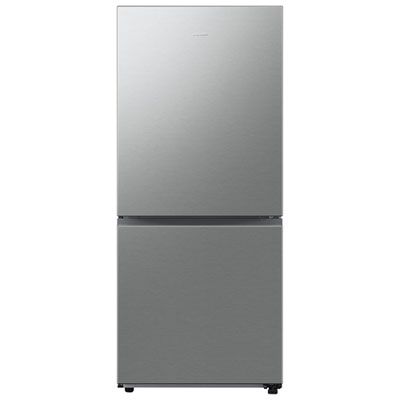
Why fridge layout matters as much as capacity
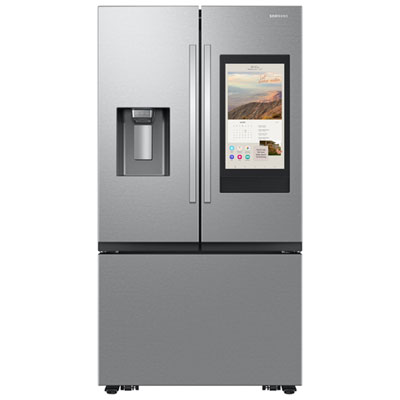
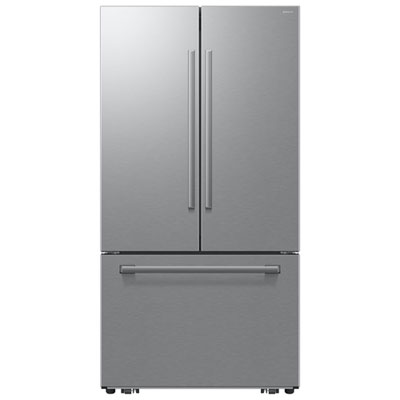
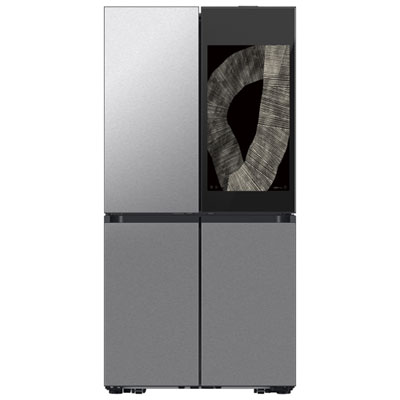
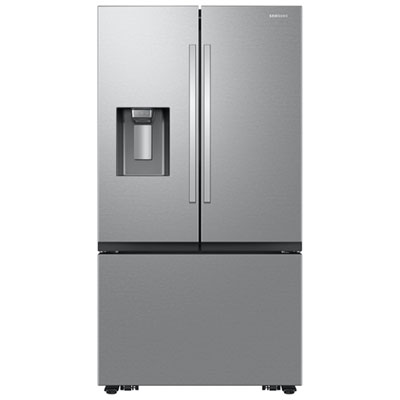
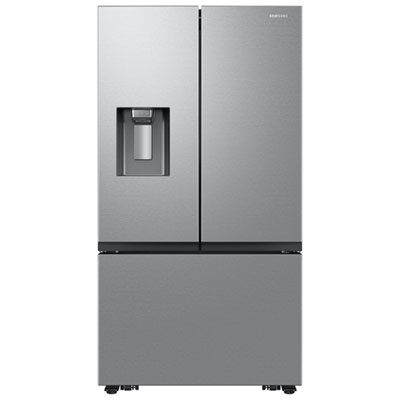
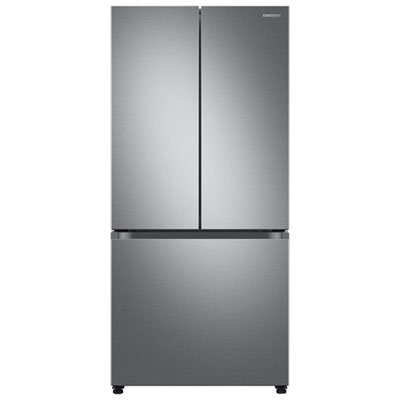
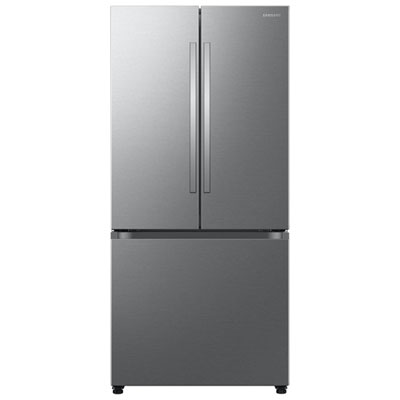
Stainless steel fridges bring a clean, versatile finish to kitchens while keeping fresh and frozen food organized for everyday use. Common configurations include French door, side-by-side and four-door layouts, with counter-depth and standard-depth designs offering different balances of storage space and cabinet alignment. French door fridges place two refrigerator doors above a lower freezer, keeping frequently used ingredients near eye level and creating room for wide serving dishes. Side-by-side layouts divide fresh and frozen storage vertically, which can suit households that want access to both compartments without regularly reaching into a bottom drawer. Four-door designs separate storage into additional compartments; depending on the model, a section may offer adjustable settings for different food-storage needs. The Stainless Steel French Door Refrigerators collection centres on the two-door fresh-food layout, a practical option for everything from breakfast ingredients to a covered platter prepared ahead of a family dinner. Across these configurations, stainless steel exterior panels offer a neutral metallic appearance that works with painted cabinetry, wood finishes, tile and stone countertops. The exact colour, sheen and grain can vary, so neighbouring appliances may not look identical even when their finishes share the same name. Some surfaces have a fingerprint-resistant coating that helps reduce visible handling marks, although they still need regular cleaning. Counter-depth fridges generally have shallower cabinets for a more integrated appearance, but their doors and handles may extend beyond the countertop edge. Standard-depth designs generally project farther into the kitchen and can provide more interior capacity within a similar width. The right fit depends on more than the opening between cabinets: overall height, rear clearance, hinge clearance and the space needed to open doors and drawers all affect daily use. An island opposite the fridge, a wall beside a hinge or a narrow entryway can influence which layout feels comfortable once the appliance is installed.
Interior organization makes a noticeable difference when a fridge serves several people, supports frequent cooking or holds a mix of fresh groceries and prepared meals. Capacity in litres gives a useful starting point, but shelf spacing and compartment shape determine how much of that space suits a particular household. A tall beverage bottle, a stockpot with its lid on and a stack of lunch containers each need a different kind of clearance. Adjustable shelves can help accommodate changing grocery loads, while split or sliding shelves, where included, create room for taller items without giving up an entire shelf. Wide drawers can keep snack containers or deli ingredients together, and produce drawers provide dedicated space for fruit and vegetables. Humidity controls, when fitted, allow those drawers to be adjusted for different types of produce. Door bins are useful for condiments and other items suited to that storage location; removable bins also make it easier to wipe up a spill before it spreads. For households that cook several meals at once, a clear view of leftovers helps keep prepared food in regular rotation rather than hidden behind larger containers. Freezer organization matters just as much. Dividers, baskets and separate drawers can keep bread, frozen vegetables and larger packages from becoming one crowded pile. A lower freezer drawer offers broad storage, while a side-by-side freezer may make smaller packages easier to scan on shelves. Water dispensers and automatic ice makers add convenience on equipped models, but their location can affect usable interior space. Through-the-door access keeps a glass refill simple, whereas an internal dispenser leaves the exterior less interrupted. These features also bring practical requirements, including a suitable water connection, filter replacement and access for routine care. Bright interior lighting, easy-to-read controls and comfortable handles round out the experience, especially in a shared kitchen where different people reach for the same groceries throughout the day.
Long-term satisfaction also depends on how a stainless steel fridge handles ordinary wear and how easily it can be maintained. Stainless steel is durable, but it is not scratch-proof, and a coated finish may require different care from uncoated metal. A soft cloth with a manufacturer-approved cleaning method is generally the safest starting point; abrasive pads, harsh cleaners and vigorous scrubbing can damage the surface or its protective layer. Where a visible grain is present, wiping in its direction can help keep the finish even. Drying the surface after cleaning reduces water marks, particularly around dispenser recesses and handles. Magnets do not adhere equally to every stainless steel door, and decorations or clips can mark some finishes, so exterior storage habits are worth considering before covering the front with notes. Inside, removable shelves and bins simplify cleaning, although glass components should be handled according to the care instructions and protected from sudden temperature changes. Door seals need attention too: crumbs and sticky residue can interfere with a proper close, while overloaded shelves or poorly positioned containers can stop a door from seating fully. Installation details are equally important to dependable use. The appliance needs the ventilation clearances specified for its design, a suitable electrical connection and proper levelling so doors and drawers operate as intended. Delivery access should account for hallway turns, stairways and door openings, not just the final kitchen space. In open-plan homes, the stated sound level and the placement of the fridge can matter alongside its dimensions, since compressor operation, fans and ice production create normal operating sounds. Connected features, where included, may provide alerts or remote controls, but their usefulness depends on the functions supported and the household’s preferences. A well-matched fridge ultimately brings together the right footprint, accessible storage and a finish that suits the kitchen, making everyday tasks—from putting away a full grocery shop to finding ingredients for a quick supper—feel straightforward.
Top selling and popular products
-
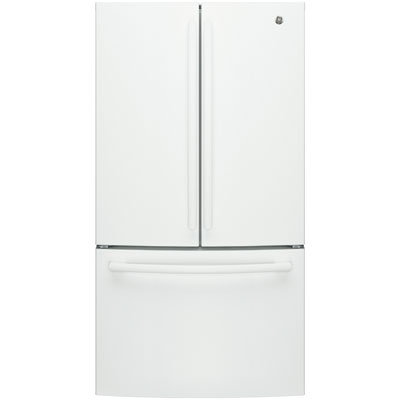 Your price for this item is $1799.99
-
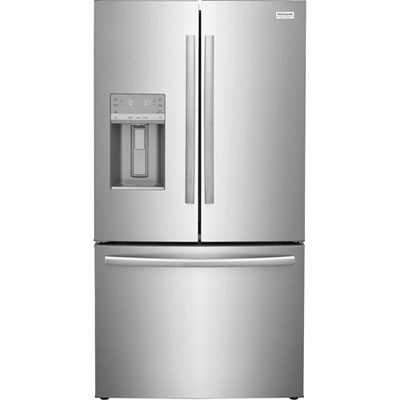 Your price for this item is $2499.99
-
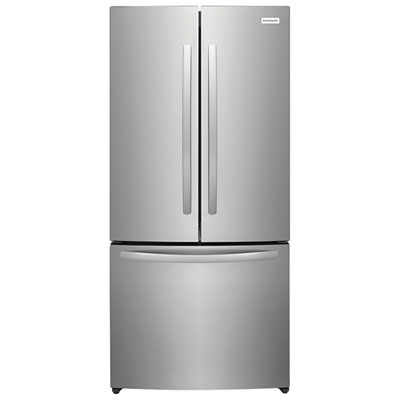 Your price for this item is $1599.99
-
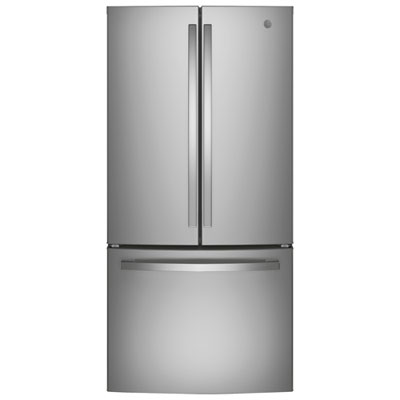 Your price for this item is $1749.99
-
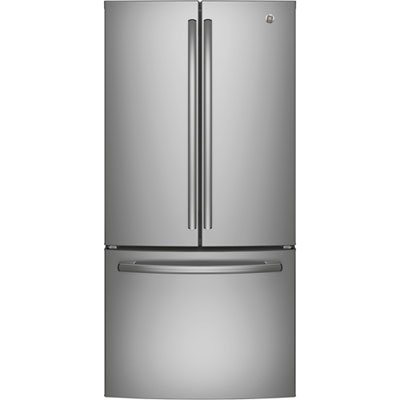 Your price for this item is $1599.99
-
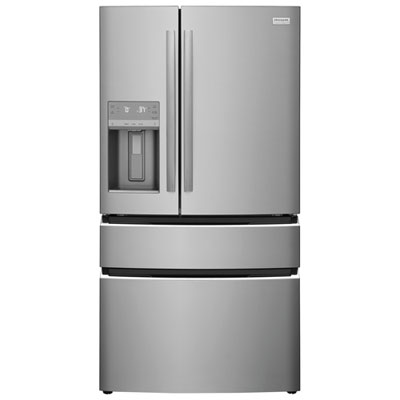 Your price for this item is $2799.99
-
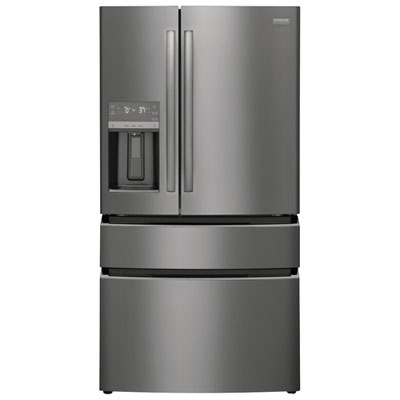 Your price for this item is $2899.99
-
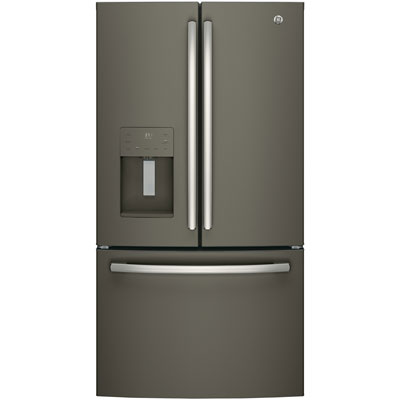 Your price for this item is $2149.99
Discover more categories related to Samsung Stainless Fridges
Top Collections:
Best Black Friday Deals This Year, Best Black Friday Deals On Electronics, Kindle Devices, Pokemon Centers, Best Black Friday Deals On Apple Products, Best Cameras for Sports Photography, Dyson Airwrap, Pokémon 30th Celebration Cards, Apple iPhone 17 Pro, Canon G7X Cameras
Some products may be subject to Environmental Handling Fees
(EHF) depending on your province.
Learn more about EHFs.