Shop top 10 rated coffee makers
Coffee is one of the most popular beverages in the world, and it's no wonder why. It's delicious, it's versatile, and it comes in a wide variety of flavors. But making coffee at home can be a bit of a challenge. Sure, you can buy pre-ground beans, but why not make your own? The process is simple and the results are delicious.
Sort










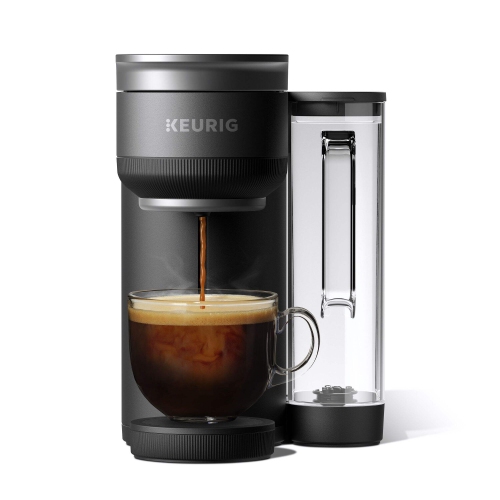
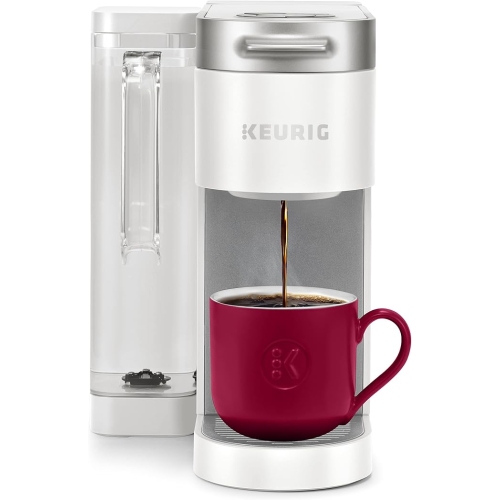


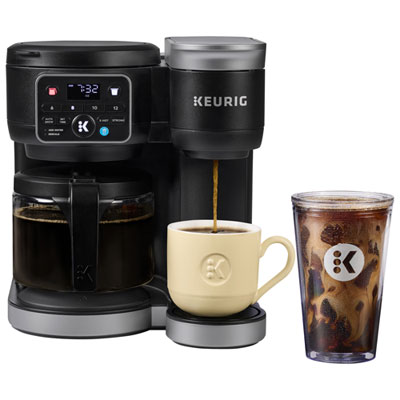


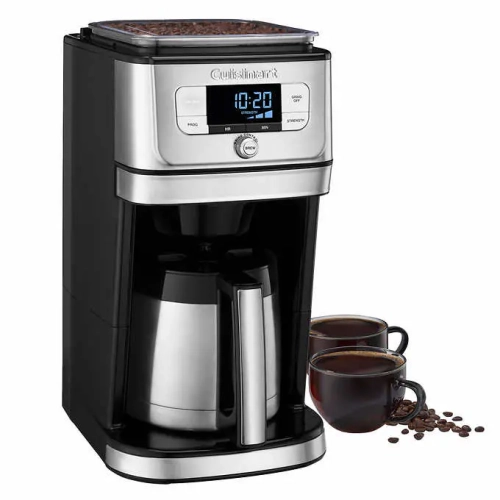














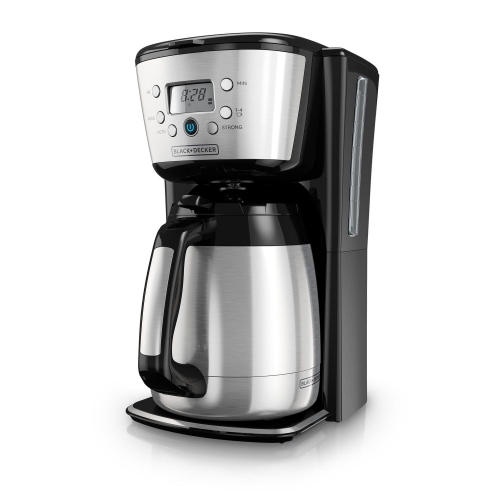
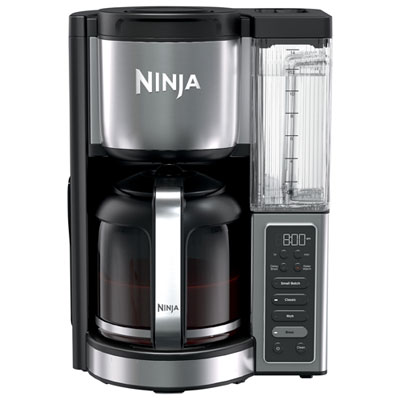

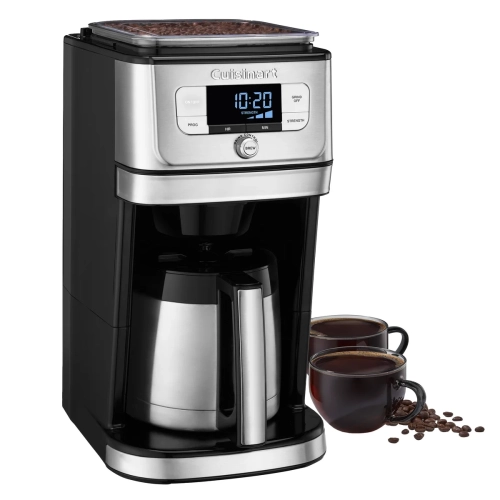

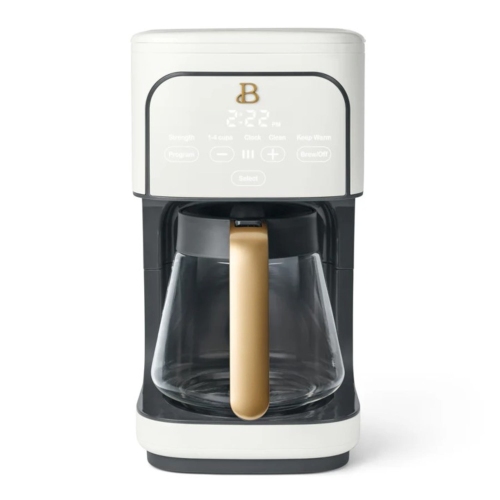




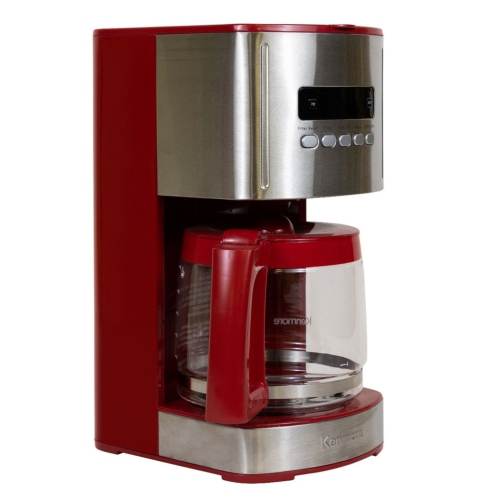
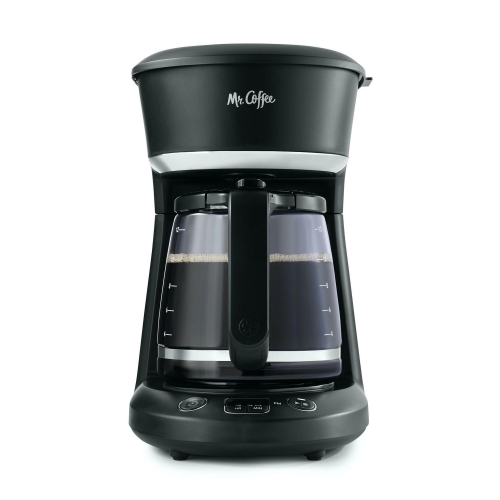
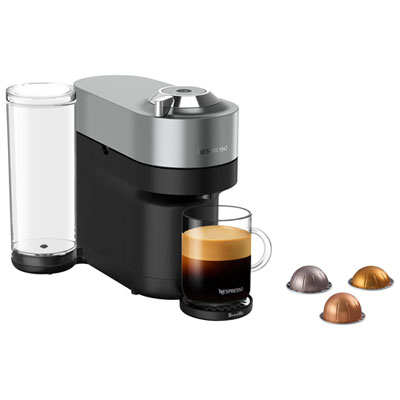

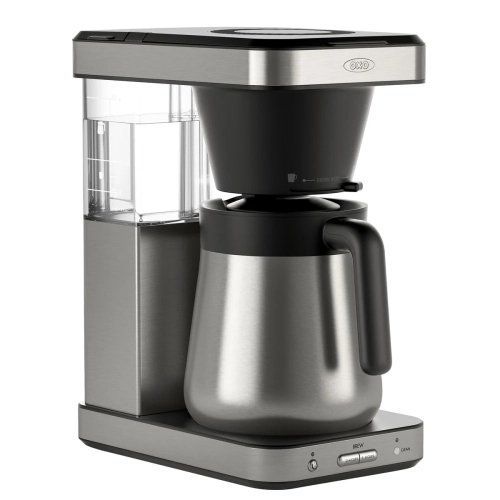

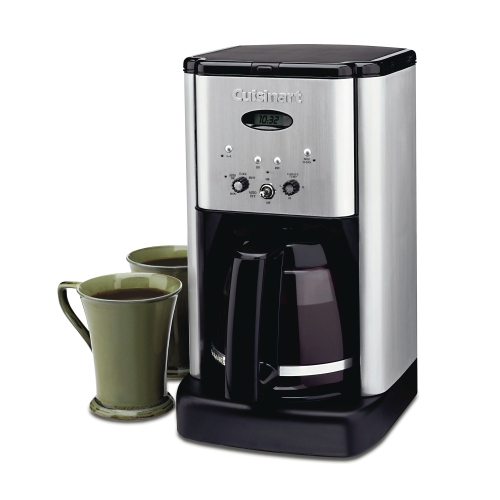
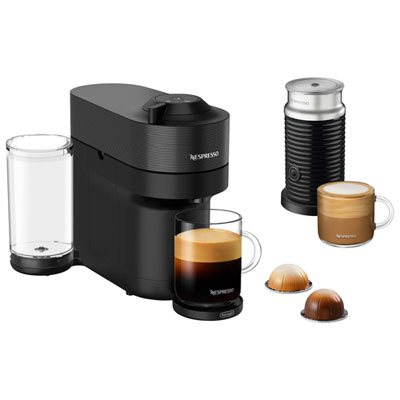


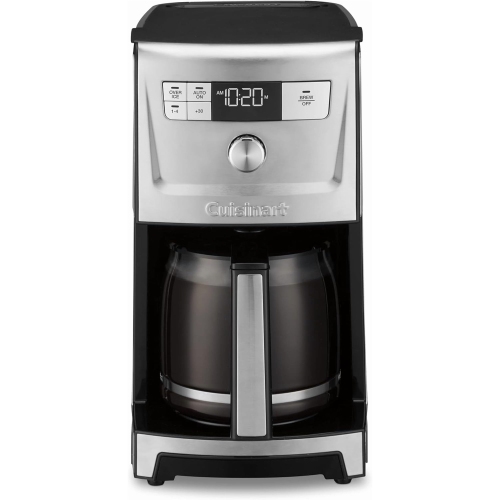
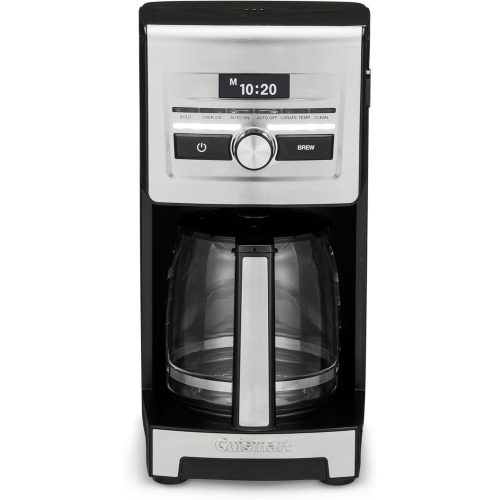

























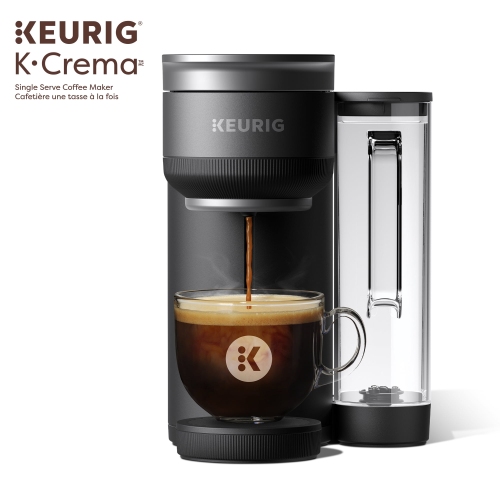

Why brewing habits matter more than star ratings
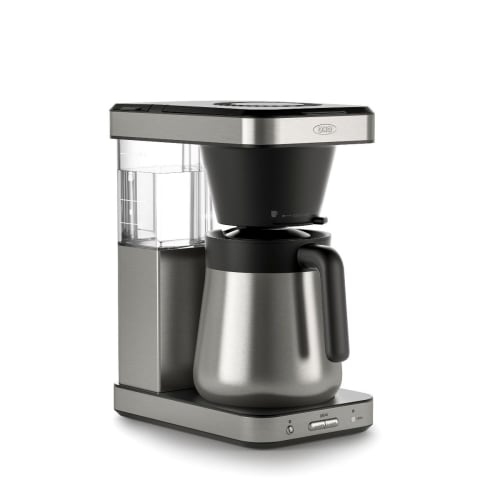
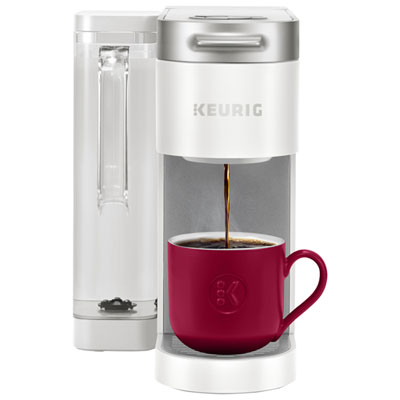
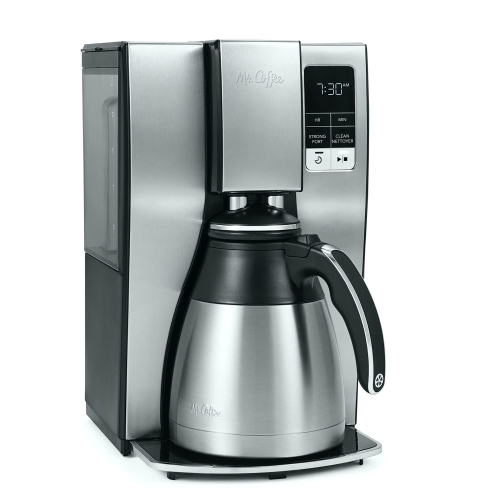
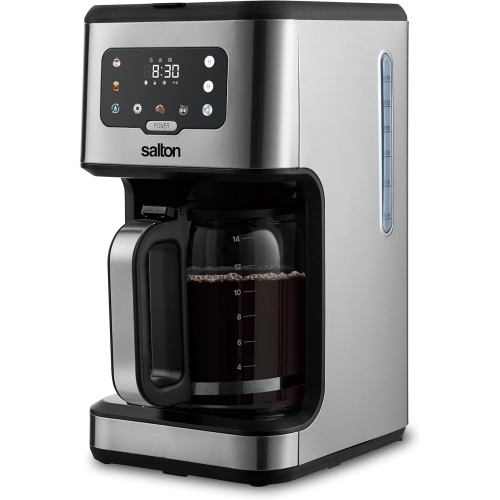
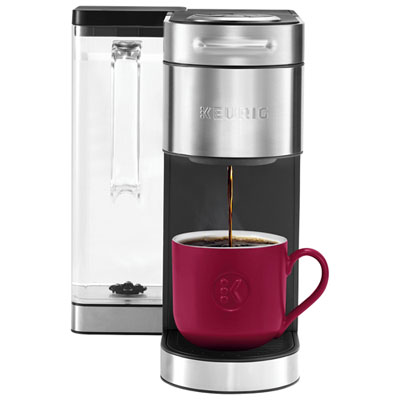
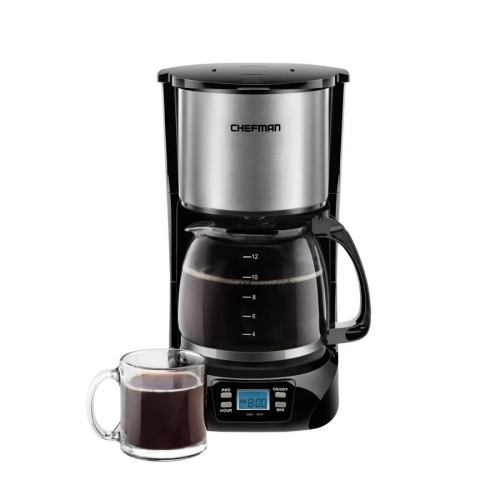
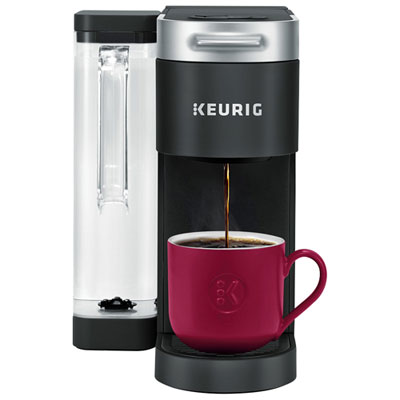
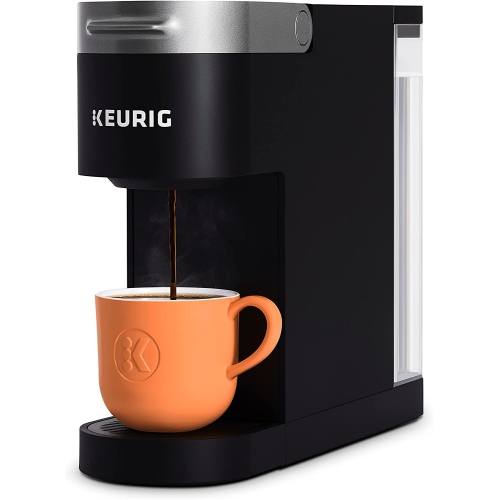
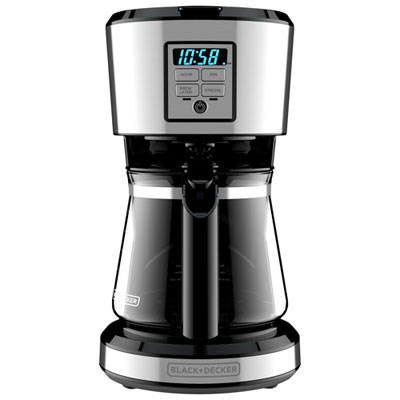
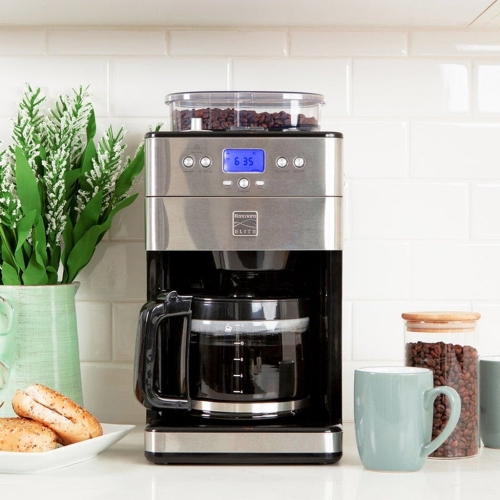
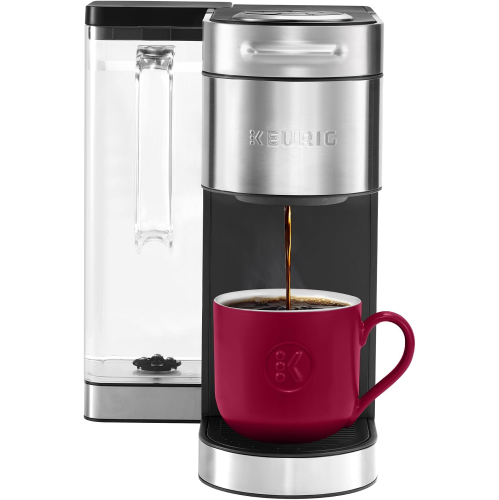
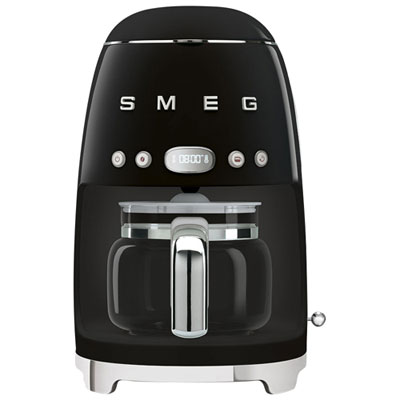
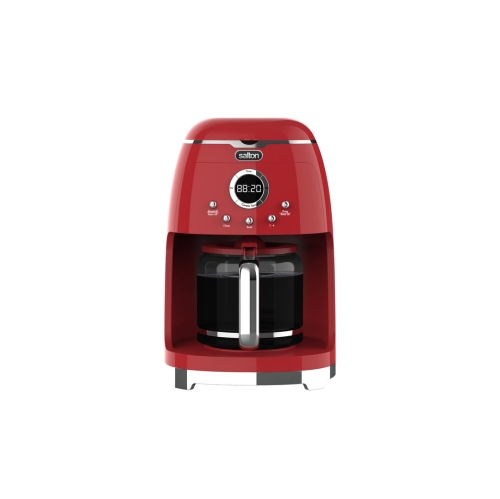
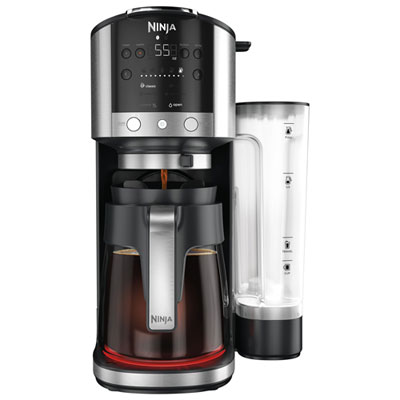
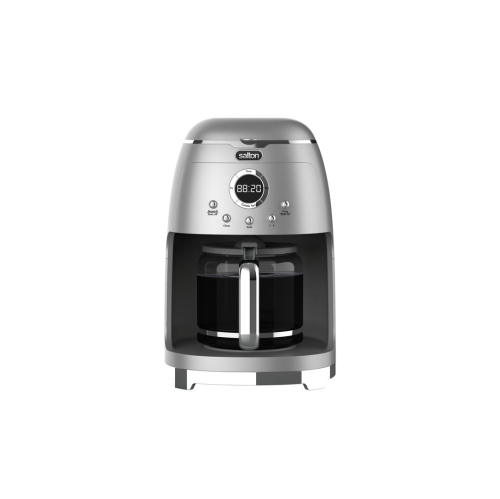
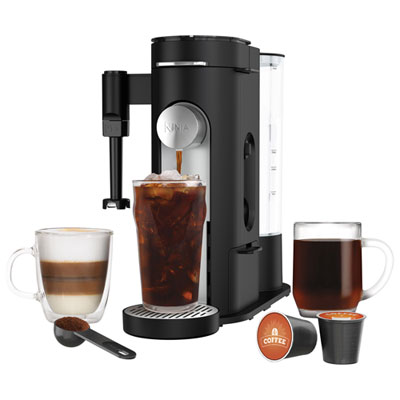
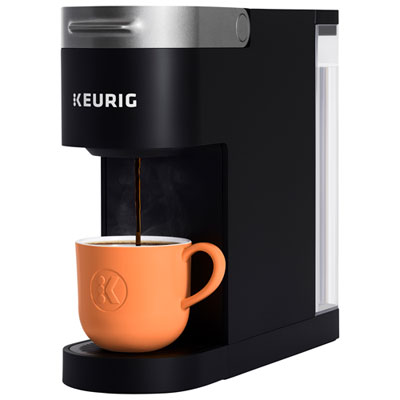
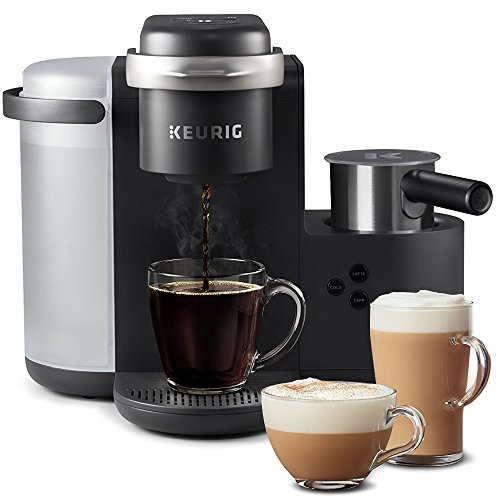
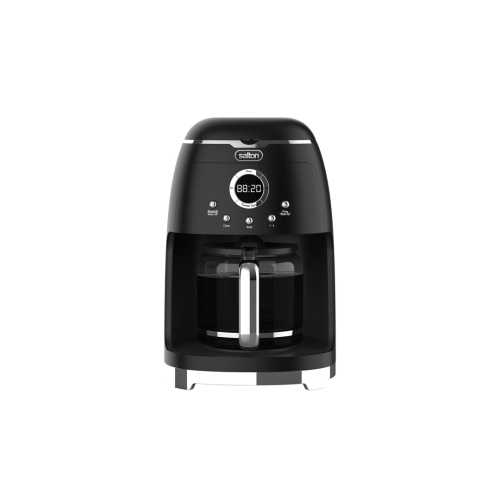
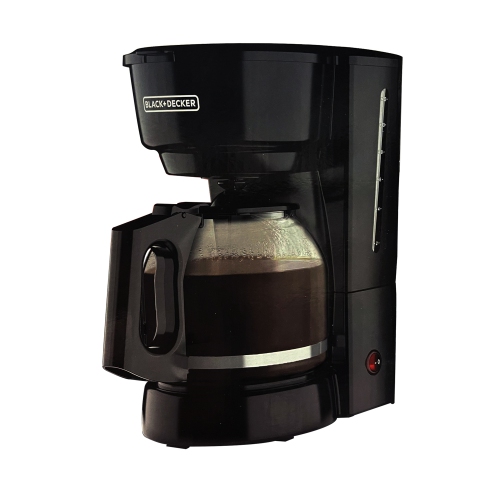
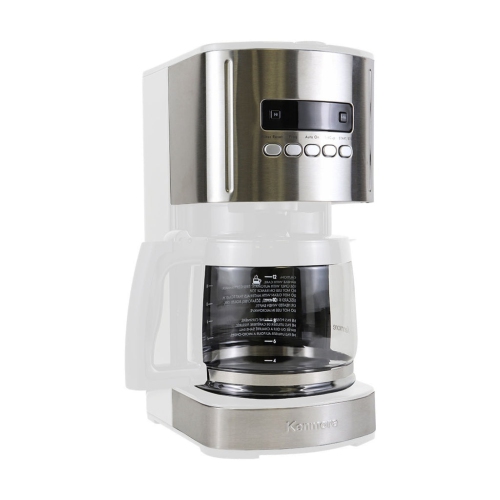
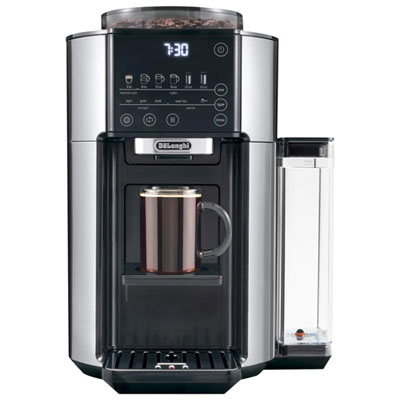
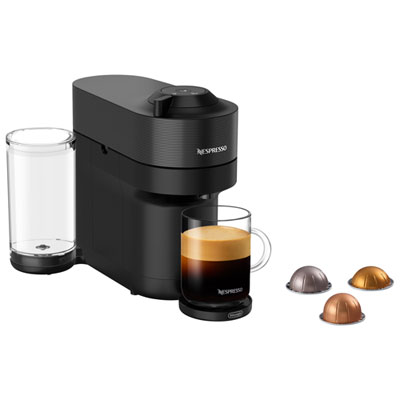
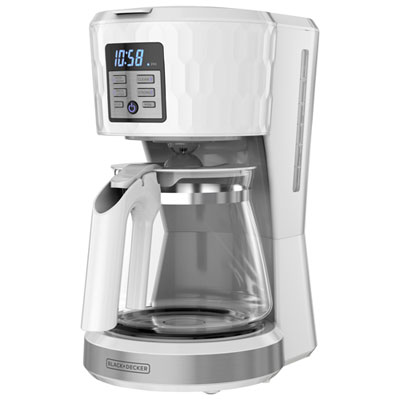
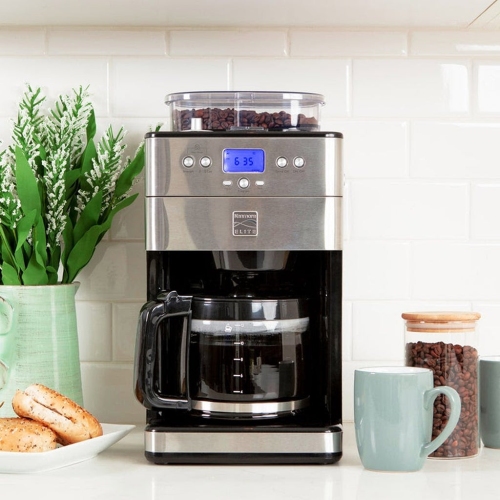
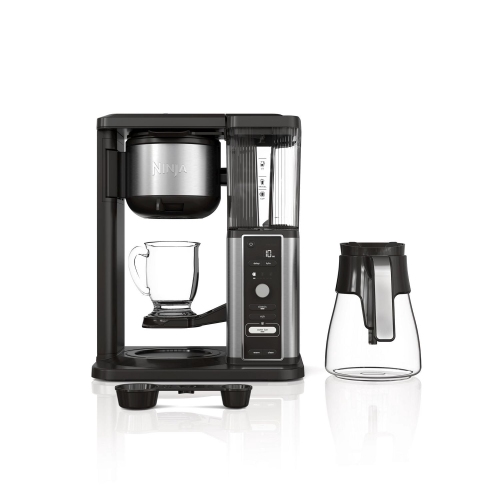
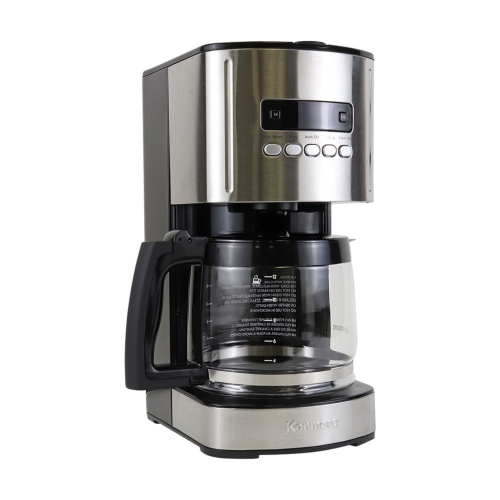
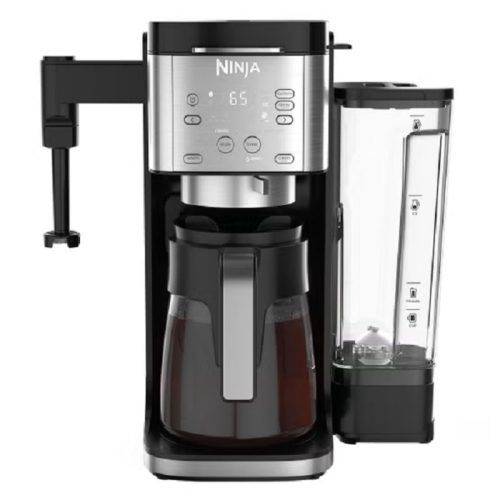
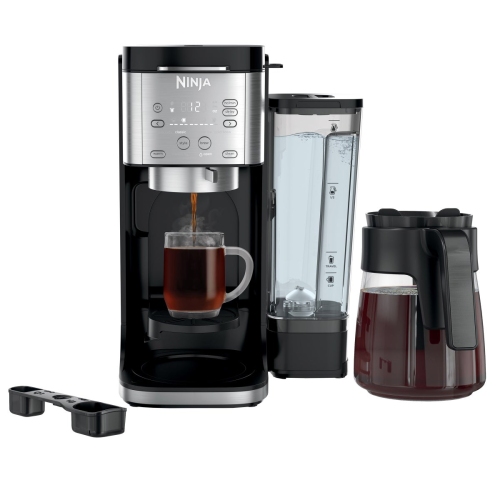
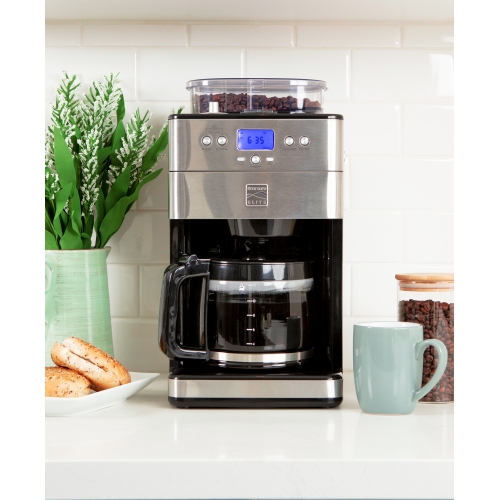
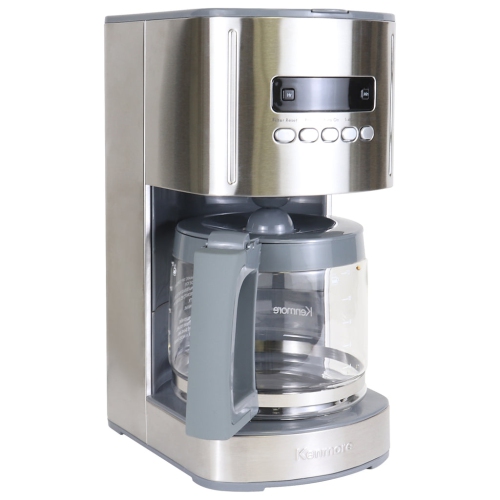
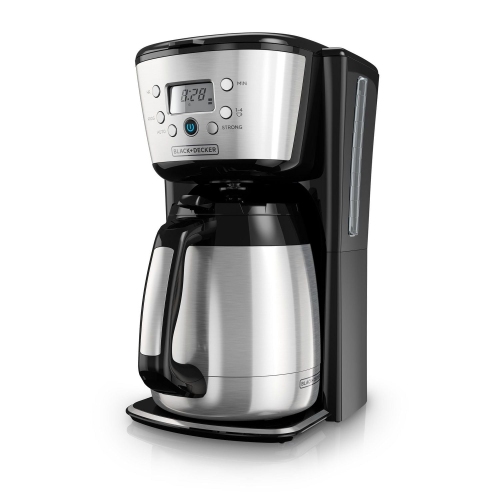
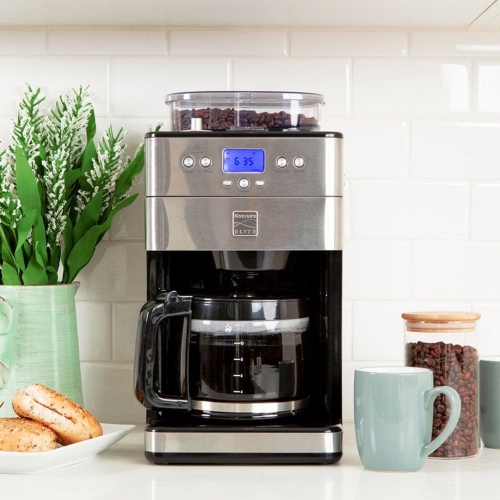
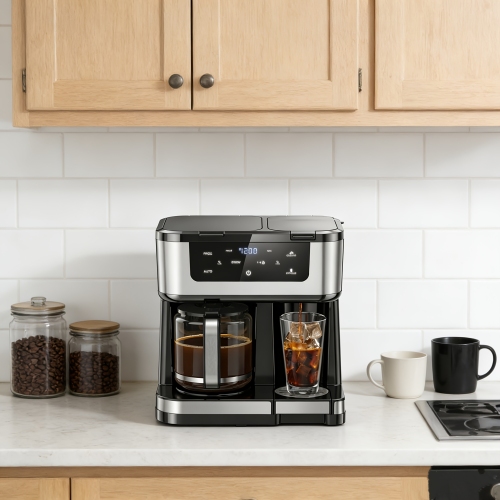
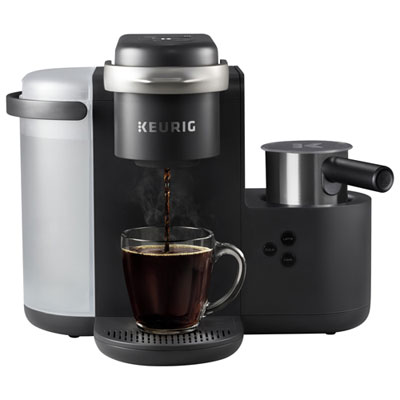
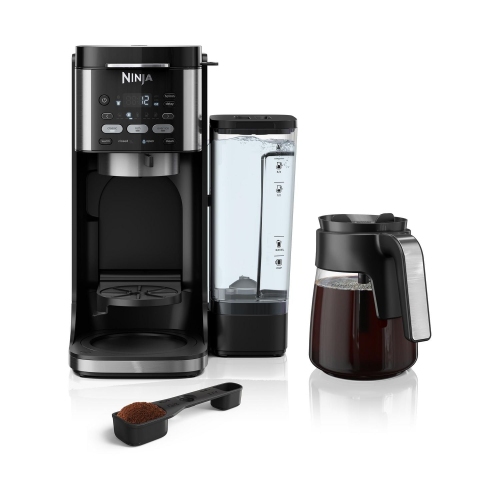
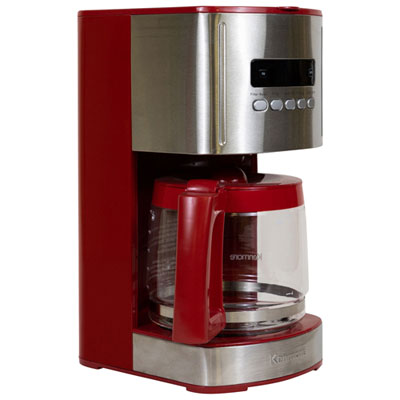
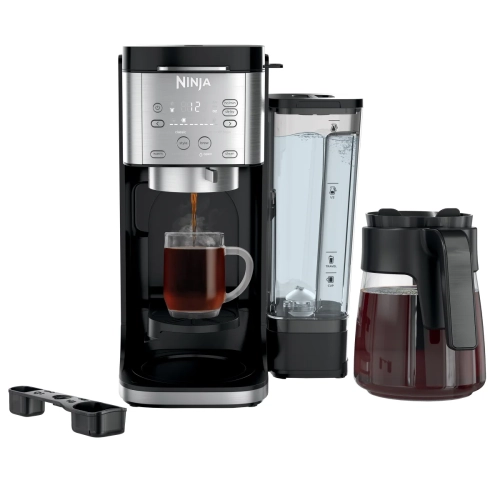
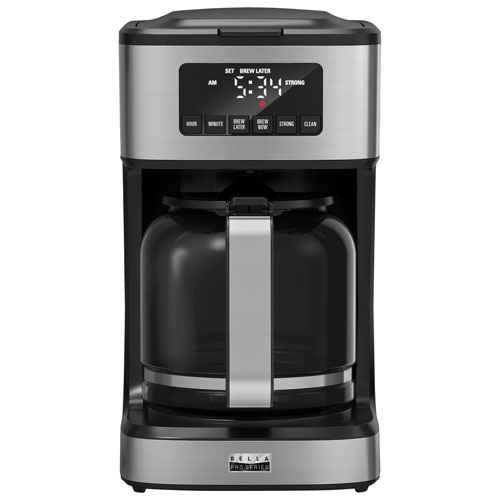
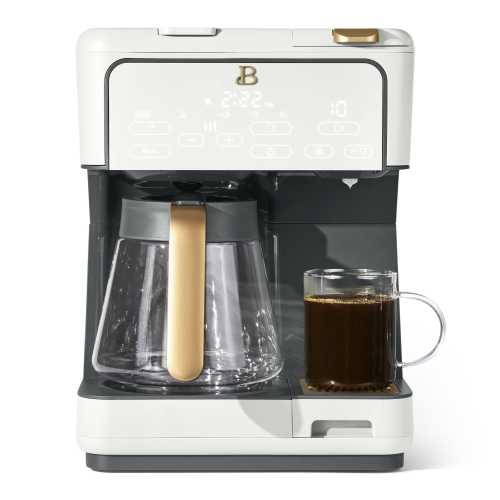
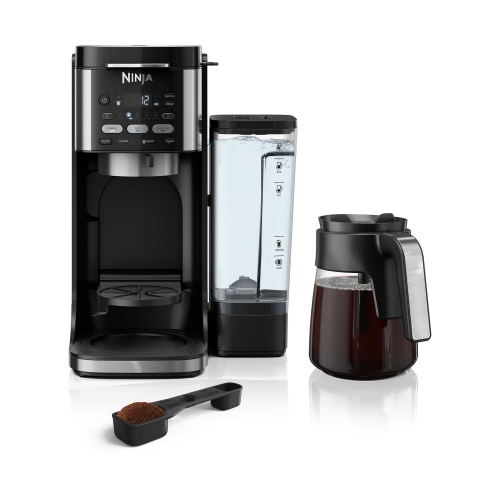
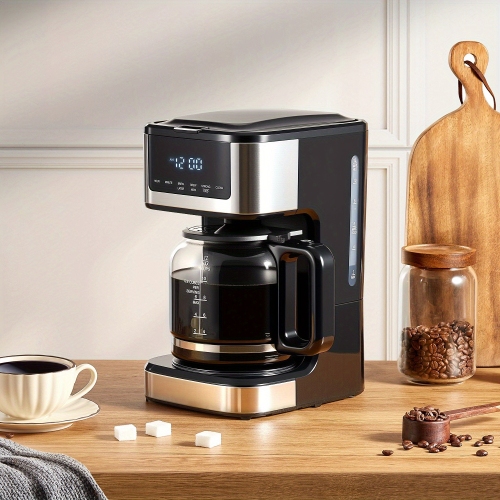
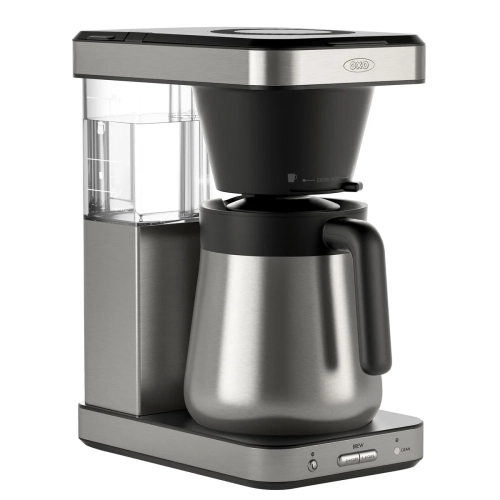
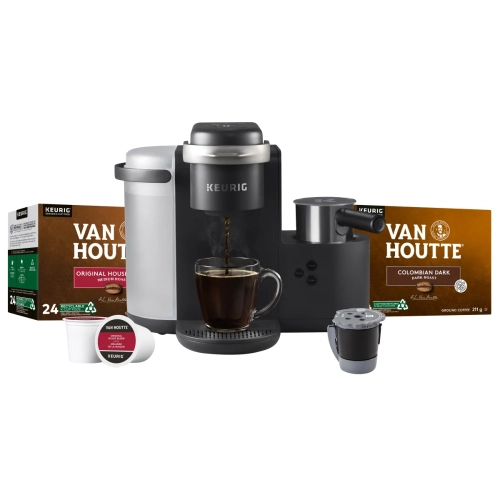
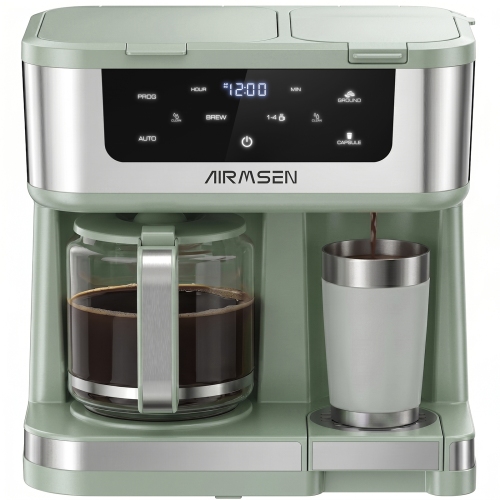
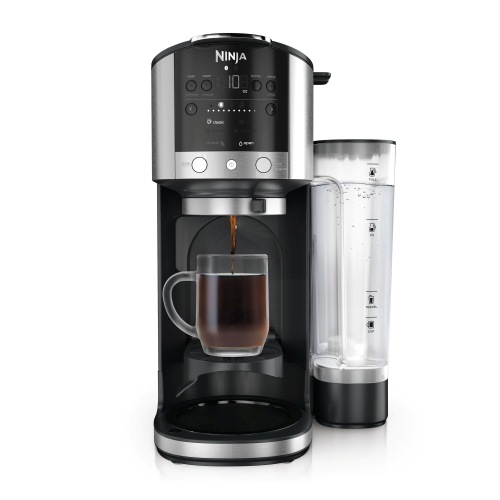
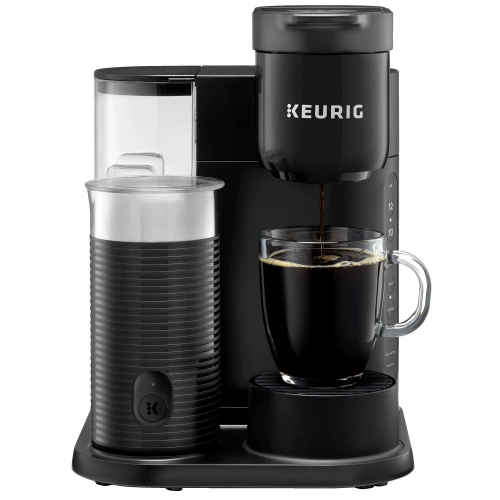
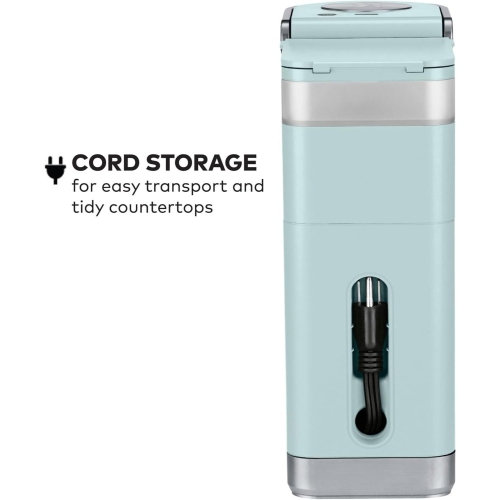
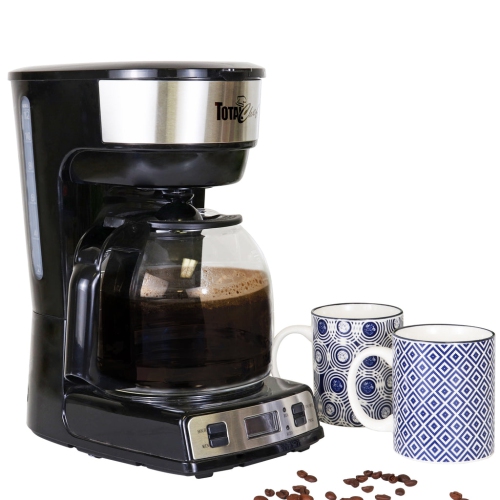
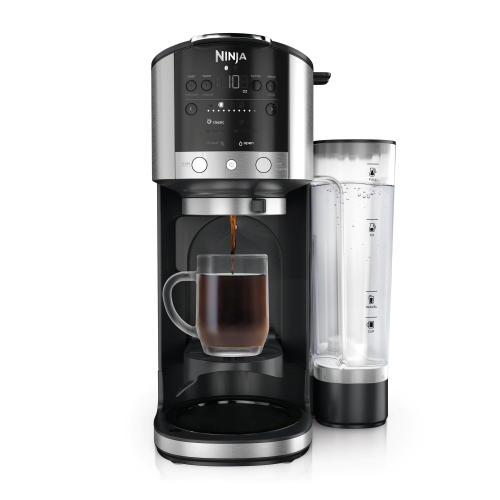
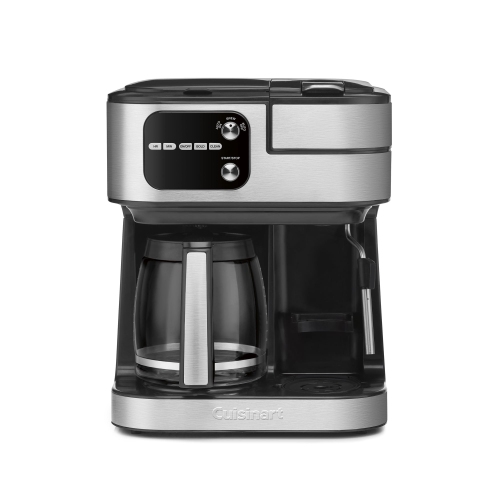
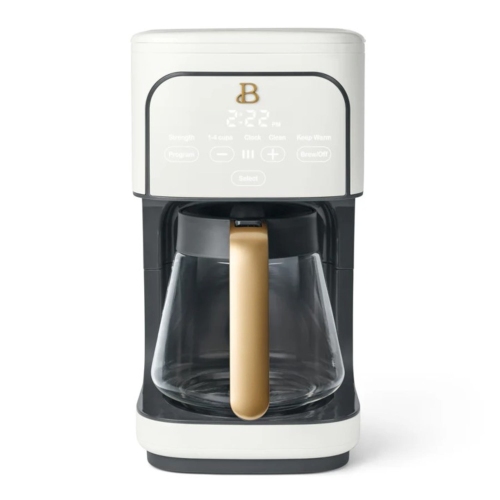
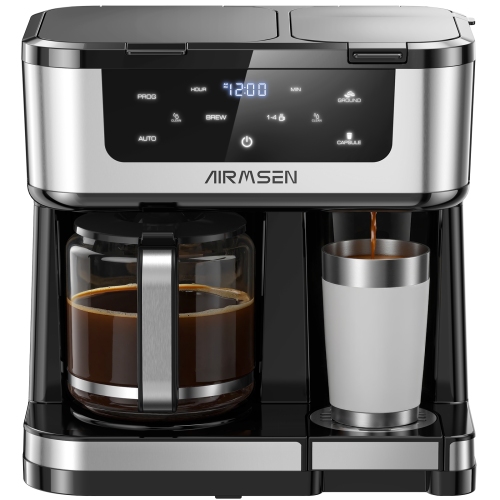
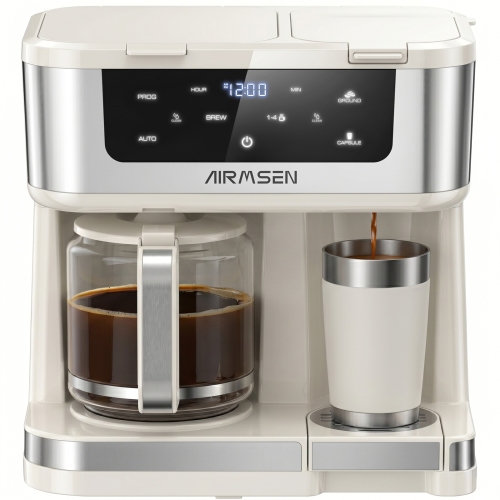
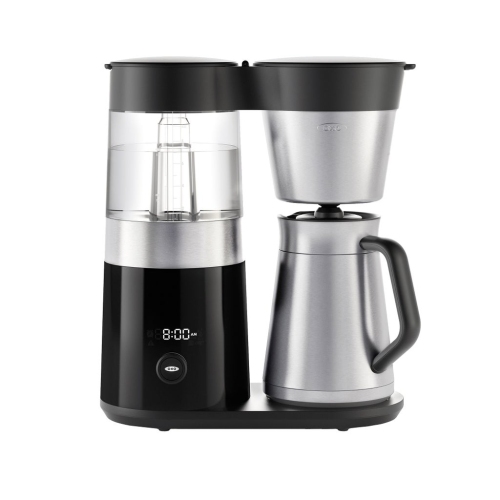
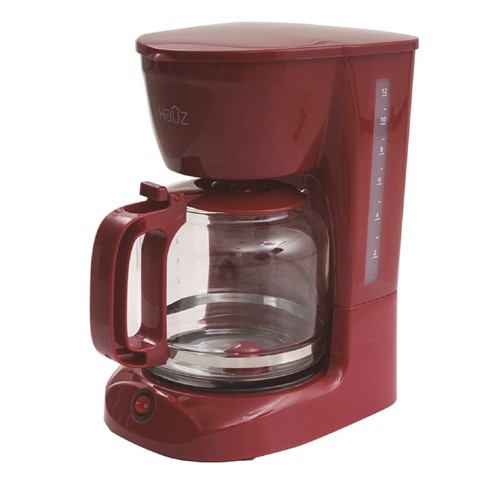
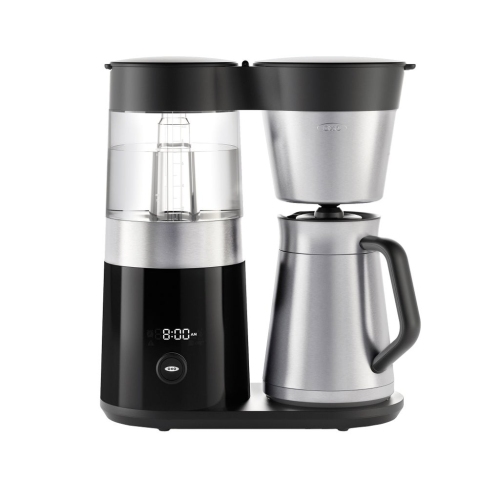
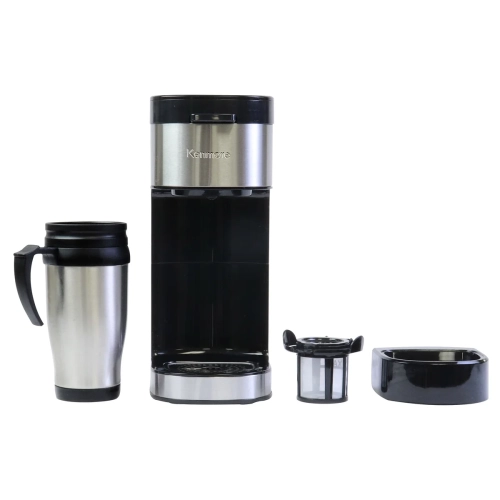
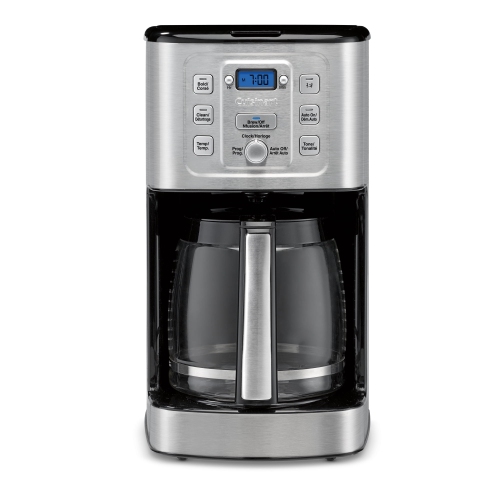
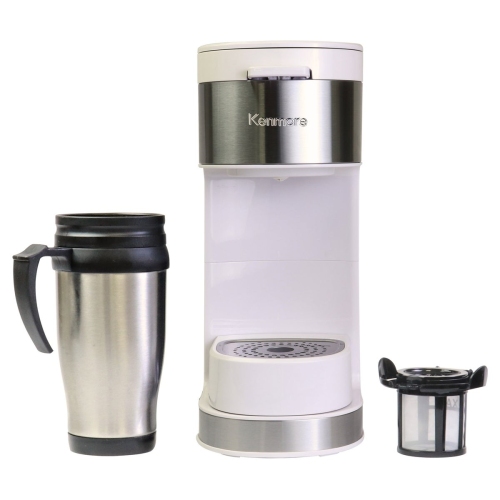
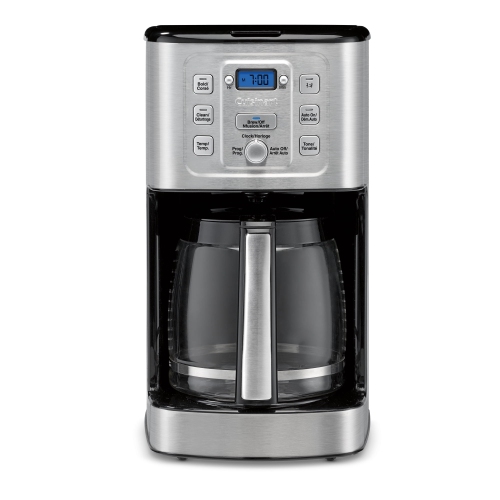
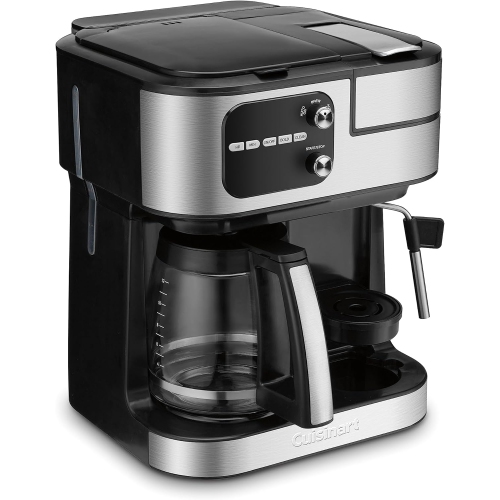
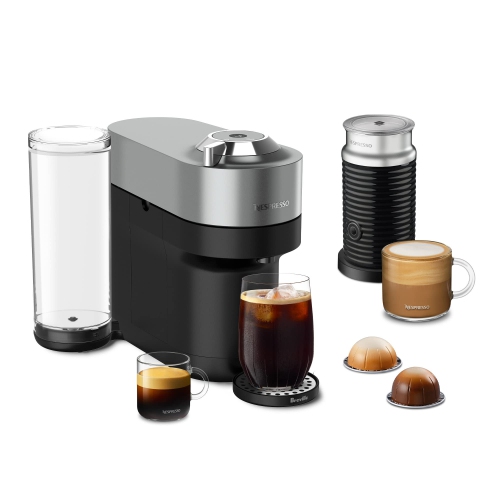
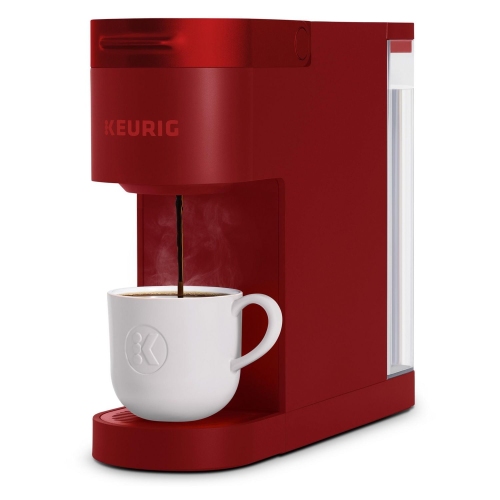
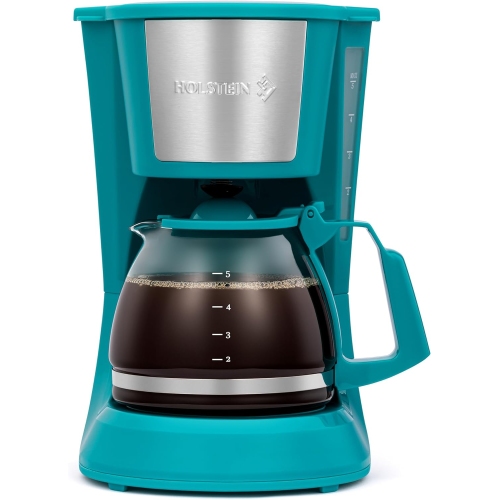
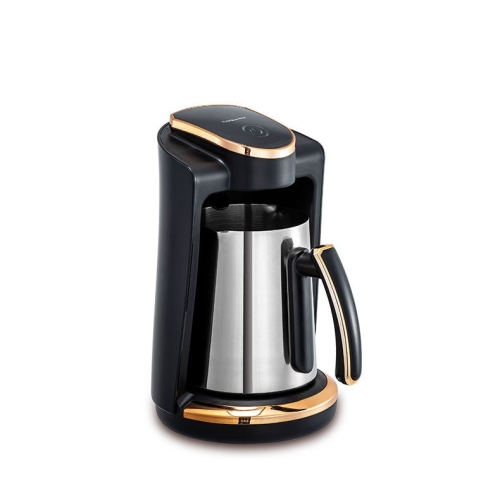
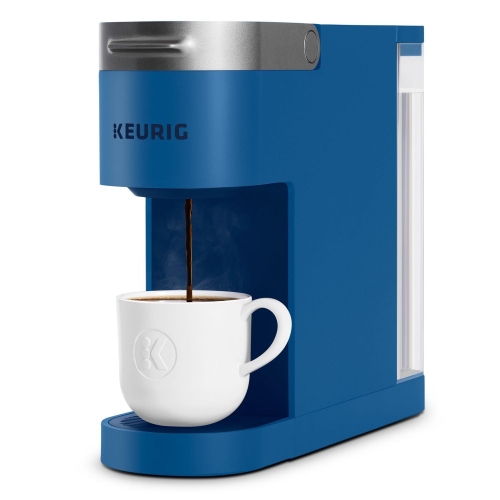
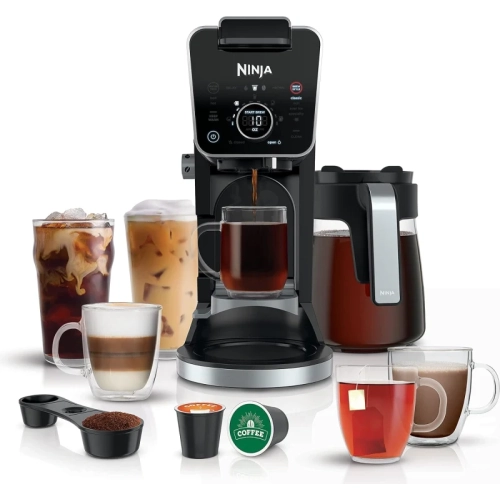
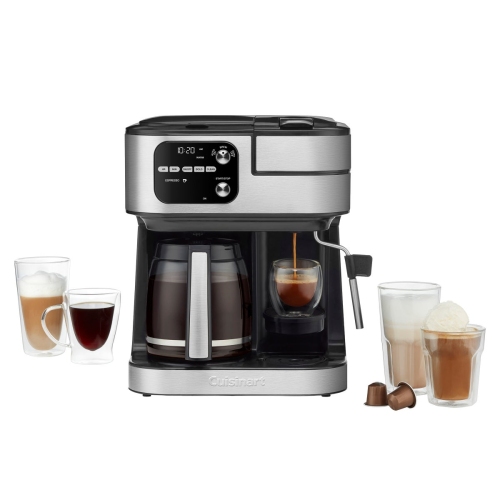
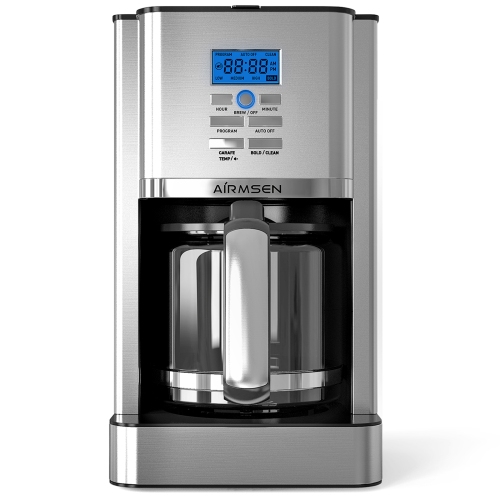
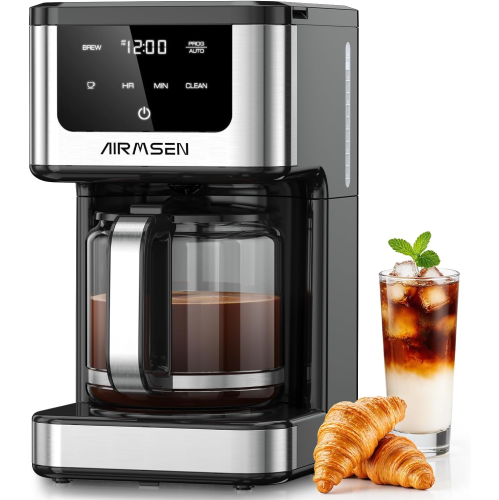
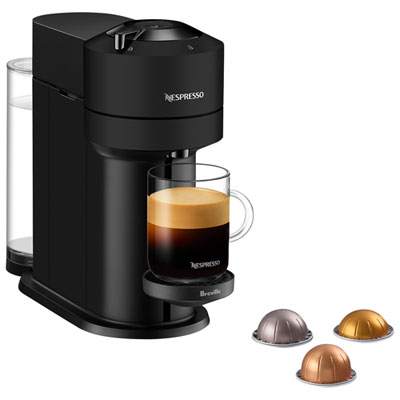
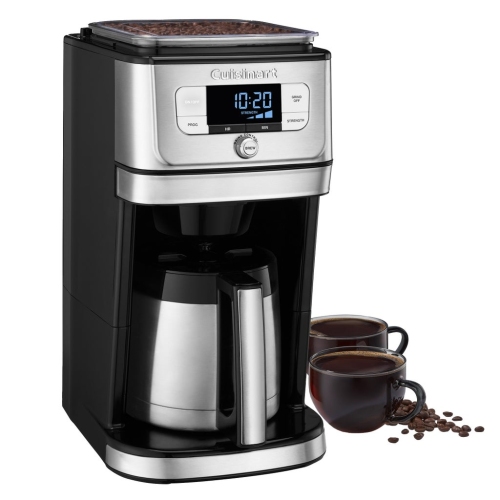
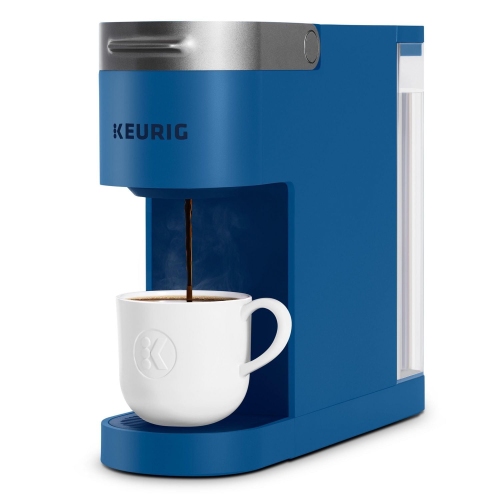
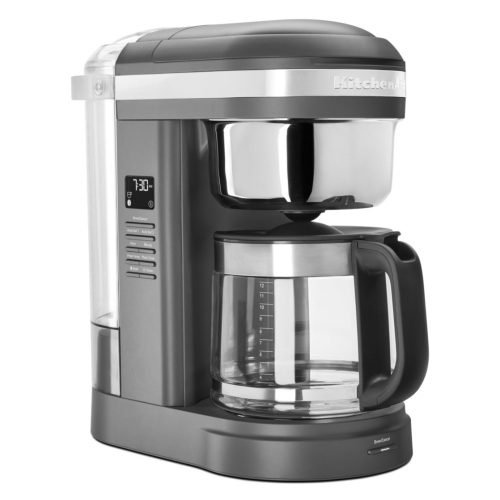
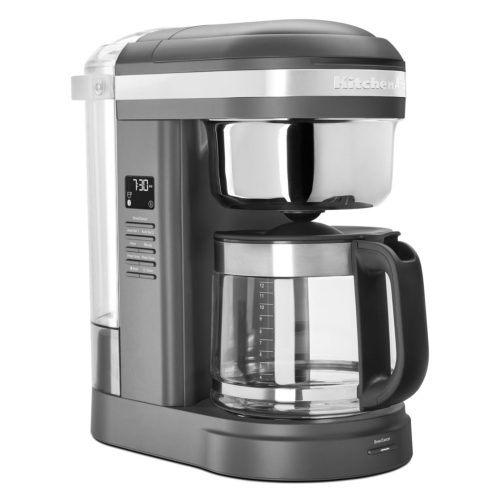
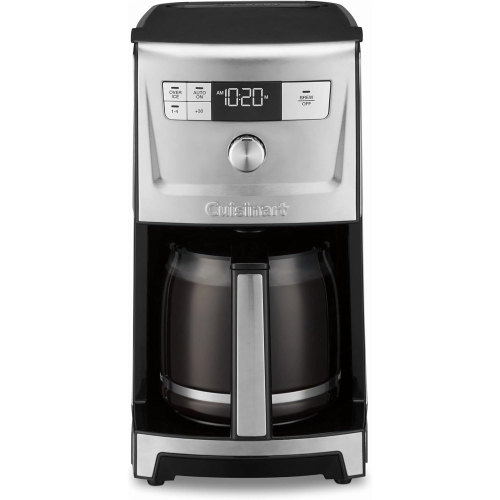
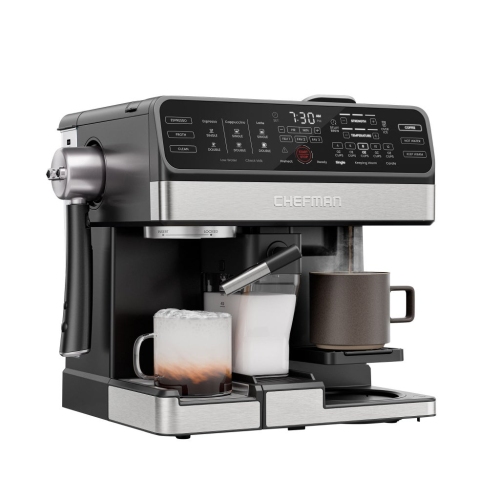
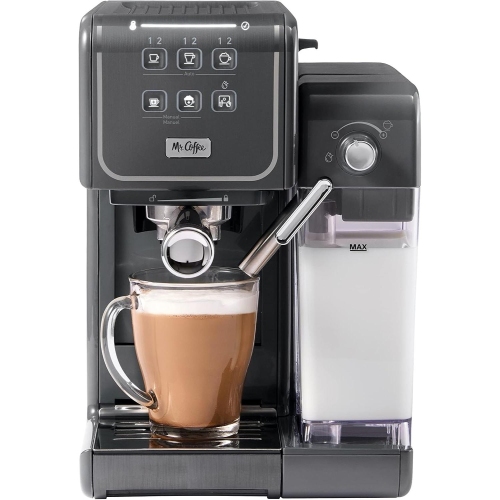
Top-rated coffee makers bring together dependable brewing, practical controls, and a design that suits the way coffee is enjoyed at home. A household that fills several mugs before breakfast has different needs from someone who makes one cup between meetings, so a top 10 selection can include several brewing styles rather than ten variations on the same machine. Drip coffee makers are a natural fit for shared kitchens, breakfast tables, and anyone who likes a full pot ready for refills. Single-serve coffee makers focus on individual portions, with pod-based systems offering straightforward preparation and compatible ground-coffee options allowing more choice over the beans used. Espresso machines suit concentrated shots and milk-based drinks, while combination brewers can accommodate different preferences without requiring two separate appliances. Dedicated cold brew makers serve another purpose, steeping grounds over an extended period to produce coffee that can be poured over ice or diluted to taste. Across these categories, useful qualities include consistent results, clearly marked water levels, comfortable handles, and parts that are easy to remove for cleaning. Ratings are most meaningful when they reflect the intended use: praise for a compact brewer’s convenience does not necessarily tell a large household how well it handles repeated full pots. Detailed owner feedback about pouring, noise, cleaning, and everyday operation can help put a high rating into context, particularly when considered alongside the number of reviews. For drip brewing, controlled water delivery and even saturation of the grounds contribute to balanced extraction, while adjustable strength settings can offer flexibility for different preferences. A programmable start can simplify an early routine, and an automatic shut-off reduces the need to remember another step before leaving home. These conveniences matter most when the basic experience is sound: coffee that tastes consistent, a carafe that pours neatly, and controls that make sense before the first cup.
Capacity and countertop fit shape how comfortably a coffee maker becomes part of a kitchen. The cup count on a drip brewer often refers to portions smaller than a typical drinking mug, so the stated water capacity gives a clearer picture of how much coffee a full batch will provide. A small household may prefer a modest carafe that makes enough for breakfast without leaving several servings behind; the Best 5 Cup Coffee Makers collection offers a more focused option for that kind of routine. Larger batch brewers can be convenient for family breakfasts, visitors, or a shared workspace where several people pour coffee within a short stretch of time. Some machines include a small-batch setting, although a larger brewer is not automatically the best fit for someone who usually makes a single mug. Physical dimensions deserve equal attention. Space beneath an upper cabinet needs to accommodate an open lid, and a removable reservoir should have enough clearance to lift out without moving other appliances. A front-access water tank or filter basket can be particularly useful on a deep counter. For single-serve machines, adjustable cup clearance helps accommodate anything from a small cup to a tall travel mug, while a removable drip tray makes splashes easier to clean. Carafe materials also influence daily use. Glass makes the remaining coffee visible and is commonly paired with a warming plate; an insulated stainless steel carafe holds heat without relying on continuous heating beneath the pot. Neither design eliminates the value of drinking coffee soon after brewing, but each supports a different serving routine. A wide carafe opening makes handwashing easier, and a comfortable grip matters when pouring a full batch. Stainless steel, glass, and moulded plastic each have practical roles in coffee maker construction. Durability depends on more than the outer finish: secure hinges, a stable base, well-fitting removable parts, and a sturdy carafe handle are details that affect repeated use.
The most satisfying coffee maker is often the one whose level of involvement matches the person using it. Someone who wants a quick cup before the commute may appreciate simple buttons, saved serving sizes, and a reservoir that does not need refilling after every brew. A coffee enthusiast may place more value on adjustable settings, control over the grounds, or a steam wand for texturing milk. Espresso preparation typically asks for more attention to grind size, dose, and cleaning than a straightforward drip routine, although automated systems can handle some of those steps. A built-in grinder brings bean grinding and brewing into one appliance, but it also adds components to maintain; a separate grinder leaves more flexibility to change either appliance independently. For drip coffee, paper filters simplify grounds disposal and tend to produce a cleaner cup, while reusable mesh filters allow more coffee oils and fine particles through, creating a fuller texture that some drinkers prefer. Fresh beans, a suitable grind, and a consistent coffee-to-water ratio all influence flavour, even with a highly rated machine. Care is just as important to long-term performance. Used grounds should be emptied promptly, removable baskets and carafes cleaned as directed, and milk-contact parts cleaned after use. Descaling addresses mineral buildup inside the water system, with the appropriate method and frequency depending on the manufacturer’s instructions and local water hardness. A cleaning reminder can make that task easier to track, but it does not replace the actual maintenance. Dishwasher compatibility varies by component, so a removable part should not be assumed to be dishwasher-safe. Accessible replacement carafes, filters, and seals can also matter over years of use. As a housewarming, wedding, or graduation gift, a coffee maker works best when it reflects the recipient’s habits and available counter space rather than simply offering the most settings. A compact brewer can suit a first kitchen, a batch machine can serve people who enjoy hosting, and an espresso setup can appeal to someone who already enjoys the preparation as much as the drink. Thoughtful details such as readable controls, a drip-free pour, and easy refilling help turn those daily cups into a routine that feels effortless.
Top selling and popular products
-
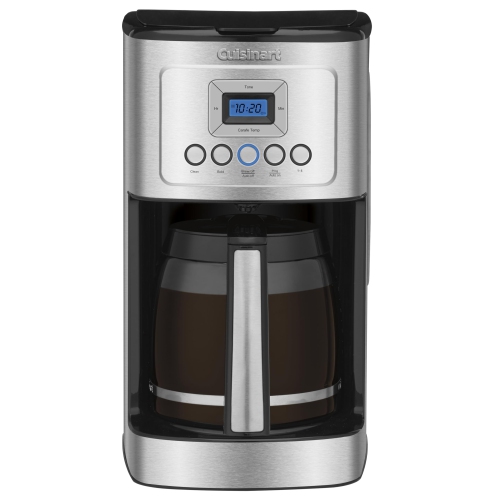 Your price for this item is $199.99
-
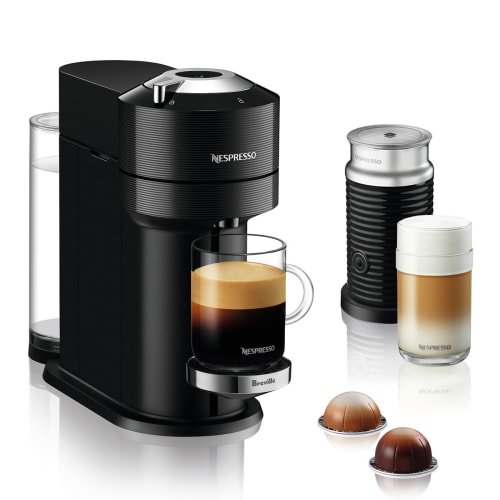 Your price for this item is $259.99
-
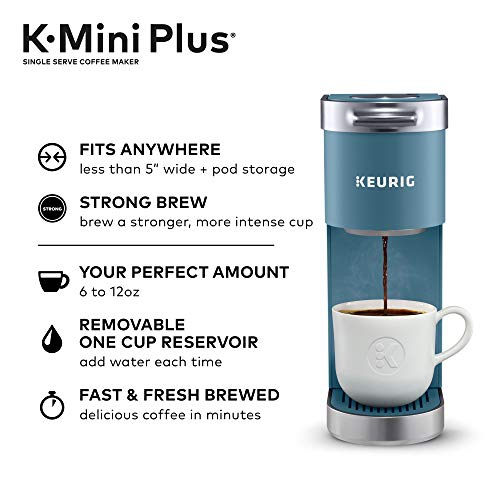 Your price for this item is $240.08
-
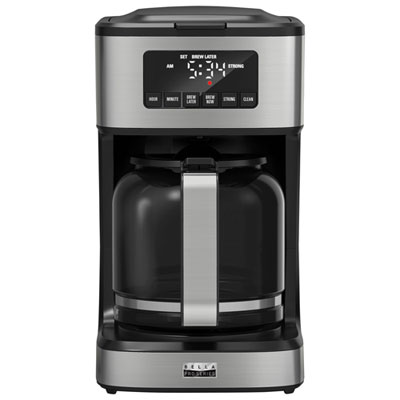 Your price for this item is $99.99
-
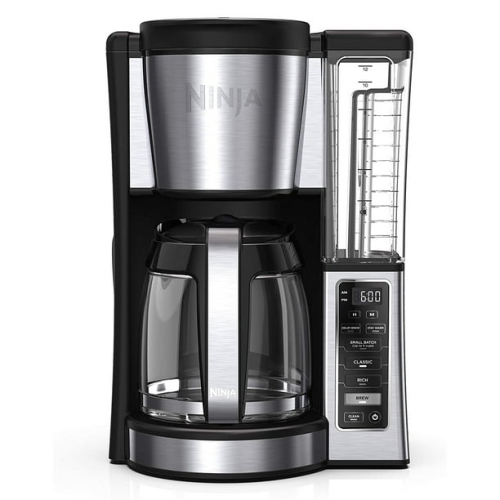 Your price for this item is $173
-
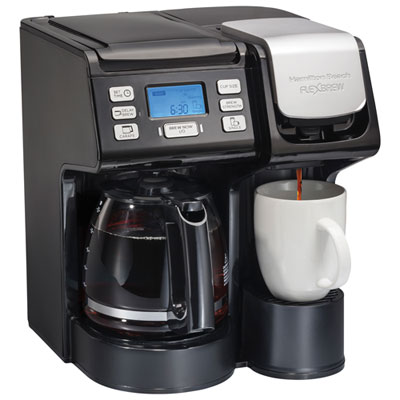 Your price for this item is $149.99
-
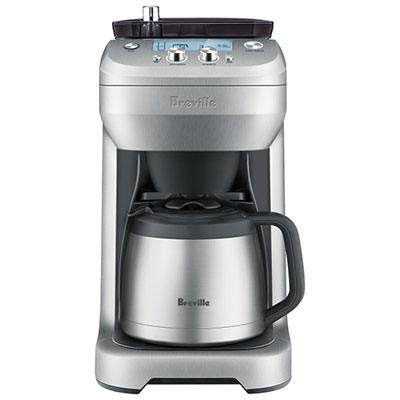 Your price for this item is $479.99
-
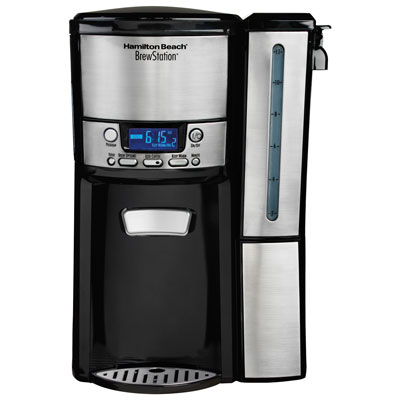 Your price for this item is $103.98
Discover more categories related to Shop top 10 rated coffee makers

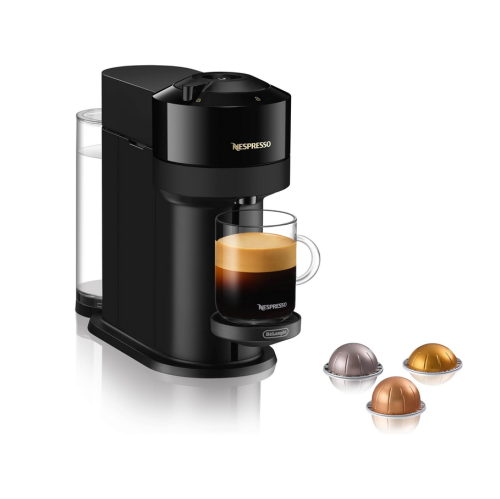
Top Collections:
Pokemon Centers, Best Cameras for Sports Photography, Kindle Devices, Samsung Galaxy Phones, Canon G7X Cameras, Pokémon 30th Celebration Cards, Refurbished Apple Laptops, iPhone 15 Apple, Laptops for Students, Budget Smartphones
Some products may be subject to Environmental Handling Fees
(EHF) depending on your province.
Learn more about EHFs.