Silver Toasters
Looking to add a touch of modern elegance to your kitchen? Look no further than our collection of sleek silver toasters. With their stylish design and high-performance features, these toasters are the perfect addition to almost any countertop. Whether you're craving a crispy bagel or a perfectly toasted slice of bread, our silver toasters deliver consistent results every time. Start your mornings off right with these silver toasters that combine functionality with contemporary style.
Sort


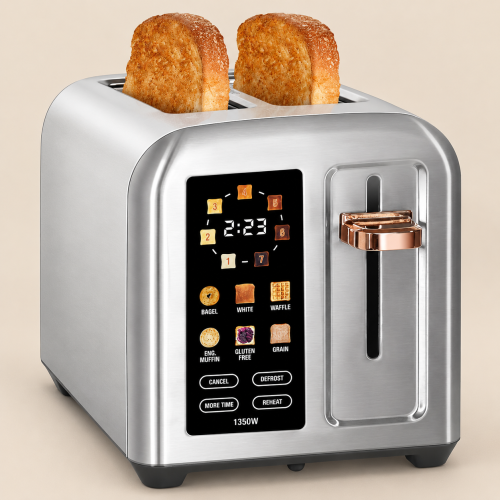
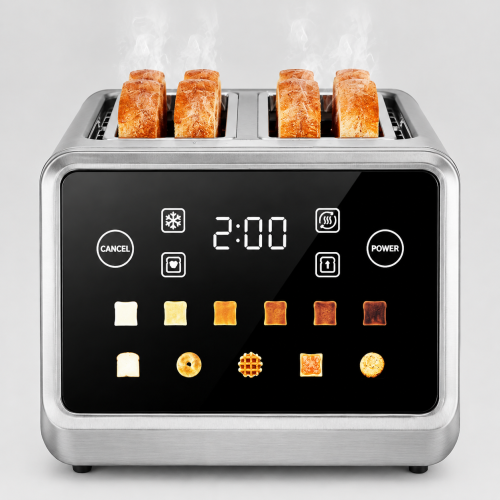
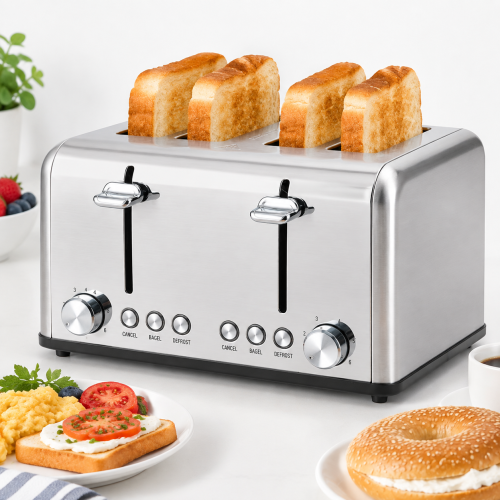
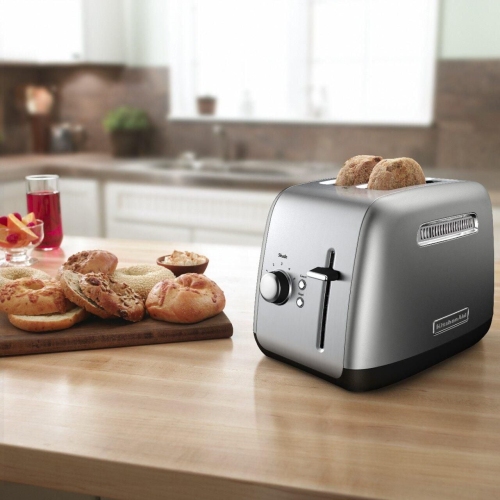
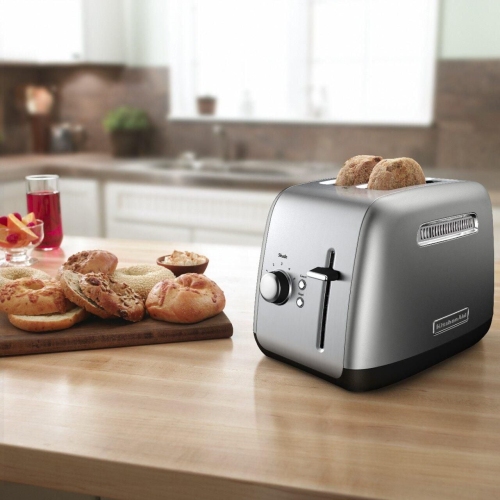
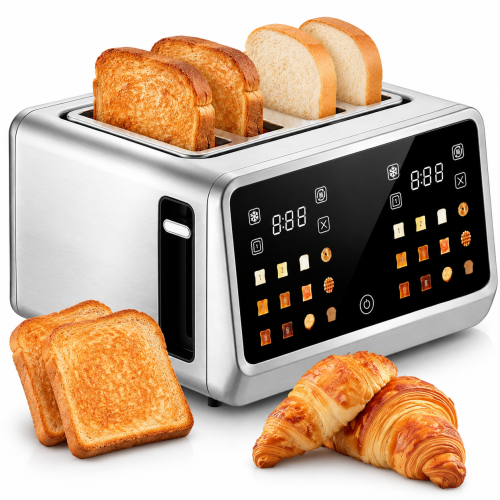
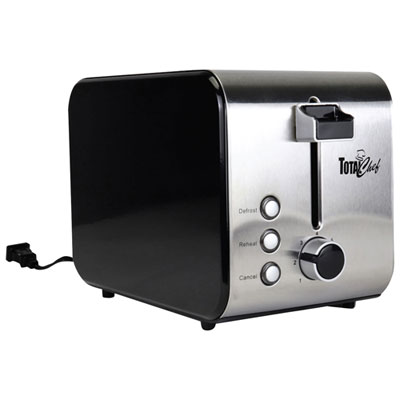
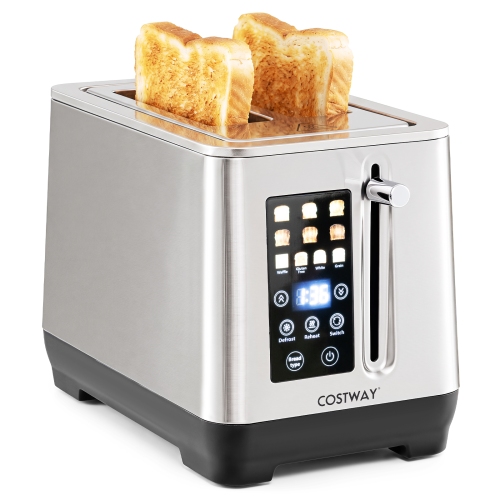
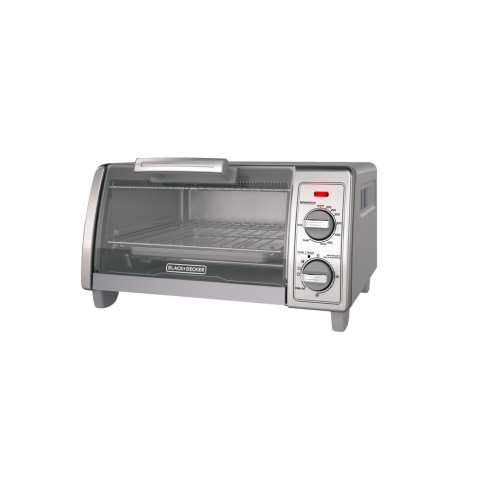
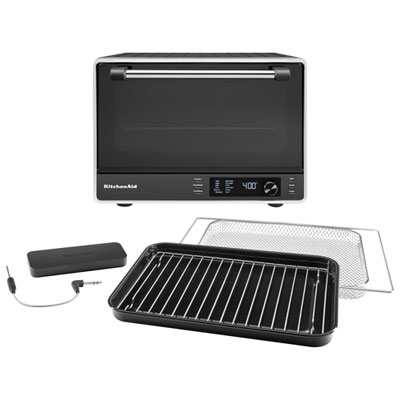
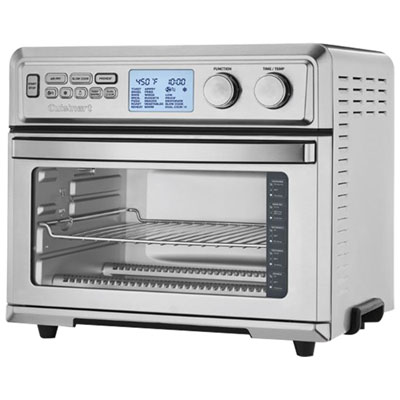
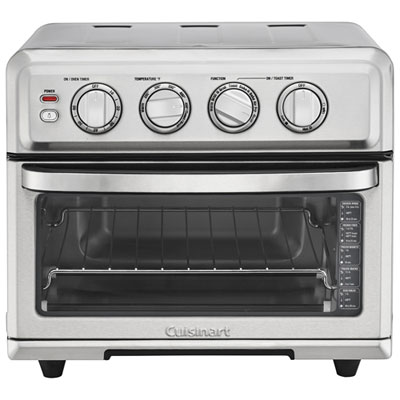
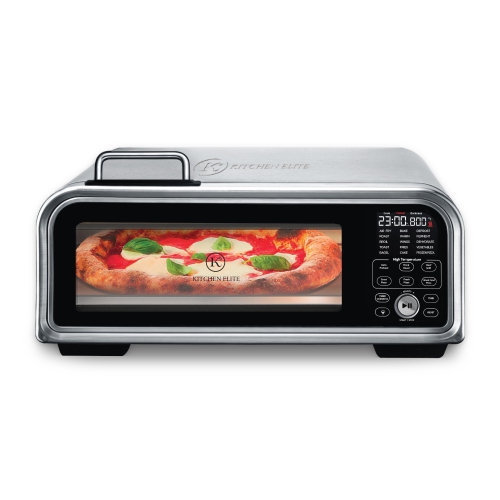
The right fit for your bread and countertop
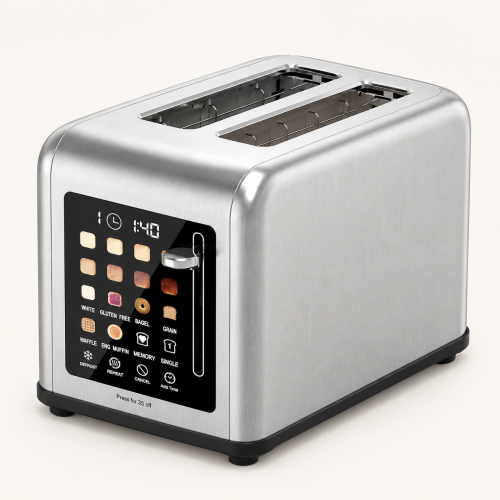
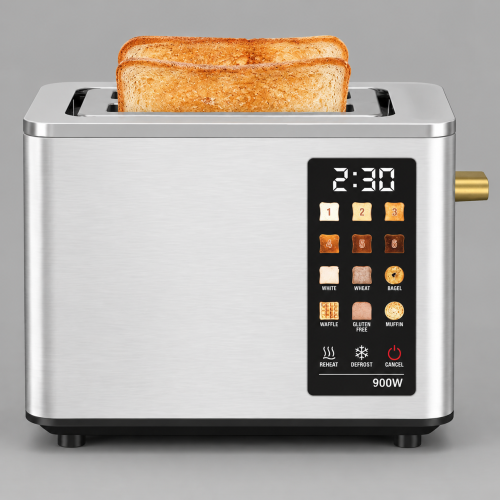
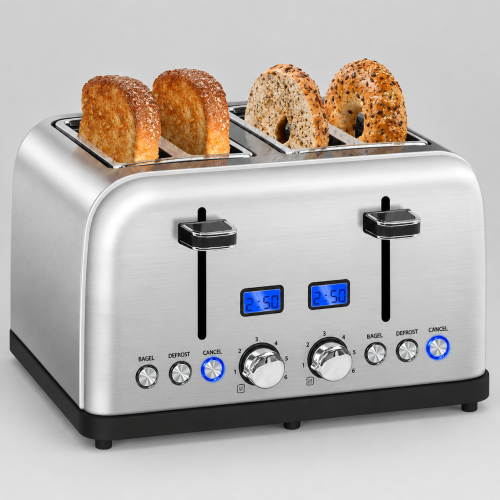
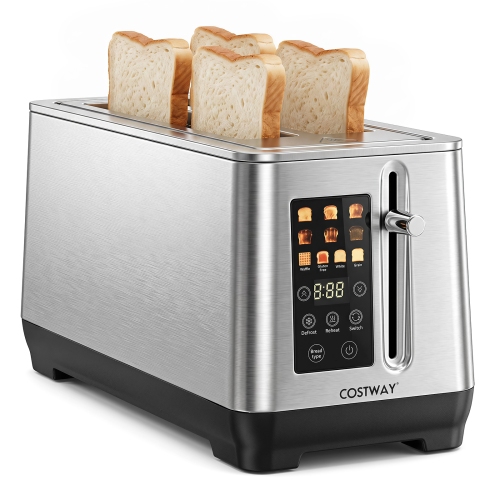
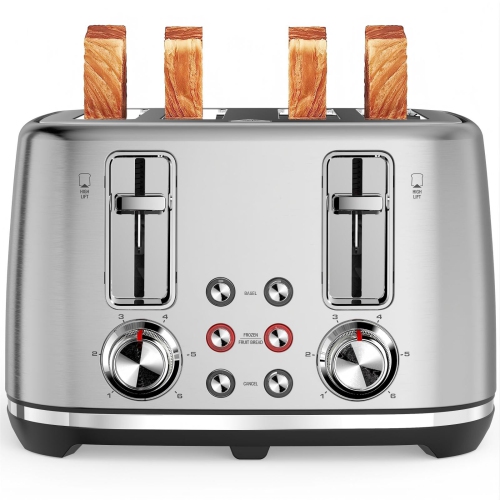
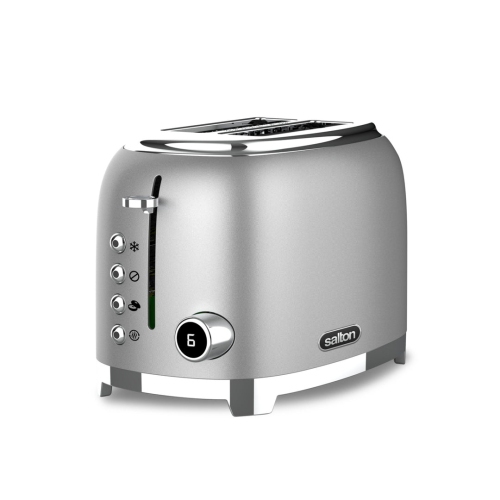
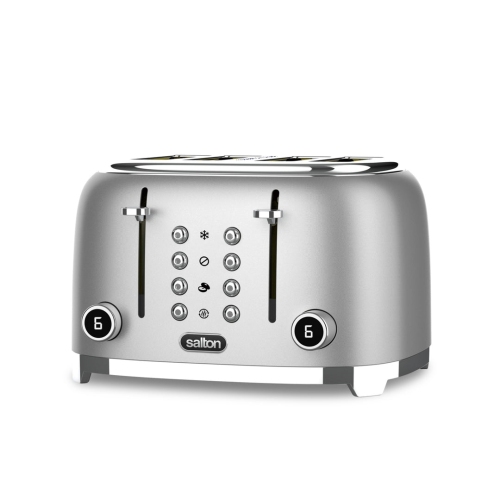
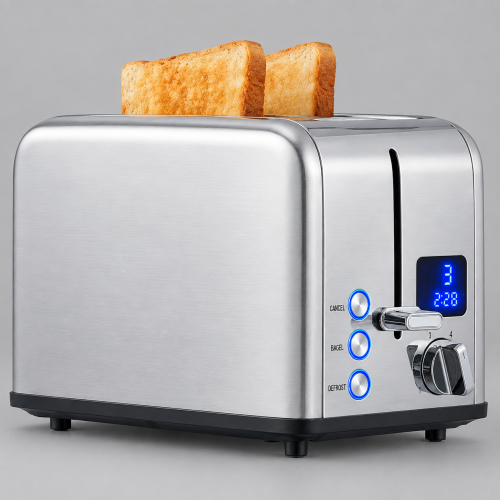
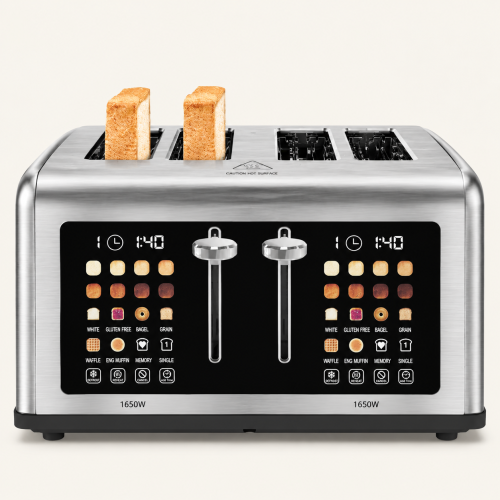
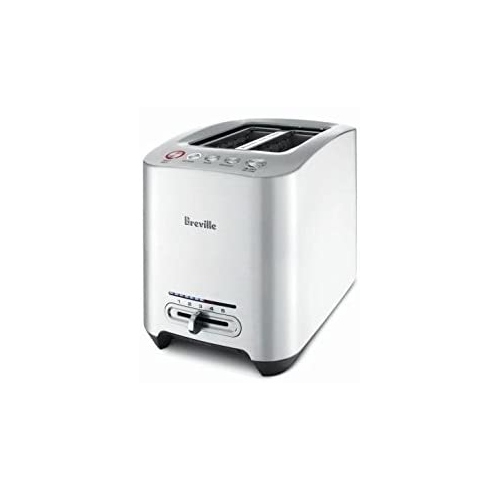
Silver toasters are countertop appliances with silver-coloured exteriors, ranging from brushed stainless steel to polished metal and metallic-finish housings. Their neutral appearance pairs easily with stainless steel appliances, pale cabinetry, dark countertops, and colourful kitchen accessories without requiring an exact match between every finish. Brushed surfaces have a softer sheen, while polished finishes reflect more light and create a brighter accent. A silver appearance does not necessarily mean an all-stainless-steel construction, so the housing material and finish are useful details when considering everyday care. These toasters suit everything from a single slice before work to a shared breakfast with toast, bagels, and English muffins. Two-slice designs are often a practical fit for smaller households and kitchens where countertop space is limited. Four-slice designs can accommodate more bread in one batch, making them useful when several people eat together. Some four-slice toasters have separate controls for each pair of slots, allowing lightly golden toast and darker slices to finish in the same appliance. Long-slot designs offer a different layout and may accommodate longer bread slices, although capacity depends on the dimensions of both the slots and the bread. Slot width matters for thick bagel halves, while slot length and depth help determine whether a broad slice of sourdough fits comfortably. Extra-wide slots alone do not guarantee room for unusually tall or long bread. Self-centring guides, where included, help position slices between the heating elements. For a kitchen with limited work space, the overall footprint matters as much as slice capacity: a narrow body may fit neatly beside a kettle, while a wider four-slot design needs a larger clear area. Dimensions should also account for access to the controls and crumb tray, rather than just the space occupied by the base. A toaster that fits the bread and the countertop is more likely to feel convenient through repeated daily use.
The differences between silver toasters extend well beyond their finish. Browning controls, bread settings, and lifting mechanisms affect how comfortably an appliance fits a household’s routine. An adjustable browning dial offers a straightforward way to choose a preferred shade, while electronic buttons may make settings easier to identify at a glance. For shoppers who prefer a visible countdown or a numerical display, digital toasters may provide those features, depending on the design. A display can help coordinate toast with eggs or coffee, but it does not by itself guarantee more even browning. Bread thickness, moisture, and ingredients all influence the finished result, so the same setting can produce different colours on white bread, dense rye, or a sweet loaf. A frozen-bread setting adjusts the cycle for bread taken from the freezer, while a reheat function is intended to warm previously toasted bread without running a full browning cycle. Bagel settings vary: some concentrate heat on the cut side, while others alter the timing or heating pattern. The intended loading direction and function are therefore worth checking in the appliance instructions. A high-lift lever is especially useful for shorter slices and English muffins because it raises them farther above the slot opening. A cancel button provides a quick way to end a cycle if the toast reaches the desired shade early. Some designs also allow bread to be lifted briefly for a visual check or provide a short additional cycle when a slice needs a little more colour. Clear labels, readable markings, and controls positioned away from hot surfaces can make daily operation more comfortable. For a household with different preferences, independent browning controls may be more useful than a large number of preset programs. For someone making the same breakfast each morning, a simple control layout and an easy-to-reach lever may matter more than an elaborate display. The most relevant features are those that address the bread being toasted and the way the appliance will actually be used.
Regular care helps keep a silver toaster tidy and functioning as intended. A removable crumb tray makes it easier to clear the loose crumbs that collect beneath the slots, particularly after toasting seeded bread or crumbly English muffins. The toaster should be unplugged and allowed to cool before cleaning, with crumbs emptied according to the manufacturer’s directions. A tray that slides out from the front may be easier to reach in a tight kitchen layout than one accessed from the rear. Exterior care depends on the material: a soft cloth is generally gentler on brushed or polished surfaces than an abrasive pad, and any cleaning product should be suitable for the stated finish. The appliance body should not be immersed in water, and liquid should be kept out of the slots and controls. Fingerprints may be more noticeable on some polished surfaces, while textured or brushed finishes can make light marks less prominent without eliminating cleaning needs. Durability involves more than a metal exterior; a steady base, a securely fitted crumb tray, clearly marked controls, and a lever that operates smoothly are all relevant construction details. Safe placement is equally important. The cord should reach the outlet without stretching across a sink or cooking area, and the appliance needs the clearances specified by its manufacturer rather than a confined space beneath shelving. Bread should fit freely instead of being forced into the slots, and metal utensils should never be inserted to retrieve it. Toppings such as butter, jam, and melted cheese belong on the toast after removal unless the appliance instructions explicitly permit otherwise. As a housewarming, wedding, or first-apartment gift, a silver toaster combines a familiar daily purpose with a finish that can work across many kitchen styles. Matching the recipient’s household size, preferred bread, and available countertop space makes that choice more personal than appearance alone. For everyday breakfast preparation, the strongest fit balances useful capacity, comfortable controls, suitable slot dimensions, and manageable cleaning in a design that looks at home on the countertop.
Top selling and popular products
-
 Your price for this item is $34.99
-
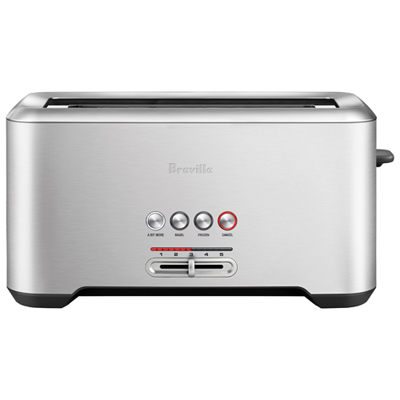 Your price for this item is $159.99
-
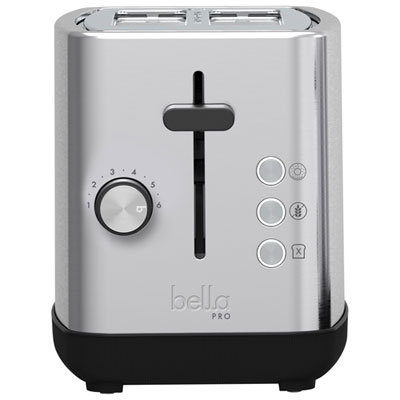 Your price for this item is $109.99
-
 Your price for this item is $122.82
-
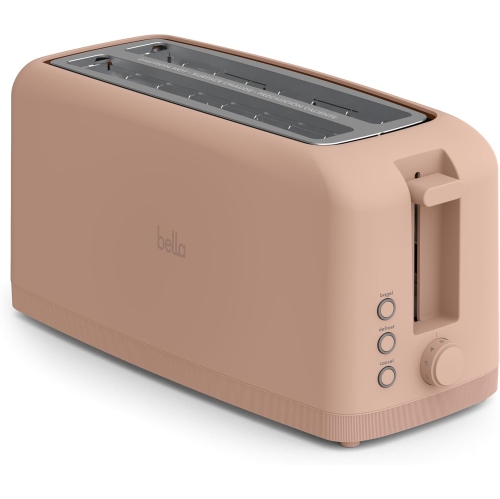 Your price for this item is $104.99
-
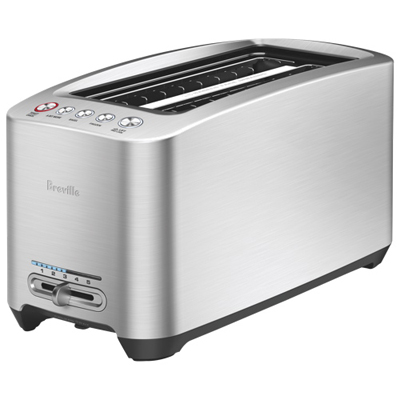 Your price for this item is $179.99
-
 Your price for this item is $209.99
-
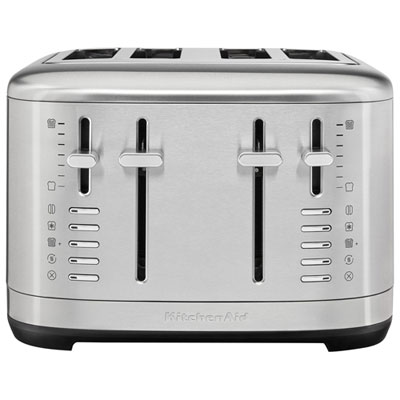 Your price for this item is $219.99
Discover more categories related to Silver Toasters


Top Collections:
Best Black Friday Deals This Year, Best Black Friday Deals On Electronics, Kindle Devices, Pokemon Centers, Best Black Friday Deals On Apple Products, Best Cameras for Sports Photography, Dyson Airwrap, Pokémon 30th Celebration Cards, Apple iPhone 17 Pro, Canon G7X Cameras
Some products may be subject to Environmental Handling Fees
(EHF) depending on your province.
Learn more about EHFs.