Single Door Fridges
Looking for a compact cooling solution that doesn't compromise on performance? Our selection of single door fridges offers the perfect blend of functionality and space-saving design. Whether you're looking to add extra refrigeration capacity to your kitchen, office, dorm room, or any other space, these fridges are designed to meet your needs. With sleek designs and energy-efficient features, our single door fridges are a versatile option for keeping your food and beverages fresh and chilled.
Sort


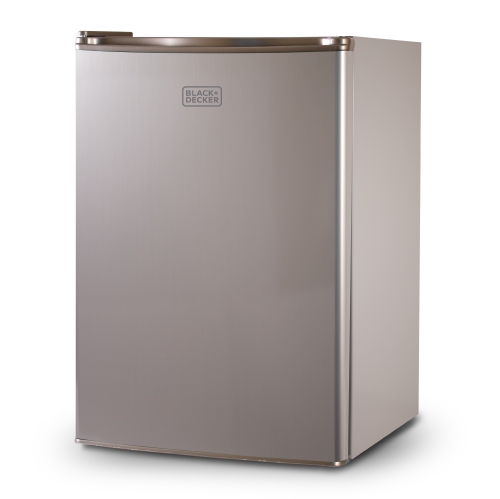
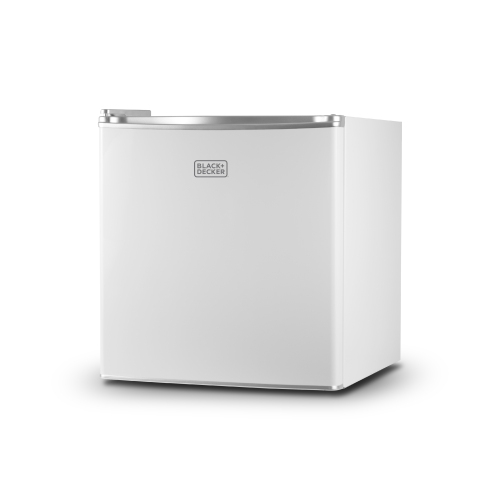
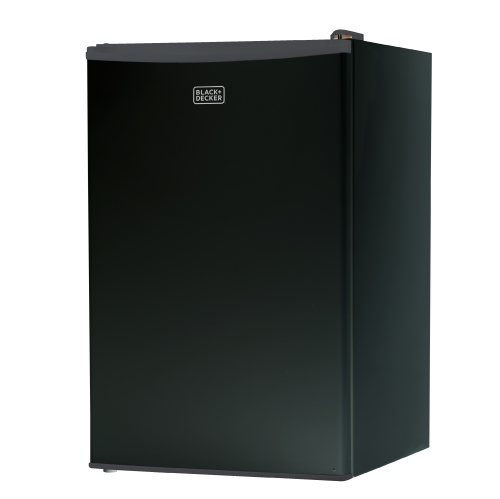
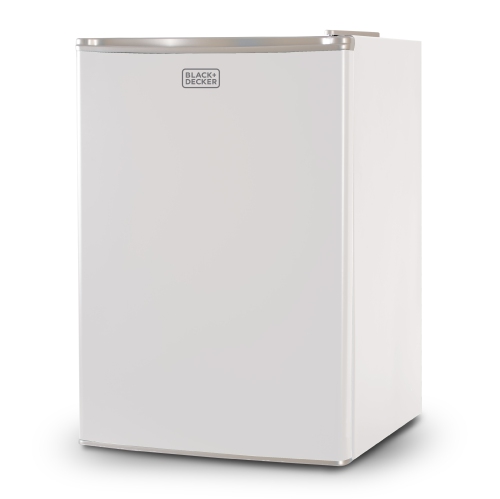
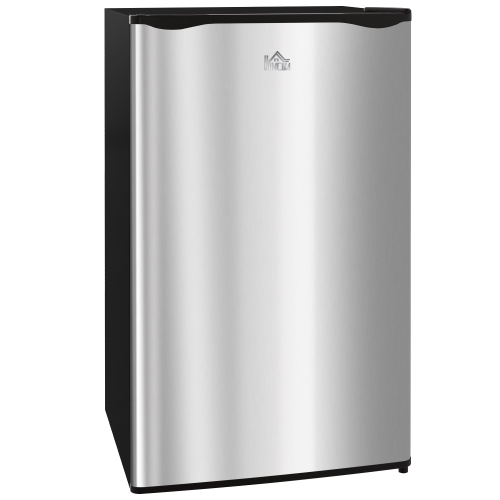
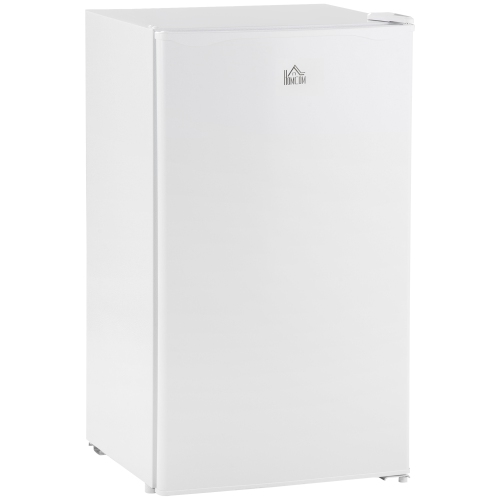
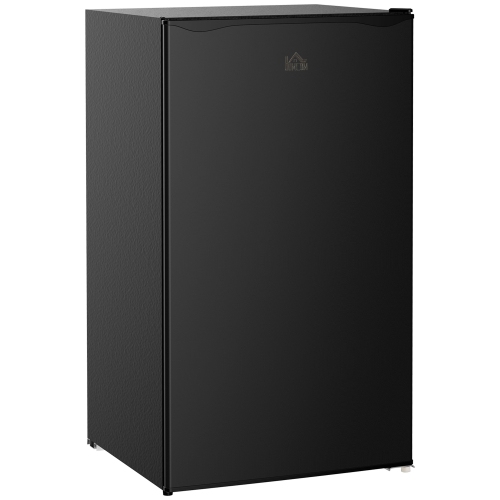
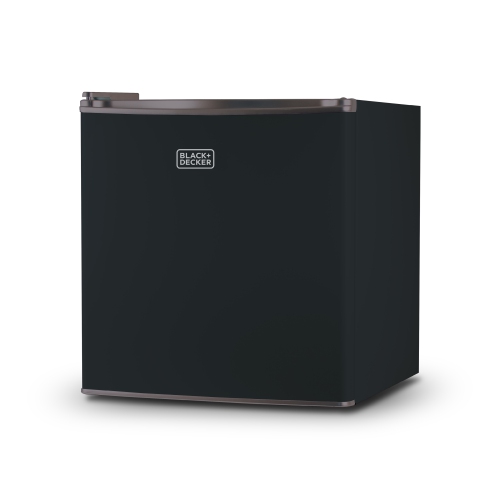
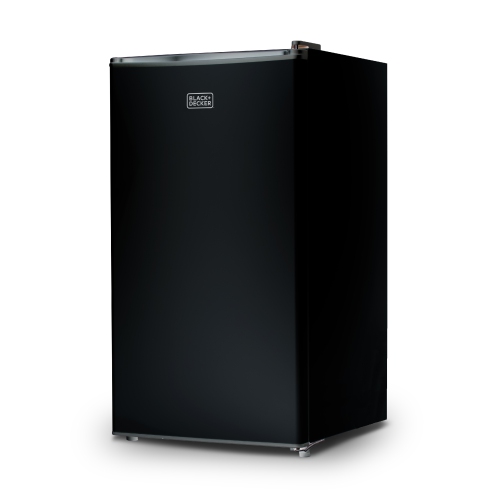
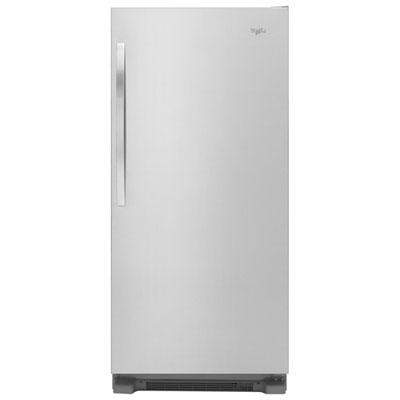
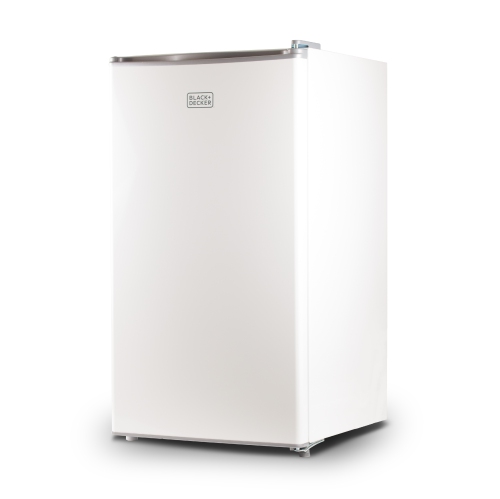
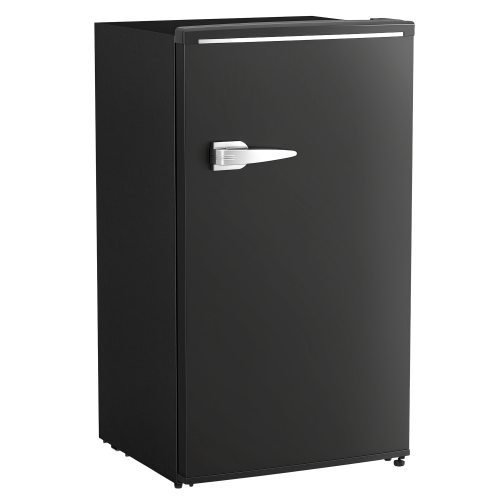
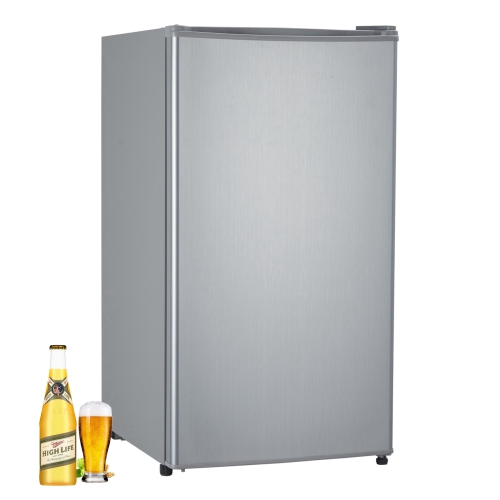
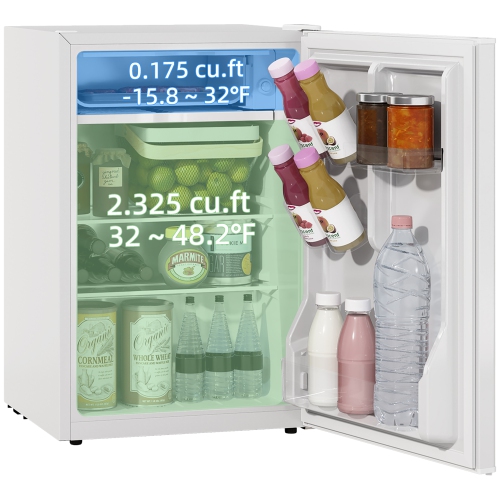
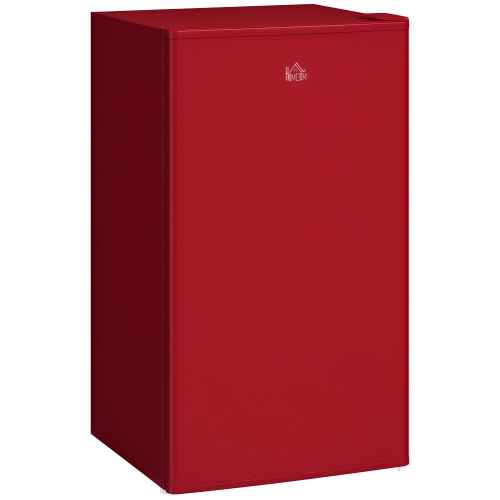
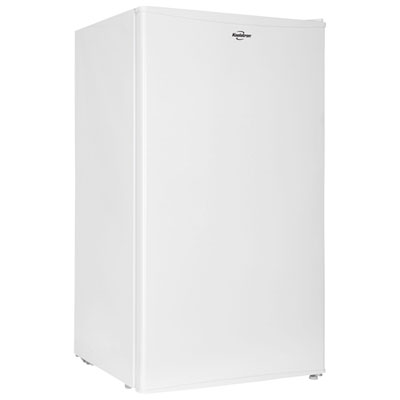
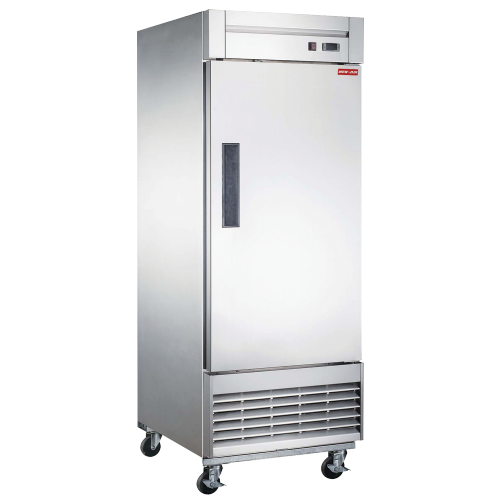
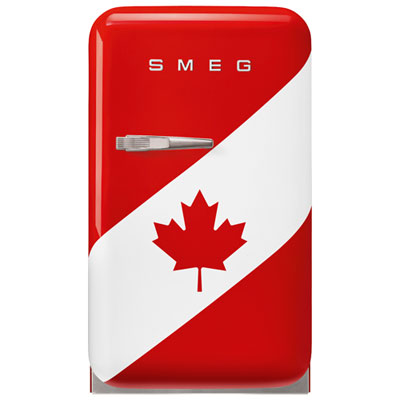
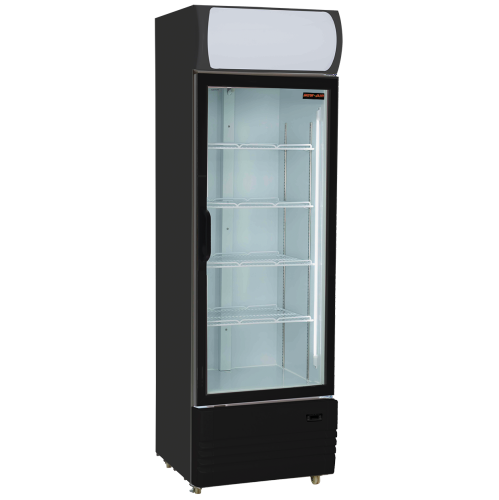
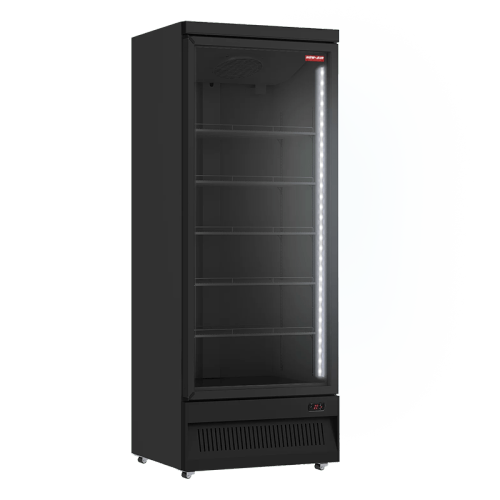
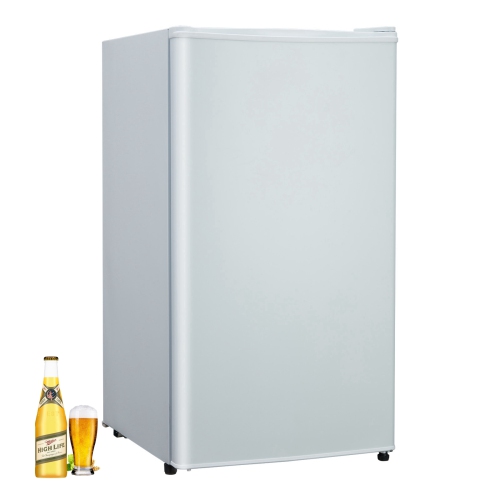
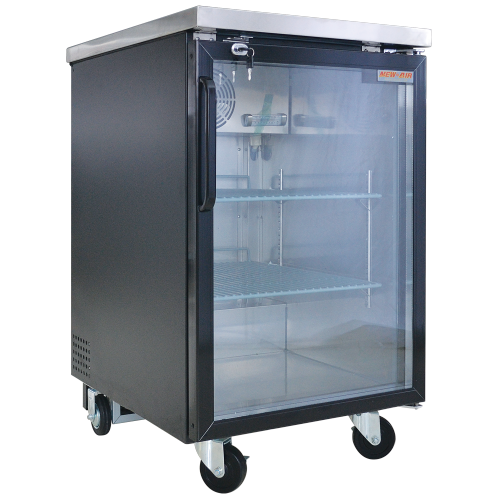
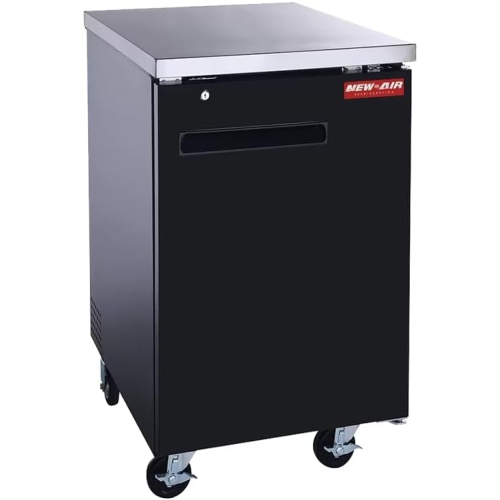
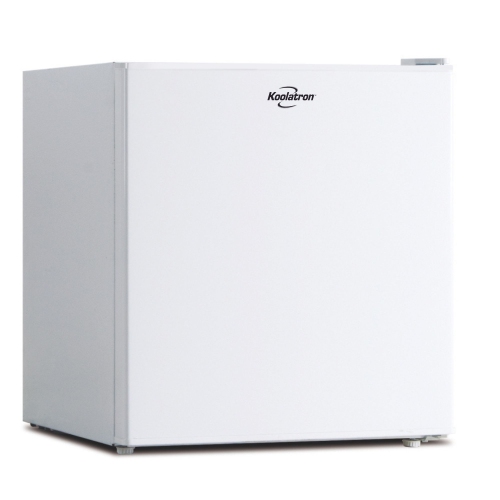
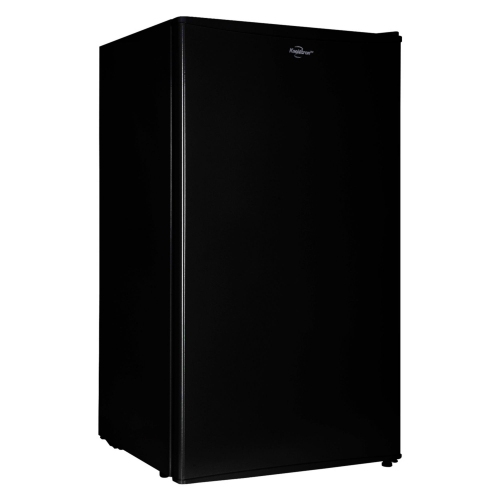
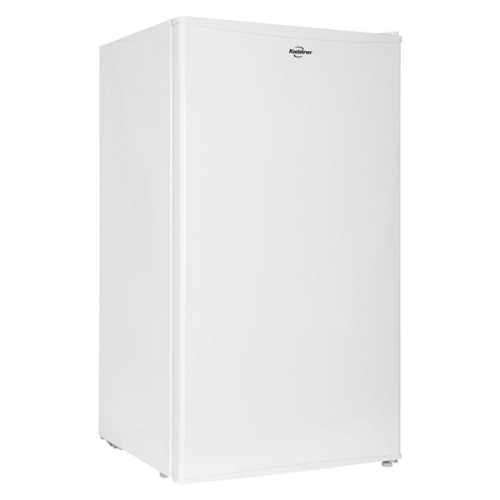
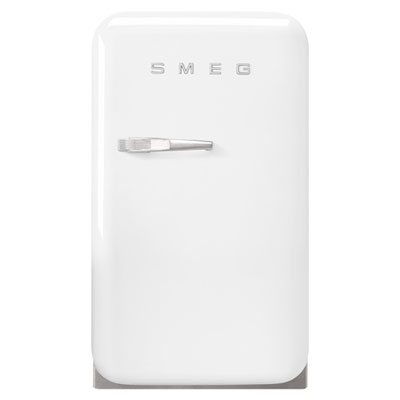
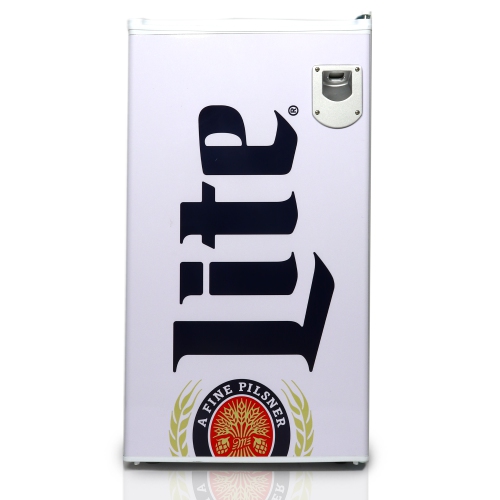
From compact snack stations to full-size fresh-food storage
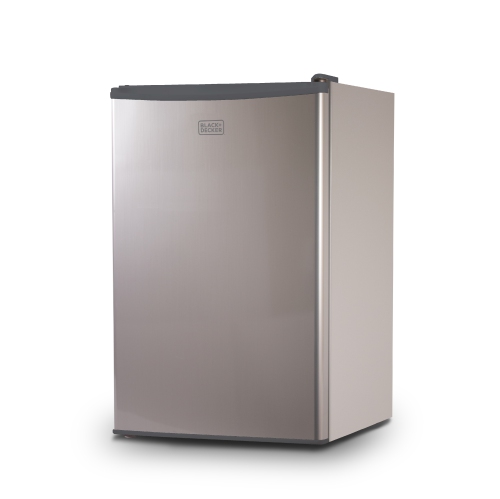
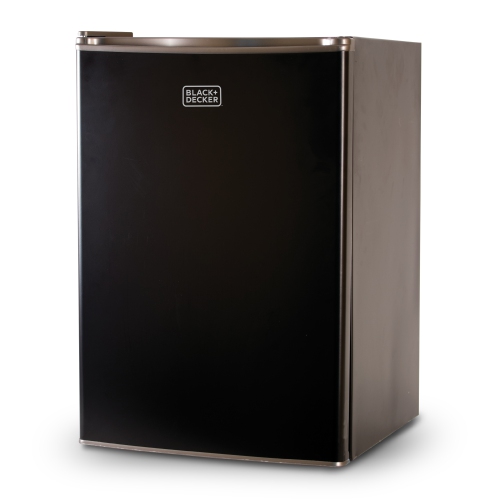
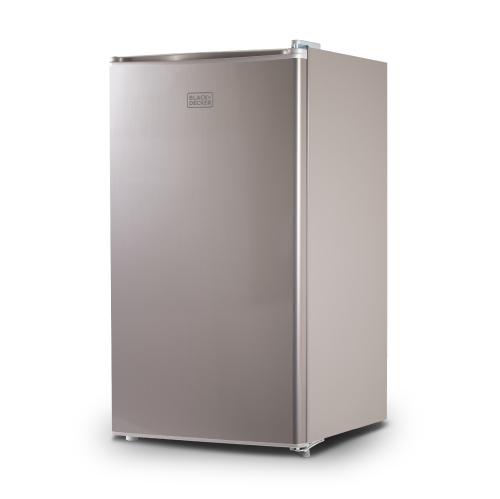
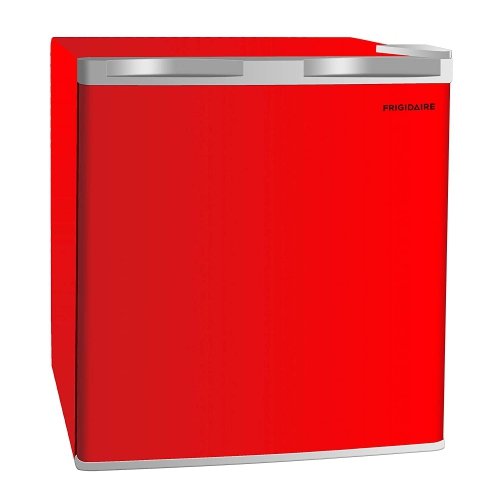
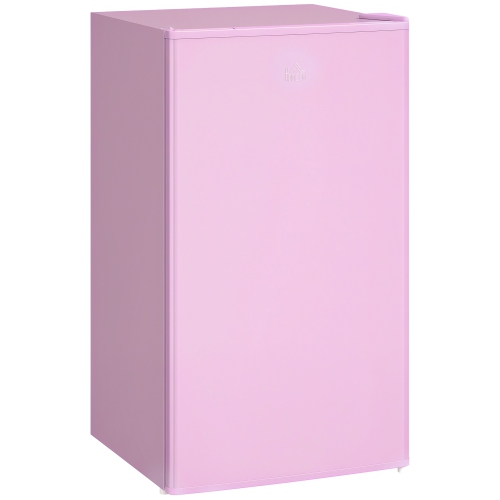
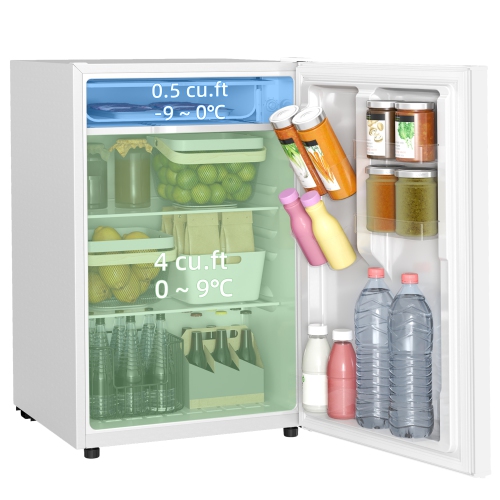
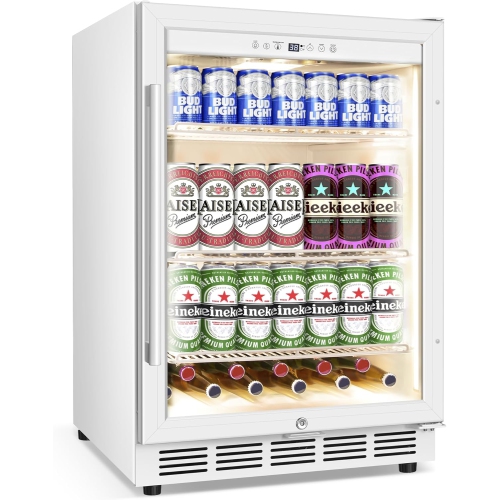
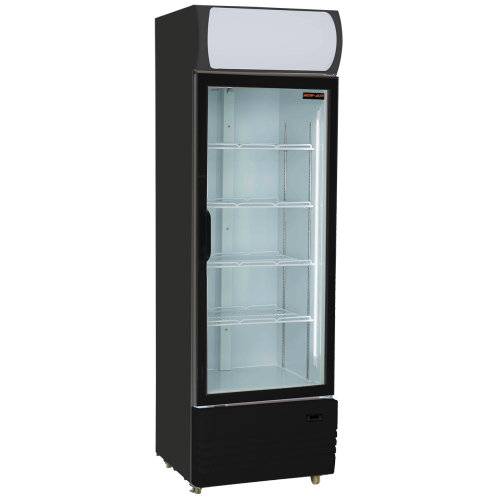
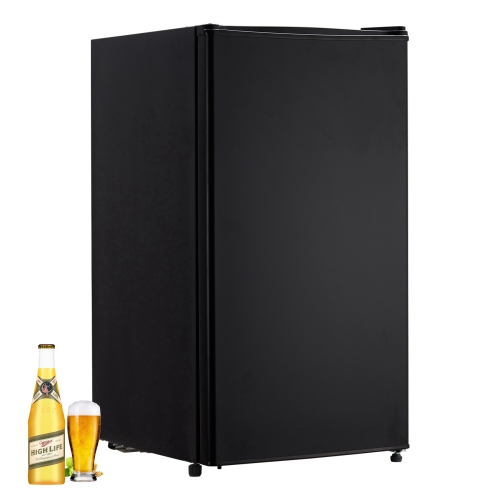
Single door fridges offer a practical way to organize fresh food when a traditional fridge-and-freezer combination is not the right fit. Available in compact sizes from about 3.2 to 4.4 cubic feet and larger all-refrigerator capacities from roughly 13 to 20 cubic feet, they can suit everything from a student bedroom or home office to a busy family kitchen, workshop, basement, cottage, or garage. Compact models typically provide room for drinks, snacks, lunch ingredients, condiments, and a few fresh groceries, while some include a small chiller compartment for items that need to be kept colder than the main fridge area. Larger single door fridges are designed almost entirely for fresh-food storage, giving you more usable shelf space for produce, dairy, prepared meals, beverages, and entertaining supplies. Prices can range from approximately $295 for compact models to more than $1,100 for full-size units, depending on capacity, finish, temperature controls, interior layout, defrost system, and installation features. A compact fridge can be a thoughtful gift for someone moving into a first apartment, setting up a dorm room, furnishing a recreation room, or creating a convenient snack station. It can also be useful for a household that needs extra cold storage before gatherings, during the cooler months when pantry and beverage storage move indoors, or whenever the main kitchen fridge seems to fill up faster than expected. Larger units may be especially helpful for people who buy fresh food in larger quantities, prepare meals ahead, host frequently, or want a dedicated place for produce and beverages away from the main cooking area.
Before choosing a single door fridge, measure the intended space carefully rather than relying only on the listed capacity. Record the available height, width, and depth, then allow additional clearance for ventilation, door opening, hinges, handles, and moving the unit into position. A fridge that fits neatly between cabinets may still be difficult to use if the door cannot open far enough to remove shelves or drawers. Check whether the door is reversible if the surrounding layout would be better suited to a left-hand or right-hand opening. Freestanding models are generally easier to place in a kitchen, office, basement, or garage, while a unit intended for a particular installation may have more specific clearance requirements. Consider how much food you expect to store and how often you shop. A small interior can be easy to organize for drinks and everyday snacks, but it may feel crowded when holding meal ingredients, large containers, or tall bottles. Adjustable glass or wire shelves, door bins, a crisper drawer, and flexible shelf spacing can make a noticeable difference when storing everything from cartons and jars to leafy greens and leftovers. Look closely at the temperature controls as well. A simple dial can be convenient for a compact space, while more precise electronic controls may be useful when the fridge holds a wider range of fresh foods. If the fridge will be placed in a garage, workshop, or other area where temperatures fluctuate, look for a model specifically described as garage-ready and follow the manufacturer’s placement guidance. For a dedicated frozen-food solution, compare the available selection of Single Door Upright Freezers separately, since a fresh-food fridge and an upright freezer serve different storage needs.
Defrosting is another important difference among single door fridges. Many smaller direct-cool models require manual defrosting, which means turning the unit off and allowing accumulated ice to melt according to the care instructions. This process is straightforward, but it takes planning: food needs to be moved temporarily, towels may be needed to catch meltwater, and the interior should be dried thoroughly before the fridge is restarted. Larger or more advanced models may offer automatic defrost, reducing routine maintenance and helping keep the interior ready for regular use. The presence of a small chiller compartment in a compact fridge also does not make it equivalent to a full freezer; it is usually intended for short-term storage of items such as ice packs or a small amount of frozen food, and its performance can vary by design and room temperature. Other details worth checking include the number and type of shelves, interior lighting, noise levels, levelling feet, the length of the power cord, and whether the unit has an ice maker or water dispenser. Simpler interiors with fewer moving components can be easier to clean and maintain, particularly in a secondary location where straightforward operation matters. Plan the interior around your routine: keep frequently used drinks within easy reach, place delicate produce in a crisper, group sauces and condiments in the door, and leave enough room for air to circulate around stored food. As the weather shifts between warmer afternoons and cooler indoor spaces, proper placement and stable temperature settings help protect the quality of fresh ingredients. With the right capacity, dimensions, features, and location, a single door fridge can provide focused, accessible cold storage without taking up more space or offering more complexity than your household needs.
Before choosing a single door fridge, measure the intended space carefully rather than relying only on the listed capacity. Record the available height, width, and depth, then allow additional clearance for ventilation, door opening, hinges, handles, and moving the unit into position. A fridge that fits neatly between cabinets may still be difficult to use if the door cannot open far enough to remove shelves or drawers. Check whether the door is reversible if the surrounding layout would be better suited to a left-hand or right-hand opening. Freestanding models are generally easier to place in a kitchen, office, basement, or garage, while a unit intended for a particular installation may have more specific clearance requirements. Consider how much food you expect to store and how often you shop. A small interior can be easy to organize for drinks and everyday snacks, but it may feel crowded when holding meal ingredients, large containers, or tall bottles. Adjustable glass or wire shelves, door bins, a crisper drawer, and flexible shelf spacing can make a noticeable difference when storing everything from cartons and jars to leafy greens and leftovers. Look closely at the temperature controls as well. A simple dial can be convenient for a compact space, while more precise electronic controls may be useful when the fridge holds a wider range of fresh foods. If the fridge will be placed in a garage, workshop, or other area where temperatures fluctuate, look for a model specifically described as garage-ready and follow the manufacturer’s placement guidance. For a dedicated frozen-food solution, compare the available selection of Single Door Upright Freezers separately, since a fresh-food fridge and an upright freezer serve different storage needs.
Defrosting is another important difference among single door fridges. Many smaller direct-cool models require manual defrosting, which means turning the unit off and allowing accumulated ice to melt according to the care instructions. This process is straightforward, but it takes planning: food needs to be moved temporarily, towels may be needed to catch meltwater, and the interior should be dried thoroughly before the fridge is restarted. Larger or more advanced models may offer automatic defrost, reducing routine maintenance and helping keep the interior ready for regular use. The presence of a small chiller compartment in a compact fridge also does not make it equivalent to a full freezer; it is usually intended for short-term storage of items such as ice packs or a small amount of frozen food, and its performance can vary by design and room temperature. Other details worth checking include the number and type of shelves, interior lighting, noise levels, levelling feet, the length of the power cord, and whether the unit has an ice maker or water dispenser. Simpler interiors with fewer moving components can be easier to clean and maintain, particularly in a secondary location where straightforward operation matters. Plan the interior around your routine: keep frequently used drinks within easy reach, place delicate produce in a crisper, group sauces and condiments in the door, and leave enough room for air to circulate around stored food. As the weather shifts between warmer afternoons and cooler indoor spaces, proper placement and stable temperature settings help protect the quality of fresh ingredients. With the right capacity, dimensions, features, and location, a single door fridge can provide focused, accessible cold storage without taking up more space or offering more complexity than your household needs.
Top selling and popular products
-
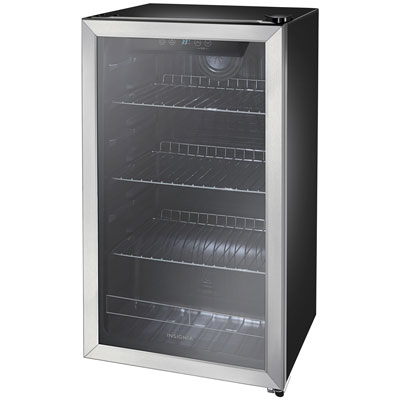 Your price for this item is $349.99
 -
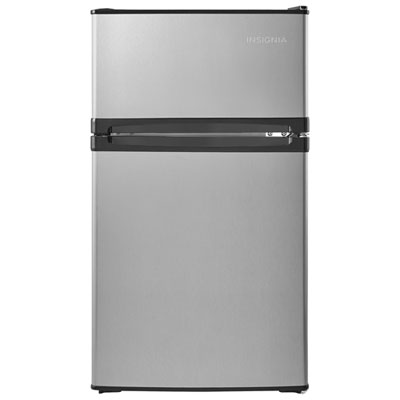 Your price for this item is $299.99
 -
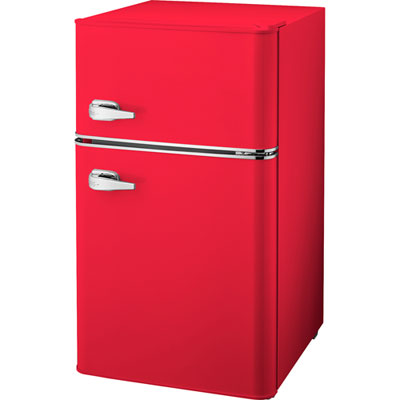 Your price for this item is $199.97
 -
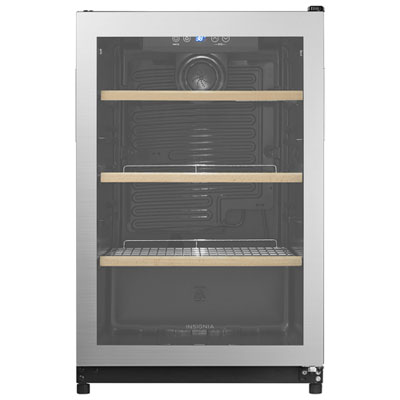 Your price for this item is $329.99
 -
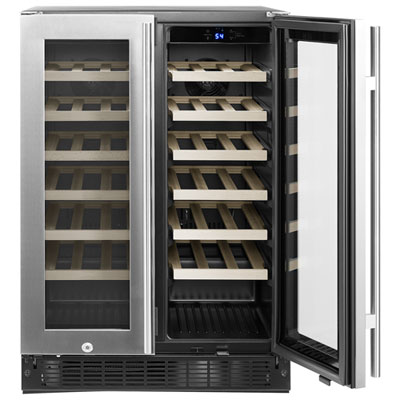 Your price for this item is $999.99
 -
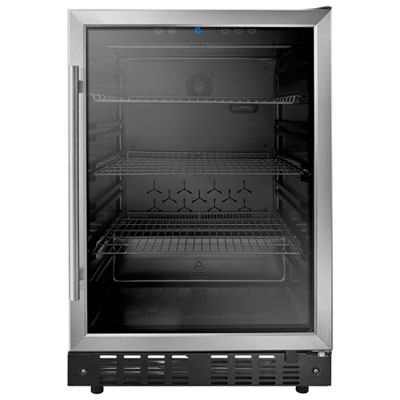 Your price for this item is $699.99
 -
 Your price for this item is $599.99
 -
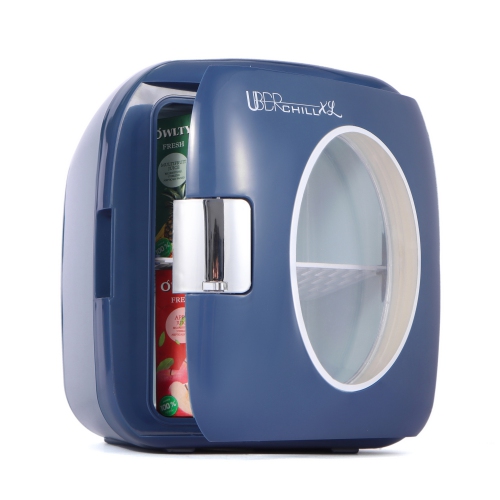 Your price for this item is $169.99
Discover more categories related to Single Door Fridges
Top Collections:
Pokemon Centers, Kindle Devices, Best Budget Office Chairs, Apple iPhones 16, Best Laptops for Writers, iPhone 15 Apple, Canon G7X Cameras, Refurbished Apple Laptops, Alarm Clock, Motorola Razr Phones
Some products may be subject to Environmental Handling Fees
(EHF) depending on your province.
Learn more about EHFs.