Slot Car Tracks
Unleash the thrill of high-speed racing in the comfort of your own home with a captivating selection of slot car tracks. Perfect for enthusiasts of all ages, these tracks offer endless hours of entertainment and excitement. Whether you're a seasoned racer or just starting out, slot car tracks provide a dynamic and engaging experience that brings friendly competition to life. With an array of layouts and designs to choose from, you can create the ultimate racing circuit tailored to your preferences. Explore the world of slot car racing and discover how easy it is to transform any space into a high-octane arena where fun and adrenaline meet.
Sort
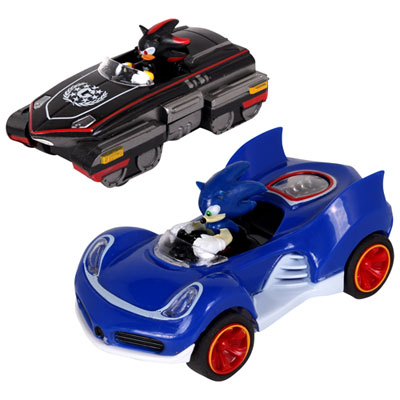
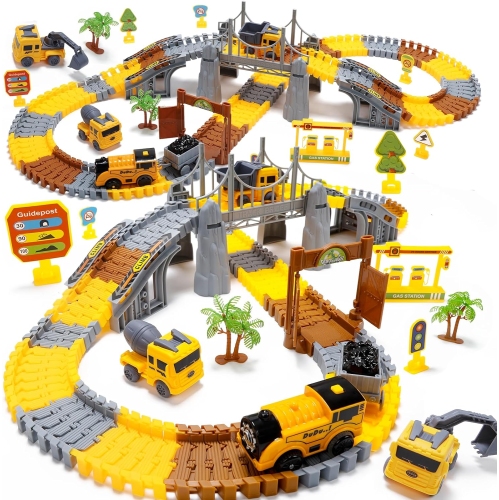

Every bend puts speed and control to the test
Slot car tracks bring miniature motor racing to a tabletop or a dedicated play area, with sweeping bends, short straights, and the satisfying challenge of keeping a car on course. Each car follows a narrow slot using a guide pin or blade, while electrical contacts draw power from metal rails in the track. A handheld controller lets the driver adjust speed, making the experience more involved than simply watching a vehicle complete a circuit. A quick burst along a straight can build a lead, but too much speed entering a tight bend can send a car out of its lane. That balance between pace and control gives even a compact layout plenty of replay value. Slot car racing can suit children developing coordination, families looking for a shared activity, and adults who enjoy model vehicles or friendly competition. Younger drivers often appreciate a straightforward circuit where the whole route is easy to follow, while experienced racers may enjoy longer layouts that reward careful braking and consistent acceleration. Age recommendations matter because cars, connectors, and track accessories can include small parts, and some systems require more precise handling than others. Scale also shapes the experience: smaller-scale layouts can fit more racing into a modest space, while larger cars and track sections generally need more room and can make vehicle details easier to appreciate. Vehicle scale alone does not establish compatibility, however, since track connections, lane spacing, electrical systems, and guide designs can differ. A complete racing set typically brings together the main components needed to begin, whereas separate track sections serve an existing compatible setup. The appeal extends beyond the race itself. Assembling a route, testing a difficult corner, and adjusting the layout can be as absorbing as chasing a faster lap. For a child who enjoys vehicles or an adult with a fondness for miniature racing, slot car tracks offer a hands-on activity built around both construction and driving skill.
The shape of a slot car track has a direct effect on how it feels to race. Long straights encourage acceleration, broad curves allow a smoother rhythm, and tighter corners demand a lighter touch on the controller. A simple oval makes it easy to see how small changes in speed affect a car, while a more varied circuit introduces different braking points and opportunities to regain ground. The assembled footprint matters more than the number of track sections alone. Room is needed around the edges for controllers, cables, and retrieving cars, especially beside corners where vehicles are more likely to leave the slot. A flat, stable surface helps sections sit flush and keeps electrical connections from being strained. A table can make the action easier to reach, provided the layout is supported and cars cannot drop far from an exposed edge. Floor layouts need similar care, with clear walking routes and cables kept away from passing feet. Most track sections combine moulded plastic with metal conductors, so both the strength of the joints and the condition of the rails affect performance. Repeated assembly is easier when connectors align cleanly and sections separate without excessive force. Raised sections add visual interest and changes in elevation, but their supports need to hold the track securely without abrupt transitions that catch a car’s underside. Lane count and control type also influence play. Traditional analogue systems generally keep each car in its own lane, making side-by-side racing easy to understand. Compatible digital systems may allow multiple cars to share a lane and change lanes at designated sections, adding overtaking and race-management possibilities. These features depend on the particular system rather than the appearance of the track. Expansion pieces, controllers, power supplies, and cars need matching specifications, and a similar-looking connector is not a guarantee of a suitable fit. Where supported, adjustable speed limits can make the same circuit more approachable for beginners without changing its layout, while lap counting adds a clear goal for solo practice or a close race between friends.
Regular care helps slot car tracks deliver consistent racing rather than unexplained stops and uneven acceleration. Dust, loose fibres, and residue on the running surface can reduce grip, while dirty electrical contacts may interrupt power. A soft, dry cloth is useful for routine surface cleaning, with any additional cleaning method matched to the manufacturer’s directions. Abrasive tools and unsuitable liquids can damage plastic surfaces or metal rails, so a gentle approach is preferable to aggressive scrubbing. Power should be disconnected before cleaning, checking connections, or making repairs. Track joints deserve attention after a layout has been moved or rebuilt: a small gap can unsettle a car, and a poorly seated electrical connection can affect an entire section. Cars contribute to reliable running too, particularly the condition of their tyres, guide blades, and pickup contacts. Keeping these parts clean and correctly positioned supports smoother laps without requiring every race to become a maintenance session. For layouts that are packed away between uses, separating sections carefully and storing them flat helps protect tabs and connecting ends. Smaller accessories are easier to keep together in a dedicated container, away from younger children. Everyday usability matters as much as the circuit design. Comfortable controllers, reachable corners, and enough space for each driver make shared racing less frustrating. Short heats work well when several people are taking turns, while solo sessions offer a chance to practise a troublesome bend or compare consistent laps. As a gift, a slot car track is especially suited to someone who enjoys active control, model building, or a little friendly rivalry; the recipient’s age, available space, and any existing track system are useful considerations. Children more interested in arranging routes and inventing journeys may also enjoy Toy Train Tracks, which support a different style of vehicle play. Slot car racing centres on the connection between driver and circuit: easing into a bend, finding grip on the exit, and gradually turning a familiar stretch of track into a smoother, more confident lap.
Top selling and popular products
-
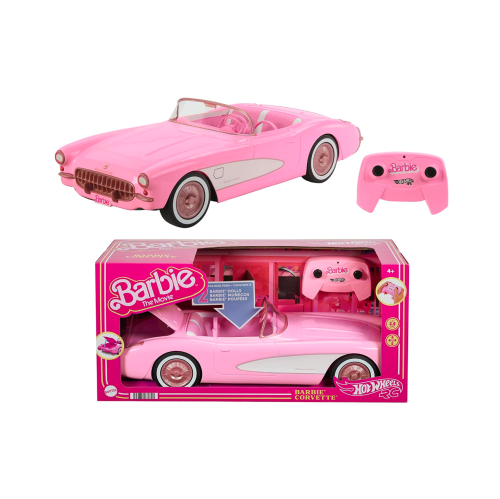 Your price for this item is $219.99
-
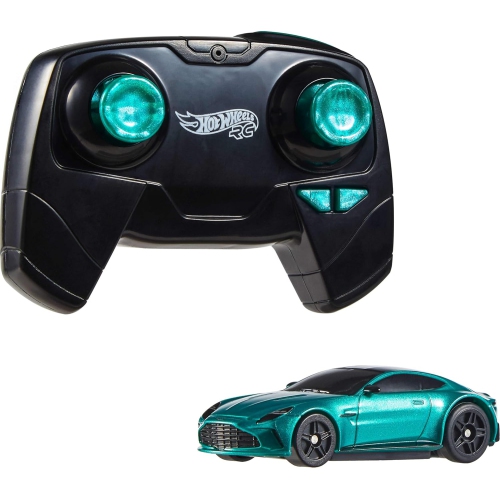 Your price for this item is $78.99
-
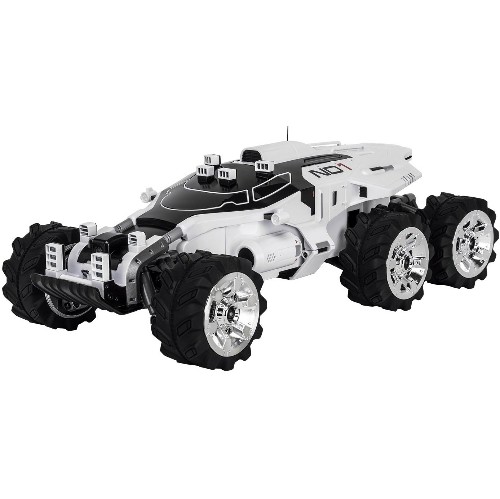 Your price for this item is $345.68
-
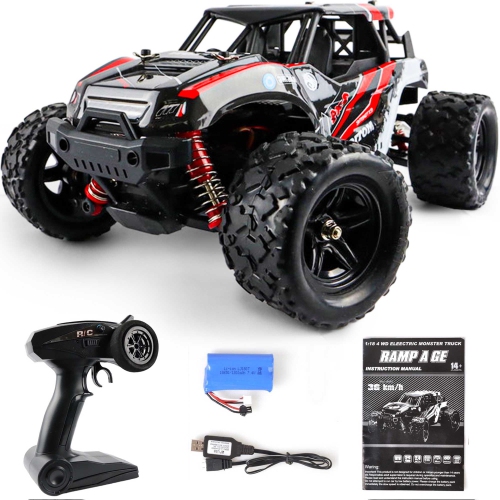 Your price for this item is $99.99
-
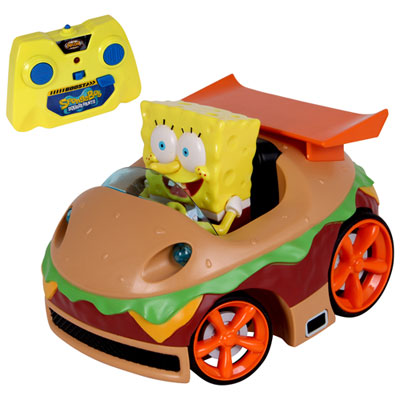 Your price for this item is $39.99
-
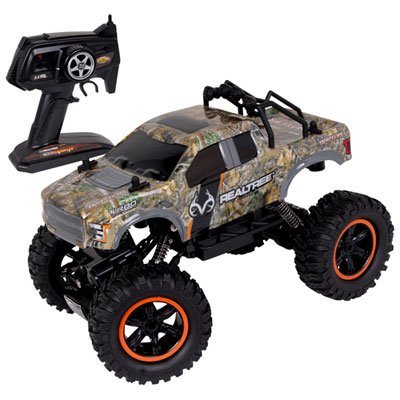 Your price for this item is $69.99
-
 Your price for this item is $142.99
-
 Your price for this item is $49.99
Discover more categories related to Slot Car Tracks
Top Collections:
Best Black Friday Deals This Year, Best Black Friday Deals On Electronics, Kindle Devices, Pokemon Centers, Best Black Friday Deals On Apple Products, Best Cameras for Sports Photography, Dyson Airwrap, Pokémon 30th Celebration Cards, Apple iPhone 17 Pro, Canon G7X Cameras
Some products may be subject to Environmental Handling Fees
(EHF) depending on your province.
Learn more about EHFs.