Small Quiet Dehumidifiers
A dehumidifier is a great way to control humidity in your home. It can help prevent mold and mildew, as well as keep wood floors and other surfaces from becoming slippery. But not all dehumidifiers are created equal. Some are too loud, some are too big. If you're looking for a small, quiet dehumidifier, consider these options.
Sort
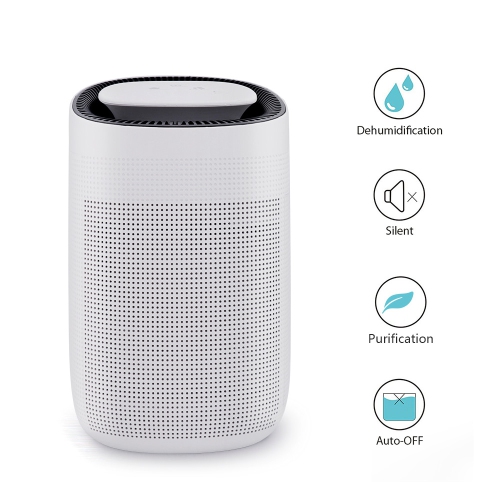
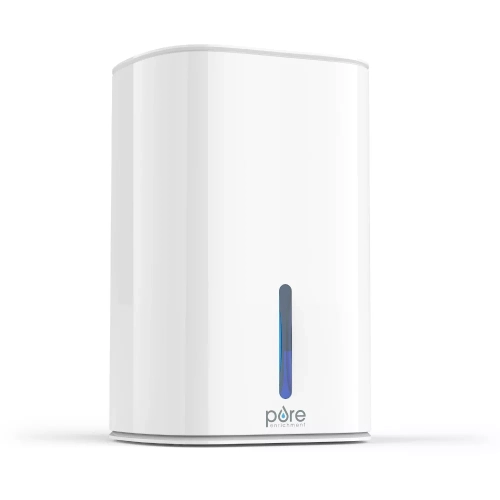
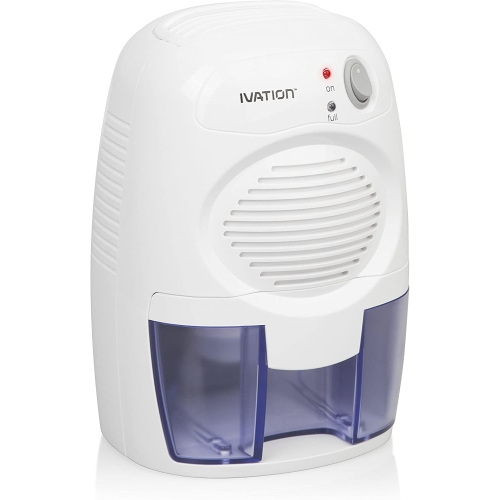
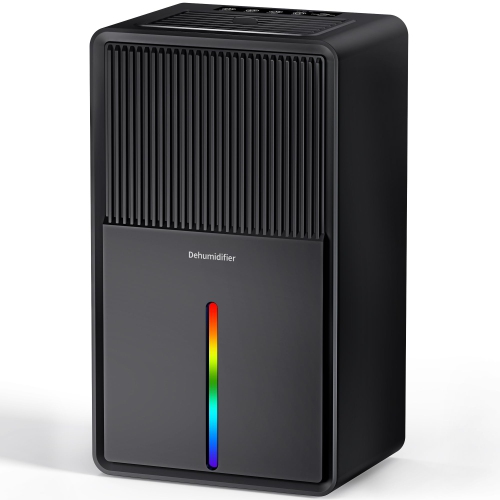
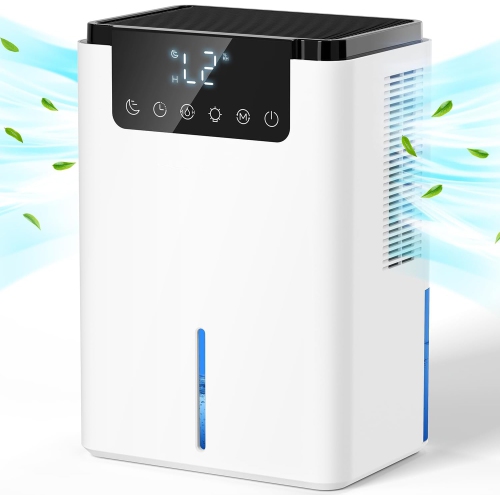

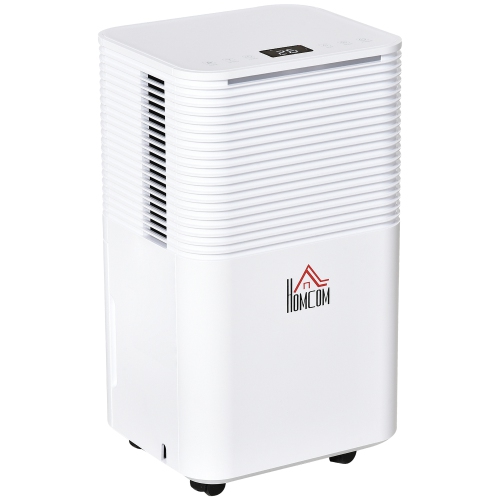
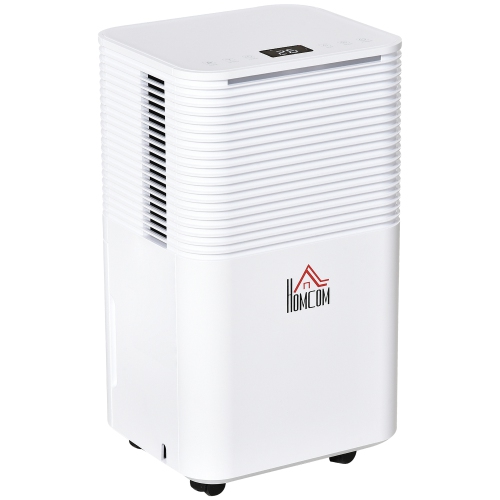
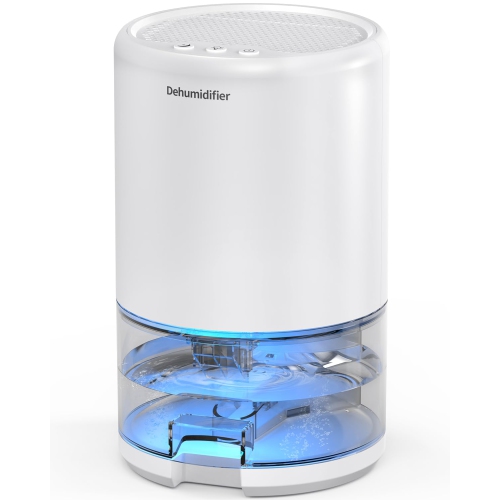
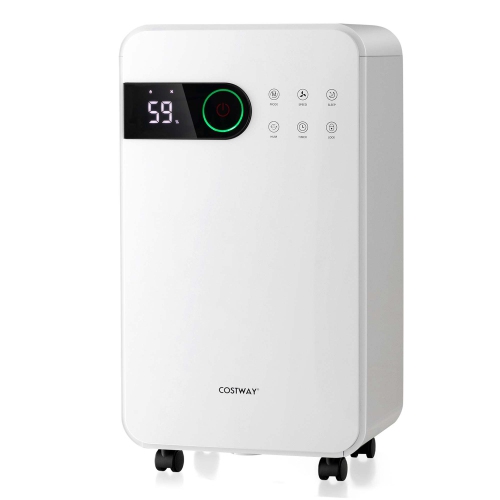
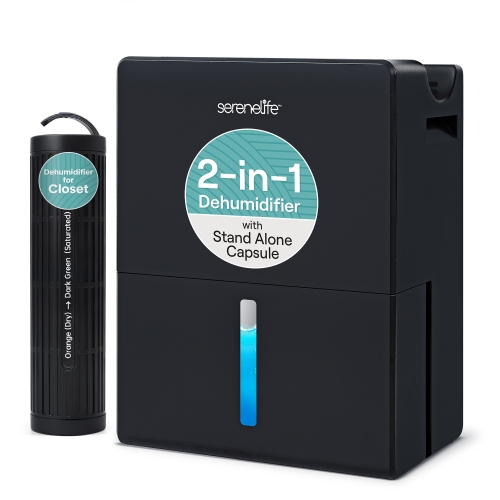
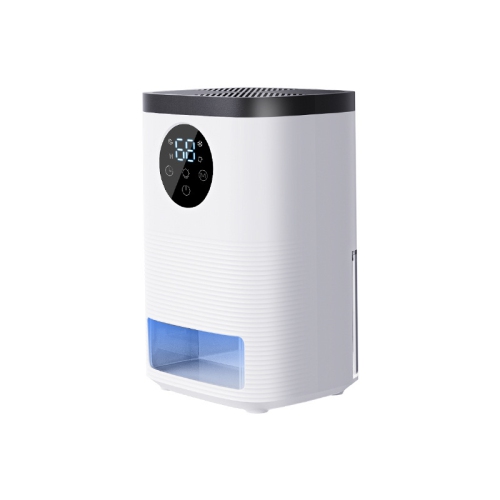
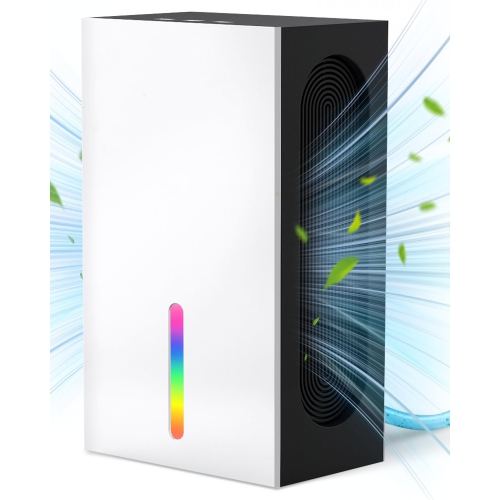
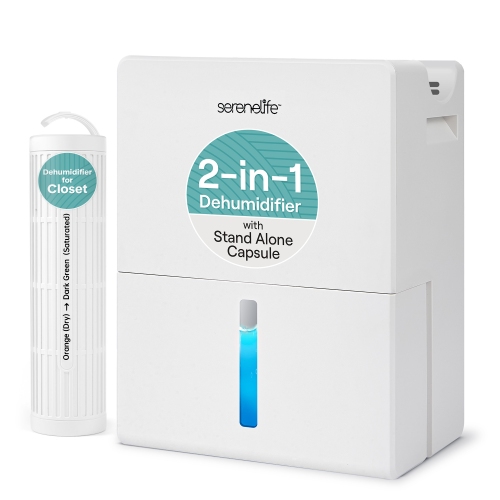
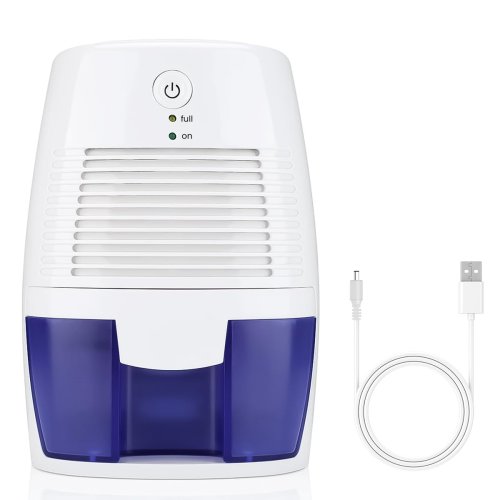
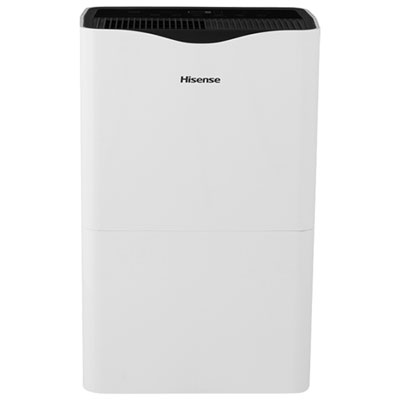
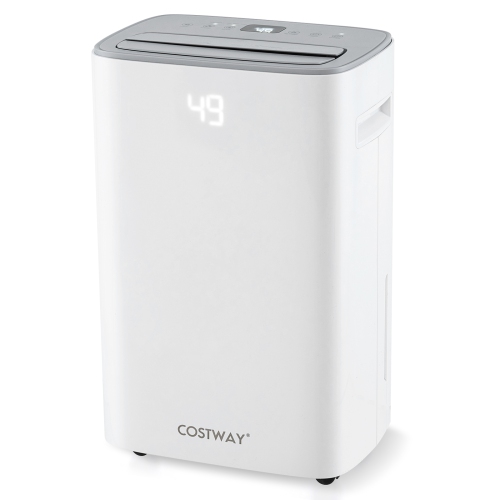
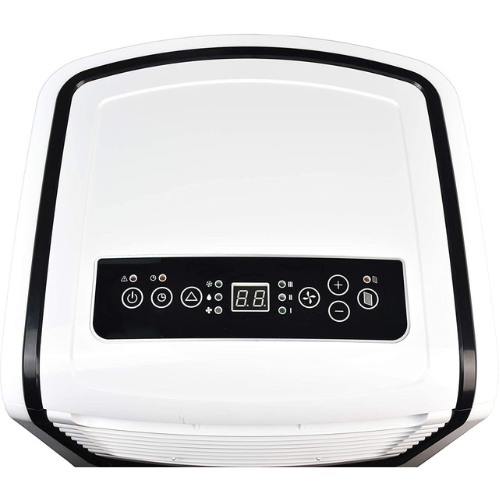
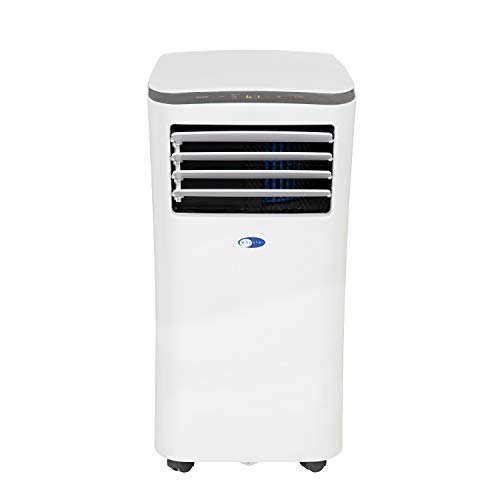
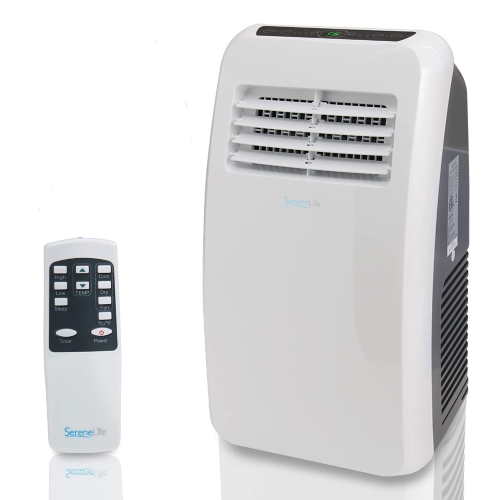
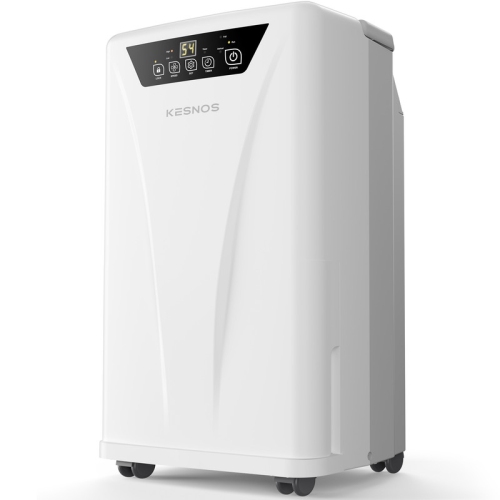
Quiet moisture control for compact, enclosed spaces
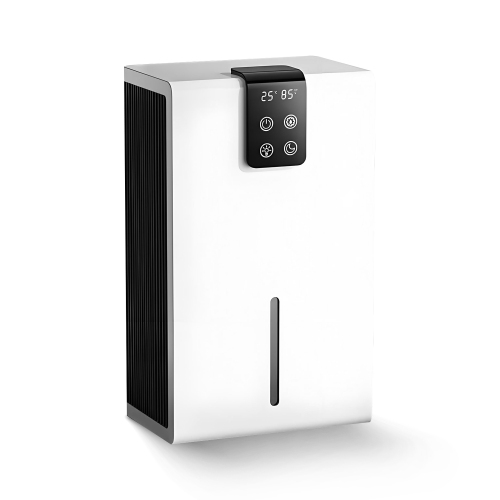
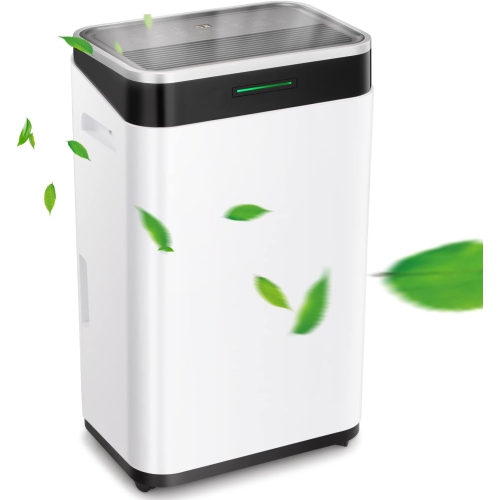
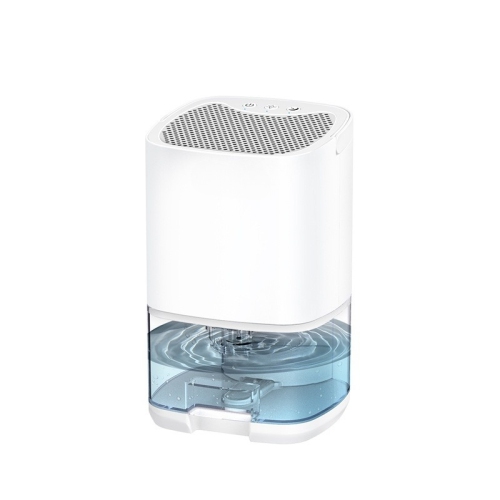
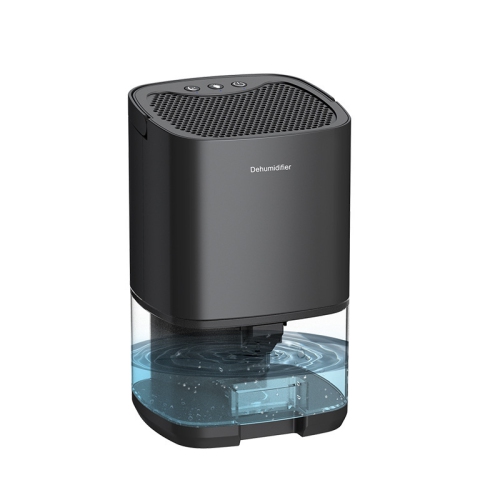
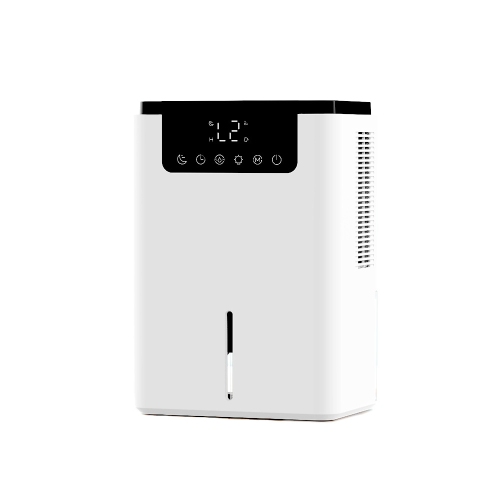
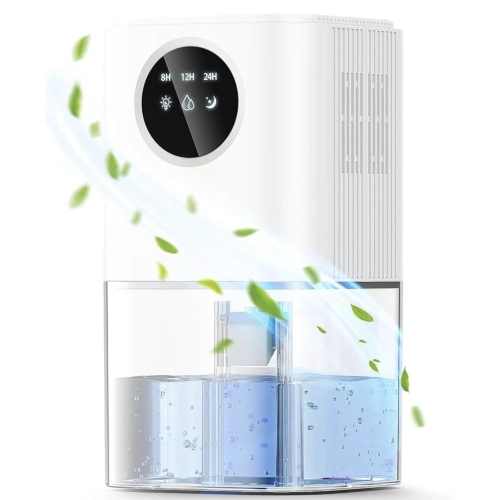
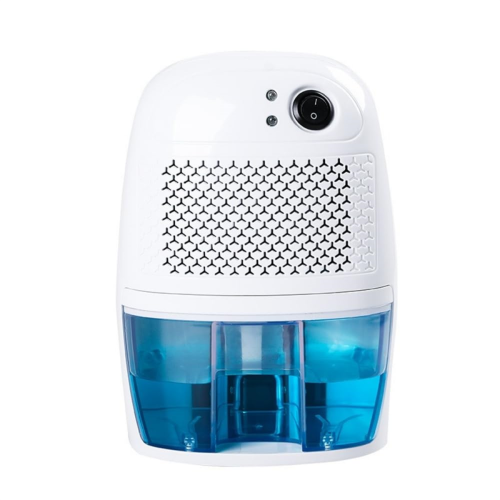
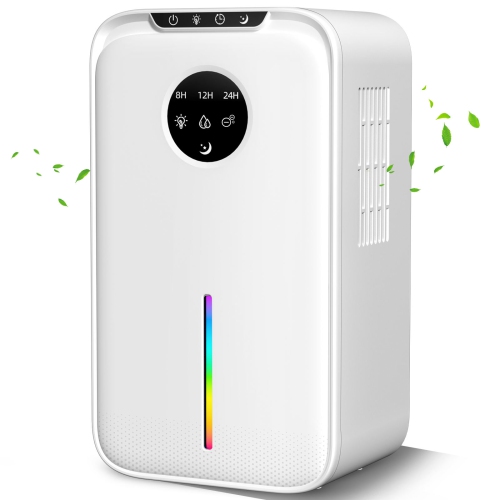
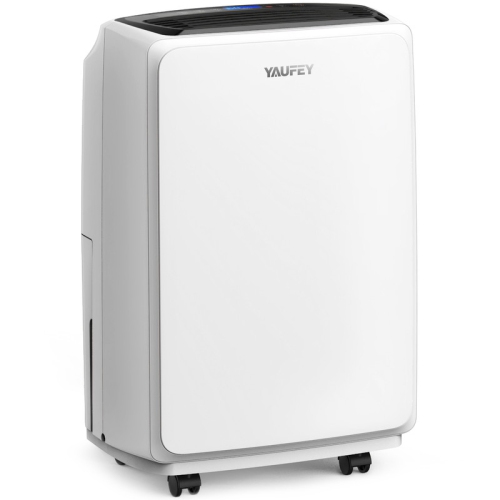
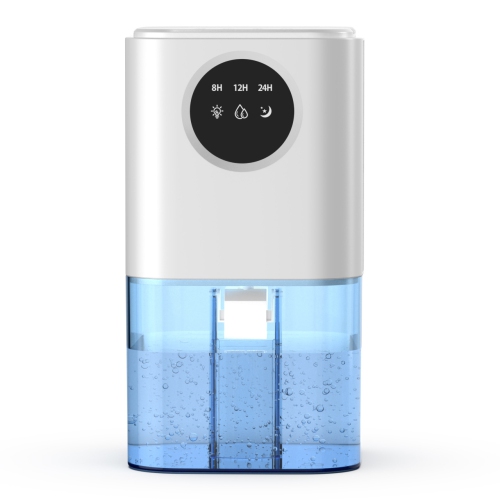
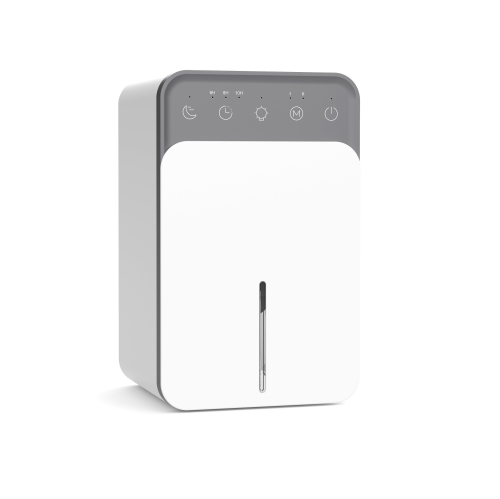
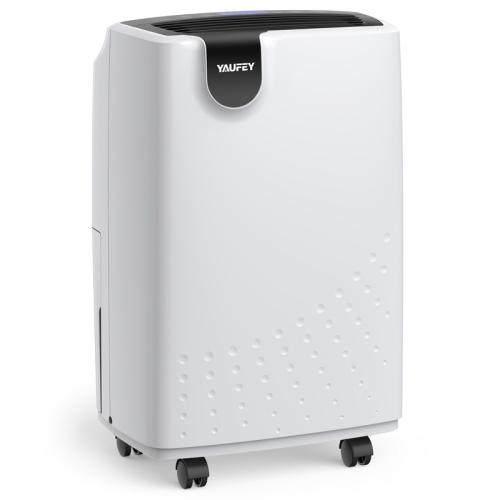
Small quiet dehumidifiers are designed for the places where excess moisture is noticeable but space and noise levels are limited. A compact unit can be a practical choice for a bedroom, nursery, bathroom, laundry area, walk-in closet, home office, RV, or other enclosed space where a full-size appliance would be difficult to place. Many small models use thermoelectric, also called Peltier, technology instead of a traditional compressor. This design has fewer moving parts and typically produces a soft hum rather than the louder cycling sound associated with larger compressor dehumidifiers. Depending on the model and operating conditions, noise levels may fall in the range of approximately 25 to 35 decibels, making these units suitable for use near a bed, desk, or reading chair. A quiet dehumidifier can help make a room feel more comfortable during humid weather, while also reducing the damp sensation that can linger in towels, clothing, bedding, and stored belongings. As the weather warms, a compact unit in a bedroom or small bathroom can quietly collect moisture throughout the day. During the cooler months, it may be useful in a laundry space, closet, or room with limited ventilation where condensation tends to gather. For shoppers comparing options, the most important starting point is the size and condition of the area. Small quiet dehumidifiers are generally intended for compact rooms and enclosed spaces, often under approximately 350 square feet, rather than whole homes, large basements, open-concept living areas, or spaces with severe water intrusion. Their moisture-removal capacity is usually modest, commonly around 300 millilitres to 1 pint per day under favourable conditions. Actual collection can be lower when the room is cool, the air is only slightly humid, or the unit is placed where airflow is restricted. Choosing a model that matches the space helps set realistic expectations and supports more consistent performance.
Features can make a noticeable difference in everyday use, particularly when the dehumidifier will operate overnight or when no one is nearby to empty it. An automatic shut-off function pauses operation when the water tank reaches capacity, which helps prevent spills and makes the appliance easier to manage in a bedroom, closet, or RV. A transparent or easy-to-check reservoir lets you see when draining is needed, while a removable tank with a comfortable handle can simplify emptying. Some compact units include a continuous-drain option, although this requires a suitable location, a compatible hose, and a safe path for the water to flow. A sleep mode, dimmed display, or adjustable indicator light can be helpful beside a bed or in a child’s room, while a timer can provide more control in a bathroom or laundry area. Night lights and colour-changing displays may appeal to some households, but they are not essential to moisture removal and should be switchable when darkness is preferred. Filter-free designs can reduce routine replacement tasks, although every model still benefits from regular care. Keep the air intake and outlet clear of curtains, walls, clothing, and furniture, and place the unit on a stable, level surface where spilled water will not damage flooring or nearby belongings. Empty and rinse the tank as directed, wipe away residue, and allow removable parts to dry fully before reassembly. Dust around the vents can restrict airflow, so gentle cleaning with a soft, dry cloth helps maintain performance. Because small thermoelectric units are relatively lightweight, they can be moved from a bathroom after a shower to a closet or bedroom as needed, but they should be transported upright and connected to a properly grounded electrical outlet. Avoid placing any electrical dehumidifier directly beside a sink, tub, shower, or other source of splashing water, and follow the manufacturer’s clearance and operating instructions.
Small quiet dehumidifiers can be a thoughtful practical gift for someone moving into a compact apartment, setting up a dorm-style room, travelling in an RV, or organizing a damp storage area. They may also suit a light sleeper who finds the vibration or compressor cycling of a larger appliance distracting. In a bathroom, a compact unit can be positioned away from direct splashes to help manage lingering moisture after bathing, while a laundry room model can assist with the humid air created by wet loads and drying clothing. In a closet, it can help address the close, stale feeling that develops when air circulation is limited, particularly when coats, shoes, linens, or seasonal clothing are stored together. For a small bedroom, placing the unit where air can circulate freely may provide a more comfortable environment without taking up much floor space. These appliances are most effective when paired with sensible moisture-control habits, such as using a bathroom exhaust fan, opening a window when outdoor conditions are suitable, drying wet fabrics promptly, and addressing leaks or visible water damage at the source. They are not intended to replace professional repairs or high-capacity equipment for flooding, persistent basement dampness, mould remediation, or widespread condensation. Shoppers who need a quieter appliance but require coverage beyond a small enclosed room may wish to compare additional options in Silent Dehumidifiers. Before choosing, consider the tank size, stated coverage area, moisture-removal rating, noise specification, power cord length, controls, drainage arrangement, and available placement space. A smaller tank may suit occasional use and be easier to carry, while a larger reservoir can reduce the frequency of emptying. The best fit is a unit that can sit safely where moisture collects, operate quietly enough for the room, and provide simple controls for the daily routine.
Features can make a noticeable difference in everyday use, particularly when the dehumidifier will operate overnight or when no one is nearby to empty it. An automatic shut-off function pauses operation when the water tank reaches capacity, which helps prevent spills and makes the appliance easier to manage in a bedroom, closet, or RV. A transparent or easy-to-check reservoir lets you see when draining is needed, while a removable tank with a comfortable handle can simplify emptying. Some compact units include a continuous-drain option, although this requires a suitable location, a compatible hose, and a safe path for the water to flow. A sleep mode, dimmed display, or adjustable indicator light can be helpful beside a bed or in a child’s room, while a timer can provide more control in a bathroom or laundry area. Night lights and colour-changing displays may appeal to some households, but they are not essential to moisture removal and should be switchable when darkness is preferred. Filter-free designs can reduce routine replacement tasks, although every model still benefits from regular care. Keep the air intake and outlet clear of curtains, walls, clothing, and furniture, and place the unit on a stable, level surface where spilled water will not damage flooring or nearby belongings. Empty and rinse the tank as directed, wipe away residue, and allow removable parts to dry fully before reassembly. Dust around the vents can restrict airflow, so gentle cleaning with a soft, dry cloth helps maintain performance. Because small thermoelectric units are relatively lightweight, they can be moved from a bathroom after a shower to a closet or bedroom as needed, but they should be transported upright and connected to a properly grounded electrical outlet. Avoid placing any electrical dehumidifier directly beside a sink, tub, shower, or other source of splashing water, and follow the manufacturer’s clearance and operating instructions.
Small quiet dehumidifiers can be a thoughtful practical gift for someone moving into a compact apartment, setting up a dorm-style room, travelling in an RV, or organizing a damp storage area. They may also suit a light sleeper who finds the vibration or compressor cycling of a larger appliance distracting. In a bathroom, a compact unit can be positioned away from direct splashes to help manage lingering moisture after bathing, while a laundry room model can assist with the humid air created by wet loads and drying clothing. In a closet, it can help address the close, stale feeling that develops when air circulation is limited, particularly when coats, shoes, linens, or seasonal clothing are stored together. For a small bedroom, placing the unit where air can circulate freely may provide a more comfortable environment without taking up much floor space. These appliances are most effective when paired with sensible moisture-control habits, such as using a bathroom exhaust fan, opening a window when outdoor conditions are suitable, drying wet fabrics promptly, and addressing leaks or visible water damage at the source. They are not intended to replace professional repairs or high-capacity equipment for flooding, persistent basement dampness, mould remediation, or widespread condensation. Shoppers who need a quieter appliance but require coverage beyond a small enclosed room may wish to compare additional options in Silent Dehumidifiers. Before choosing, consider the tank size, stated coverage area, moisture-removal rating, noise specification, power cord length, controls, drainage arrangement, and available placement space. A smaller tank may suit occasional use and be easier to carry, while a larger reservoir can reduce the frequency of emptying. The best fit is a unit that can sit safely where moisture collects, operate quietly enough for the room, and provide simple controls for the daily routine.
Top selling and popular products
-
 Your price for this item is $879.99
 -
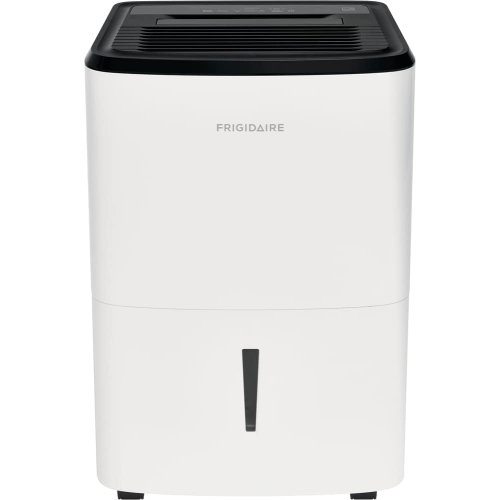 Your price for this item is $750
 -
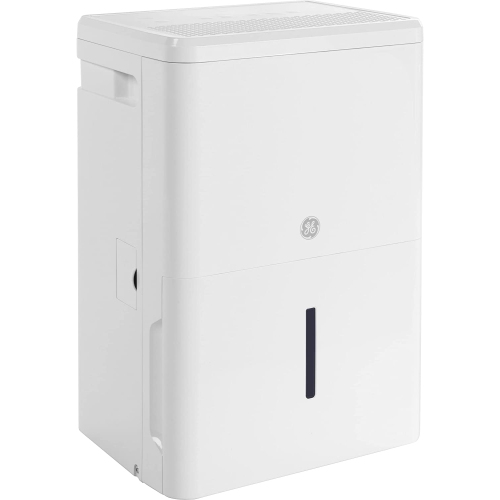 Your price for this item is $637.99
 -
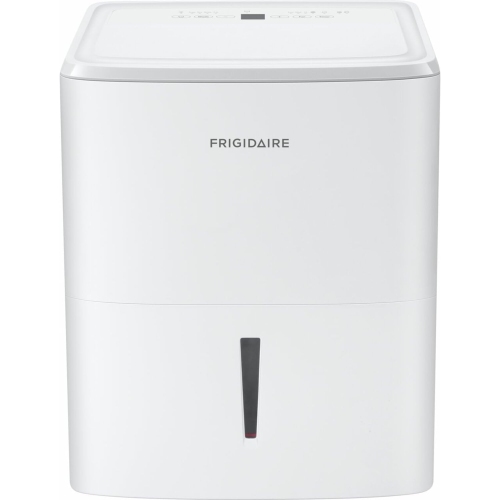 Your price for this item is $599.99
 -
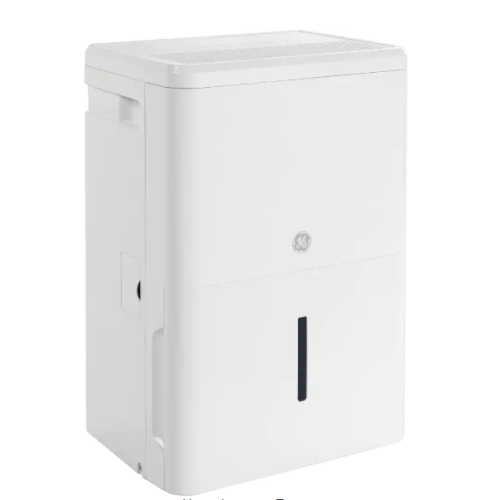 Your price for this item is $539.99
 -
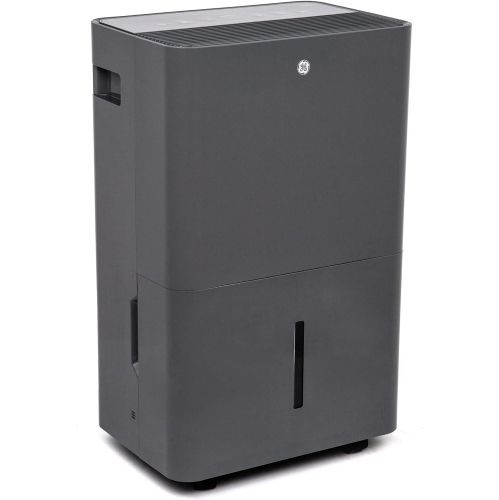 Your price for this item is $945.99
 -
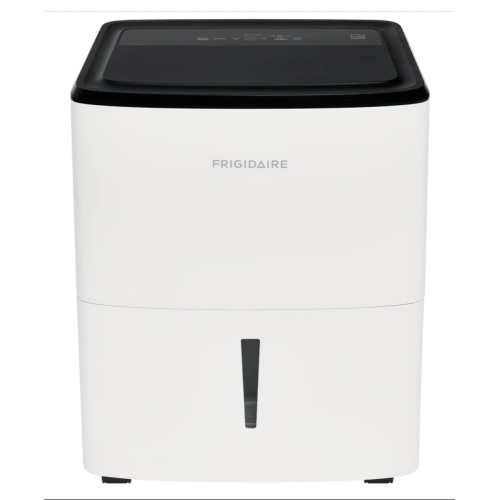 Your price for this item is $582.99
 -
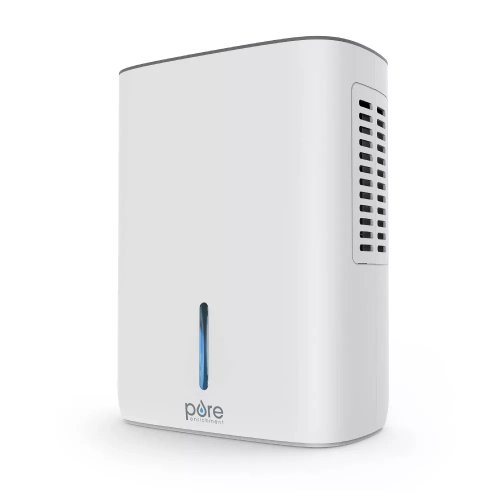 Your price for this item is $329.99
Discover more categories related to Small Quiet Dehumidifiers
Top Collections:
Pokemon Centers, Kindle Devices, Best Budget Office Chairs, Apple iPhones 16, Best Laptops for Writers, iPhone 15 Apple, Canon G7X Cameras, Refurbished Apple Laptops, Alarm Clock, Motorola Razr Phones
Some products may be subject to Environmental Handling Fees
(EHF) depending on your province.
Learn more about EHFs.