Small Dehumidifiers
If you live in a small apartment or house, you may have to do something called "airing out the house" to keep your space from getting too damp. This is where you open all the windows and doors and let in the fresh air, which helps to dry out the room. But if you don't want to do that, or if you don't have enough space for all the windows and doors you'd like, then it's time to consider a small dehumidifier. Here are some of the best small dehumidifiers on the market today.
Sort
Why moisture removal matters more than appliance size
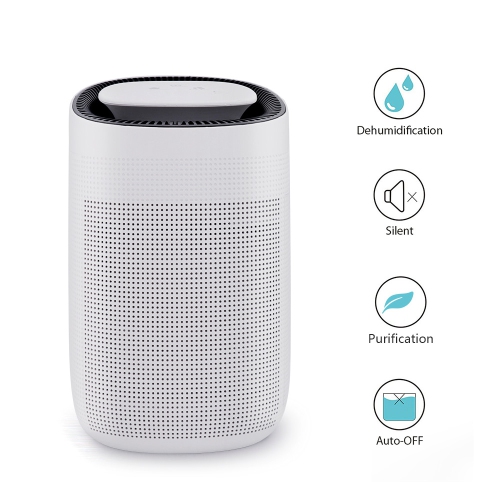
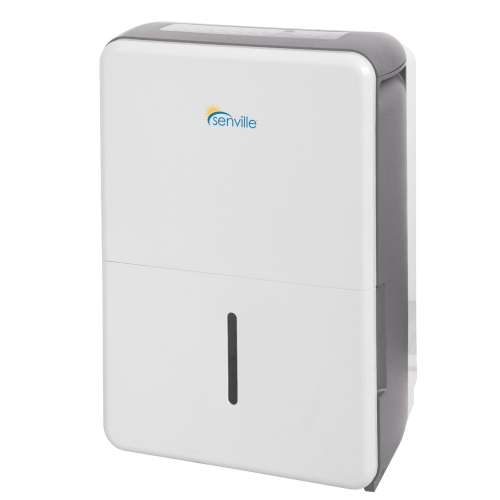
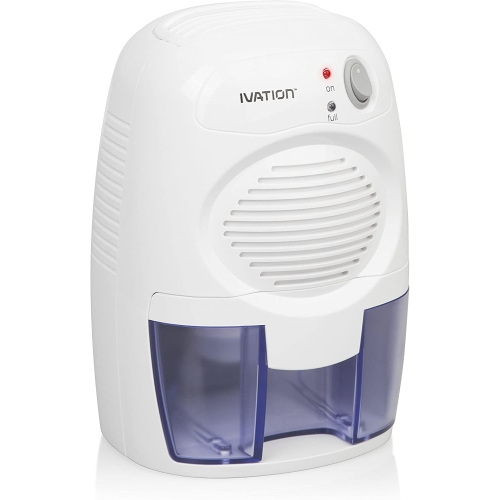
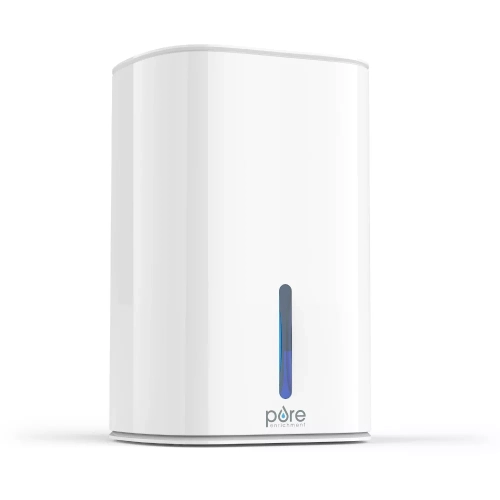
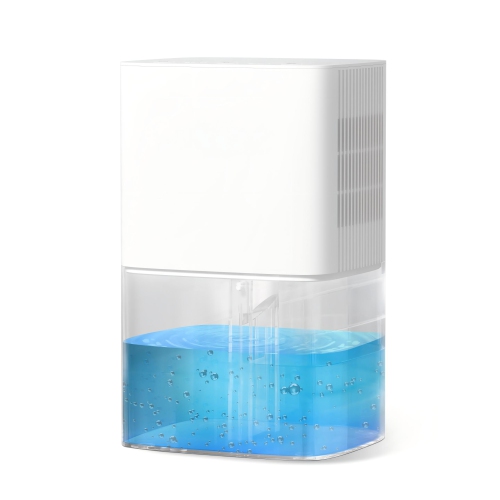
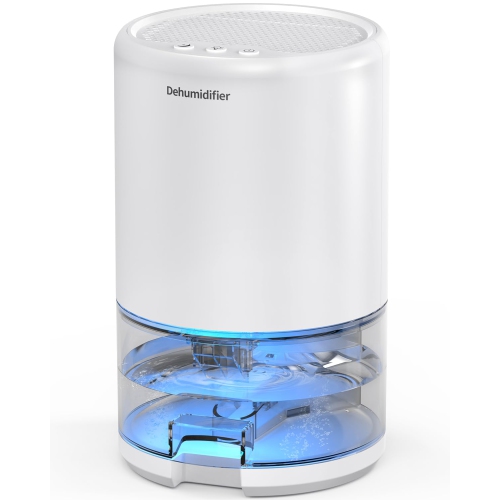
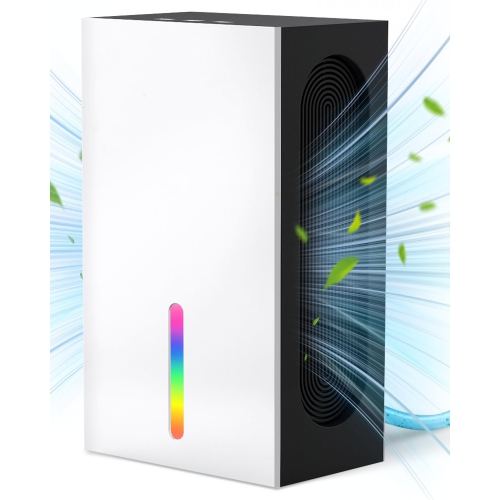
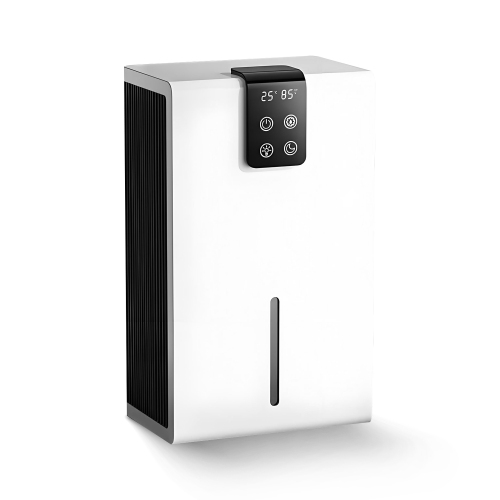
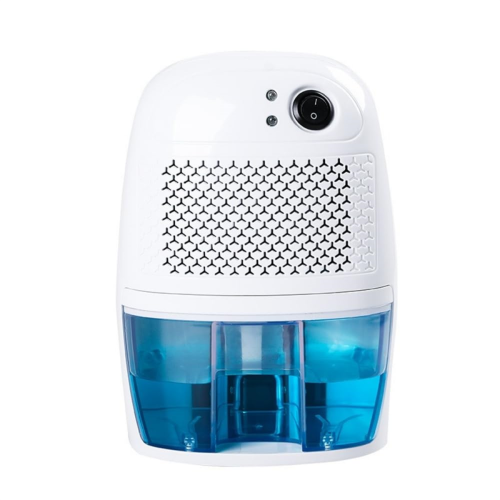
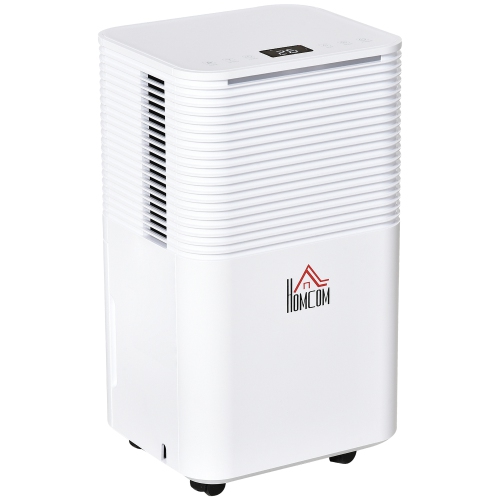
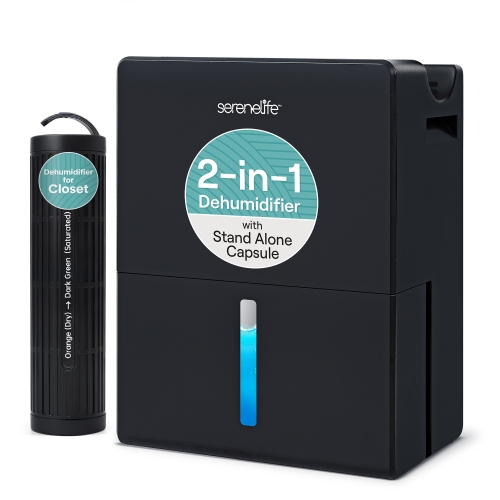
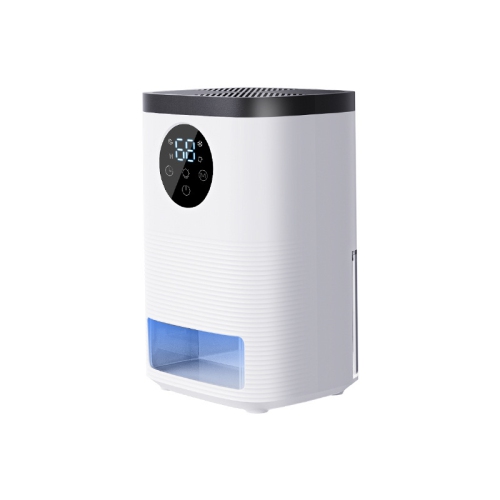
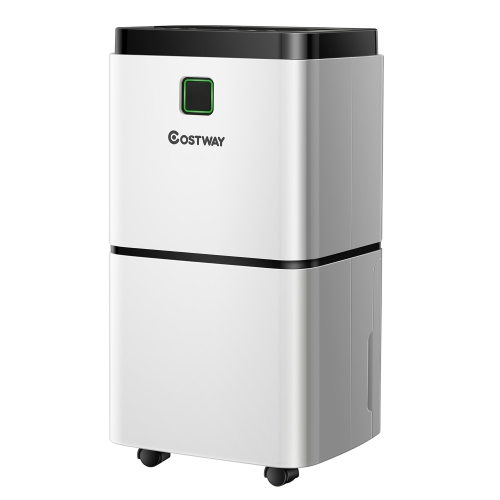
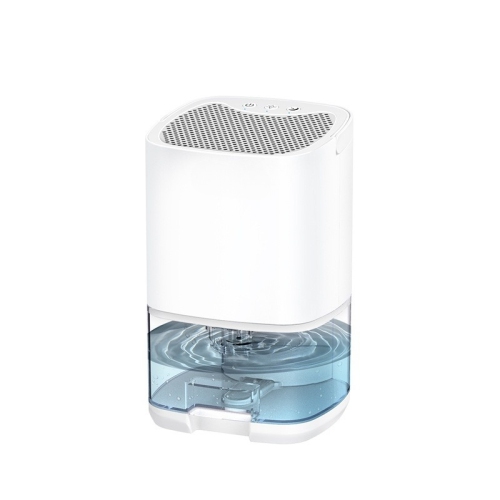
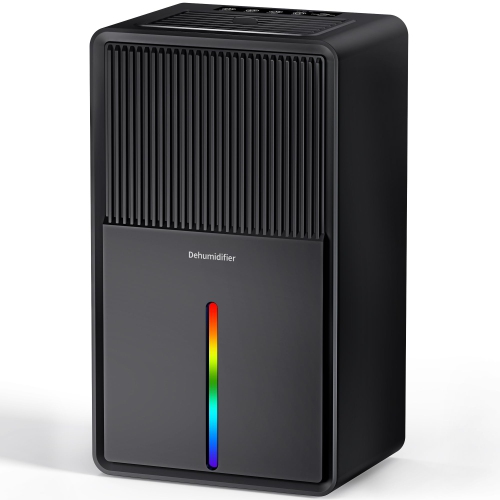
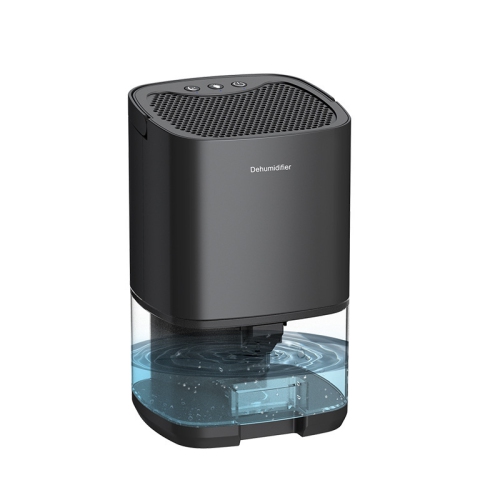
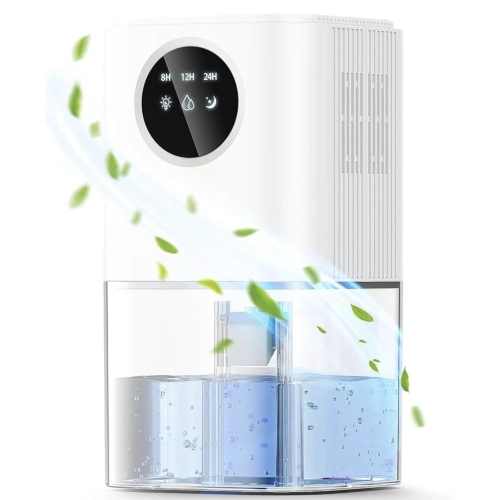
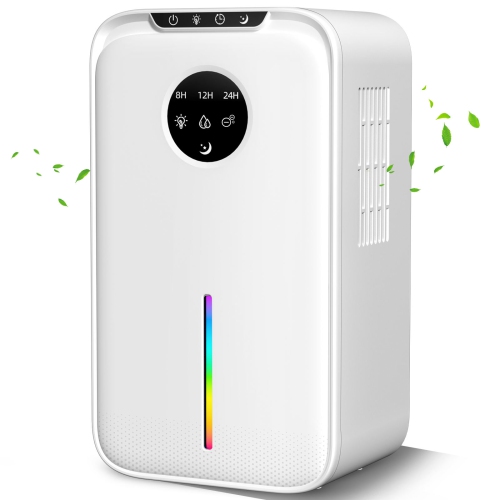
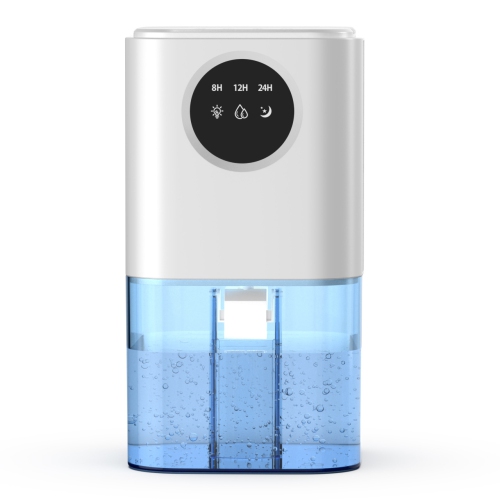
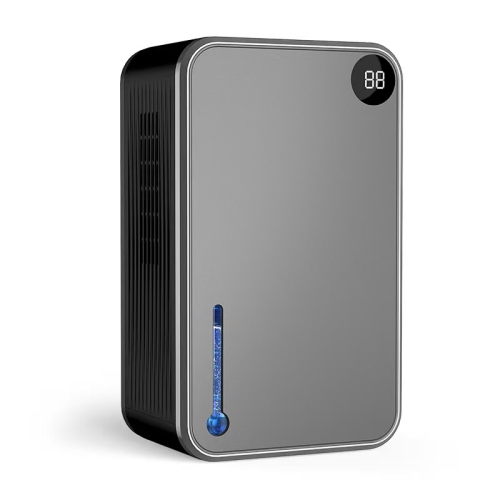
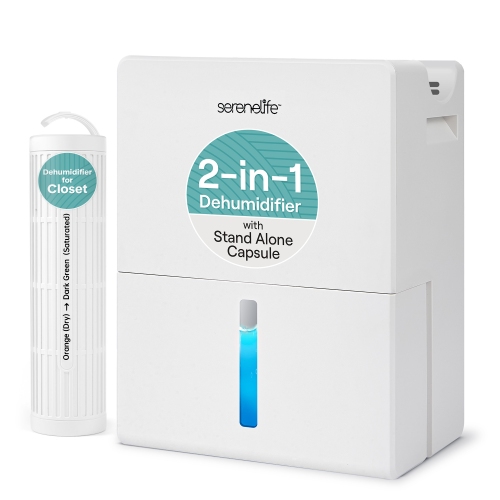
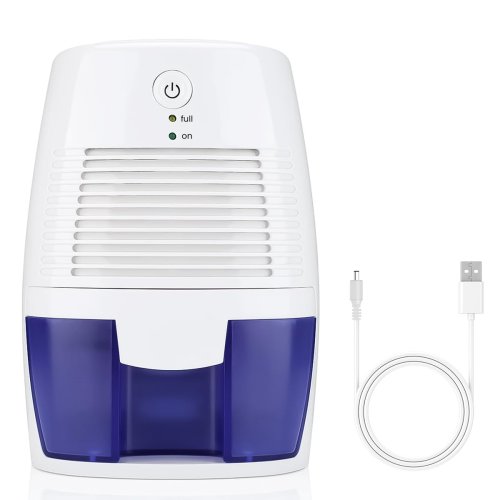
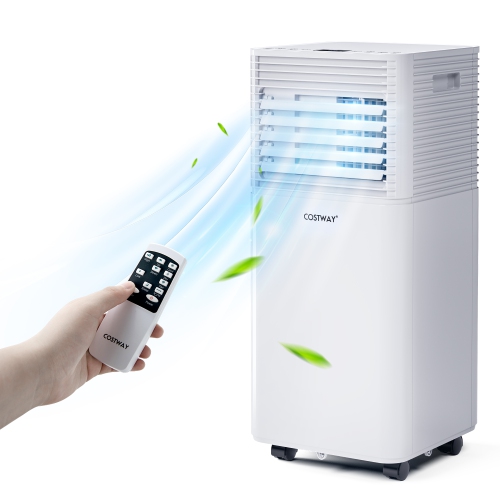
Small dehumidifiers help manage excess moisture in spaces where a full-size appliance would take up too much room. Their compact footprint suits bedrooms, home offices, laundry areas, and other enclosed spaces, but physical size tells only part of the story. Moisture removal capacity, tank size, and the amount of dampness in the room all affect how useful a unit will be. Mini thermoelectric dehumidifiers, also called Peltier dehumidifiers, use a cooled surface to collect moisture from the air. They are generally lightweight and relatively quiet, making them a practical option for modest moisture control in a small, enclosed space with suitable airflow and access to power. Their fans still make some sound, and their water collection rate is usually much lower than that of compressor models. Many collect only a few hundred millilitres per day under their stated test conditions. Compact compressor dehumidifiers can remove several litres daily, depending on their rating and operating conditions, and are generally better suited to a bedroom, a regularly used laundry room, or a small basement area with persistent dampness. The distinction matters when a unit needs to do more than collect occasional moisture: a tiny tank on a bedside cabinet may be unobtrusive, but it does not make a low-output appliance suitable for a damp room. Room coverage claims are useful starting points rather than guarantees, since ceiling height, open doorways, ventilation, and ongoing moisture sources influence performance. A small dehumidifier works best when its capacity matches both the space and the task. For someone furnishing a compact apartment, that might mean a portable compressor unit that fits beside a dresser while leaving its vents clear. For a lightly damp storage nook, a smaller thermoelectric model may provide the limited moisture removal needed without occupying much floor space. Neither type repairs a leak or replaces bathroom ventilation, and persistent damp patches, water intrusion, or visible mould need attention beyond running an appliance.
The everyday fit of a small dehumidifier depends on more than its width and height. Air intake and exhaust locations determine how close it can sit to furniture or a wall, while the water tank needs enough clearance to slide out without moving the entire unit. A narrow space beside a desk can look ideal until a rear-facing intake or side-loading tank makes it awkward to use. Stable, level placement and the clearances specified by the manufacturer help keep airflow unobstructed. Most compact housings are made from wipe-clean plastic, with removable tanks that make the collected water easy to see or check. A sturdy carrying handle, secure tank seating, and controls that remain accessible in the intended location all contribute to a more practical design. For bedrooms and shared living areas, sound deserves particular attention. Thermoelectric models usually produce a steady fan sound, while compressor units add compressor noise and may cycle on and off as humidity changes. Published sound ratings can help with comparisons, although the fan setting, floor surface, and distance from the bed or seating area also shape what someone hears. A humidistat allows compatible models to respond to a selected humidity level instead of operating continuously. Relative humidity between about 30% and 50% is a common indoor target, though building conditions and individual needs can affect the most appropriate setting. An independent hygrometer can show whether a space is genuinely humid and whether the appliance is making a useful difference. Simple controls, a readable display, and an option to dim indicator lights can be especially welcome in a bedroom. For a home office, timer settings and adjustable fan speeds may make it easier to balance moisture removal with calls or focused work. These features are worth considering alongside capacity rather than in place of it: a quiet setting or compact shape cannot compensate for insufficient moisture removal in a persistently damp space.
Tank design and routine care have a noticeable effect on how convenient a small dehumidifier feels after the first few uses. Moisture removal capacity describes how much water an appliance can extract over a stated period; tank capacity describes how much it can hold before emptying is required. A small tank can therefore fill several times during a day of operation, even on a physically compact unit. Automatic shut-off when the tank is full helps prevent overflow, while a clear level window or full-tank indicator makes the next emptying easier to anticipate. A tank with a comfortable grip, a manageable opening, and fewer hard-to-reach corners is generally easier to carry to the sink and clean. Some compressor models support continuous drainage through a hose, which can be useful where a suitable drain is nearby. Gravity drainage requires the hose to follow the specified downward route, and a pump should not be assumed unless it is included in the appliance’s features. Regular care usually involves emptying and cleaning the tank, wiping the exterior, and checking the air intake or washable filter according to the manufacturer’s directions. Keeping vents free of lint and dust supports airflow, particularly near laundry appliances or floor-level shelving. Before storage or transport, the tank should be emptied and dried; compressor models may also require an upright resting period after being moved, as specified in their instructions. For travellers managing limited floor space, Small RV Dehumidifiers focus on a related use where portability, power requirements, and secure placement are especially important. A powered unit still needs an appropriate electrical supply and must be kept away from splashes or standing water, whether it is used in an RV or at home. Durable construction is reflected in details such as a handle that feels secure, a tank that slides smoothly into place, and accessible parts that can be cleaned without strain. Taken together, suitable capacity, sensible placement, and straightforward upkeep make a small dehumidifier a useful addition to a space with manageable excess moisture.
The everyday fit of a small dehumidifier depends on more than its width and height. Air intake and exhaust locations determine how close it can sit to furniture or a wall, while the water tank needs enough clearance to slide out without moving the entire unit. A narrow space beside a desk can look ideal until a rear-facing intake or side-loading tank makes it awkward to use. Stable, level placement and the clearances specified by the manufacturer help keep airflow unobstructed. Most compact housings are made from wipe-clean plastic, with removable tanks that make the collected water easy to see or check. A sturdy carrying handle, secure tank seating, and controls that remain accessible in the intended location all contribute to a more practical design. For bedrooms and shared living areas, sound deserves particular attention. Thermoelectric models usually produce a steady fan sound, while compressor units add compressor noise and may cycle on and off as humidity changes. Published sound ratings can help with comparisons, although the fan setting, floor surface, and distance from the bed or seating area also shape what someone hears. A humidistat allows compatible models to respond to a selected humidity level instead of operating continuously. Relative humidity between about 30% and 50% is a common indoor target, though building conditions and individual needs can affect the most appropriate setting. An independent hygrometer can show whether a space is genuinely humid and whether the appliance is making a useful difference. Simple controls, a readable display, and an option to dim indicator lights can be especially welcome in a bedroom. For a home office, timer settings and adjustable fan speeds may make it easier to balance moisture removal with calls or focused work. These features are worth considering alongside capacity rather than in place of it: a quiet setting or compact shape cannot compensate for insufficient moisture removal in a persistently damp space.
Tank design and routine care have a noticeable effect on how convenient a small dehumidifier feels after the first few uses. Moisture removal capacity describes how much water an appliance can extract over a stated period; tank capacity describes how much it can hold before emptying is required. A small tank can therefore fill several times during a day of operation, even on a physically compact unit. Automatic shut-off when the tank is full helps prevent overflow, while a clear level window or full-tank indicator makes the next emptying easier to anticipate. A tank with a comfortable grip, a manageable opening, and fewer hard-to-reach corners is generally easier to carry to the sink and clean. Some compressor models support continuous drainage through a hose, which can be useful where a suitable drain is nearby. Gravity drainage requires the hose to follow the specified downward route, and a pump should not be assumed unless it is included in the appliance’s features. Regular care usually involves emptying and cleaning the tank, wiping the exterior, and checking the air intake or washable filter according to the manufacturer’s directions. Keeping vents free of lint and dust supports airflow, particularly near laundry appliances or floor-level shelving. Before storage or transport, the tank should be emptied and dried; compressor models may also require an upright resting period after being moved, as specified in their instructions. For travellers managing limited floor space, Small RV Dehumidifiers focus on a related use where portability, power requirements, and secure placement are especially important. A powered unit still needs an appropriate electrical supply and must be kept away from splashes or standing water, whether it is used in an RV or at home. Durable construction is reflected in details such as a handle that feels secure, a tank that slides smoothly into place, and accessible parts that can be cleaned without strain. Taken together, suitable capacity, sensible placement, and straightforward upkeep make a small dehumidifier a useful addition to a space with manageable excess moisture.
Top selling and popular products
-
 Your price for this item is $879.99
 -
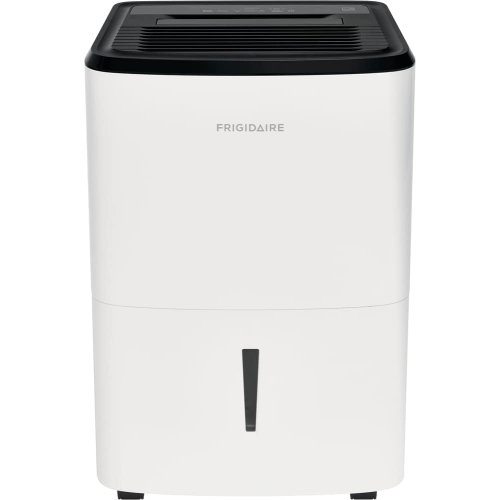 Your price for this item is $750
 -
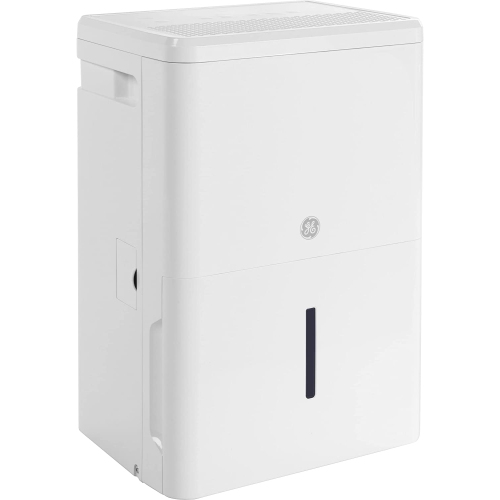 Your price for this item is $637.99
 -
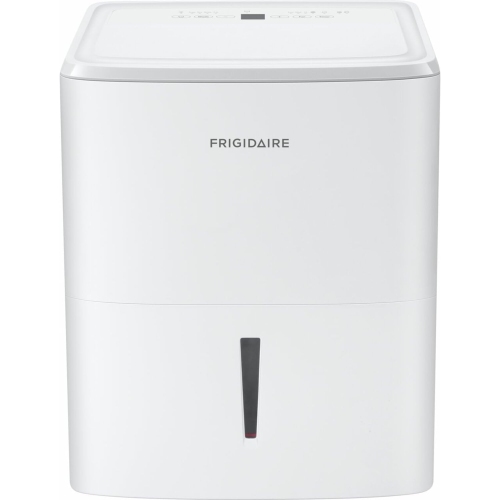 Your price for this item is $599.99
 -
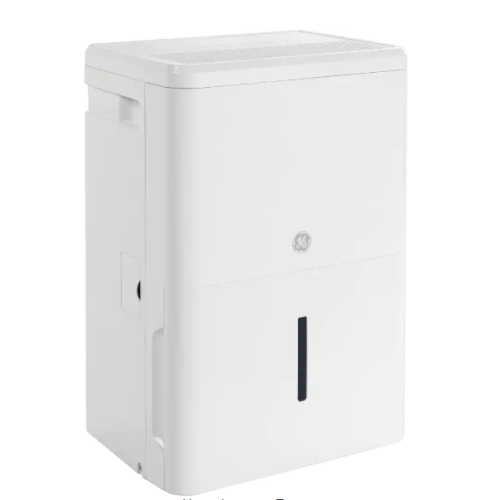 Your price for this item is $539.99
 -
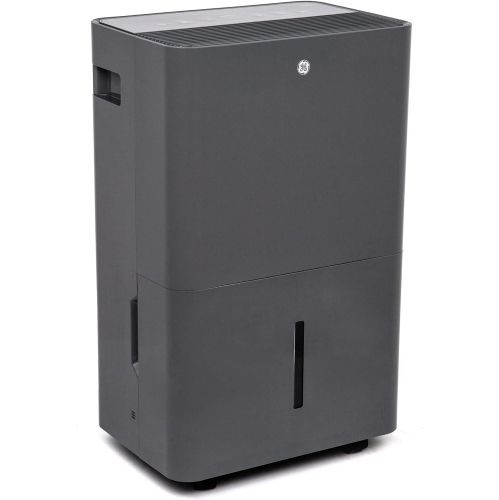 Your price for this item is $945.99
 -
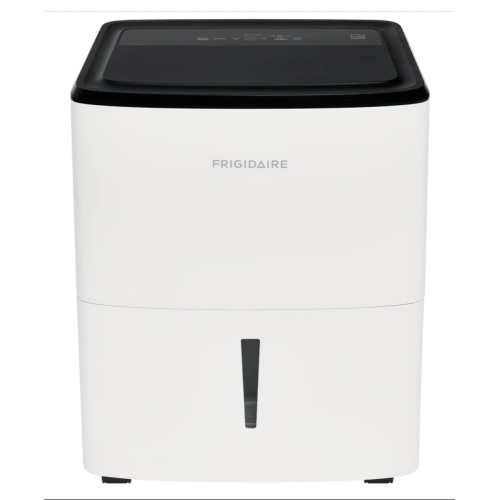 Your price for this item is $582.99
 -
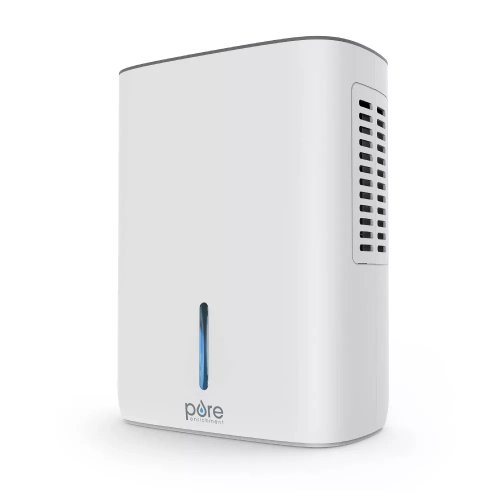 Your price for this item is $329.99
Discover more categories related to Small Dehumidifiers
Top Collections:
Pokemon Centers, Kindle Devices, Best Budget Office Chairs, Apple iPhones 16, Best Laptops for Writers, iPhone 15 Apple, Canon G7X Cameras, Refurbished Apple Laptops, Alarm Clock, Motorola Razr Phones
Some products may be subject to Environmental Handling Fees
(EHF) depending on your province.
Learn more about EHFs.