Small Room Coolers
Create a refreshing oasis in your small space with our selection of small room coolers. Whether you're looking to beat the summer heat or simply want to maintain a comfortable temperature in your bedroom, office, or dorm room, these compact and efficient coolers are designed to provide you with a cooling breeze wherever you need it most. With their sleek designs and powerful cooling capabilities, our small room coolers are the perfect solution for keeping your surroundings comfortably cool without taking up too much space. Explore our range of options and find the ideal small room cooler to keep you cool and comfortable all year round.
Sort
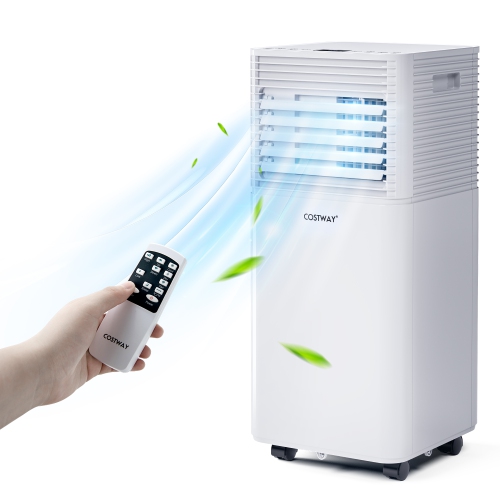
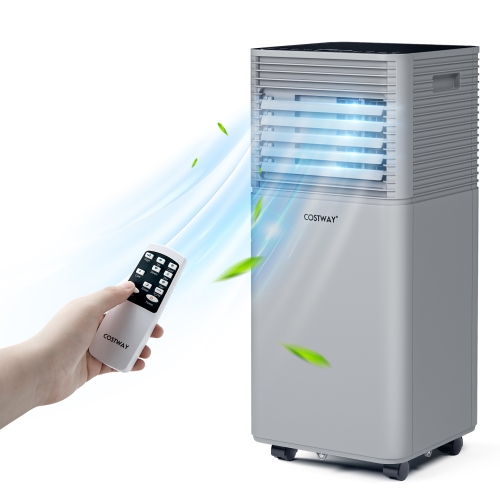
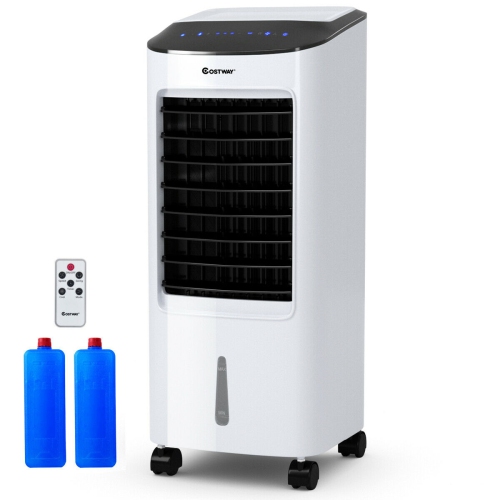
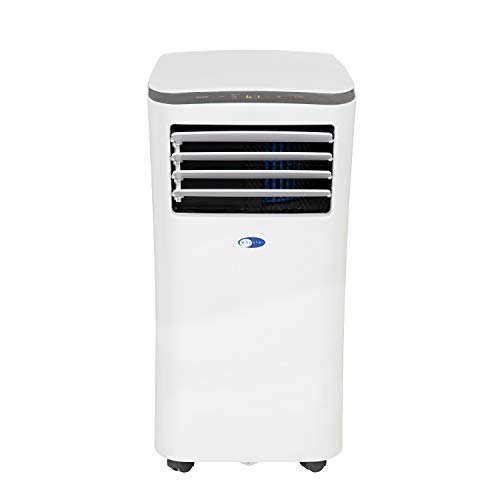

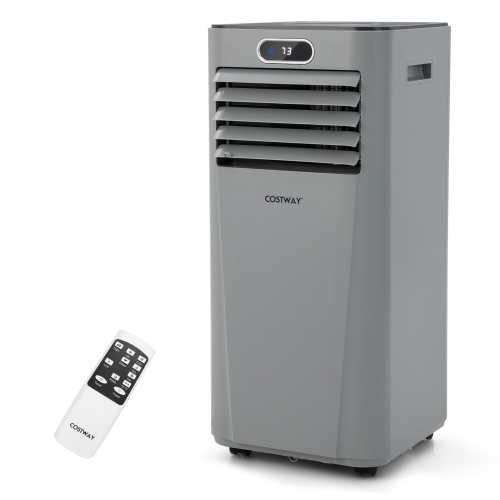
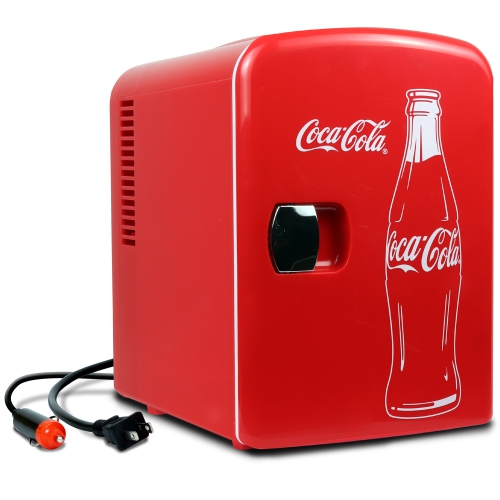
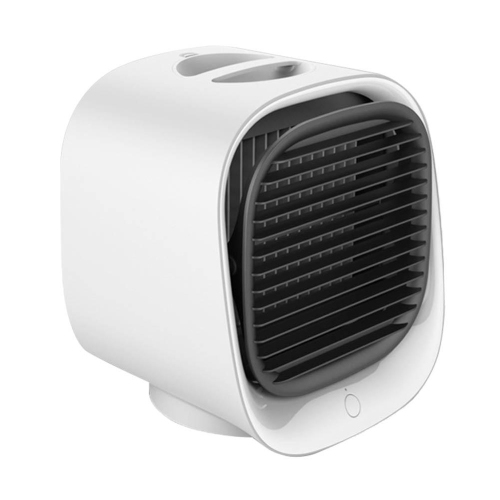

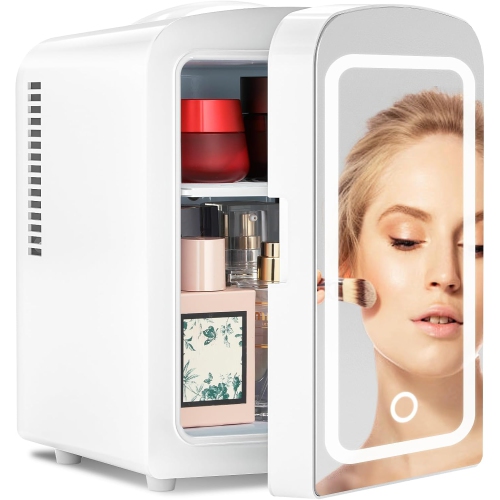
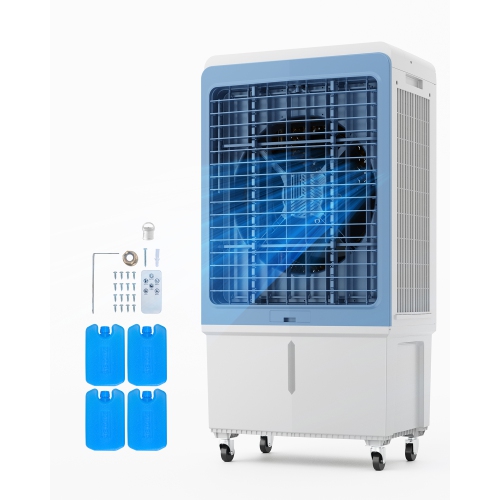
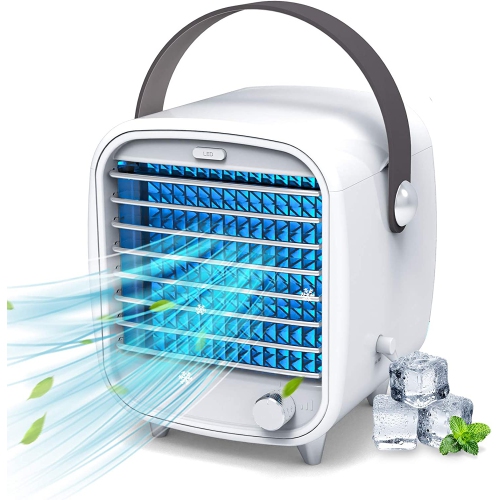

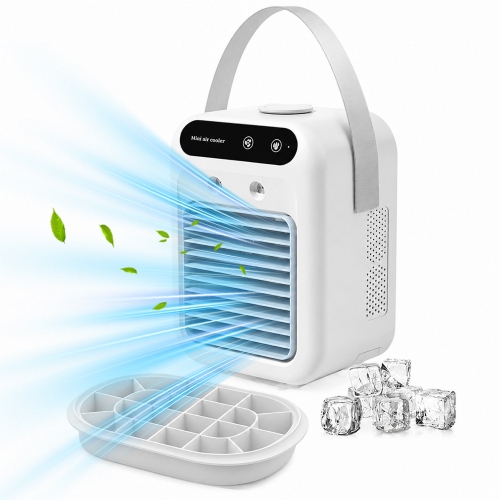
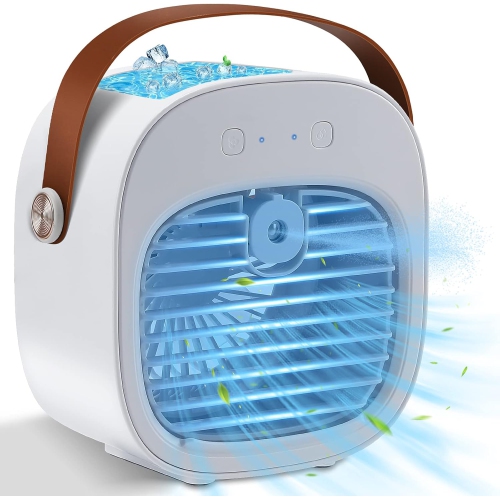

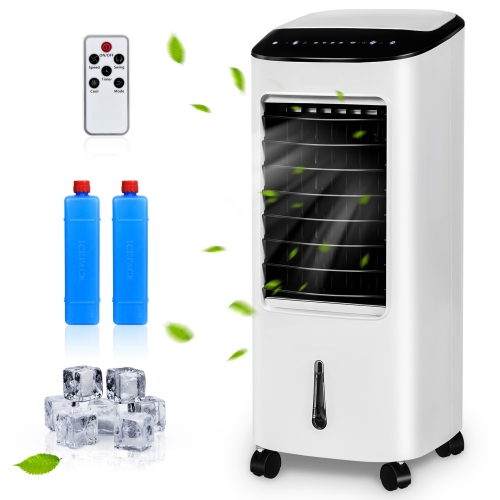
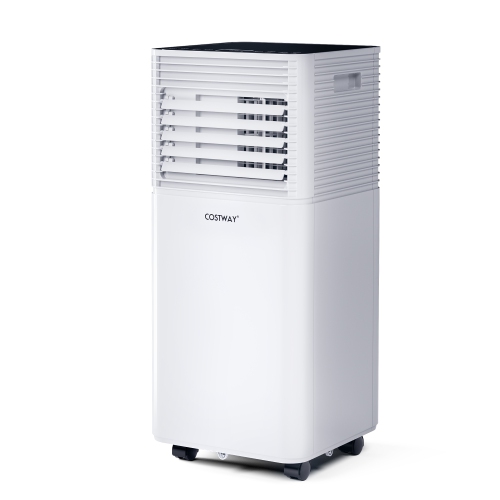
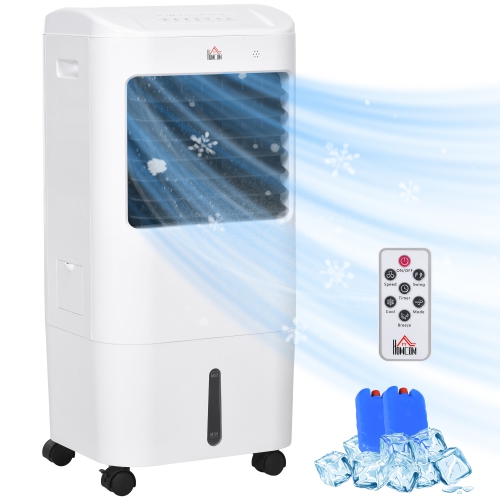
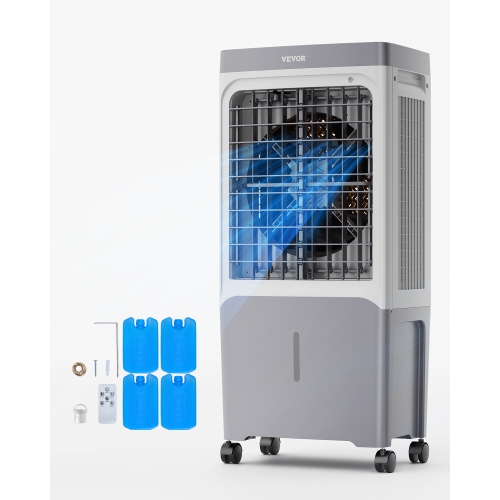
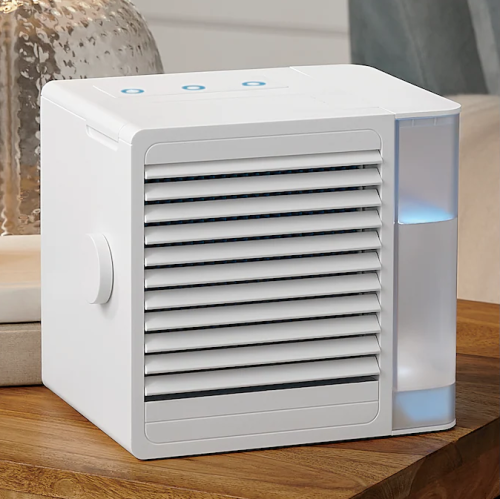
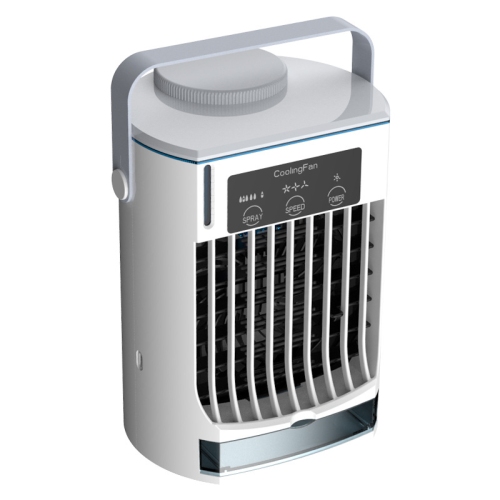
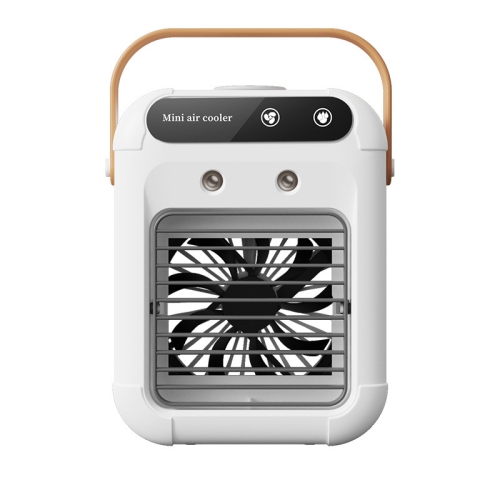
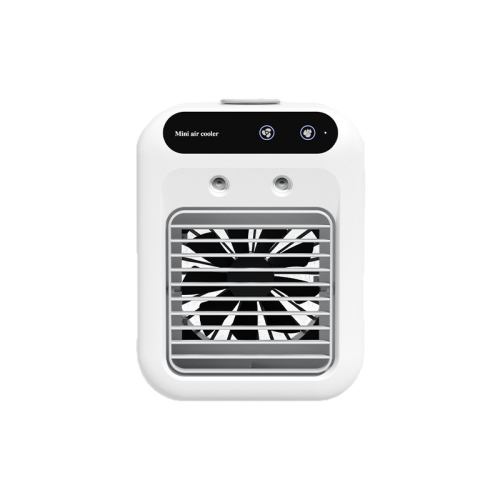
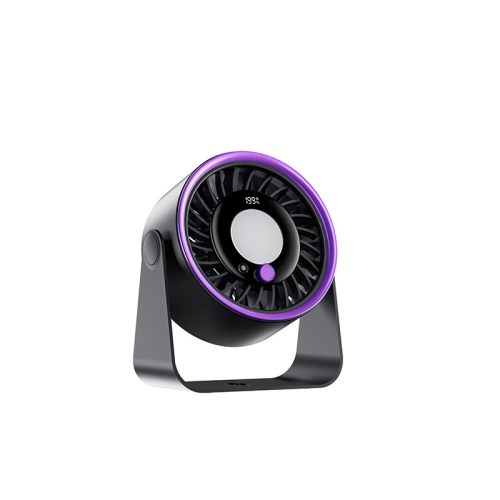
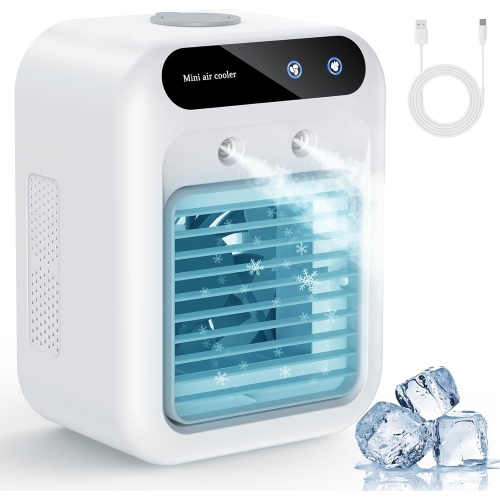
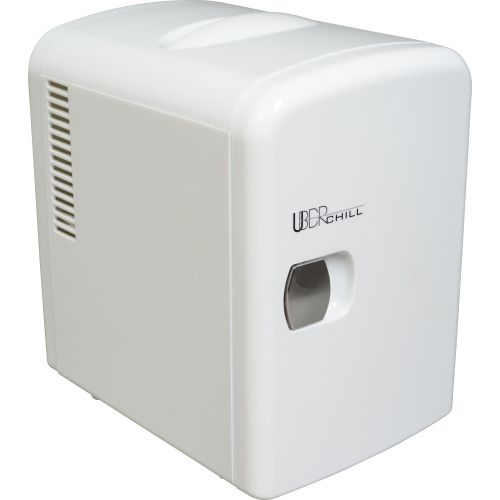
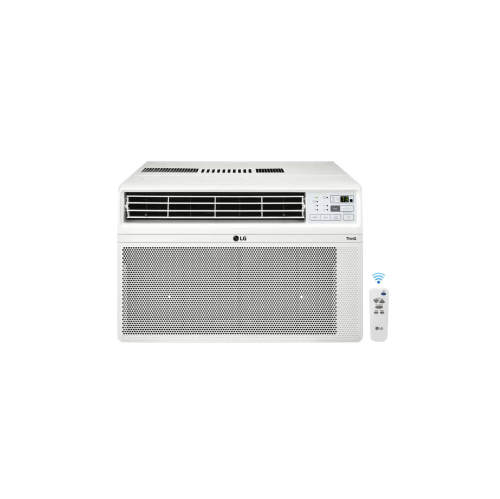



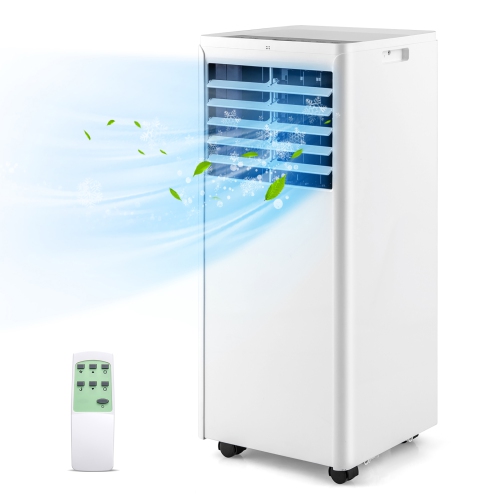
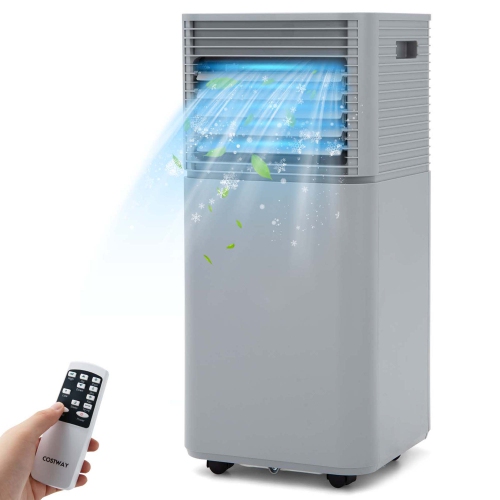
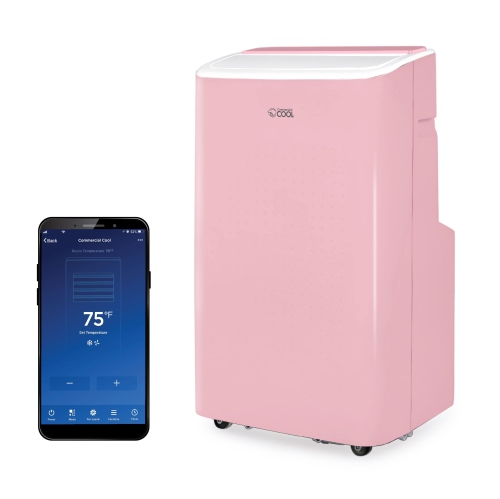
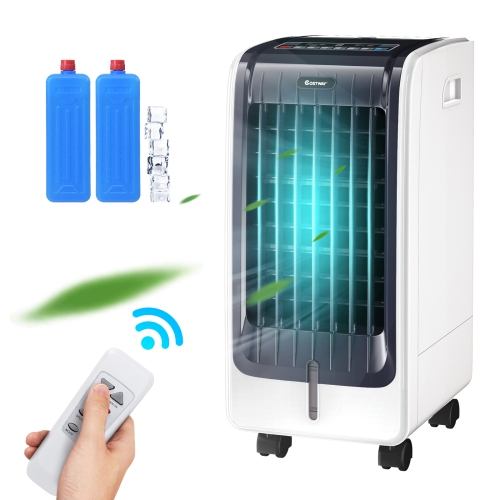
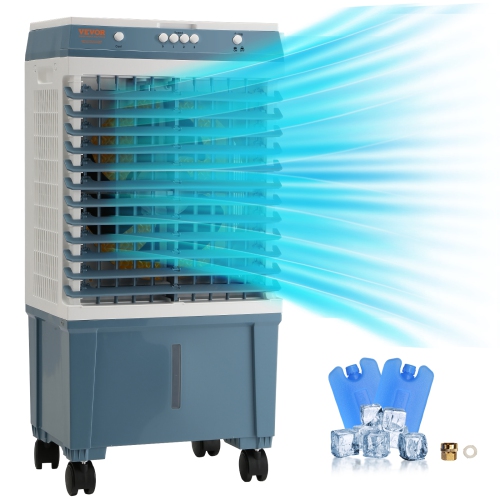

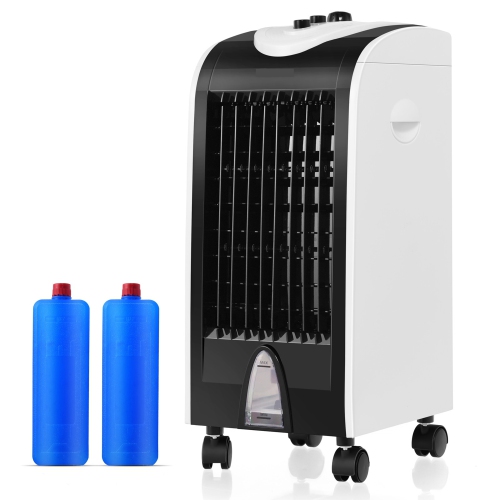
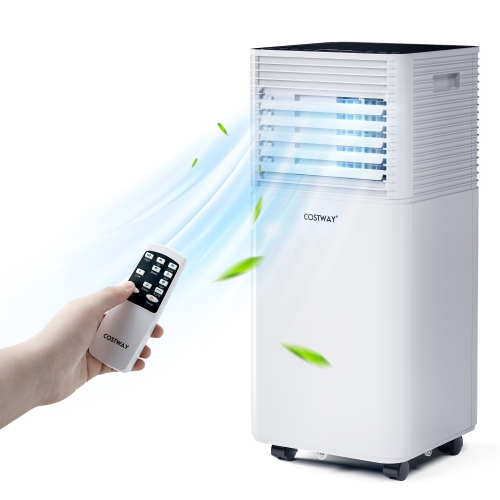
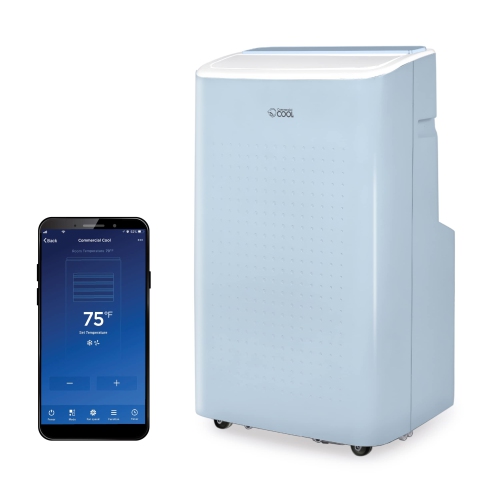
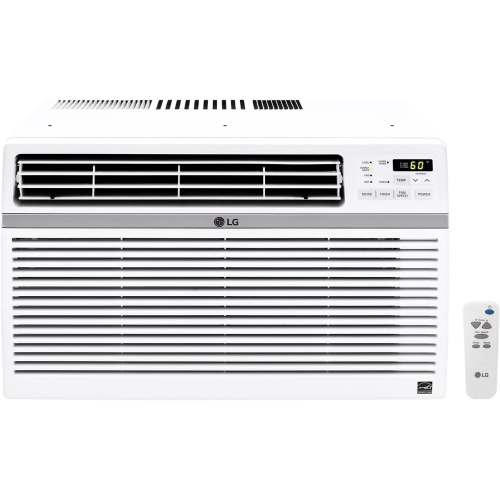
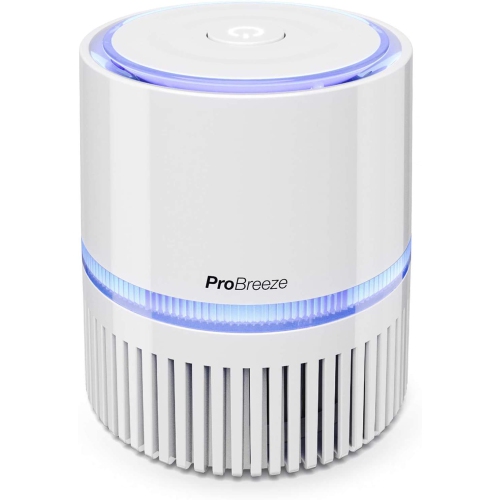
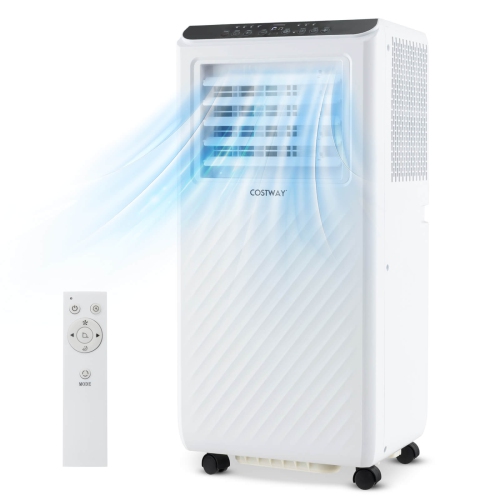
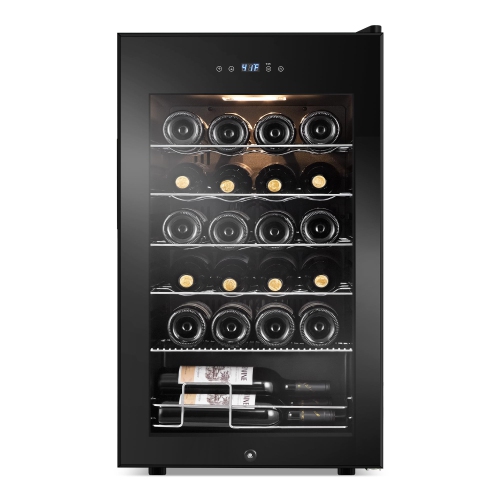
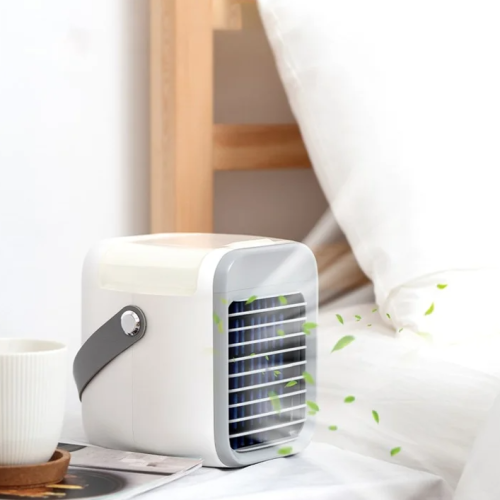
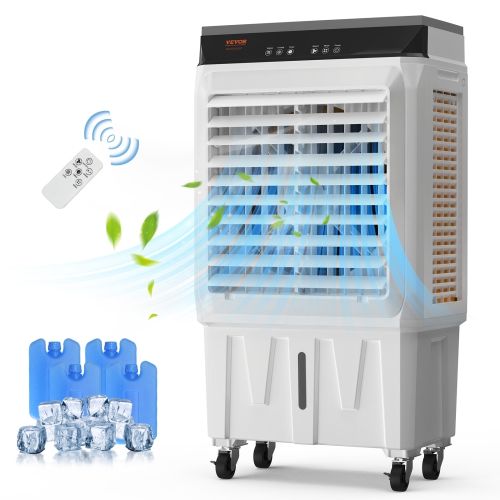
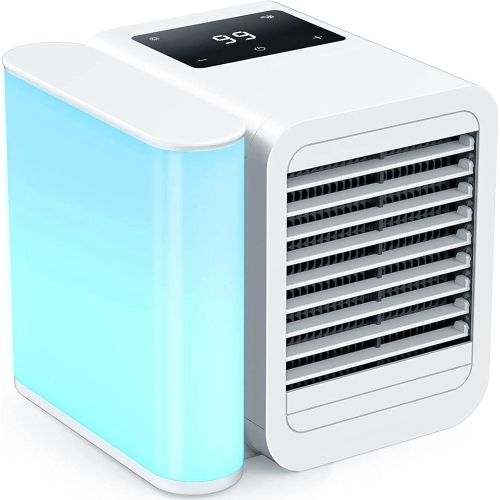
Compact cooling for personal comfort and convenient storage
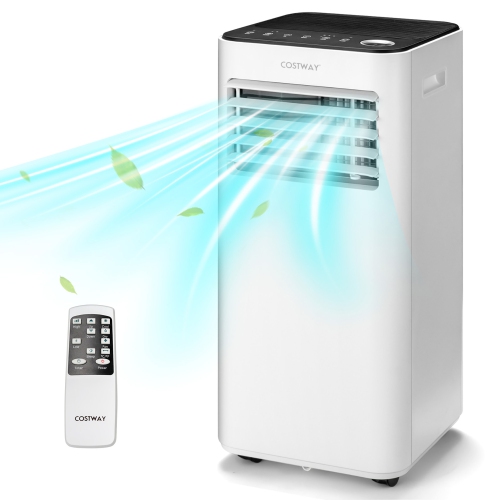
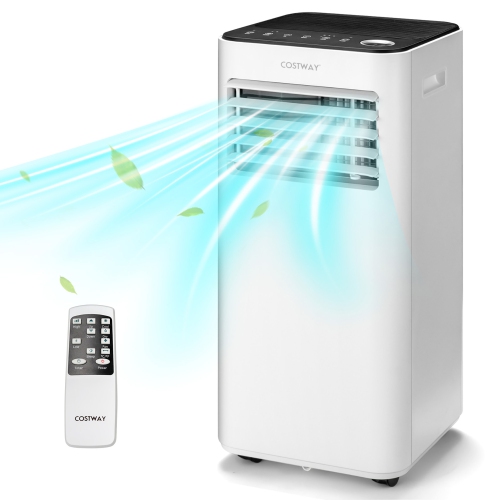
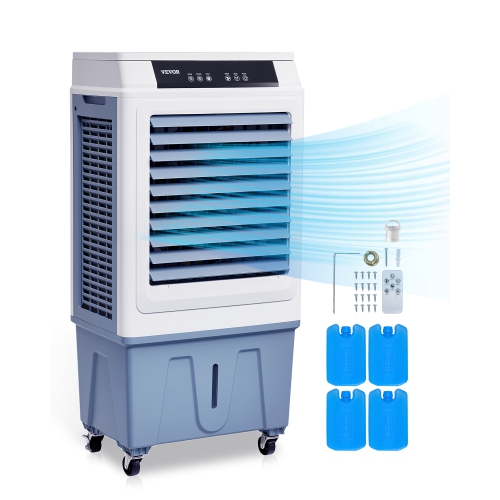
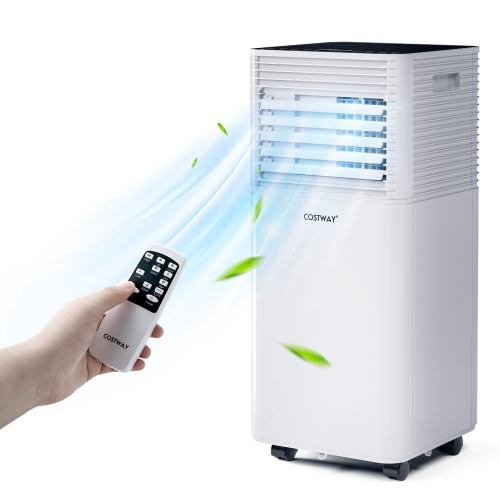
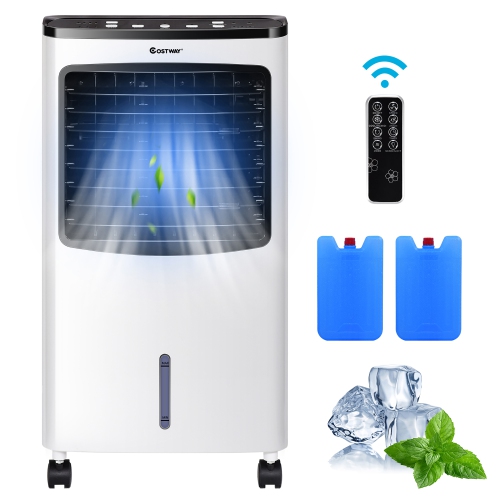
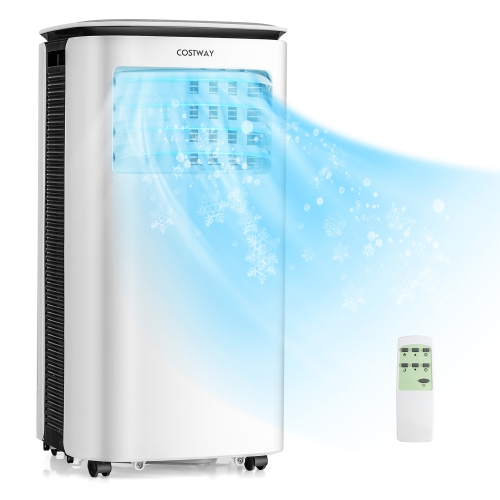
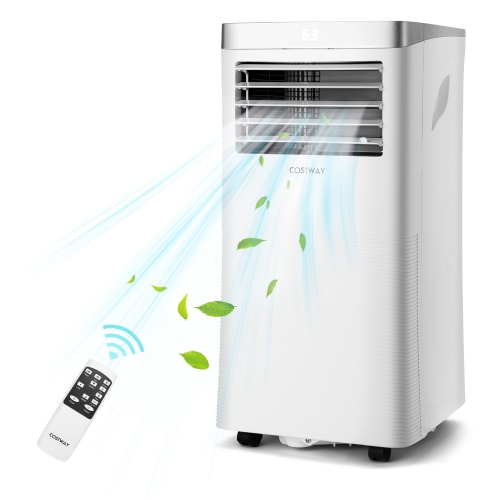
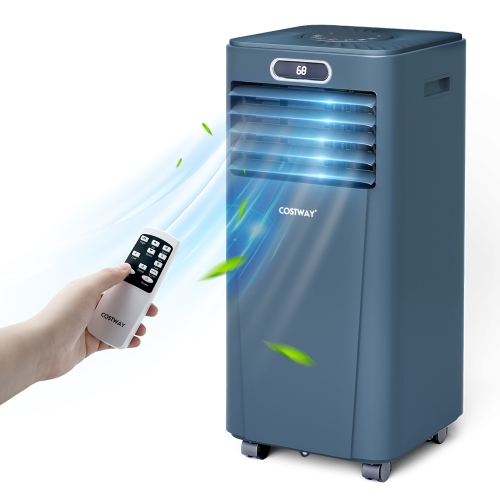
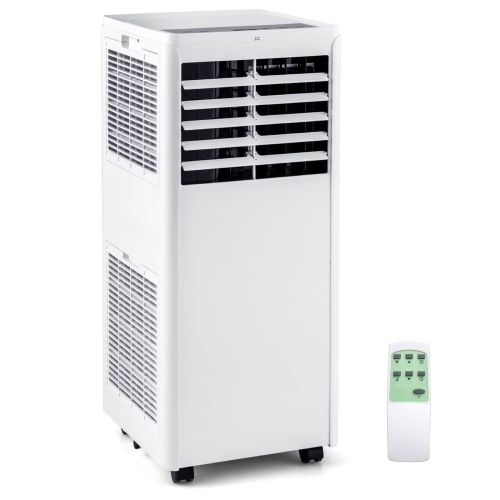
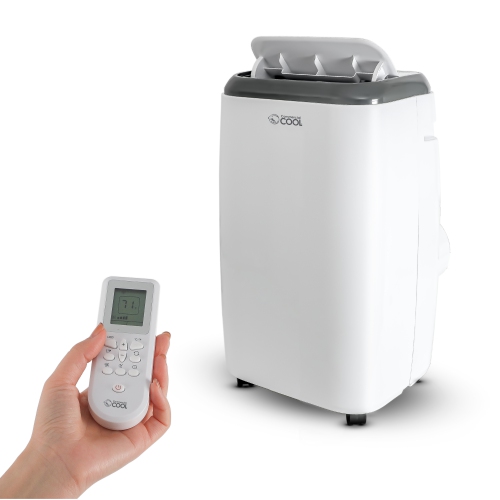
Small room coolers can make a noticeable difference in compact personal spaces where a full-size cooling system may be unnecessary or impractical. For a desk, bedside table, dorm room, home office, reading corner, workshop or recreational space, a compact evaporative air cooler can provide a focused stream of cool air close to where you sit. These units generally use a small water tank and a fan to move air across chilled or room-temperature water, creating a cooling effect that is most noticeable within a short range. Many are designed for USB power and use approximately 8–10 watts, making them convenient beside a computer, power bank or compatible wall adapter. A water capacity of 500 millilitres to 1 litre is common, while a tank of at least 1,000 millilitres can be helpful when you want longer operation between refills. Look for adjustable fan speeds, directional airflow, an easy-to-read water level and a compact footprint that will not crowd your work surface. Evaporative coolers work best in dry conditions and are intended for personal-area relief rather than cooling an entire home. They may be particularly useful when the weather warms and you want a gentle breeze while studying, working, gaming or relaxing, or when a smaller bedroom needs extra airflow at night. Anyone sensitive to background noise should pay close attention to the listed sound level and choose a whisper-quiet design for sleeping areas. A simple control layout, automatic shutoff when the tank is empty and a removable water reservoir can also make daily use more convenient. For larger spaces or more powerful temperature control, browse Air Conditioners For Small Rooms to compare options designed for broader room coverage.
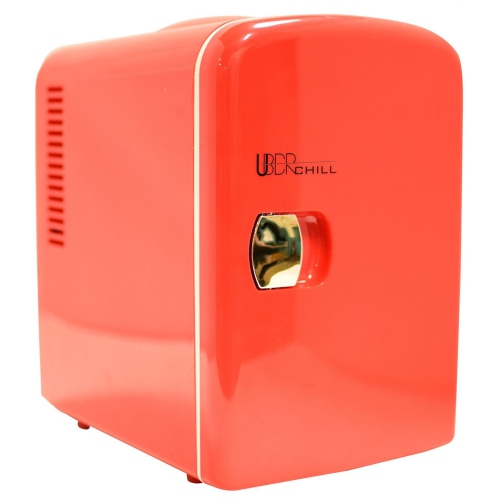
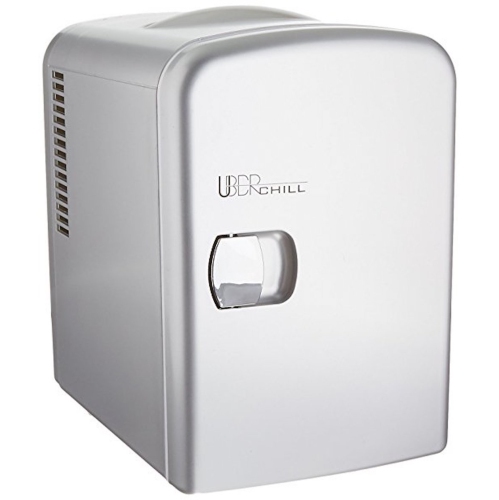
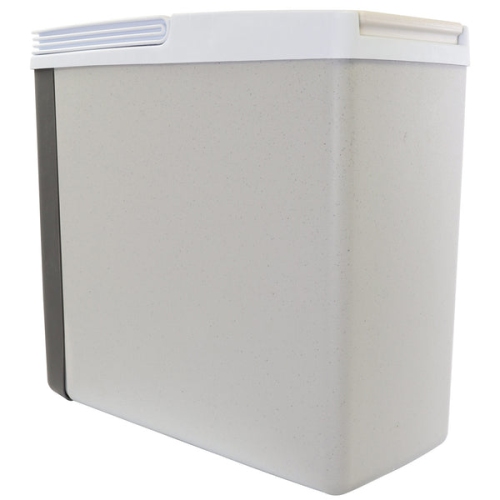
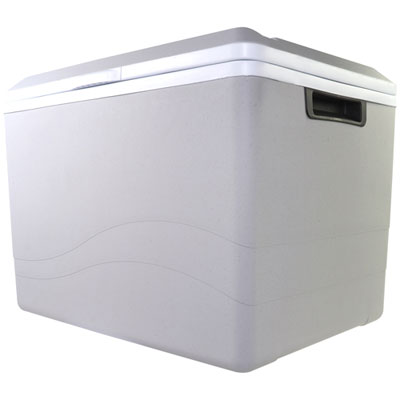
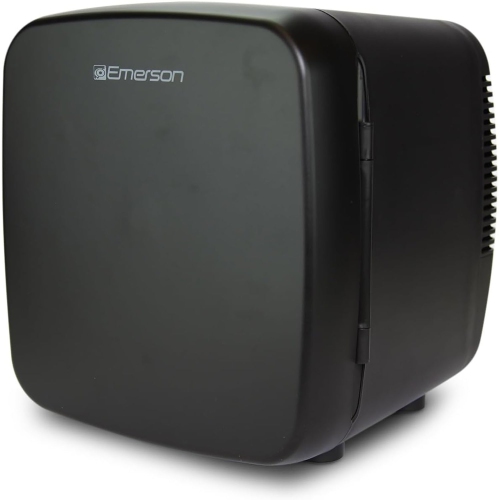
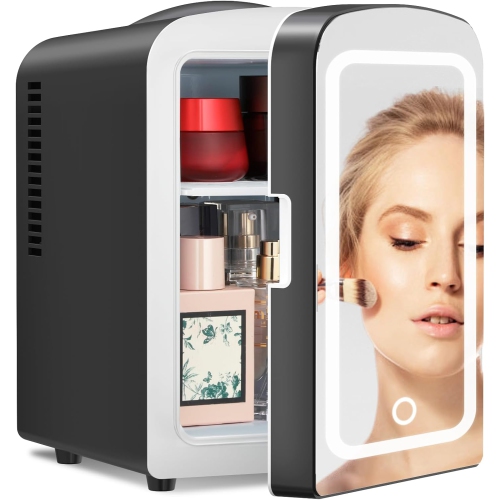
The term small room cooler can also refer to a compact personal refrigerator rather than an air-cooling appliance. These mini fridges are made for storing drinks, snacks, skincare items, packed lunches or other small essentials in a bedroom, office, dorm, studio, basement, entertainment area or vehicle, depending on the power connections and intended use. A compact thermoelectric cooler with approximately 4 litres of capacity may hold up to six standard beverage cans, although the usable space will vary with the shape of the interior and the size of the items being stored. Unlike a traditional refrigerator, a thermoelectric model does not rely on a compressor or ice, and it is often selected for simple, convenient cooling in a personal space. Check whether the unit supports a standard 110V AC wall outlet, a 12V vehicle connection or both, and consider where the power cord will reach before choosing a location. Ventilation is important: leave space around the vents and avoid placing the cooler tightly against a wall, inside a closed cabinet or beside a heat-producing appliance. Interior shelves, removable racks, a carrying handle and a reversible door can make a small cooler easier to organize and move. Temperature performance can vary according to the surrounding conditions, so these units are best suited to keeping suitable contents cool rather than replacing a full-size refrigerator or freezer. They can be thoughtful gifts for students moving into residence, remote workers setting up a home office, frequent travellers, campers with compatible power access or anyone who likes having refreshments within reach. A personal fridge can also help keep a shared kitchen less crowded, while a compact air cooler can make a desk or bedside area more comfortable during warmer stretches. Before purchasing, consider what the recipient actually needs to cool, how often the unit will be moved and whether available space allows the door to open fully.
When comparing small room coolers, begin with the space, purpose and daily routine that will shape how the appliance is used. Measure the available surface or floor area, including clearance for vents, cords, doors and water-tank access. A desktop air cooler should sit securely without blocking a monitor, keyboard, lamp or other equipment, while a mini fridge needs a stable, level position that can support its filled weight. Power source is another practical consideration: USB-powered coolers are convenient for desks and bedside tables, but they may require a suitable adapter if a wall outlet is not included, whereas a thermoelectric mini fridge typically needs standard AC power for indoor use. Think about refill or cleaning habits as well. Water-based coolers need regular emptying, drying and cleaning according to the manufacturer’s instructions, particularly when they are used frequently, while personal fridges benefit from wiping spills promptly and keeping the interior organized. Noise, portability, capacity, controls and appearance can be just as important as cooling performance in a small room, where every appliance is close at hand. During the cooler months, an air cooler may be used less often, but a mini fridge can remain useful for drinks, snacks or personal items throughout the year. Choosing according to the intended use helps prevent confusion between air cooling and chilled storage: one is designed to create a more comfortable personal airflow, while the other is designed to cool contents in a compact compartment. With the right capacity, power connection and placement, small room coolers can add convenient comfort and storage without taking over the space.
The term small room cooler can also refer to a compact personal refrigerator rather than an air-cooling appliance. These mini fridges are made for storing drinks, snacks, skincare items, packed lunches or other small essentials in a bedroom, office, dorm, studio, basement, entertainment area or vehicle, depending on the power connections and intended use. A compact thermoelectric cooler with approximately 4 litres of capacity may hold up to six standard beverage cans, although the usable space will vary with the shape of the interior and the size of the items being stored. Unlike a traditional refrigerator, a thermoelectric model does not rely on a compressor or ice, and it is often selected for simple, convenient cooling in a personal space. Check whether the unit supports a standard 110V AC wall outlet, a 12V vehicle connection or both, and consider where the power cord will reach before choosing a location. Ventilation is important: leave space around the vents and avoid placing the cooler tightly against a wall, inside a closed cabinet or beside a heat-producing appliance. Interior shelves, removable racks, a carrying handle and a reversible door can make a small cooler easier to organize and move. Temperature performance can vary according to the surrounding conditions, so these units are best suited to keeping suitable contents cool rather than replacing a full-size refrigerator or freezer. They can be thoughtful gifts for students moving into residence, remote workers setting up a home office, frequent travellers, campers with compatible power access or anyone who likes having refreshments within reach. A personal fridge can also help keep a shared kitchen less crowded, while a compact air cooler can make a desk or bedside area more comfortable during warmer stretches. Before purchasing, consider what the recipient actually needs to cool, how often the unit will be moved and whether available space allows the door to open fully.
When comparing small room coolers, begin with the space, purpose and daily routine that will shape how the appliance is used. Measure the available surface or floor area, including clearance for vents, cords, doors and water-tank access. A desktop air cooler should sit securely without blocking a monitor, keyboard, lamp or other equipment, while a mini fridge needs a stable, level position that can support its filled weight. Power source is another practical consideration: USB-powered coolers are convenient for desks and bedside tables, but they may require a suitable adapter if a wall outlet is not included, whereas a thermoelectric mini fridge typically needs standard AC power for indoor use. Think about refill or cleaning habits as well. Water-based coolers need regular emptying, drying and cleaning according to the manufacturer’s instructions, particularly when they are used frequently, while personal fridges benefit from wiping spills promptly and keeping the interior organized. Noise, portability, capacity, controls and appearance can be just as important as cooling performance in a small room, where every appliance is close at hand. During the cooler months, an air cooler may be used less often, but a mini fridge can remain useful for drinks, snacks or personal items throughout the year. Choosing according to the intended use helps prevent confusion between air cooling and chilled storage: one is designed to create a more comfortable personal airflow, while the other is designed to cool contents in a compact compartment. With the right capacity, power connection and placement, small room coolers can add convenient comfort and storage without taking over the space.
Top selling and popular products
-
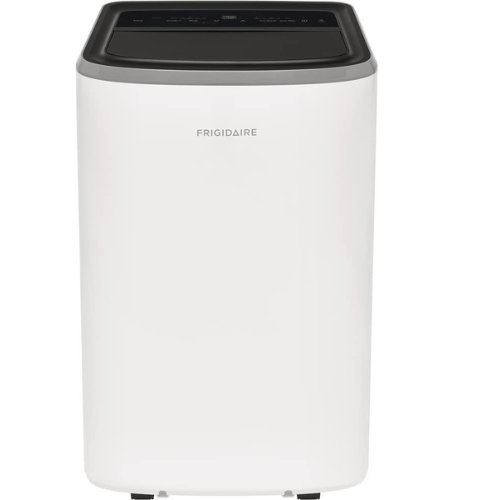 Your price for this item is $860
 -
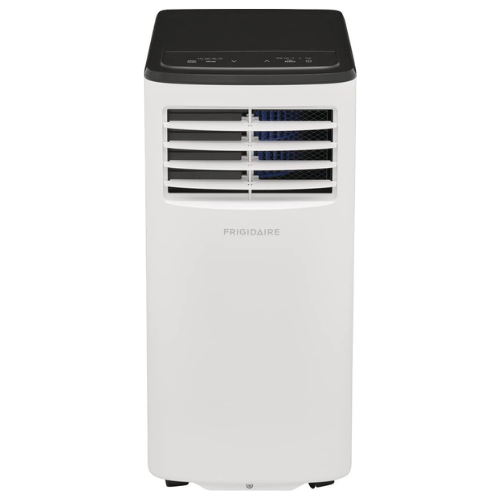 Your price for this item is $599
 -
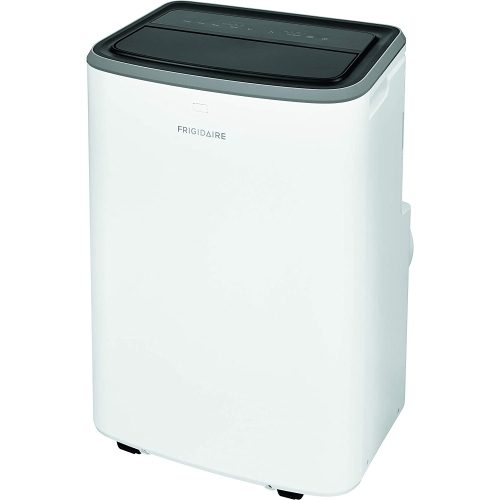 Your price for this item is $1000
 -
 Your price for this item is $999
 -
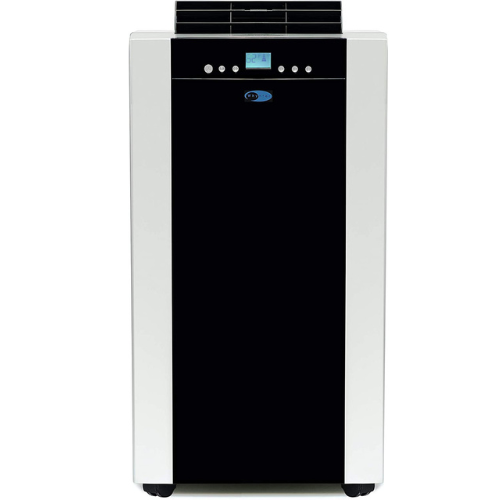 Your price for this item is $1089
 -
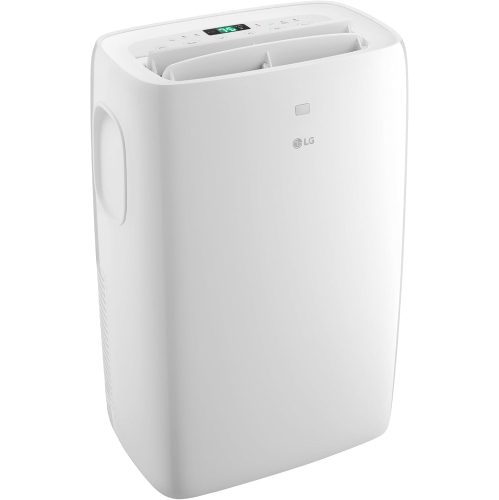 Your price for this item is $839.68
 -
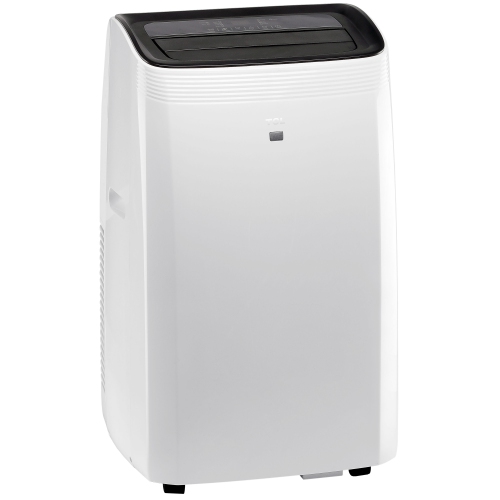 Your price for this item is $549.99
 -
 Your price for this item is $519.99
Discover more categories related to Small Room Coolers
Top Collections:
Pokemon Centers, Kindle Devices, Best Budget Office Chairs, Apple iPhones 16, Best Laptops for Writers, iPhone 15 Apple, Canon G7X Cameras, Refurbished Apple Laptops, Alarm Clock, Motorola Razr Phones
Some products may be subject to Environmental Handling Fees
(EHF) depending on your province.
Learn more about EHFs.