Smallest Window Air Conditioners
Smallest window air conditioners offer an efficient way to keep compact spaces cool and comfortable without taking up too much room. Perfect for apartments, dorm rooms, or small offices, these units are designed to fit snugly in limited window space while delivering reliable performance. With a variety of options to suit different needs and preferences, finding the right fit is easy. Explore a selection of the smallest window air conditioners to enjoy refreshing comfort even in the coziest areas of your home or workspace.
Sort
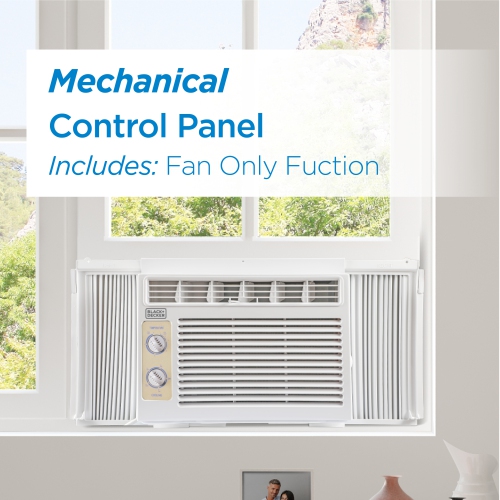
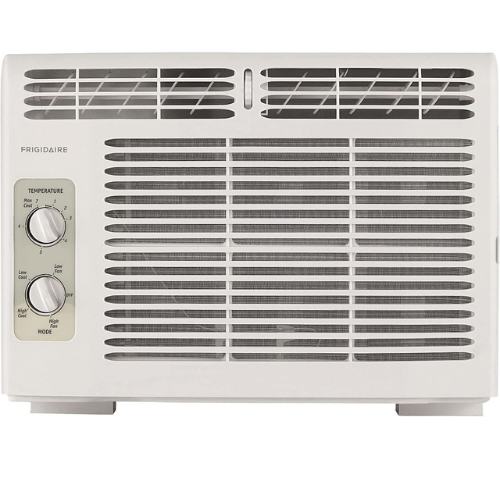
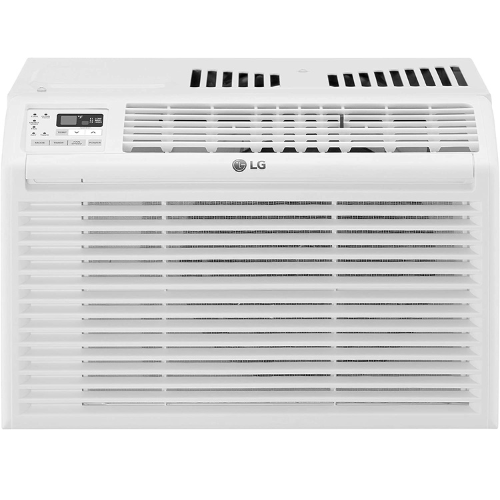
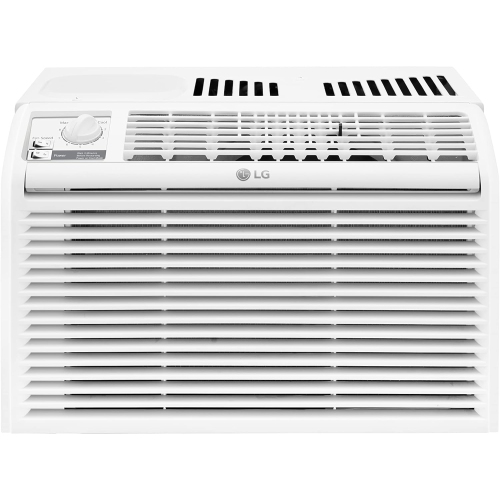
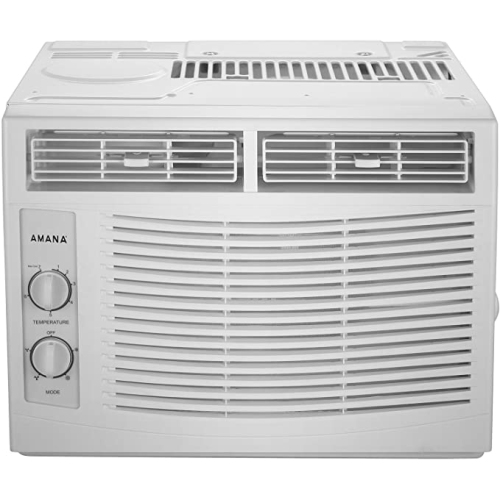
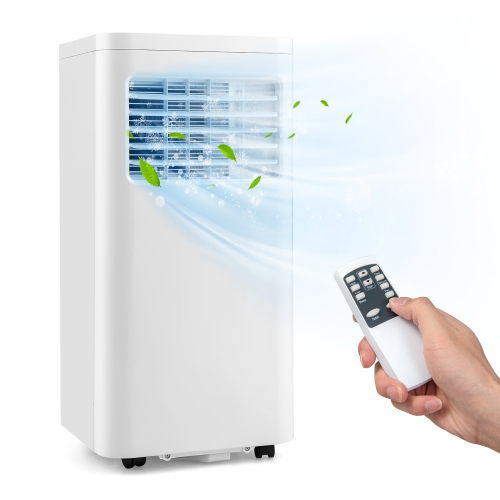
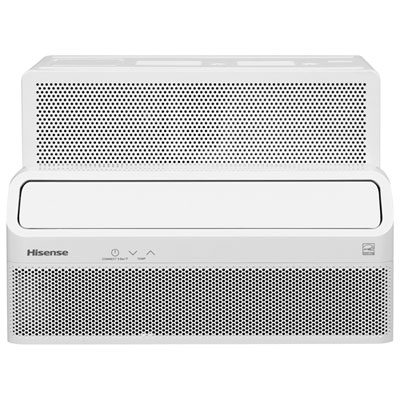
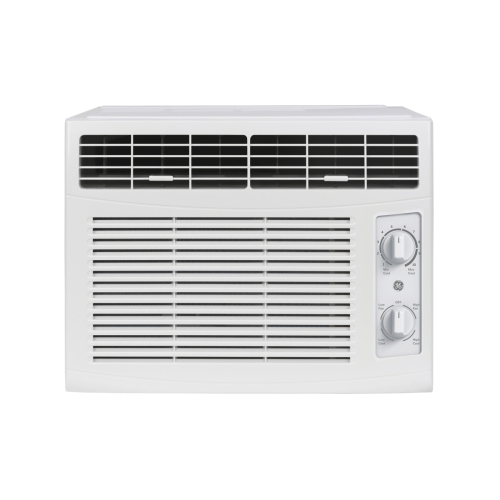
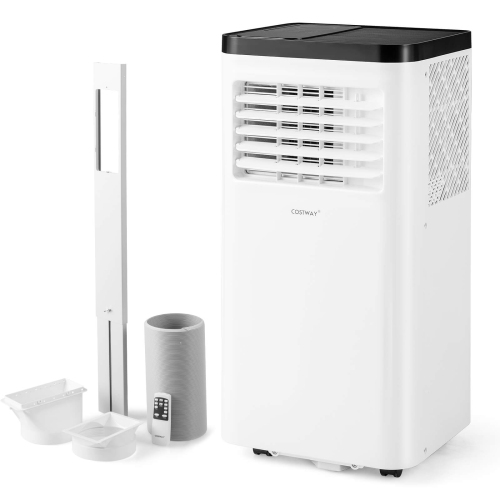
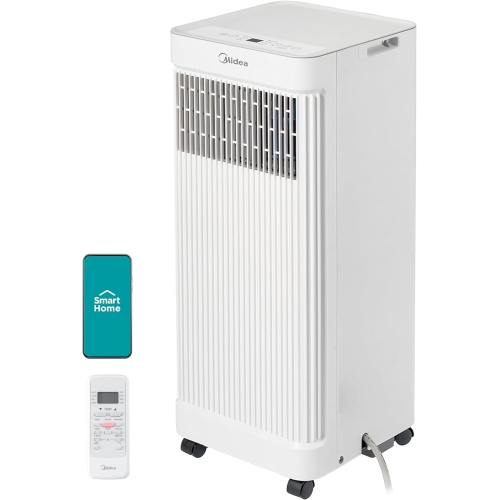
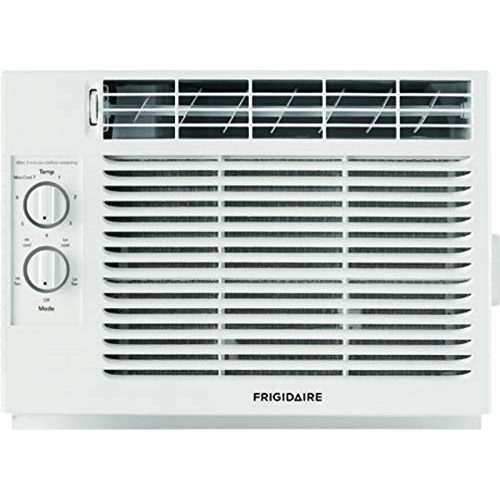
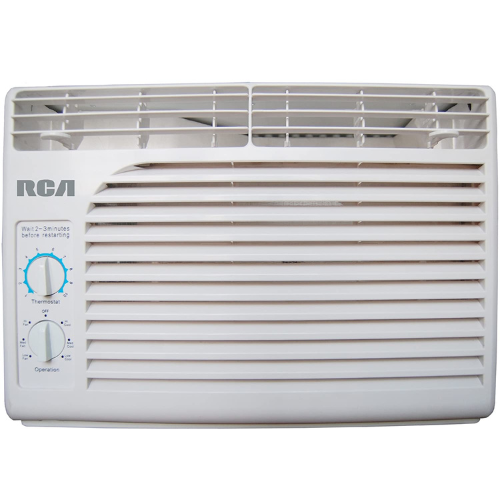
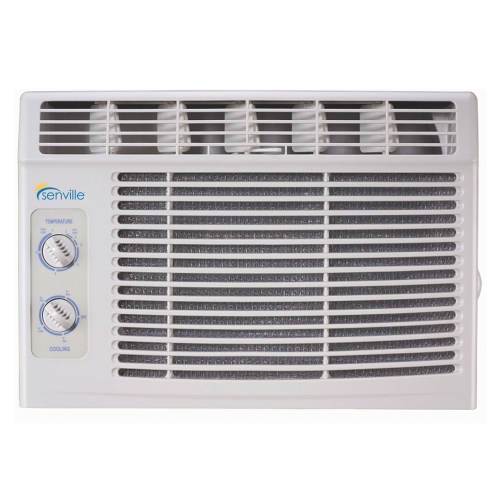
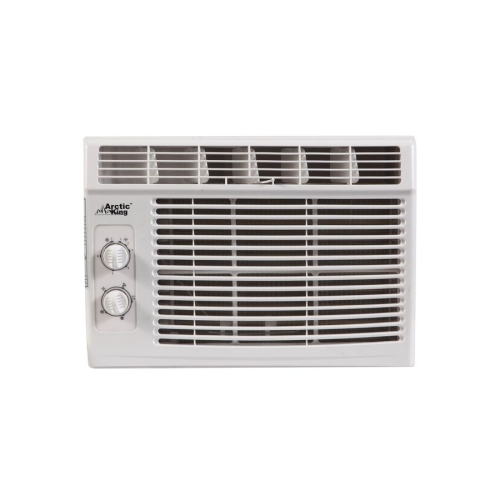
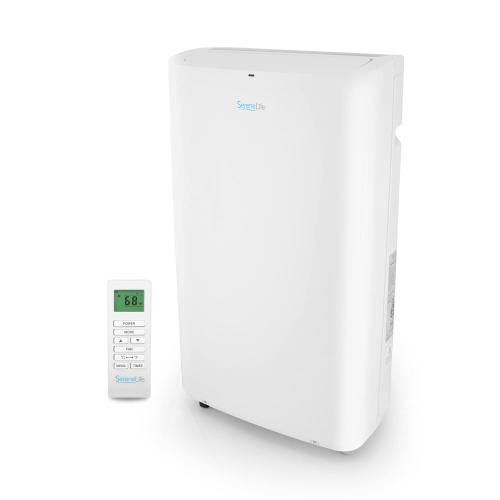
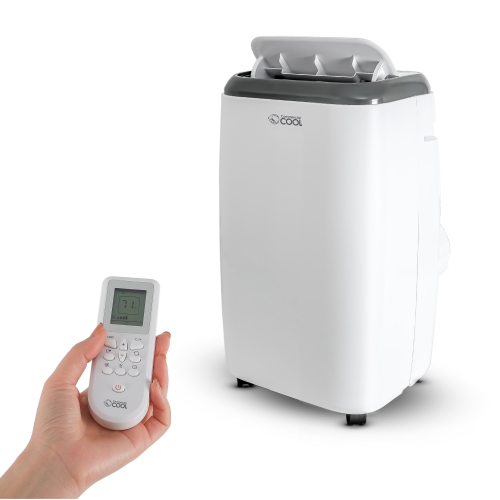
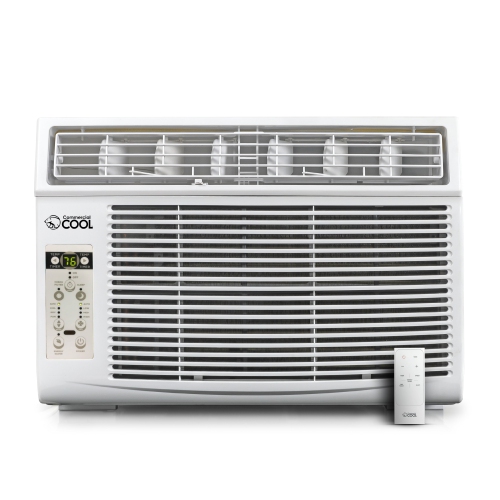
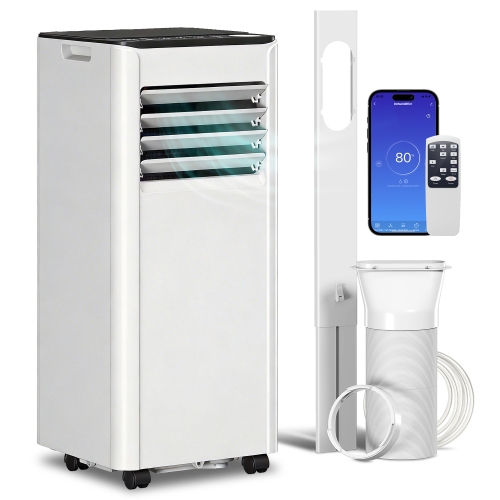
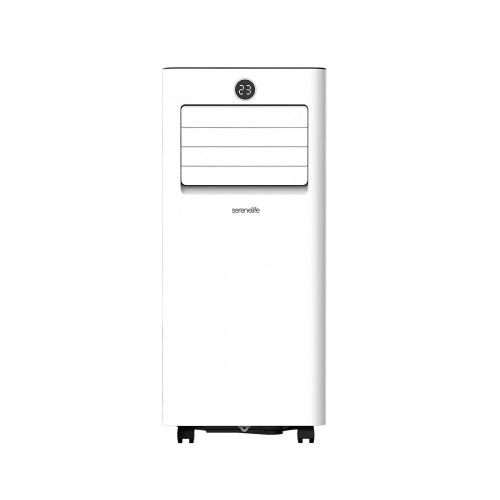

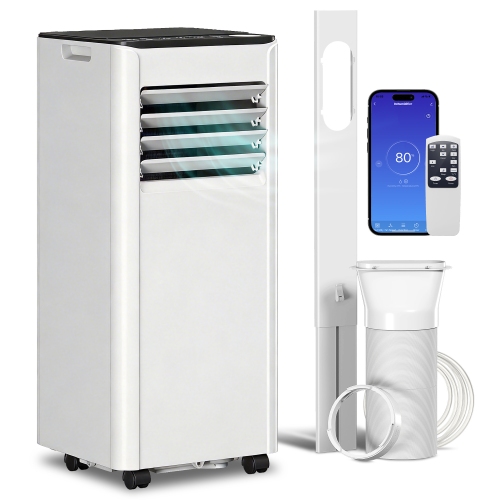
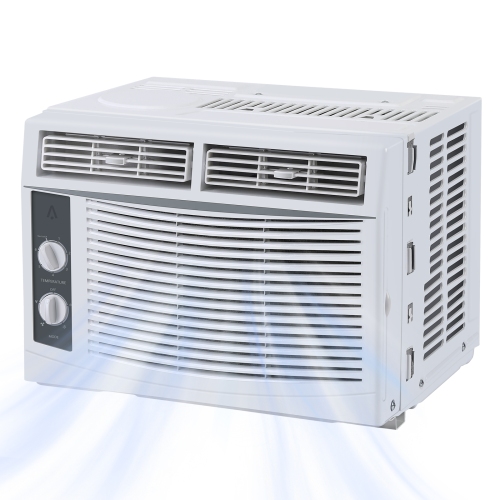
What fits your window and cools a small room
The smallest window air conditioners commonly have a cooling capacity of 5,000 BTU per hour, often listed as 5,000 BTU, and are typically sized for a room of about 100 to 150 square feet. Many fit a vertically opening window with a clear width of 23 to 36 inches and need at least 12 to 13 inches of clear opening height, though the exact fit varies by model. That combination of a small cabinet and modest cooling capacity suits rooms such as a 10-by-12-foot bedroom, a closed home office or a small studio with a defined living area. A window unit leaves the floor free, which matters when the space beside a desk or bed is already spoken for. Its cooling is generally best felt in the room where it’s installed rather than down a hallway or across several rooms. Floor area is a useful starting point, but two rooms of the same size can put very different demands on an air conditioner. A shaded bedroom with a standard-height ceiling may be easier to cool than a top-floor room with tall ceilings and direct afternoon sun. A desktop computer and several monitors can also add noticeable heat in a small office. A unit with too little capacity may run for long stretches without reaching the set temperature, while one with more capacity than the room needs can cool the air so quickly that it shuts off before removing much moisture. Compact units make sense for renters and students with a suitable window, as well as for households that need to cool one particular room. They can also make practical housewarming gifts when the recipient’s room size, window dimensions and building rules are known.
Cabinet size and required window opening are separate measurements. A unit can be narrow from side to side and still need a wider opening for its mounting hardware and accordion panels. The clearest comparison comes from measuring inside the frame where the unit will sit: the usable width between the side jambs and the usable height from the sill to the bottom of the raised sash. A raised sill lip or a storm-window frame can affect how the chassis rests even when the opening looks large enough. Most units in this size range are designed for a double-hung window or a single-hung window whose bottom sash lifts. A horizontal slider or a crank-out casement window generally needs a unit designed for that type of opening. For a wider range of cabinet sizes and cooling capacities, see Compact Window Air Conditioners. Depth and weight matter alongside width and height, especially if the window is above a desk or the unit will be removed and stored between periods of use. The front needs clearance from curtains and furniture so cooled air can circulate, while the outdoor section needs room to release heat. An exterior screen or deep frame may affect that clearance or the mounting position. A small cabinet can still be awkward to lift from indoors, so the specified support hardware and installation instructions matter even for lightweight models. In a rental or condo, building rules may also affect where a unit can go and whether an exterior bracket is permitted. Since the power cord needs to reach a suitable grounded outlet directly, outlet location can make one window a better fit than another.
A compact unit may have a coated steel cabinet, a moulded plastic front grille and flexible side panels that close the gaps beside the cabinet. The grille and side panels often see the most handling when a unit is installed or taken out, so keeping the mounting hardware together and storing panels without sharp folds can help them fit properly the next time. A snug seal matters during use, too: a gap around the sash can let in outside air and street noise even when the cabinet itself is securely mounted. Inside the room, adjustable louvers are useful when the window sits directly over a bed or beside a desk and a steady stream of air would be distracting. Lower fan settings may suit a bedroom or a space used for calls, but the fan is only part of what can be heard. The compressor still cycles, and vibration can be more noticeable in a loose-fitting sash or a lightweight frame. When comparing sound ratings, it helps to check which fan setting was used for the measurement. For upkeep, a front-access filter is convenient when the unit is tucked into a tight corner. Dust and pet hair can restrict airflow, so the filter needs periodic cleaning according to the manual; a washable filter should be dry before it goes back in. Moisture collected from indoor air is handled differently depending on the design. Some units retain a small amount of water in the base pan as part of normal operation, so the specified mounting angle and drainage instructions are more reliable than assuming every unit should tilt the same way. If the unit comes out of the window for storage, letting it dry and keeping it upright in a dry spot helps protect the cabinet and internal parts. The smallest cabinet is most useful when it fits the window securely, has enough capacity for the room and leaves the filter and controls easy to reach.
Top selling and popular products
-
 Your price for this item is $860
-
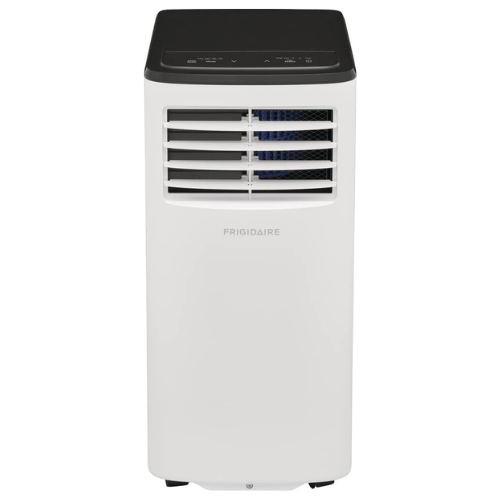 Your price for this item is $599
-
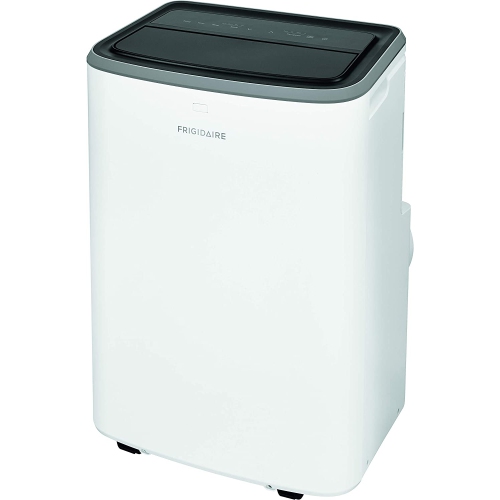 Your price for this item is $1000
-
 Your price for this item is $999
-
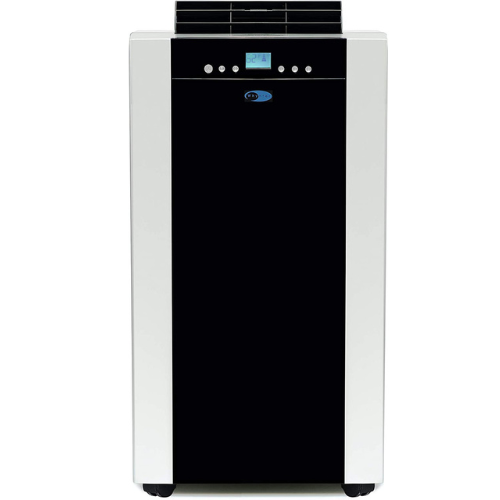 Your price for this item is $1089
-
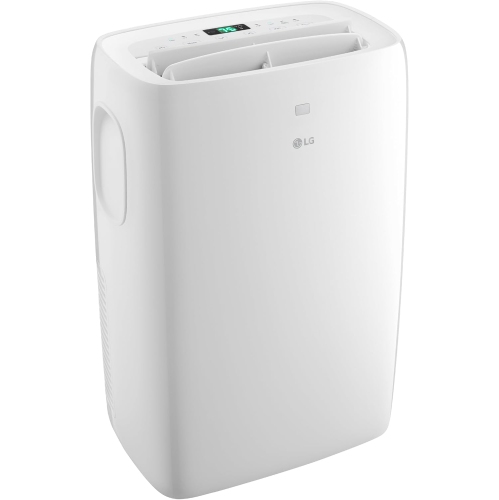 Your price for this item is $839.68
-
 Your price for this item is $549.99
-
 Your price for this item is $519.99
Discover more categories related to Smallest Window Air Conditioners

Top Collections:
Best Black Friday Deals This Year, Best Black Friday Deals On Electronics, Kindle Devices, Pokemon Centers, Best Black Friday Deals On Apple Products, Best Cameras for Sports Photography, Dyson Airwrap, Pokémon 30th Celebration Cards, Apple iPhone 17 Pro, Canon G7X Cameras
Some products may be subject to Environmental Handling Fees
(EHF) depending on your province.
Learn more about EHFs.