Smart Kettles
Upgrade your morning routine with these smart kettles that bring convenience and efficiency to your kitchen. Whether you're a tea enthusiast or simply need hot water for cooking, these innovative appliances are designed to make your life easier. With advanced features like temperature control, voice activation, and automatic shut-off, smart kettles offer a seamless brewing experience every time. Discover the perfect blend of style and functionality as you explore our collection of smart kettles that are sure to elevate your tea or coffee game.
Sort
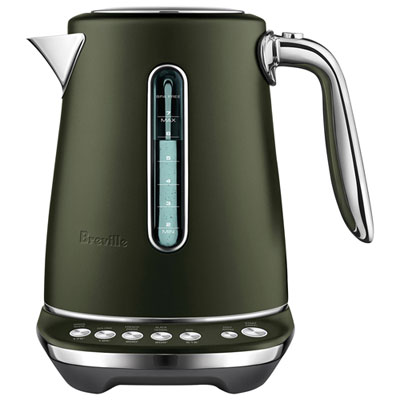
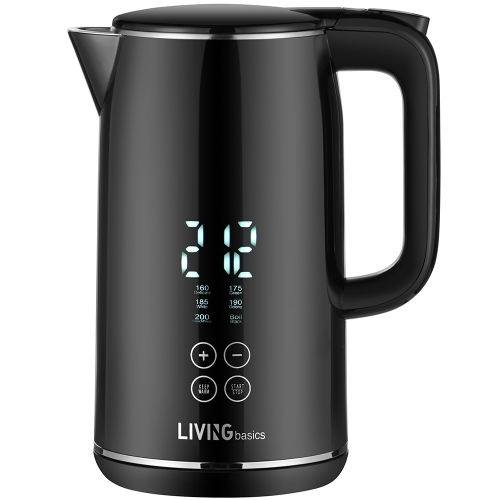
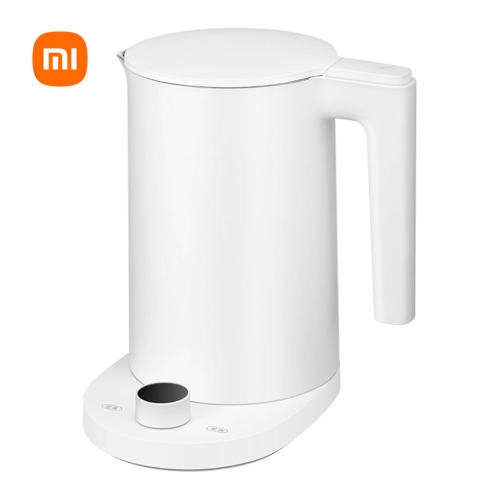
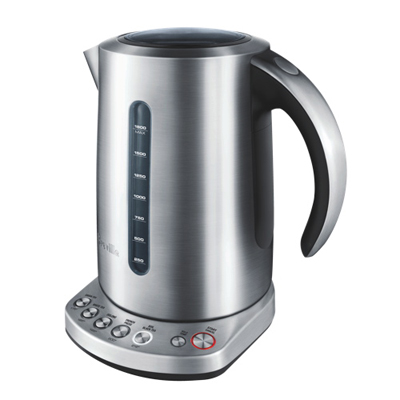
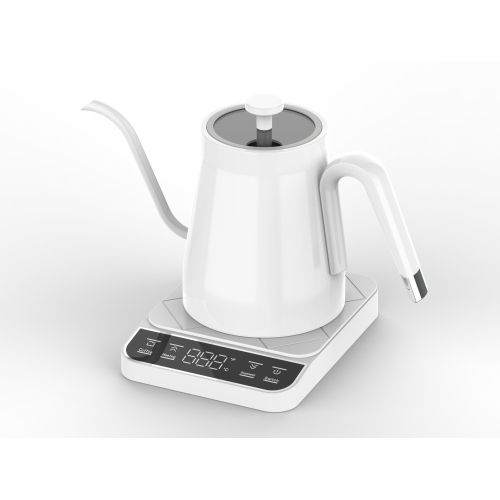
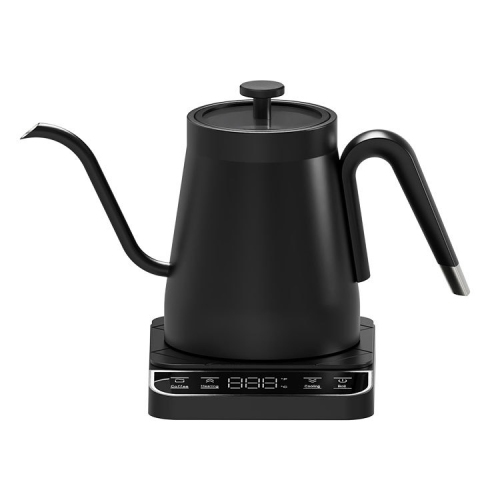
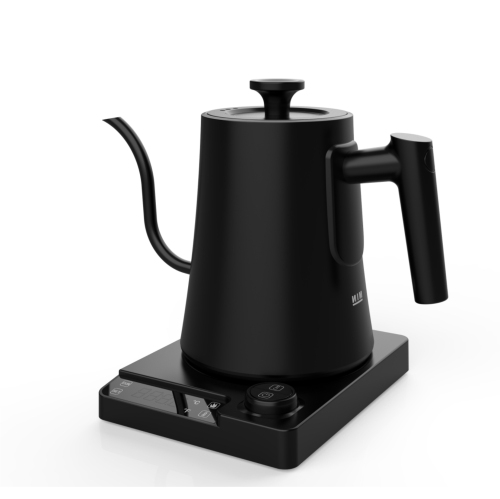
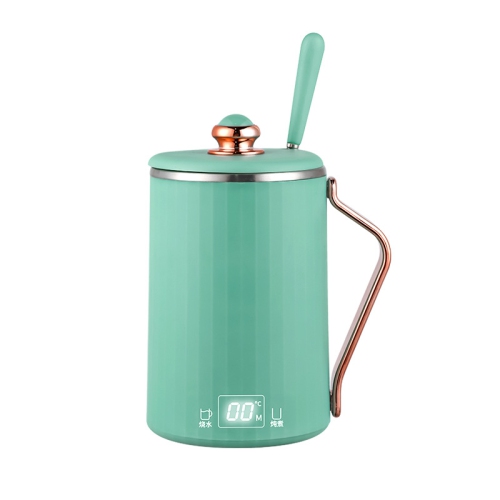

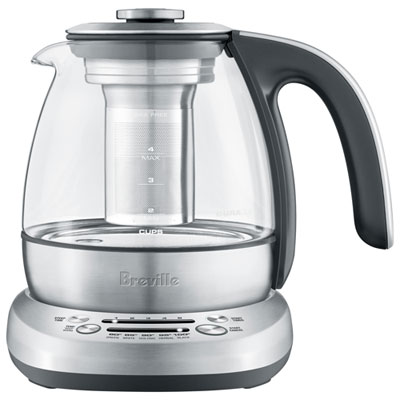
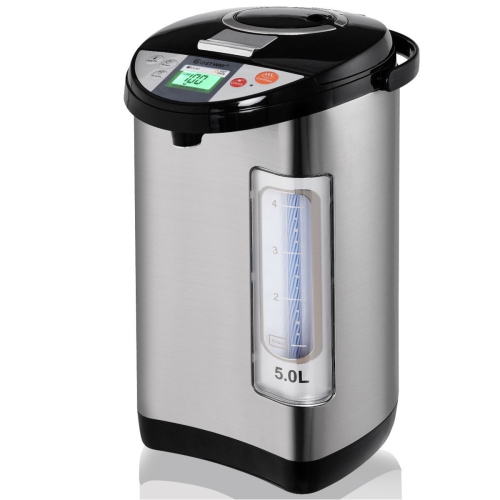

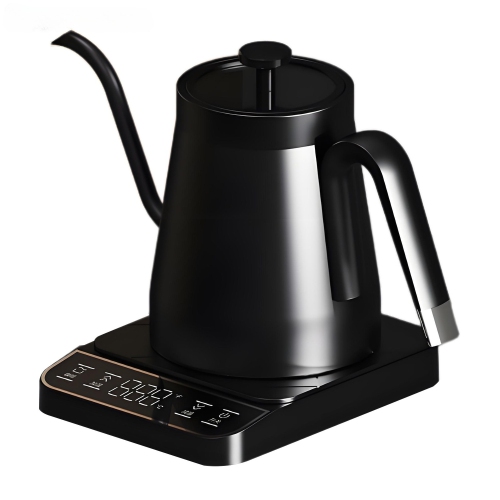
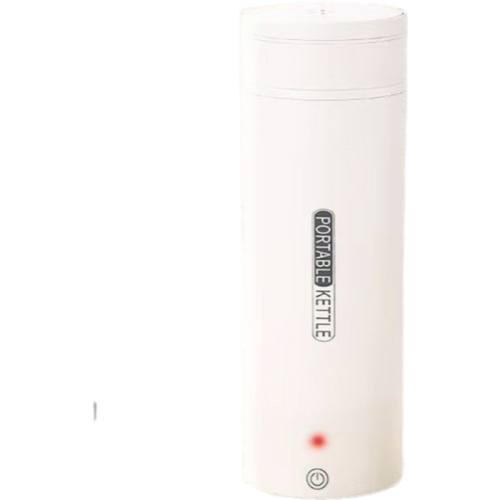
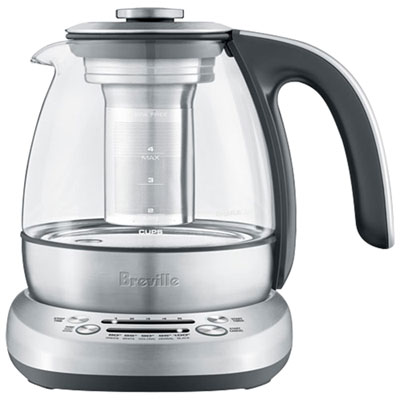
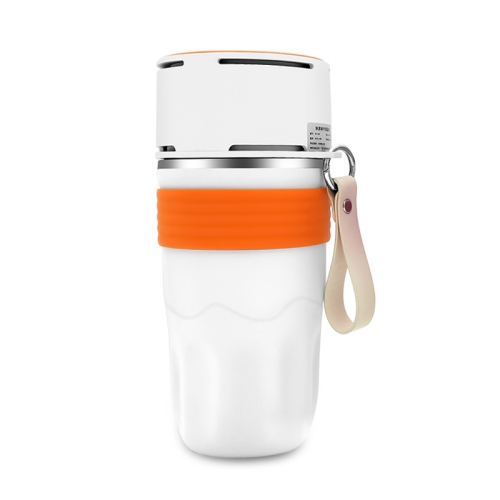
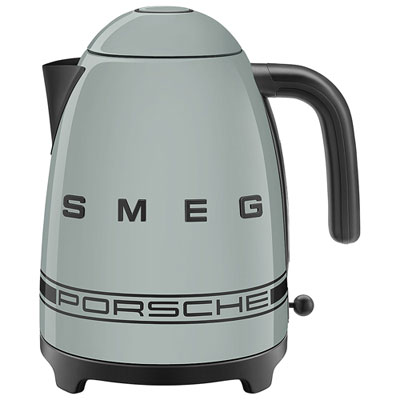
What app controls really add to your daily boil
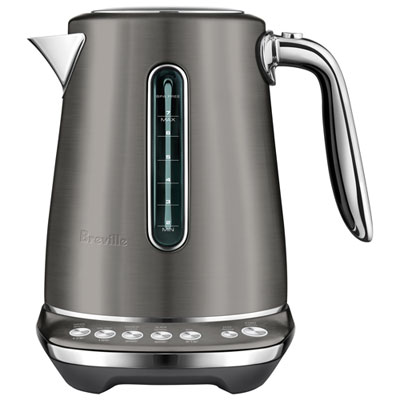
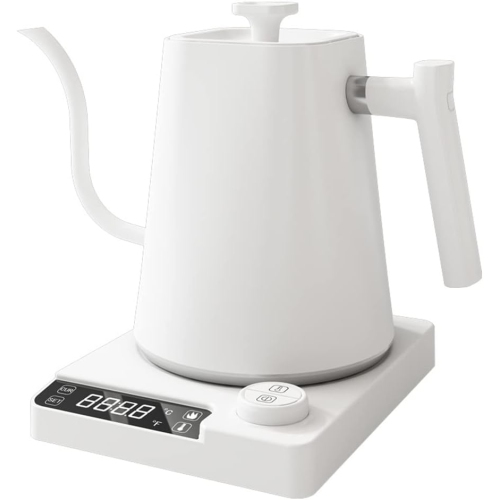
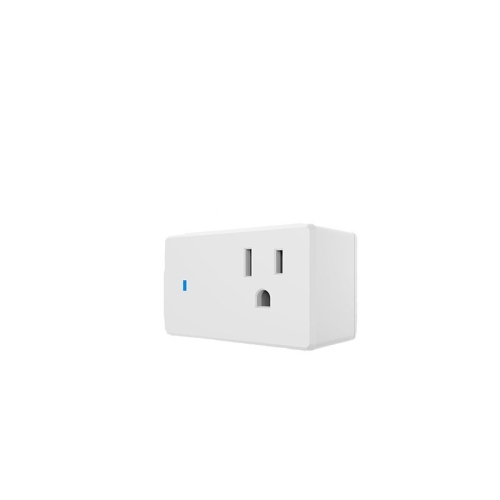
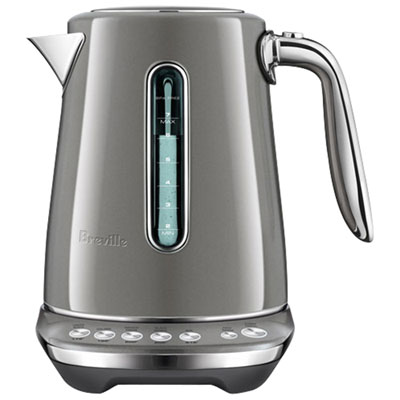
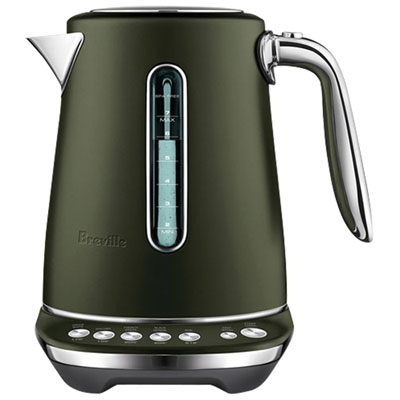
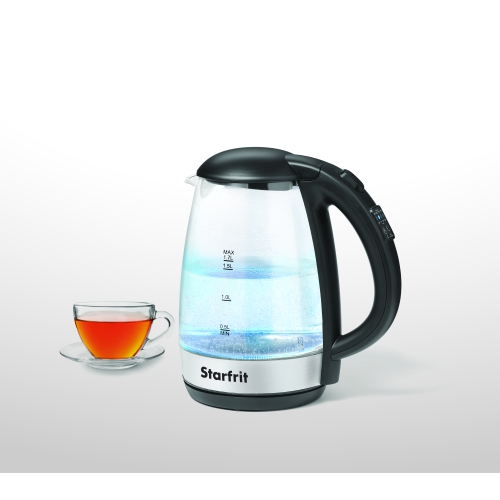
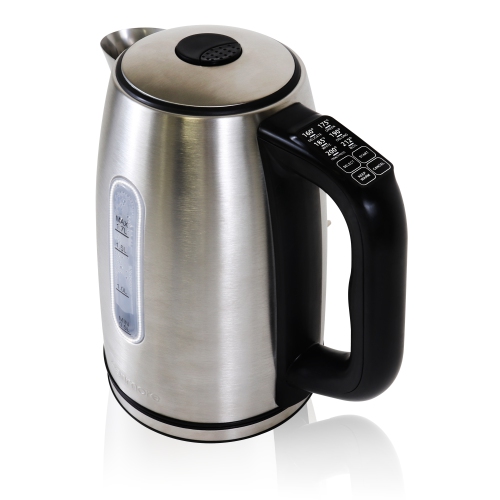
Smart kettles combine electric water heating with connected controls, letting you adjust supported settings through a smartphone app and, on compatible models, a voice assistant. Depending on the kettle, those controls may include starting a heating cycle, selecting a target temperature, scheduling a boil, or checking whether the water is ready. Wi-Fi and Bluetooth connections work differently: Wi-Fi features depend on a compatible home network and may support control from beyond the kitchen, while Bluetooth generally requires your phone to stay within range. Voice commands, scheduling, and remote starting are not universal, so the useful distinction is what each kettle actually lets you do, rather than whether it simply has a digital display. A variable-temperature electric kettle with buttons on its base can offer precise heating without having any connected functions. For someone who makes tea between video calls or prepares pour-over coffee at the same time each morning, a connected kettle can make the routine easier to coordinate. Physical buttons remain valuable, too, particularly in a shared household where not everyone wants to install an app just to boil water. A clear display, readable water-level markings, and an audible ready signal can be as helpful in daily use as phone notifications. App compatibility, account requirements, and the supported Wi-Fi frequency are worth checking alongside the heating features; some connected appliances require a 2.4 GHz network. Remote controls also work within the kettle’s safety limits, and certain designs require an action at the appliance before remote heating is enabled. The kettle still needs enough water, a properly closed lid, and correct placement on its base before a heating cycle begins. For households comparing connected functions with simpler electric designs, the broader range of Hot Water Kettles provides context for deciding which controls will earn their place on the counter.
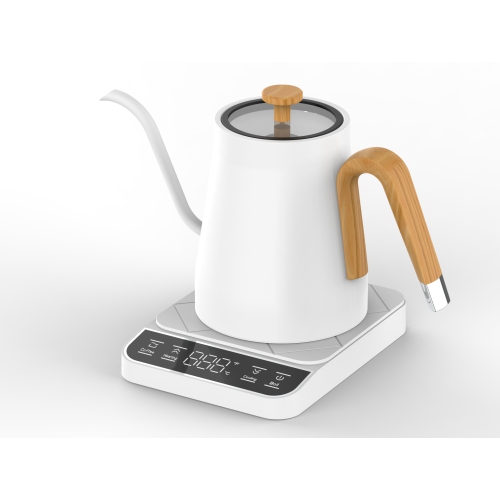
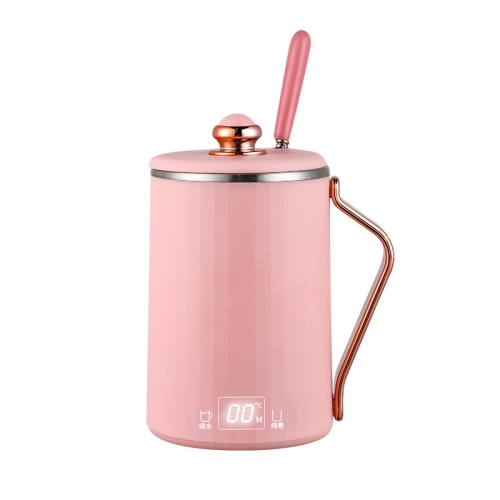
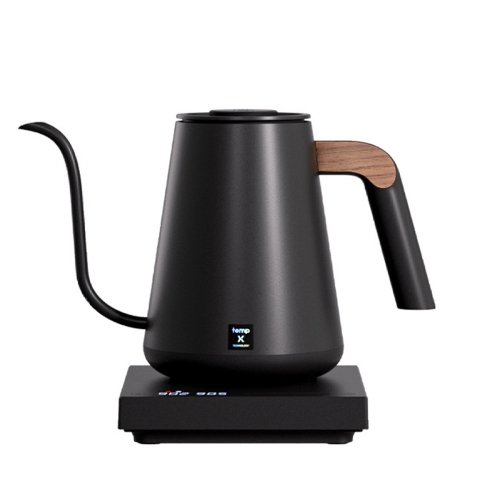
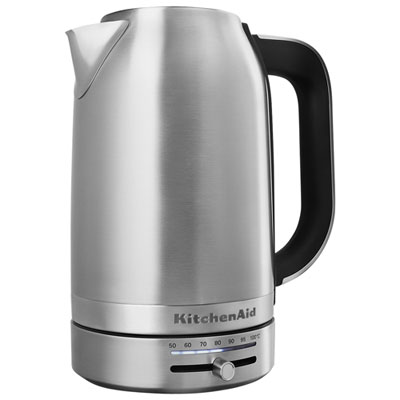
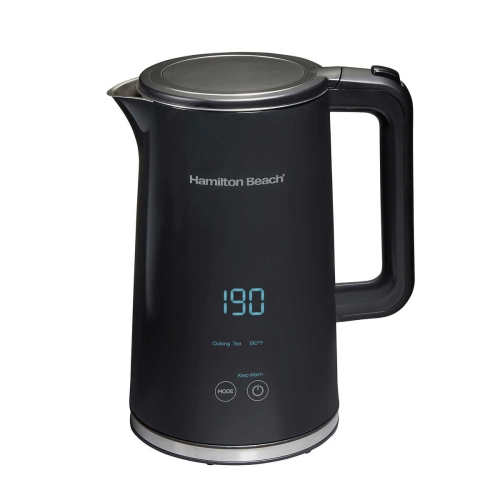
Temperature control is one of the most practical reasons to choose a smart kettle, especially when the household drinks more than one kind of tea or coffee. Different leaves and brewing methods respond differently to heat: many green teas are prepared around 70°C to 80°C, while black teas commonly use water close to boiling. Pour-over coffee often calls for water around 90°C to 96°C, although the beans, roast, and brewing recipe can change the preferred setting. These are starting points rather than fixed rules; the directions on the tea package or a favourite coffee recipe provide a more useful target than a preset name alone. A kettle with adjustable settings lets you move between those drinks without boiling water and guessing how long it should cool. Presets simplify familiar routines, while smaller temperature increments give keen tea drinkers and coffee enthusiasts more room to fine-tune a cup. Check whether the display shows the selected temperature, the measured water temperature, or both, since those readings serve different purposes. Keep-warm functions can hold water near a chosen setting for a limited period, making it easier to prepare another mug without beginning a full heating cycle again. Holding times and supported temperatures vary, and some kettles cancel that mode when lifted from the base. Capacity matters just as much as programming. A smaller vessel may suit one person making a single pour-over, while a larger kettle can handle several mugs or water for instant oatmeal and other foods prepared according to their package directions. Minimum fill requirements deserve attention if you usually heat only a small amount. Spout shape also changes the experience: a narrow gooseneck supports a slow, controlled stream over coffee grounds, whereas a conventional spout is often more convenient for filling mugs or a teapot. Neither shape makes the kettle universally better; the right fit depends on what gets poured most often and how much control that task needs.
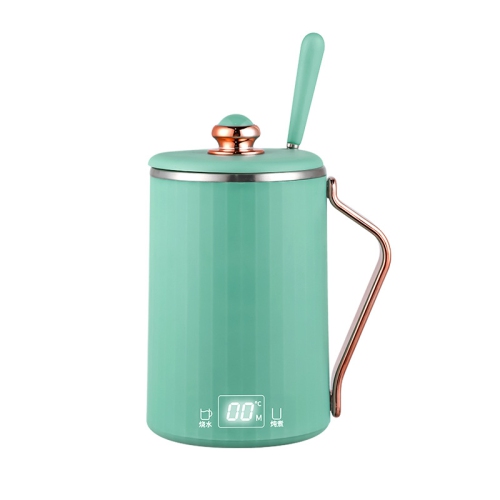
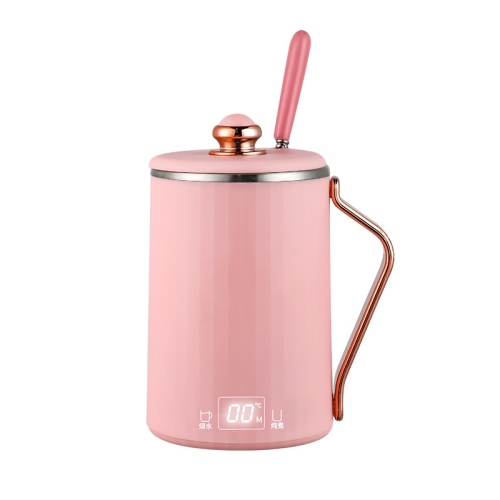
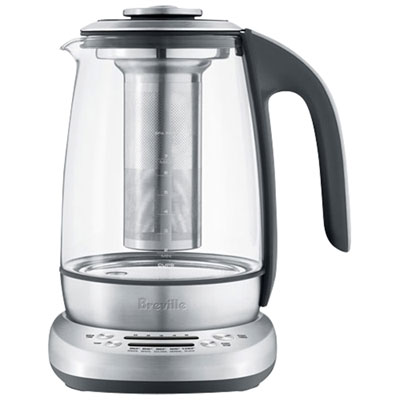
Materials, handling, and care determine how pleasant a smart kettle remains after the novelty of app control wears off. Stainless steel is a common choice for its durability, although the outside of a single-wall vessel can become hot during use. Glass makes the water level easy to see and gives the heating process a visible presence on the counter, but fingerprints and mineral deposits may be more noticeable. Double-wall designs can reduce heat transfer to the exterior, though surface temperatures vary and the manufacturer’s handling directions still apply. Look beyond the outer finish to the interior, lid, filter, and other surfaces that contact water. A comfortable handle, balanced weight, and secure lid matter when lifting a full kettle, particularly for anyone who finds heavier kitchen appliances awkward. A rotating base can make it easier to return the vessel from different angles, while a broad lid opening helps with filling and cleaning. The overall footprint should leave room for lifting, pouring, and steam clearance without crowding nearby cabinets or outlets. Automatic shut-off and boil-dry protection are useful safeguards, but they do not replace following the operating directions or keeping the appliance away from counter edges and children’s reach. Routine care usually involves emptying leftover water when appropriate, wiping the exterior, and descaling at intervals suited to local water hardness and the manufacturer’s recommendations. Mineral buildup can affect heating performance and leave visible flakes, so an accessible interior and a removable scale filter, where included, make maintenance easier. The electrical base and connected components should stay dry and should not be immersed. For long-term use, consider the warranty, access to replacement filters or other serviceable parts, and the app support information as well as the vessel itself. A connected kettle can be a thoughtful housewarming gift for a tea drinker, a practical addition to a shared kitchen, or a useful tool for someone refining a daily coffee ritual. The most satisfying choice pairs the preferred brewing features with straightforward controls, comfortable pouring, and a design that suits the way the kitchen is used.
Temperature control is one of the most practical reasons to choose a smart kettle, especially when the household drinks more than one kind of tea or coffee. Different leaves and brewing methods respond differently to heat: many green teas are prepared around 70°C to 80°C, while black teas commonly use water close to boiling. Pour-over coffee often calls for water around 90°C to 96°C, although the beans, roast, and brewing recipe can change the preferred setting. These are starting points rather than fixed rules; the directions on the tea package or a favourite coffee recipe provide a more useful target than a preset name alone. A kettle with adjustable settings lets you move between those drinks without boiling water and guessing how long it should cool. Presets simplify familiar routines, while smaller temperature increments give keen tea drinkers and coffee enthusiasts more room to fine-tune a cup. Check whether the display shows the selected temperature, the measured water temperature, or both, since those readings serve different purposes. Keep-warm functions can hold water near a chosen setting for a limited period, making it easier to prepare another mug without beginning a full heating cycle again. Holding times and supported temperatures vary, and some kettles cancel that mode when lifted from the base. Capacity matters just as much as programming. A smaller vessel may suit one person making a single pour-over, while a larger kettle can handle several mugs or water for instant oatmeal and other foods prepared according to their package directions. Minimum fill requirements deserve attention if you usually heat only a small amount. Spout shape also changes the experience: a narrow gooseneck supports a slow, controlled stream over coffee grounds, whereas a conventional spout is often more convenient for filling mugs or a teapot. Neither shape makes the kettle universally better; the right fit depends on what gets poured most often and how much control that task needs.
Materials, handling, and care determine how pleasant a smart kettle remains after the novelty of app control wears off. Stainless steel is a common choice for its durability, although the outside of a single-wall vessel can become hot during use. Glass makes the water level easy to see and gives the heating process a visible presence on the counter, but fingerprints and mineral deposits may be more noticeable. Double-wall designs can reduce heat transfer to the exterior, though surface temperatures vary and the manufacturer’s handling directions still apply. Look beyond the outer finish to the interior, lid, filter, and other surfaces that contact water. A comfortable handle, balanced weight, and secure lid matter when lifting a full kettle, particularly for anyone who finds heavier kitchen appliances awkward. A rotating base can make it easier to return the vessel from different angles, while a broad lid opening helps with filling and cleaning. The overall footprint should leave room for lifting, pouring, and steam clearance without crowding nearby cabinets or outlets. Automatic shut-off and boil-dry protection are useful safeguards, but they do not replace following the operating directions or keeping the appliance away from counter edges and children’s reach. Routine care usually involves emptying leftover water when appropriate, wiping the exterior, and descaling at intervals suited to local water hardness and the manufacturer’s recommendations. Mineral buildup can affect heating performance and leave visible flakes, so an accessible interior and a removable scale filter, where included, make maintenance easier. The electrical base and connected components should stay dry and should not be immersed. For long-term use, consider the warranty, access to replacement filters or other serviceable parts, and the app support information as well as the vessel itself. A connected kettle can be a thoughtful housewarming gift for a tea drinker, a practical addition to a shared kitchen, or a useful tool for someone refining a daily coffee ritual. The most satisfying choice pairs the preferred brewing features with straightforward controls, comfortable pouring, and a design that suits the way the kitchen is used.
Top selling and popular products
-
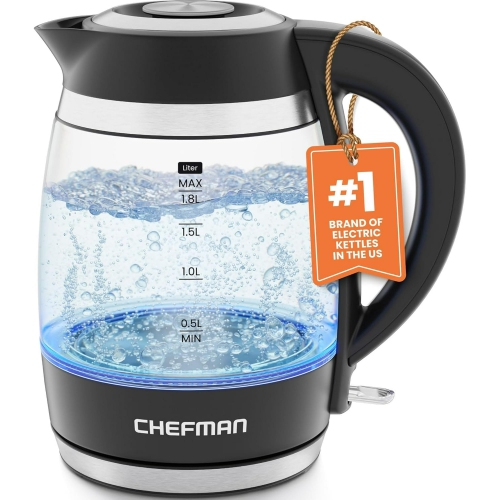 Your price for this item is $39.99
 -
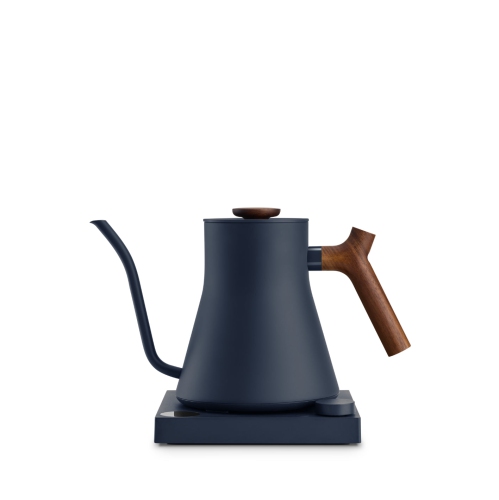 Your price for this item is $280
 -
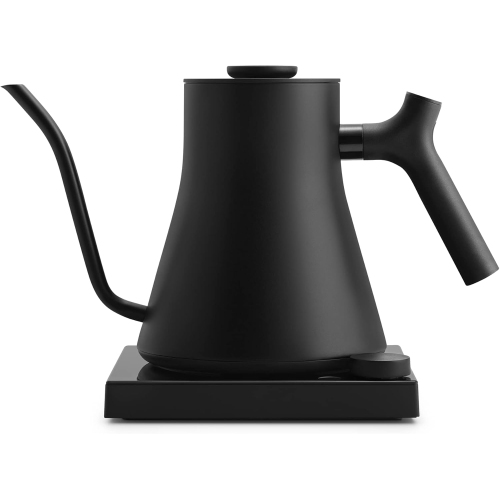 Your price for this item is $280
 -
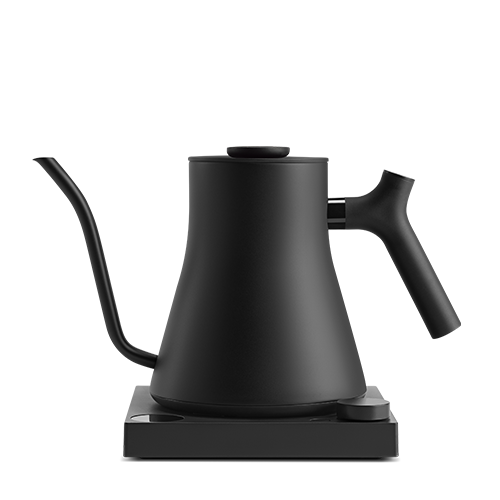 Your price for this item is $239
 -
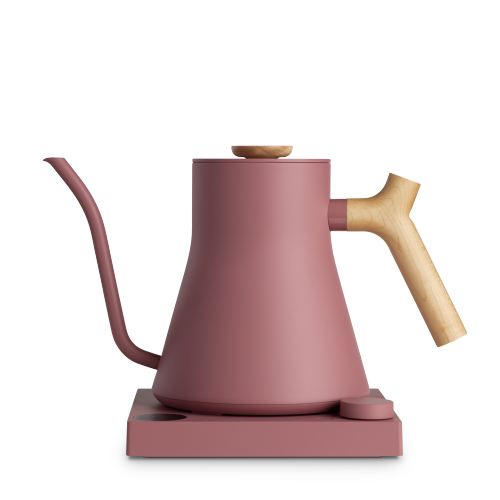 Your price for this item is $280
 -
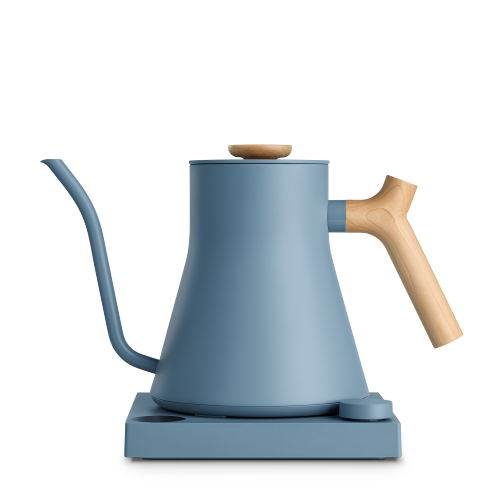 Your price for this item is $280
 -
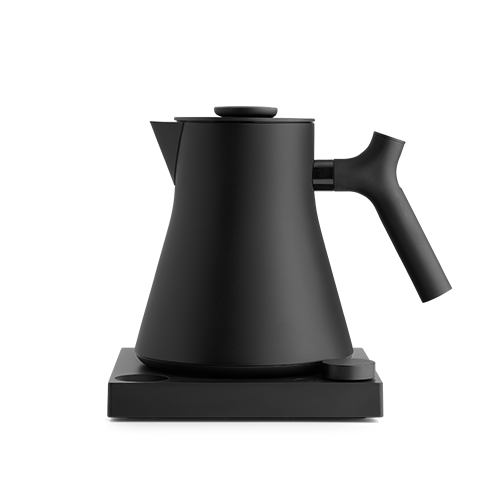 Your price for this item is $239
 -
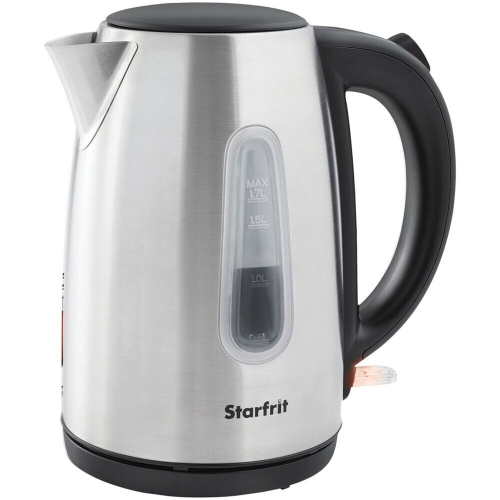 Your price for this item is $39.99
Discover more categories related to Smart Kettles
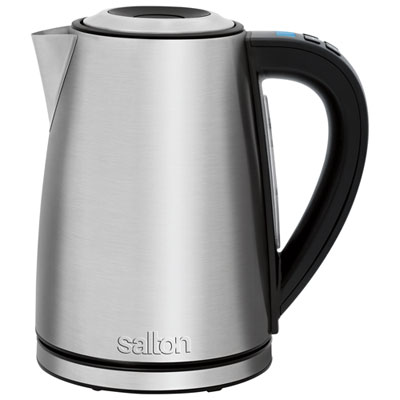
Top Collections:
Pokemon Centers, Kindle Devices, Best Budget Office Chairs, Apple iPhones 16, Best Laptops for Writers, iPhone 15 Apple, Canon G7X Cameras, Refurbished Apple Laptops, Alarm Clock, Motorola Razr Phones
Some products may be subject to Environmental Handling Fees
(EHF) depending on your province.
Learn more about EHFs.