Smoke Odor Eliminators
Say goodbye to stubborn smoke odors with our range of effective smoke odor eliminators. Whether you're dealing with lingering cigarette smells, campfire scents, or cooking fumes, we have the perfect solutions to freshen up your space. Our selection of smoke odor eliminators is designed to neutralize and eliminate odors at the source, leaving your home smelling clean and inviting. From sprays and candles to air purifiers and odor absorbing bags, we have everything you need to enjoy a fresher environment. Browse our collection today and breathe easy again.
Sort
































Why lingering smoke smells need more than air treatment
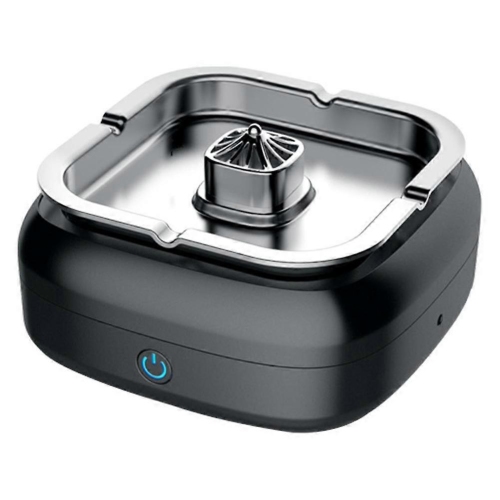
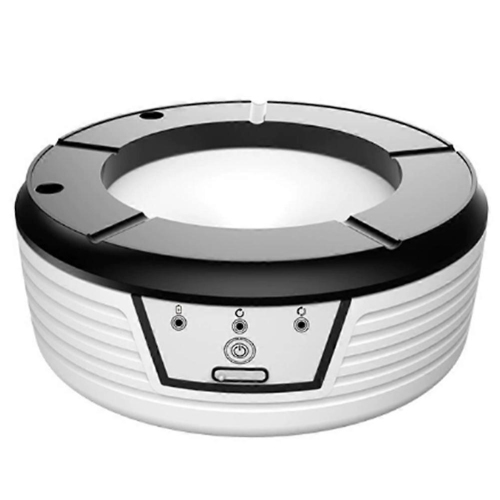
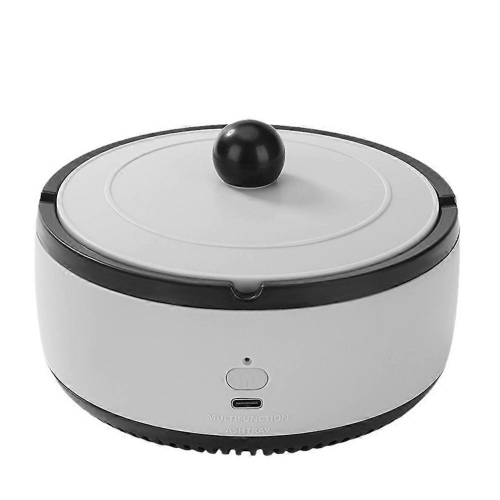
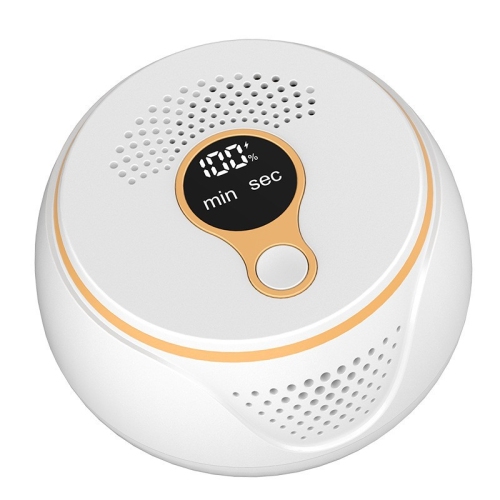
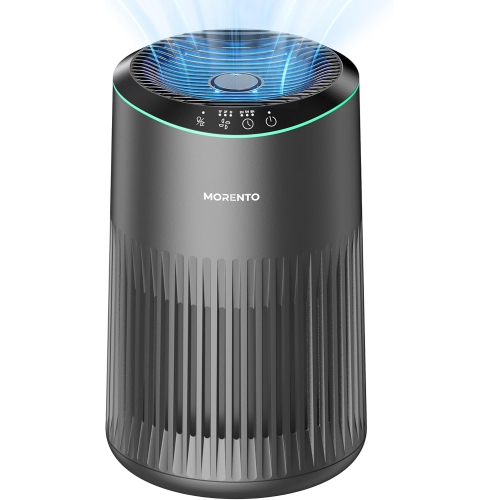
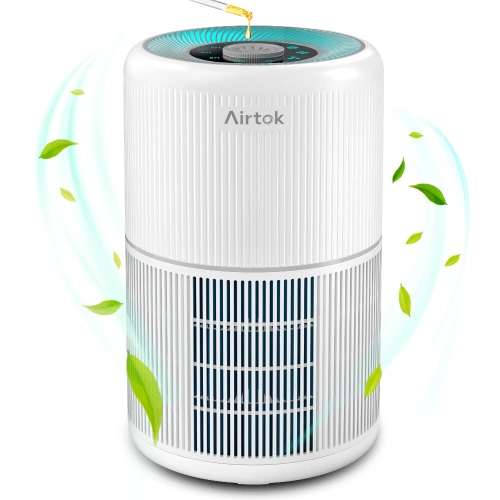
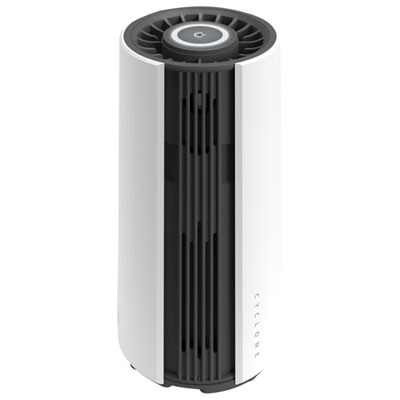
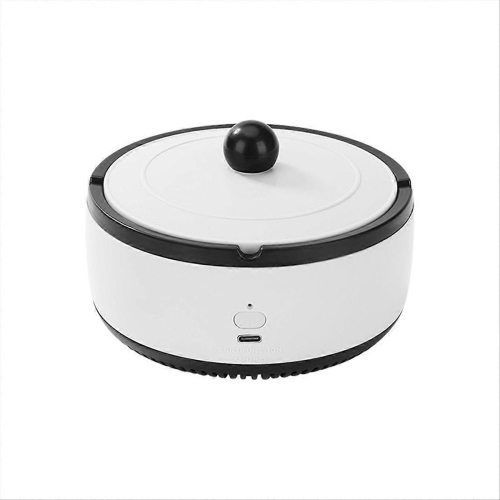
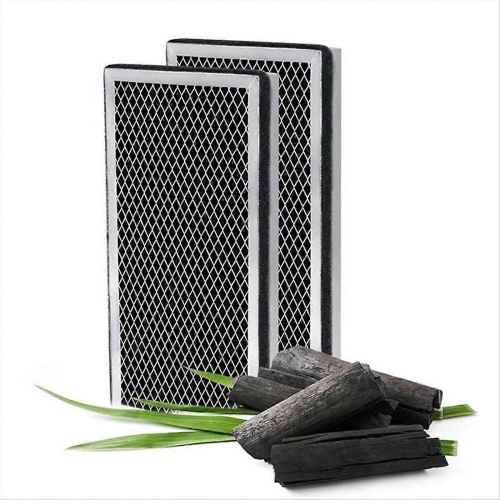
Smoke odour eliminators help address the lingering smells that cigarettes, cigars, cooking smoke, and other smoke sources can leave in rooms, vehicles, and furnishings. Unlike a fragrance that simply covers an unwanted smell, an odour-control formula or absorbent material is designed to reduce odour by capturing certain airborne compounds or interacting with the substances responsible for the smell. Results depend on the formulation, the amount of smoke exposure, and whether residue remains on nearby surfaces. Smoke can settle into a sofa’s upholstery, cling to curtains, and leave a persistent film on hard surfaces, so treating the air alone may not resolve the problem. This makes intended use an important distinction among smoke odour eliminators: a room spray, a fabric treatment, a passive absorber, and an air purifier each address different parts of the space. Sprays offer targeted application where the label permits, while gels and solid absorbers provide ongoing odour control without repeated spraying. Activated carbon has a porous structure that can adsorb some odour-causing gases, holding them on its internal surfaces. Air purifiers combine airflow with filtration to treat air moving through the unit, although their ability to reduce smoke smells depends heavily on the type and quantity of gas-filtering material inside. Scented options can leave a noticeable fragrance, while fragrance-free options suit people who prefer less added scent in a bedroom, shared living area, or vehicle. Neither a strong fragrance nor the absence of a smell is a reliable measure of air quality. For someone moving into a previously occupied home, refreshing second-hand furniture, or addressing lingering tobacco smells in a car, the most useful format is one matched to the affected material and the size of the space. Removing the smoke source and cleaning deposited residue remain important, because odour can return when it is still trapped in carpets, upholstery, or other porous materials.
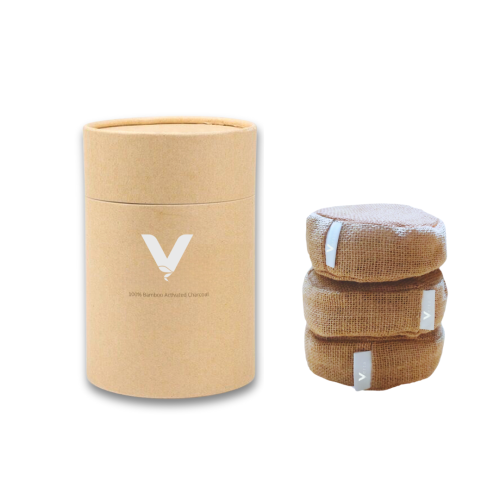
Materials and application details matter particularly when smoke smells have settled into soft furnishings. A treatment labelled for washable fabric may be appropriate for certain curtains, cushion covers, or upholstery, but that does not make it suitable for every textile. Silk, wool, leather, suede, and fabrics with special finishes may require different care, and a concealed spot test helps reveal colour changes, water marks, or texture changes before a larger area is treated. Washable covers and clothing benefit from cleaning according to their care labels; an odour treatment does not replace laundering or remove every visible smoke stain. For upholstered furniture, the label should clearly distinguish between use on fabric and use only in the surrounding air. Fine-mist application can be easier to control than a heavier spray, but soaking cushions or carpet backing may leave moisture behind and create another odour problem. Vehicle interiors present a similar mix of surfaces: cloth seats, floor mats, headliners, leather trim, and hard plastics do not necessarily tolerate the same formula. Automotive odour treatments should be used only in the locations and manner specified, rather than sprayed indiscriminately into vents or onto controls. Passive absorbers offer a different approach for enclosed spaces where repeated spraying is inconvenient. Breathable pouches containing activated carbon and containers holding odour-absorbing gel need an appropriate placement location, with any openings unobstructed and the contents kept away from children and pets. Their useful life varies with the material, the concentration of odours, and the manufacturer’s directions; not every pouch can be refreshed, and not every container is refillable. Secure closures, stable containers, and clear application instructions are practical features for ongoing household use. Broader Odor Neutralizers can also be relevant when smoke is only one of several lingering household smells, provided the stated uses cover the surfaces or spaces being treated. A clear distinction between air treatment, fabric treatment, and surface cleaning makes it easier to choose a suitable format without expecting one formula to do every job.
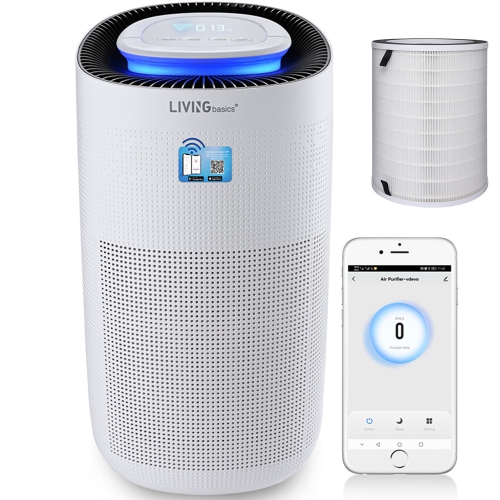
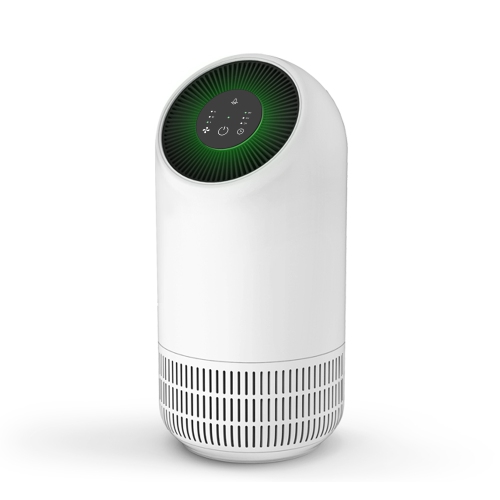
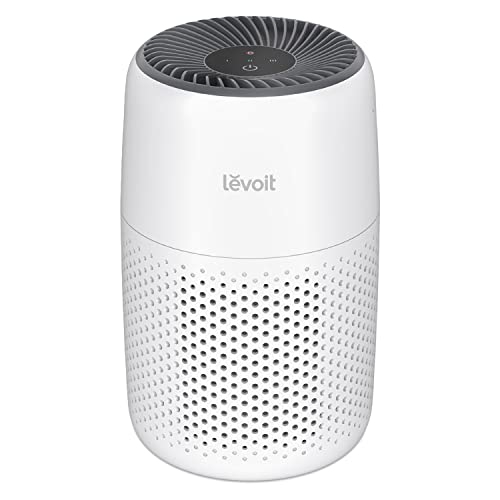
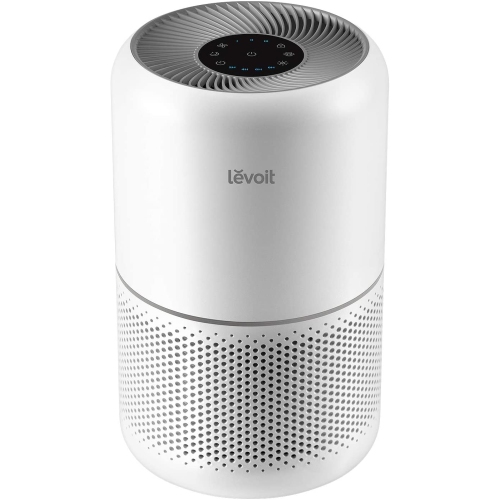
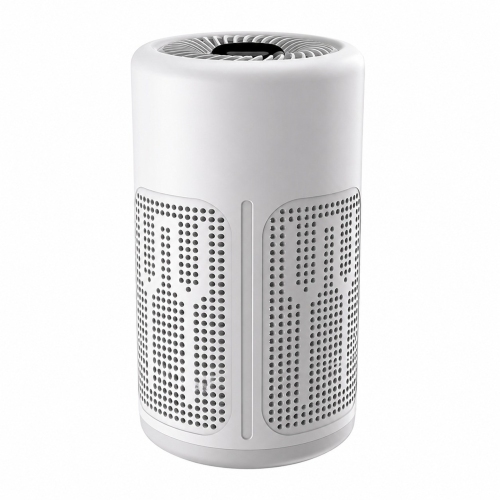
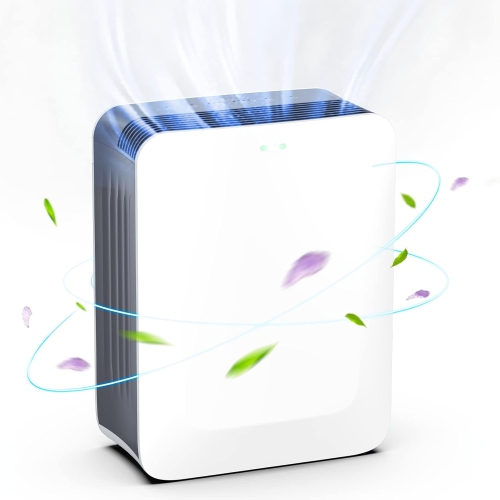
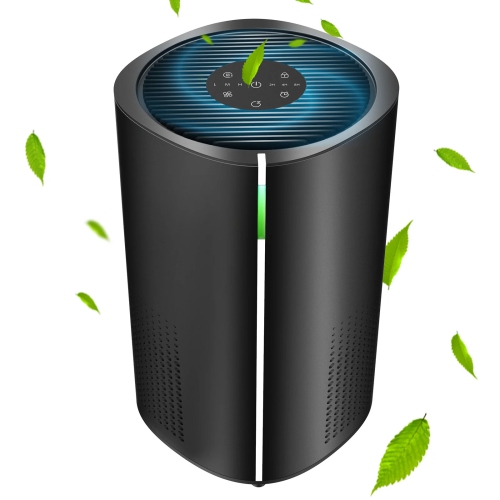
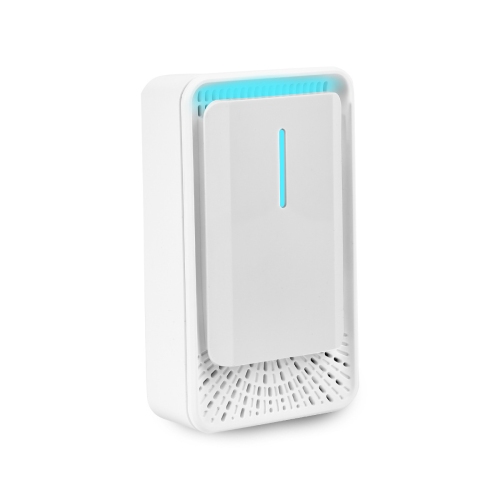
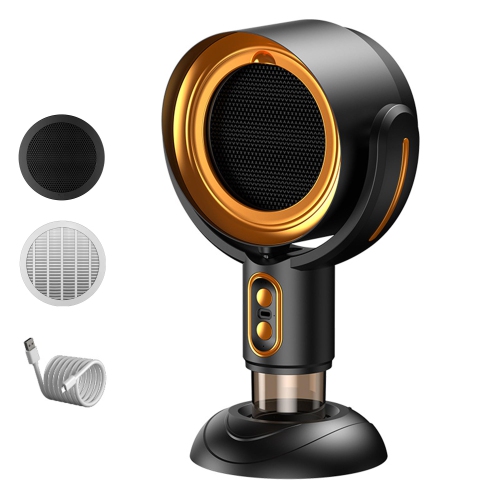
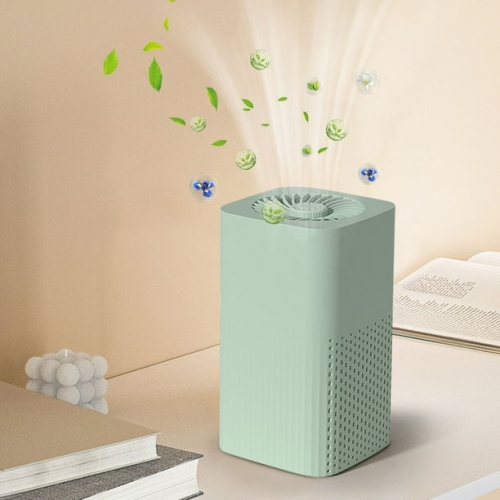
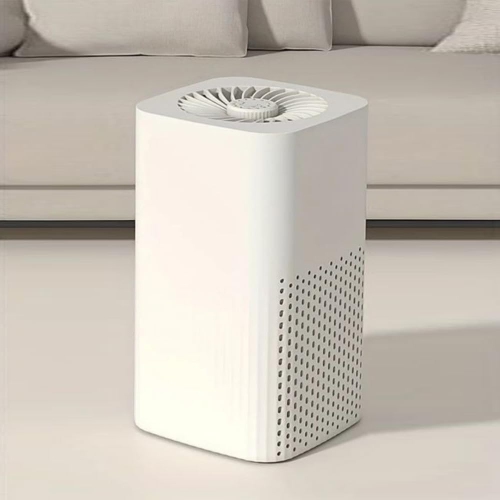
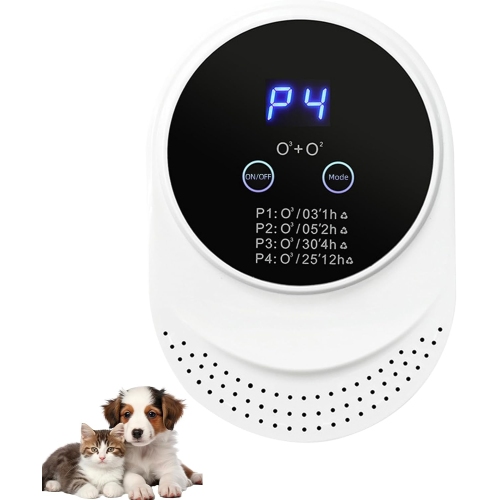
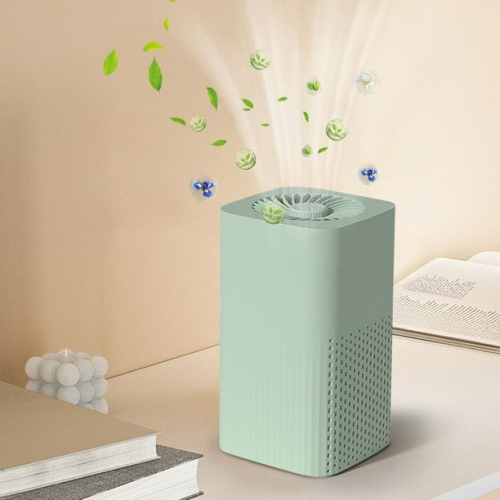
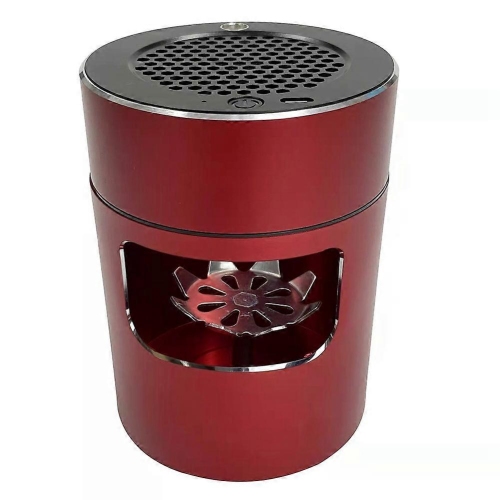
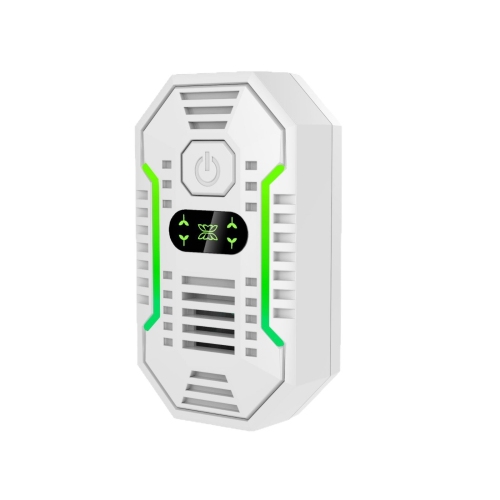
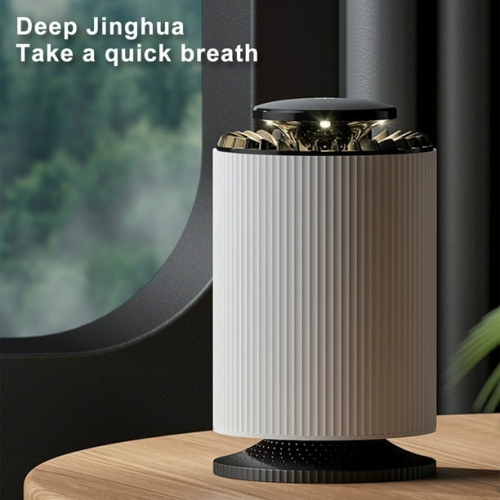
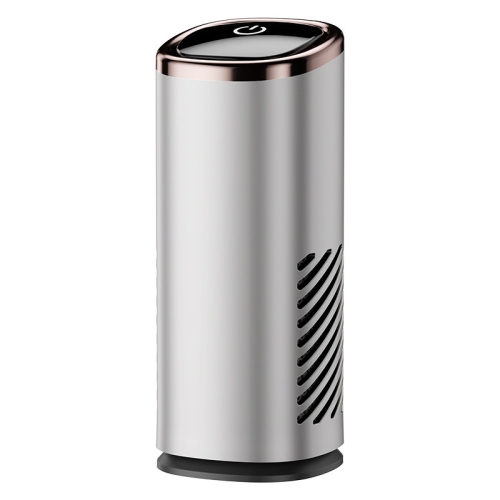
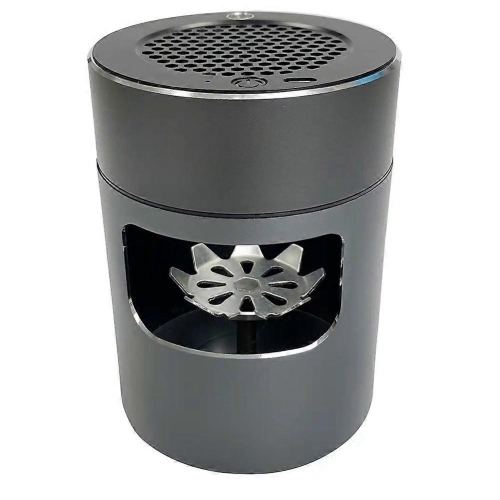
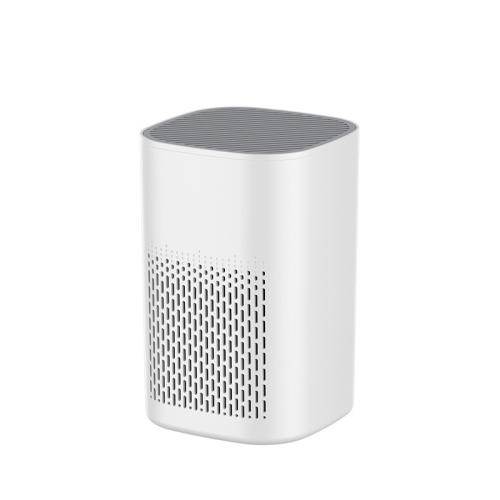
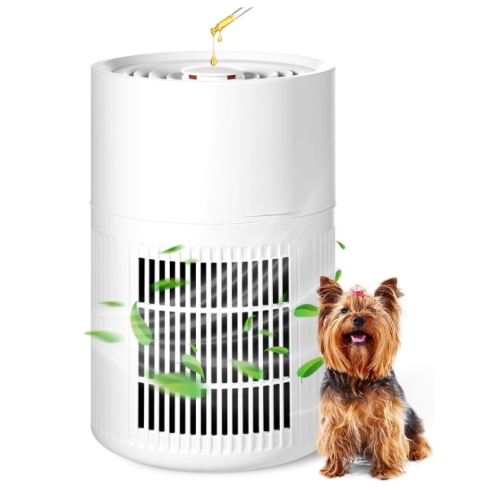
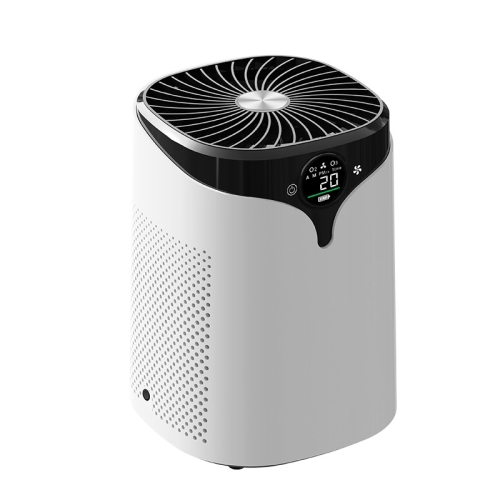
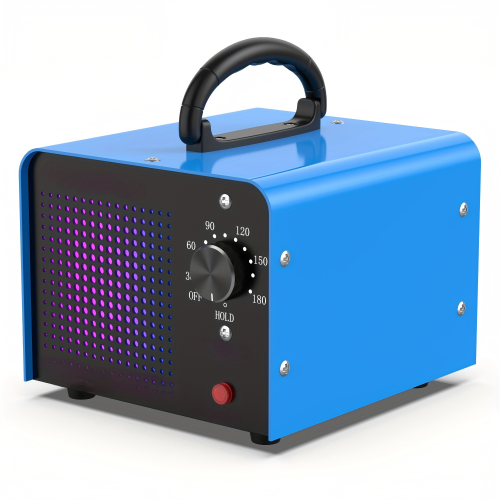
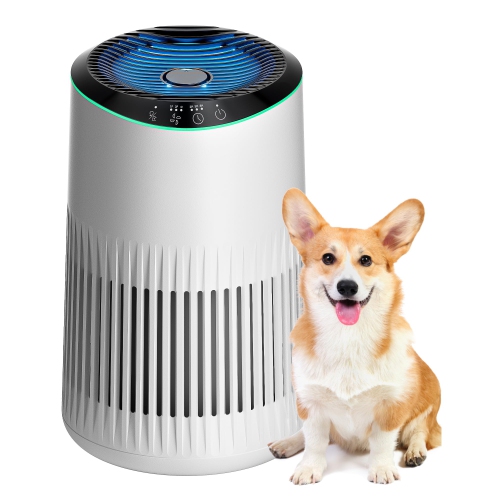
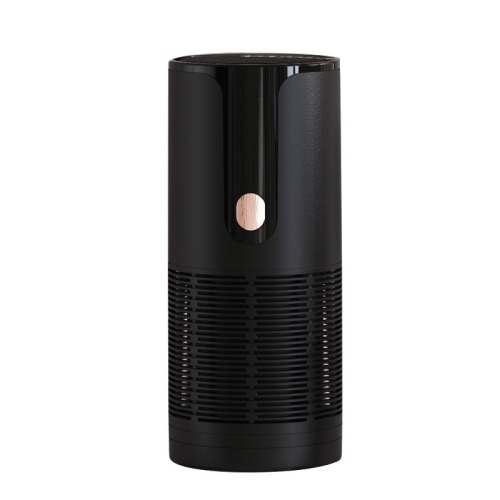
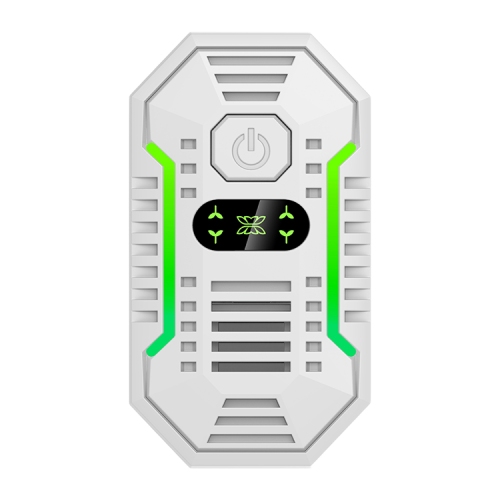
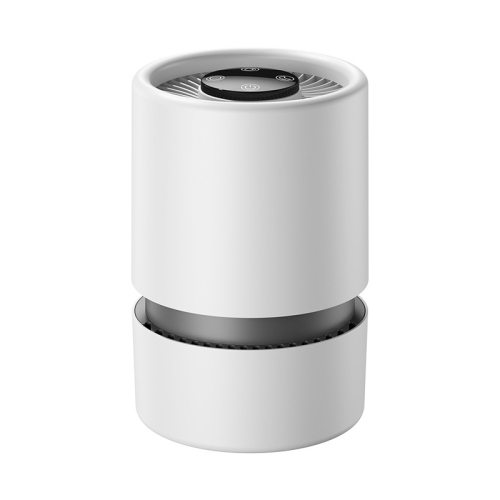
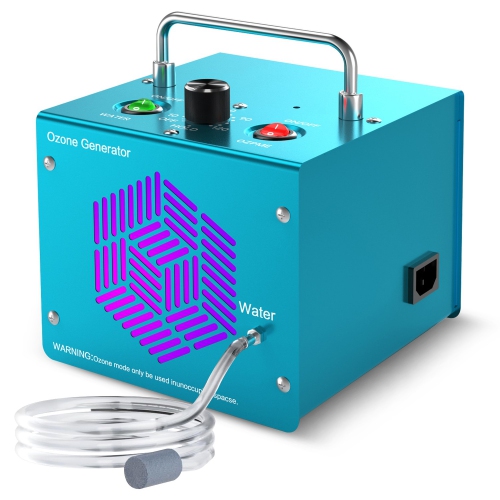
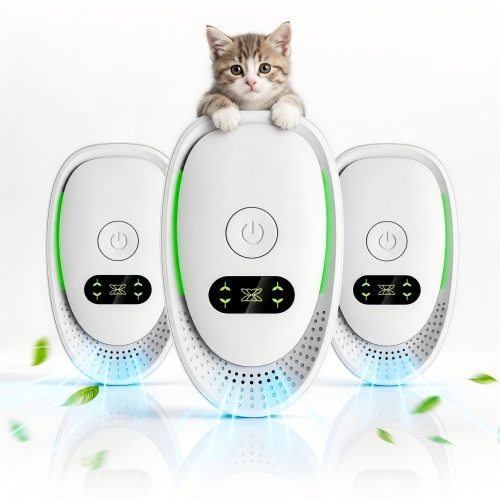
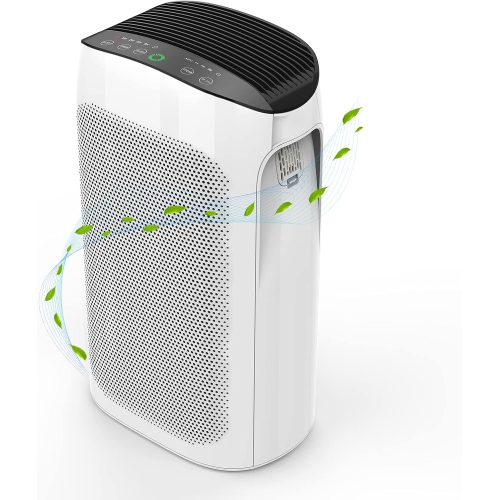
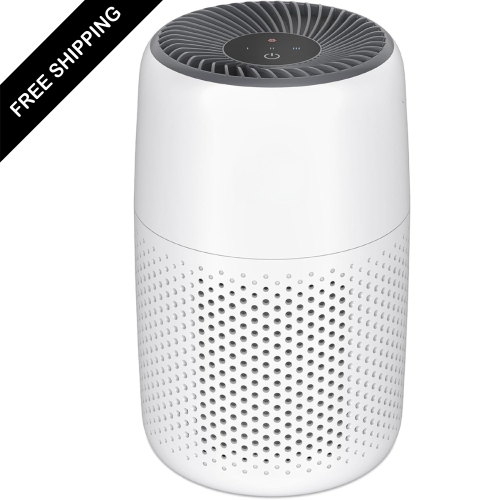
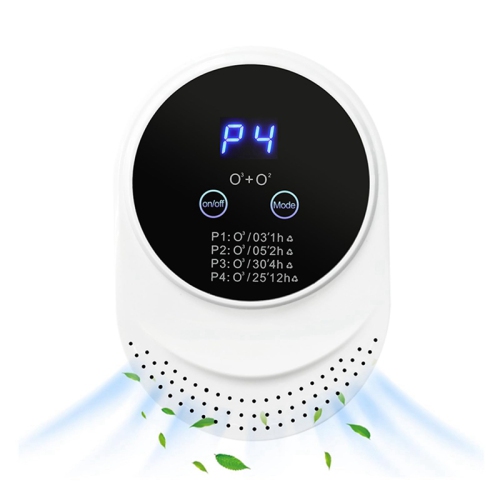
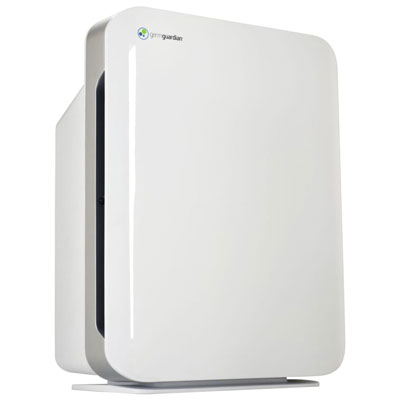
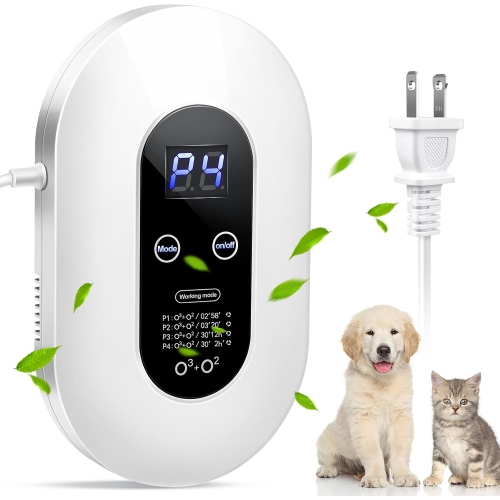
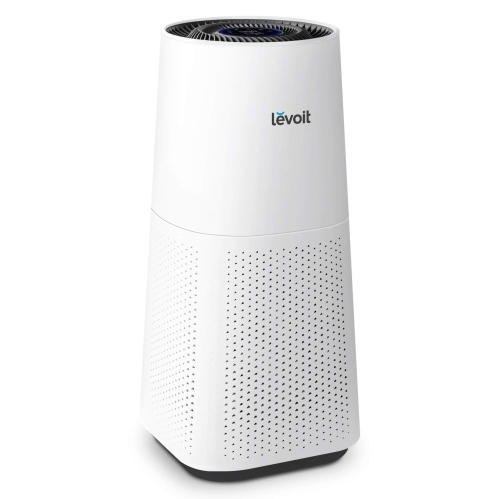
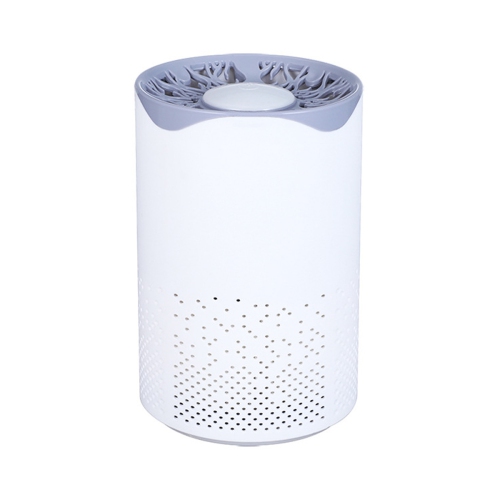
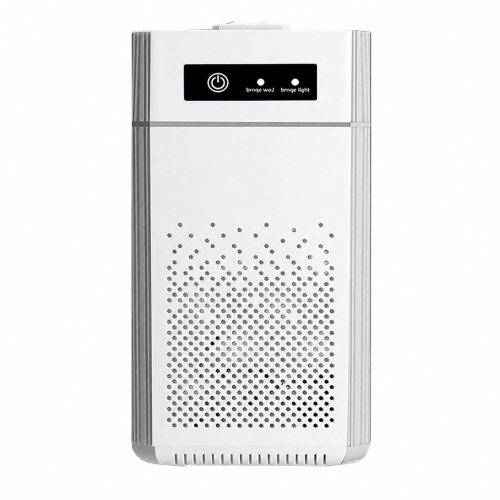
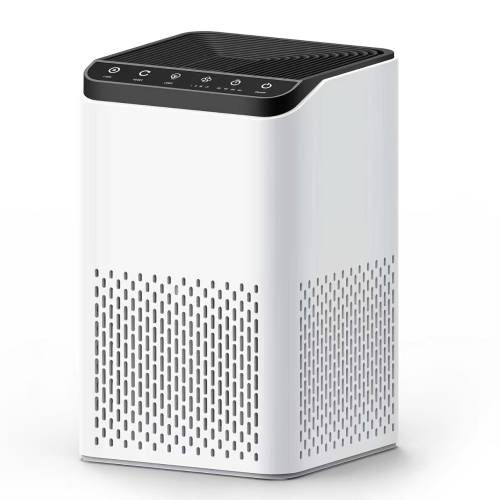
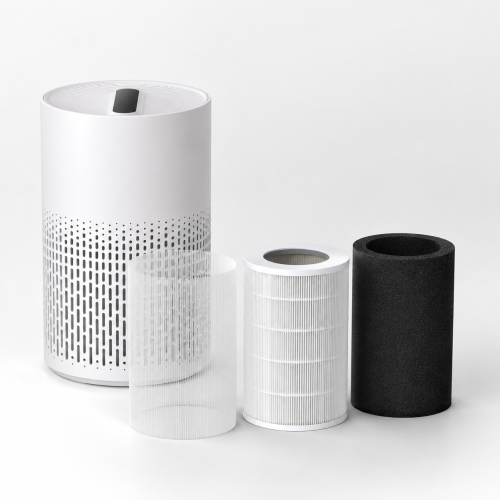
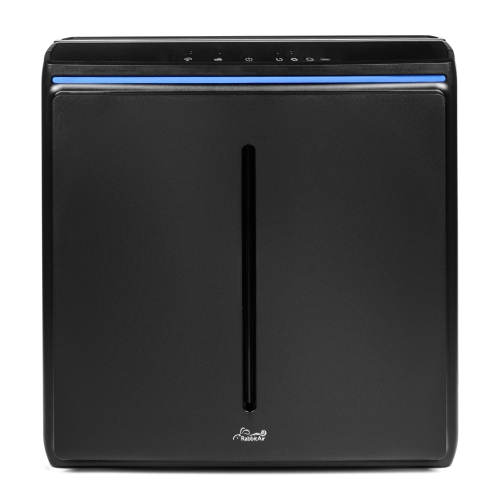
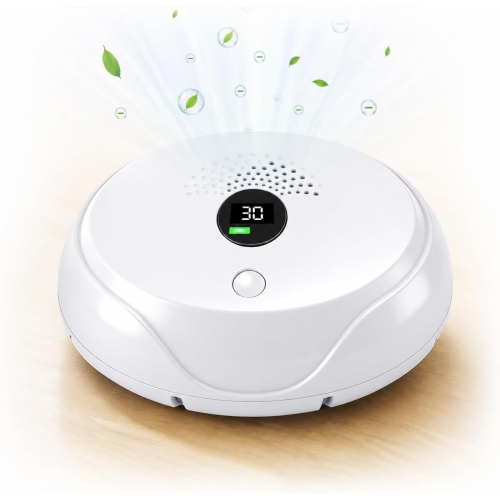
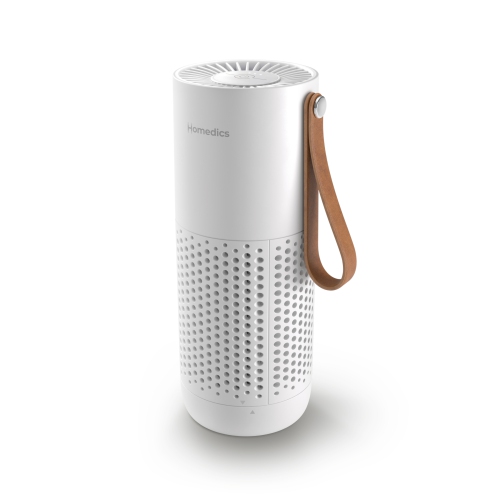
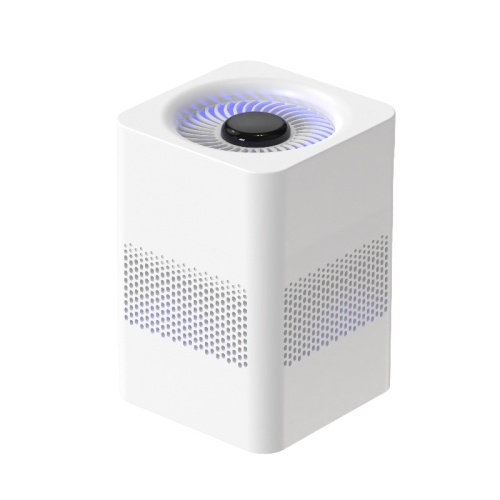
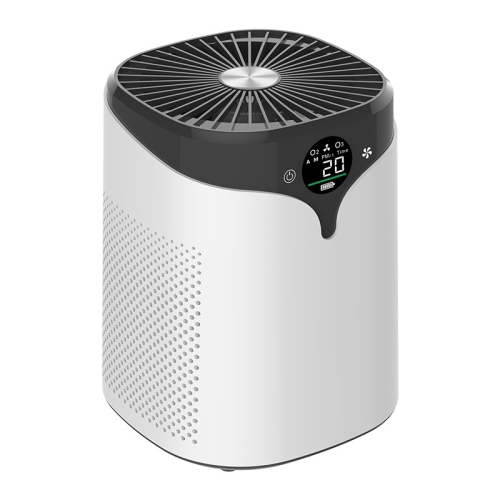
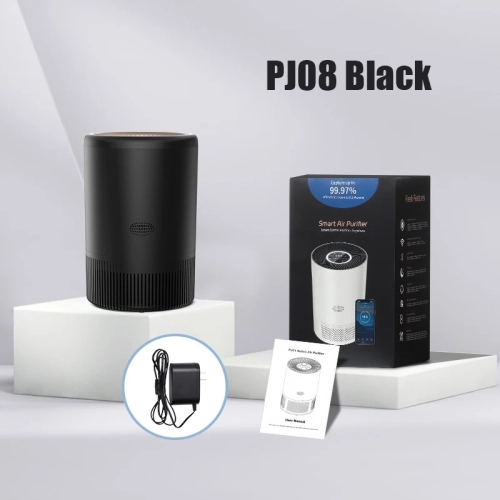
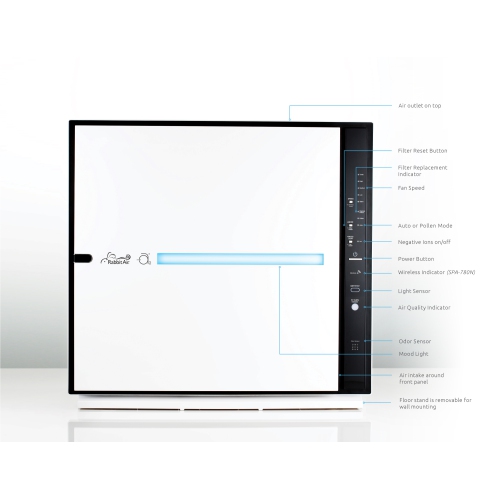
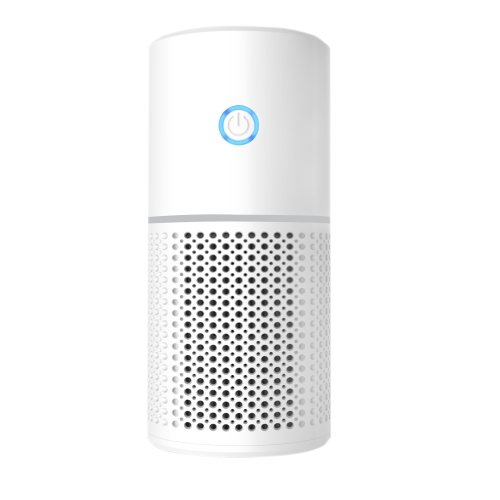
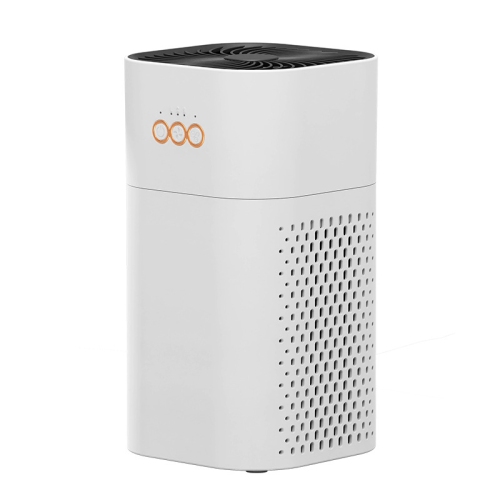
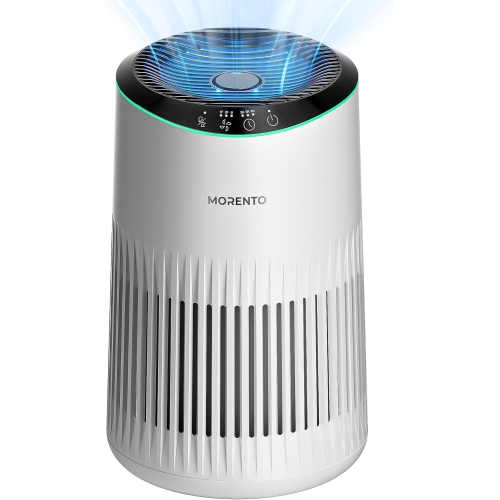
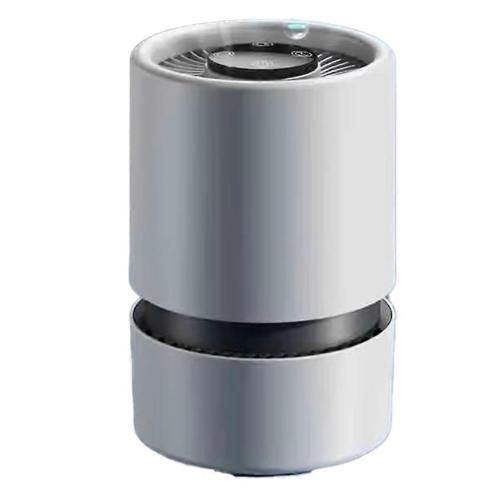
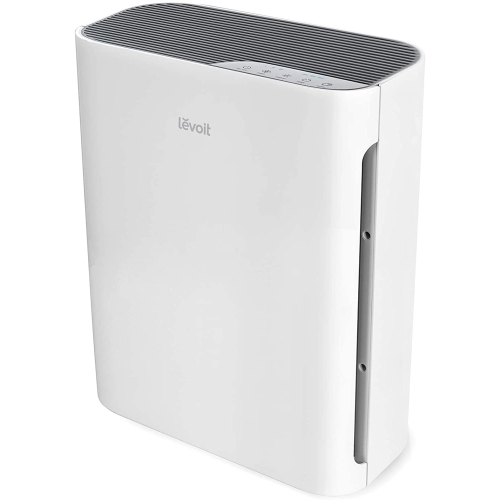
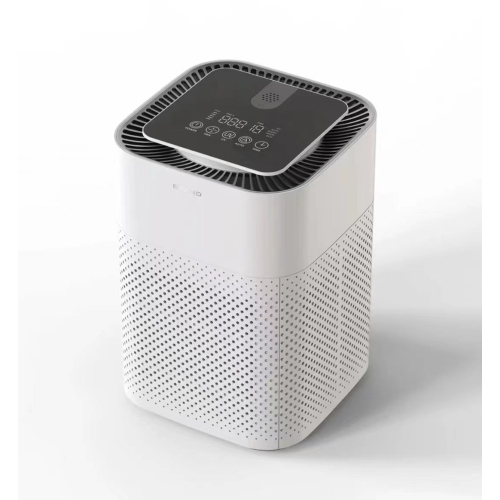
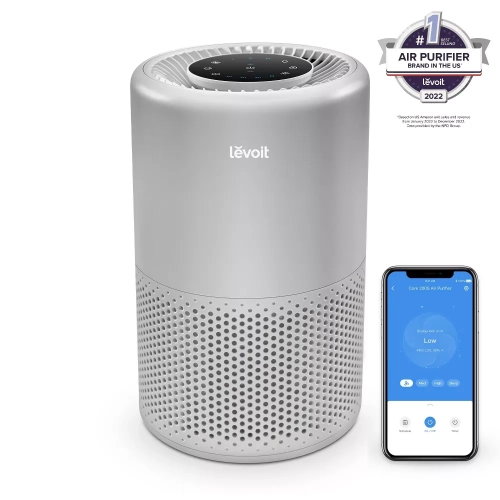
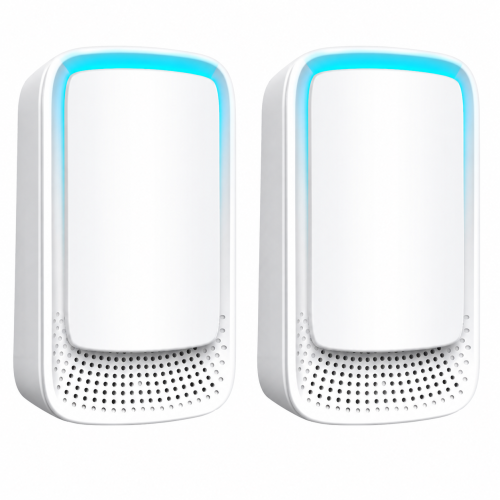
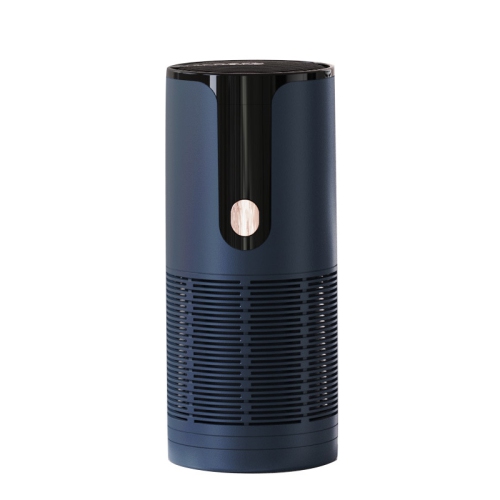
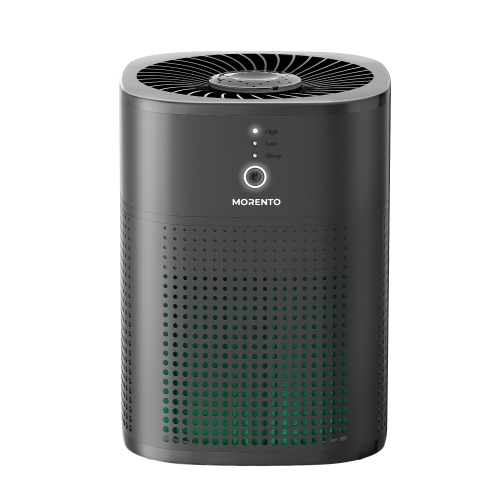
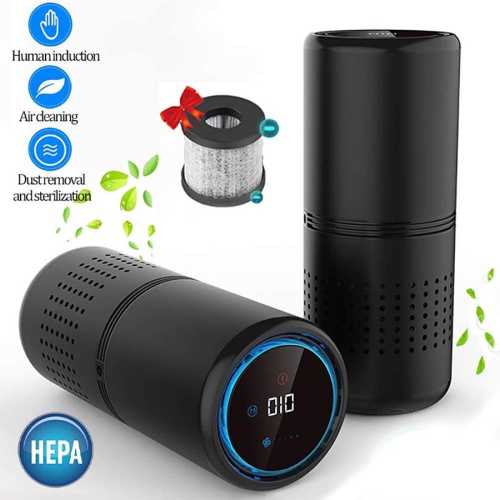
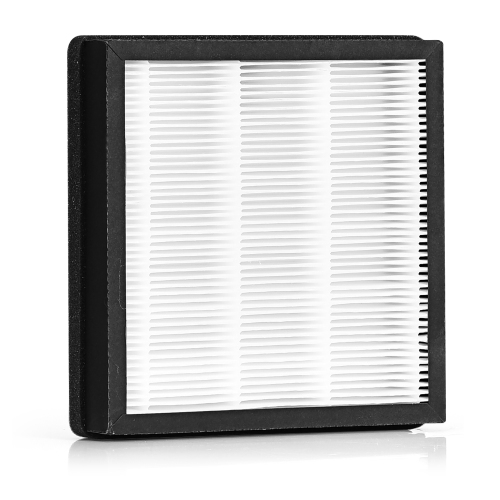
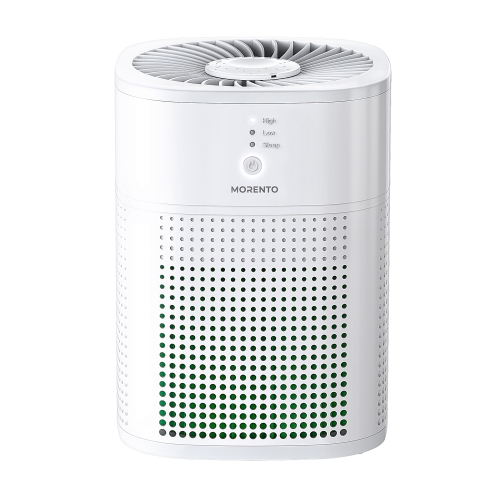
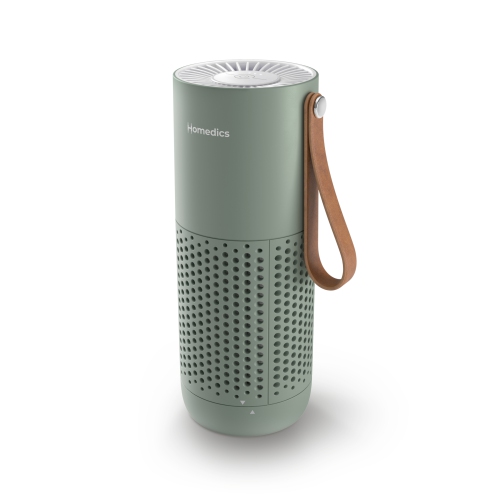
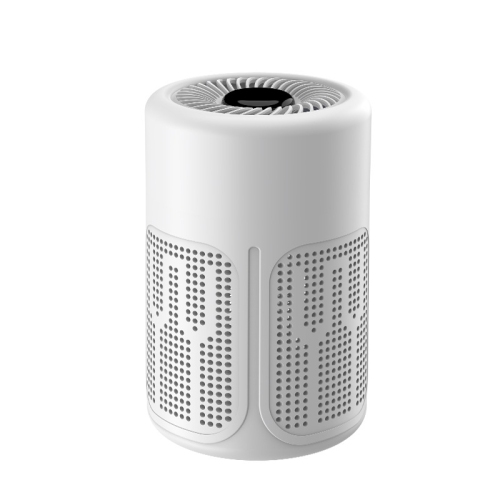
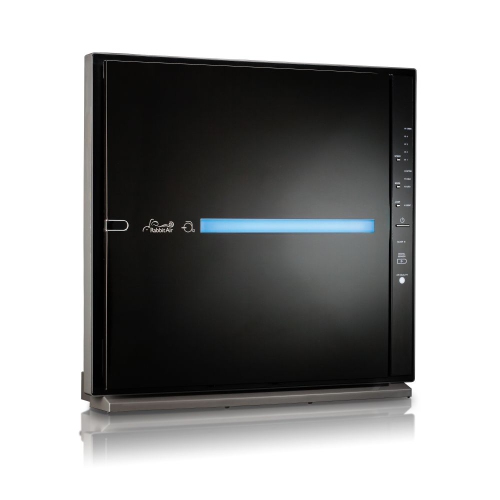
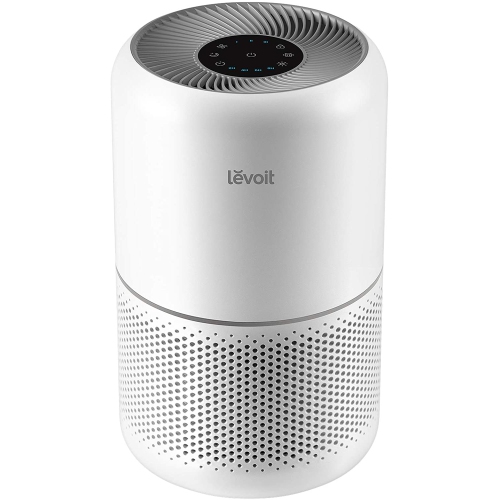
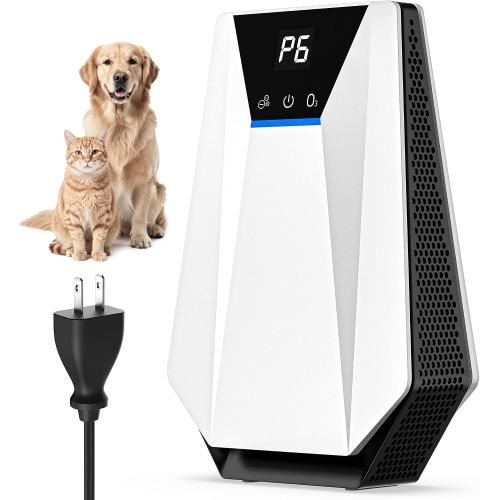
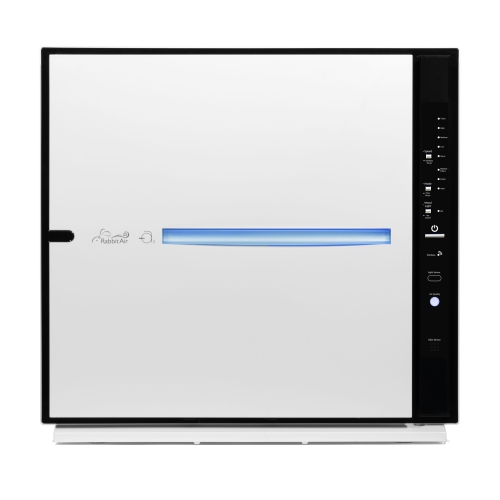
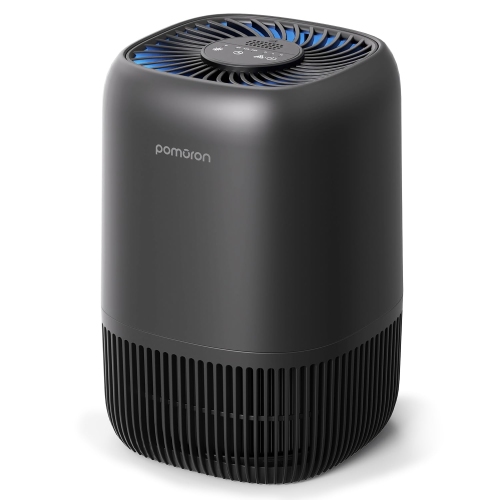
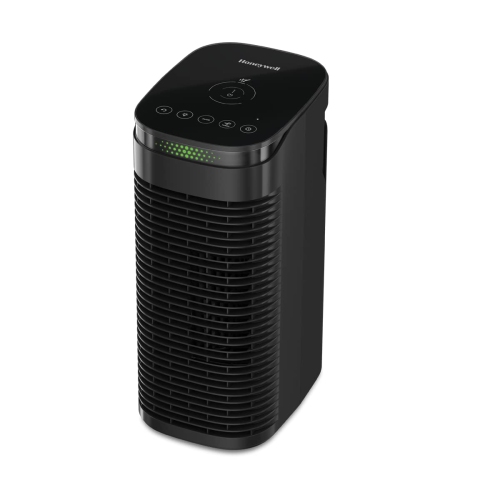
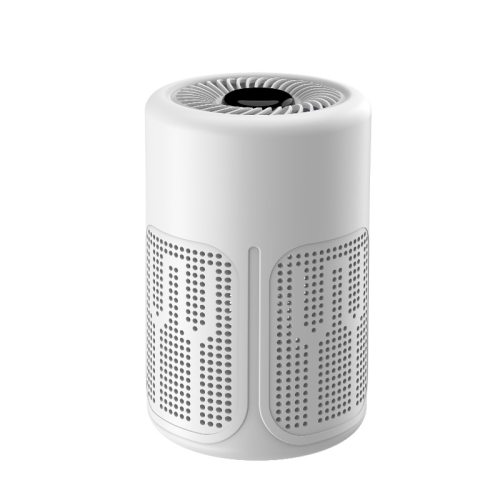
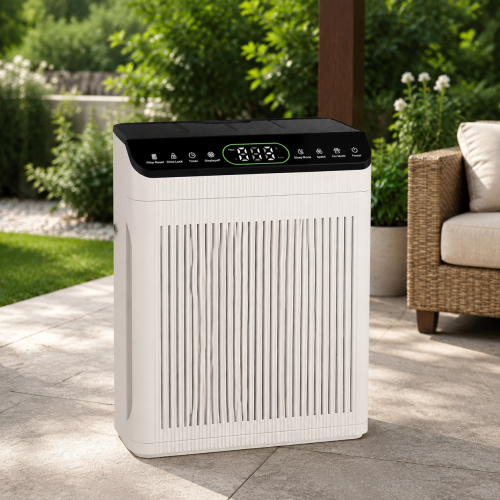
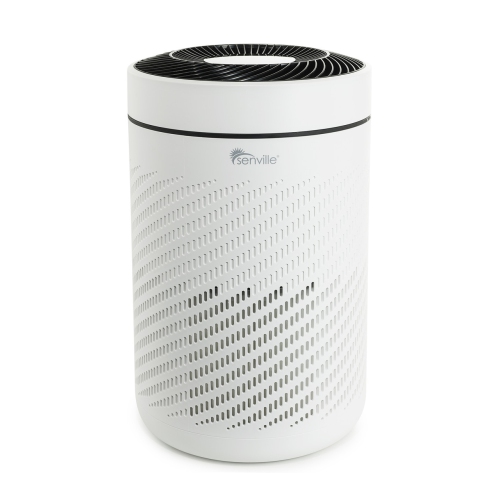
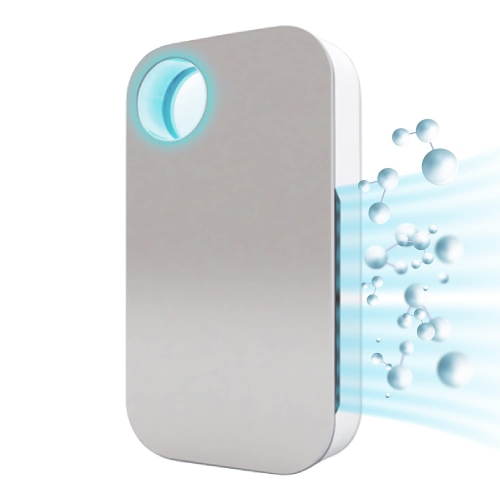
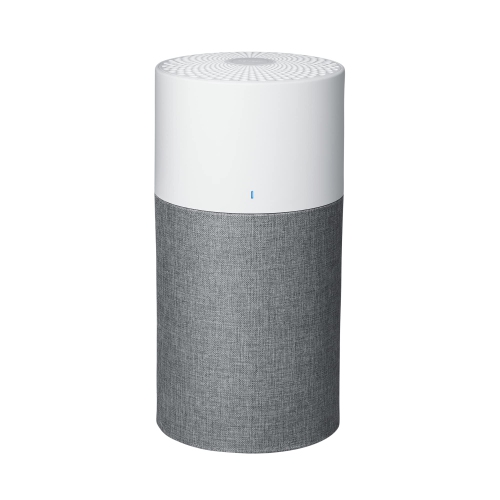
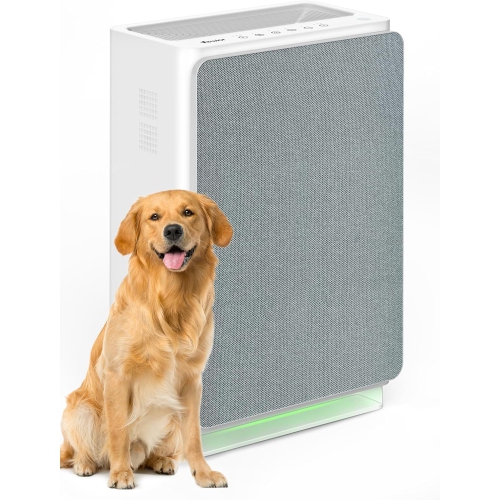
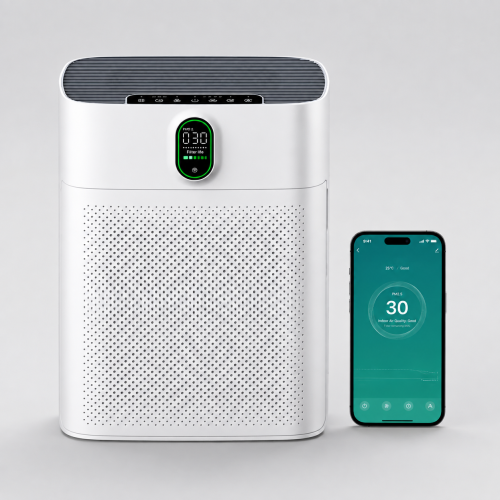
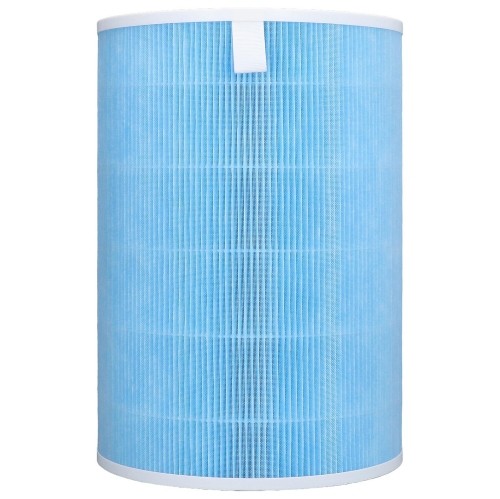
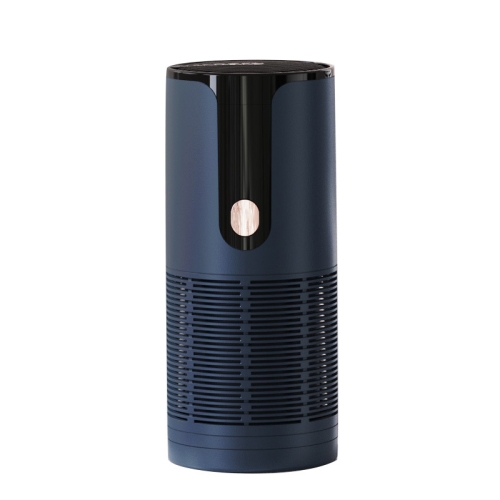
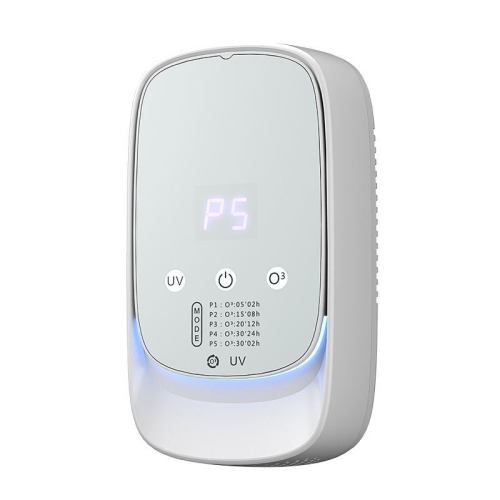
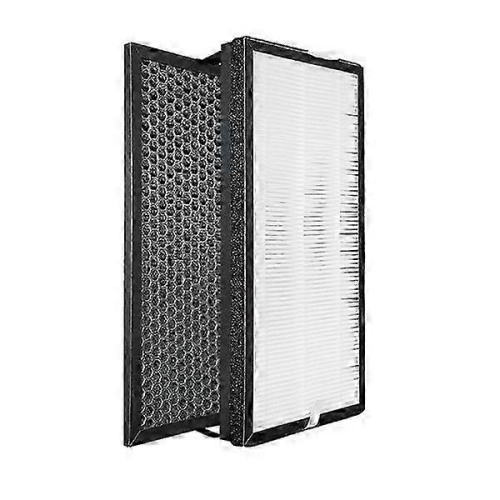
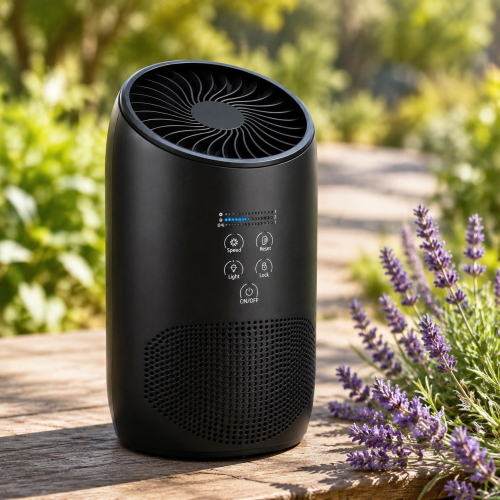
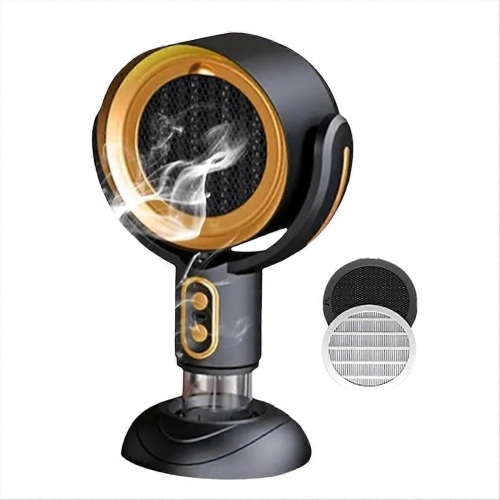
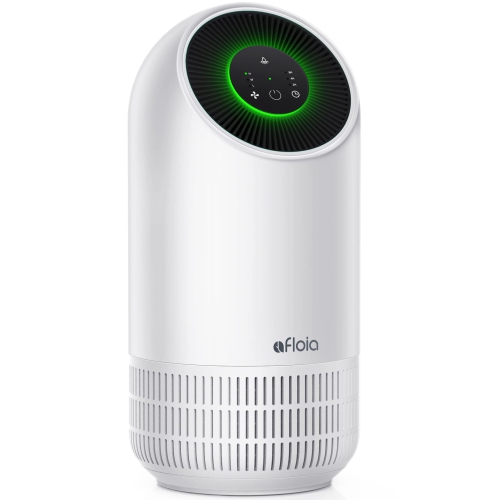
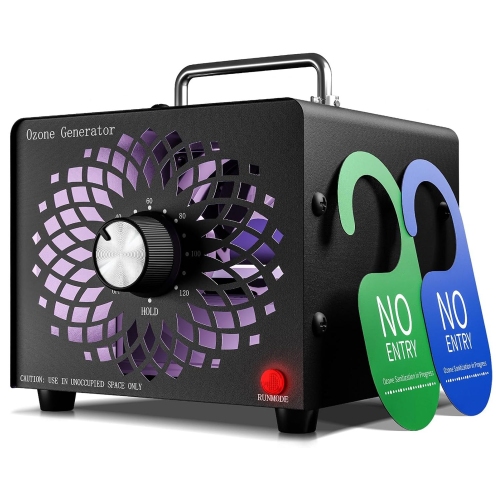
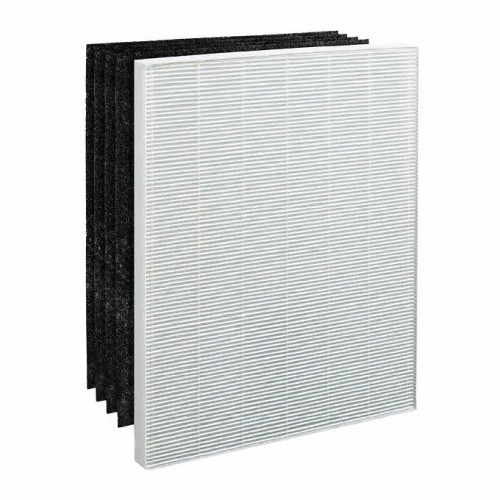
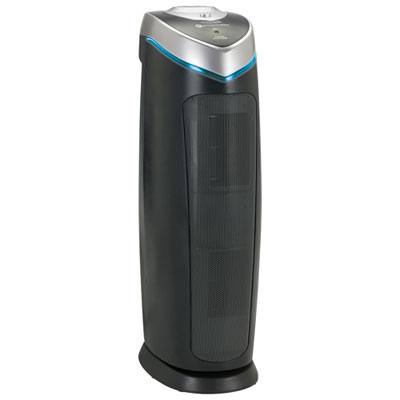
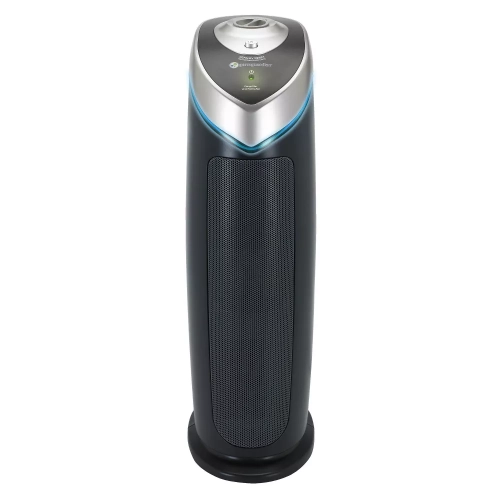
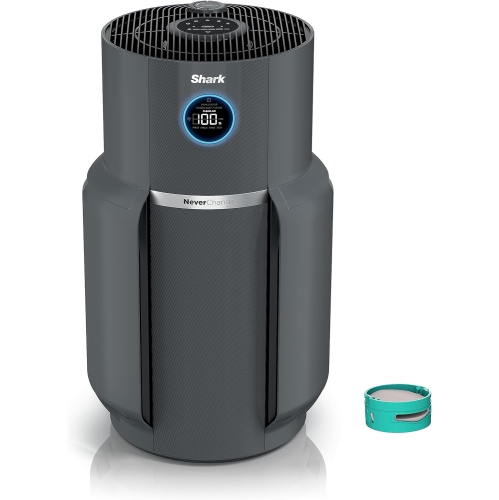
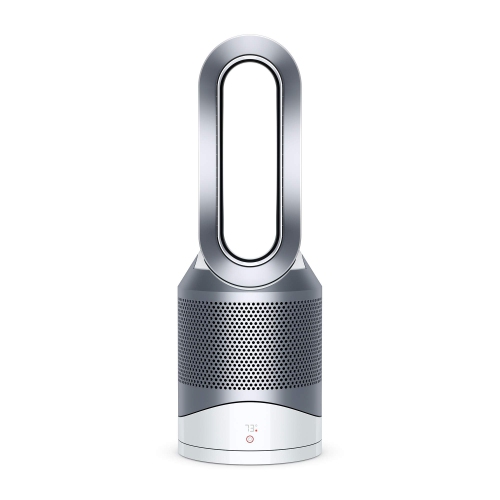
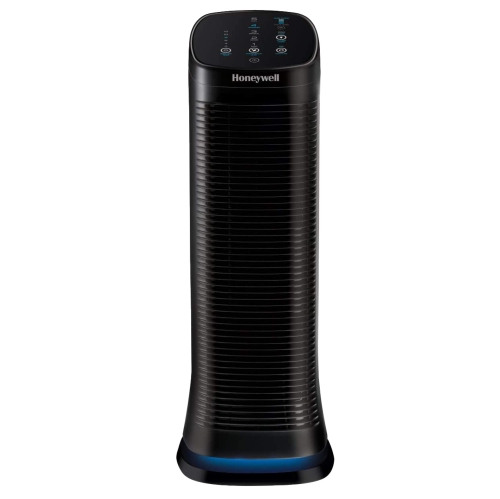
For room-wide use, air purifiers bring a separate set of considerations to smoke odour control. A HEPA filter captures fine airborne particles that pass through it, including many smoke particles, but it does not by itself remove the gases responsible for much of smoke’s smell. Activated carbon or another suitable gas-phase filtration medium is needed to address those compounds, and the amount of material matters: a thin carbon-coated sheet generally has less adsorption capacity than a substantial carbon filter. Room coverage, smoke clean air delivery rate where provided, and fan speed help indicate whether a purifier suits a bedroom, living room, or larger open space. Coverage claims are most useful when considered alongside ceiling height, layout, and the operating speed needed to achieve them. A quiet setting may be more comfortable beside a bed or home office, but it also moves less air than a higher setting on the same unit. Placement requires enough clearance around the intake and outlet, rather than a tight corner behind furniture. Filter access and replacement requirements also affect everyday convenience and long-term use. Particle filters and carbon filters can have different replacement schedules, and carbon media should not be washed unless the manufacturer specifically allows it. These details are particularly relevant in shared homes, rental properties, and spaces with repeated smoke exposure, where odour control is an ongoing task rather than a single application. Portable formats may suit someone treating one room at a time, while compact passive absorbers can complement cleaning in smaller enclosed areas; neither should be assumed to resolve extensive contamination throughout a home. Persistent smells after a fire can involve soot and residues that need professional assessment and cleaning, not simply a stronger fragrance or larger absorber. Devices that intentionally generate ozone are not an appropriate choice for occupied spaces, as ozone can irritate the lungs. Smoke odour eliminators also do not replace smoke alarms or carbon monoxide alarms, remove every harmful smoke component, or make continued indoor smoking safe. Their practical role is to reduce lingering odours as part of appropriate cleaning and source control, with performance matched to the space and the material being treated.
Top selling and popular products
-
 Your price for this item is $139.99
-
 Your price for this item is $323.72
-
 Your price for this item is $999.99
-
 Your price for this item is $729.99
-
 Your price for this item is $583.14
-
 Your price for this item is $719.39
-
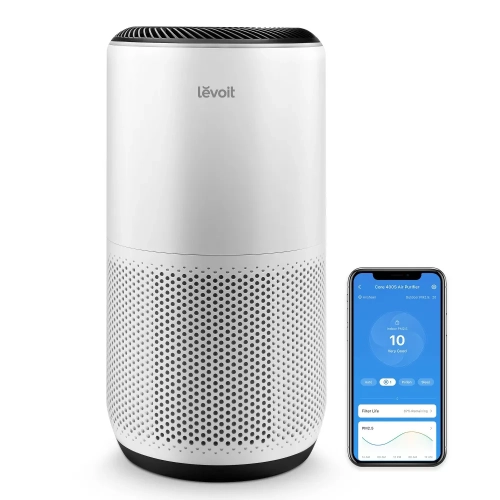 Your price for this item is $699.99
-
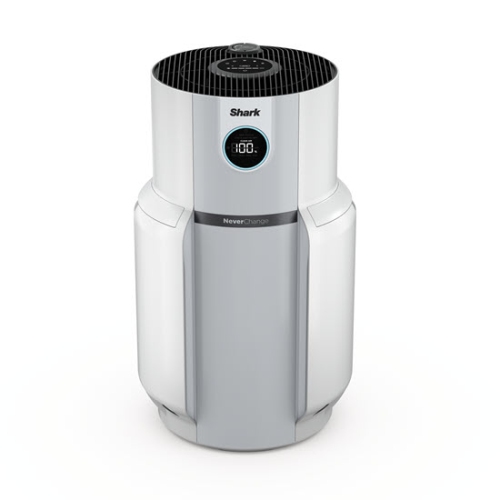 Your price for this item is $229.95
Discover more categories related to Smoke Odor Eliminators
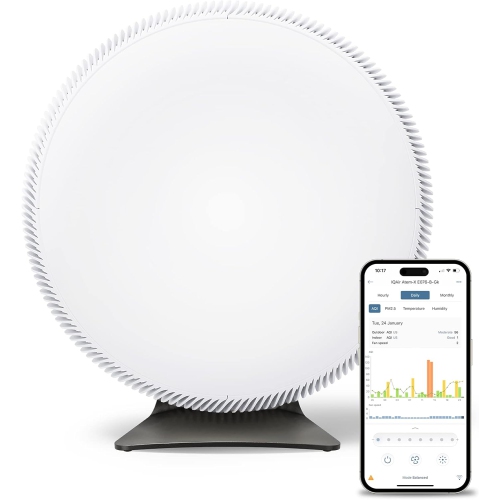
Top Collections:
Pokemon Centers, Best Cameras for Sports Photography, Kindle Devices, Samsung Galaxy Phones, Canon G7X Cameras, Pokémon 30th Celebration Cards, Refurbished Apple Laptops, iPhone 15 Apple, Laptops for Students, Budget Smartphones
Some products may be subject to Environmental Handling Fees
(EHF) depending on your province.
Learn more about EHFs.