Steam Mops for Deep Cleaning
Steam Mops For Deep Cleaning offer an efficient solution for tackling tough dirt and grime on a variety of floor surfaces. These versatile cleaning tools use the power of steam to help refresh your home and make routine chores easier. Whether you’re looking to maintain sparkling floors in high-traffic areas or handle quick touch-ups, Steam Mops For Deep Cleaning provide a convenient way to keep your living spaces spotless. Explore a range of options designed to fit different needs and preferences, making it simple to find the right tool for your home.
Sort
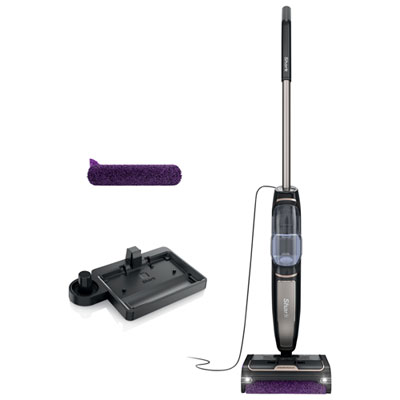
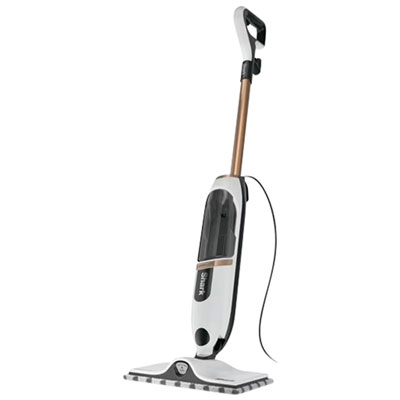
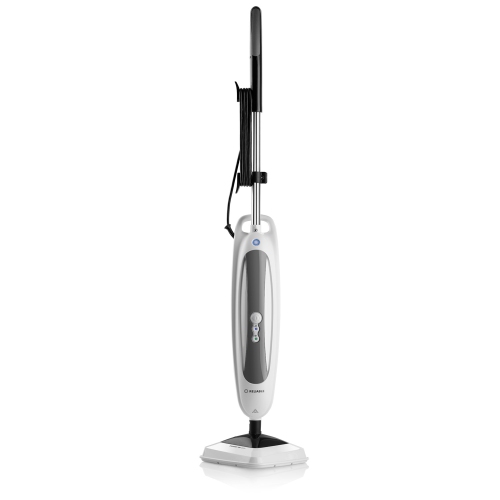
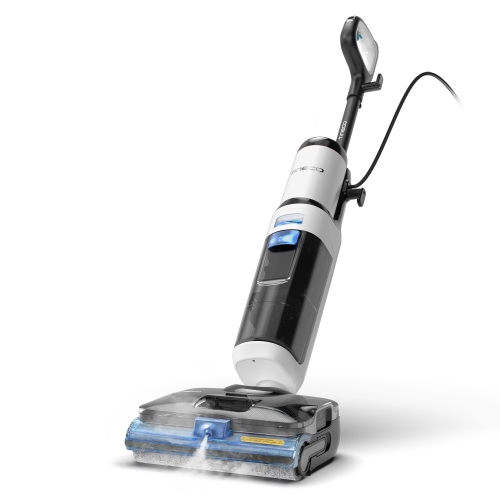
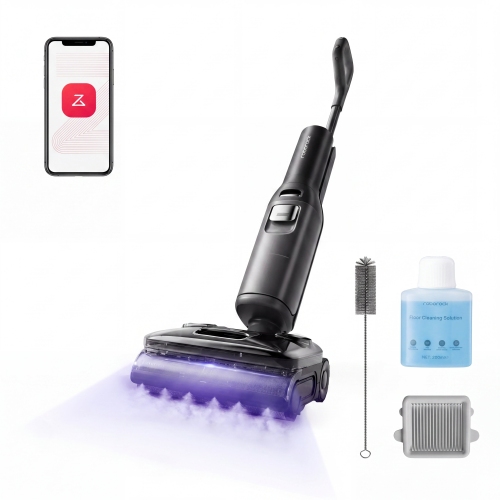
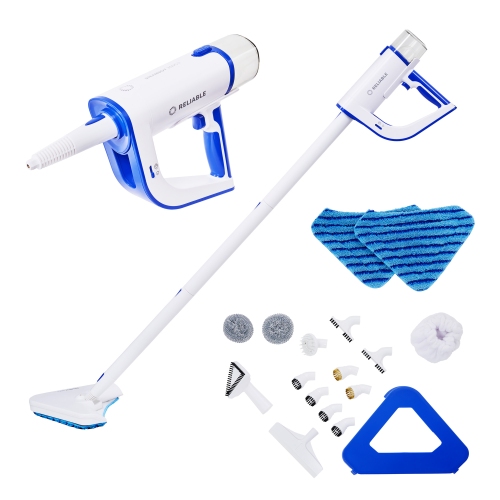

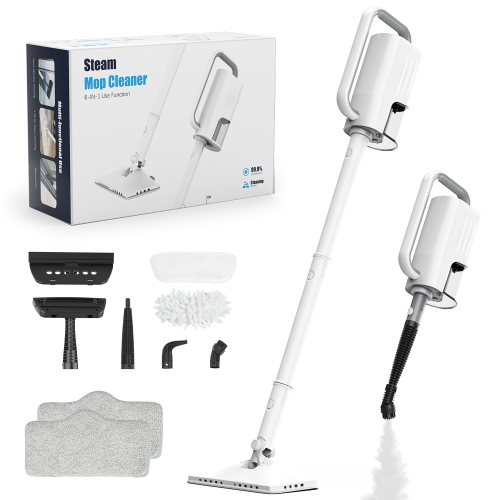

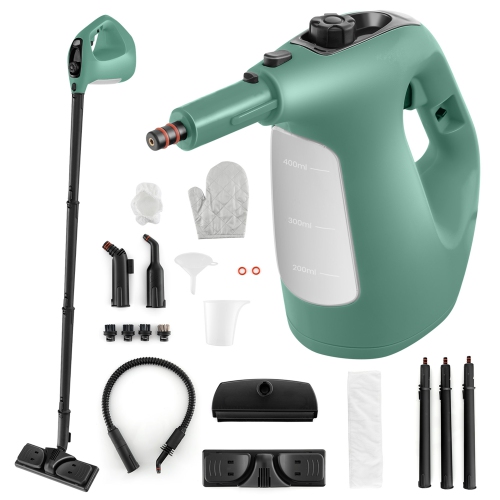
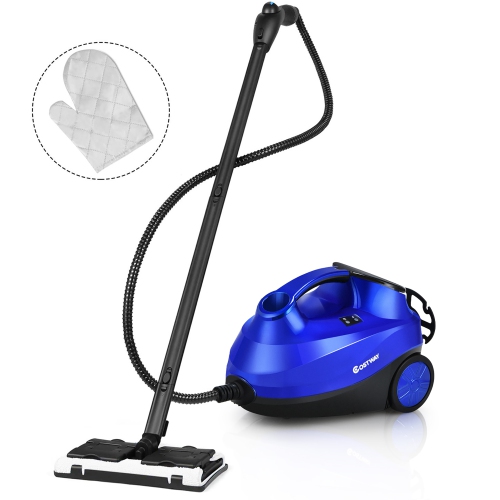
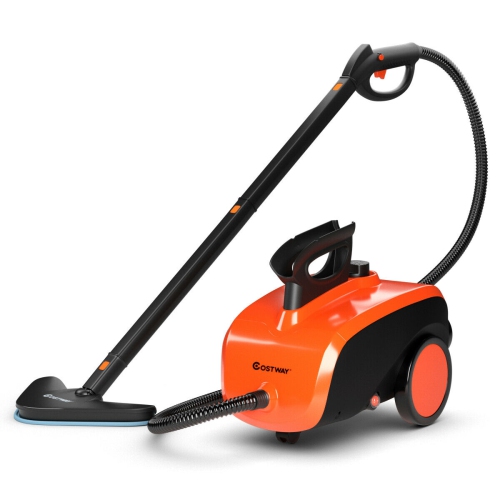
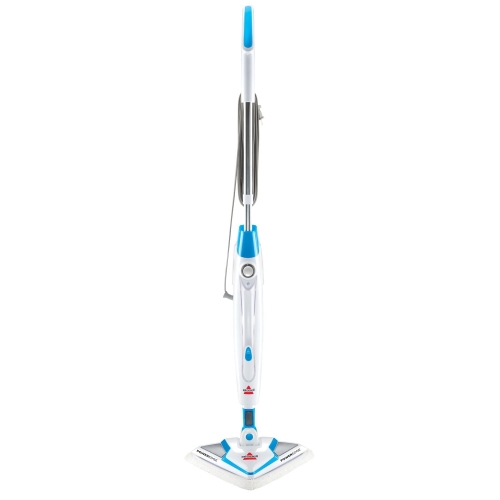
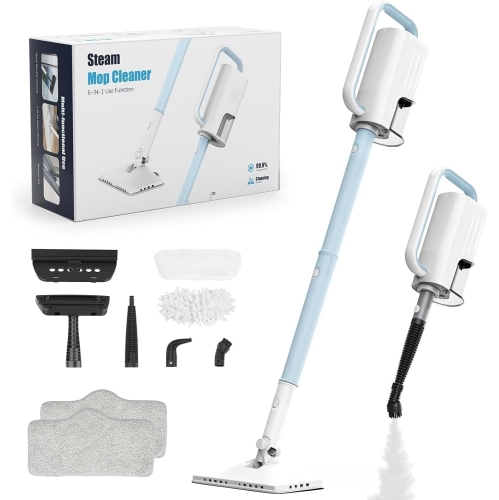
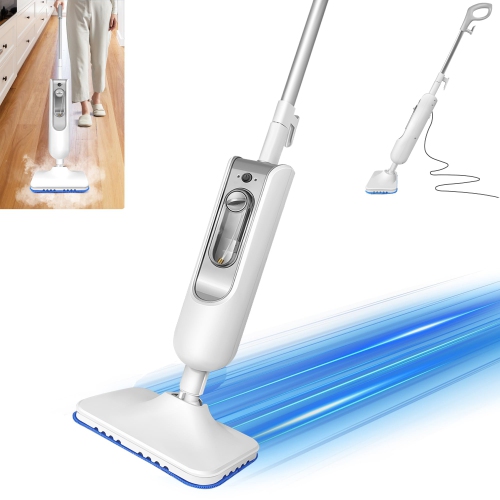

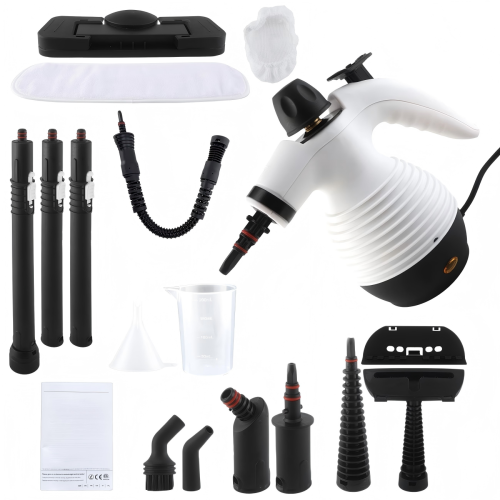
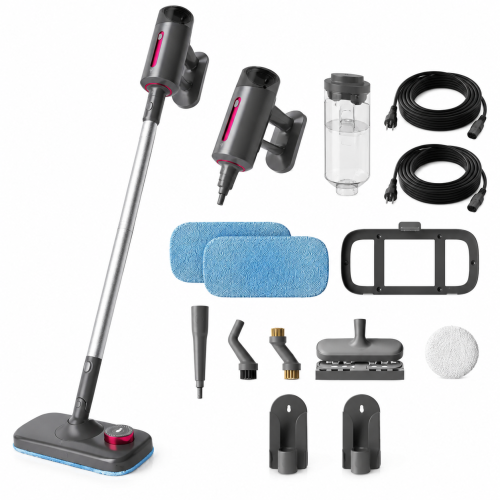
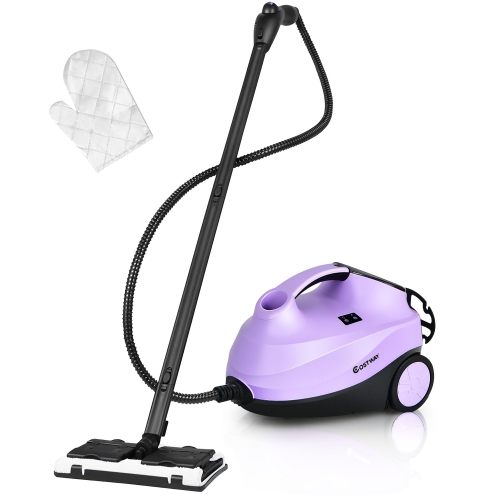
Where steam lifts grime and where it doesn’t belong
Steam mops for deep cleaning use heat and moisture to loosen stuck-on dirt on compatible hard floors, while a cleaning pad lifts the residue. That combination is useful where an ordinary pass with a damp mop tends to leave marks behind: around the stove where small splatters settle, beneath the dining table where spills dry unnoticed, or along the route from the front door to the kitchen. Most steam mops use water rather than a floor-cleaning solution, but they differ in how much steam they deliver and how the mop head makes contact with the floor. Glazed ceramic and porcelain tile are often a good fit when the floor manufacturer permits steam cleaning and the grout is intact. Sealed stone, linoleum and other hard surfaces should also be checked against the manufacturer’s care instructions. A floor described as sealed, water-resistant or waterproof isn’t necessarily rated for steam. Heat and moisture can affect finishes or work their way into seams, which is a particular concern with hardwood, laminate and luxury vinyl plank. Use steam on those materials only if the flooring manufacturer expressly approves it, and avoid unsealed wood, damaged finishes and areas where boards or tiles are lifting. In a home with more than one type of flooring, a steam mop might suit the tiled kitchen and bathroom without being the right tool for the adjoining hallway. The pad material matters, too. Soft microfibre is a common choice for smooth floors, while a textured pad approved for the surface can give the mop a better grip on dried residue. A flat pad can clean the face of a tile without reaching the bottom of a recessed grout line, so a visibly cleaner floor doesn’t always mean every grout joint has had the same amount of contact.
The Steam Mops selection offers a starting point for comparing dedicated upright designs with convertible models that can also be used as handheld steamers. An upright makes sense when most of the work is on open floors, while a detachable unit can be useful for jobs such as cleaning compatible wall tile with a suitable attachment. The shape and height of the floor head matter more in a furnished room than they might in an open aisle. A broad head covers more floor on each pass, but a narrow head may fit between chair legs or beside a vanity without moving furniture. A low-profile head with a swivel joint can reach farther under a cabinet overhang and turn around the base of a toilet. Some designs use powered pads to add scrubbing action, while others rely on the pressure and movement of the person using the mop. Adjustable steam is useful when different approved surfaces call for different amounts of moisture; a higher output isn’t automatically better for a stubborn mark. Tank size affects both the time between refills and the weight of the mop when it’s full. A removable tank can be easier to fill at a shallow sink, and a longer cord may spare a change of outlets halfway across an open kitchen. For a mop that will be carried between floors or tucked into a narrow closet, handle height, filled weight and storage dimensions are worth considering alongside cleaning performance. For frequent use, look at the pad fastenings, the sturdiness of the swivel joint and how easily worn pads can be replaced. Households that regularly clean up paw prints or food spills may appreciate having several washable pads. A steam mop can also be a practical housewarming gift when the recipient has floors that permit steam cleaning and room to store it.
A steam mop works best when the pad can make direct contact with the floor rather than pushing crumbs, hair or grit from one spot to another. Unless the model is designed to collect debris, sweeping or vacuuming first lets the pad focus on the stuck-on marks and helps keep grit from being dragged across the finish. A clean pad makes a noticeable difference when moving from a greasy area near the stove to the rest of the kitchen. If the pad starts leaving streaks or pushing a line of residue ahead of the mop, changing it is generally more useful than increasing the steam. On an approved surface, follow the mop and flooring instructions for the steam setting and how to move the head. Don’t leave it steaming in one spot to work on a mark unless the instructions specifically call for stationary contact and the floor can tolerate it. Deep cleaning and sanitizing aren’t interchangeable: a quick pass can lift visible dirt without meeting the conditions for a sanitizing claim. If a model is designed and tested to sanitize, its directions should specify the eligible surfaces, settings and contact time. Those conditions still need to be compatible with the flooring care instructions. For routine upkeep, use the type of water specified for the mop, since mineral deposits can affect steam output over time. Don’t add detergent, fragrance or vinegar to the tank unless the manufacturer allows it. Once the unit has cooled, remove the used pad, launder it as directed and let it dry before storing it. Many microfibre pads should be washed without fabric softener, which can coat the fibres and reduce absorbency. Keeping a dry spare pad on hand and following the tank care directions makes it easier to get the mop ready for the next cleanup, whether that’s a single patch of dried footprints or the entire kitchen floor.
Top selling and popular products
-
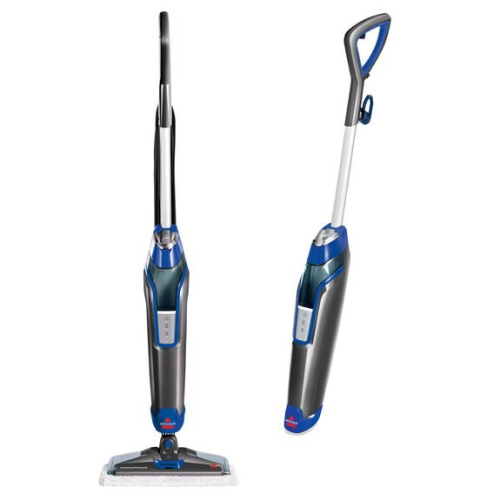 Your price for this item is $204.73
-
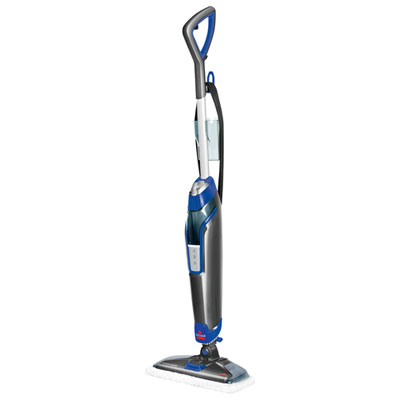 Your price for this item is $149.99
-
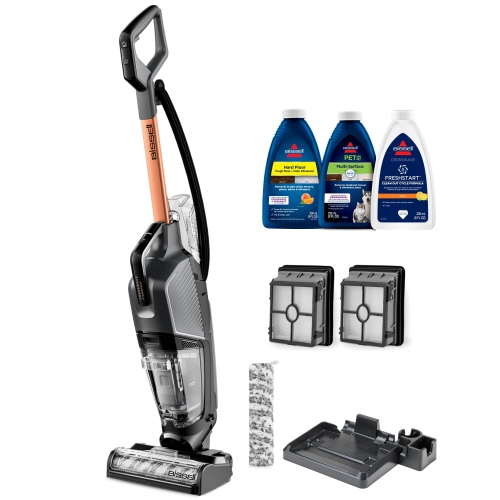 Your price for this item is $397.99
-
 Your price for this item is $399.99
-
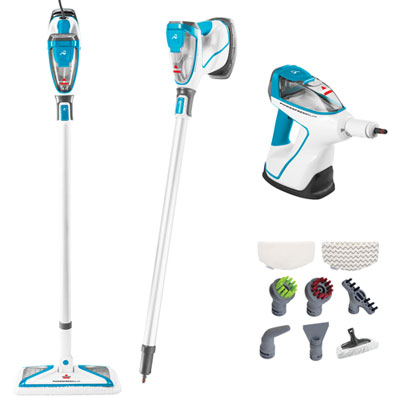 Your price for this item is $199.99
-
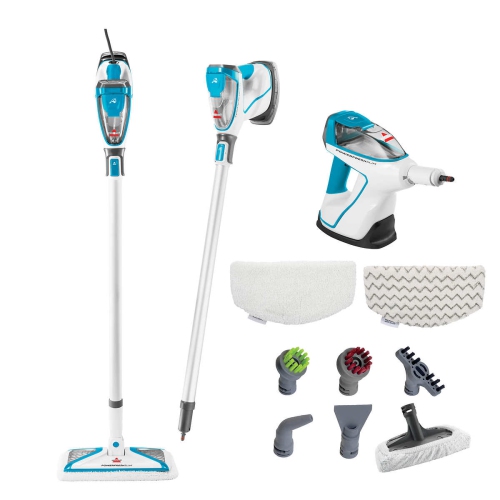 Your price for this item is $218.38
-
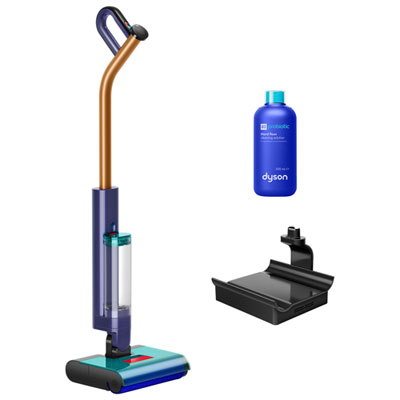 Your price for this item is $699.99
-
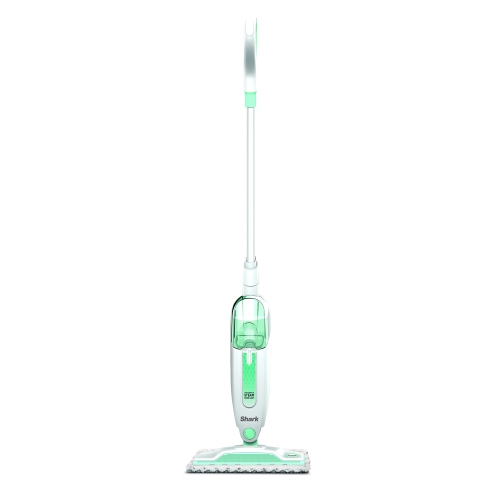 Your price for this item is $105.68
Discover more categories related to Steam Mops for Deep Cleaning
Top Collections:
Best Black Friday Deals This Year, Best Black Friday Deals On Electronics, Kindle Devices, Pokemon Centers, Best Black Friday Deals On Apple Products, Best Cameras for Sports Photography, Dyson Airwrap, Pokémon 30th Celebration Cards, Apple iPhone 17 Pro, Canon G7X Cameras
Some products may be subject to Environmental Handling Fees
(EHF) depending on your province.
Learn more about EHFs.