Steam Mops for Laminate Flooring
Steam Mops For Laminate Flooring offer a convenient and effective way to keep your floors looking their best. Designed with laminate surfaces in mind, these tools help you maintain clean and attractive floors throughout your home. Whether you’re tackling daily messes or giving your floors a quick refresh, Steam Mops For Laminate Flooring provide a practical solution for effortless cleaning. Explore the selection to find the right fit for your space and enjoy a polished finish every time.
Sort
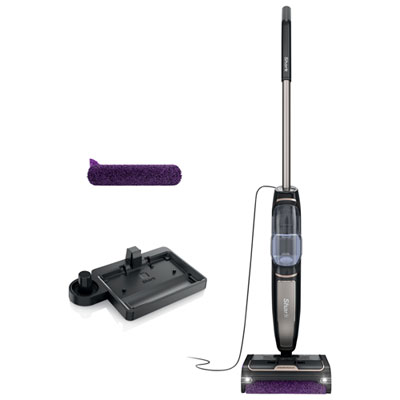
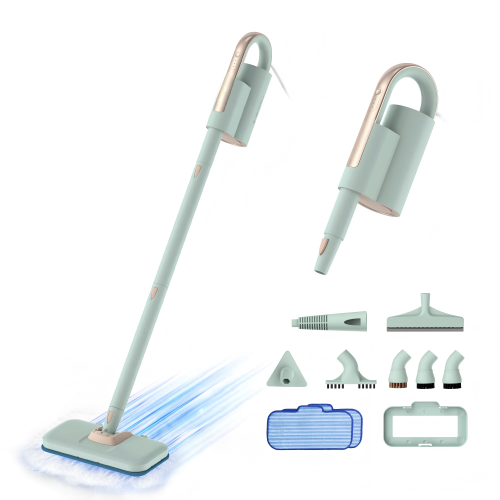
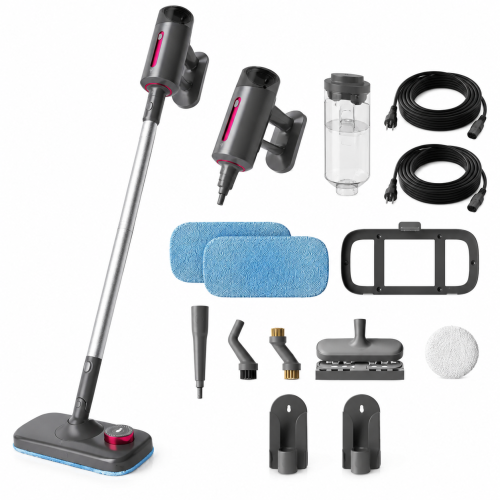
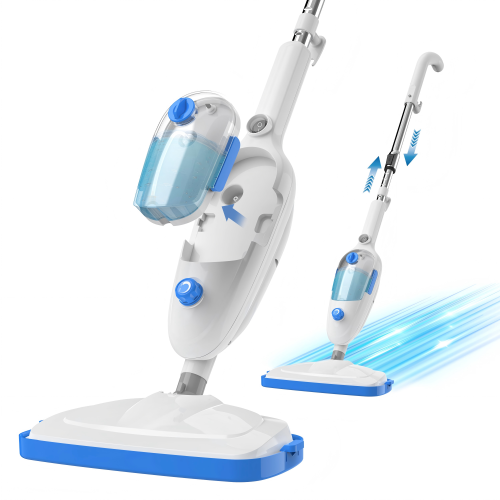
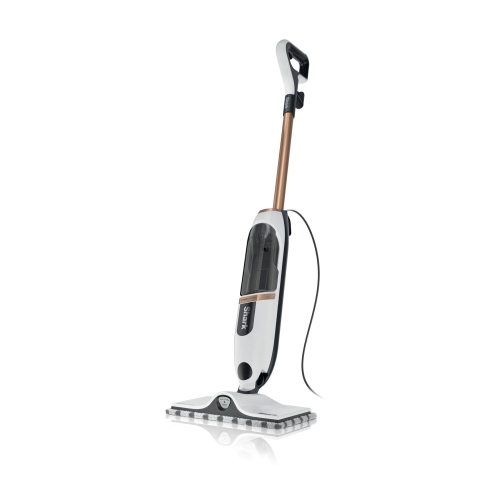
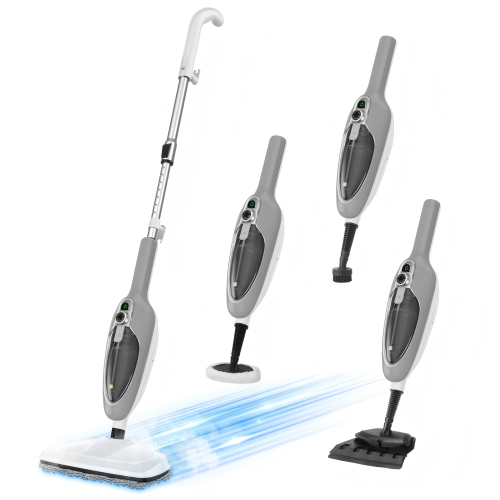

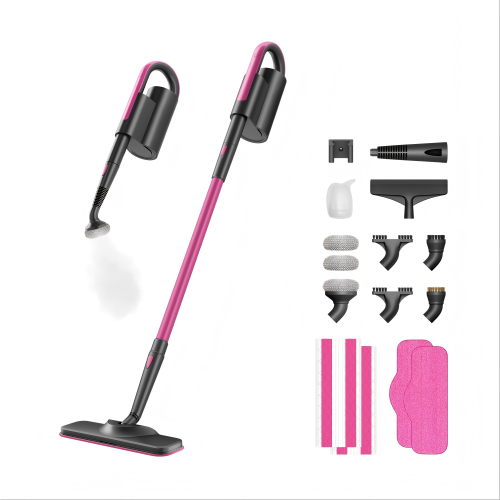
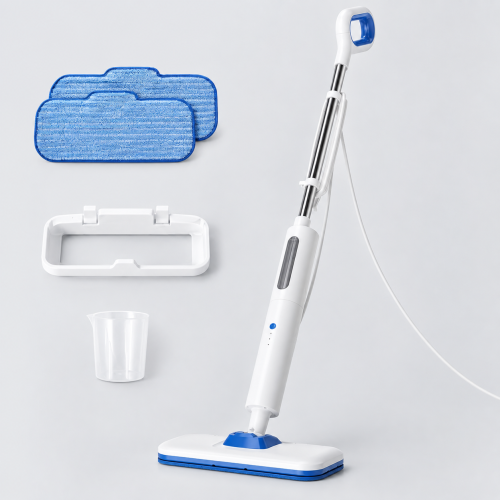


Why water-resistant laminate may still be vulnerable to steam
Steam mops are generally not recommended for laminate flooring because heat and moisture can enter plank seams and damage the core. Unless the flooring manufacturer explicitly permits steam cleaning for the exact laminate installed, a steam mop should not be used on it. Laminate typically has a protective wear layer over a decorative layer and a wood-based core, creating the appearance of timber or stone without the same construction as either material. Its surface can stand up well to everyday foot traffic, but that durability does not necessarily extend to hot vapour or moisture penetrating the joints. Swelling, raised edges, warping and separation between layers are possible consequences, and damage within the core may not disappear when the surface dries. Even flooring described as water-resistant or waterproof should not be assumed to tolerate steam: resistance to spills and permission to use a heated cleaning appliance are separate specifications. The flooring manufacturer’s care instructions and warranty terms are therefore more useful than a general claim that a mop works on hard floors. A glossy finish, tight-looking seams or a recently installed floor does not establish steam compatibility, either. For anyone comparing steam mops for laminate flooring, the key consideration is the permitted cleaning method, not simply the appliance’s power, pad material or steam setting. An adjustable output can provide more control on an approved surface, but the lowest setting does not make steam safe for every laminate floor. Where steam cleaning is expressly allowed, both the floor’s requirements and the appliance manufacturer’s instructions need to be satisfied, including any restrictions on settings, attachments and movement. If the flooring’s identity or care requirements are unknown, a non-steam cleaning method consistent with laminate care is the more cautious choice. This distinction matters especially in homes where similar-looking planks extend across several rooms but may have different materials beneath their finishes.
Where the exact laminate and appliance instructions both permit steam cleaning, practical design details can make a substantial difference to everyday handling. A lightweight body is easier to move around dining chairs, while a balanced handle can reduce the effort needed to steer along a hallway. Swivel heads help with changes in direction, and a low-profile head may reach beneath furniture, depending on its clearance. Head shape also affects access: a broad rectangular pad covers open floor space efficiently, while a narrower or pointed design may fit more easily around corners and furniture legs. None of these features changes the flooring’s compatibility requirements, but they can influence how comfortably the appliance fits the room. Water-tank capacity involves a similar trade-off. A larger tank may mean fewer refill interruptions, while a smaller one can keep the appliance lighter in use. Cord length, storage space and whether the handle folds are worth considering in a condo, an apartment or a home with cleaning supplies tucked into a small cupboard. Removable tanks can simplify filling, although the appliance’s instructions determine when and how refilling is safe. Microfibre pads provide contact with the floor and collect loosened soil; their condition matters as much as their softness. A pad loaded with crumbs or grit can drag debris across the finish, while a worn or poorly fitted pad may not sit evenly beneath the head. Washable pads need laundering according to their care labels, and having a clean replacement ready can help prevent dirty-pad streaking during a larger cleaning job. Water requirements also vary between appliances, particularly where mineral buildup is a concern. Following the specified water and maintenance requirements helps protect internal components; adding detergent, fragrance or a descaling solution to the tank without permission can cause problems. For an approved application, useful features are those that support the manufacturer’s permitted routine rather than encourage extra steam, repeated passes or prolonged contact with a stubborn mark.
Everyday laminate care is often less about intensive cleaning than keeping abrasive debris and excess moisture off the floor. Crumbs beneath a kitchen table, tracked-in grit near an entrance and pet hair along baseboards can usually be addressed before damp cleaning becomes necessary. A soft broom, a suitable hard-floor vacuum attachment or a dry microfibre pad can collect loose debris without introducing steam. For spots and footprints, many laminate care instructions call for a lightly damp mop and an approved cleaner rather than a wet floor; the exact method should match the flooring manufacturer’s directions. A well-wrung pad is different from a dripping one, and visible puddles around plank joints deserve prompt attention. Sticky marks are not a reason to hold a steam head in place, since concentrated heat and moisture can increase the risk of damage. Busy households, pet owners and anyone maintaining a large open-plan space may appreciate the convenience of a steam mop on surfaces that permit it, but a single appliance does not need to handle every floor in the home. Tile in a laundry room, laminate in a living area and wood in a bedroom can require different cleaning methods even when they sit only steps apart. For comparisons involving another wood-look or wood-based surface, Steam Mops for Hardwood Floors provides a related category to explore, though hardwood also requires explicit manufacturer approval before steam cleaning. Laminate, engineered wood and solid hardwood are not interchangeable materials, so suitability for one should never be carried over to another. The most useful cleaning setup is one that fits the home’s actual surfaces, leaves manageable room for storage and supports regular care without putting the floor’s finish or joints at unnecessary risk. Steam capability can be valuable for an approved task, but compatibility remains the deciding factor for laminate.
Top selling and popular products
-
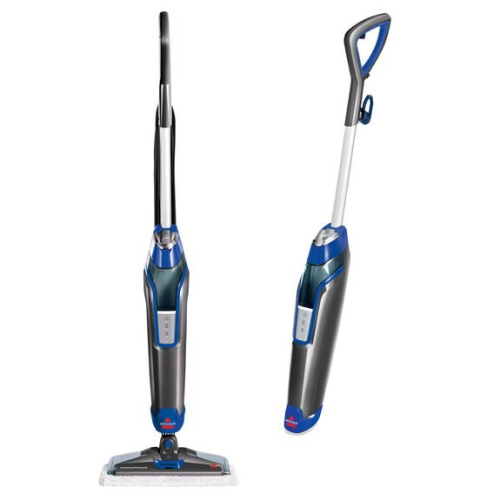 Your price for this item is $204.73
-
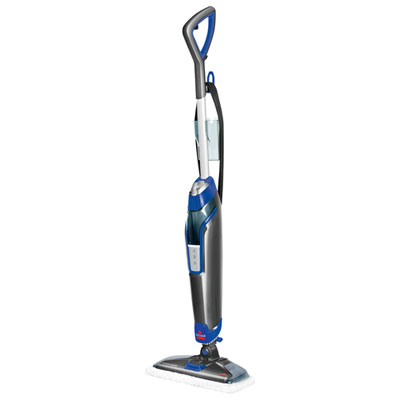 Your price for this item is $149.99
-
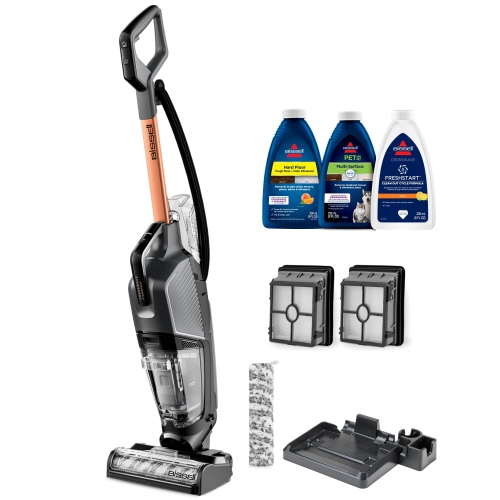 Your price for this item is $397.99
-
 Your price for this item is $399.99
-
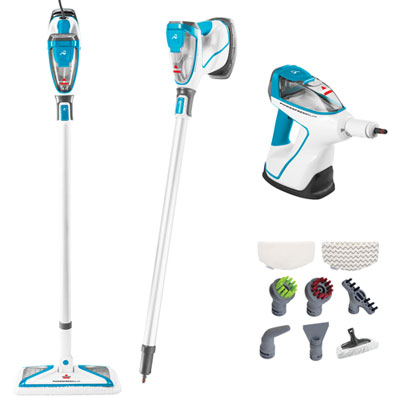 Your price for this item is $199.99
-
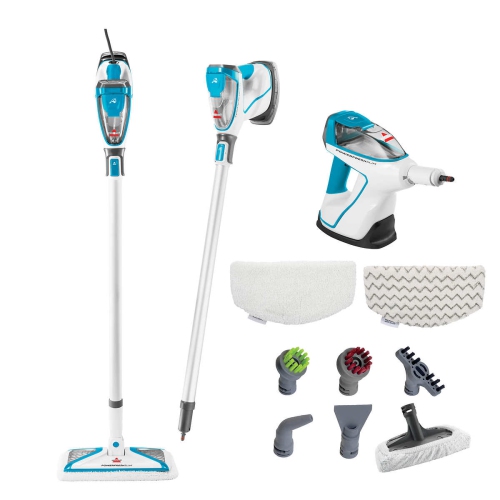 Your price for this item is $218.38
-
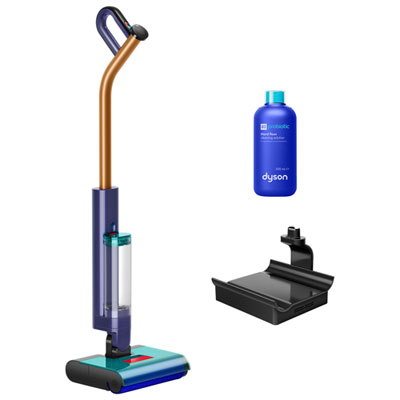 Your price for this item is $699.99
-
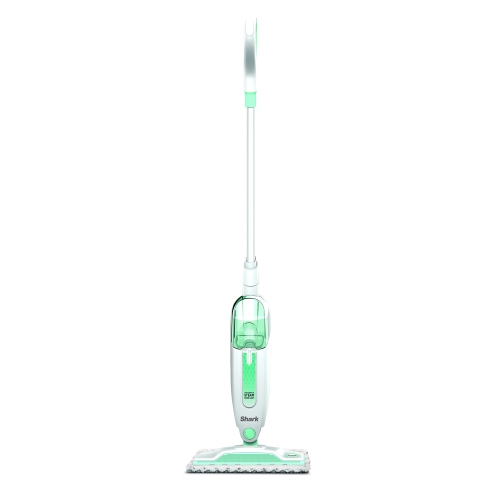 Your price for this item is $105.68
Discover more categories related to Steam Mops for Laminate Flooring

Top Collections:
Best Black Friday Deals This Year, Best Black Friday Deals On Electronics, Kindle Devices, Pokemon Centers, Best Black Friday Deals On Apple Products, Best Cameras for Sports Photography, Dyson Airwrap, Pokémon 30th Celebration Cards, Apple iPhone 17 Pro, Canon G7X Cameras
Some products may be subject to Environmental Handling Fees
(EHF) depending on your province.
Learn more about EHFs.