Timer Washers
Discover the convenience and efficiency of a Timer Washer, designed to help you manage laundry tasks with ease. Whether you're looking to optimize your daily routine or handle multiple loads throughout the week, a Timer Washer offers the flexibility you need for your home. Browse a wide selection of options to find the perfect fit for your laundry space, and enjoy a streamlined washing experience that adapts to your schedule.
Sort
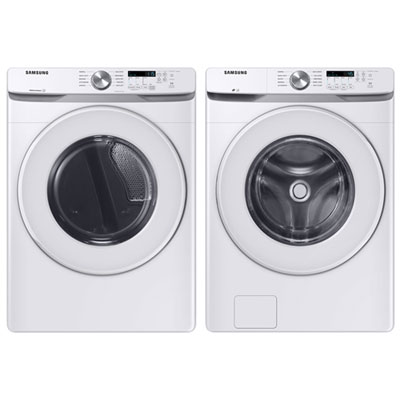
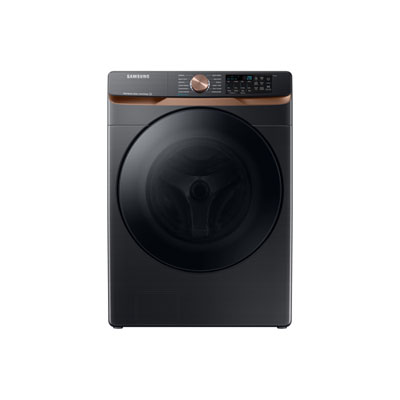
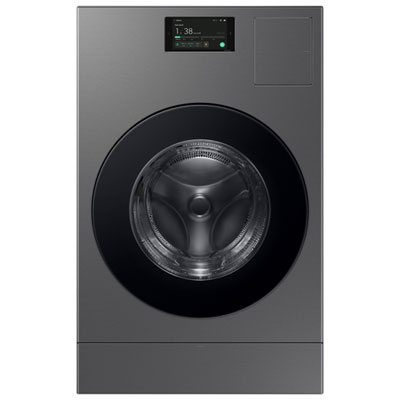
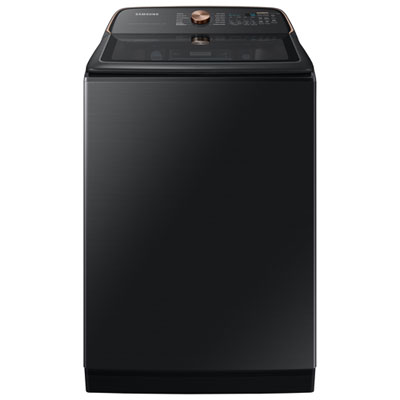
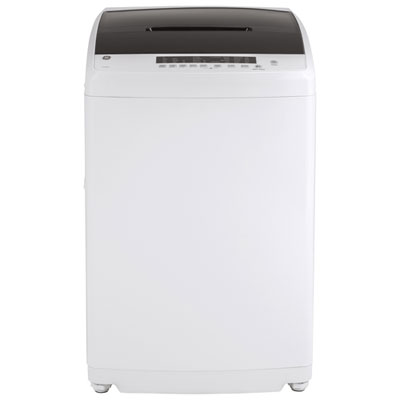
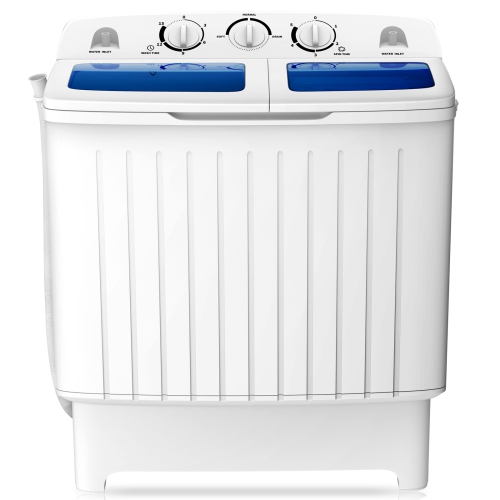
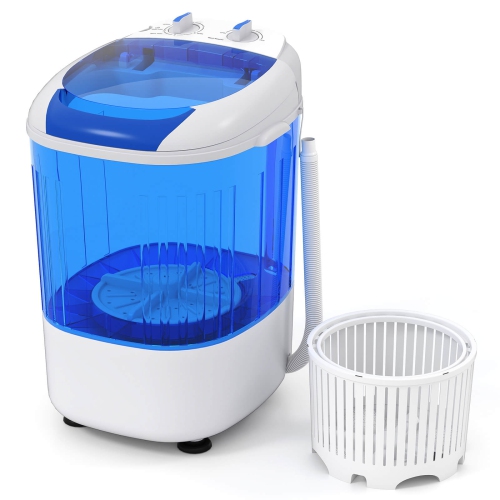
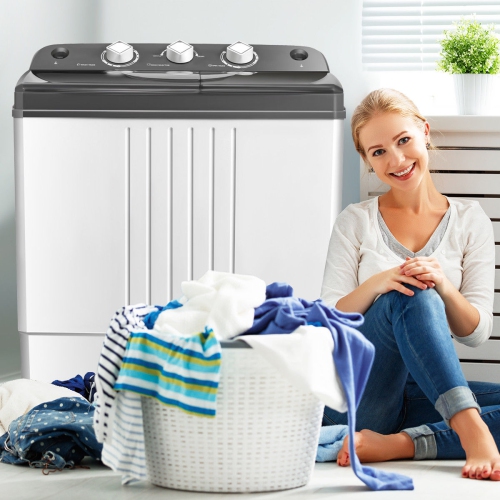
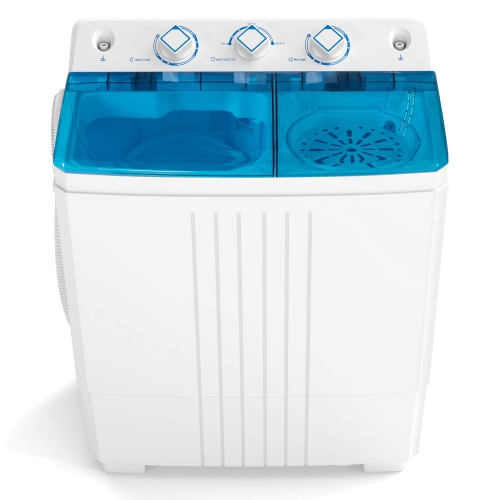
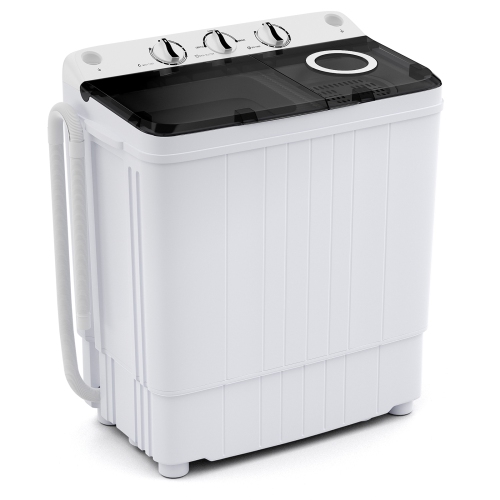
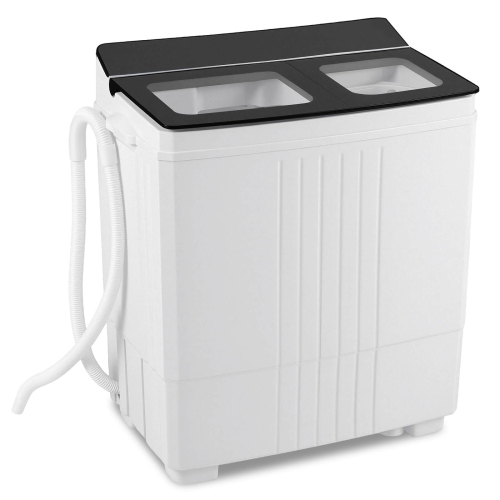
How washer timing controls shape your laundry routine
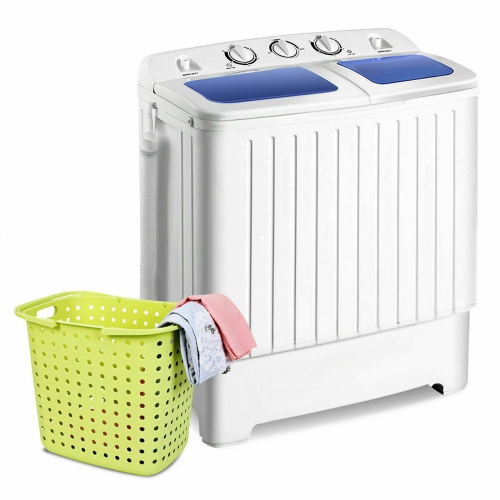
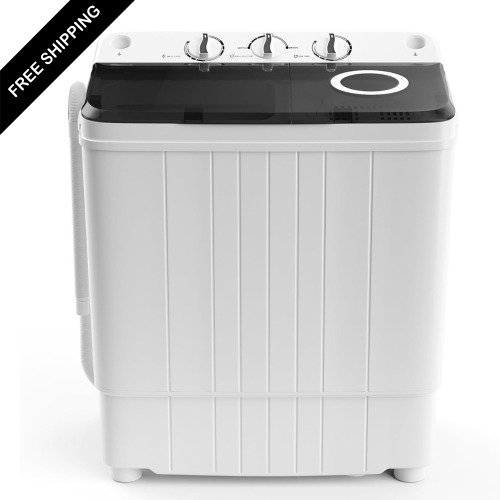
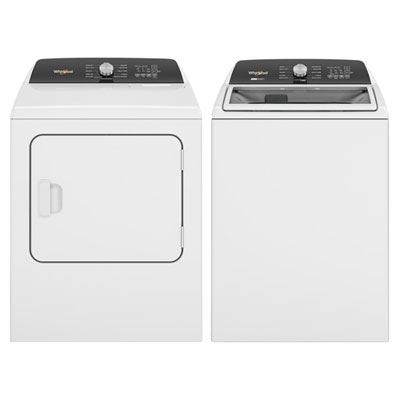
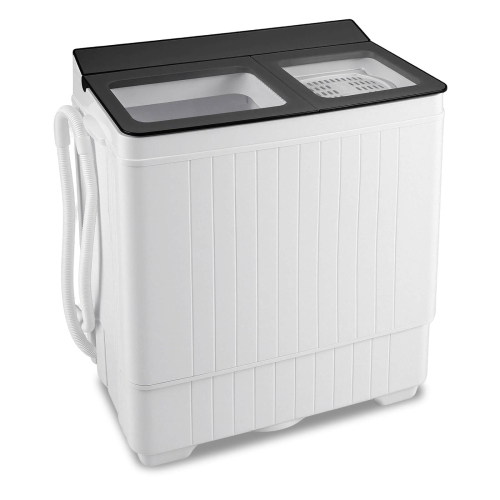
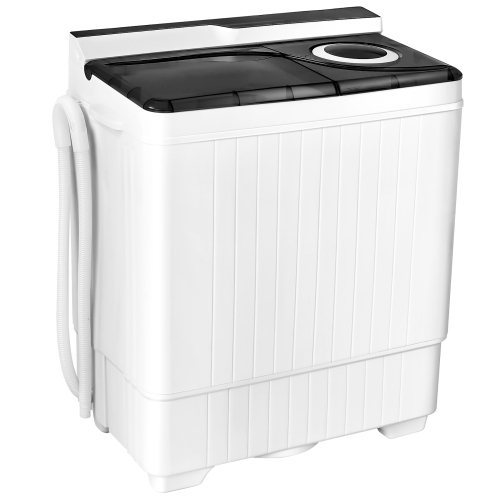
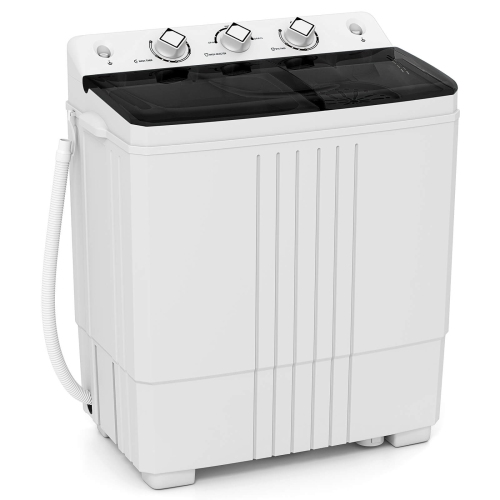
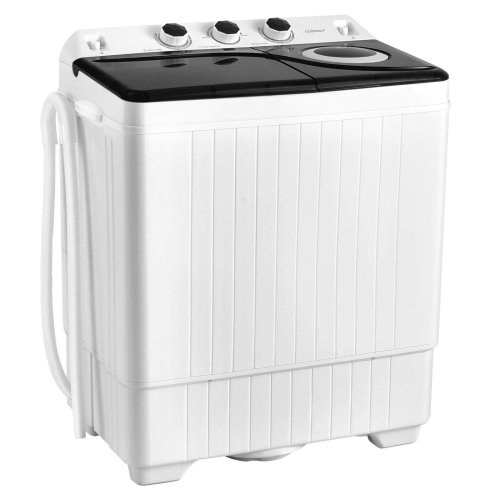
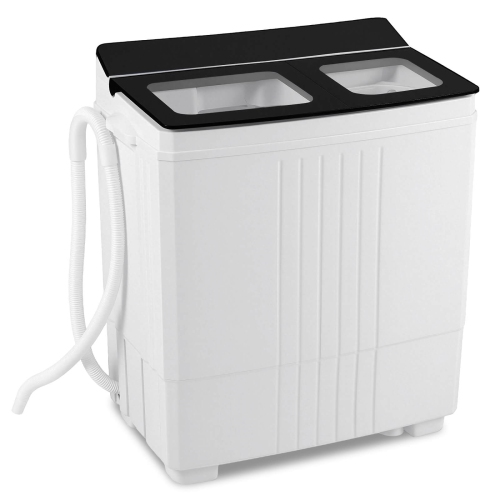
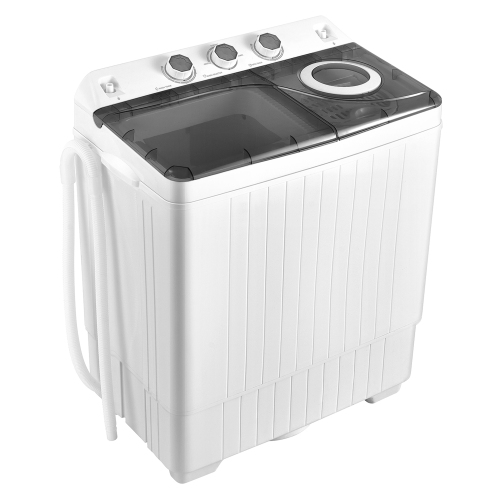
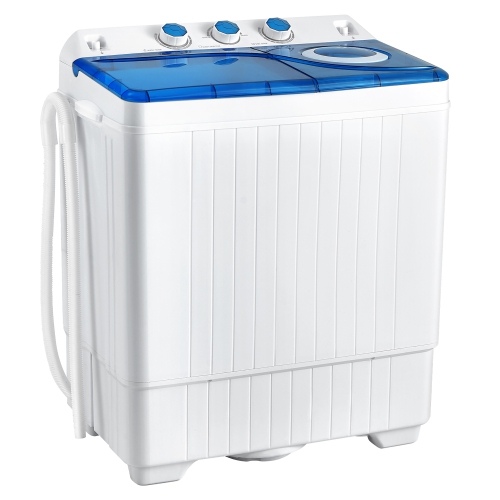
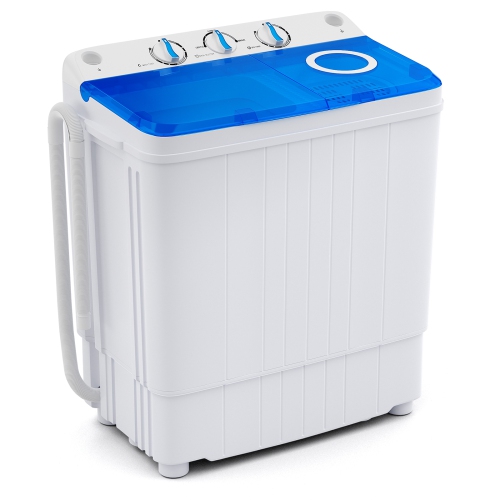
Timer washers use mechanical or electronic controls to manage the timing and progression of laundry cycles. A washing machine timer regulates the duration and sequence of stages such as filling, washing, rinsing, draining, and spinning, working alongside water-level controls, safety locks, and other components. On a traditional mechanical design, turning a dial selects a position in the cycle, and a small motor advances the timer through a sequence of switches. Electronic designs use a control board and may adjust the cycle in response to load sensing or other inputs. These differences matter because a timer dial, a remaining-time display, and a delay-start setting serve different purposes. A dial can select or control the wash sequence, a display provides an estimate of how long the cycle has left, and delay start postpones the beginning of a selected program. Some compact washers also have a manual wash timer that controls agitation for a chosen interval without automatically handling every stage of the laundry process. Understanding which type of timing control a machine uses helps set clear expectations for everyday operation. A household washing towels and bedding may value an automatic sequence that moves from washing through the final spin, while someone handling small loads may prefer straightforward controls with clearly marked settings. Shorter timed settings can be useful for lightly soiled clothing when the fabric care label and washer instructions allow, but a shorter cycle is not necessarily suitable for bulky fabrics or heavily soiled garments. Wash performance also depends on load size, detergent dosage, water conditions, and the movement of clothing inside the drum. A timer provides structure to the process; it does not replace the need for a suitable wash program. On machines with estimated countdowns, the displayed duration may change as the washer balances a load, adjusts filling, or adds rinsing. That flexibility is different from a fault and helps explain why the same selected program may not finish in exactly the same amount of time with every load.
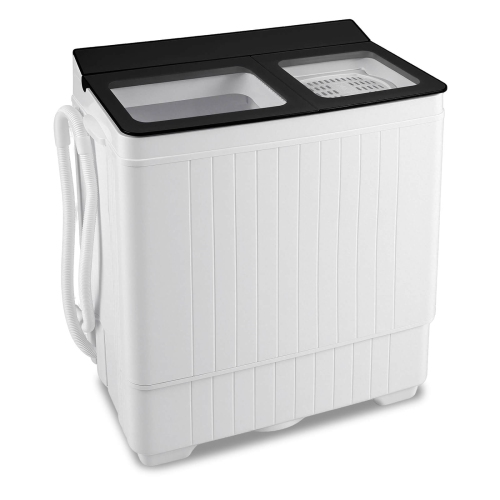
The most suitable washer combines useful timing controls with the right capacity, dimensions, and installation requirements for the space. Drum capacity should reflect the laundry being washed, not simply the number of people in a household. Frequent loads of uniforms and everyday clothing place different demands on a machine than occasional loads of sheets, bath towels, or washable bedding. Bulky articles need room to move, and the washer’s instructions remain the best reference for acceptable load sizes. Physical fit includes more than cabinet width: door or lid clearance, access to controls, hose connections, and room to reach the water shut-off valves all affect daily use. A front-loading washer needs space for its door to open, while a top-loading design needs clearance above the lid. Compact and portable formats can suit smaller laundry areas, but their filling, drainage, and installation arrangements vary and should match the intended location. Materials also contribute to long-term practicality. Stainless steel drums are valued for their resistance to rust and their smooth surfaces, while plastic wash tubs do not rust and coated metal surfaces depend on an intact finish. Regardless of material, a drum should be kept free of sharp objects that could catch clothing or damage its surface. Controls deserve similar attention: clear markings, readable displays, and knobs or buttons that are comfortable to operate can make routine laundry easier for people with different vision or dexterity needs. For a laundry area beside a bedroom, home office, or shared living space, browsing Quiet Washer Dryers can help bring sound levels into the comparison alongside timing features. A timer does not determine how quietly a washer runs. Motor design, spin speed, load balance, flooring, and correct levelling all influence vibration and sound, especially during the final spin. Installation requirements therefore deserve as much attention as the control panel.
Everyday care helps preserve both the washing system and the controls that manage it. Detergent should match the machine’s requirements and be measured for the load and water conditions; excess suds can interfere with rinsing and may extend some automatic cycles. Emptying pockets, securing loose fasteners, and following garment care labels help protect clothing and reduce the chance of small objects reaching the pump or becoming caught around the drum. Door seals, dispensers, and accessible filters need the cleaning specified in the appliance manual, and any maintenance involving electrical components should be left to a qualified service professional. Timer knobs and control panels generally need gentle cleaning rather than heavy pressure or liquid sprayed directly onto the controls. Where a machine uses a mechanical dial, its permitted direction of rotation and method of cycle selection should be followed to avoid forcing the mechanism. Durability depends on the complete appliance, including bearings, hoses, pumps, seals, and controls, rather than on the timer alone. A washer that stops mid-cycle or fails to advance does not necessarily need a replacement timer; drainage problems, an unbalanced load, a lid or door lock issue, or another control fault can produce similar symptoms. Replacement timer assemblies are model-specific components, so compatibility involves the washer’s full model information and the correct electrical connections, not merely a similar-looking dial. For day-to-day convenience, the clearest benefit of timing features is a more manageable laundry routine. A remaining-time display can help someone judge whether a load will be ready before leaving home, while an end-of-cycle signal can make wet laundry less likely to be forgotten. Delay start offers scheduling flexibility where permitted by the manufacturer’s instructions, but it is separate from the length and cleaning action of the selected cycle. Straightforward controls, appropriate capacity, and a wash sequence suited to the fabrics being cleaned make timer-equipped washers useful for everything from a few everyday garments to a household’s regular laundry.
Top selling and popular products
-
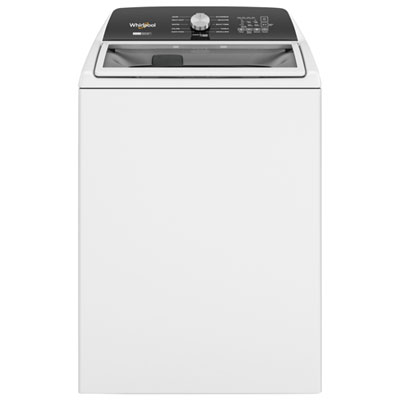 Your price for this item is $949.99
-
 Your price for this item is $474.99
-
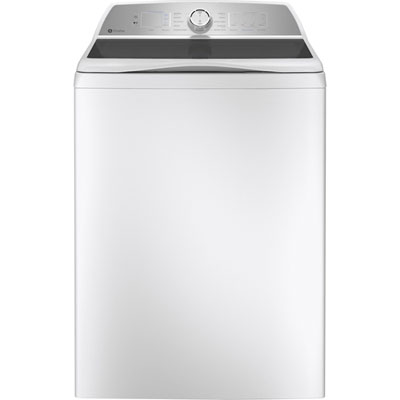 Your price for this item is $1149.99
-
 Your price for this item is $699.99
-
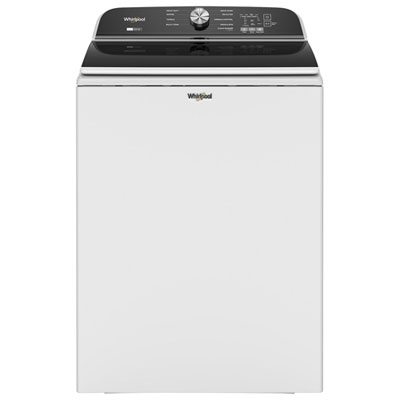 Your price for this item is $1099.99
-
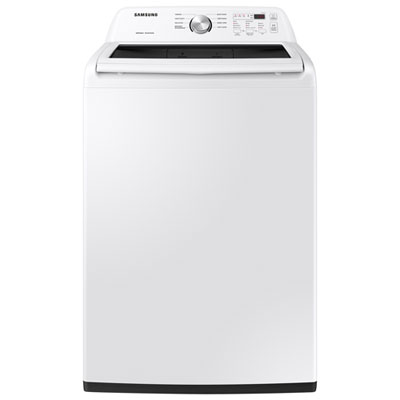 Your price for this item is $749.99
-
 Your price for this item is $849.99
-
 Your price for this item is $499.99
Discover more categories related to Timer Washers
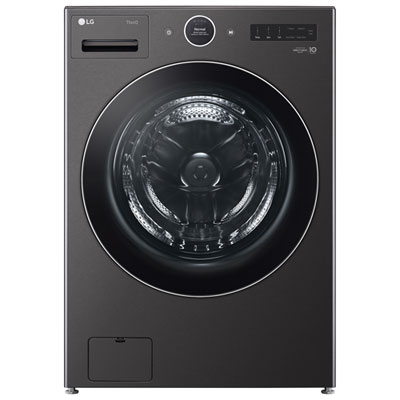

Top Collections:
Best Black Friday Deals This Year, Best Black Friday Deals On Electronics, Kindle Devices, Pokemon Centers, Best Black Friday Deals On Apple Products, Best Cameras for Sports Photography, Dyson Airwrap, Pokémon 30th Celebration Cards, Apple iPhone 17 Pro, Canon G7X Cameras
Some products may be subject to Environmental Handling Fees
(EHF) depending on your province.
Learn more about EHFs.