Tools for Painters
Transform your creative vision into reality with our extensive range of tools for painters. Whether you're a professional artist or a DIY enthusiast, having the right equipment can make all the difference in achieving a flawless finish. From precision brushes and high-quality rollers to durable drop cloths and versatile palettes, our selection is designed to meet the needs of every painter. Explore our collection to find everything you need to bring your masterpieces to life effortlessly and efficiently.
Sort
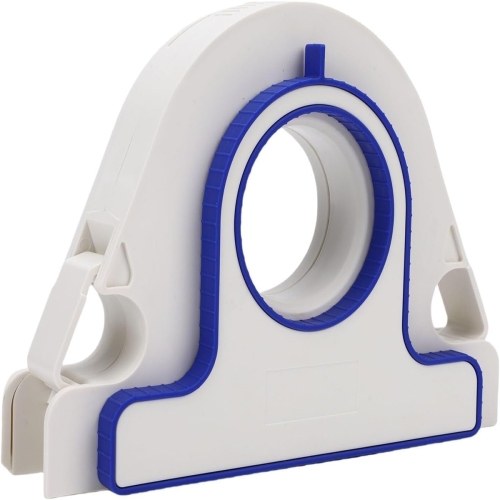
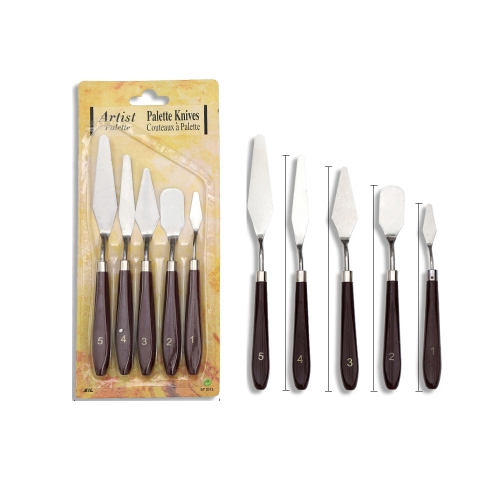
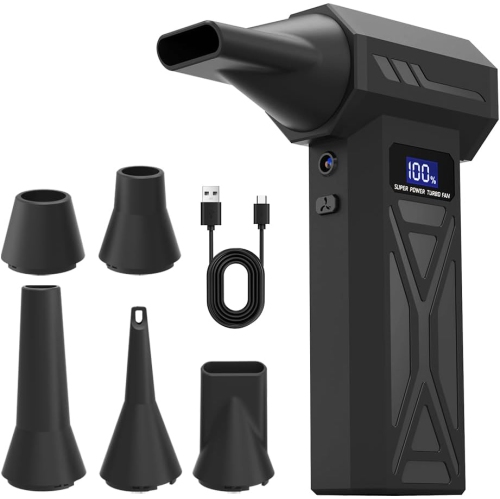
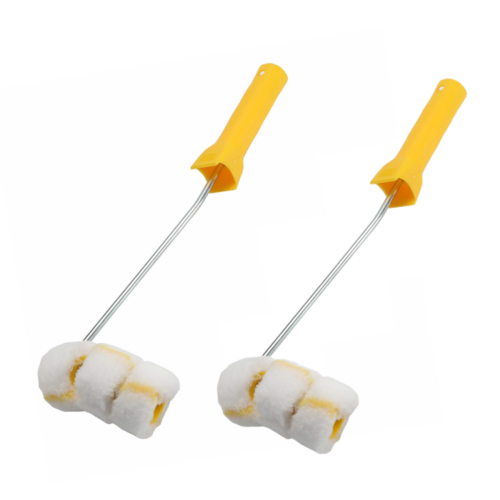

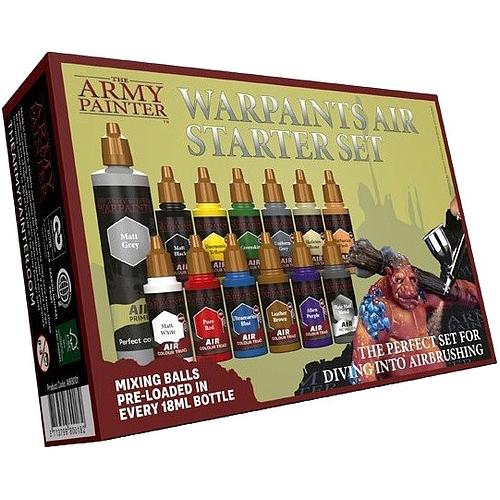
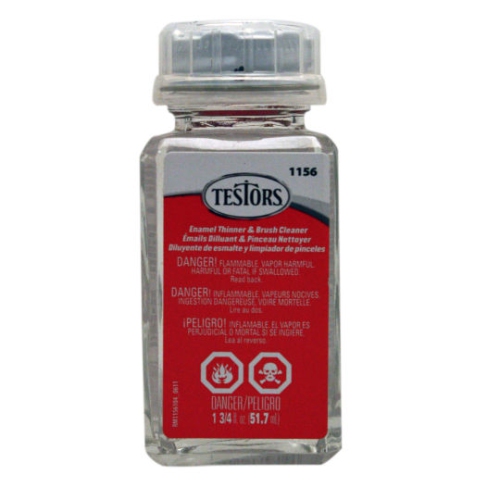
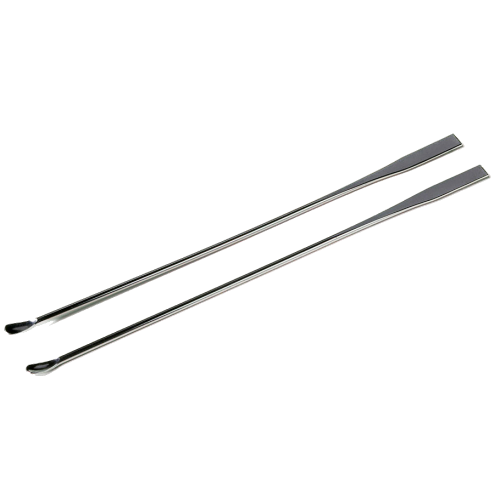
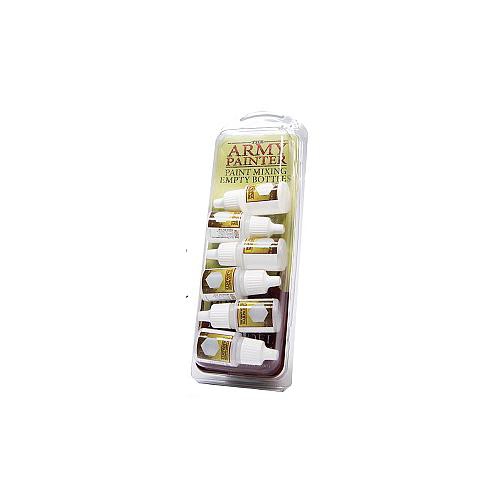
From surface preparation to smoother coverage and cleaner edges
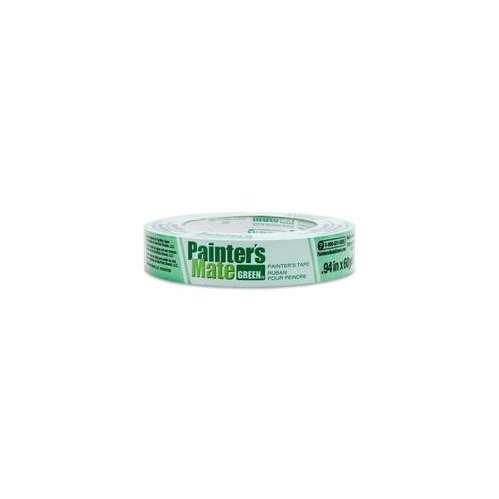
The right tools can make painting feel controlled and satisfying rather than messy and exhausting. Whether someone is refreshing a bedroom, repairing scuffed walls, finishing trim, or tackling a larger renovation, a well-chosen collection of painting tools helps create smoother coverage and cleaner edges from the first coat to the final touch-up. Preparation tools are often the quiet essentials: a painter’s tool with several functions can scrape away loose paint, lift the lid from a can, clean excess paint from a roller, remove small imperfections, and handle simple fastening tasks. A putty knife and suitable filler help level nail holes, dents, hairline cracks, and shallow marks before colour goes on. This step matters because paint tends to highlight uneven surfaces rather than hide them. Run a hand over the wall after the filler dries; a properly sanded patch should feel nearly invisible beneath your fingertips. Sanding blocks or sheets in different grits can smooth repairs and dull glossy areas so new paint adheres more evenly. Painter’s tape is useful for protecting baseboards, window trim, door frames, hardware, and adjacent walls, particularly when working with contrasting colours. Apply it to a clean, dry surface and press down the edge firmly, since even a narrow gap can allow paint to seep underneath. Drop cloths provide another layer of protection for floors, furniture, countertops, and stairs, while plastic coverings can help shield larger items from mist or splatter. Keeping a separate container nearby for used tape, rags, and disposable liners also reduces the chance of carrying wet paint through the house.
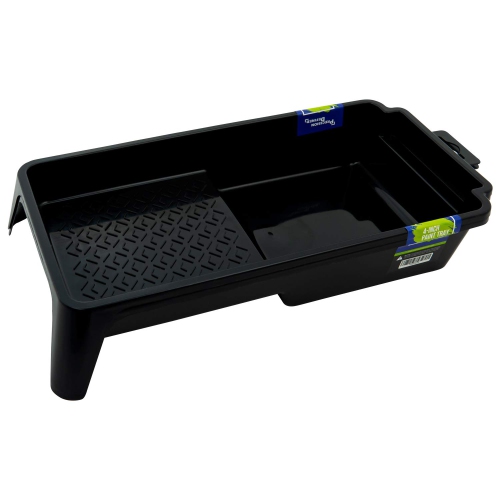
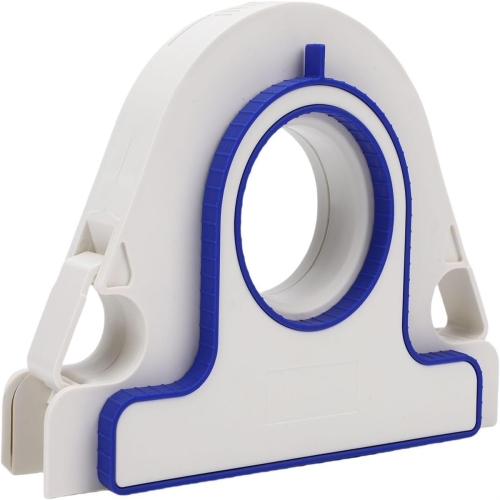
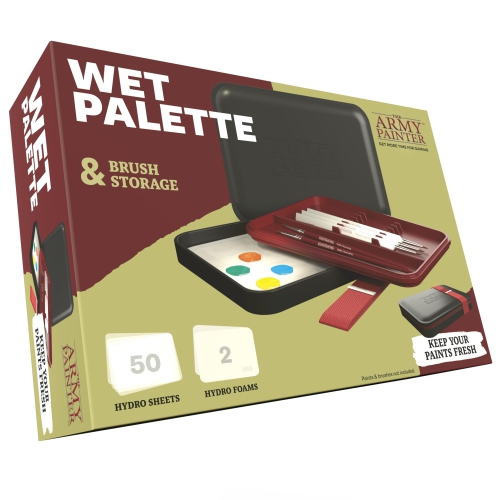
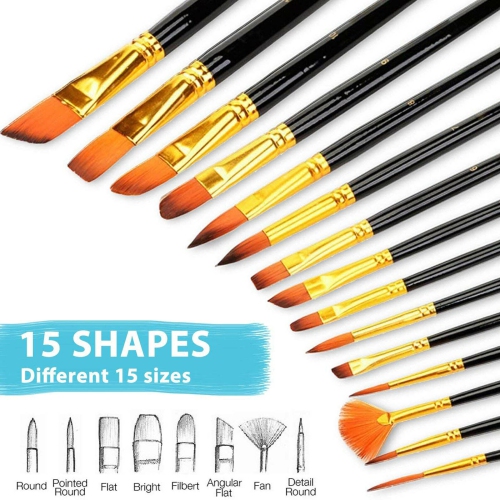
Brushes, rollers, and the accessories that support them should match the surface and the type of paint being applied. An angled brush in the roughly 2-inch to 2.5-inch range is a dependable choice for cutting in along ceilings, corners, trim, and other edges where a roller cannot work neatly. Smaller brushes are suited to narrow details and touch-ups, while wider flat brushes can spread paint efficiently across larger sections of smooth trim or furniture. Look for bristles that hold their shape and release paint consistently; a brush that fans out or sheds fibres can leave visible marks in otherwise even work. Rollers are generally faster for walls and ceilings, but the cover’s nap should reflect the texture of the surface. Shorter naps tend to suit smooth walls, while medium or longer naps can carry paint into lightly textured finishes. A sturdy roller frame and a properly sized tray help maintain an even rhythm: load the cover, remove excess paint on the ridged section of the tray, then work in overlapping sections while the paint remains wet. This approach reduces lap marks and patchy areas. For detailed work, a handheld pail can be more comfortable than repeatedly reaching toward a tray, especially when cutting in around a staircase or working from a ladder. A liner makes colour changes and cleanup simpler, and a handle that fits securely in the hand is valuable during long sessions. People who enjoy painting as a weekend project may appreciate a coordinated set of brushes, rollers, trays, tape, and preparation tools as a practical gift, while a first-time homeowner may benefit from a compact collection that covers everyday repairs and room updates. For smaller creative or detail-focused tasks, Paint Holders can help keep paint within easy reach and make it easier to work without repeatedly setting down a brush or container.
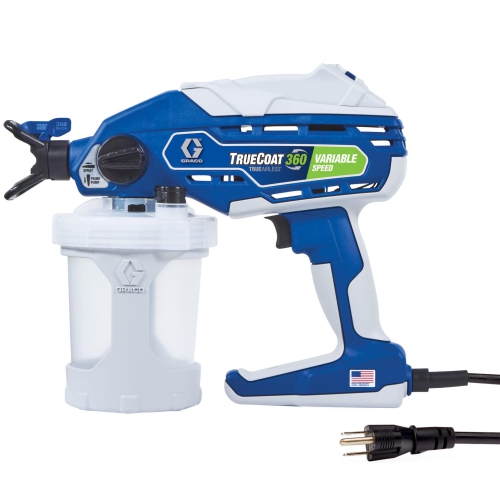
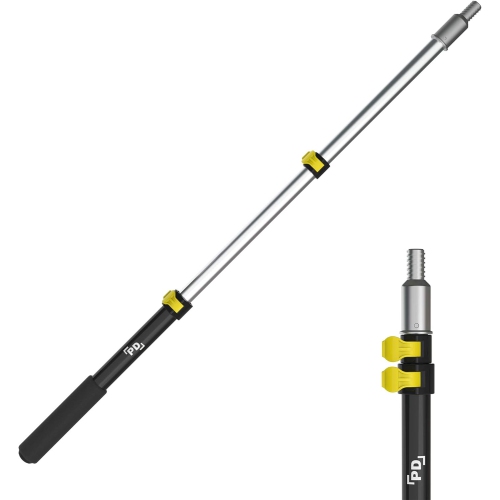
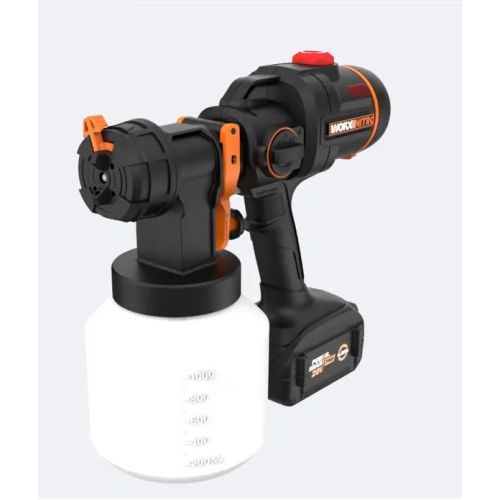
Reaching tools and application equipment become especially important when painting high walls, ceilings, fences, cabinets, or broad exterior surfaces. An adjustable extension pole can connect to a compatible roller and reduce the need for constant ladder movement, helping maintain a more comfortable posture while covering tall areas. Even with an extension pole, a stable ladder and clear work area are essential; never stretch sideways to reach an uncovered patch. For large projects, an airless paint sprayer can apply paint quickly across suitable walls, siding, fences, and other broad surfaces, producing an even finish when the pressure, tip, and paint consistency are properly matched. Sprayers require more preparation than brushes or rollers because nearby surfaces must be masked carefully, and the operator should use the recommended protective equipment and ventilation. They are often most useful when speed and consistent coverage matter more than the convenience of a small touch-up. Before choosing any tool, consider the project’s surface, paint type, area size, finish, storage space, and the user’s experience level. A homeowner repairing one room may value easy-clean tools and precise edging, while someone preparing several rooms or an exterior project may prioritize roller capacity, extension reach, and faster application. During the warmer part of the year, good airflow can help paint dry at a steady rate, while cooler months call for attention to room temperature, ventilation, and manufacturer directions. Allowing adequate drying time between coats is just as important as selecting the tool itself. Clean brushes and roller covers promptly, keep paint containers sealed between uses, and store equipment where bristles will not bend and metal parts will not collect moisture. With thoughtful preparation and tools suited to the job, painters can approach everything from a small wall repair to a full-room transformation with greater control, less interruption, and a finish that looks deliberate in the changing light of the day.
Brushes, rollers, and the accessories that support them should match the surface and the type of paint being applied. An angled brush in the roughly 2-inch to 2.5-inch range is a dependable choice for cutting in along ceilings, corners, trim, and other edges where a roller cannot work neatly. Smaller brushes are suited to narrow details and touch-ups, while wider flat brushes can spread paint efficiently across larger sections of smooth trim or furniture. Look for bristles that hold their shape and release paint consistently; a brush that fans out or sheds fibres can leave visible marks in otherwise even work. Rollers are generally faster for walls and ceilings, but the cover’s nap should reflect the texture of the surface. Shorter naps tend to suit smooth walls, while medium or longer naps can carry paint into lightly textured finishes. A sturdy roller frame and a properly sized tray help maintain an even rhythm: load the cover, remove excess paint on the ridged section of the tray, then work in overlapping sections while the paint remains wet. This approach reduces lap marks and patchy areas. For detailed work, a handheld pail can be more comfortable than repeatedly reaching toward a tray, especially when cutting in around a staircase or working from a ladder. A liner makes colour changes and cleanup simpler, and a handle that fits securely in the hand is valuable during long sessions. People who enjoy painting as a weekend project may appreciate a coordinated set of brushes, rollers, trays, tape, and preparation tools as a practical gift, while a first-time homeowner may benefit from a compact collection that covers everyday repairs and room updates. For smaller creative or detail-focused tasks, Paint Holders can help keep paint within easy reach and make it easier to work without repeatedly setting down a brush or container.
Reaching tools and application equipment become especially important when painting high walls, ceilings, fences, cabinets, or broad exterior surfaces. An adjustable extension pole can connect to a compatible roller and reduce the need for constant ladder movement, helping maintain a more comfortable posture while covering tall areas. Even with an extension pole, a stable ladder and clear work area are essential; never stretch sideways to reach an uncovered patch. For large projects, an airless paint sprayer can apply paint quickly across suitable walls, siding, fences, and other broad surfaces, producing an even finish when the pressure, tip, and paint consistency are properly matched. Sprayers require more preparation than brushes or rollers because nearby surfaces must be masked carefully, and the operator should use the recommended protective equipment and ventilation. They are often most useful when speed and consistent coverage matter more than the convenience of a small touch-up. Before choosing any tool, consider the project’s surface, paint type, area size, finish, storage space, and the user’s experience level. A homeowner repairing one room may value easy-clean tools and precise edging, while someone preparing several rooms or an exterior project may prioritize roller capacity, extension reach, and faster application. During the warmer part of the year, good airflow can help paint dry at a steady rate, while cooler months call for attention to room temperature, ventilation, and manufacturer directions. Allowing adequate drying time between coats is just as important as selecting the tool itself. Clean brushes and roller covers promptly, keep paint containers sealed between uses, and store equipment where bristles will not bend and metal parts will not collect moisture. With thoughtful preparation and tools suited to the job, painters can approach everything from a small wall repair to a full-room transformation with greater control, less interruption, and a finish that looks deliberate in the changing light of the day.
Top selling and popular products
-
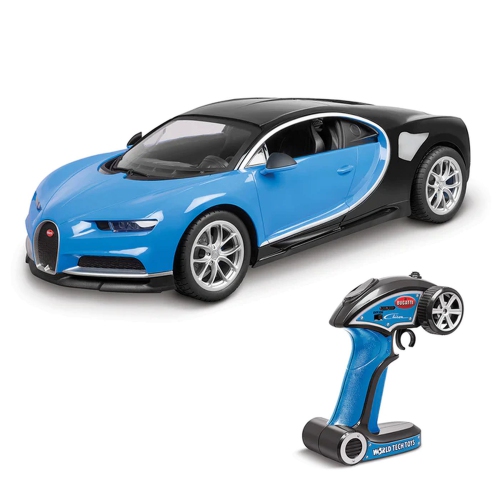 Your price for this item is $119.99
 -
 Your price for this item is $103.49
 -
 Your price for this item is $59.99
 -
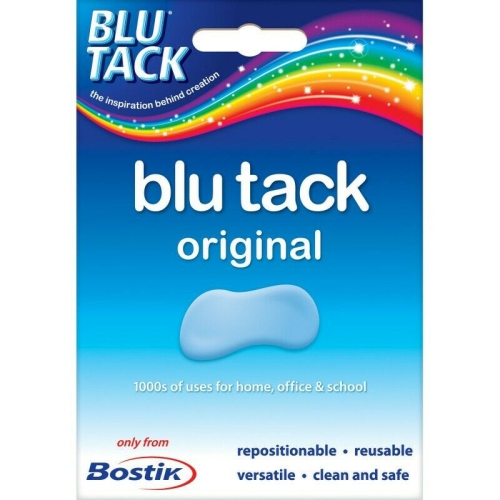 Your price for this item is $6
 -
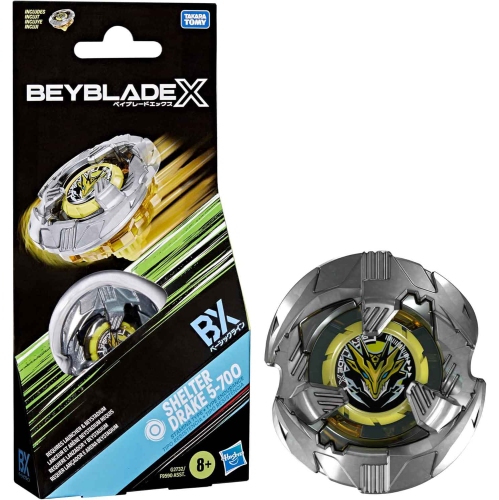 Your price for this item is $13.79
 -
 Your price for this item is $16
 -
 Your price for this item is $69.99
 -
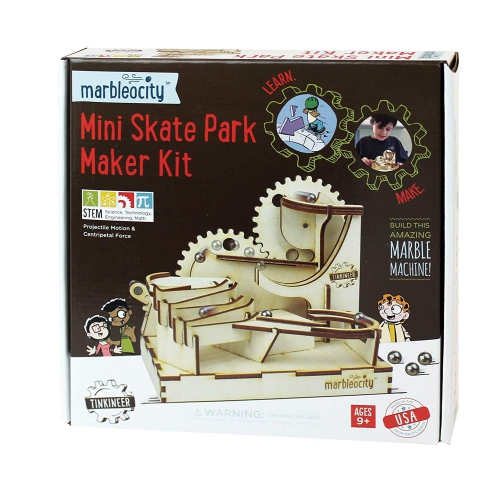 Your price for this item is $38.21
Discover more categories related to Tools for Painters
Top Collections:
Pokemon Centers, Kindle Devices, Best Budget Office Chairs, Apple iPhones 16, Best Laptops for Writers, iPhone 15 Apple, Canon G7X Cameras, Refurbished Apple Laptops, Alarm Clock, Motorola Razr Phones
Some products may be subject to Environmental Handling Fees
(EHF) depending on your province.
Learn more about EHFs.