Undercounter Refrigerator Drawers
Looking to maximize your kitchen space while keeping your perishables fresh and easily accessible? Look no further than undercounter refrigerator drawers. These sleek and compact appliances are designed to fit seamlessly into your cabinetry, providing a convenient storage solution for all your refrigeration needs. Whether you're a culinary enthusiast in need of extra space for ingredients or simply looking to upgrade your kitchen with a modern touch, undercounter refrigerator drawers offer the perfect blend of functionality and style. Discover the possibilities and find the perfect fit for your home with our wide selection of undercounter refrigerator drawers.
Sort
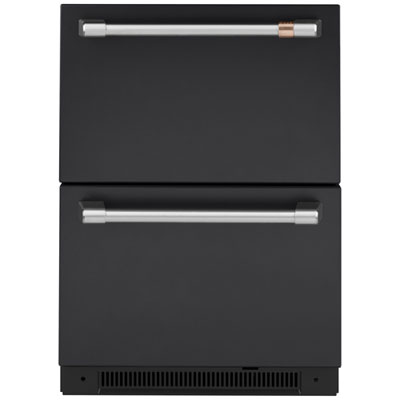
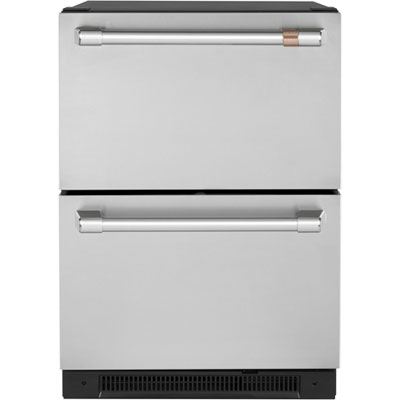
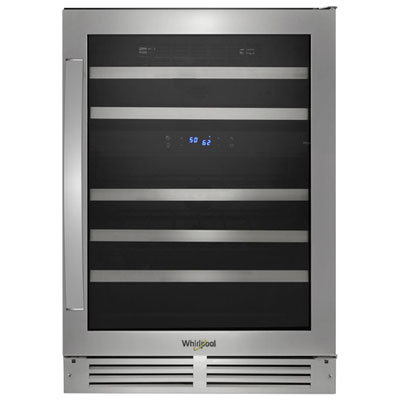


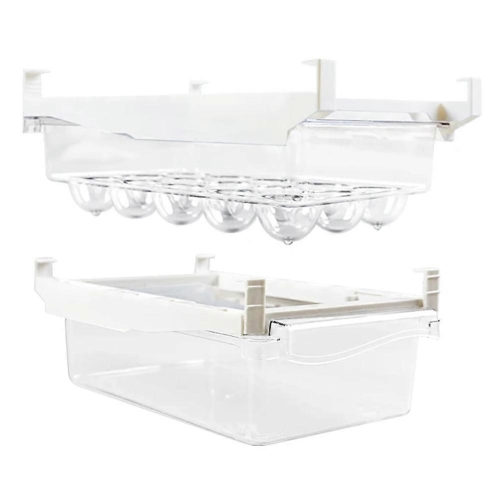


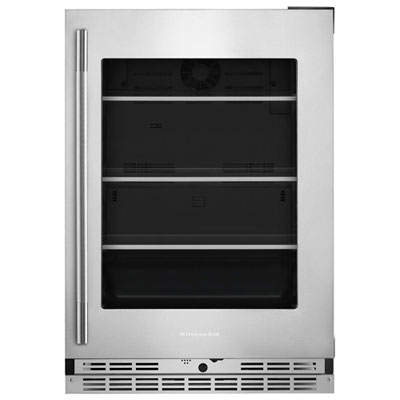
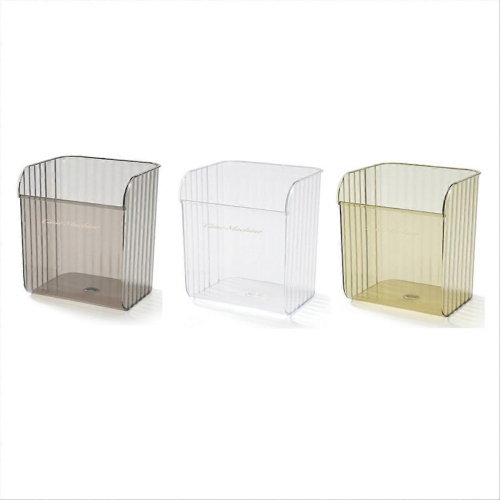
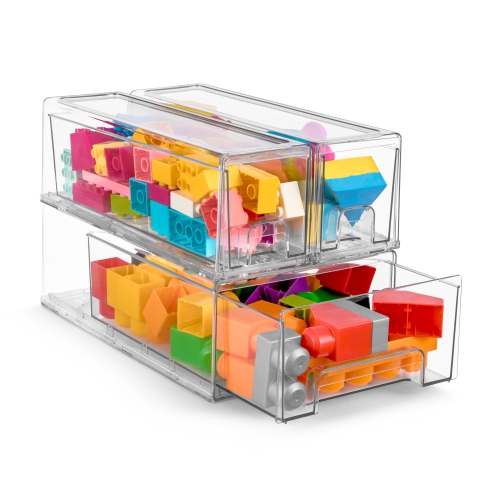
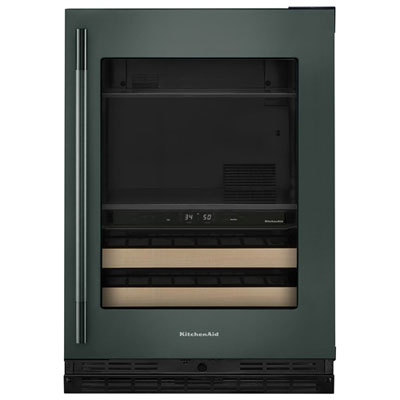
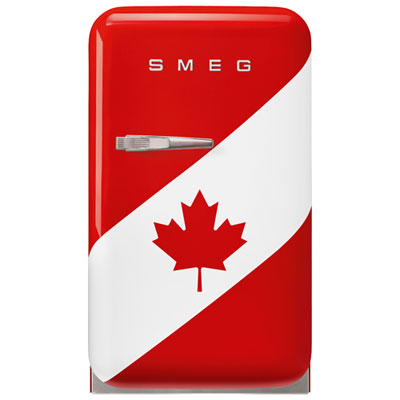
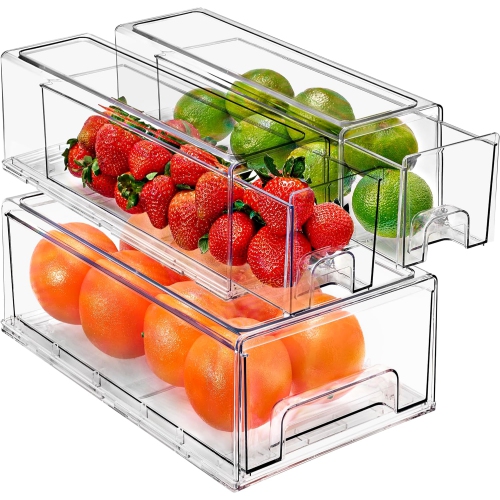
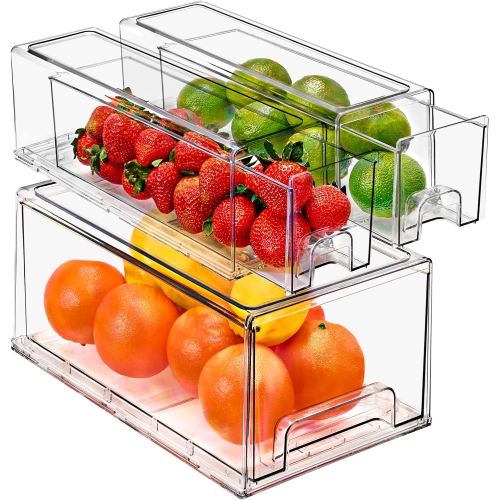
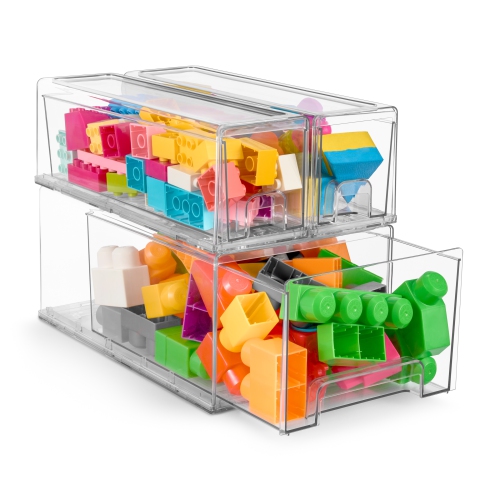







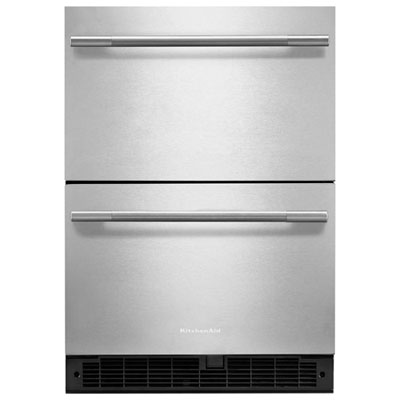
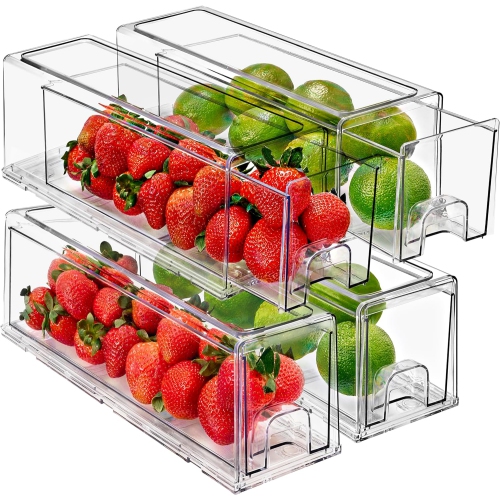
Chilled essentials below the counter and close at hand
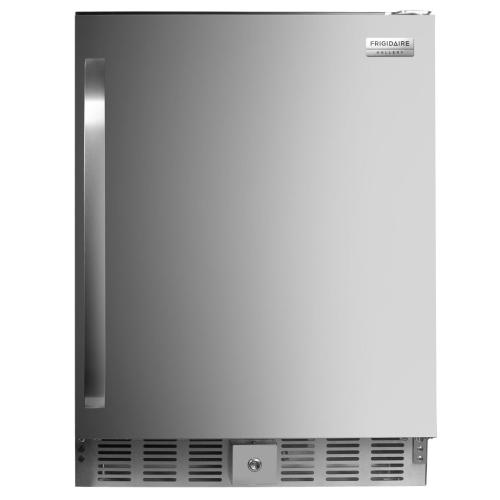
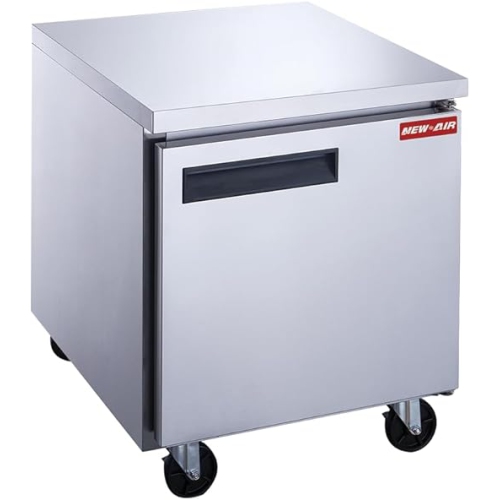
Undercounter refrigerator drawers are compact refrigeration appliances designed to fit beneath a countertop and store chilled food and drinks in pull-out compartments rather than behind a hinged door. They bring refrigerated storage closer to the places where meals are prepared, drinks are poured, and everyday snacks are served. In a kitchen island, a drawer can hold washed fruit, yogurt, and lunch ingredients within reach of the work surface. Beside a coffee station, it can keep milk and cream nearby without sending everyone across the kitchen to the main refrigerator. In a dining area or home bar, dedicated beverage storage helps separate hosting tasks from meal preparation. Unlike a conventional mini fridge, a drawer refrigerator opens from above, making its contents visible as the drawer slides forward. That layout can be particularly useful for grouping small containers, cans, and frequently used ingredients, though the usable height and internal arrangement determine what fits comfortably. Single-drawer and stacked two-drawer configurations serve different spaces, and some designs include adjustable dividers or removable baskets to keep contents from shifting. An all-refrigerator drawer unit provides chilled storage, not frozen storage; a freezer compartment or convertible temperature setting should never be assumed from the appearance alone. Likewise, two drawers do not necessarily mean two independently controlled temperature zones. These distinctions matter when one compartment is intended for drinks and the other for perishable food. For a broader look at refrigeration designed to sit beneath a counter, Undercounter Fridges includes the wider category alongside drawer-style layouts. Refrigerator drawers are especially suited to households that want supplementary cold storage without adding another full-height appliance. They can also support a smaller kitchen as part of a carefully planned layout, provided their capacity matches the household’s needs. Their appeal is practical: a clear worktop above, chilled essentials below, and less movement between separate parts of the room during busy mornings or shared meal preparation.
A good fit involves more than matching the appliance width to a gap in the cabinetry. The finished opening needs enough height and depth for the appliance, its specified clearances, and any electrical connection behind it. Countertop overhangs, skirting boards, adjacent cabinet handles, and the position of an island can all affect whether the drawers open fully. Enough aisle space is needed for someone to stand comfortably in front of an extended drawer, particularly where another person may be using the sink or cooker nearby. Built-in refrigerator drawers are designed for installation within cabinetry according to their ventilation requirements; a freestanding appliance should not be enclosed unless its manufacturer explicitly permits it. Front ventilation is common on built-in designs, but the grille still needs an unobstructed path for airflow. Installation near a dishwasher, oven, or other heat source also calls for attention to the specified placement requirements. Stainless steel fronts offer a familiar appliance finish that pairs easily with many kitchen fittings, while panel-ready designs accept compatible custom cabinetry panels for a more integrated appearance. Panel-ready does not mean any panel will fit: dimensions, weight limits, handle placement, and attachment requirements all matter. A flush appearance may also depend on the cabinet depth and installation design, rather than the finish alone. Inside, smooth liners, sturdy baskets, and accessible corners make spills easier to manage. Drawer runners should support the intended load, and the stated load limits are worth considering if the drawers will regularly hold heavy bottles or densely packed containers. Soft-close mechanisms, where included, can help drawers shut gently, while interior lighting makes labels and smaller packages easier to spot. For open-plan rooms, operating sound deserves attention too, since compressors, fans, and occasional clicks may be more noticeable near a seating area than in a separate kitchen. Outdoor placement requires an appliance specifically rated for that use and for the expected operating temperatures; a stainless steel exterior alone does not establish outdoor suitability, especially through Canadian cold weather.
Everyday usefulness depends as much on the interior layout as on the overall storage volume. A deep drawer may suit taller bottles, while a shallower compartment can make small food containers easier to see without stacking them. For families, a designated snack drawer can hold lunch portions and reusable drink bottles in one place, although handle height, drawer weight, and any locking features should suit the people using it. Someone who finds overhead shelves awkward may appreciate storage below the counter, but bending and reaching into a deep drawer can present different challenges; accessibility depends on the complete installation and the individual’s needs. Frequent hosts may use refrigerator drawers for mixers, chilled water, and prepared ingredients, leaving the main fridge free for larger dishes. During the cooler months, that extra space can be useful when soups, casseroles, and shared meals become part of the routine, with cooked food divided into suitable shallow containers for prompt refrigeration. For perishable foods, refrigerator storage should remain at 4°C or below, and an appliance thermometer can help verify the temperature where food is kept. A beverage-focused temperature range may not suit every food-storage task, so the appliance’s intended use and controls matter. Avoid packing containers against vents or filling drawers so tightly that air cannot circulate. Lidded containers help contain odours and spills, and raw meat should remain securely contained and separate from ready-to-eat foods. Routine care is straightforward when drawers and inserts are easy to access: wipe up spills promptly, clean removable parts as directed, and keep door seals free of crumbs and sticky residue so they can close properly. Exterior finishes need suitable cleaning products, with abrasive pads avoided where they could scratch the surface. Frost-free operation, if included, reduces the need for manual defrosting but does not replace regular cleaning or ventilation checks. Long-term durability also relies on level installation, sensible loading, and keeping the drawers aligned and unobstructed. With the right proportions and internal arrangement, undercounter refrigerator drawers become a natural part of the room’s daily rhythm, keeping useful ingredients close without taking over the kitchen.
Top selling and popular products
-
 Your price for this item is $5.99
-
 Your price for this item is $9.99
-
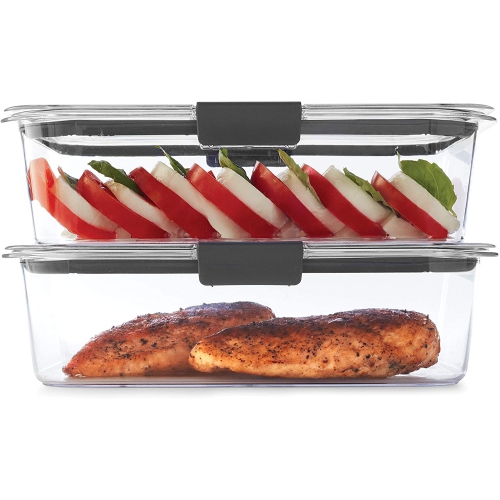 Your price for this item is $108.25
-
 Your price for this item is $7.99
-
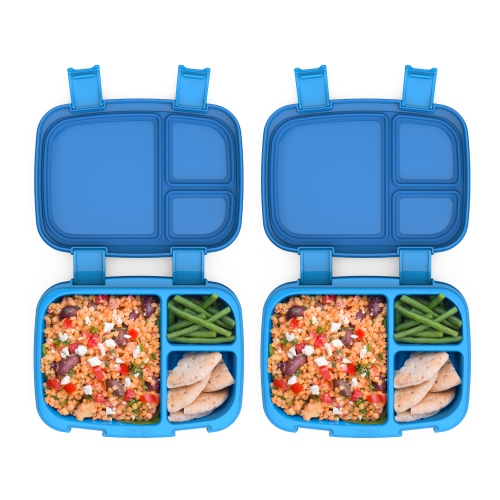 Your price for this item is $59.99
-
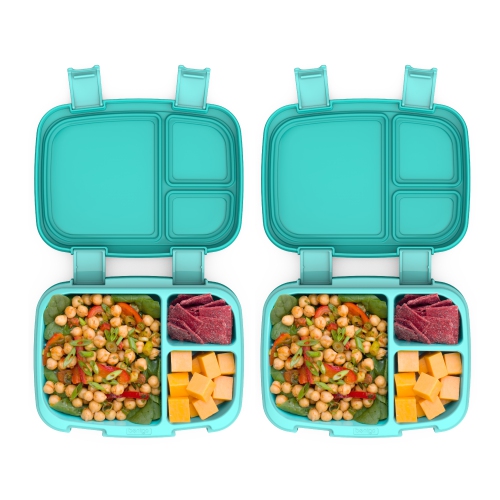 Your price for this item is $59.99
-
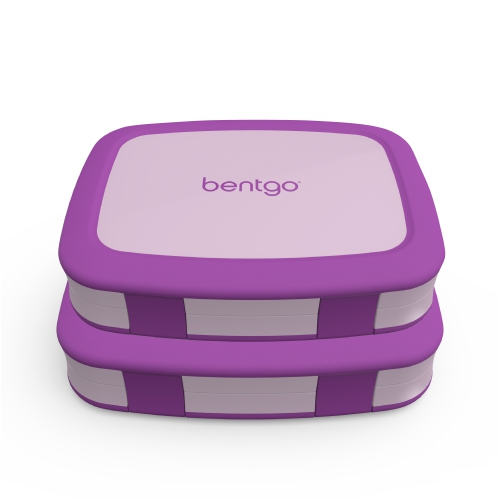 Your price for this item is $49.99
-
 Your price for this item is $49.99
Discover more categories related to Undercounter Refrigerator Drawers
Top Collections:
Pokemon Centers, Kindle Devices, Best Budget Office Chairs, Canon G7X Cameras, Apple iPhones 16, Samsung Galaxy Phones, Refurbished Apple Laptops, Laptops for Students, iPhone 15 Apple, Budget Smartphones
Some products may be subject to Environmental Handling Fees
(EHF) depending on your province.
Learn more about EHFs.