Freezer Drawer Refrigerators
Looking to maximize your kitchen's storage space while keeping your groceries fresh and organized? Freezer drawer refrigerators are the perfect solution for those in need of extra freezer capacity without sacrificing style or functionality. These innovative refrigerators feature spacious freezer drawers that glide effortlessly, allowing easy access to all your frozen goods. With a sleek design and advanced cooling technology, freezer drawer refrigerators are a must-have appliance for any modern kitchen.
Sort
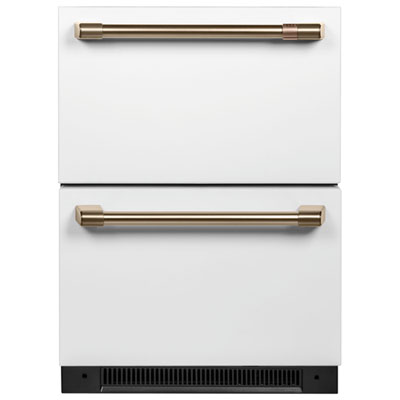
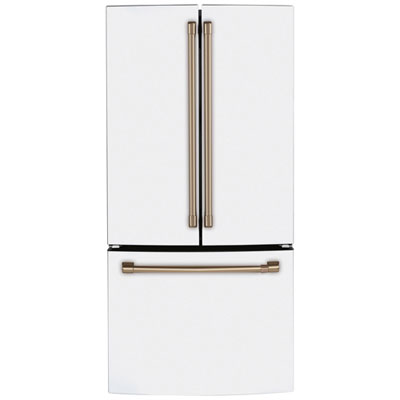
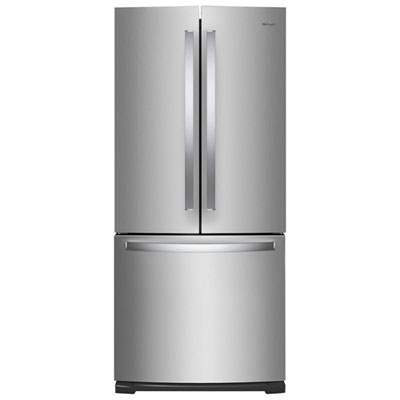
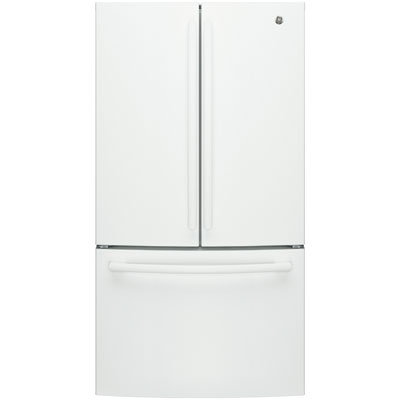
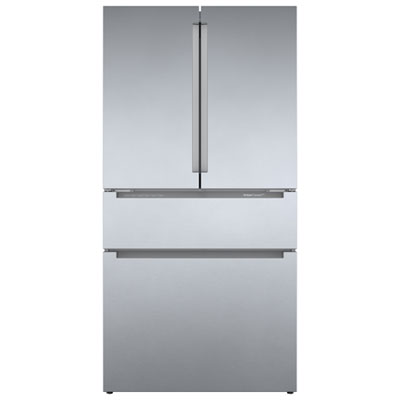
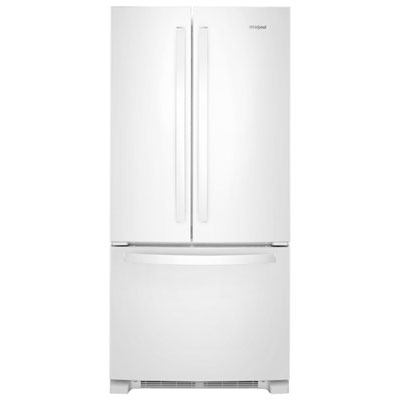

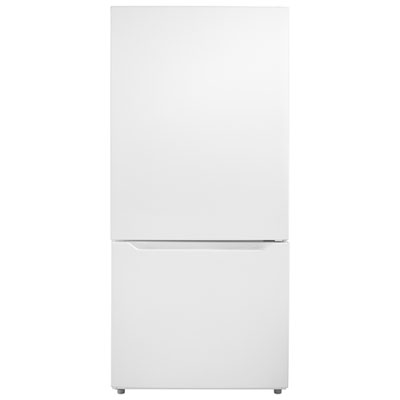
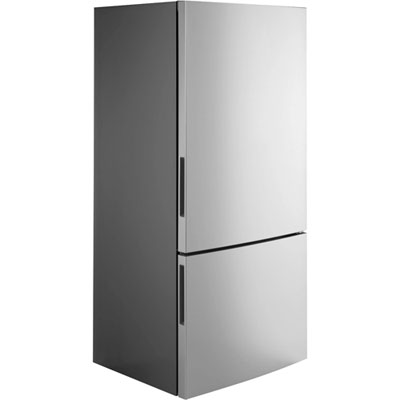
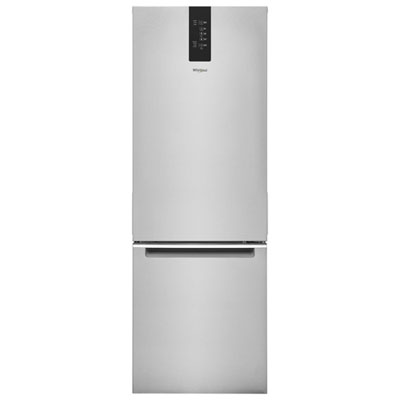
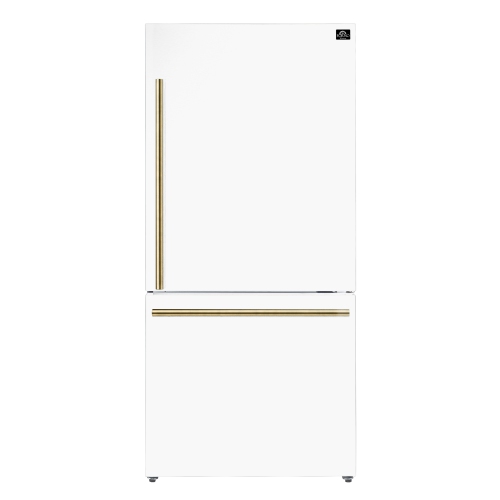
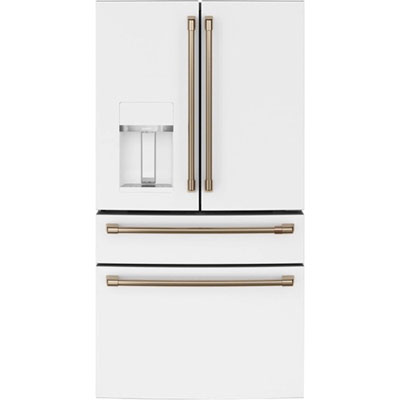

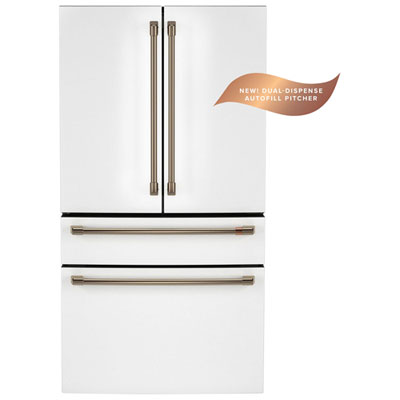
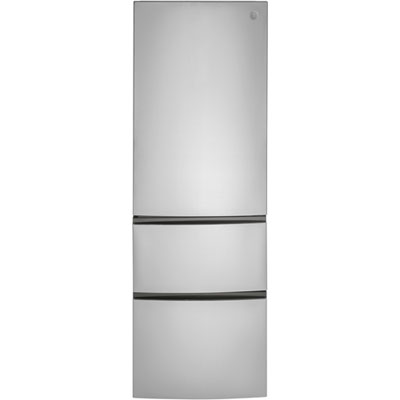


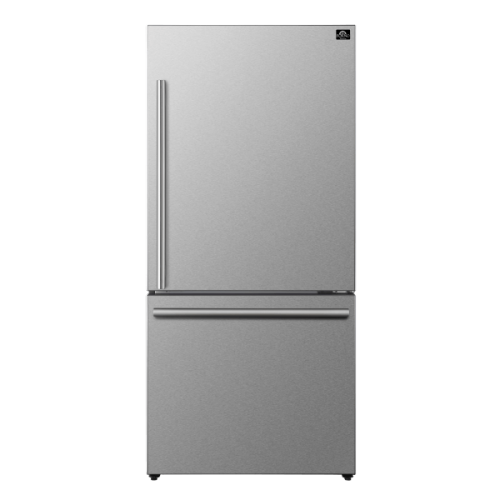
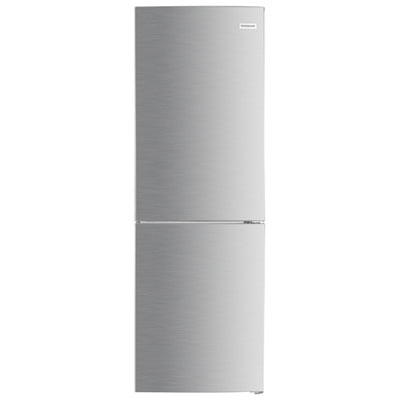
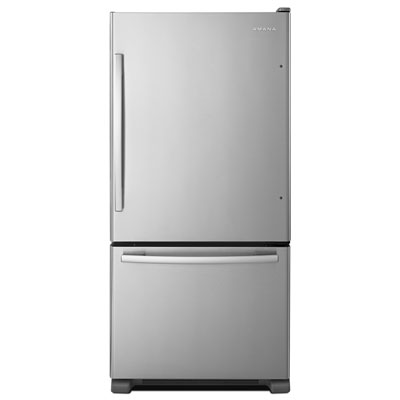
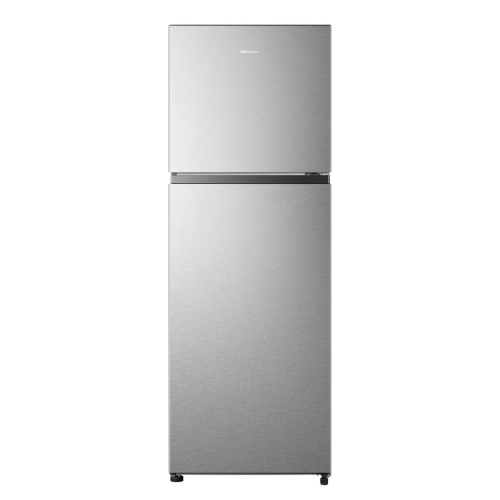
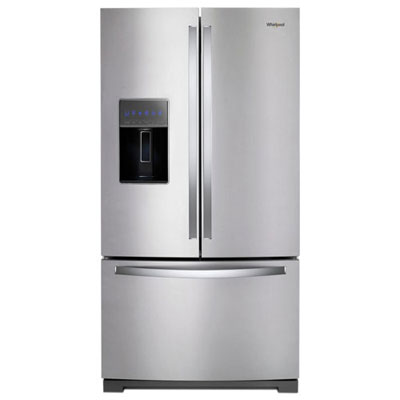


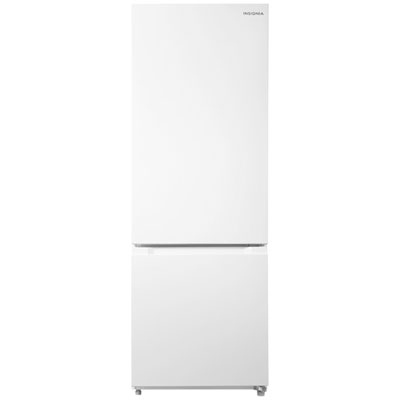

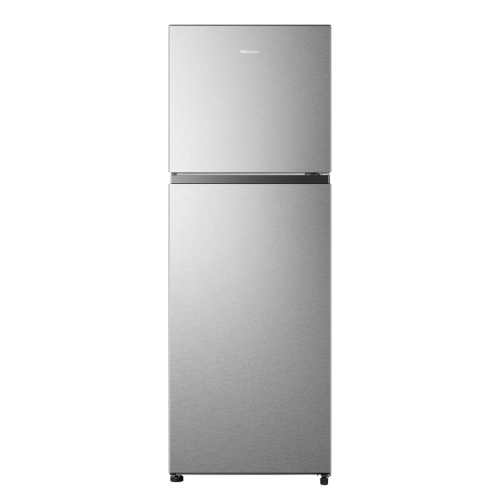
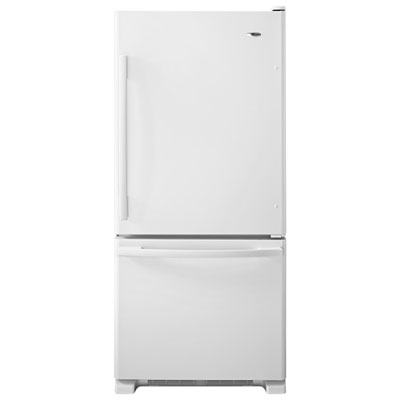

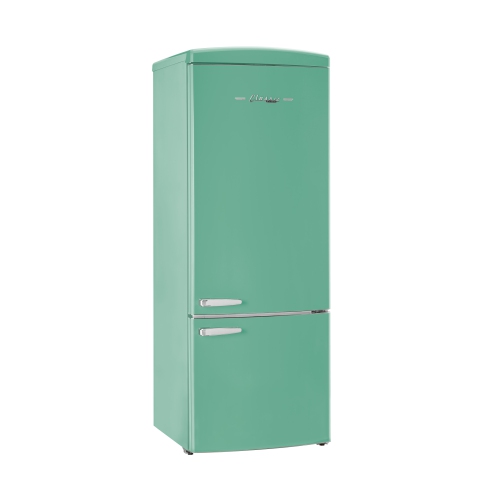
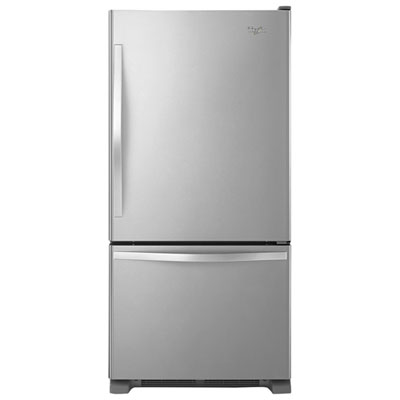
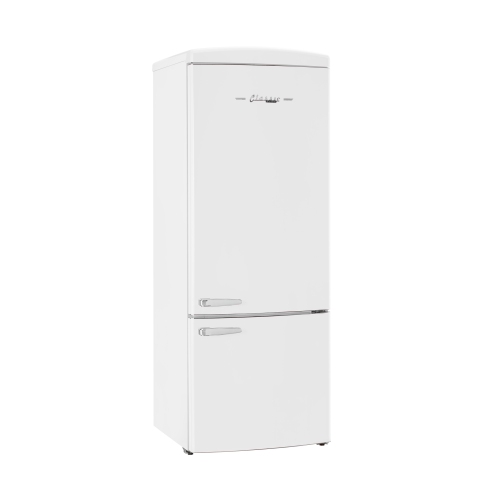

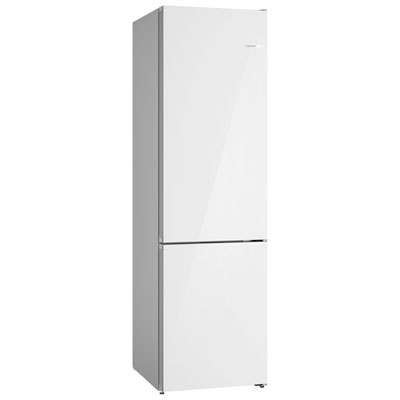


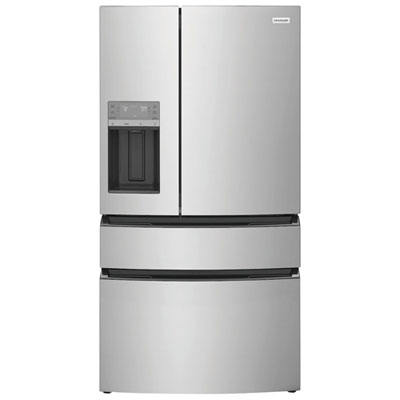
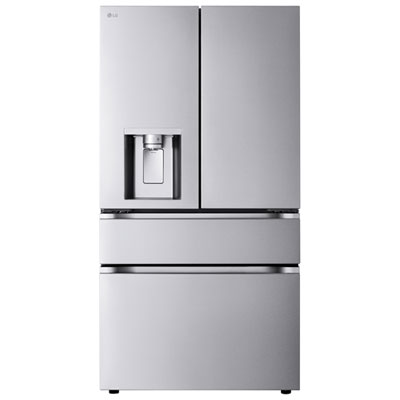
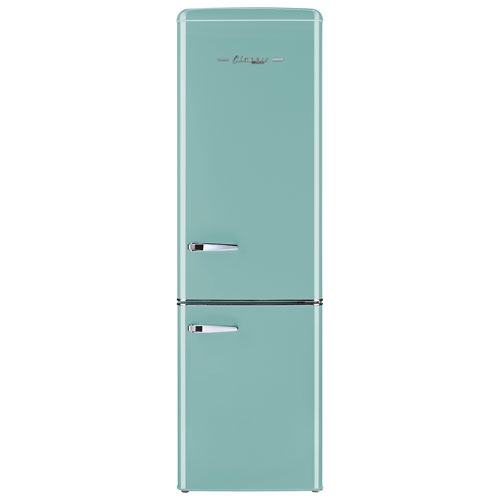
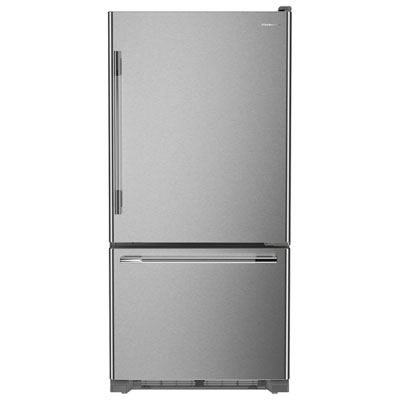
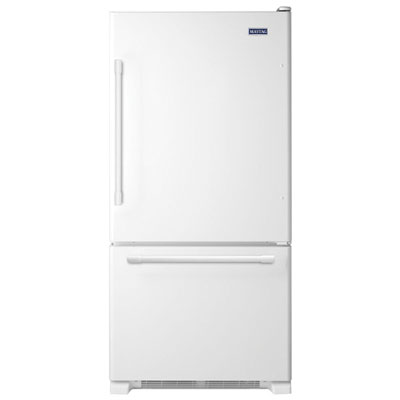
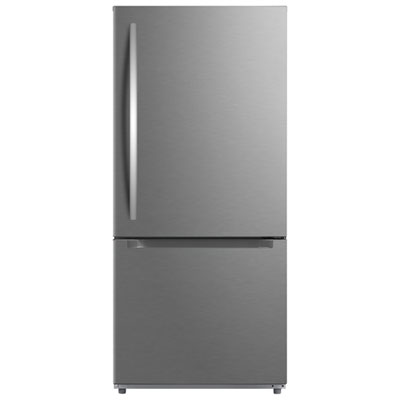

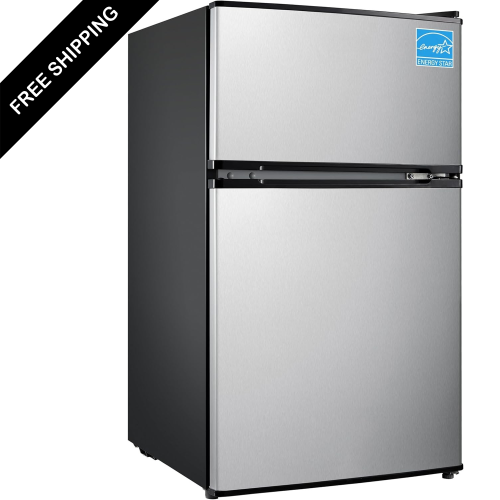
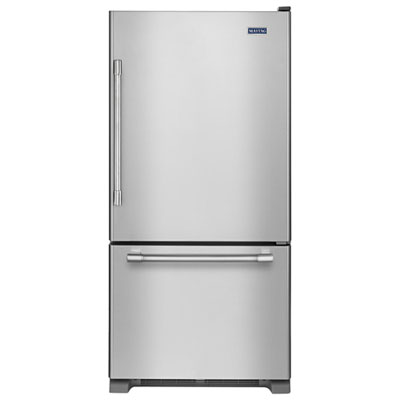


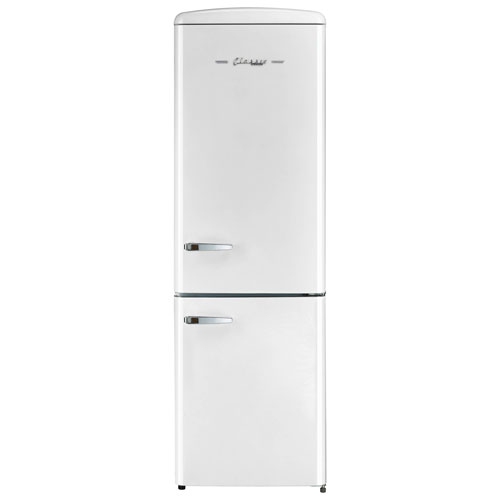


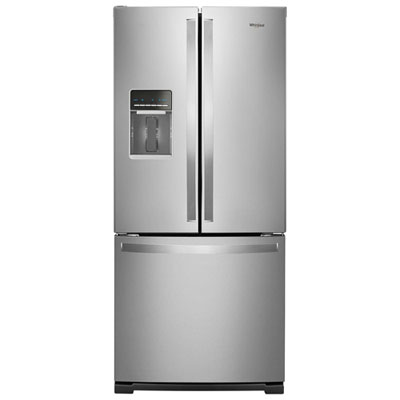

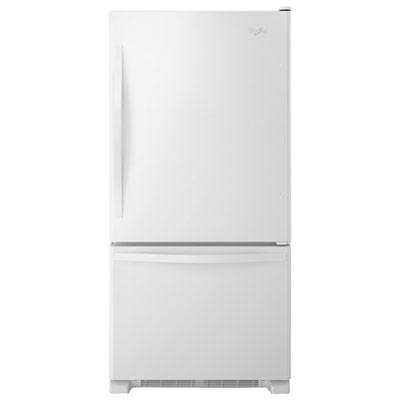


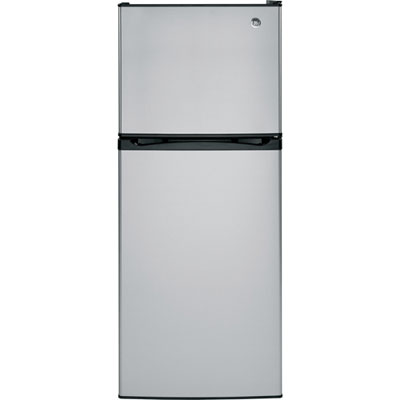

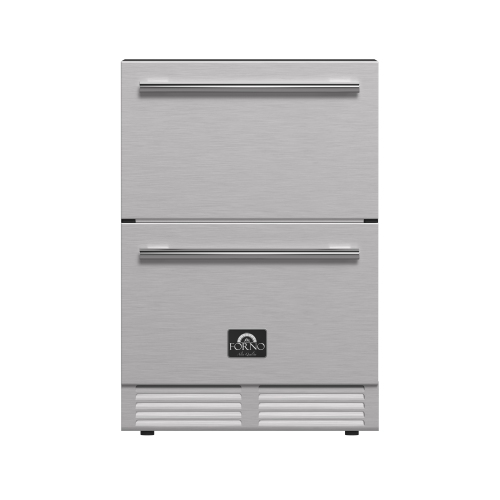
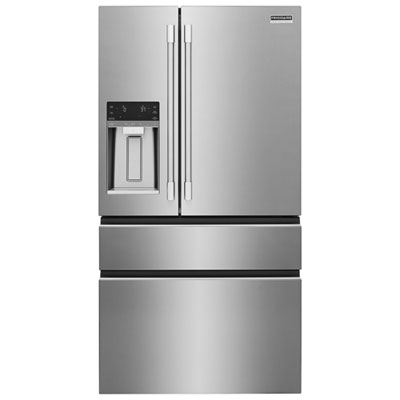
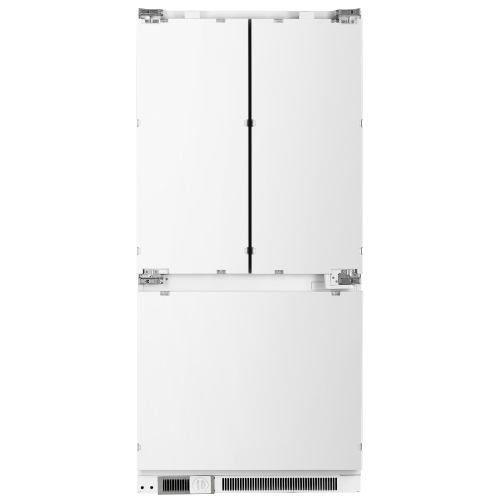
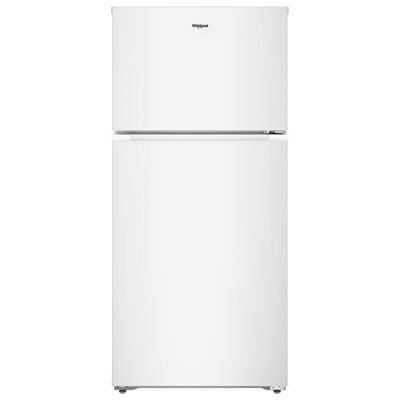


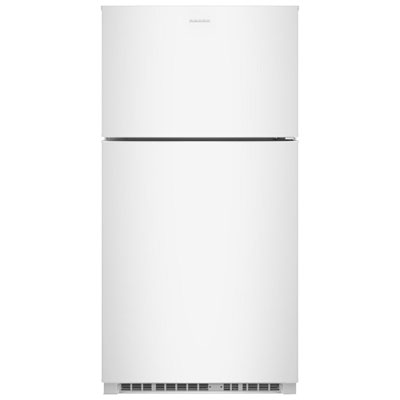
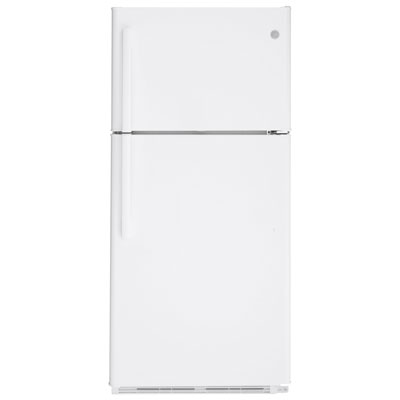
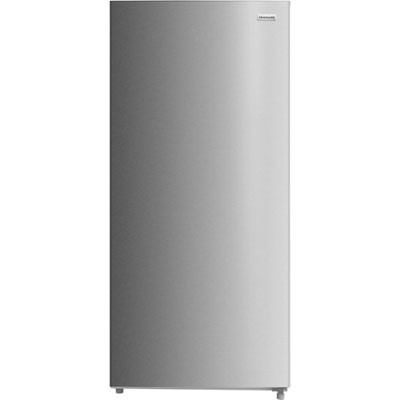
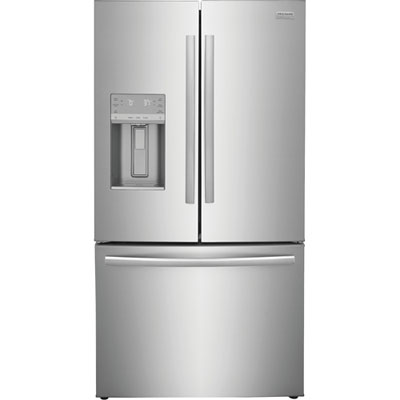
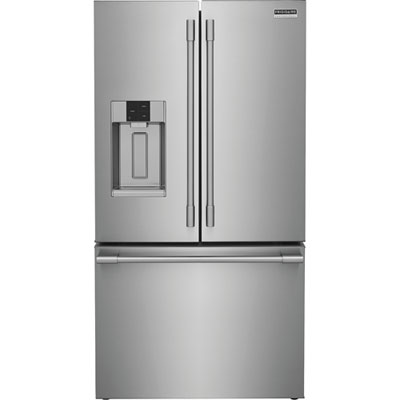

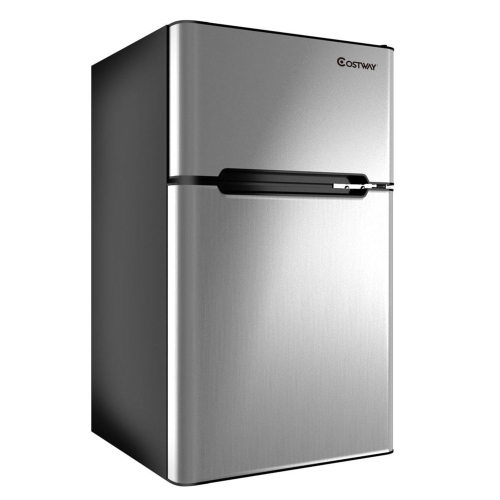
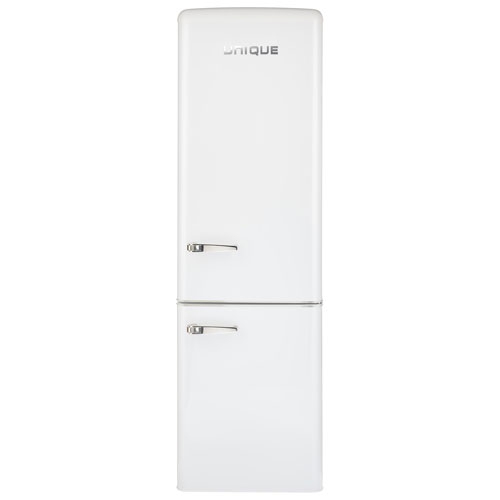

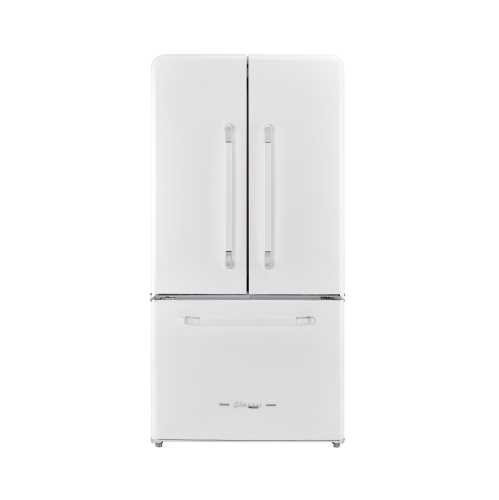
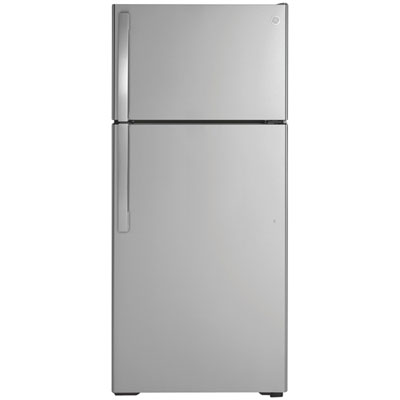
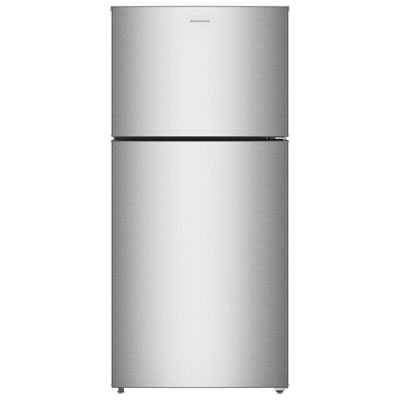


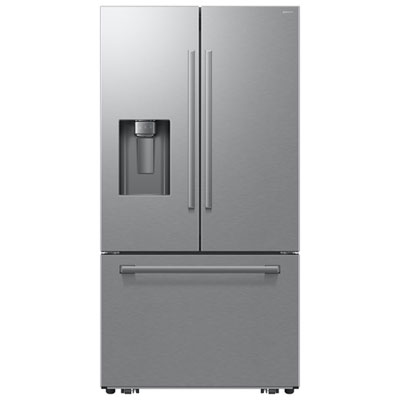
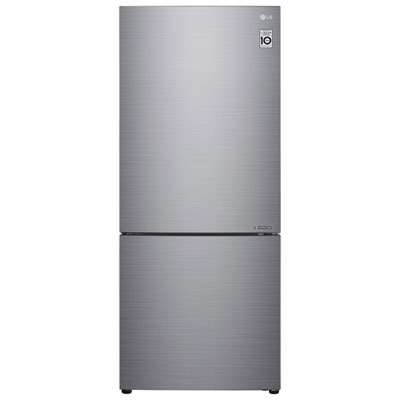

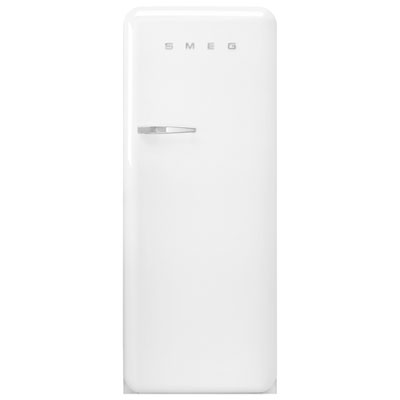


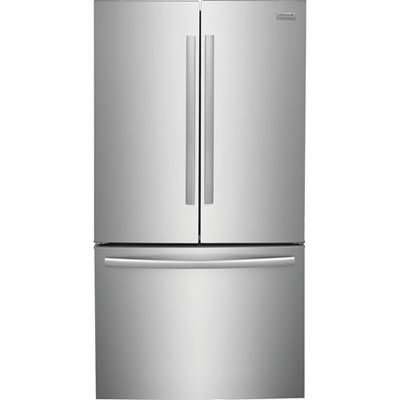
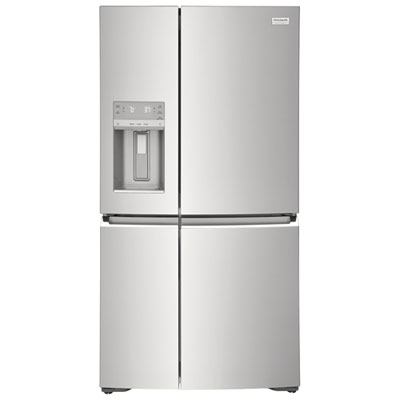


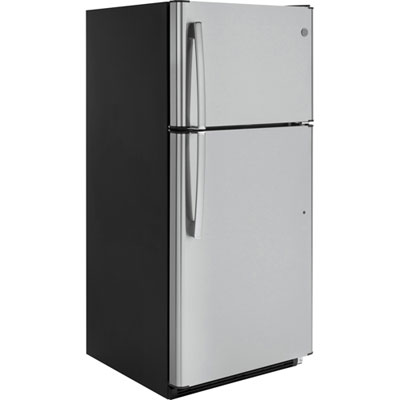

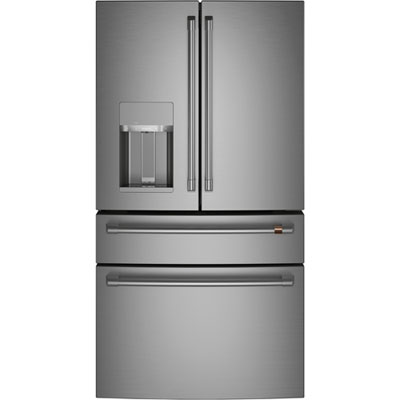
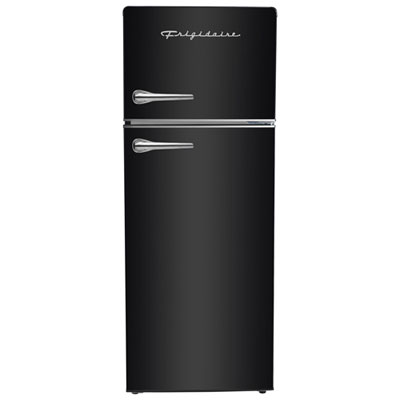
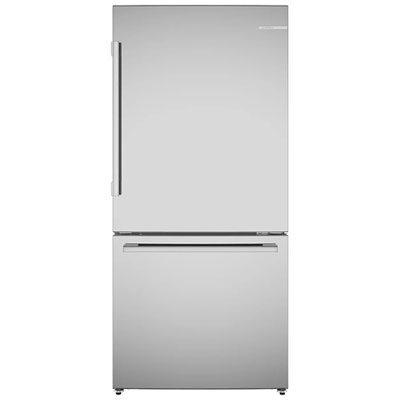
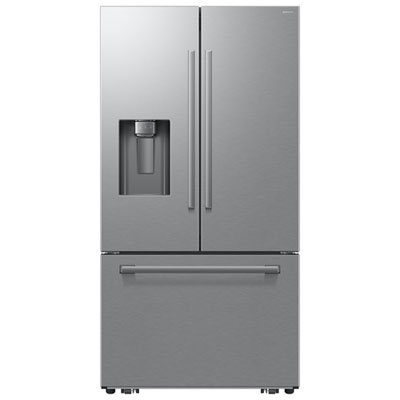




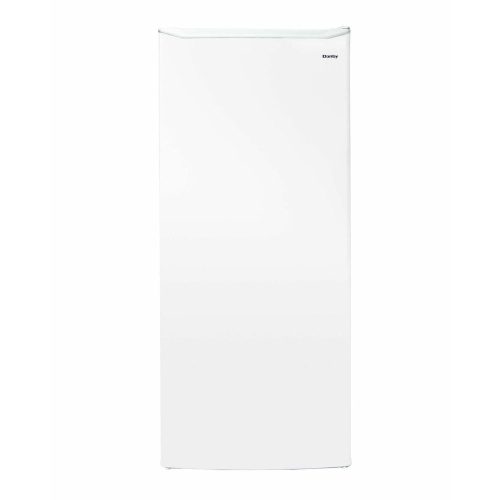
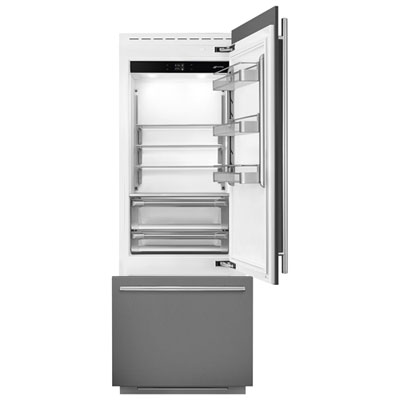
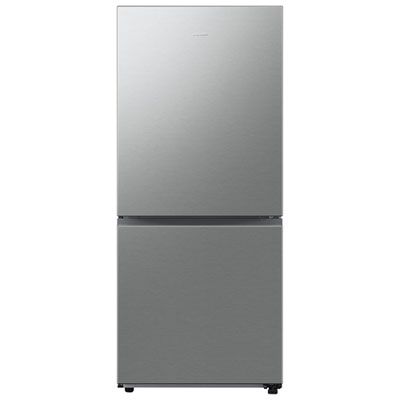
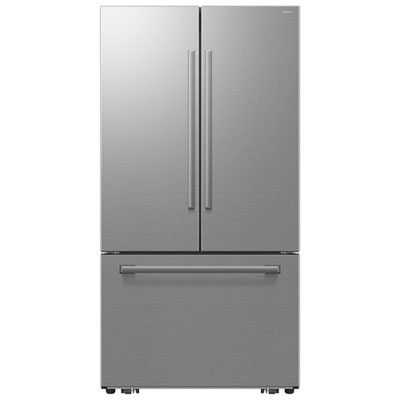


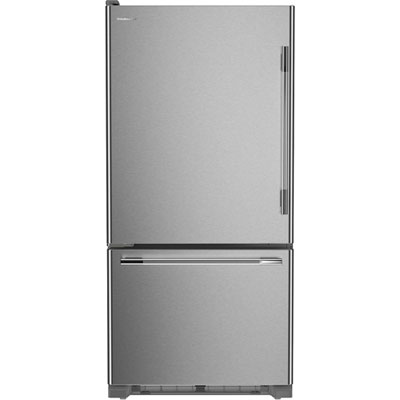
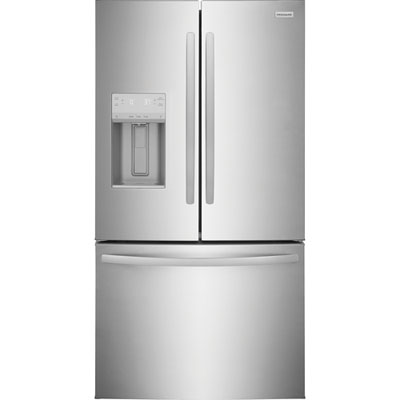


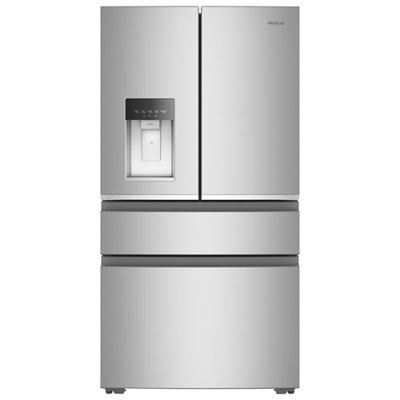
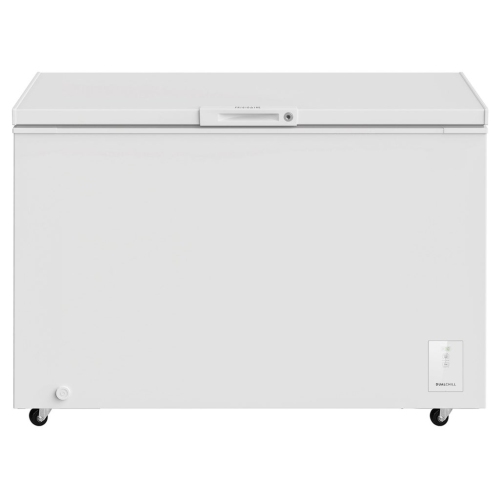

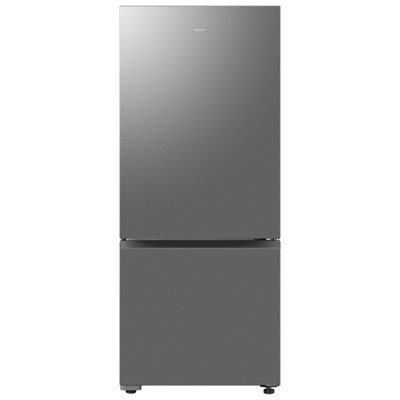


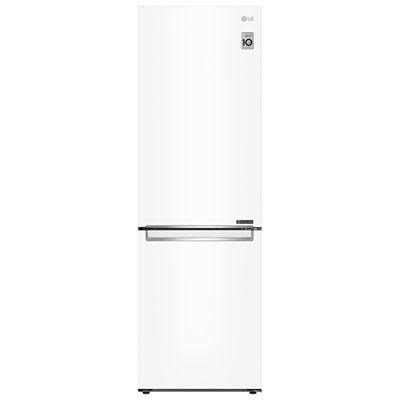

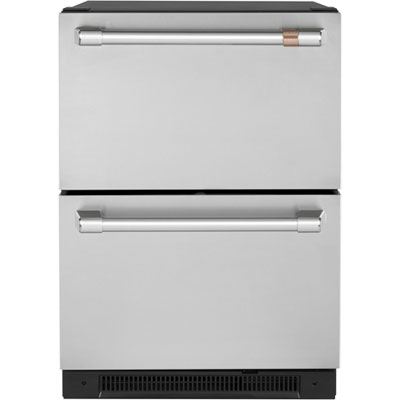
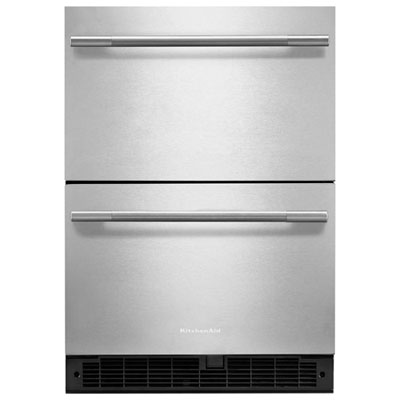
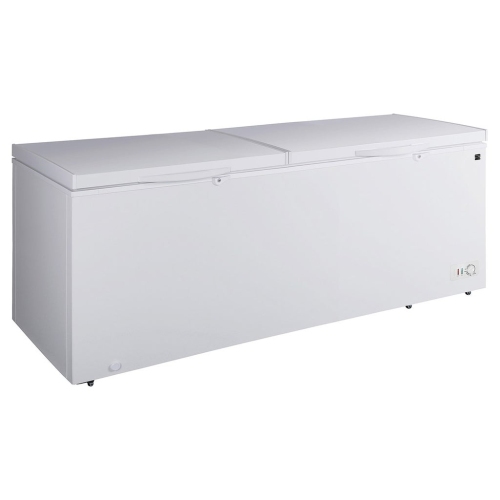
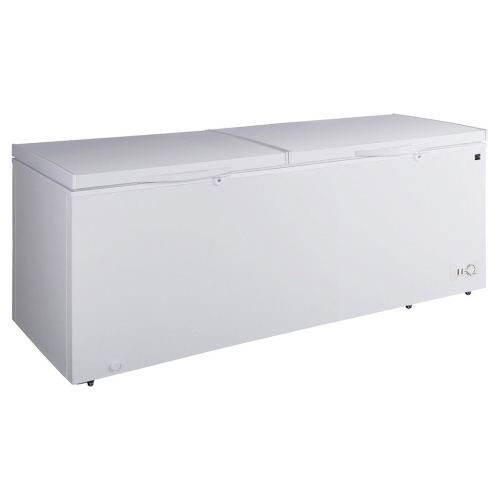
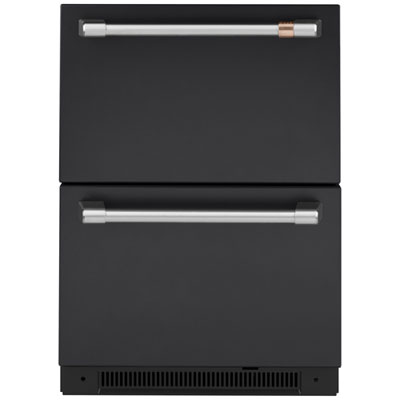
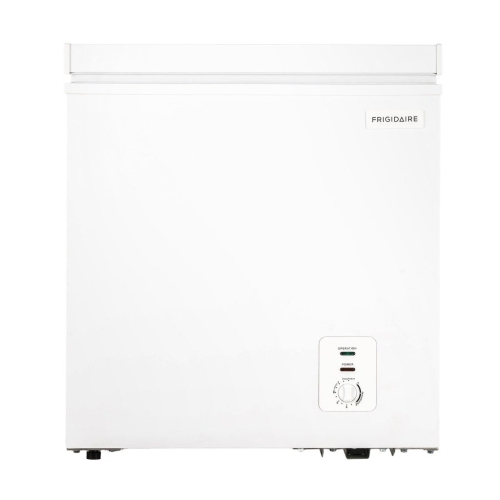

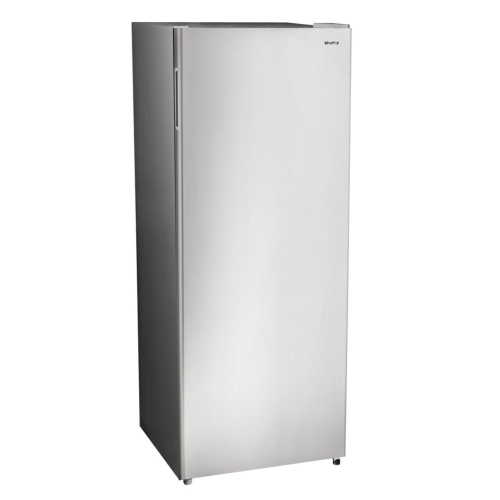


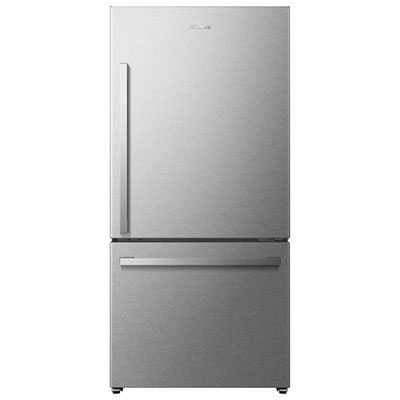
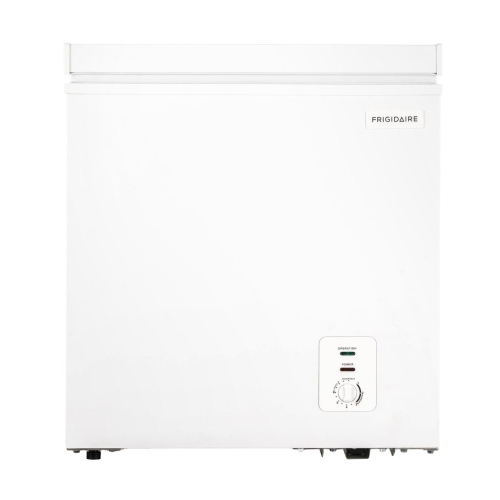

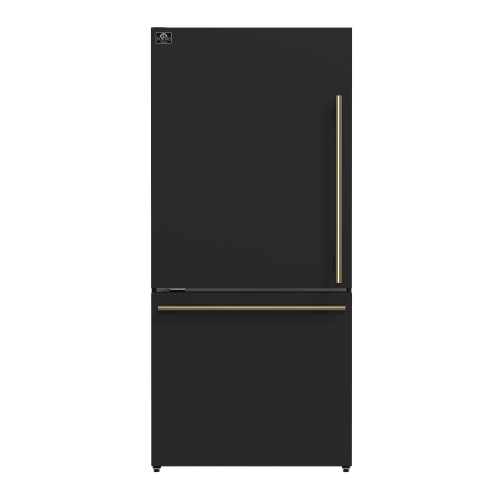

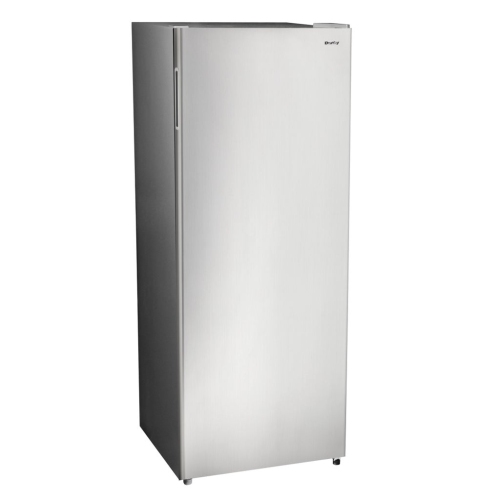

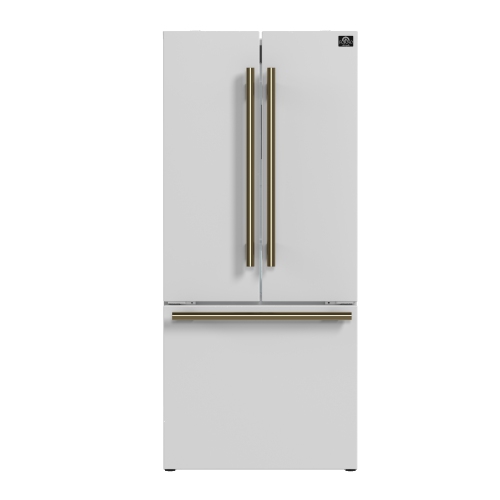
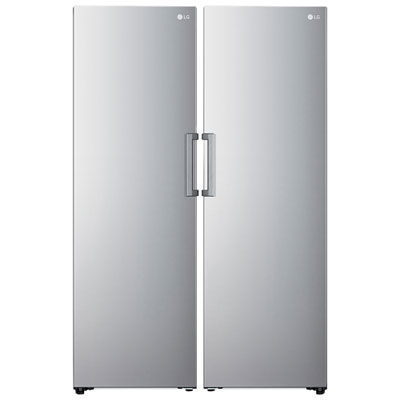
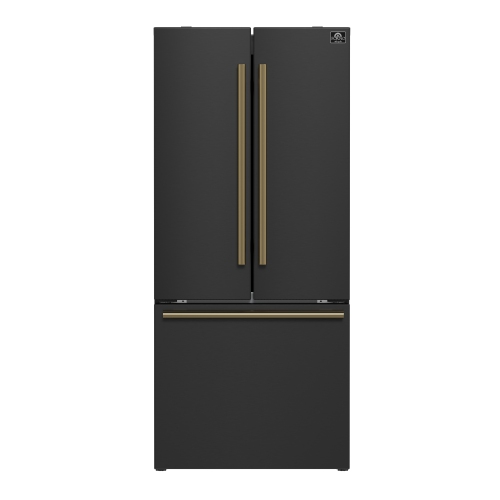


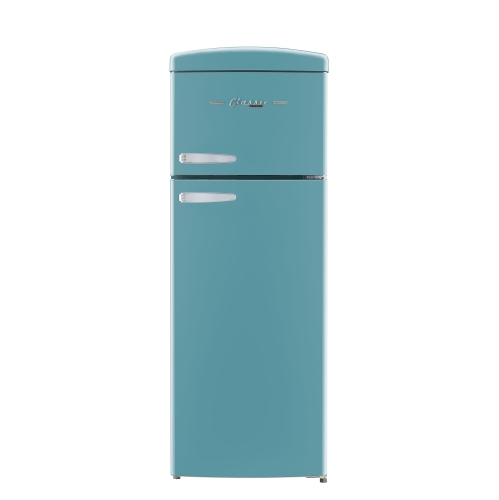
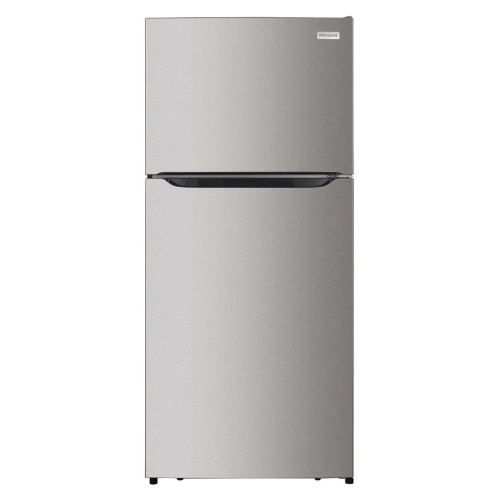


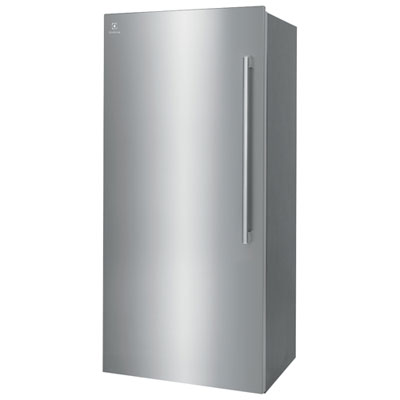


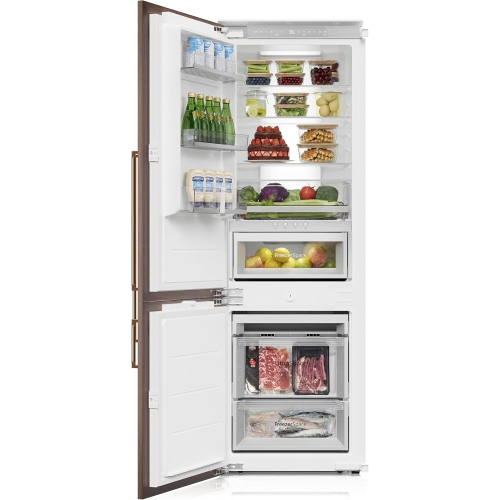

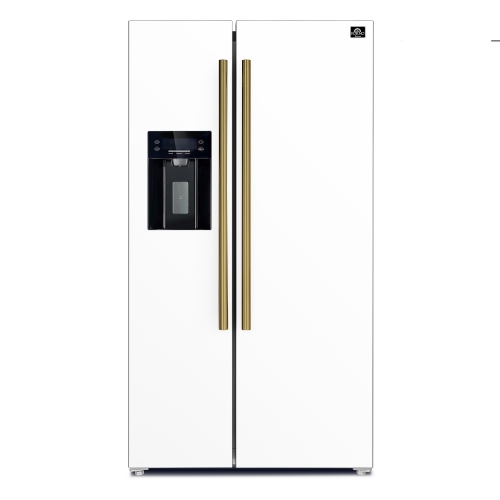


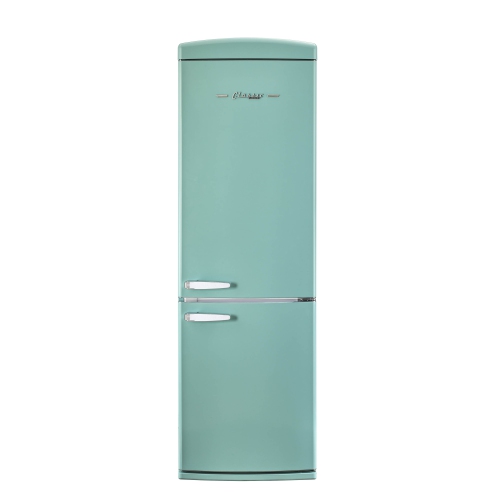
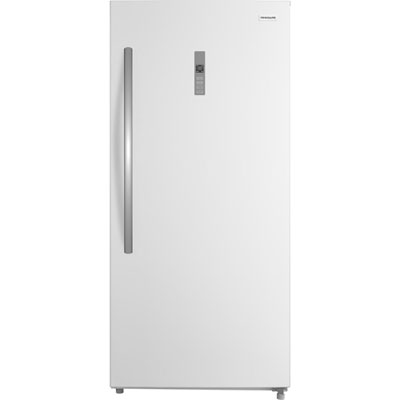


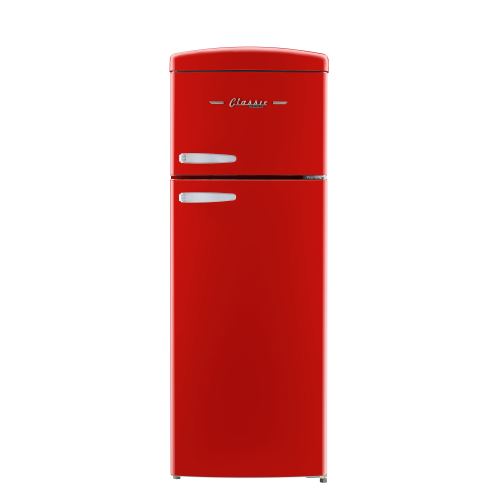
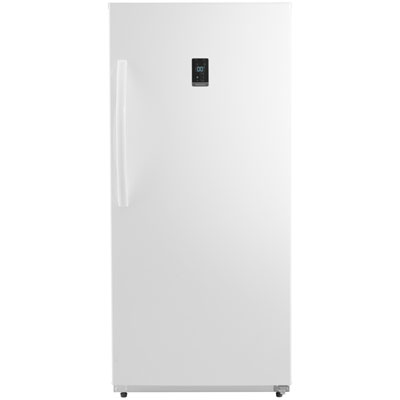
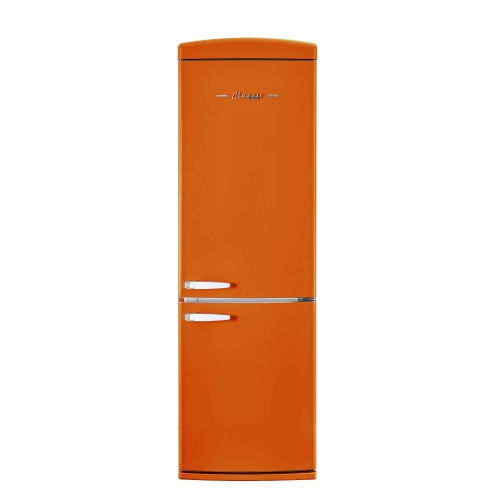
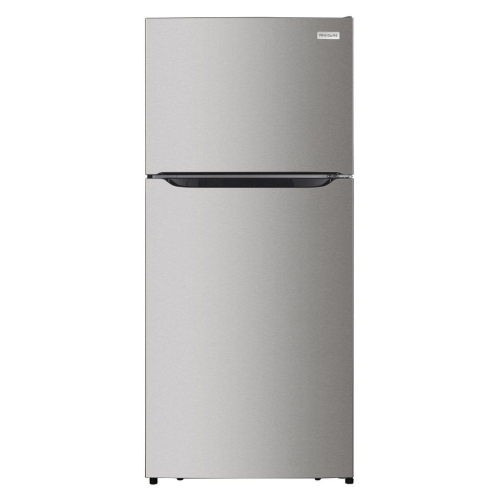
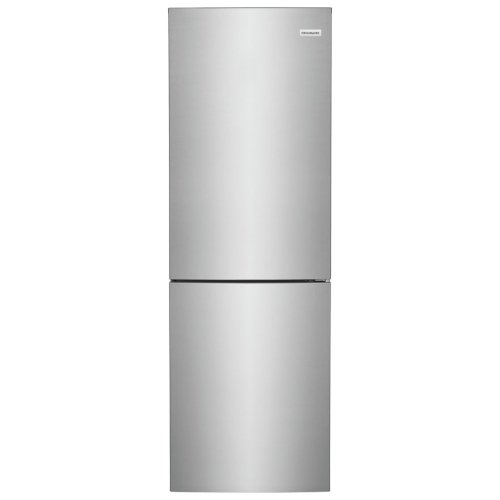

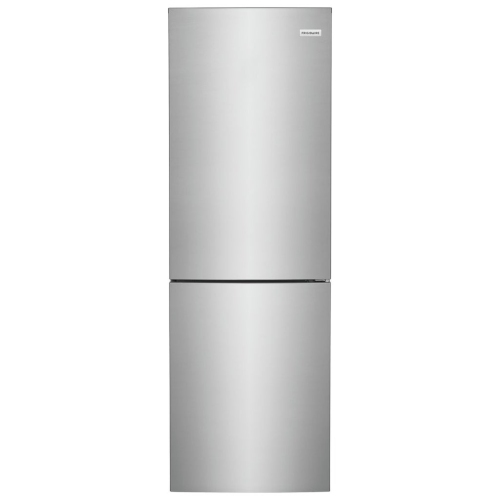


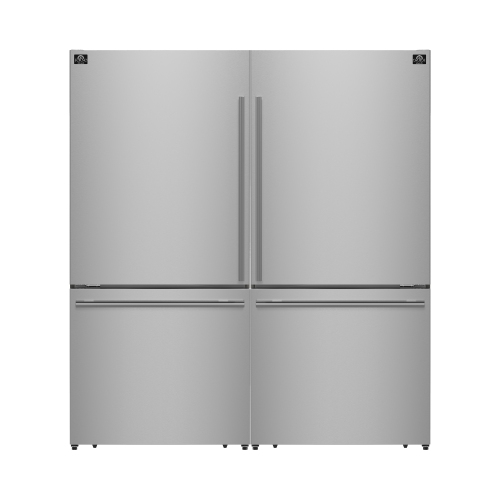
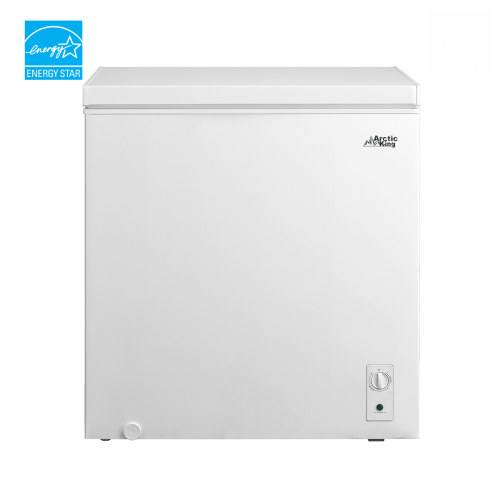
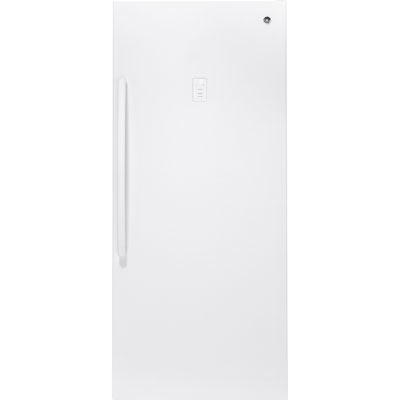
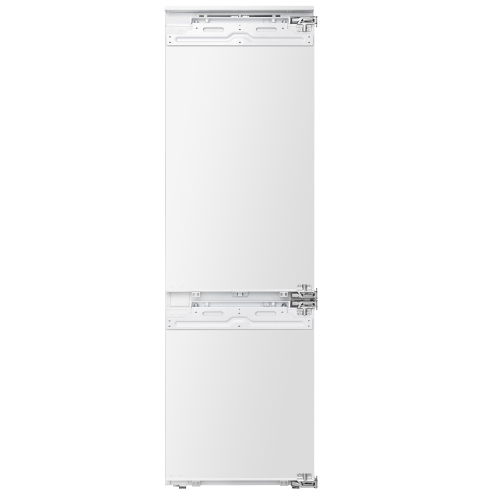
Fresh food up top with frozen storage below
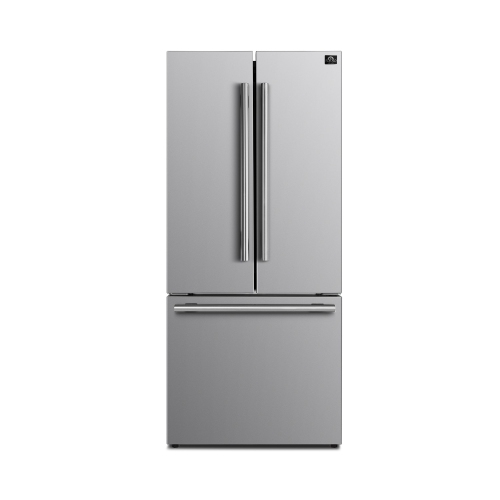
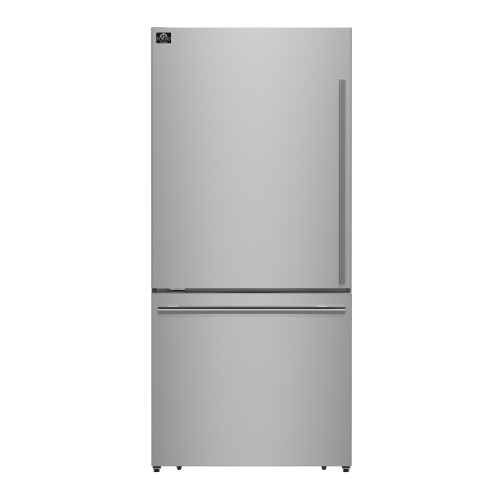
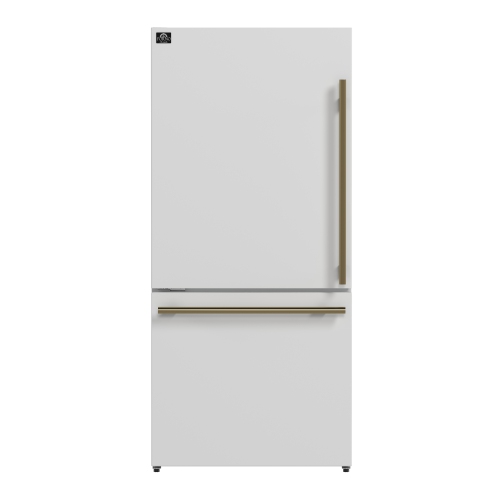
Freezer drawer refrigerators pair fresh-food storage with a pull-out compartment for frozen groceries, keeping everyday refrigerated ingredients higher up while making frozen food accessible from above. The most familiar designs are bottom-freezer refrigerators with a single refrigerator door and French-door refrigerators with two upper doors above a lower freezer drawer. Both layouts suit kitchens where milk, produce, leftovers, and lunch ingredients are reached for more often than frozen food. Opening the bottom drawer reveals baskets or bins rather than the fixed shelves found behind a conventional freezer door; many designs include a shallow upper tray that slides separately from the deeper storage below. This arrangement can keep small packages visible while leaving room underneath for larger containers. Multi-door designs add another possibility: a separate drawer between the refrigerator and freezer compartments. Depending on the appliance, that middle drawer may offer adjustable refrigerated settings or a wider range that includes freezing. An adjustable-temperature drawer is not necessarily a freezer, so its stated temperature range matters when choosing storage for frozen food. Compact undercounter drawer appliances offer a different format, fitting beneath a work surface rather than serving as a tall, full-size kitchen refrigerator. These can include refrigerator-only drawers, freezer-only drawers, or combinations of both, making it important to distinguish the compartment functions rather than relying on appearance alone. A refrigerator-and-freezer drawer combination can bring extra food storage to a kitchen island or preparation area, while a full-size bottom-freezer layout is better suited to holding the household’s main grocery shop. Families packing lunches, couples preparing meals ahead, and home cooks who freeze portions of soups or sauces can all benefit from the separation between frequently used fresh ingredients and longer-term frozen storage. For households that keep frozen groceries in a separate appliance, Freezerless Refrigerators offer a related option devoted entirely to refrigerated food. The distinction is useful: freezer drawer refrigerators combine both storage functions, while a freezerless design reserves its interior for fresh-food needs.
Fit involves more than matching the width of an opening between cabinets. Freezer drawer refrigerators need sufficient height, depth, ventilation clearance, and space in front for the drawer to extend comfortably. Full-size designs commonly fall within a 30-inch to 36-inch width range, while some undercounter drawer appliances fit openings around 24 inches wide; exact dimensions and installation requirements vary. Handles, hinges, water connections, and the required rear clearance can all affect how far an appliance projects into the kitchen. Counter-depth refrigerators generally sit closer to surrounding cabinetry than standard-depth designs, but they are not necessarily flush with it, and the doors or handles may still extend beyond the counter edge. Standard-depth configurations may provide more interior room, which can be useful for a household that shops less frequently or stores large serving dishes. Total capacity, usually expressed in cubic feet, is only part of the picture. The share assigned to the freezer, the shape of its baskets, and the space taken up by an ice maker influence how much frozen food fits comfortably. A drawer that accommodates flat pizza boxes may organize groceries differently from one with tall, narrow sections suited to upright bags. Nearby islands, opposite cabinet handles, and kitchen seating also affect everyday use: there needs to be room to stand at the open drawer and lift a container without squeezing sideways. Upper refrigerator doors require clearance too, particularly where a wall could prevent them from opening far enough to remove shelves or produce bins. The delivery route through entrances, hallways, and stairways deserves the same attention as the final opening. Built-in undercounter appliances have their own ventilation requirements, and a freestanding design should not be enclosed unless its installation instructions permit it. Finishes such as stainless steel, black stainless steel, white, or panel-ready fronts create different visual effects, where offered. Panel-ready designs require compatible cabinetry panels and hardware, while a fingerprint-resistant finish may help reduce visible handling marks in a busy kitchen.
Inside a freezer drawer refrigerator, organization and construction shape the experience as much as exterior styling. Deep lower baskets work well for larger frozen packages, while shallow upper trays can separate breakfast foods, small containers, or portions intended for the next few meals. Adjustable dividers help prevent bags from collapsing into a single pile, and removable bins make it easier to group similar foods together. A household that freezes homemade meals may value broad, flat storage space; one that keeps an assortment of smaller packages may find several divided sections more practical. Transparent bins offer a clearer view of their contents, while wire baskets leave openings around stored food but may allow small loose pieces or crumbs to fall through. Glass refrigerator shelves are easy to wipe, though trim and shelf edges still need attention after spills. Drawer rails, basket supports, handles, and door seals all contribute to durability under repeated use. Smooth travel is especially useful when the freezer is loaded, but storage should remain within the stated load limits so that baskets and slides are not strained. A low freezer compartment still requires bending or crouching to reach its deepest section, an important consideration for anyone with limited mobility even though the upper refrigerator compartment reduces bending for fresh-food access. Interior lighting can make labels easier to read, and door alarms can help flag a compartment left ajar. Automatic defrost is common in full-size designs, while ice makers and water dispensers add convenience with additional cleaning, filter, and connection requirements where fitted. Routine care centres on wiping spills promptly, cleaning removable storage pieces as directed, and keeping drawer seals free of crumbs that could interfere with closure. Food packages should sit below the basket edges and clear of moving trays, with vents unobstructed to support airflow. Labels and dates on frozen portions make deeper storage easier to manage without prolonged searching. With a suitable compartment layout, comfortable opening clearance, and materials that match the household’s cleaning habits, freezer drawer refrigerators can keep everyday groceries organized without letting less frequently used frozen food disappear from view.
Top selling and popular products
-
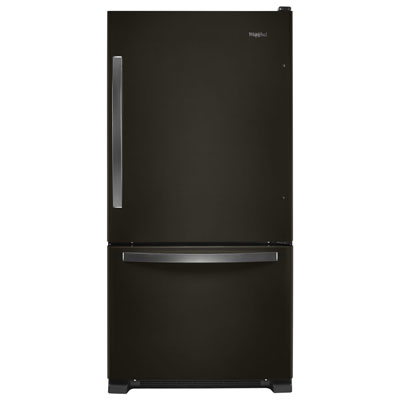 Your price for this item is $2299.99
-
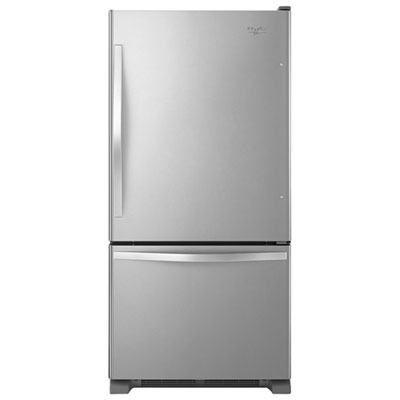 Your price for this item is $2199.99
-
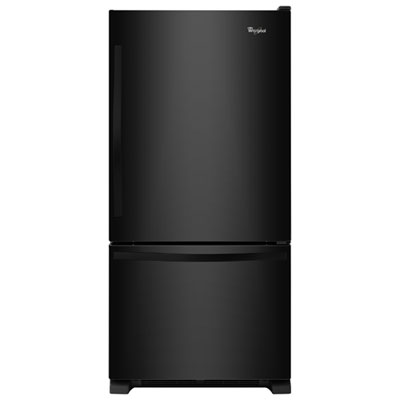 Your price for this item is $2149.99
-
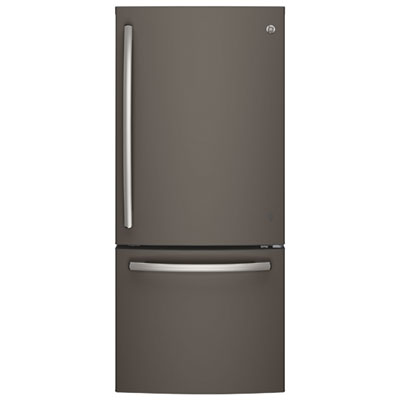 Your price for this item is $1399.99
-
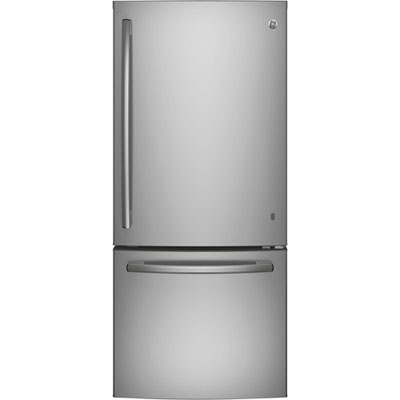 Your price for this item is $1399.99
-
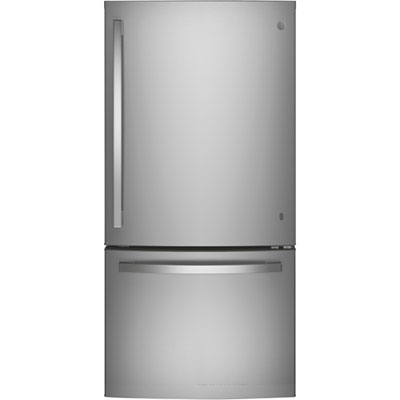 Your price for this item is $1599.99
-
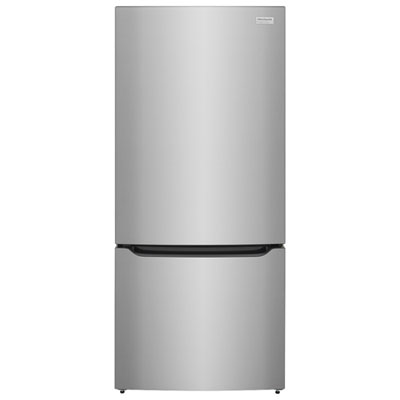 Your price for this item is $1699.99
-
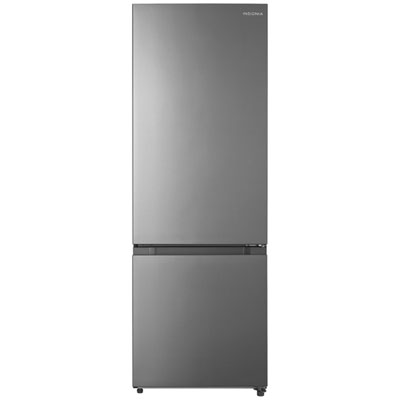 Your price for this item is $549.99
Discover more categories related to Freezer Drawer Refrigerators
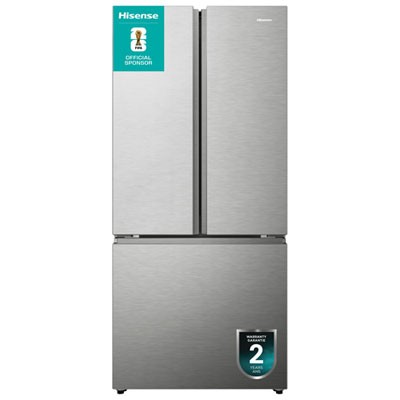
Top Collections:
Pokemon Centers, Kindle Devices, Best Budget Office Chairs, Canon G7X Cameras, Apple iPhones 16, Samsung Galaxy Phones, Refurbished Apple Laptops, Laptops for Students, iPhone 15 Apple, Budget Smartphones
Some products may be subject to Environmental Handling Fees
(EHF) depending on your province.
Learn more about EHFs.