Vacuum Cleaners for Tile Floors
If you have a lot of tile in your home, you know that vacuuming it can be a challenge. The good news is that there are now vacuum cleaners designed to clean tile floors efficiently and effectively. Here are some of our favorites.
Sort
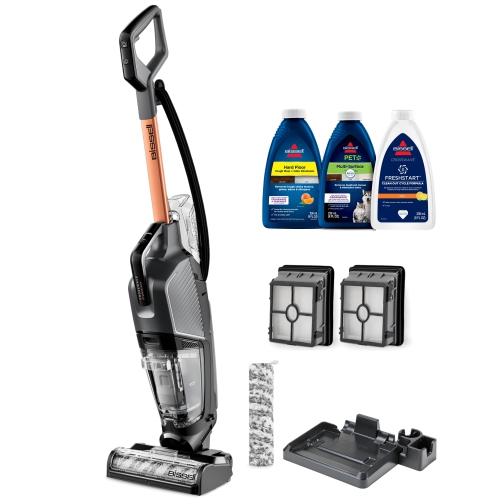
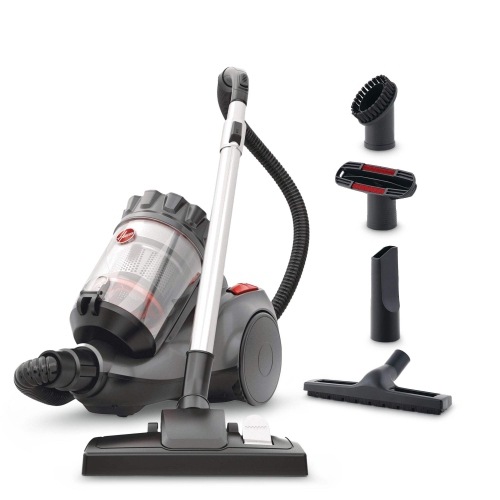
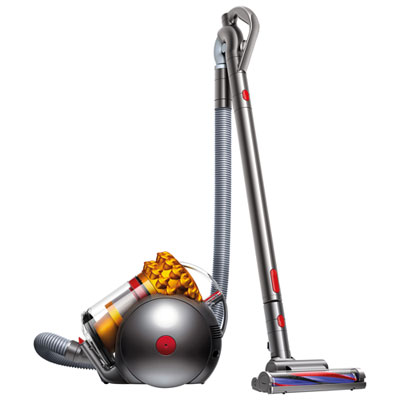
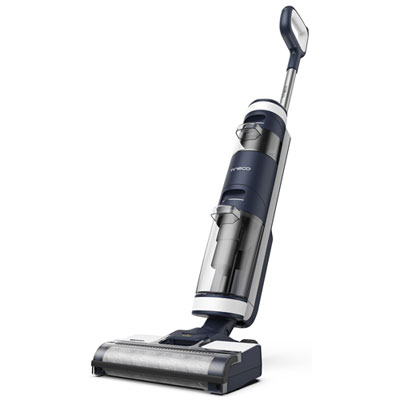
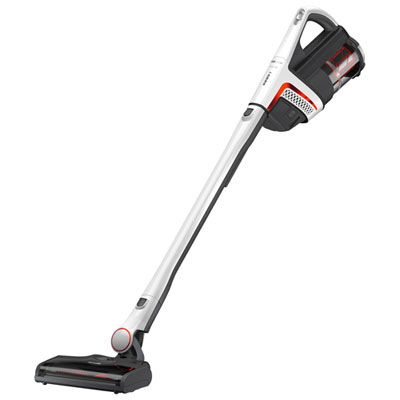
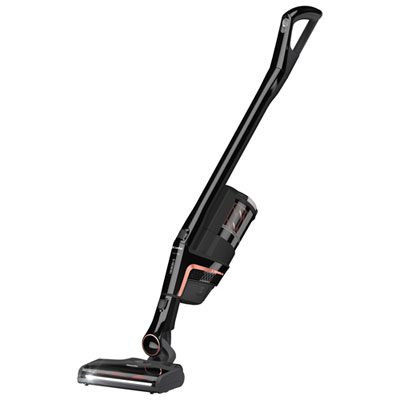
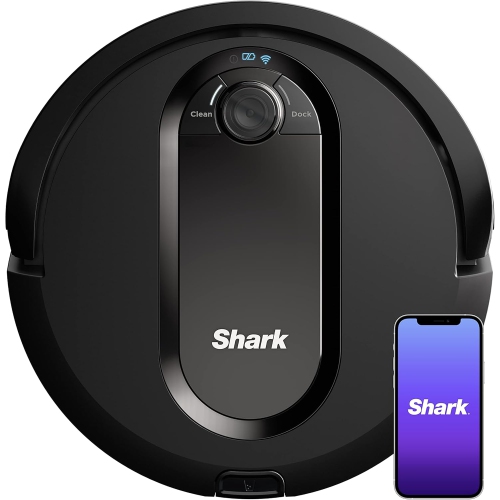
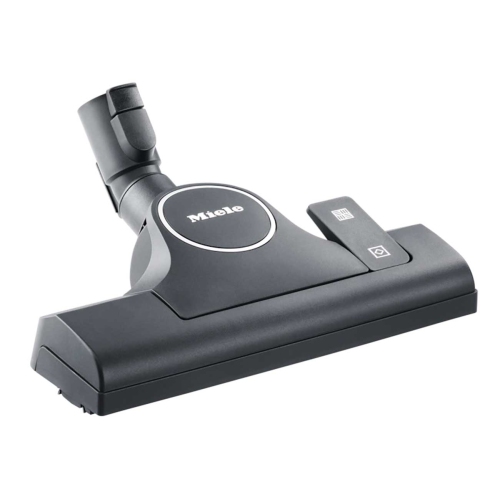
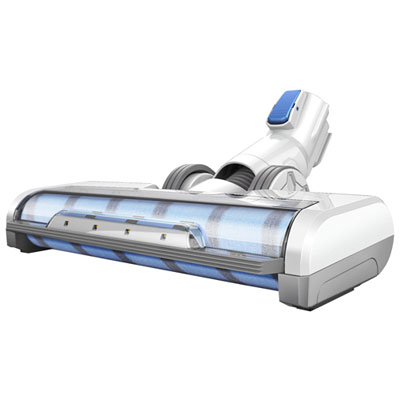
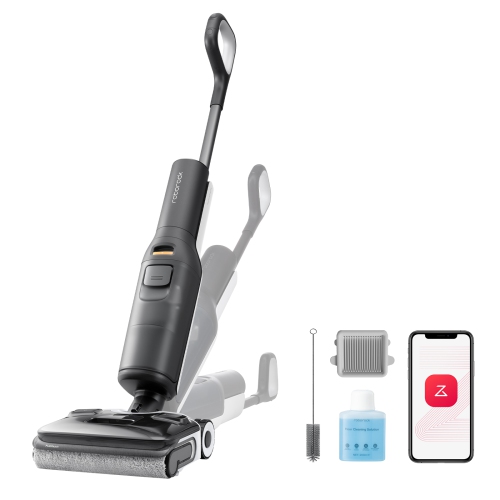
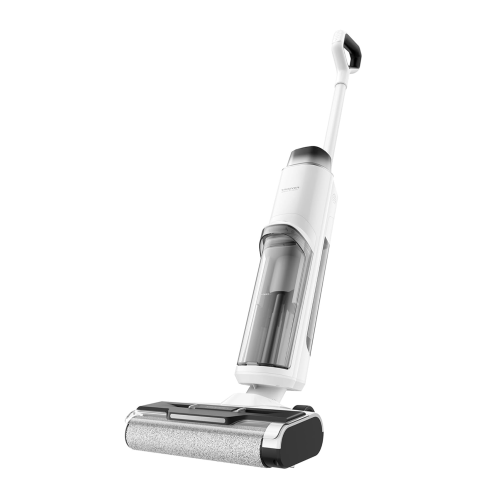
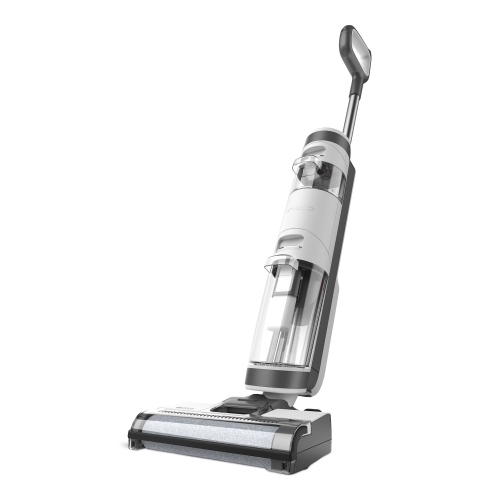
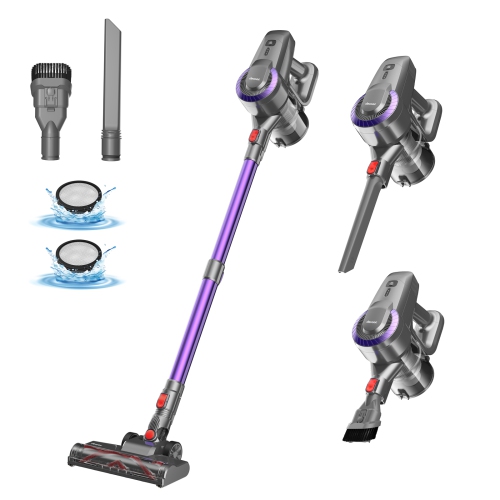
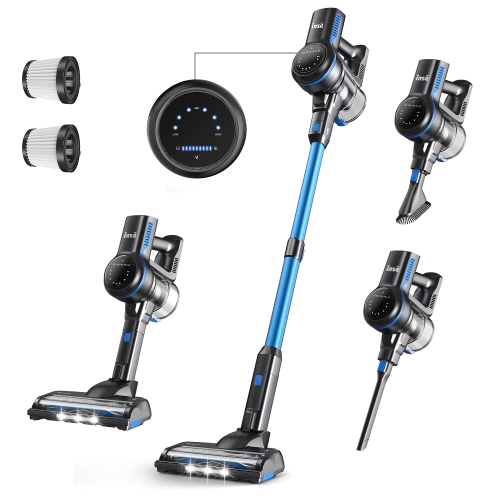
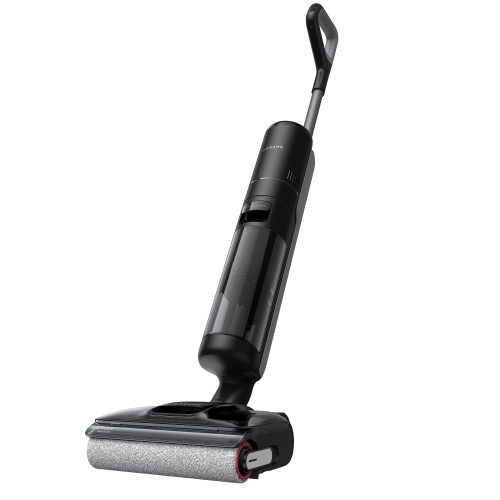
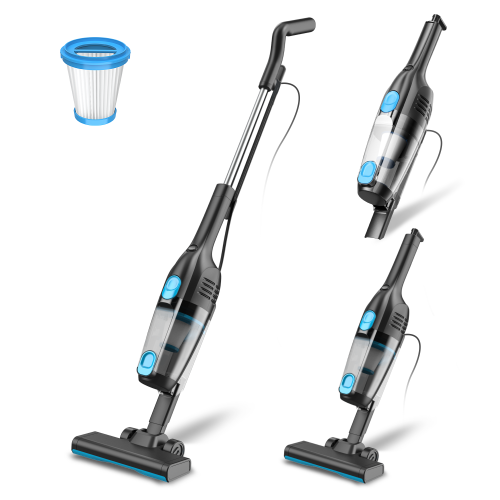
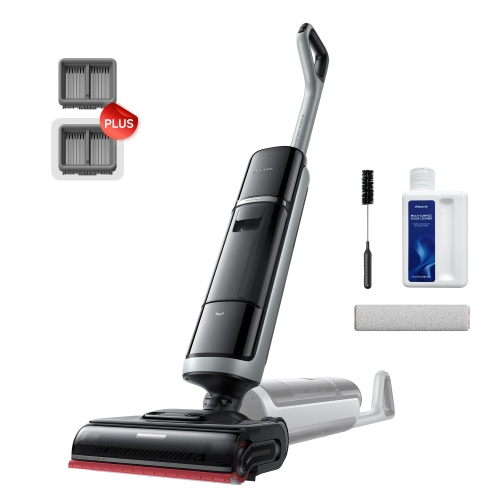
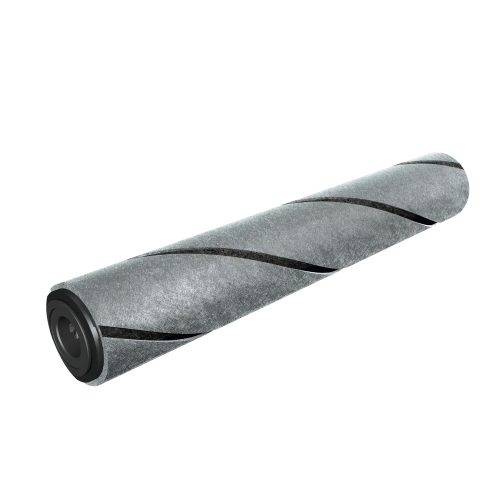
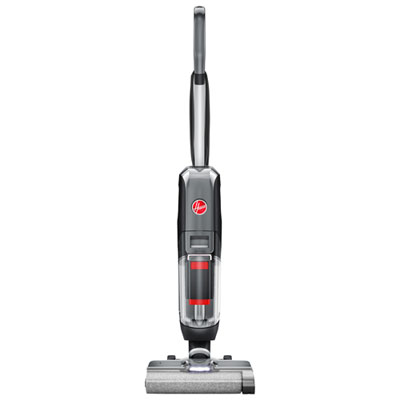
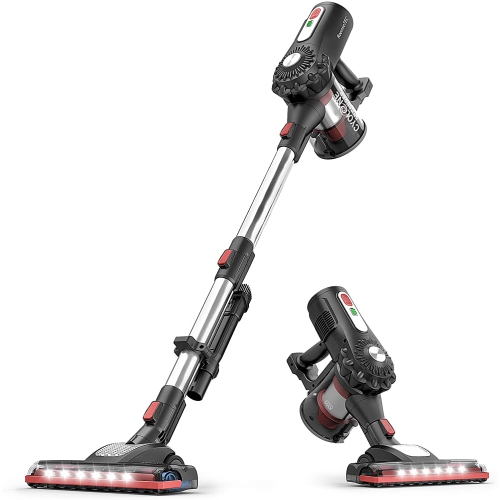
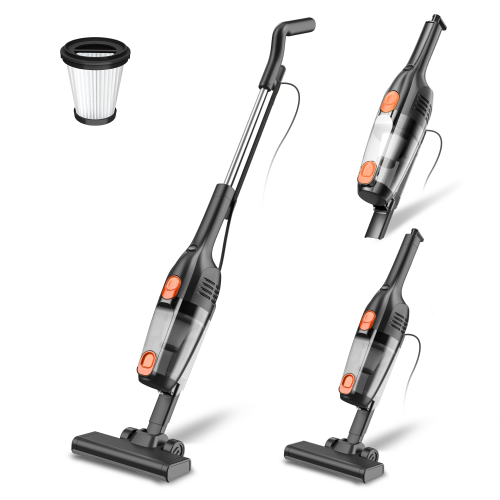
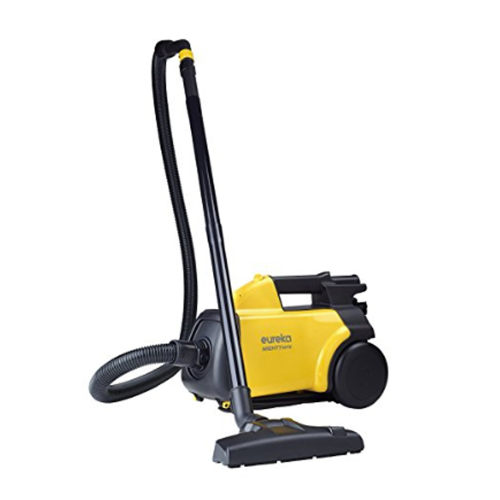
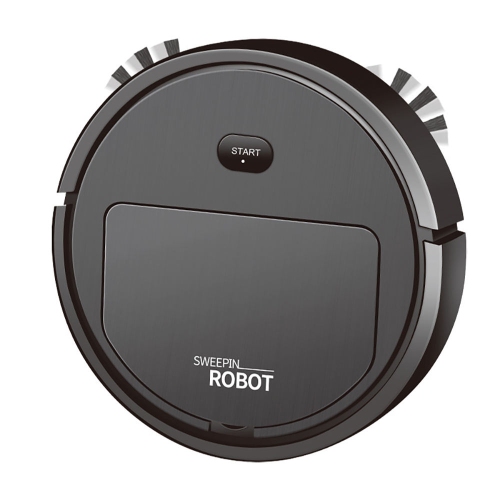
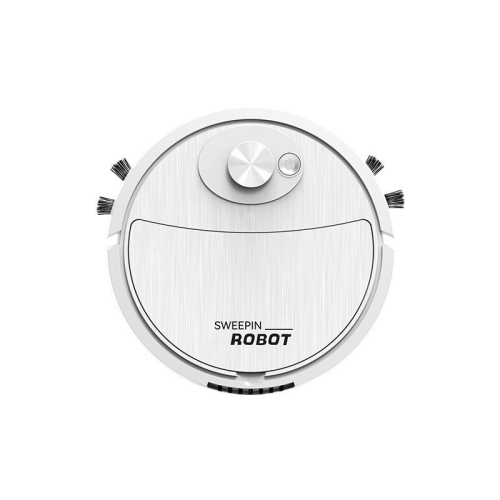
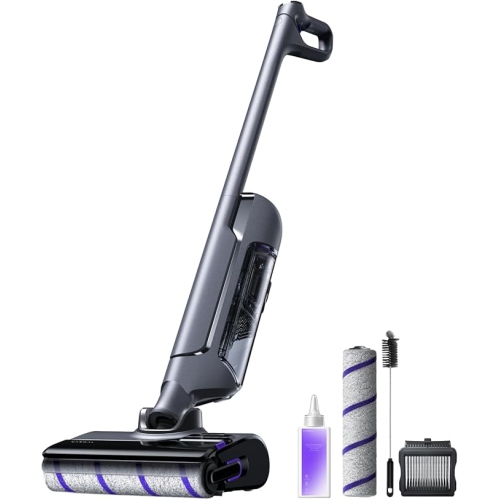

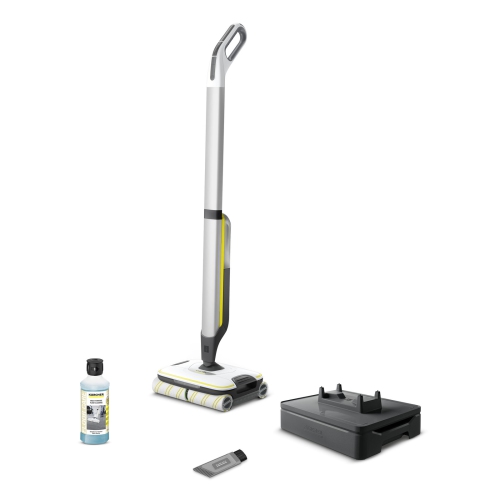
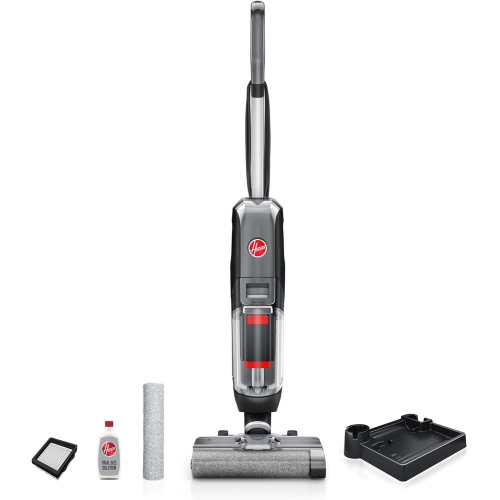
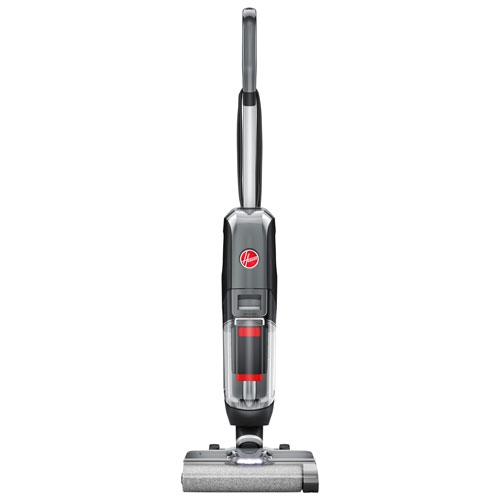
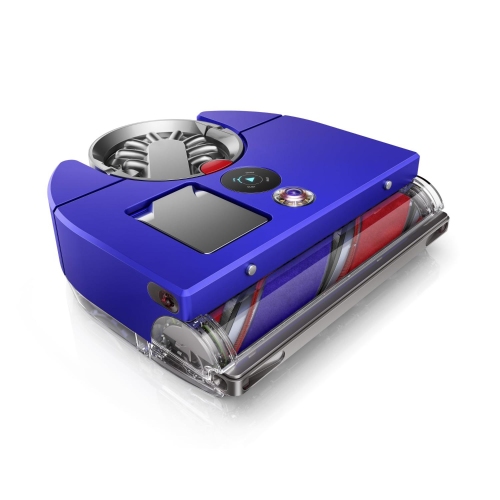
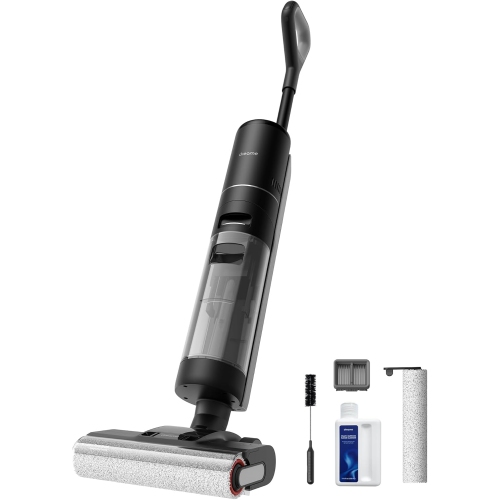
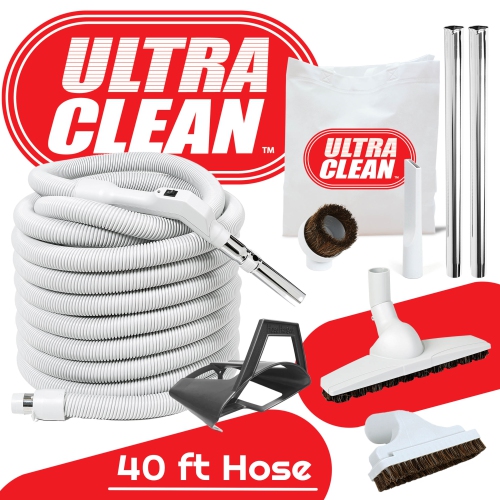
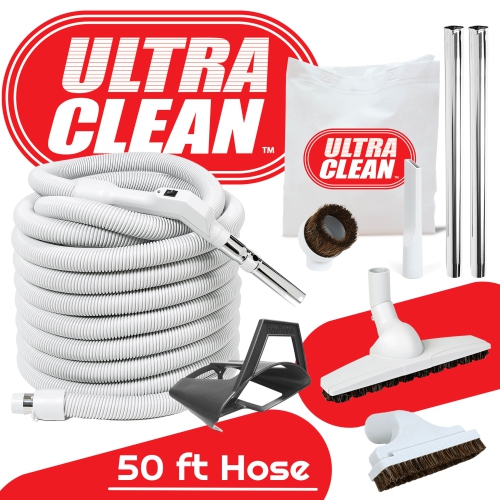
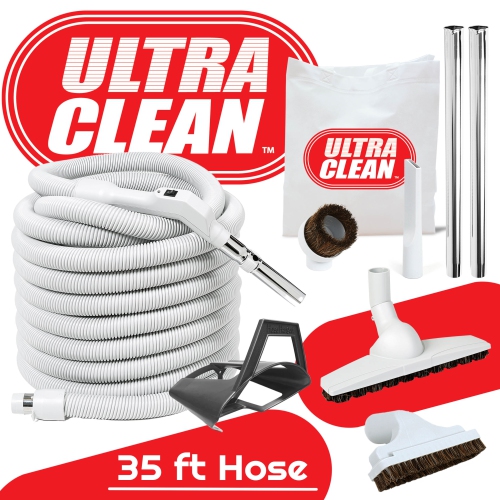
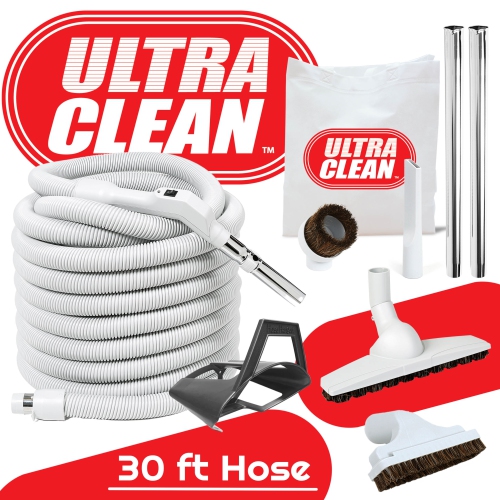
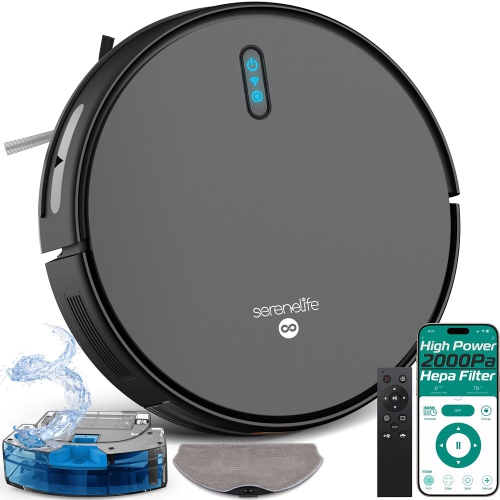
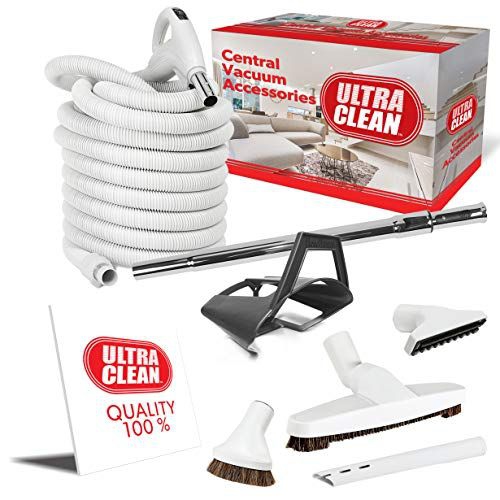
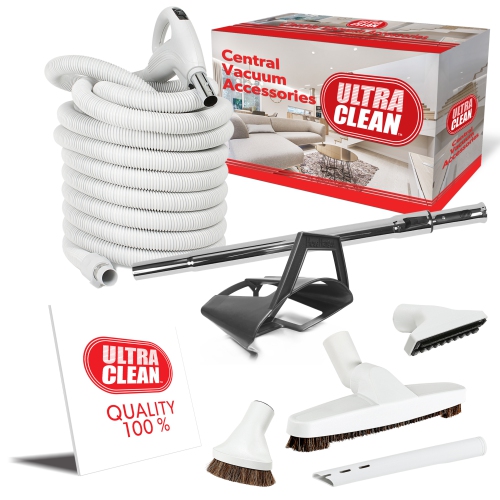
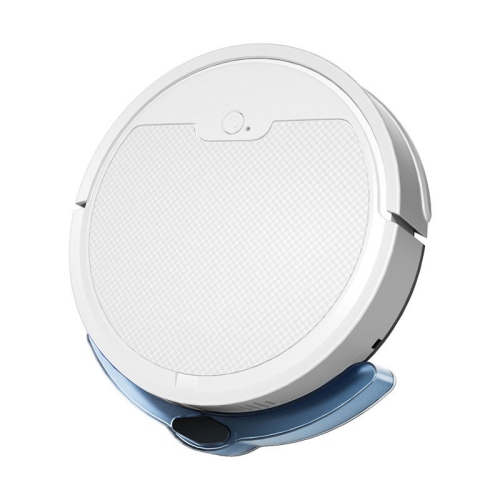
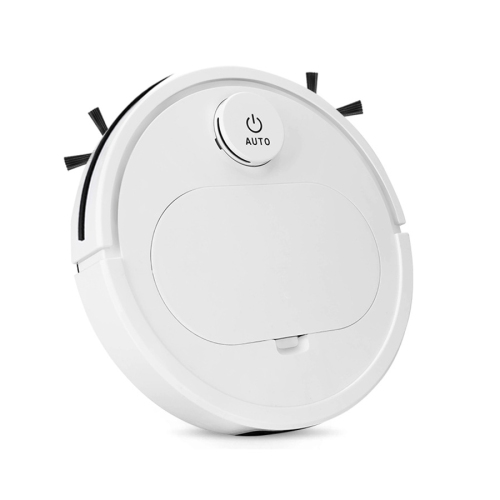
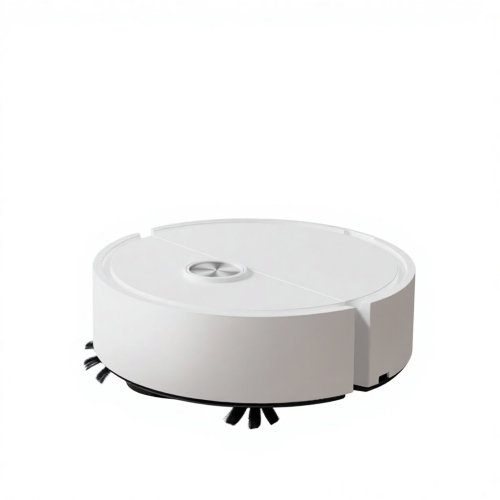
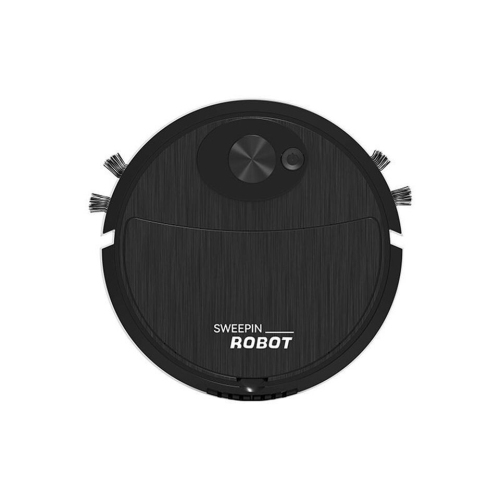
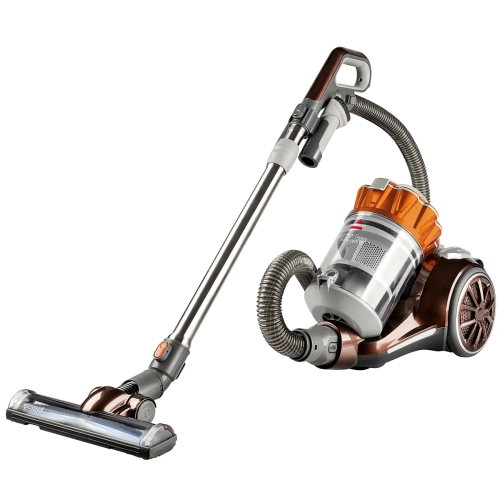
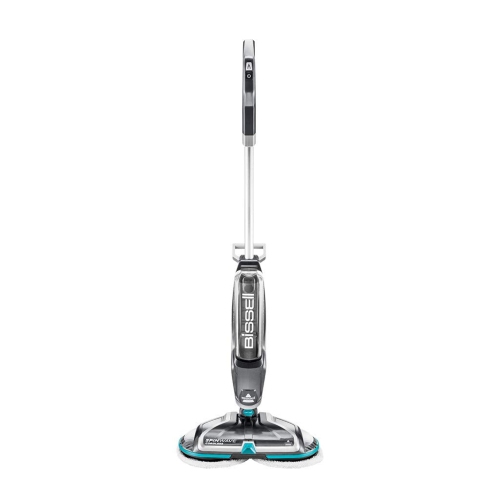
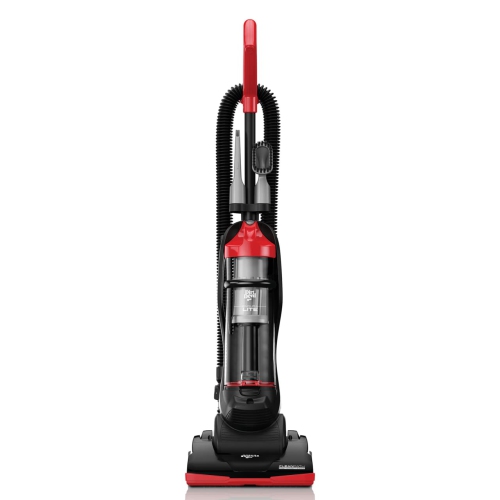
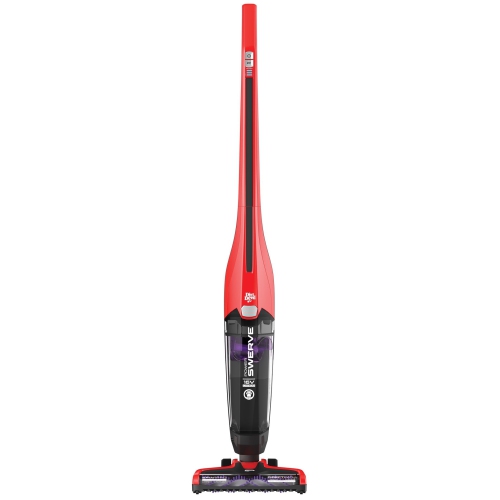
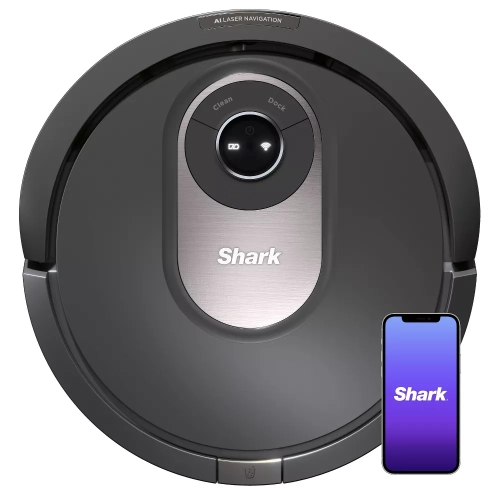
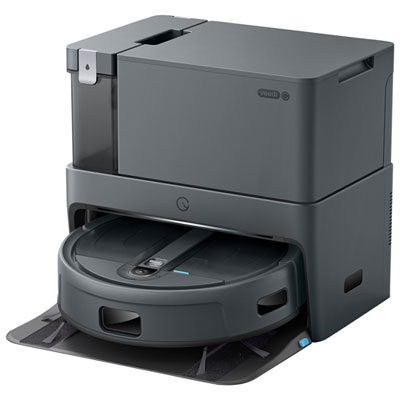
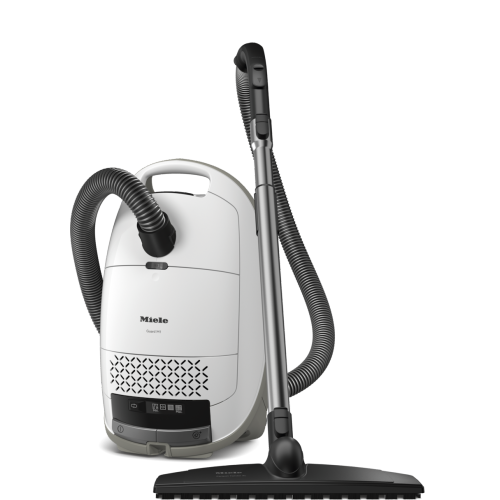
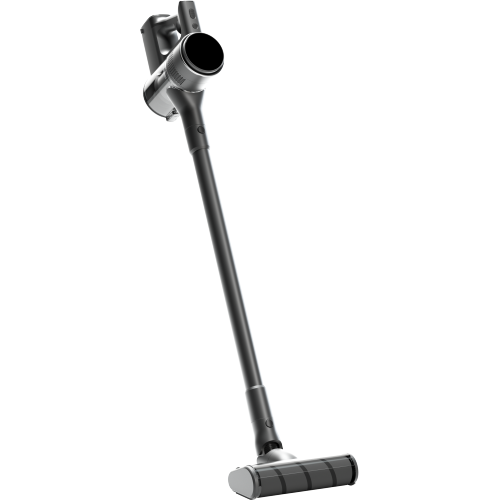
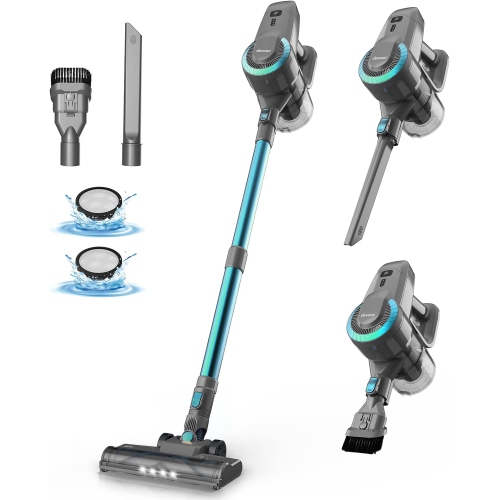
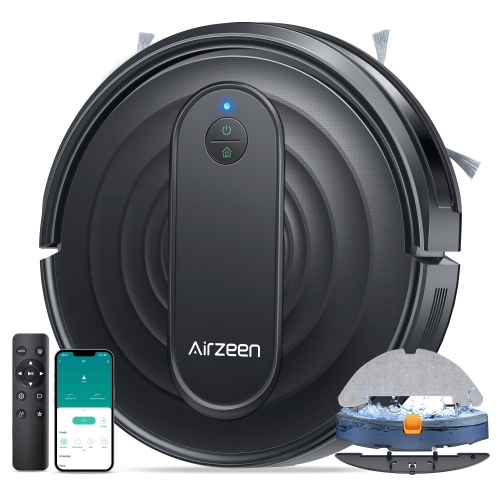
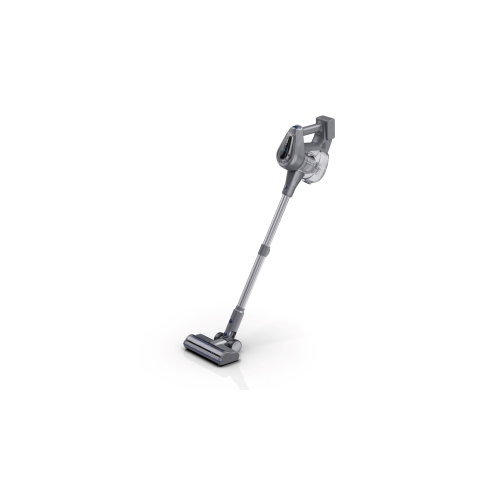
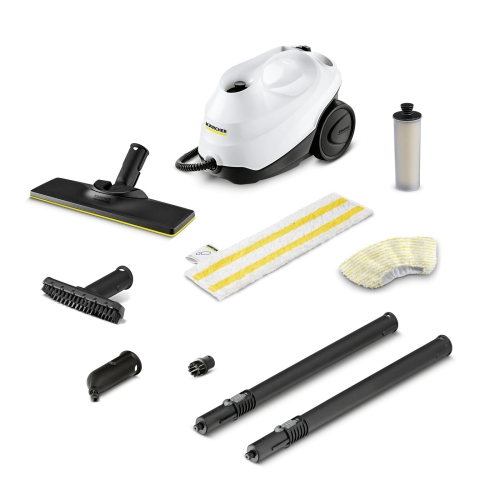
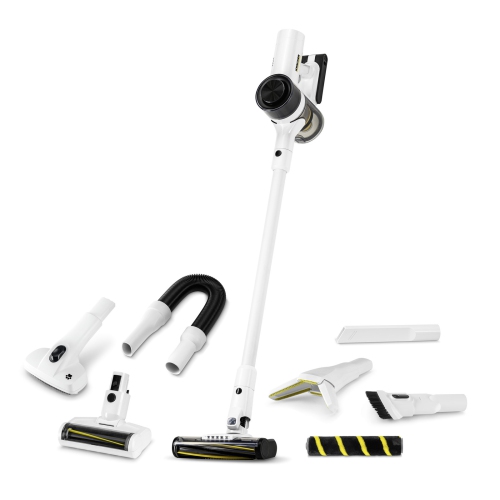
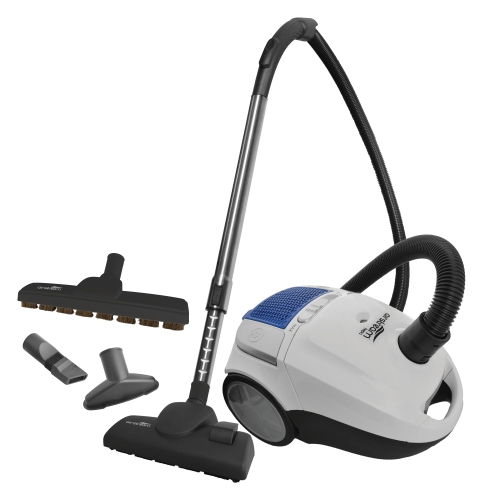
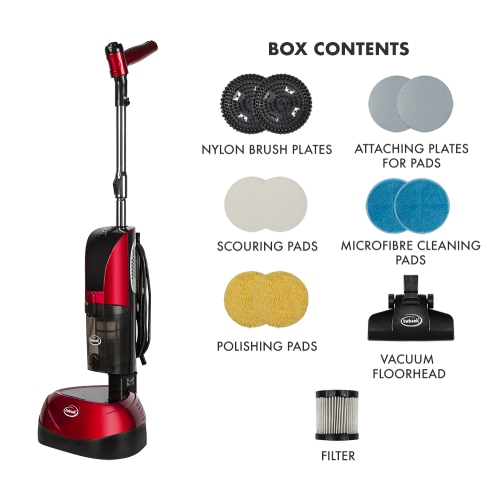
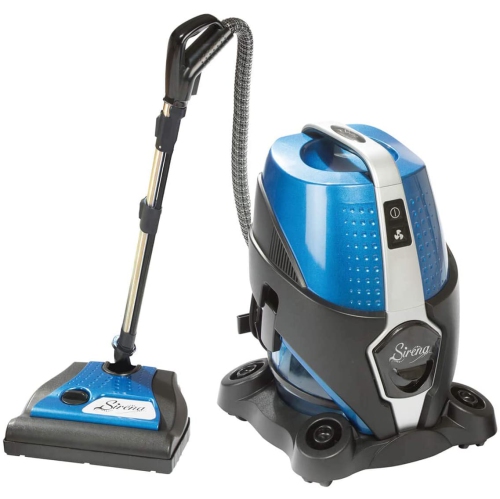
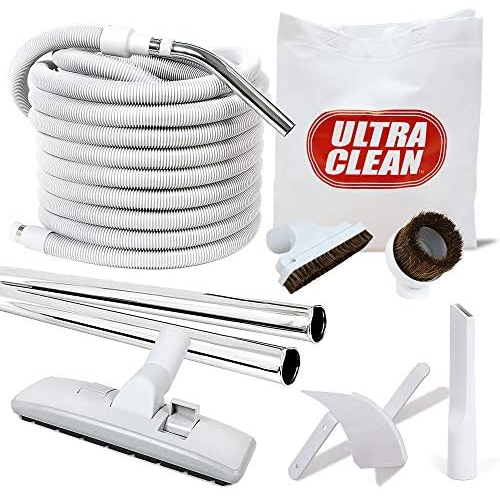
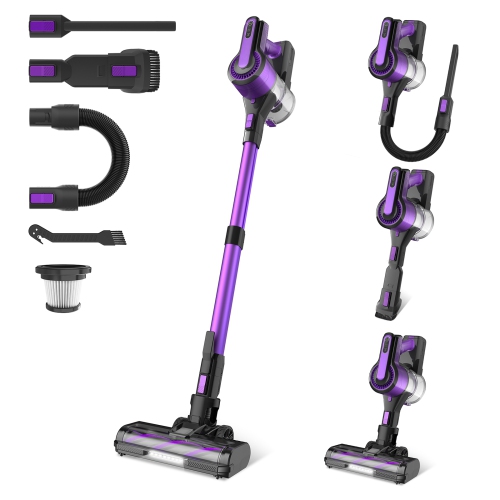
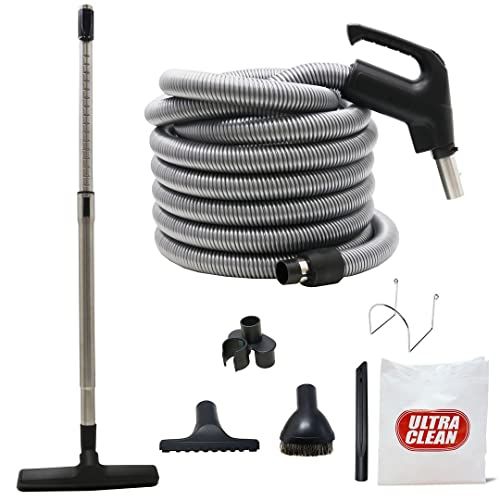
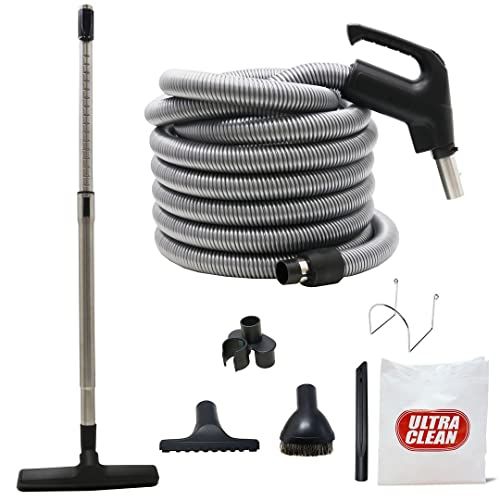
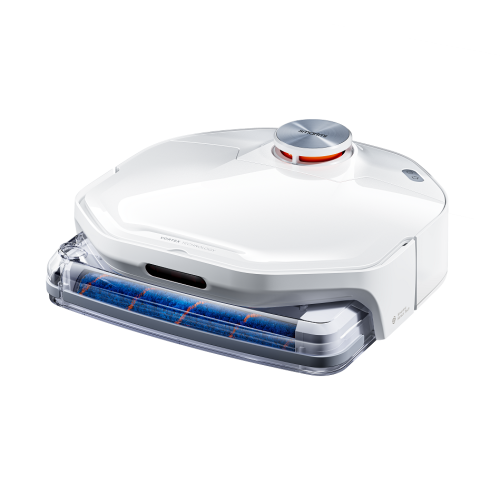
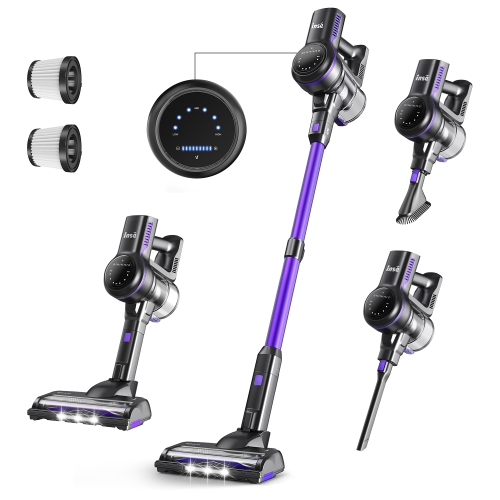
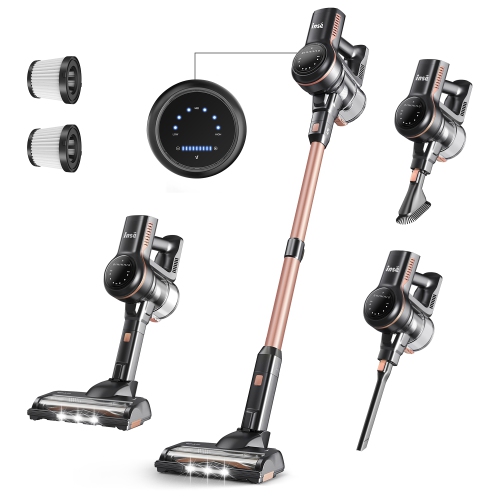
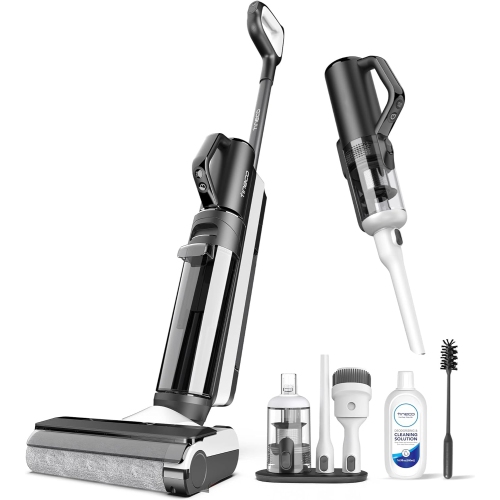
Soft floor heads help capture fine debris without scattering
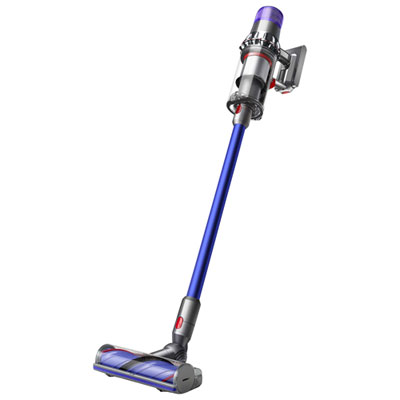
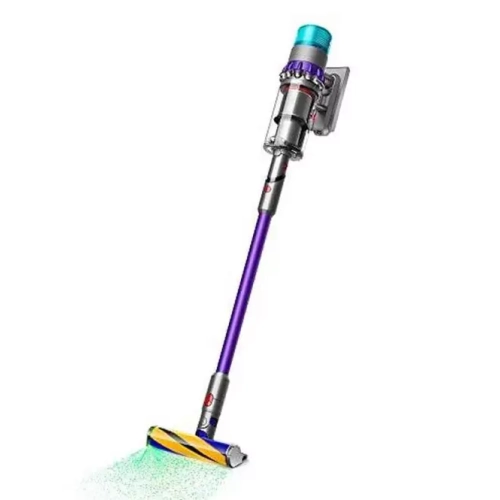
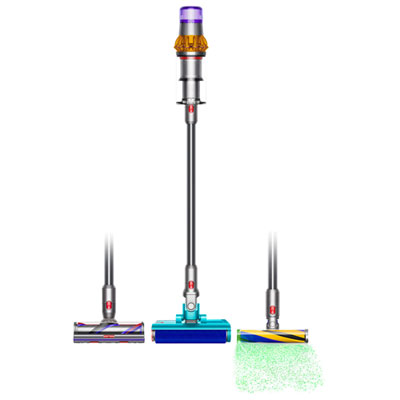
Vacuum cleaners for tile floors are designed to lift everyday dust, crumbs, pet hair, tracked-in grit and other debris from smooth hard surfaces without relying on a traditional broom and dustpan. Tile can look clean while fine particles collect along grout lines, under cabinets and around the edges of a room, so a vacuum with focused suction and a floor head made for hard surfaces can make regular cleaning more thorough. Soft roller heads and gentle brush rolls are especially useful on ceramic, porcelain and other smooth tile because they help gather fine dust instead of scattering it across the floor. They can also move over glossy surfaces with less risk of leaving visible marks than stiff bristles. Look for a model with adjustable suction or a hard-floor setting if your home includes area rugs, delicate surfaces or different flooring types. Strong suction is helpful for drawing dirt from recessed grout channels, while a well-sealed design and efficient filtration can help capture the fine particles that become airborne during sweeping. Edge-cleaning features are useful in kitchens, hallways and bathrooms, where debris tends to collect at the meeting point between the floor and the wall. A slim floor head, swivel steering and a low-profile body can make it easier to clean beneath sofas, beds, dining tables and lower cabinets, while LED headlights or dust-visibility features may reveal particles that are difficult to see under ordinary room lighting.
The best style for your home depends on the size of the space, the kind of messes you encounter and how often you like to clean. Cordless stick vacuums are convenient for quick passes through the kitchen after cooking, picking up crumbs around a dining area or dealing with tracked-in grit near an entryway. Their lighter form and lack of a power cord make them easy to carry between floors, although battery runtime, charging time and the capacity of the dust bin are important considerations for larger homes. Corded stick or canister vacuums provide continuous cleaning power and can be a practical choice when you want to clean several rooms without stopping to recharge. Upright designs may offer a larger dust capacity and a comfortable standing position, while handheld or convertible models are handy for stairs, baseboards, upholstery and other small areas. Homes with pets may benefit from strong suction, a tangle-resistant brush roll and attachments that can collect hair without pushing it into corners. If your tile floors often have dried spills, splashes or sticky kitchen residue, a wet/dry vacuum and mop can combine two steps in one pass. These models typically use separate clean- and dirty-water tanks, helping you apply fresh cleaning solution while collecting used water and loose debris. They are suited to sealed hard floors, but always follow the flooring manufacturer’s care instructions and the vacuum’s recommended solution guidelines. For hands-off cleaning between deeper sessions, consider Robotic Vacuums for Tile, particularly if you want scheduled maintenance in open areas with clear paths.
When comparing vacuum cleaners for tile floors, pay attention to the details that shape everyday comfort as much as headline suction power. A washable filter can simplify routine maintenance, while a removable brush roll and accessible dust bin make it easier to clear hair and debris before they affect performance. Check the noise level if you clean early in the morning, work from home or share your space with children and pets. A long hose, crevice tool, soft dusting brush and upholstery attachment can extend the vacuum’s usefulness beyond tile, helping you clean grout edges, vents, baseboards, furniture and car interiors. Consider the weight in both floor-cleaning and handheld configurations, especially if the vacuum will be stored upstairs or used on steps. Storage also matters: wall mounts, compact charging docks and folding handles can help keep the machine ready without taking over a closet. During the cooler months, tile floors often collect more grit from boots, damp footwear and indoor activity, making a vacuum that is quick to access particularly useful near entrances and high-traffic rooms. A dependable floor-care appliance can also make a thoughtful gift for someone moving into a new home, welcoming a pet or updating an older cleaning routine. For the best results, clear larger objects before vacuuming, use slow overlapping passes, and give grout lines extra attention rather than rushing across the surface. Empty the dust bin before it becomes packed, rinse or replace filters as directed, and clean the roller regularly. With the right combination of soft floor contact, dependable suction, practical attachments and easy maintenance, a vacuum cleaner for tile floors can help keep smooth surfaces looking neat while reducing the time and effort required for everyday cleaning.
The best style for your home depends on the size of the space, the kind of messes you encounter and how often you like to clean. Cordless stick vacuums are convenient for quick passes through the kitchen after cooking, picking up crumbs around a dining area or dealing with tracked-in grit near an entryway. Their lighter form and lack of a power cord make them easy to carry between floors, although battery runtime, charging time and the capacity of the dust bin are important considerations for larger homes. Corded stick or canister vacuums provide continuous cleaning power and can be a practical choice when you want to clean several rooms without stopping to recharge. Upright designs may offer a larger dust capacity and a comfortable standing position, while handheld or convertible models are handy for stairs, baseboards, upholstery and other small areas. Homes with pets may benefit from strong suction, a tangle-resistant brush roll and attachments that can collect hair without pushing it into corners. If your tile floors often have dried spills, splashes or sticky kitchen residue, a wet/dry vacuum and mop can combine two steps in one pass. These models typically use separate clean- and dirty-water tanks, helping you apply fresh cleaning solution while collecting used water and loose debris. They are suited to sealed hard floors, but always follow the flooring manufacturer’s care instructions and the vacuum’s recommended solution guidelines. For hands-off cleaning between deeper sessions, consider Robotic Vacuums for Tile, particularly if you want scheduled maintenance in open areas with clear paths.
When comparing vacuum cleaners for tile floors, pay attention to the details that shape everyday comfort as much as headline suction power. A washable filter can simplify routine maintenance, while a removable brush roll and accessible dust bin make it easier to clear hair and debris before they affect performance. Check the noise level if you clean early in the morning, work from home or share your space with children and pets. A long hose, crevice tool, soft dusting brush and upholstery attachment can extend the vacuum’s usefulness beyond tile, helping you clean grout edges, vents, baseboards, furniture and car interiors. Consider the weight in both floor-cleaning and handheld configurations, especially if the vacuum will be stored upstairs or used on steps. Storage also matters: wall mounts, compact charging docks and folding handles can help keep the machine ready without taking over a closet. During the cooler months, tile floors often collect more grit from boots, damp footwear and indoor activity, making a vacuum that is quick to access particularly useful near entrances and high-traffic rooms. A dependable floor-care appliance can also make a thoughtful gift for someone moving into a new home, welcoming a pet or updating an older cleaning routine. For the best results, clear larger objects before vacuuming, use slow overlapping passes, and give grout lines extra attention rather than rushing across the surface. Empty the dust bin before it becomes packed, rinse or replace filters as directed, and clean the roller regularly. With the right combination of soft floor contact, dependable suction, practical attachments and easy maintenance, a vacuum cleaner for tile floors can help keep smooth surfaces looking neat while reducing the time and effort required for everyday cleaning.
Top selling and popular products
-
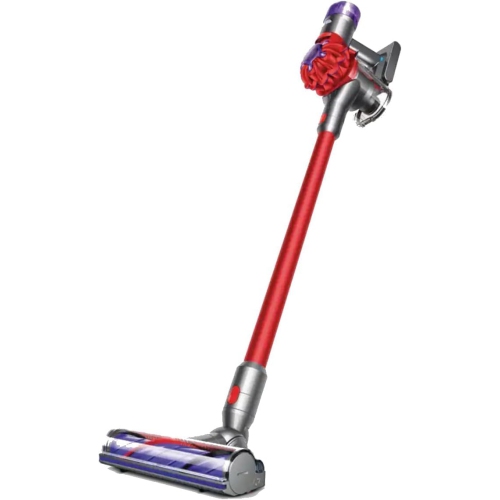 Your price for this item is $499
 -
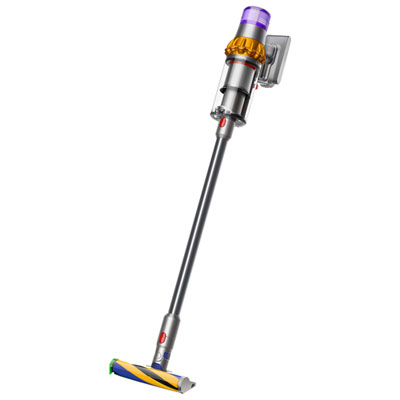 Your price for this item is $999.99
 -
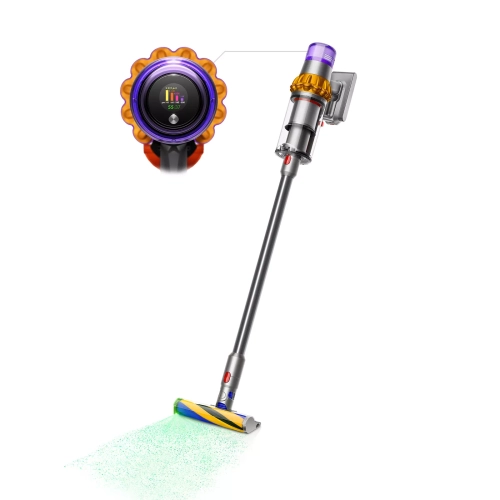 Your price for this item is $1299
 -
 Your price for this item is $799.99
 -
 Your price for this item is $1399.97
 -
 Your price for this item is $408
 -
 Your price for this item is $1299.99
 -
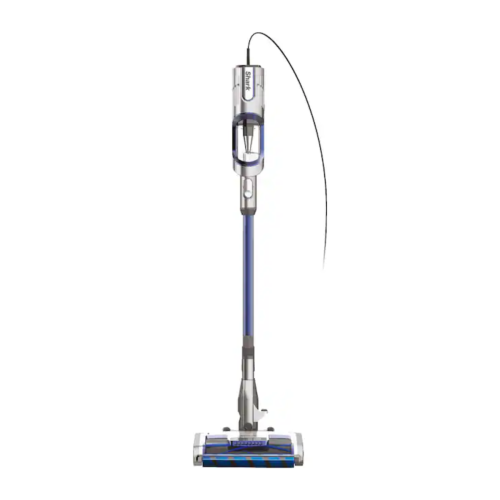 Your price for this item is $399.99
Discover more categories related to Vacuum Cleaners for Tile Floors
Top Collections:
Pokemon Centers, Kindle Devices, Best Budget Office Chairs, Apple iPhones 16, Best Laptops for Writers, iPhone 15 Apple, Canon G7X Cameras, Refurbished Apple Laptops, Alarm Clock, Motorola Razr Phones
Some products may be subject to Environmental Handling Fees
(EHF) depending on your province.
Learn more about EHFs.