Robot Vacuums for Tiles
A robot vacuum for your floor is a great way to keep your home clean without spending hours manually cleaning. These robots are designed to clean up messes automatically, and they can be set to clean up after specific periods of time. They're also designed to clean hard floors, such as tile or wood, as well as carpeting. Here are some of our favorites.
Sort
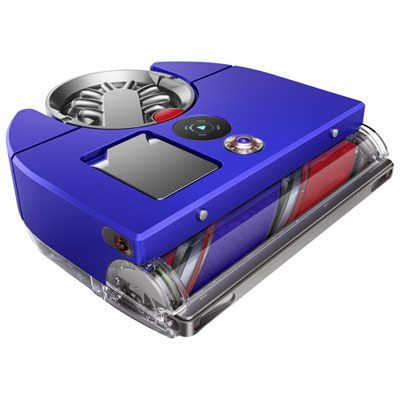
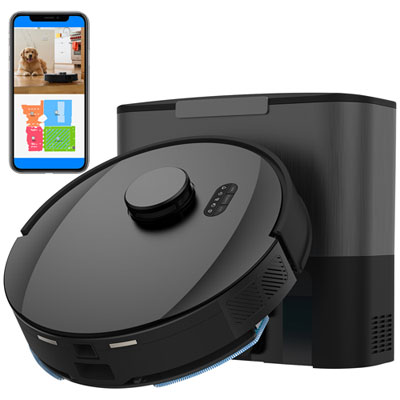
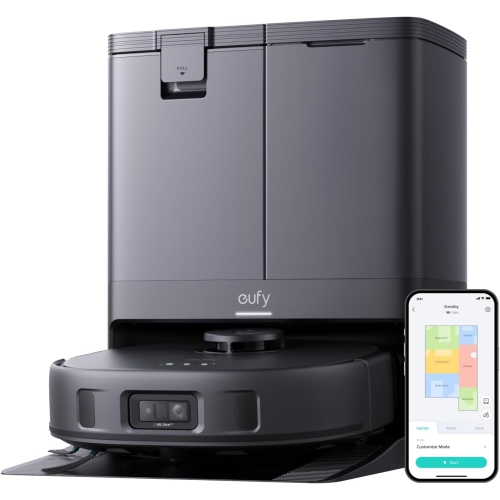
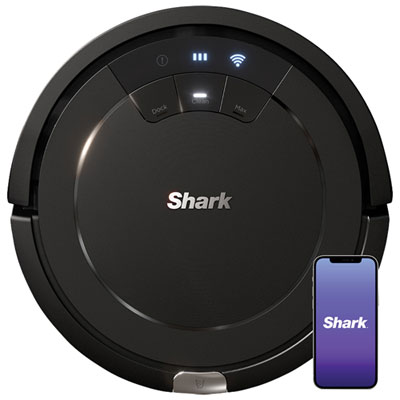
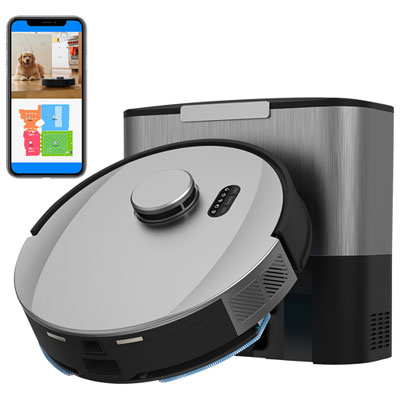
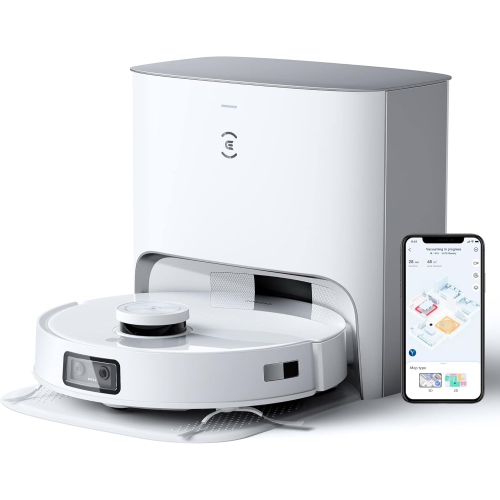
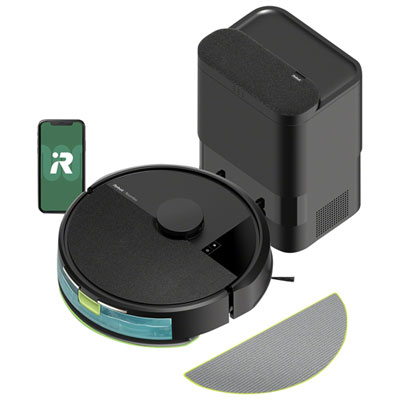
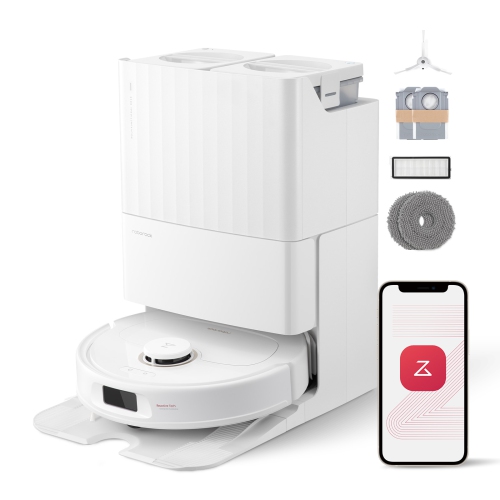
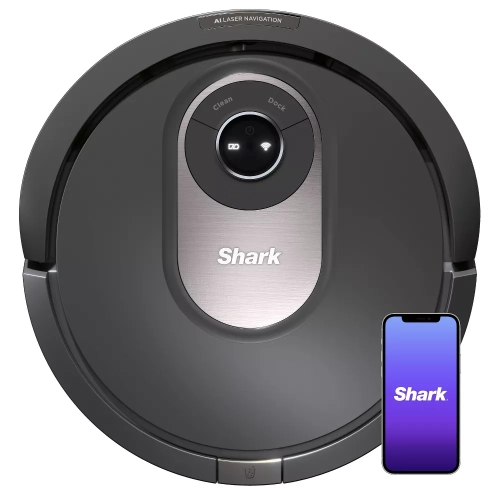


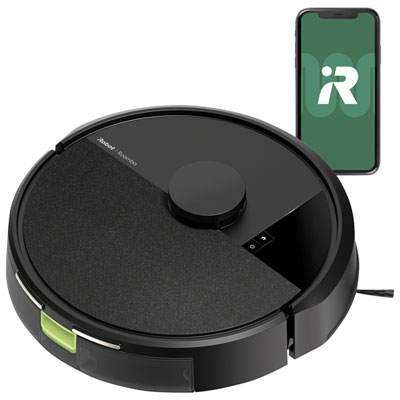
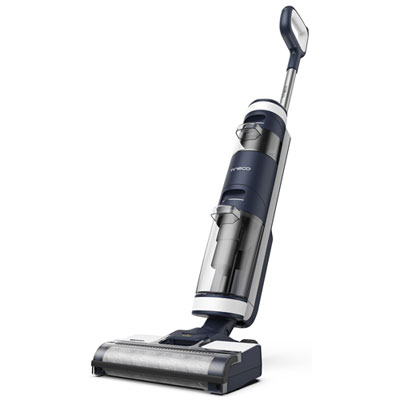
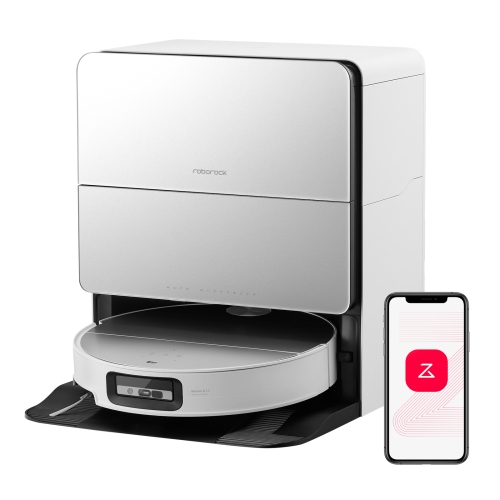
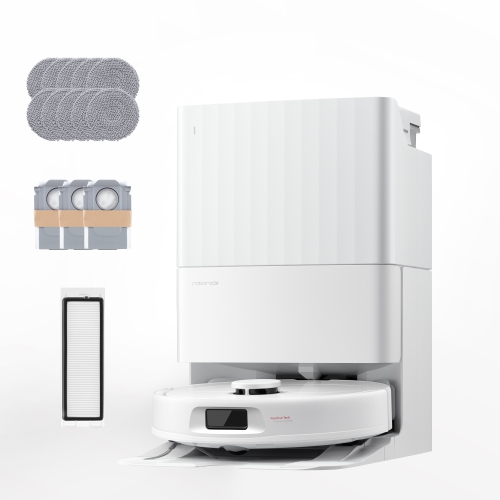
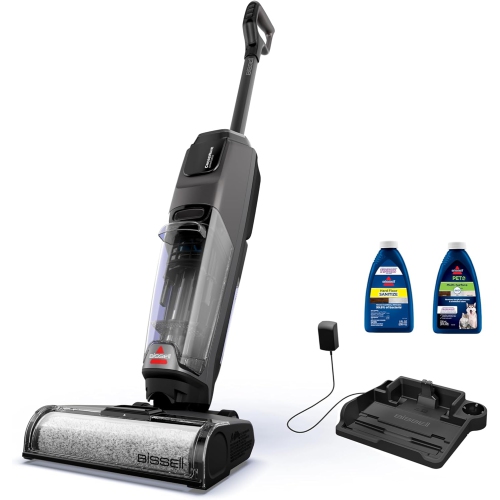
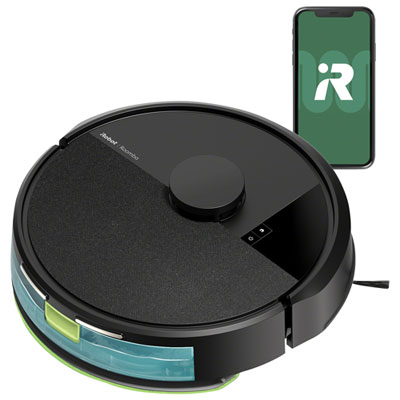
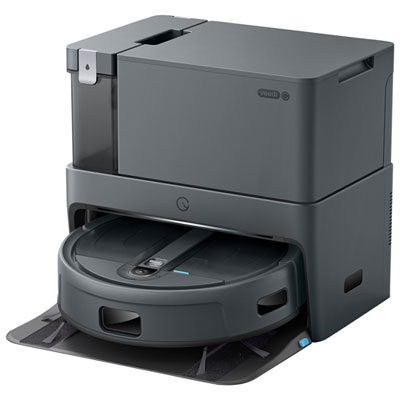

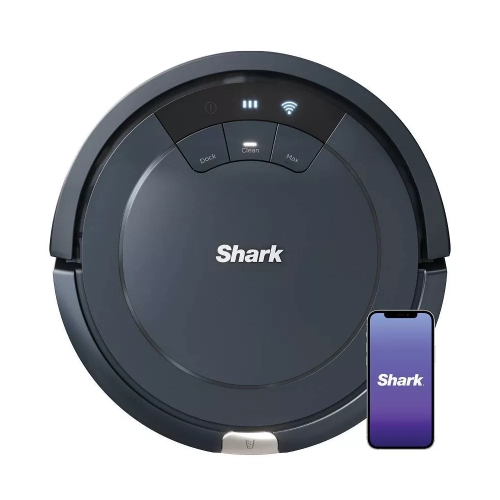
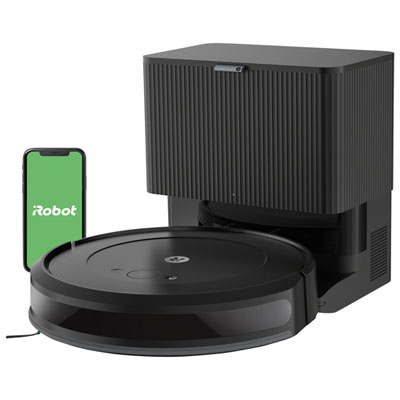
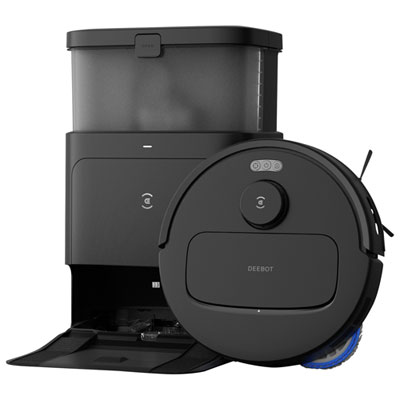
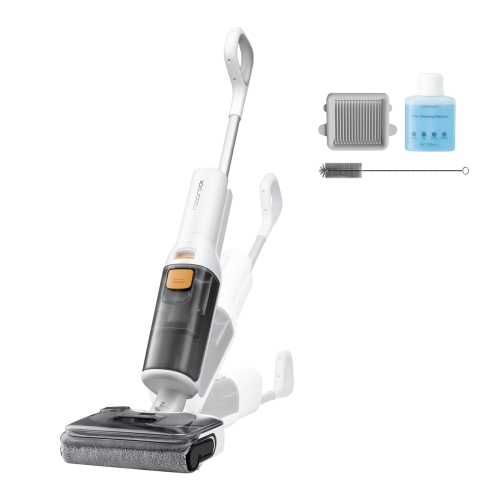
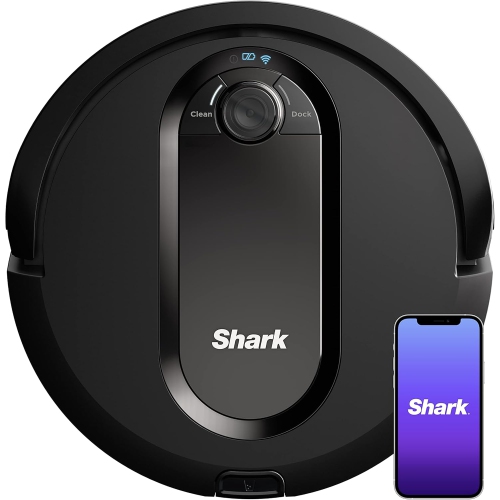
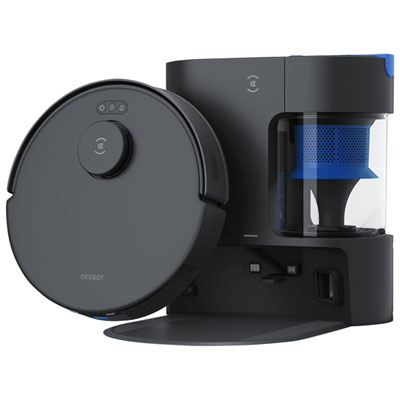
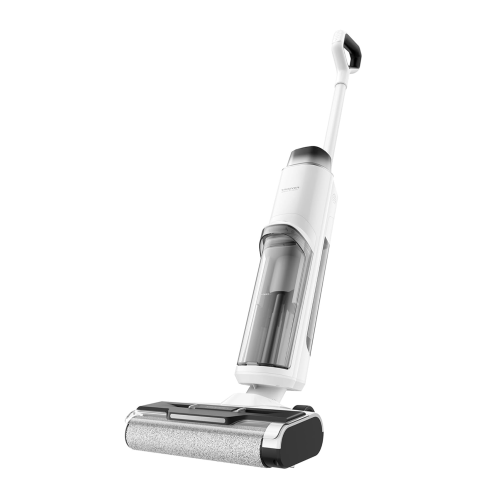
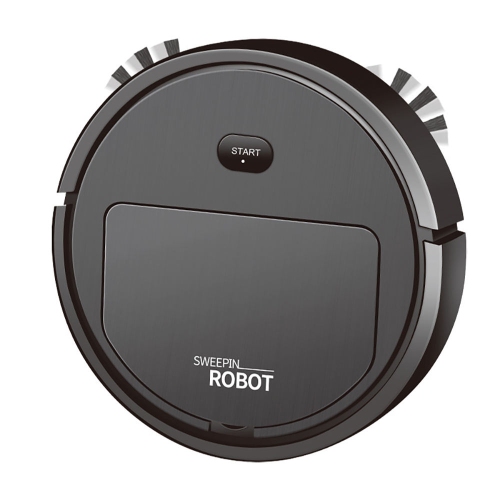
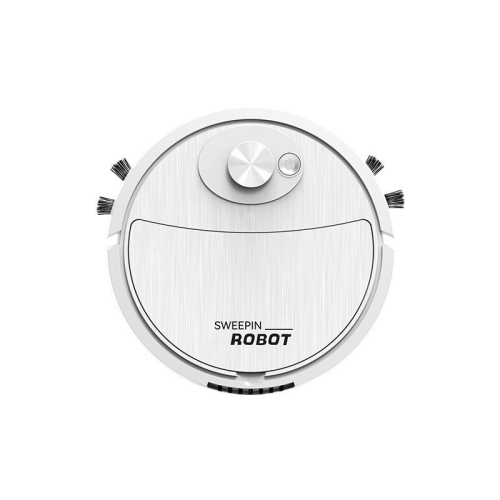
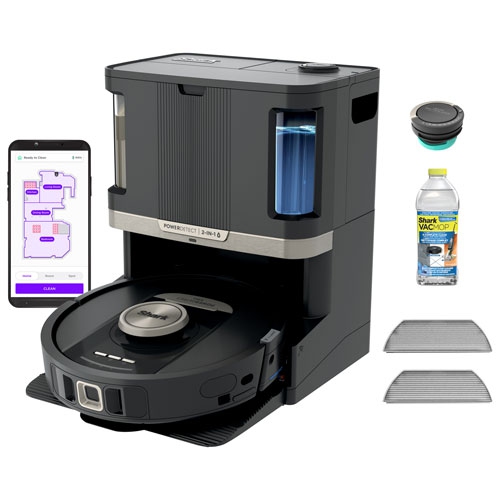
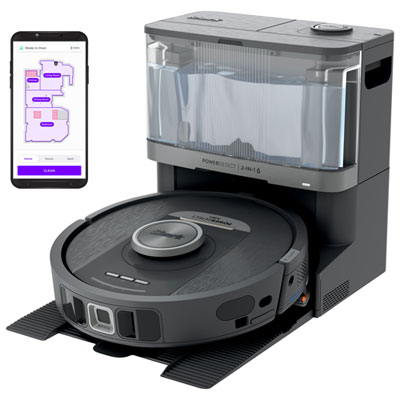
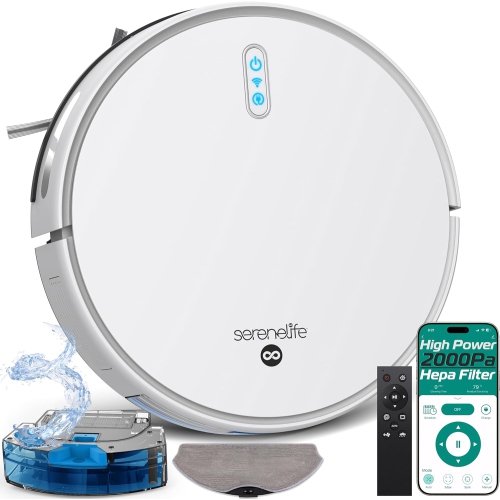
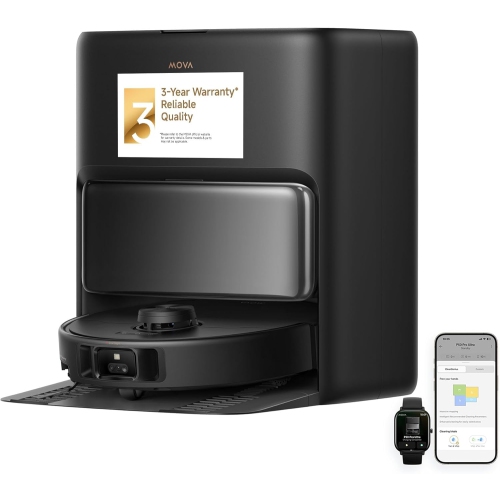
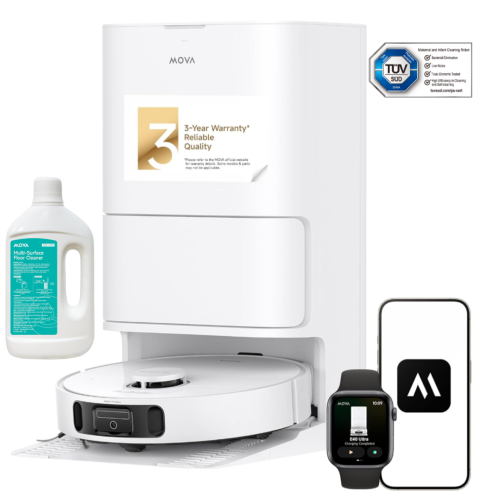
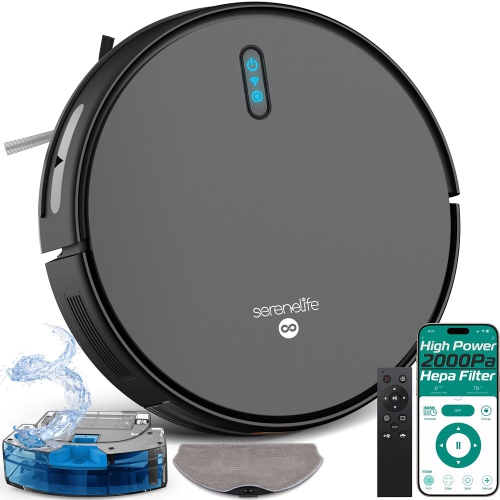
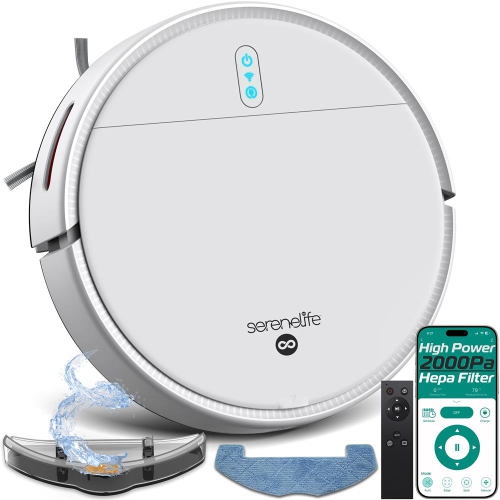
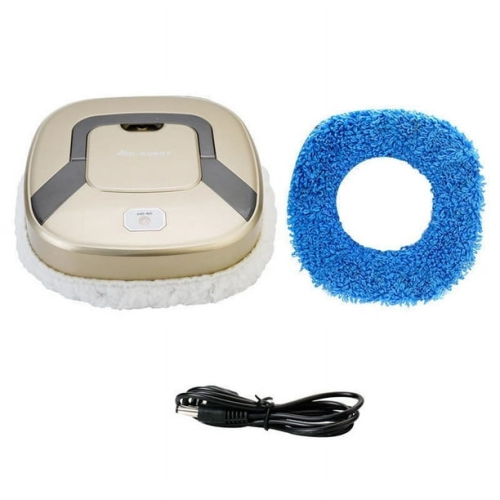
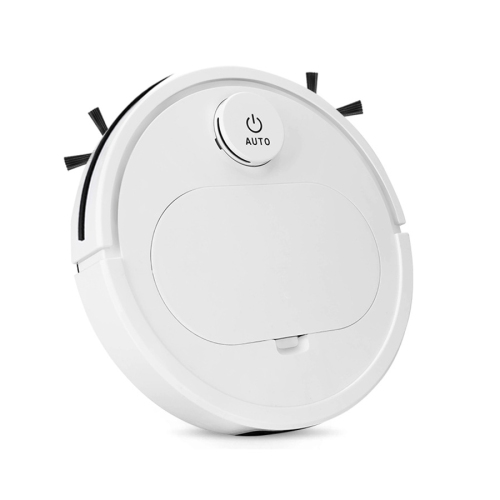
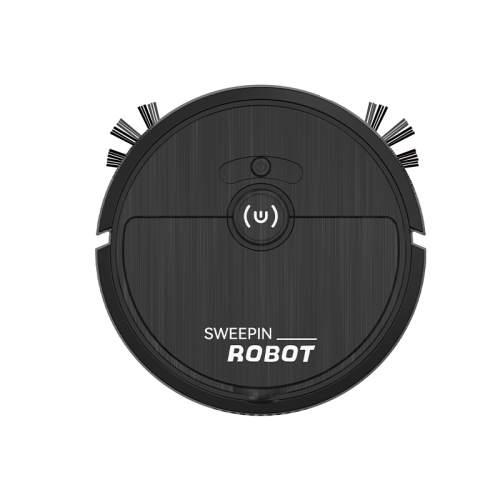
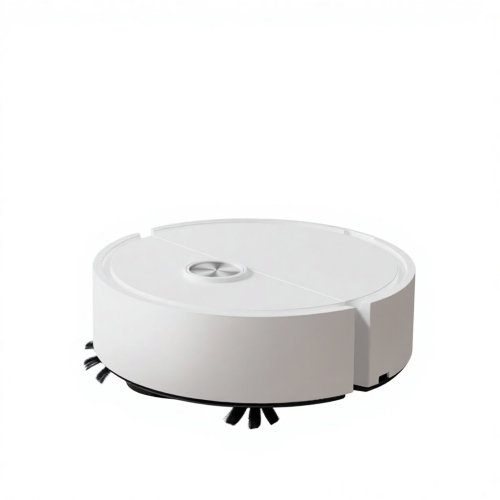
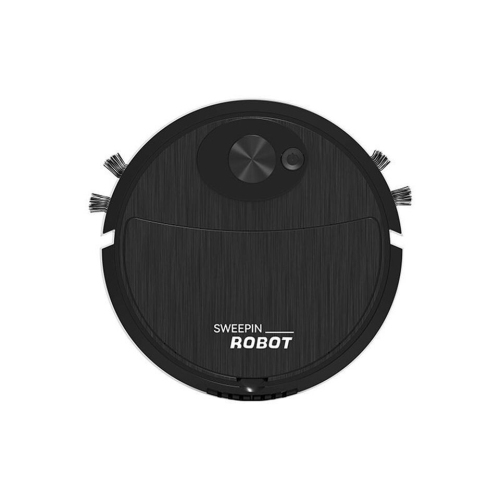
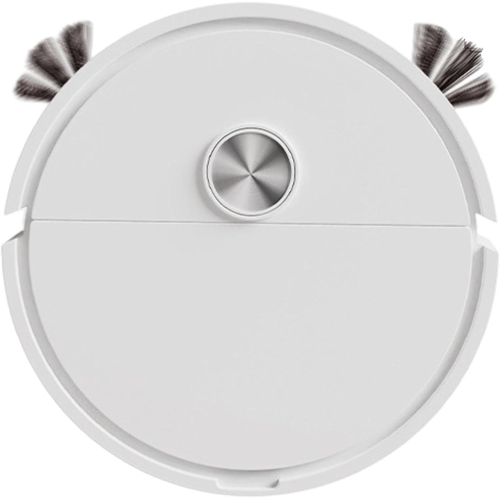
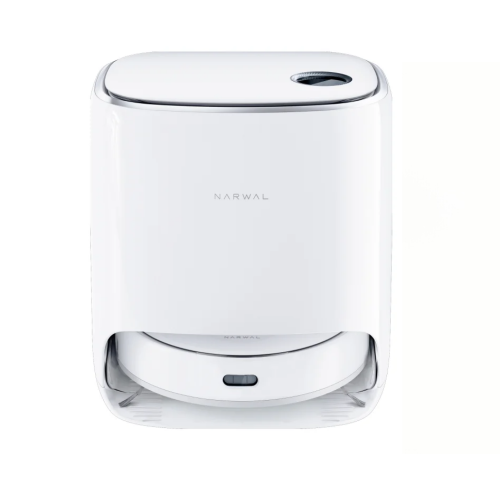
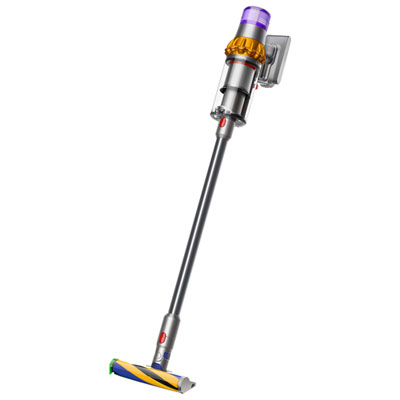
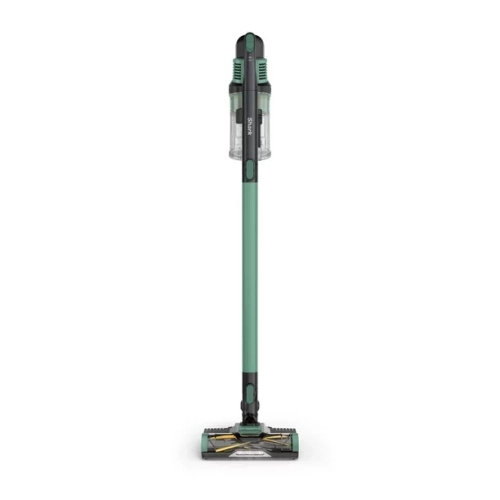

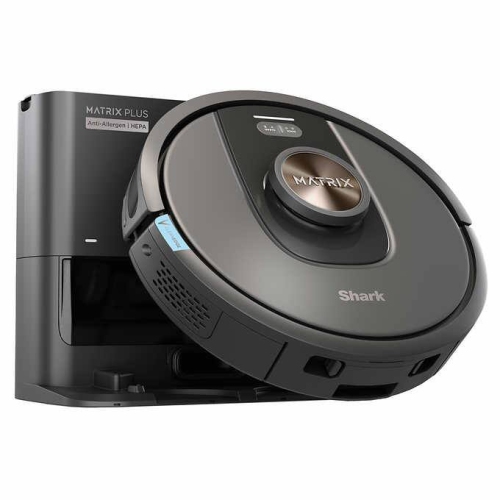
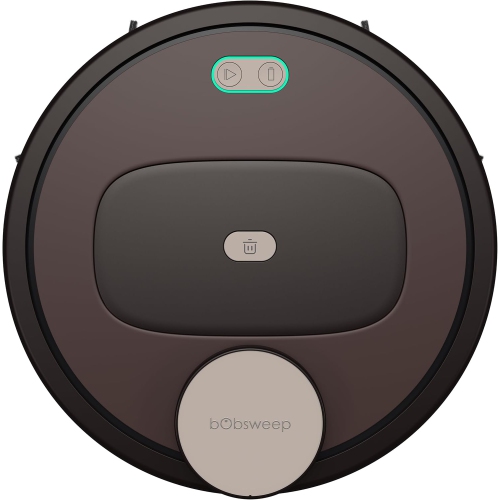
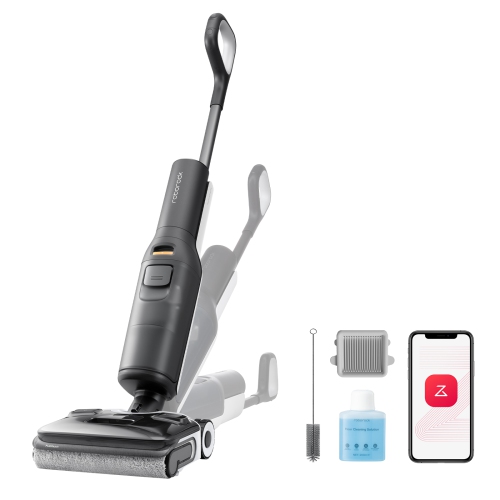
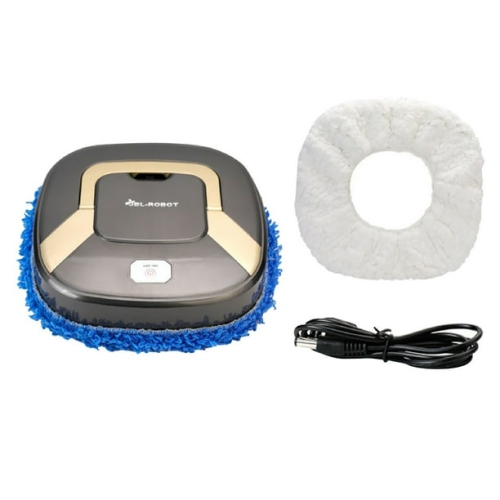
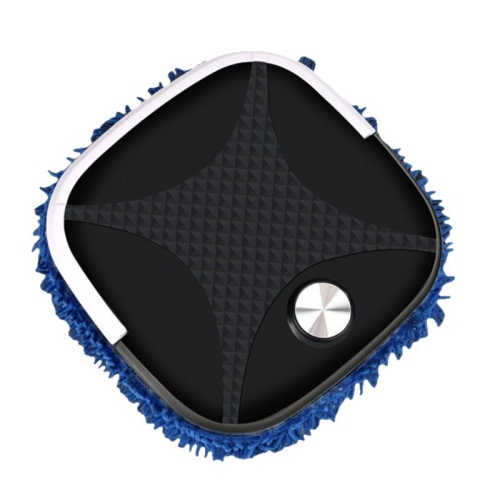
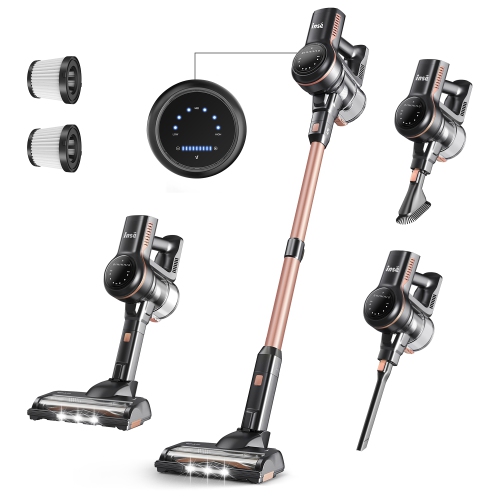
How suction, mopping, and navigation support cleaner tile floors
Robot vacuums for tiles are designed to keep smooth, hard flooring looking tidy with less day-to-day effort. Tile surfaces do not hold dust and crumbs in the same way as carpet, so loose grit, pet hair, flour, and tracked-in dirt can often be collected efficiently with regular automated cleaning. At the same time, tile floors have their own challenges: grout lines can catch fine particles, textured finishes may hold onto debris, and crumbs tend to gather along baseboards, beneath cabinets, and in corners. A robot vacuum with strong suction, a practical brush design, and accurate navigation can move across kitchens, entryways, bathrooms, dining areas, and open-plan living spaces while following a consistent cleaning pattern. Many models also combine vacuuming and mopping, making them especially useful for tile floors that need more than a quick pass with a dry brush. Dual spinning mop pads or a roller mop can apply more pressure than a simple flat cloth, helping lift dried splashes and everyday marks from smooth or lightly textured tile. For homes with wide grout channels or heavily textured surfaces, look for a model with a scrubbing-focused mop system, adjustable water flow, and cleaning settings that can be tailored to the floor. A vacuum-mop combination may be particularly helpful during the warmer months when doors and windows are open more often, as well as during the cooler months when wet footwear can leave small trails through an entryway.
Cleaning performance depends on more than a headline suction number. Higher suction can help draw grit from grout lines and collect hair from around furniture, while a rotating main brush can loosen debris before it reaches the intake. Specifications in the range of 8,000 Pa to 18,000 Pa or more may be worth considering for homes with pets, children, textured tile, or frequent foot traffic, although brush design and airflow also affect real-world results. Side brushes are important for directing dirt away from walls and towards the vacuum path, and edge-cleaning features such as an extending side brush or mop can help reach the narrow strip beside a baseboard. Navigation is another key consideration. LiDAR mapping can create a detailed layout of the home and support systematic, grid-based cleaning instead of repeated random passes. Room selection, no-go zones, virtual boundaries, and carpet detection can make it easier to keep a mop away from rugs or limit cleaning to the kitchen after cooking. Low-profile construction may help the robot travel beneath sofas, beds, and cabinets, but measure the clearance of your furniture before choosing a model. It is also wise to check threshold-climbing ability when tile rooms are separated by raised transitions, as well as the size of the dustbin and water tank. A self-emptying and self-washing dock can reduce hands-on maintenance, while warm-water mop washing, heated drying, and automatic detergent dispensing may be useful for households that run frequent wet-cleaning cycles. Even advanced robots need occasional care: hair should be cleared from the brush, filters should be cleaned or replaced as recommended, and mop pads should be washed regularly to prevent odours and streaking.
Robot vacuums for tiles can suit many different households, from compact apartments with a single tiled kitchen to busy family homes with several connected hard-floor areas. They can be especially convenient for people who prefer a consistent cleaning routine but do not always have time to sweep after every meal or mop after every spill. Pet owners may appreciate scheduled runs that collect fur and tracked litter, while families with young children can use room-based cleaning after snacks, crafts, or muddy play. They may also be a thoughtful practical gift for someone moving into a new home, settling into a condo, preparing a guest suite, or looking for easier ways to manage household chores. Before placing a robot on tile, clear cables, small toys, loose mats, and other items that could obstruct the brush or wheels. Wipe up large liquid spills separately, since most robot mops are intended for routine damp cleaning rather than standing water, and follow the floor manufacturer’s care instructions for sealed, natural, or specialty tile. If a home contains mostly tile but also includes rugs or carpet, choose a model that can recognize floor types, lift or retract its mop, and increase suction where needed. For shoppers comparing automated cleaning with a conventional option, the broader selection of Vacuum Cleaners for Tile Floors can provide additional formats for quick touch-ups, stairs, upholstery, or areas that a robot cannot reach. The best choice ultimately depends on the tile finish, grout depth, floor plan, household traffic, and the amount of maintenance you want the machine to handle between cleaning runs.
Cleaning performance depends on more than a headline suction number. Higher suction can help draw grit from grout lines and collect hair from around furniture, while a rotating main brush can loosen debris before it reaches the intake. Specifications in the range of 8,000 Pa to 18,000 Pa or more may be worth considering for homes with pets, children, textured tile, or frequent foot traffic, although brush design and airflow also affect real-world results. Side brushes are important for directing dirt away from walls and towards the vacuum path, and edge-cleaning features such as an extending side brush or mop can help reach the narrow strip beside a baseboard. Navigation is another key consideration. LiDAR mapping can create a detailed layout of the home and support systematic, grid-based cleaning instead of repeated random passes. Room selection, no-go zones, virtual boundaries, and carpet detection can make it easier to keep a mop away from rugs or limit cleaning to the kitchen after cooking. Low-profile construction may help the robot travel beneath sofas, beds, and cabinets, but measure the clearance of your furniture before choosing a model. It is also wise to check threshold-climbing ability when tile rooms are separated by raised transitions, as well as the size of the dustbin and water tank. A self-emptying and self-washing dock can reduce hands-on maintenance, while warm-water mop washing, heated drying, and automatic detergent dispensing may be useful for households that run frequent wet-cleaning cycles. Even advanced robots need occasional care: hair should be cleared from the brush, filters should be cleaned or replaced as recommended, and mop pads should be washed regularly to prevent odours and streaking.
Robot vacuums for tiles can suit many different households, from compact apartments with a single tiled kitchen to busy family homes with several connected hard-floor areas. They can be especially convenient for people who prefer a consistent cleaning routine but do not always have time to sweep after every meal or mop after every spill. Pet owners may appreciate scheduled runs that collect fur and tracked litter, while families with young children can use room-based cleaning after snacks, crafts, or muddy play. They may also be a thoughtful practical gift for someone moving into a new home, settling into a condo, preparing a guest suite, or looking for easier ways to manage household chores. Before placing a robot on tile, clear cables, small toys, loose mats, and other items that could obstruct the brush or wheels. Wipe up large liquid spills separately, since most robot mops are intended for routine damp cleaning rather than standing water, and follow the floor manufacturer’s care instructions for sealed, natural, or specialty tile. If a home contains mostly tile but also includes rugs or carpet, choose a model that can recognize floor types, lift or retract its mop, and increase suction where needed. For shoppers comparing automated cleaning with a conventional option, the broader selection of Vacuum Cleaners for Tile Floors can provide additional formats for quick touch-ups, stairs, upholstery, or areas that a robot cannot reach. The best choice ultimately depends on the tile finish, grout depth, floor plan, household traffic, and the amount of maintenance you want the machine to handle between cleaning runs.
Top selling and popular products
-
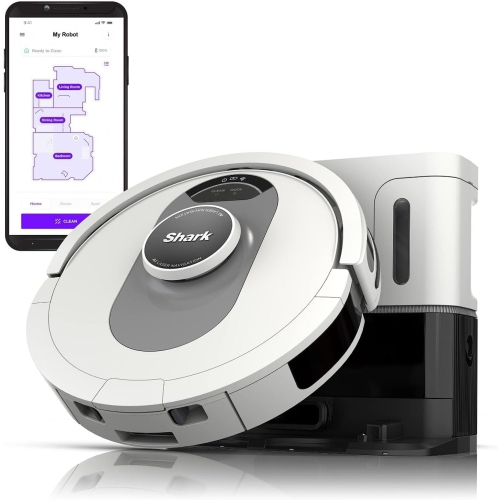 Your price for this item is $699.99
 -
 Your price for this item is $289.97
 -
 Your price for this item is $219.99
 -
 Your price for this item is $999
 -
 Your price for this item is $399.99
 -
 Your price for this item is $899.99
 -
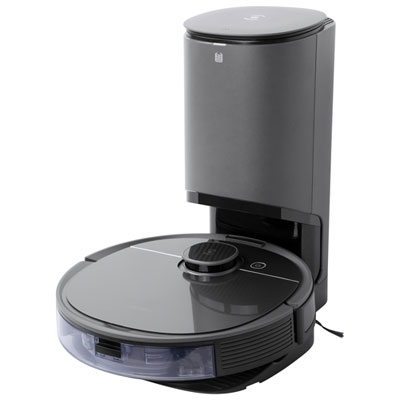 Your price for this item is $799.95
 -
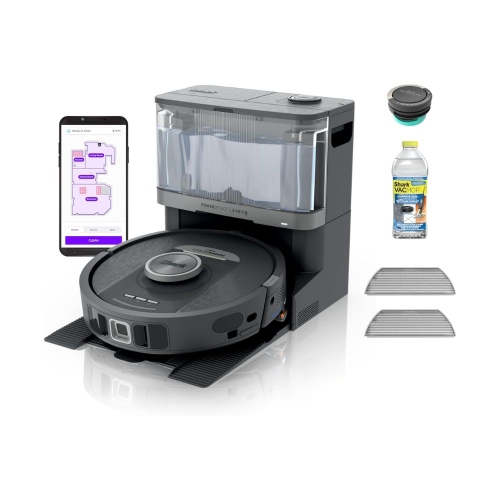 Your price for this item is $1149.99
Discover more categories related to Robot Vacuums for Tiles
Top Collections:
Pokemon Centers, Kindle Devices, Best Budget Office Chairs, Apple iPhones 16, Best Laptops for Writers, iPhone 15 Apple, Canon G7X Cameras, Refurbished Apple Laptops, Alarm Clock, Motorola Razr Phones
Some products may be subject to Environmental Handling Fees
(EHF) depending on your province.
Learn more about EHFs.