Washer And Dryer Stands
Elevate your laundry room organization with our selection of washer and dryer stands. These sturdy and versatile stands are designed to provide a stable base for your appliances, creating additional storage space and making loading and unloading laundry a breeze. Say goodbye to bending over to reach your machines and hello to a more ergonomic laundry experience. Explore our range of stands to find the perfect fit for your home and simplify your laundry routine today.
Sort
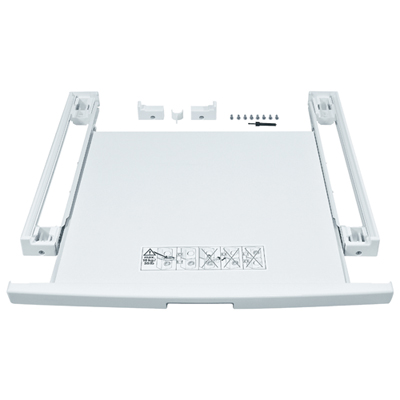
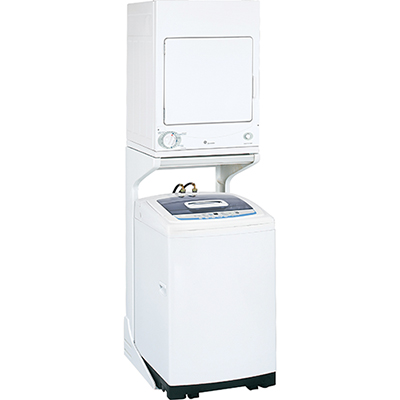
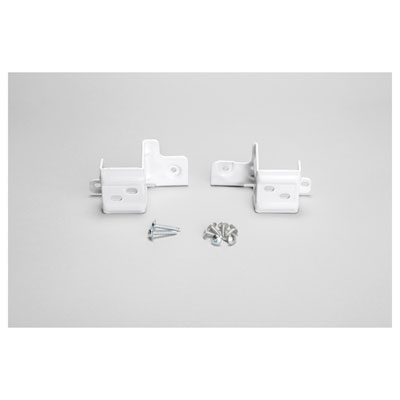
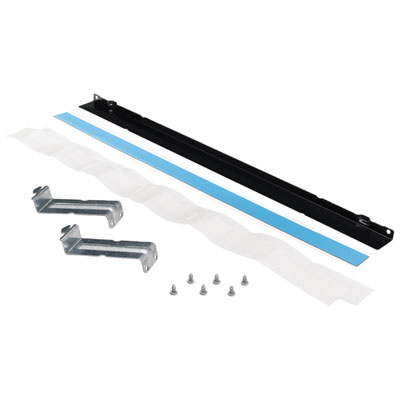
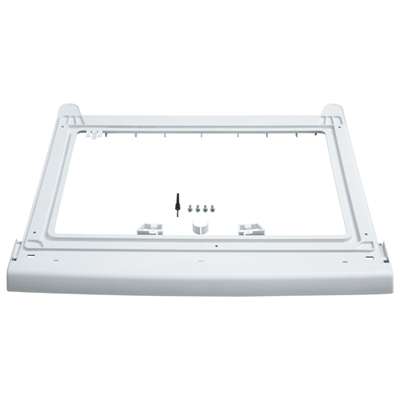
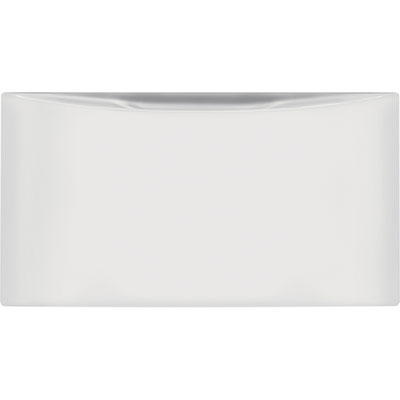
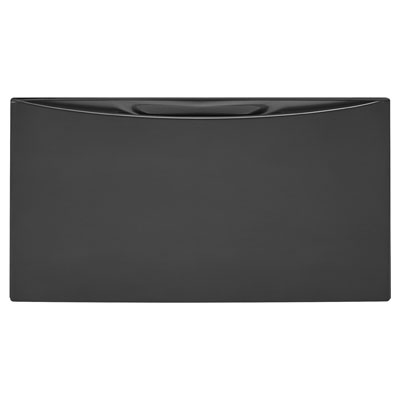
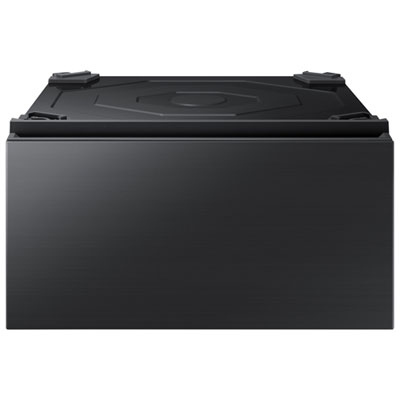
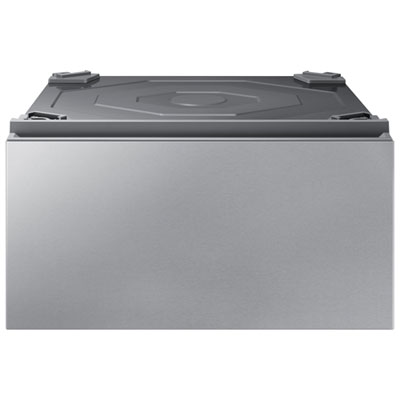
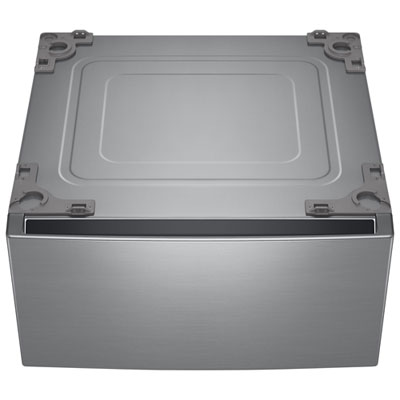
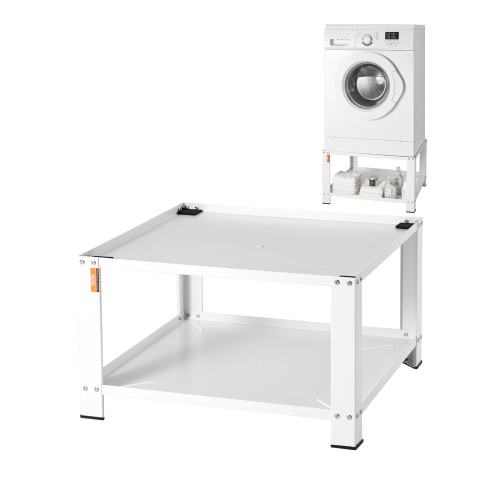
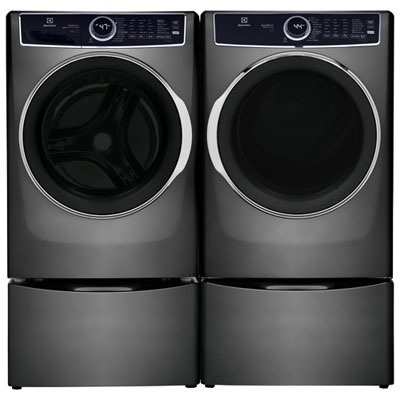

Less bending starts with the right laundry pedestal
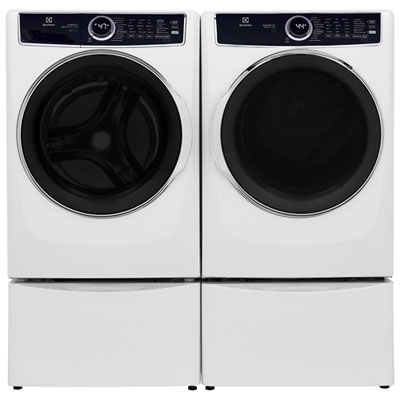
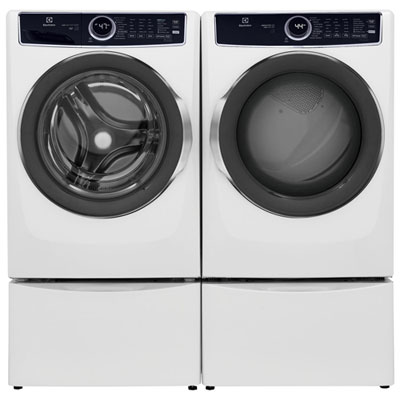
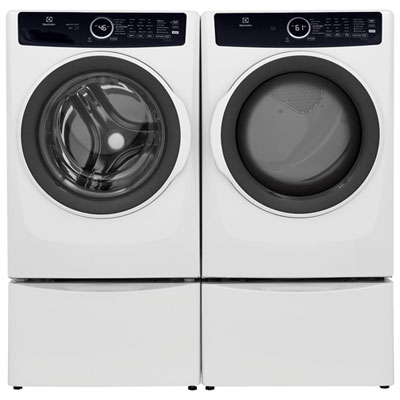
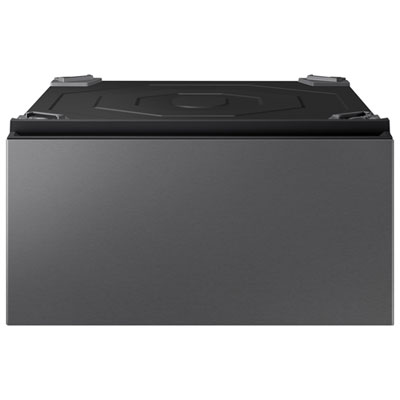
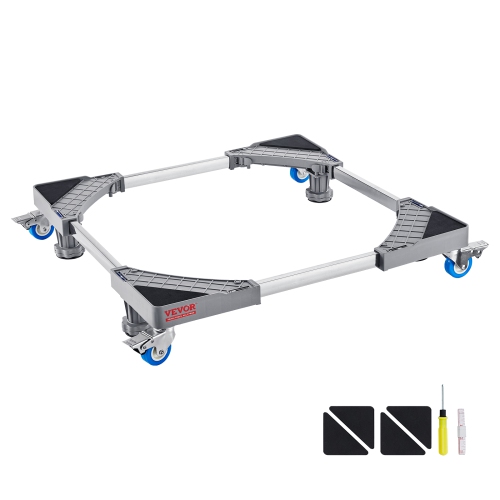
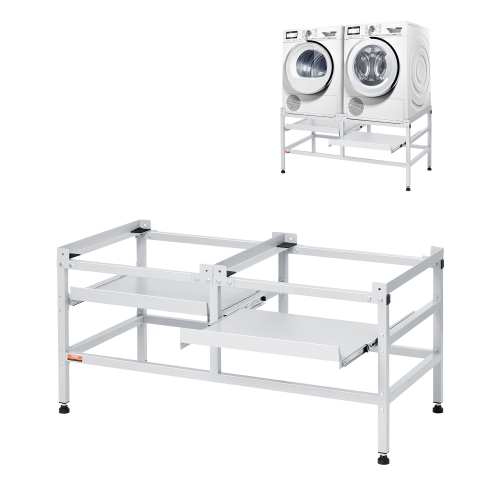
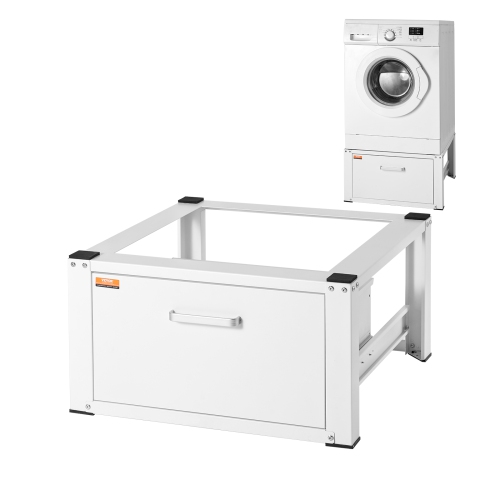
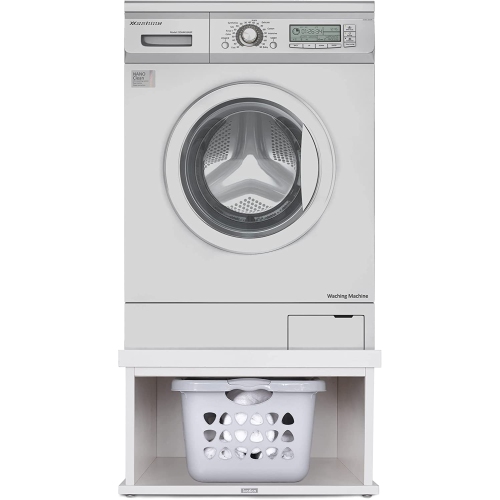
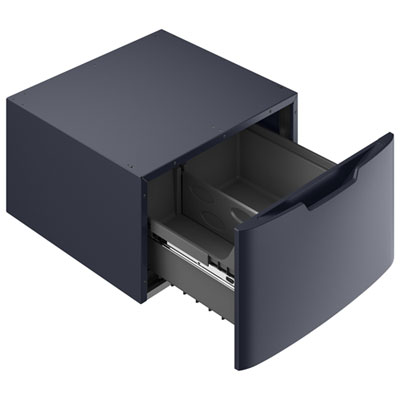
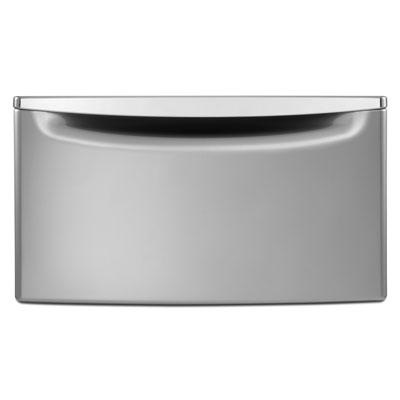
Washer and dryer stands are raised supports that sit beneath laundry appliances, bringing the machines to a more convenient working height while helping make better use of the space below. Often called laundry pedestals or appliance platforms, they are especially useful with compatible front-load washers and dryers arranged side by side. Many pedestal designs raise an appliance by approximately 10 to 16 inches, although the exact height varies and should suit both the machine and the person using it. That extra elevation can mean less bending when pulling damp towels from the back of a drum or transferring a heavy load of bedding into the dryer. For households that do laundry several times a week, the difference is noticeable in an otherwise repetitive task. An enclosed pedestal creates a finished base beneath the appliance, while a frame-style stand has a more open, practical appearance. Some designs include a pull-out drawer for laundry supplies; others leave an open shelf or space beneath the platform. Storage drawers can keep dryer balls, mesh wash bags, spare cleaning cloths, and unopened supplies close to hand without crowding the top of the machines. Their usable height and weight limit vary, so a tall detergent bottle or a large refill container may need a separate cupboard. Cleaning products should remain secured away from children and pets, even when a drawer keeps them out of sight. A stand can also lift the appliance base above minor floor dampness, but it is not flood protection or a substitute for fixing leaks and moisture problems. In a basement laundry room, a main-floor utility space, or a compact laundry alcove, the right pedestal can make the arrangement feel more orderly without changing the appliances themselves. Its value lies in the combination of suitable height, stable support, and storage that fits everyday routines.
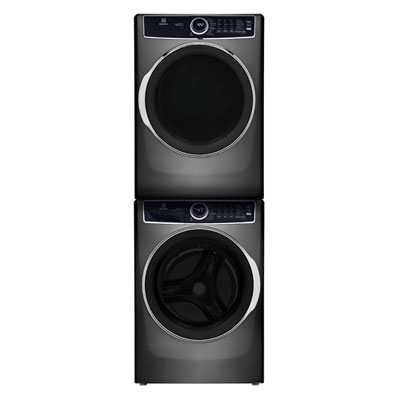
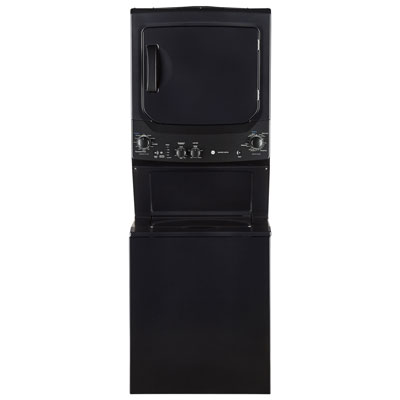
Fit is about more than matching the width of a washer or dryer. A suitable laundry stand must support the appliance’s full footprint, accommodate its feet or mounting points, and be approved for the intended installation. Model-specific pedestals are designed around particular appliance families, so even machines with similar dimensions may require different bases or attachment hardware. Adjustable stands offer flexibility within a stated size range, but the word “universal” does not establish compatibility with every washer or dryer. The appliance manual and stand specifications should agree on the installation method, supported appliance type, dimensions, and load capacity. This matters particularly beneath a washing machine, where the platform must handle the machine, water, and laundry as well as the forces produced during a spin cycle. A static weight rating alone does not establish suitability for that movement. Raising a top-load washer may make the bottom of its tub harder to reach, and placing stacked appliances on a raised base can create access and stability concerns. Unless the appliance manufacturer explicitly permits those arrangements, a standard pedestal should not be treated as a base for them. Room measurements also need to account for the finished height, door swing, drawer travel, and access to controls. A drawer that opens easily in an empty room may hit a laundry basket, a nearby cupboard, or the opposite wall once everything is in place. Existing countertops and overhead shelves can limit how much elevation is practical, while hoses, electrical connections, and dryer venting still need the clearances specified for the appliances. For someone who prefers a seated working position or has a limited comfortable reach, a higher opening is not automatically a better one; door and control access matter together. Shared laundry facilities and heavier-use settings have different equipment requirements, and stands for appliances such as Commercial Washer Dryers need explicit approval for the machine and its intended use rather than an assumption that a household pedestal will be suitable.
Materials and construction influence how a washer and dryer stand holds up to years of loading, unloading, and cleaning. Steel is common in appliance pedestals and adjustable support frames because it can provide a rigid structure when properly designed and assembled. Painted or powder-coated surfaces offer a finished appearance and help protect the underlying metal, though chips and persistent moisture can leave it vulnerable to corrosion. Enclosed panels give a pedestal a furniture-like finish, while accessible frame surfaces can be easier to inspect and wipe down. On drawer-style bases, smooth runners, a comfortable handle, and clearly stated storage limits matter as much as the exterior finish. A drawer should move freely without rubbing against adjacent cabinetry, and its contents should not interfere with the platform’s hardware. Adjustable feet can help establish level support within their permitted range, but they cannot correct a weak floor or an installation that falls outside the manufacturer’s requirements. Anti-vibration pads or contact surfaces may help in some approved setups; they do not replace secure mounting, correct levelling, or attention to an unbalanced washer. A properly installed stand should feel firm, without rocking or shifting as laundry is loaded. Installation can involve lifting a heavy appliance and reconnecting services, so professional help may be appropriate, particularly where gas connections or restricted access are involved. Day-to-day care is usually straightforward: wipe up detergent spills promptly, clean with a soft cloth and a finish-compatible cleaner, and dry surfaces rather than letting water collect around seams or feet. Accessible mounting points and levelling components should be checked as directed by the manufacturer, especially if new movement or noise develops. Harsh abrasives can damage protective finishes, while overfilled drawers can strain their moving parts. For busy families, couples sharing a small utility room, or anyone refreshing a well-used laundry space, a compatible stand can bring useful order to a familiar chore. Matching heights and complementary finishes help side-by-side machines look coordinated, but dependable support and comfortable access remain the features that matter most when a full basket is waiting beside the door.
Fit is about more than matching the width of a washer or dryer. A suitable laundry stand must support the appliance’s full footprint, accommodate its feet or mounting points, and be approved for the intended installation. Model-specific pedestals are designed around particular appliance families, so even machines with similar dimensions may require different bases or attachment hardware. Adjustable stands offer flexibility within a stated size range, but the word “universal” does not establish compatibility with every washer or dryer. The appliance manual and stand specifications should agree on the installation method, supported appliance type, dimensions, and load capacity. This matters particularly beneath a washing machine, where the platform must handle the machine, water, and laundry as well as the forces produced during a spin cycle. A static weight rating alone does not establish suitability for that movement. Raising a top-load washer may make the bottom of its tub harder to reach, and placing stacked appliances on a raised base can create access and stability concerns. Unless the appliance manufacturer explicitly permits those arrangements, a standard pedestal should not be treated as a base for them. Room measurements also need to account for the finished height, door swing, drawer travel, and access to controls. A drawer that opens easily in an empty room may hit a laundry basket, a nearby cupboard, or the opposite wall once everything is in place. Existing countertops and overhead shelves can limit how much elevation is practical, while hoses, electrical connections, and dryer venting still need the clearances specified for the appliances. For someone who prefers a seated working position or has a limited comfortable reach, a higher opening is not automatically a better one; door and control access matter together. Shared laundry facilities and heavier-use settings have different equipment requirements, and stands for appliances such as Commercial Washer Dryers need explicit approval for the machine and its intended use rather than an assumption that a household pedestal will be suitable.
Materials and construction influence how a washer and dryer stand holds up to years of loading, unloading, and cleaning. Steel is common in appliance pedestals and adjustable support frames because it can provide a rigid structure when properly designed and assembled. Painted or powder-coated surfaces offer a finished appearance and help protect the underlying metal, though chips and persistent moisture can leave it vulnerable to corrosion. Enclosed panels give a pedestal a furniture-like finish, while accessible frame surfaces can be easier to inspect and wipe down. On drawer-style bases, smooth runners, a comfortable handle, and clearly stated storage limits matter as much as the exterior finish. A drawer should move freely without rubbing against adjacent cabinetry, and its contents should not interfere with the platform’s hardware. Adjustable feet can help establish level support within their permitted range, but they cannot correct a weak floor or an installation that falls outside the manufacturer’s requirements. Anti-vibration pads or contact surfaces may help in some approved setups; they do not replace secure mounting, correct levelling, or attention to an unbalanced washer. A properly installed stand should feel firm, without rocking or shifting as laundry is loaded. Installation can involve lifting a heavy appliance and reconnecting services, so professional help may be appropriate, particularly where gas connections or restricted access are involved. Day-to-day care is usually straightforward: wipe up detergent spills promptly, clean with a soft cloth and a finish-compatible cleaner, and dry surfaces rather than letting water collect around seams or feet. Accessible mounting points and levelling components should be checked as directed by the manufacturer, especially if new movement or noise develops. Harsh abrasives can damage protective finishes, while overfilled drawers can strain their moving parts. For busy families, couples sharing a small utility room, or anyone refreshing a well-used laundry space, a compatible stand can bring useful order to a familiar chore. Matching heights and complementary finishes help side-by-side machines look coordinated, but dependable support and comfortable access remain the features that matter most when a full basket is waiting beside the door.
Top selling and popular products
-
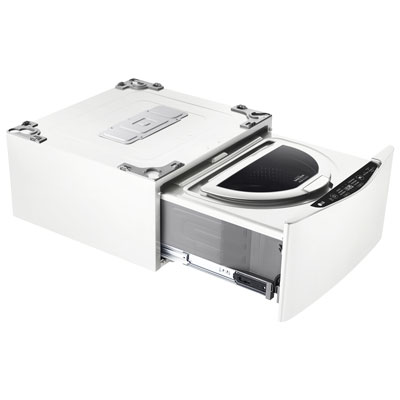 Your price for this item is $199.97
 -
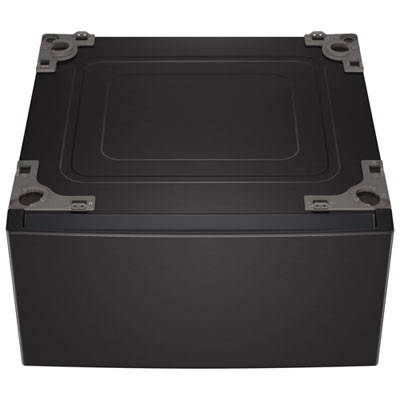 Your price for this item is $294.99
 -
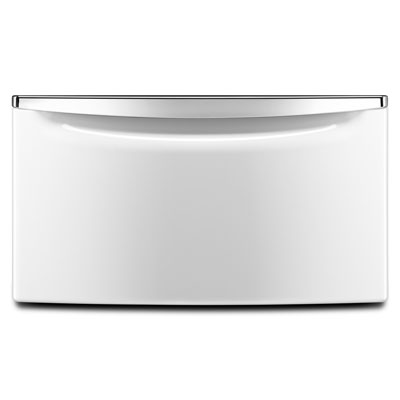 Your price for this item is $384.99
 -
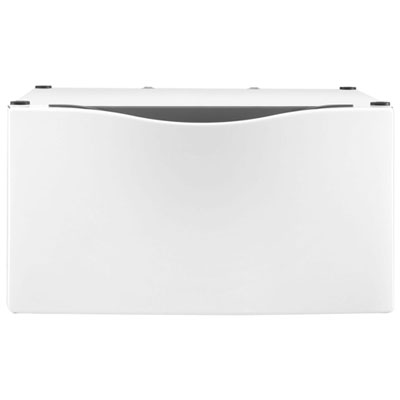 Your price for this item is $384.99
 -
 Your price for this item is $294.99
 -
 Your price for this item is $449.99
 -
 Your price for this item is $384.99
 -
 Your price for this item is $384.99
Discover more categories related to Washer And Dryer Stands
Top Collections:
Pokemon Centers, Kindle Devices, Best Budget Office Chairs, Apple iPhones 16, Best Laptops for Writers, iPhone 15 Apple, Canon G7X Cameras, Refurbished Apple Laptops, Alarm Clock, Motorola Razr Phones
Some products may be subject to Environmental Handling Fees
(EHF) depending on your province.
Learn more about EHFs.