Commercial Washer Dryers
Find the ideal solution for your business laundry needs with a commercial washer dryer. Designed to handle frequent loads and high-volume demands, these machines offer the efficiency and reliability required in busy environments such as hotels, gyms, and laundromats. Explore a range of options to streamline your laundry operations and keep up with daily demands using a commercial washer dryer built for performance.
Sort
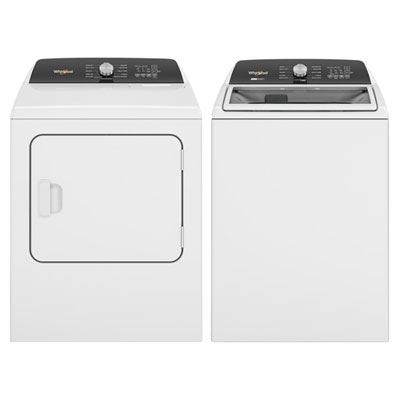
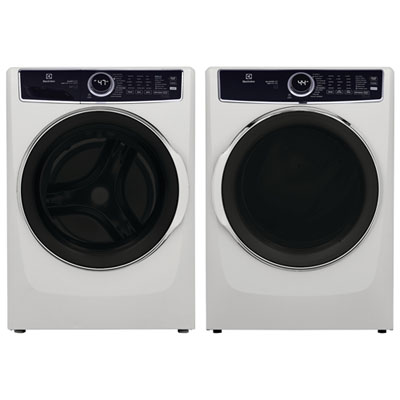
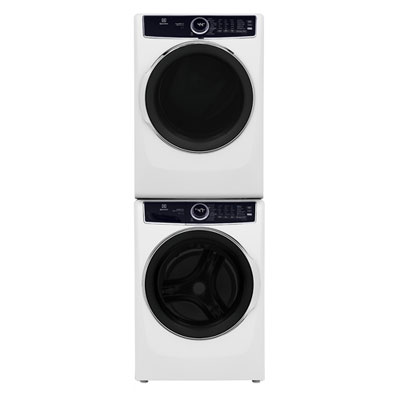
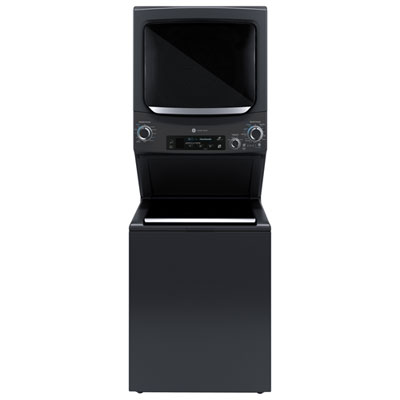
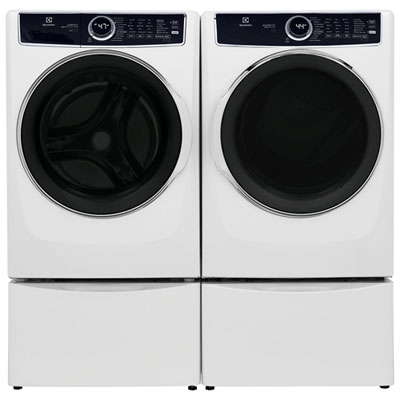

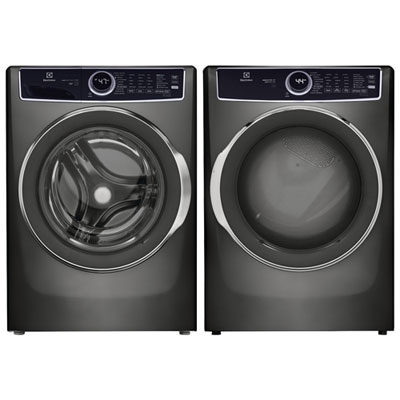

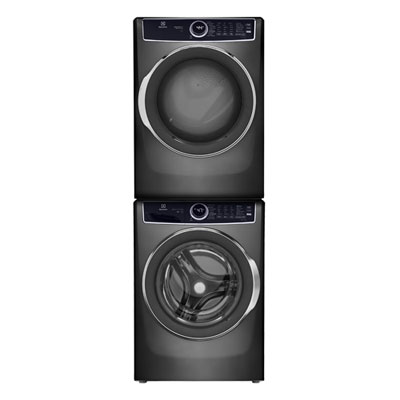
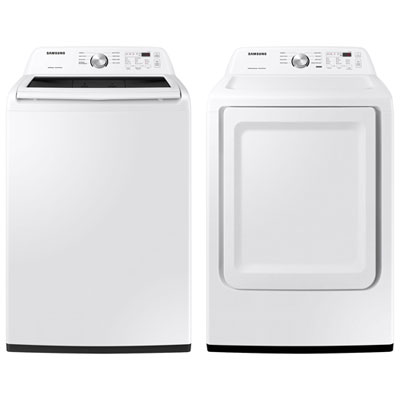
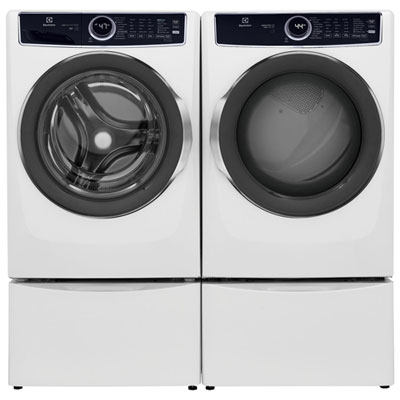
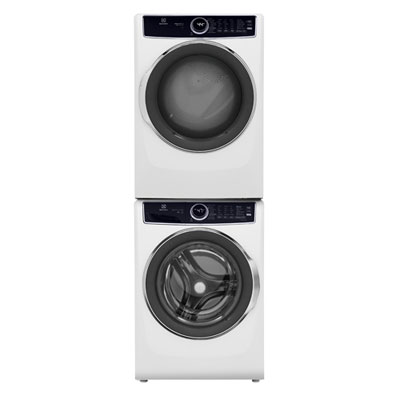
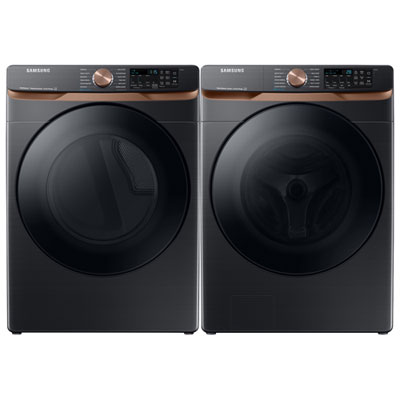
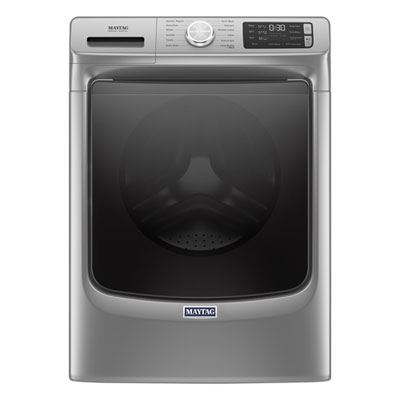
What repeated laundry loads demand from your machines
Commercial washers and dryers are laundry appliances designed for repeated use in businesses, shared laundry rooms and other settings where several loads may need to move through the machines each day. Compared with standard household appliances, commercial-rated equipment often has heavier-duty drive systems, reinforced components and controls intended for frequent operation, although construction and approved uses vary. These appliances serve different needs: a fitness studio may wash a steady stream of towels, an inn may process sheets and duvet covers, and an apartment building may need machines that accommodate many users with minimal supervision. Durability involves more than a sturdy exterior. Drum materials, hinges, bearings, suspension systems and access to serviceable parts all affect how well equipment handles its intended workload. Stainless steel drums are common because they resist corrosion and provide a smooth surface for fabrics, but care requirements still depend on the machine and the laundry being washed. Capacity is equally important, and a large drum does not automatically mean a machine can handle any bulky load. Rated load weight, drum volume and the space needed for fabrics to move freely are useful considerations together. A tightly packed load of towels can wash and rinse unevenly, while bulky bedding needs enough room to tumble without becoming compressed. Front-load and top-load configurations also offer different loading positions, installation requirements and operating characteristics. Wash programs may include adjustable soil levels, rinse options and extraction settings, helping accommodate everyday clothing, table linens or durable workwear within the appliance’s approved uses. Higher extraction speeds can remove more water before drying, but suitable settings depend on fabric care labels and the machine’s specifications. For businesses with frequent laundry turnover, the balance between load size and cycle time matters more than capacity alone. A machine that fits the normal workload can support a steadier routine than one that is regularly overloaded or used for loads much smaller than its intended capacity.
Commercial dryers complete that routine by matching drying capacity and controls to the fabrics coming out of the washer. Towels, sheets and lightweight garments do not dry at the same pace, so appropriate heat settings, timed cycles and moisture-sensing options can help accommodate different loads where those features are included. The dryer needs sufficient usable space for fabrics to lift and separate; filling the drum too tightly restricts movement and can leave damp pockets inside otherwise dry laundry. Washer and dryer capacities also need to work together. A washer that consistently produces more laundry than the dryer can handle creates a bottleneck, particularly in a small business where clean linens are needed throughout the day. Electric and gas dryers have different installation requirements, and a gas dryer still needs an electrical connection for its controls and other operating components. The appropriate setup depends on the building’s utilities, the appliance rating and installation by qualified professionals where required. Many commercial dryers require an outdoor exhaust connection, with duct materials, dimensions and routing specified by the manufacturer and applicable local requirements. Ventless equipment has different installation and maintenance needs and must be suitable for the intended workload. Physical fit extends beyond the appliance’s listed width. Doorways, corridors, loading doors, service clearances, water connections, drainage and access to shut-offs all influence how a laundry area functions. Some commercial washers also have specific floor or anchoring requirements. Stacked configurations can make better use of floor space, but loading height, control placement and service access remain important, especially in shared facilities. A laundry room should leave room for people to carry baskets, open doors fully and move wet loads without blocking an exit or walkway. Clear floor space and reachable controls can make a substantial difference to everyday use, whether the equipment serves residents, staff or customers.
Commercial laundry equipment works best when its features suit the people using it as well as the volume of laundry. In a shared residential laundry room, straightforward controls, clear cycle information and payment compatibility may be important; payment systems are not included with every commercial-rated appliance and may require separate equipment or setup. In a staffed business, programmable settings and consistent operating routines can help different employees handle similar loads without repeatedly adjusting every option. A salon washing towels, for example, needs attention to fabric care and residue removal, while a small lodging property may place greater emphasis on bedding capacity and a dependable flow between washing, drying and folding. Neither situation makes every commercial machine suitable for every textile. Fabric labels, detergent requirements and manufacturer instructions remain relevant, and commercial equipment should not be assumed to provide disinfection or specialist cleaning unless it is specifically rated for that purpose. Facilities with larger or more demanding laundry volumes may also consider industrial washers and dryers, with attention to rated capacity, utility requirements and approved applications rather than the category name alone. Ongoing care supports reliable operation across all of these settings. Accessible lint filters, dispensers, door seals and service panels make routine cleaning easier, while professional servicing and exhaust maintenance may be required at intervals specified for the equipment and its use. Detergent type and dosing matter because excess suds or residue can affect washing and rinsing. Damp laundry should not sit unnecessarily in a closed drum, and doors or lids should be left as directed by the manufacturer after use. Fabrics exposed to flammable substances require particular caution and must be handled according to appliance safety instructions. For frequent-use laundry spaces, durable construction, suitable capacity, practical controls and manageable upkeep work together to support a consistent supply of clean, properly cared-for fabrics.
Top selling and popular products
-
 Your price for this item is $2485.98
-
 Your price for this item is $2533.97
-
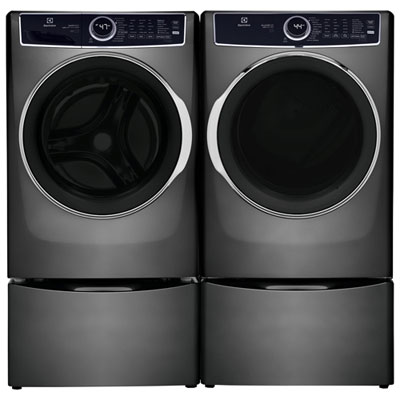 Your price for this item is $2785.96
-
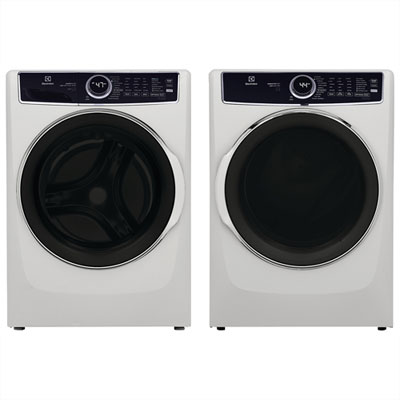 Your price for this item is $2599.98
-
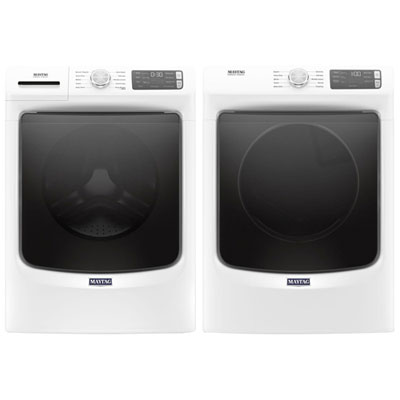 Your price for this item is $2299.98
-
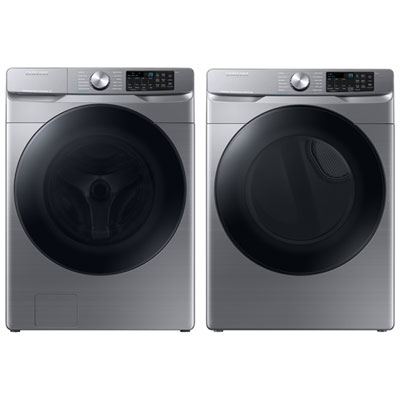 Your price for this item is $2295.98
-
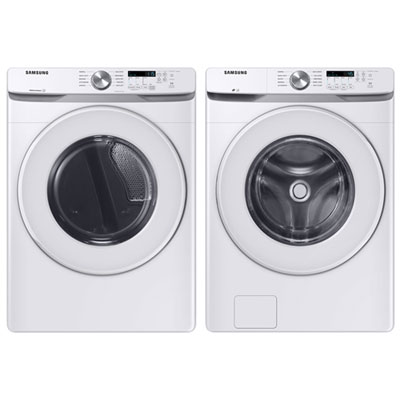 Your price for this item is $1895.98
-
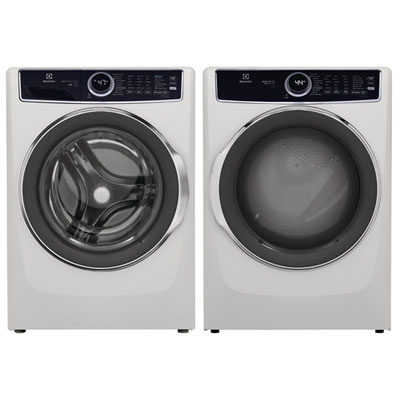 Your price for this item is $2192.98
Discover more categories related to Commercial Washer Dryers
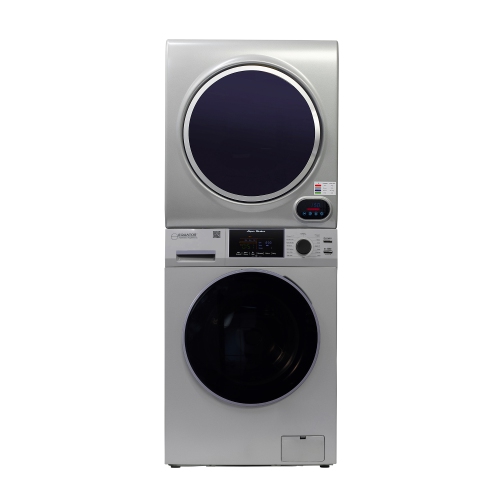
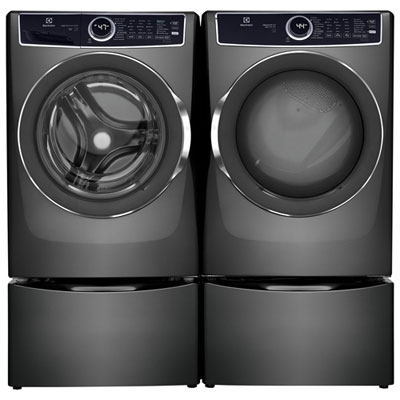
Top Collections:
Best Black Friday Deals This Year, Best Black Friday Deals On Electronics, Kindle Devices, Pokemon Centers, Best Black Friday Deals On Apple Products, Best Cameras for Sports Photography, Dyson Airwrap, Pokémon 30th Celebration Cards, Apple iPhone 17 Pro, Canon G7X Cameras
Some products may be subject to Environmental Handling Fees
(EHF) depending on your province.
Learn more about EHFs.