Washing Machines With Front Load Design
Discover a wide selection of washing machines with front load design, perfect for modern laundry rooms and busy households. Offering advanced performance and sleek aesthetics, these appliances are designed to fit seamlessly into your home while helping you tackle laundry day with ease. Explore the latest options in washing machines with front load design to find the right match for your space and needs.
Sort
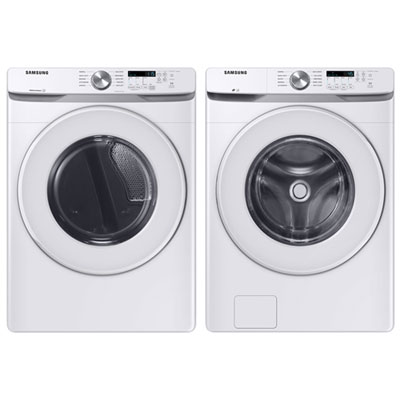
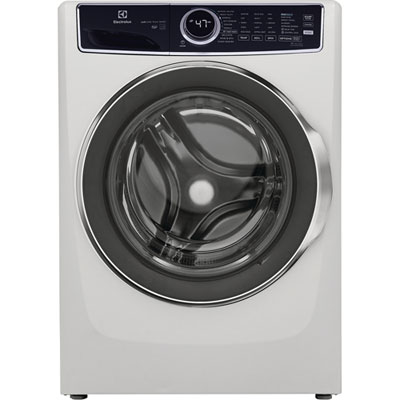
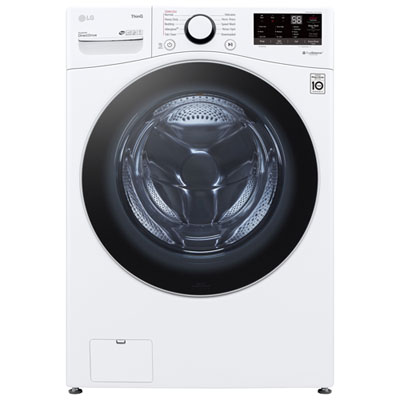
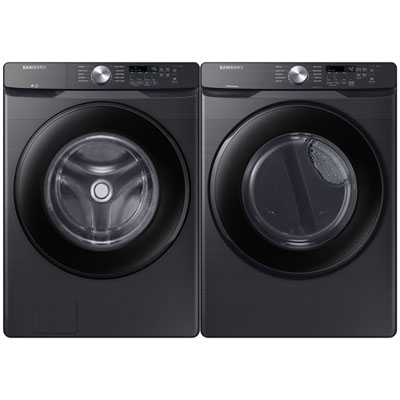

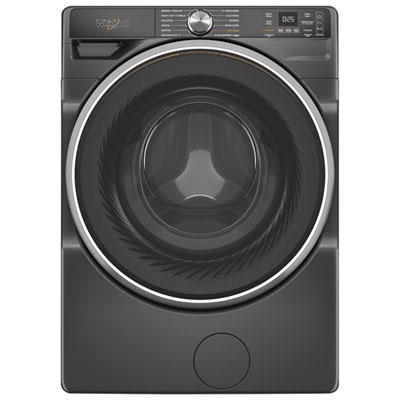
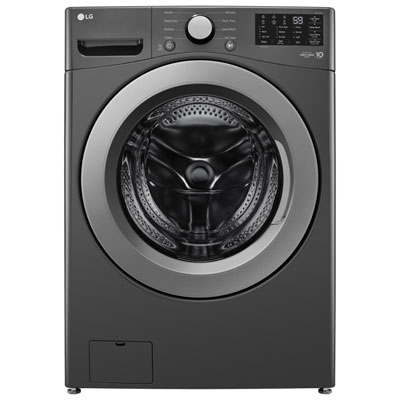
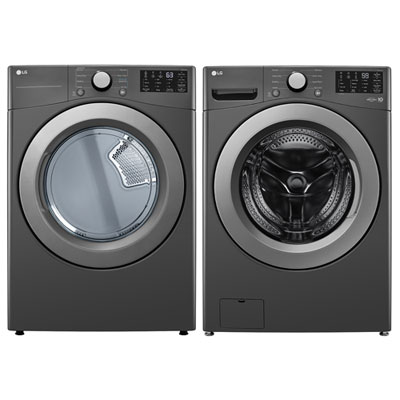
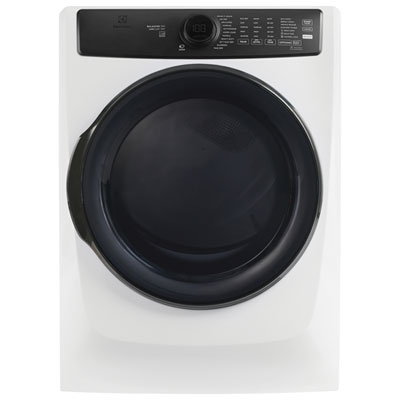
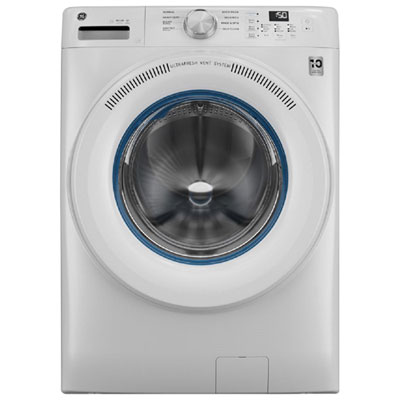
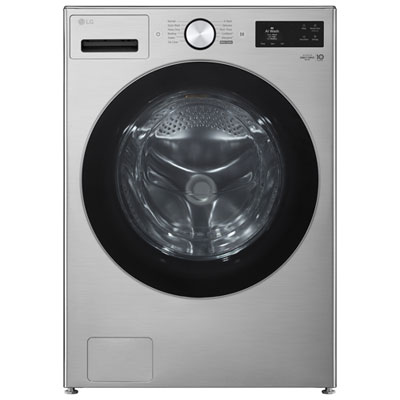
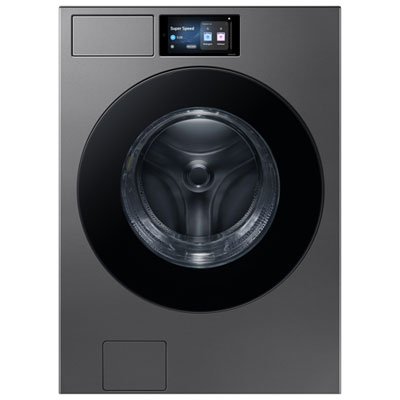
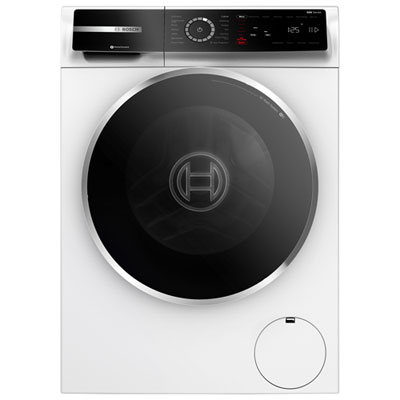
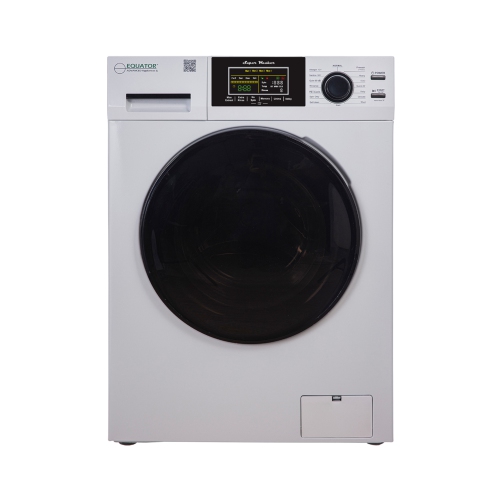
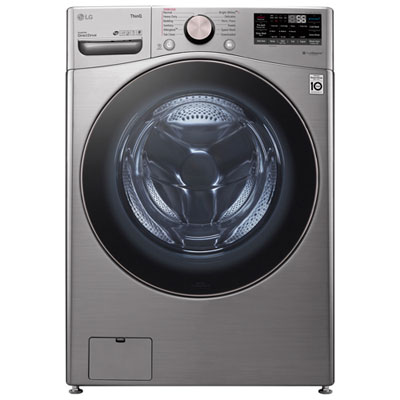
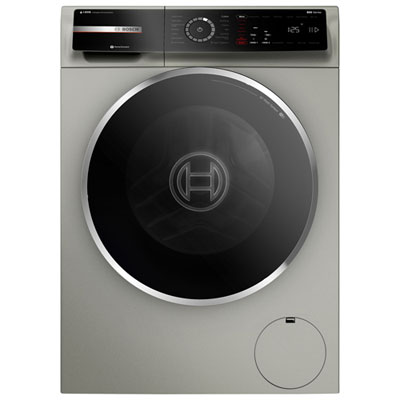
How tumbling action changes your everyday laundry routine
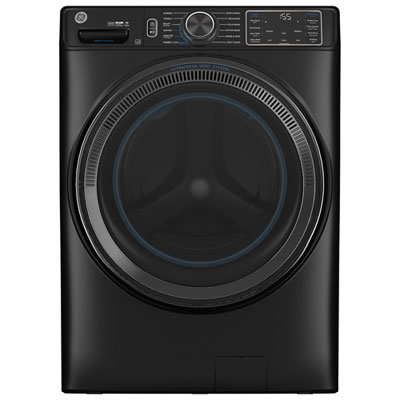
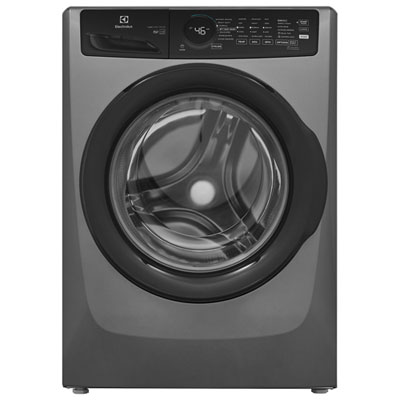
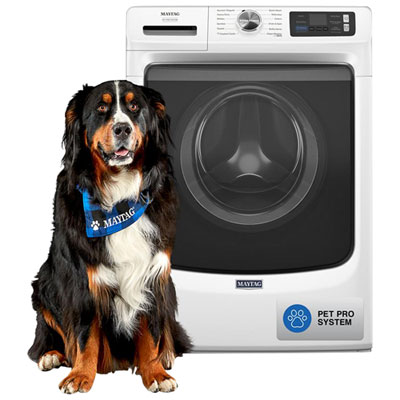
Front-load washing machines use a horizontally positioned drum to lift and tumble laundry through water and detergent, rather than relying on a central agitator. This washing action helps move clothing through the wash while limiting the twisting that can occur around an agitator, making front-load designs a practical choice for everyday clothing, towels, bedding, and washable household textiles. They typically use less water than traditional agitator-style top-load washers, although consumption varies by model, cycle, and load size. High-speed spin settings can also remove more moisture before laundry moves to a dryer or drying rack. Capacity is an important distinction within this category: a smaller drum may suit one person’s regular laundry, while a larger drum offers more room for family loads and bulky bedding. Usable space matters as much as the capacity figure, since a comforter needs room to tumble freely rather than sit tightly packed against the glass. A large drum does not make every oversized textile suitable for machine washing; the fabric’s care label and the washer’s instructions still determine what belongs inside. Cycle selection adds flexibility for households washing a mix of denim, cotton shirts, athletic clothing, and delicate garments. Depending on the washer, options may include bedding cycles, extra rinses, adjustable spin speeds, steam functions, and shorter cycles intended for small, lightly soiled loads. Gentle settings can help support fabric care, but they do not replace garment-specific washing instructions. Load-sensing features may adjust parts of the wash process to suit the contents, while adjustable soil levels offer more control over the time spent cleaning. For someone washing work shirts alongside children’s clothing and bath towels, this flexibility makes it easier to match the cycle to the task. Stainless steel drums are common and provide a durable washing surface, while a smooth drum finish helps reduce snagging during normal use. The most useful combination of capacity and settings is one that reflects the laundry a household actually produces, rather than simply offering the longest list of programmes.
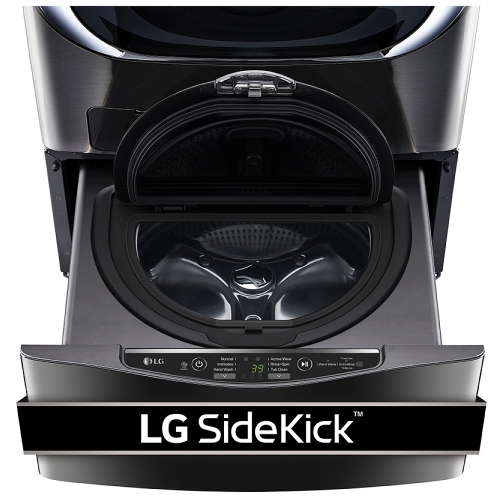
The front-opening design also changes how a washer fits into a laundry area. Front-load washers can work well beneath a suitable countertop, beside a dryer, or in a stacked arrangement where the appliances are specifically approved for that installation. Stacking can free up floor space in a condo, laundry closet, or compact utility room, but it requires a compatible dryer and the correct stacking kit; matching widths alone do not establish compatibility. An elevated installation on an approved pedestal can make loading and unloading more comfortable by reducing how far someone needs to bend. Pedestals may also provide storage, although the added height needs to suit the people using the machine and any shelving above it. Appliance dimensions are only part of the fit. Door swing, hose connections, required clearances, and the route from the home’s entrance to the laundry area all affect installation. A washer that fits neatly into a recess still needs enough room for its door to open and for a laundry basket to sit within reach. Door hinge direction deserves particular attention when the washer sits beside a dryer, as washer doors are not always reversible. The space behind the appliance must accommodate water supply hoses and the drain connection without crushing or sharply bending them. A firm, level floor is also important because front-load washers can reach high spin speeds, and an uneven installation can contribute to vibration or movement. Noise and vibration control features may be useful when the laundry area is near a bedroom, living room, or home office, but they cannot compensate for unsuitable flooring or poor levelling. Controls should be easy to see and reach in the intended arrangement, especially when appliances are stacked. A clear display, readable cycle labels, and accessible detergent compartments can make a noticeable difference when starting a load, checking its progress, or helping another household member use the machine.
Day-to-day convenience depends on both useful features and manageable care. For households that prefer connected controls, front load washing machines with smart features may offer cycle notifications, remaining-time updates, troubleshooting support, or additional settings through a compatible app. These functions vary, and some require Wi-Fi, an account, and a supported mobile device. A notification can be helpful when the laundry area is downstairs or out of earshot, making it easier to move a finished load before damp clothing sits for hours. Automatic detergent dispensing, where included, can reduce repeated measuring, though the dispenser still needs the correct detergent and periodic cleaning. Front-load washers generally require high-efficiency detergent in an amount suited to the load, soil level, water hardness, and manufacturer’s directions. Too much detergent can leave residue and excess suds, so a larger load does not automatically call for a generously filled cap. Routine care focuses on the areas that stay damp or collect residue: the door gasket, detergent drawer, and drum. Small objects, lint, and moisture can gather in the gasket’s folds, making an occasional inspection useful for both cleanliness and checking for trapped items. Running the recommended cleaning cycle and cleaning removable dispenser parts as directed help keep the interior fresh. Allowing the door and dispenser area to dry between uses can also help, provided this can be done safely around children and pets. Some washers have an accessible drain pump filter that requires attention according to the owner’s manual; access and maintenance procedures differ between designs. Durability also depends on ordinary loading habits, including keeping hard objects out of pockets, closing zippers when garment instructions allow, and avoiding tightly packed drums. A washer with suitable capacity, accessible controls, and care requirements that fit the household’s routine can serve anything from a steady stream of small loads to larger batches of bedding and towels, without adding unnecessary complexity to laundry day.
Top selling and popular products
-
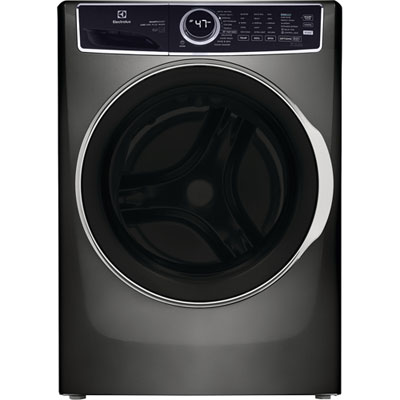 Your price for this item is $1292.99
-
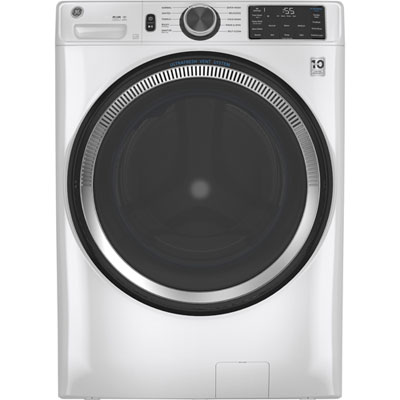 Your price for this item is $999.99
-
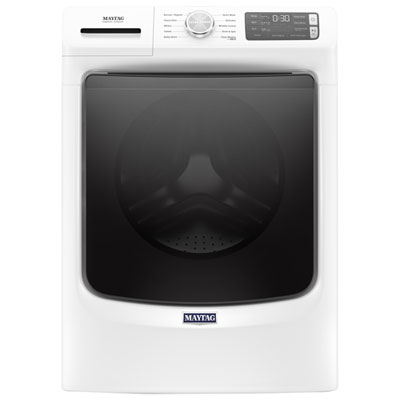 Your price for this item is $1199.99
-
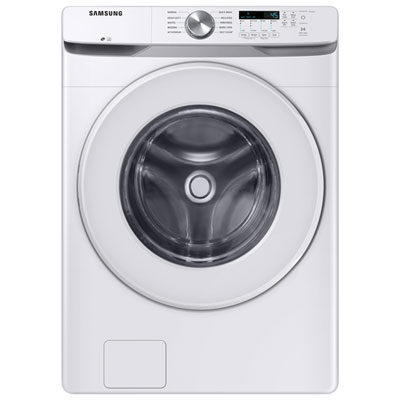 Your price for this item is $949.99
-
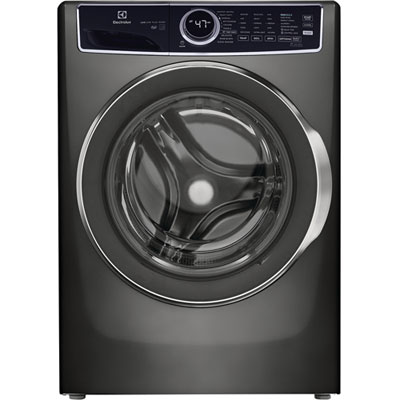 Your price for this item is $1199.99
-
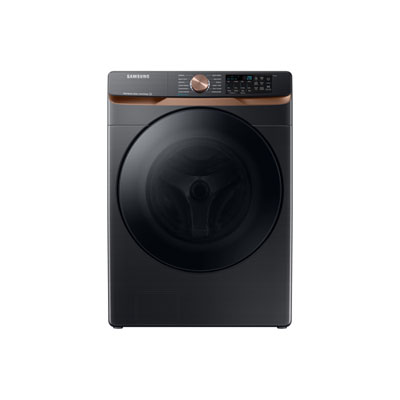 Your price for this item is $1295.99
-
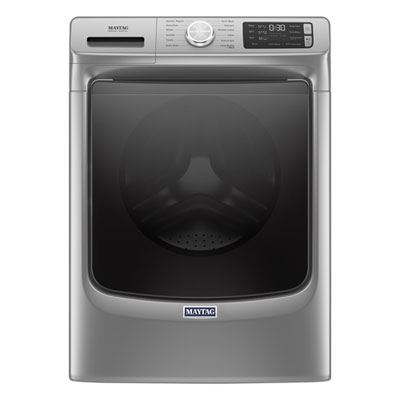 Your price for this item is $1399.99
-
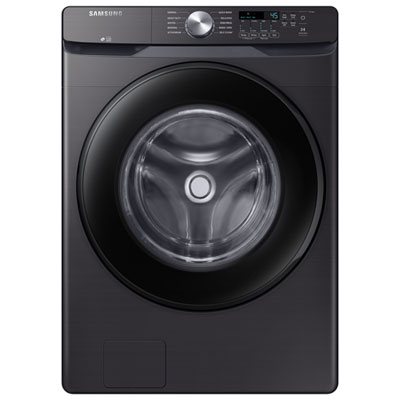 Your price for this item is $995.99
Discover more categories related to Washing Machines With Front Load Design
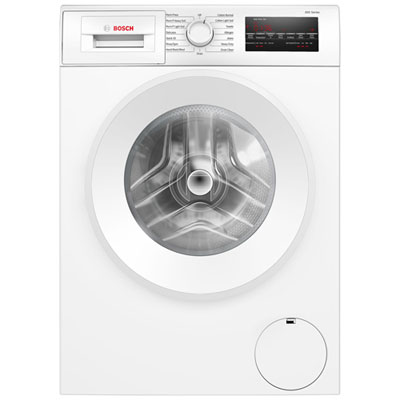
Top Collections:
Best Black Friday Deals This Year, Best Black Friday Deals On Electronics, Kindle Devices, Pokemon Centers, Best Black Friday Deals On Apple Products, Best Cameras for Sports Photography, Dyson Airwrap, Pokémon 30th Celebration Cards, Apple iPhone 17 Pro, Canon G7X Cameras
Some products may be subject to Environmental Handling Fees
(EHF) depending on your province.
Learn more about EHFs.