Water Heaters
When it comes to ensuring hot water is readily available in your home, a reliable water heater is essential. Whether you're looking to upgrade your current system or install a new one, finding the right water heater can make a significant difference in your daily comfort and convenience. With various types and sizes available on the market, choosing the best option for your household's needs can seem overwhelming. From tankless models that provide instant hot water to traditional tanks that store heated water, this selection of water heaters offers solutions for every home.
Sort




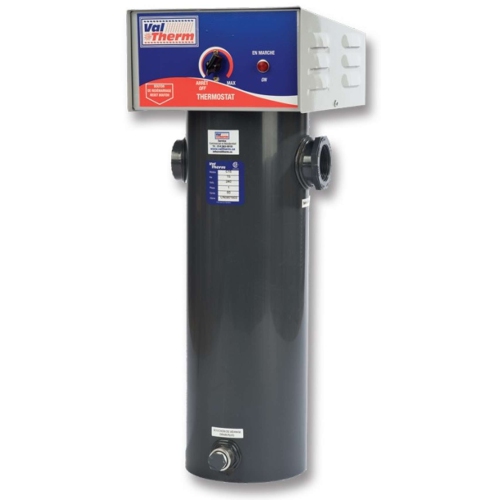
Capacity, installation and maintenance shape hot water performance
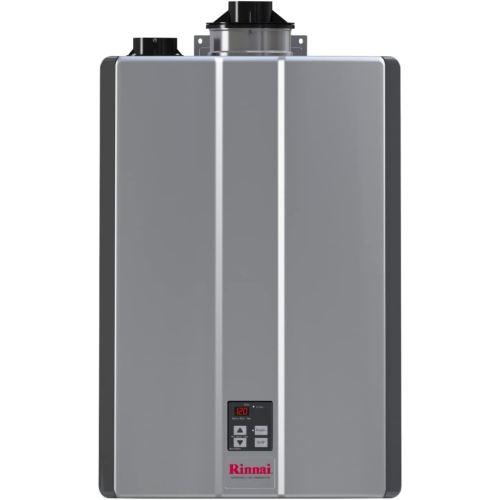
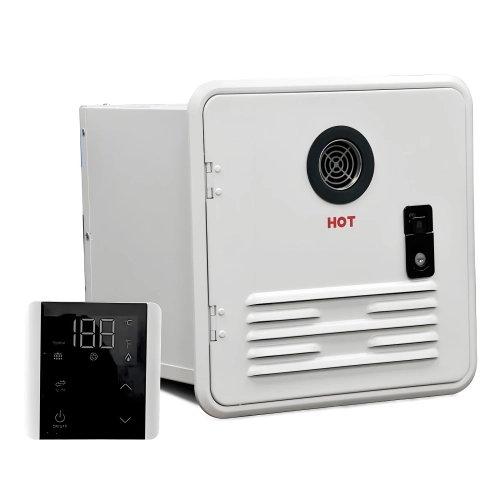
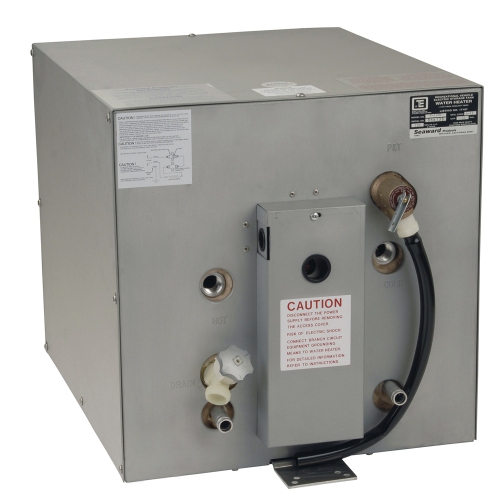
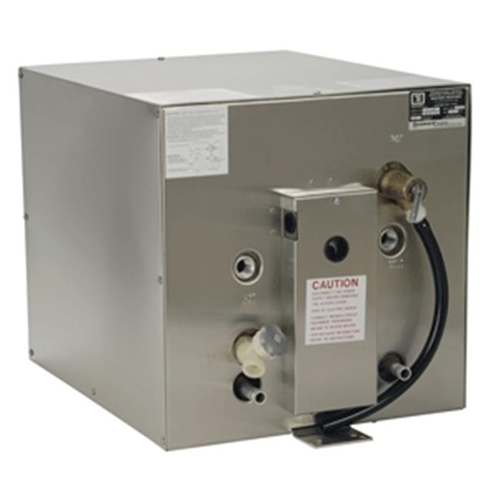
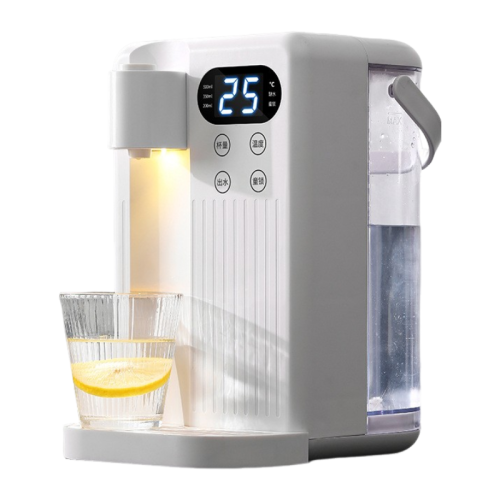
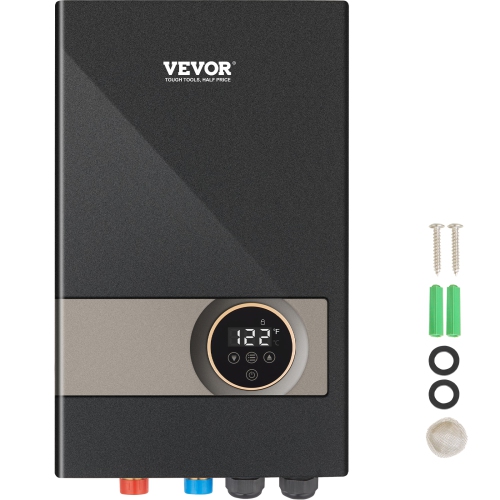
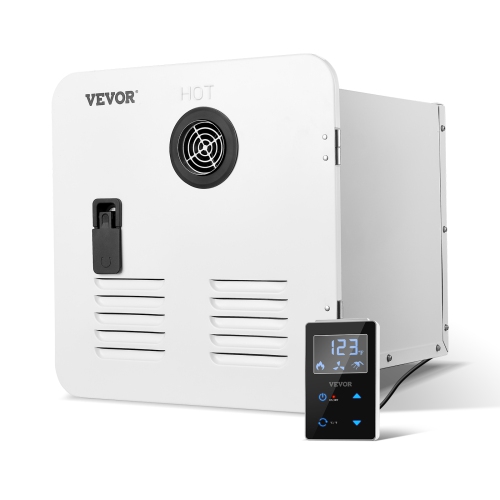
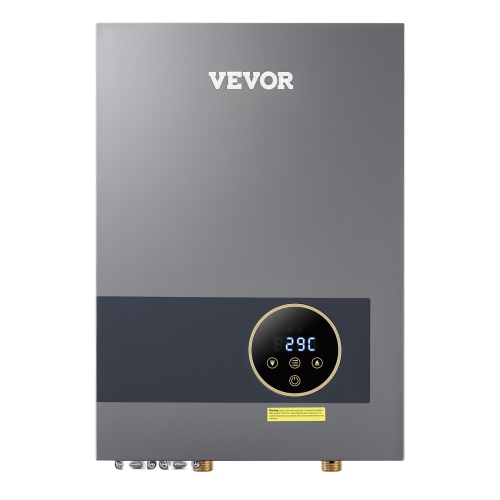
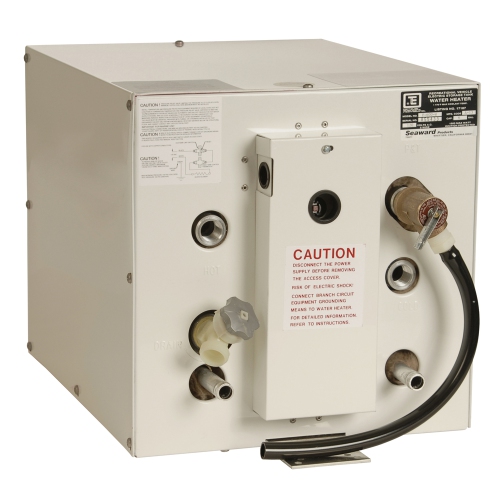
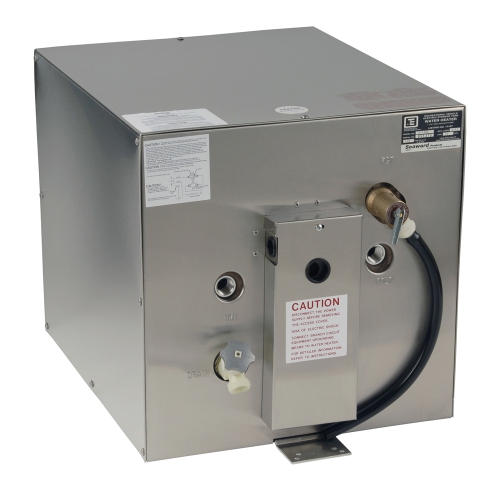
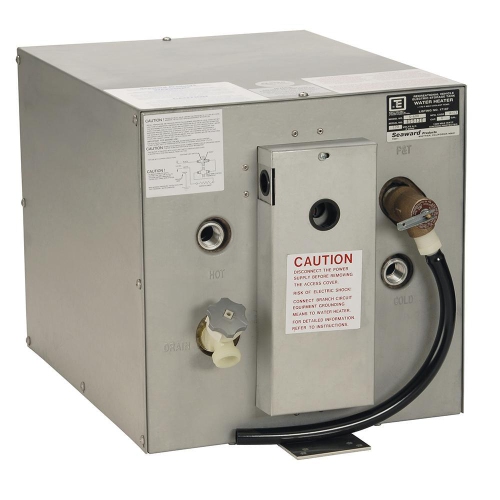
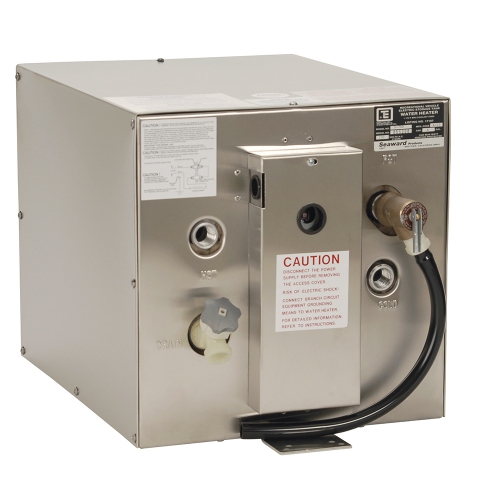
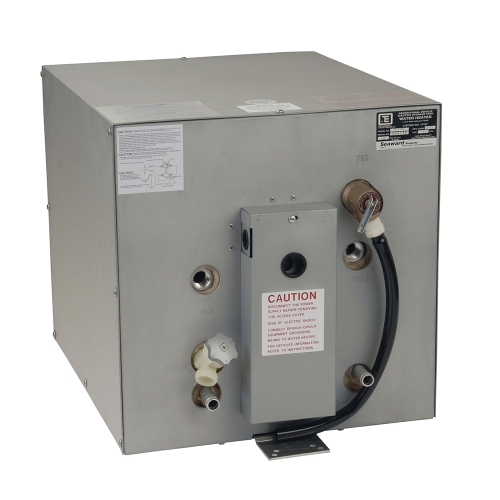
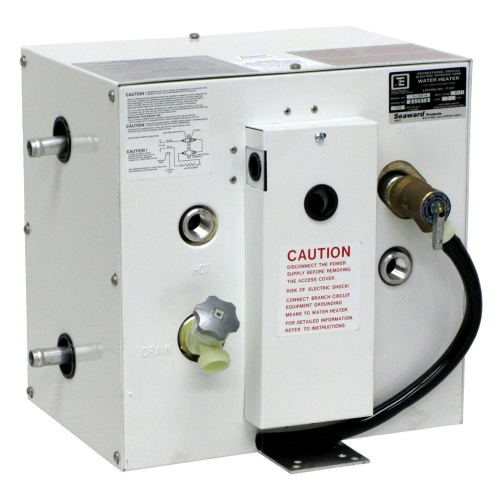
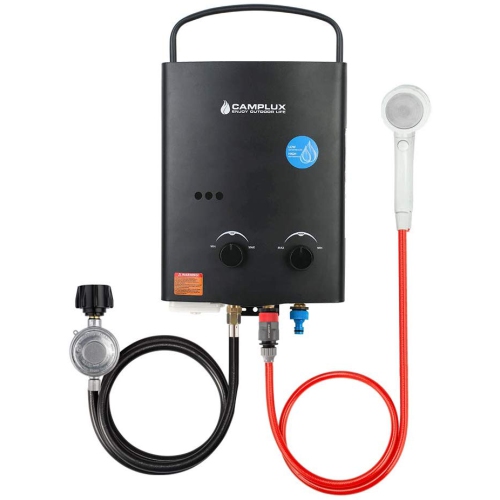
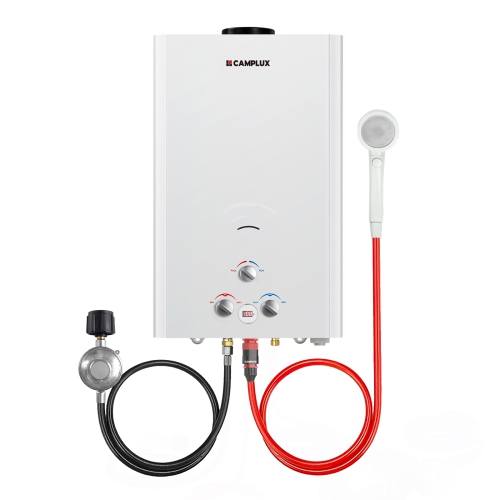
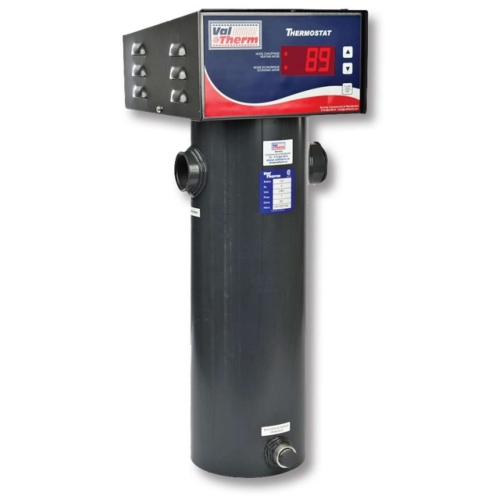
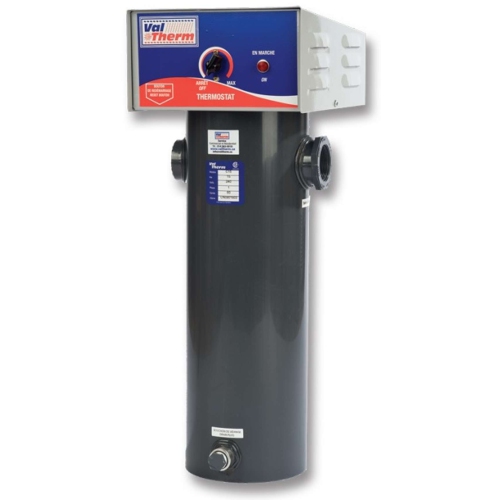
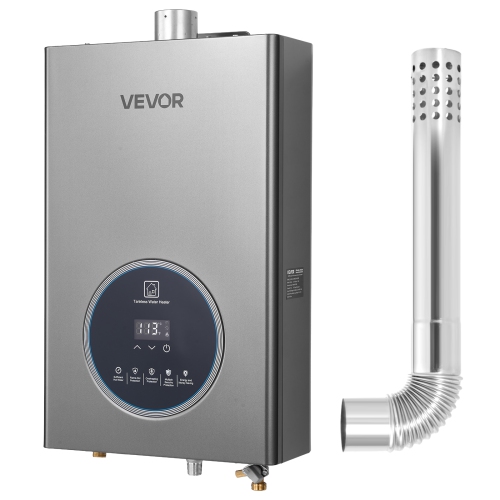
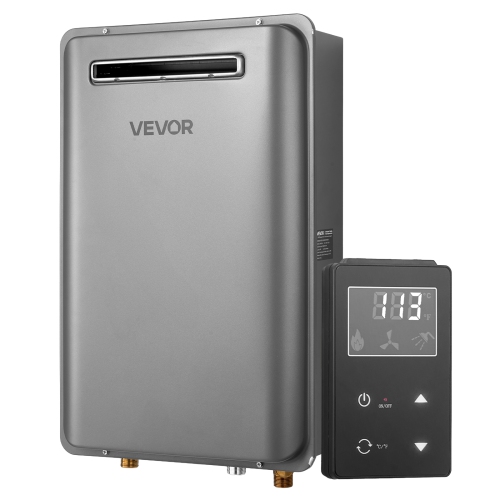
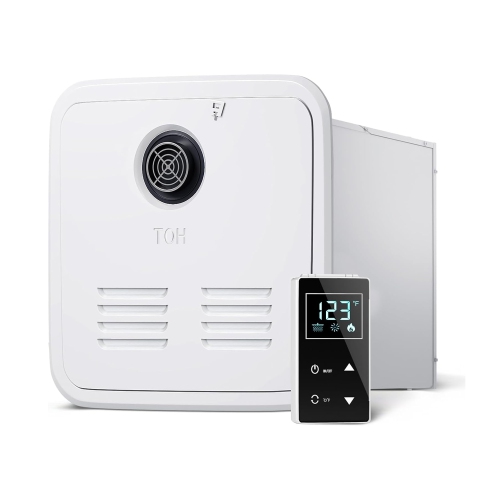
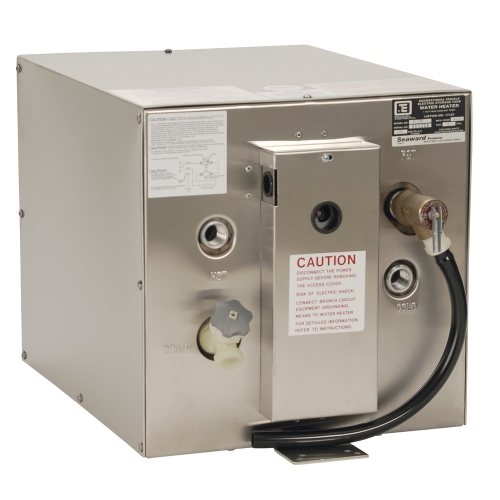
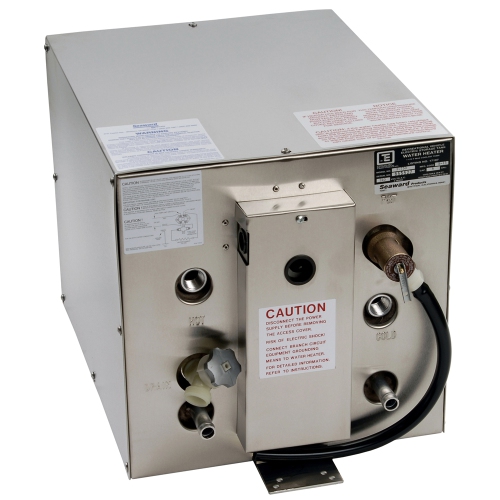
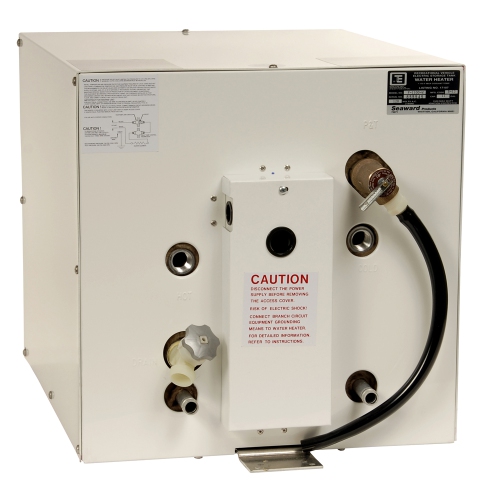
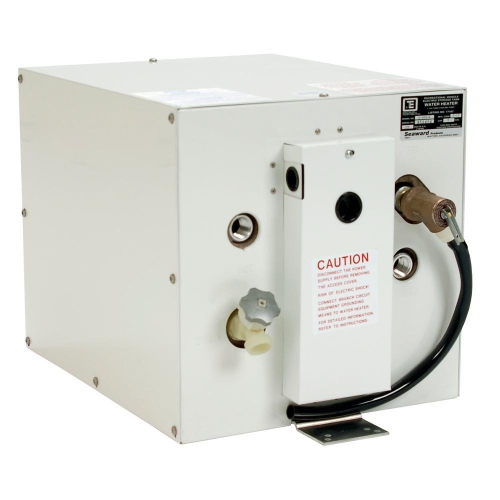
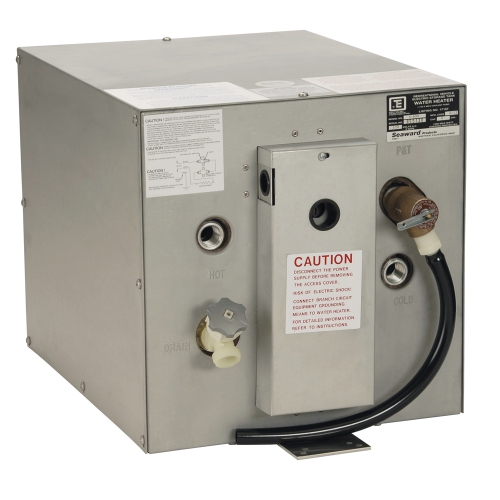
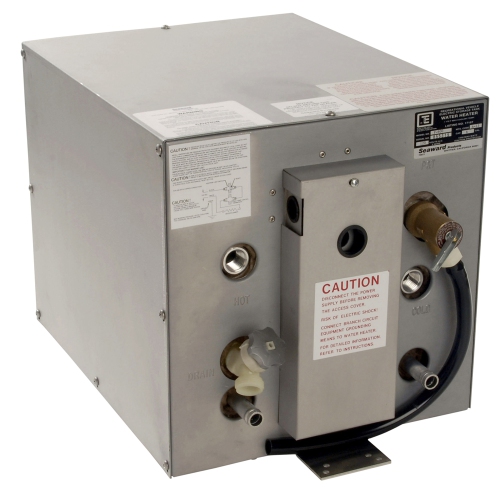
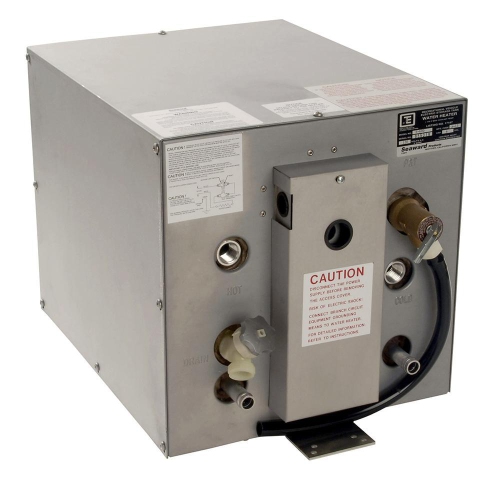
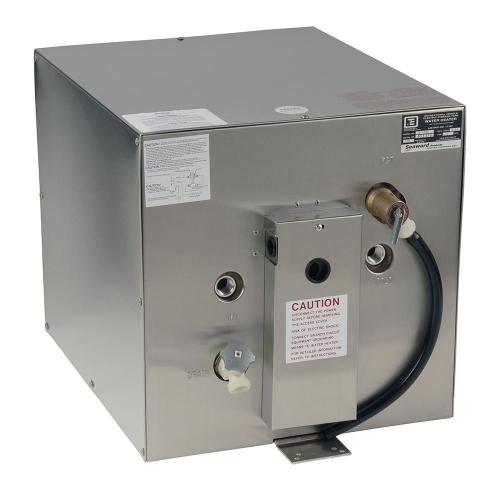
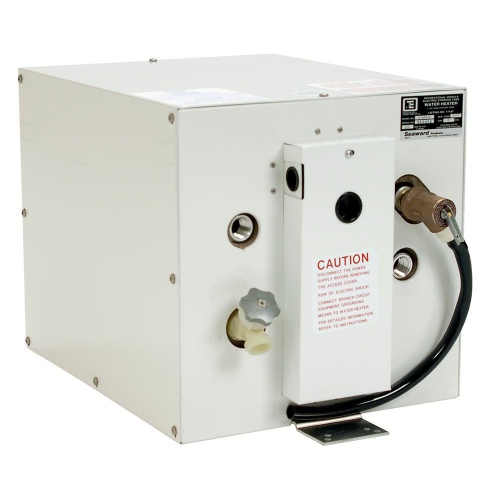
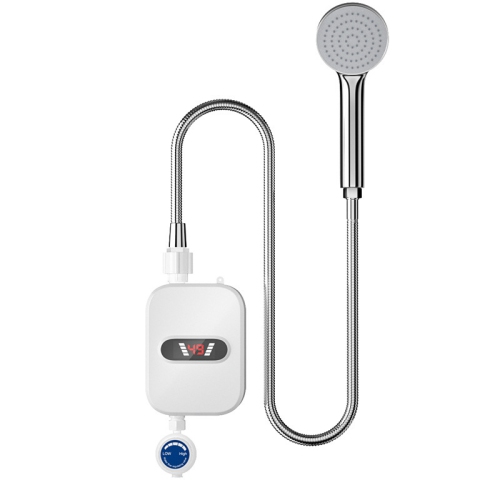
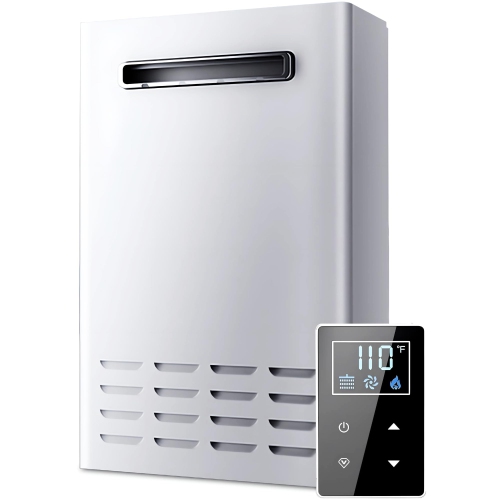
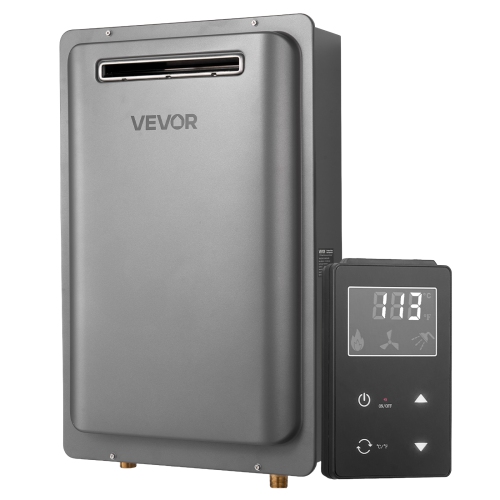
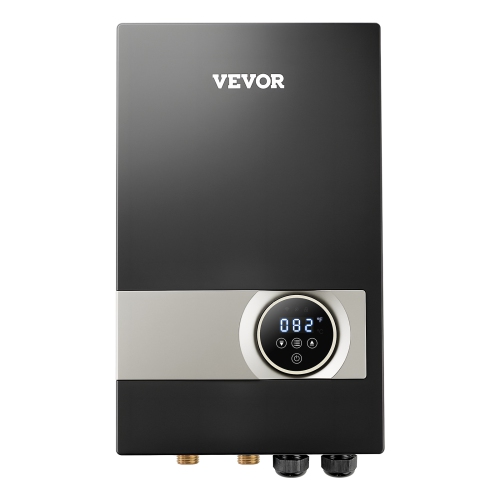
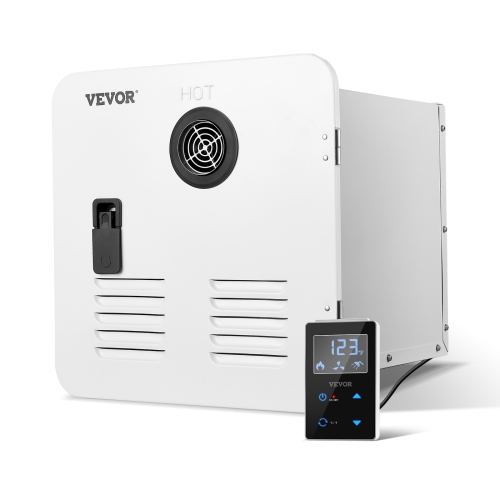
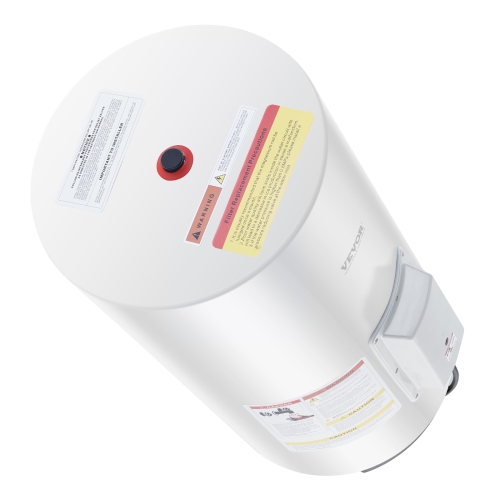
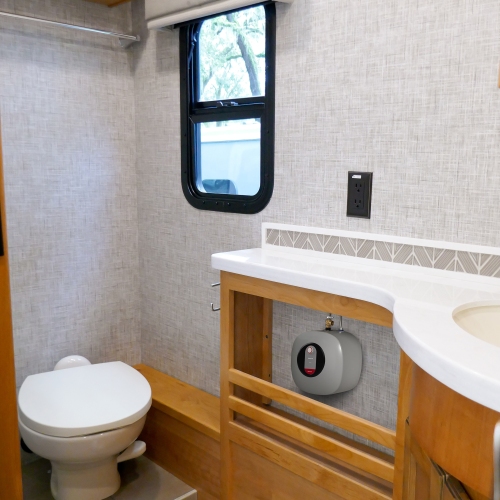
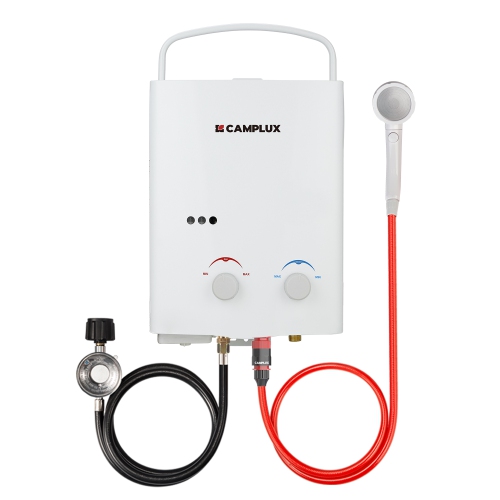
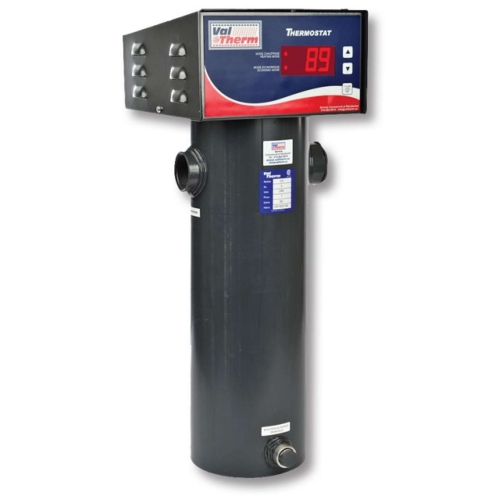
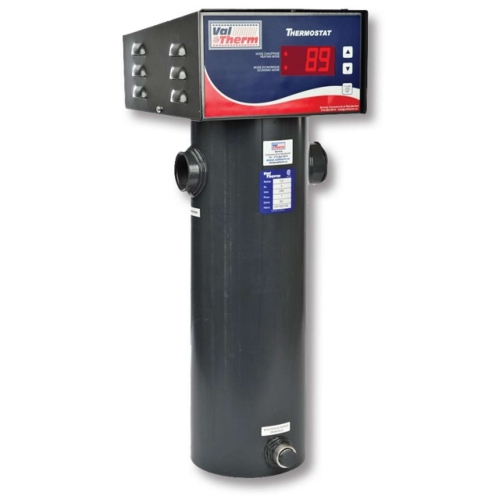
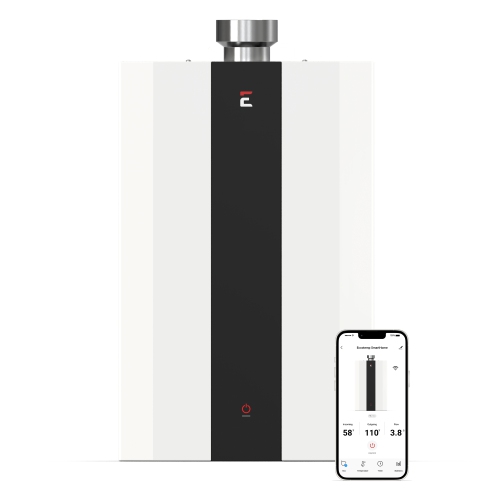
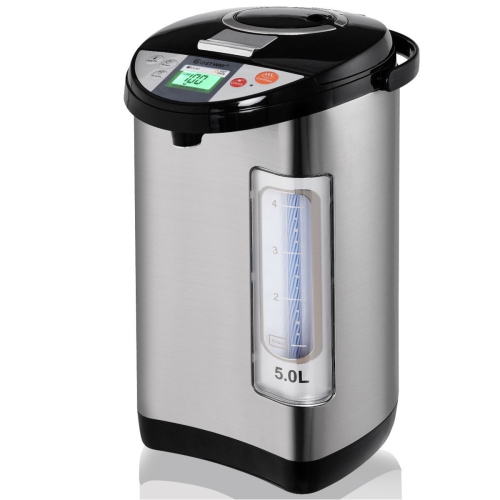
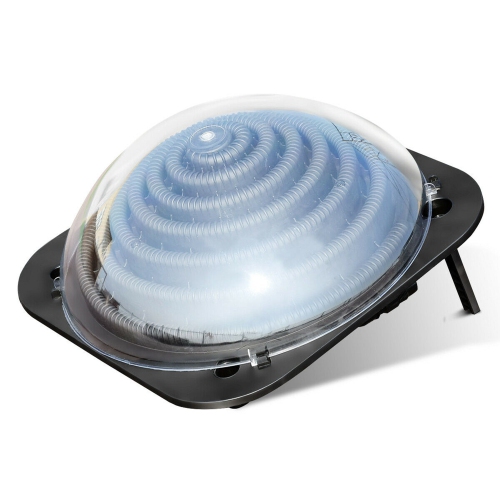
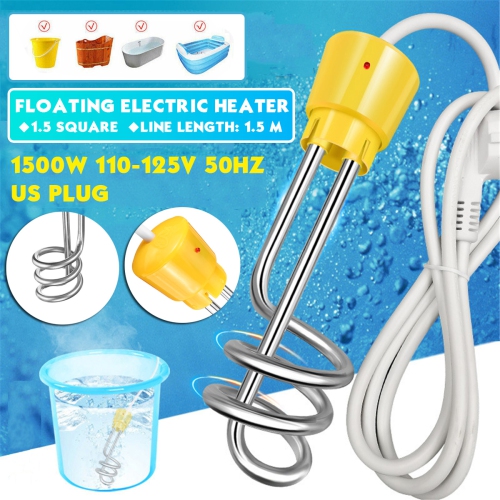
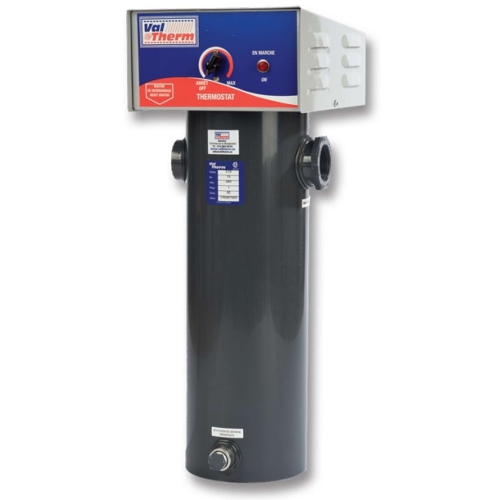
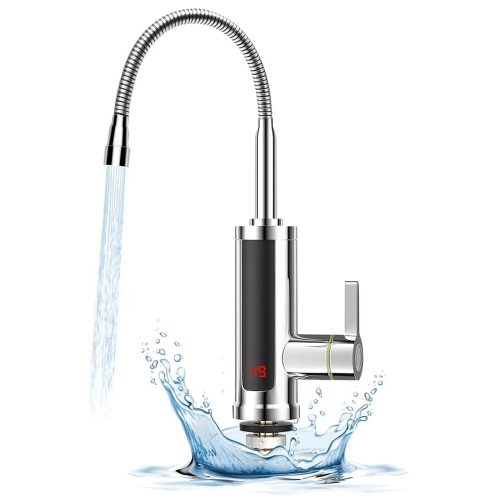
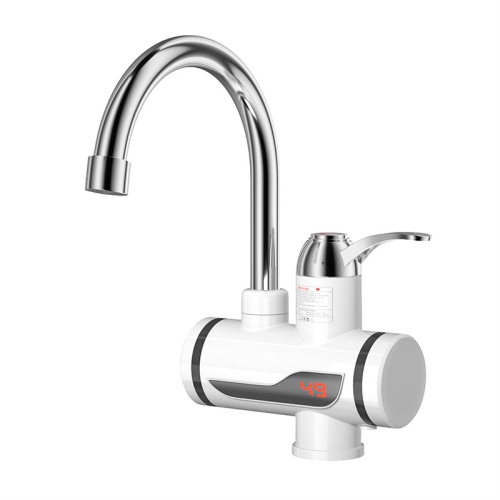
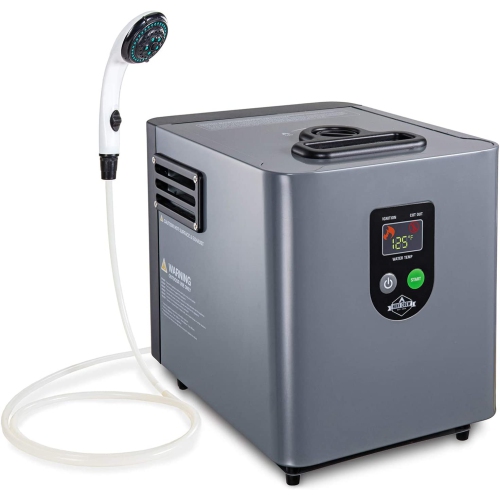
Water heaters provide the hot water used for showers, baths, washing dishes, laundry, handwashing and everyday household cleaning. Choosing the right unit begins with understanding how your home uses hot water. Traditional tank water heaters store a supply of heated water, with common residential capacities ranging from about 30 to 60 gallons, or approximately 115 to 230 litres. A smaller tank may suit a condo, cottage or one- or two-person household, while a larger tank can better support several people showering, running laundry and using the kitchen close together. Electric tank models are often selected for homes with suitable electrical service, while gas models require the correct fuel connection, ventilation and installation conditions. Tankless water heaters heat water as it flows through the unit instead of keeping a full tank hot, making them a practical option for households that want a continuous supply when demand is properly matched to the unit’s flow rate and temperature rise. Hybrid or heat pump water heaters use surrounding air as part of the heating process and may offer a different balance of capacity, operating costs and installation requirements. When comparing water heaters, consider the number of people in the home, the number of bathrooms, available space, incoming water temperature, peak hot water use and the type of connections already in place. A basement utility room may accommodate a larger storage tank, while a compact mechanical closet may call for a different configuration. During the cooler months, a dependable supply of hot water becomes especially noticeable, from warming up after coming in from the cold to handling extra laundry and dishes after a busy day.
Installation details are just as important as capacity. Check whether the selected water heater is compatible with the home’s electrical panel, gas line, venting arrangement, plumbing connections and available clearance. Tankless units may need a higher electrical load or a properly sized gas supply, and some installations require changes to piping or venting. Storage-tank models need a stable, level installation area with enough room for servicing, while any water heater should be positioned with attention to drainage and access. Local building codes and manufacturer requirements can affect placement, venting, temperature controls and discharge piping, so installation is best completed by a qualified professional. A temperature setting around 60°C (140°F) is commonly used in storage tanks to help limit bacterial growth, but hot water at the tap can cause serious burns. Homes with young children, older adults or anyone with limited mobility may benefit from a properly installed tempering or mixing valve that reduces the temperature delivered to fixtures while allowing the tank to operate at its required setting. Household routines also matter: a family that runs back-to-back showers may need more recovery capacity than a household with lighter, spread-out use. Review the unit’s first-hour rating, recovery rate and flow-rate specifications rather than relying on tank size alone. Keep manuals, installation records and warranty information in an accessible place, and make sure everyone in the home knows where the water and fuel shutoff controls are located. Replacement fittings, valves, connectors and maintenance supplies can be found with Water Heater Parts when a compatible component is needed.
Regular care can help a water heater perform reliably over its service life. For a traditional tank, arrange an annual flush to remove sediment and mineral deposits that can collect at the bottom and affect heating performance or create popping and rumbling sounds. A qualified technician can inspect the sacrificial anode rod, which helps protect the inside of the tank from corrosion; checking it approximately once a year is a useful maintenance step, particularly in areas with hard water or high household usage. Inspect the area around the unit for moisture, rust, unusual odours or changes in performance, and address small warning signs before they become a leak or loss of hot water. Tankless models generally require attention to filters, inlet screens and periodic descaling, while gas-fired units should have their burner, venting and combustion components checked by a qualified professional. Hybrid models also need sufficient airflow and routine cleaning around intake areas. Never ignore a tripped breaker, a gas smell, a damaged vent or water collecting beneath the unit; shut off the appropriate supply when safe to do so and contact a licensed service professional. With the right capacity, compatible installation and sensible maintenance, a water heater can support the steady routines that make a home comfortable, from a quiet morning shower to a sink full of dishes after a family meal.
Installation details are just as important as capacity. Check whether the selected water heater is compatible with the home’s electrical panel, gas line, venting arrangement, plumbing connections and available clearance. Tankless units may need a higher electrical load or a properly sized gas supply, and some installations require changes to piping or venting. Storage-tank models need a stable, level installation area with enough room for servicing, while any water heater should be positioned with attention to drainage and access. Local building codes and manufacturer requirements can affect placement, venting, temperature controls and discharge piping, so installation is best completed by a qualified professional. A temperature setting around 60°C (140°F) is commonly used in storage tanks to help limit bacterial growth, but hot water at the tap can cause serious burns. Homes with young children, older adults or anyone with limited mobility may benefit from a properly installed tempering or mixing valve that reduces the temperature delivered to fixtures while allowing the tank to operate at its required setting. Household routines also matter: a family that runs back-to-back showers may need more recovery capacity than a household with lighter, spread-out use. Review the unit’s first-hour rating, recovery rate and flow-rate specifications rather than relying on tank size alone. Keep manuals, installation records and warranty information in an accessible place, and make sure everyone in the home knows where the water and fuel shutoff controls are located. Replacement fittings, valves, connectors and maintenance supplies can be found with Water Heater Parts when a compatible component is needed.
Regular care can help a water heater perform reliably over its service life. For a traditional tank, arrange an annual flush to remove sediment and mineral deposits that can collect at the bottom and affect heating performance or create popping and rumbling sounds. A qualified technician can inspect the sacrificial anode rod, which helps protect the inside of the tank from corrosion; checking it approximately once a year is a useful maintenance step, particularly in areas with hard water or high household usage. Inspect the area around the unit for moisture, rust, unusual odours or changes in performance, and address small warning signs before they become a leak or loss of hot water. Tankless models generally require attention to filters, inlet screens and periodic descaling, while gas-fired units should have their burner, venting and combustion components checked by a qualified professional. Hybrid models also need sufficient airflow and routine cleaning around intake areas. Never ignore a tripped breaker, a gas smell, a damaged vent or water collecting beneath the unit; shut off the appropriate supply when safe to do so and contact a licensed service professional. With the right capacity, compatible installation and sensible maintenance, a water heater can support the steady routines that make a home comfortable, from a quiet morning shower to a sink full of dishes after a family meal.
Top selling and popular products
-
 Your price for this item is $179.99
 -
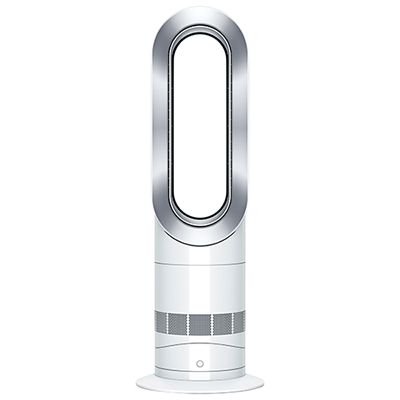 Your price for this item is $549.99
 -
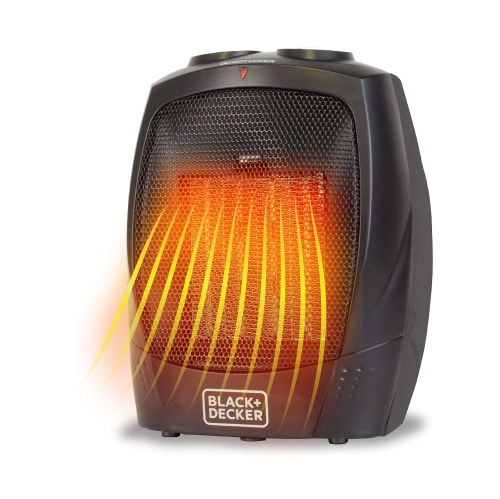 Your price for this item is $41.99
 -
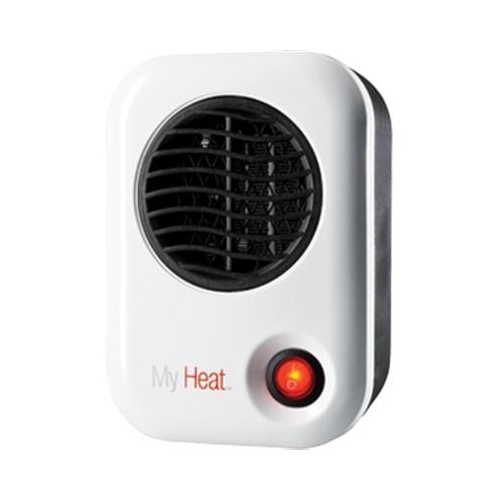 Your price for this item is $100.99
 -
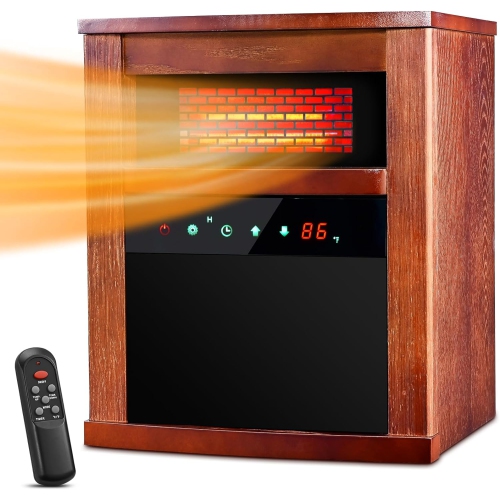 Your price for this item is $219.95
 -
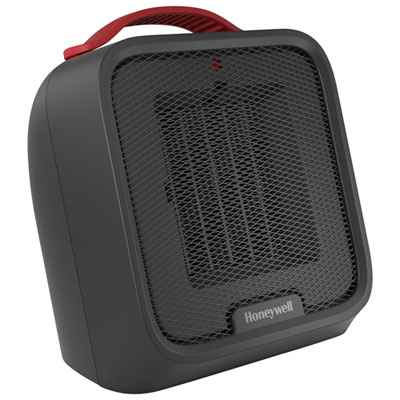 Your price for this item is $64.98
 -
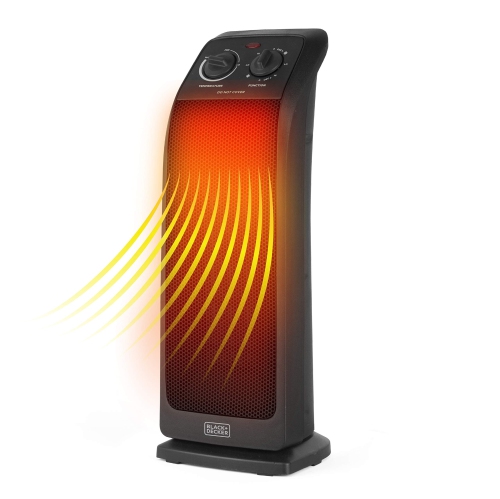 Your price for this item is $68.99
 -
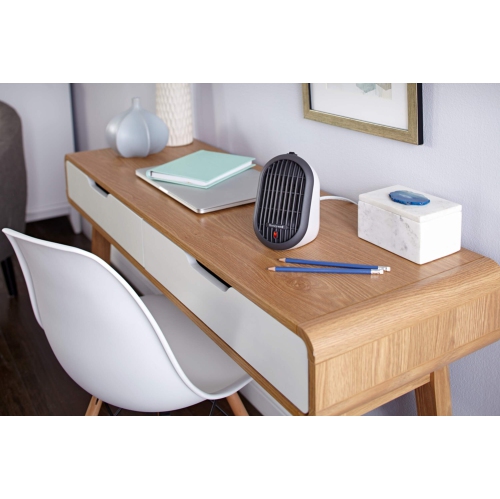 Your price for this item is $50
Discover more categories related to Water Heaters
Top Collections:
Pokemon Centers, Kindle Devices, Best Budget Office Chairs, Apple iPhones 16, Best Laptops for Writers, iPhone 15 Apple, Canon G7X Cameras, Refurbished Apple Laptops, Alarm Clock, Motorola Razr Phones
Some products may be subject to Environmental Handling Fees
(EHF) depending on your province.
Learn more about EHFs.