120v Water Heaters
If you're looking to upgrade your water heater to a more efficient and reliable option, this selection of 120-volt water heaters offers a range of solutions to meet your hot water needs. Whether you're looking for a compact unit for a small space or a high-capacity model for a larger household, we have the perfect water heater for you. With advanced features and energy-efficient designs, these 120-volt water heaters are designed to provide consistent hot water while helping you save on energy costs.
Sort
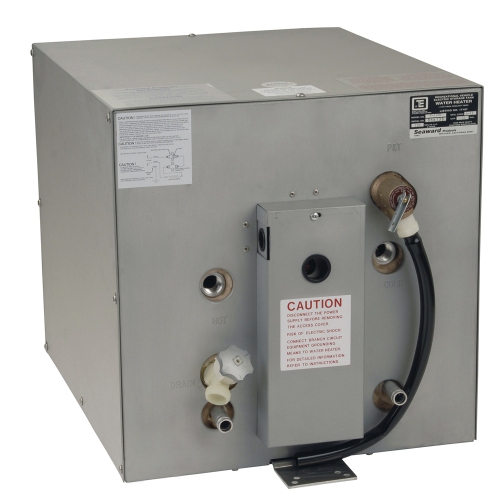

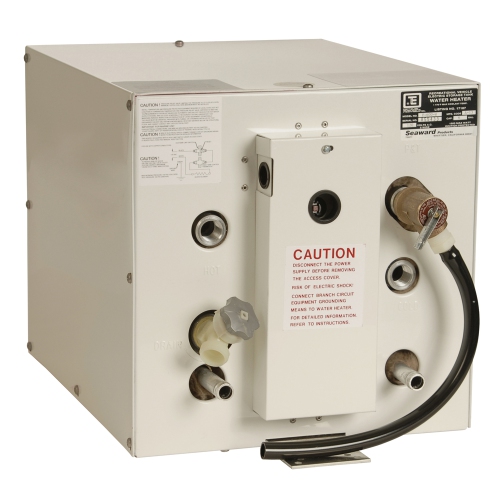
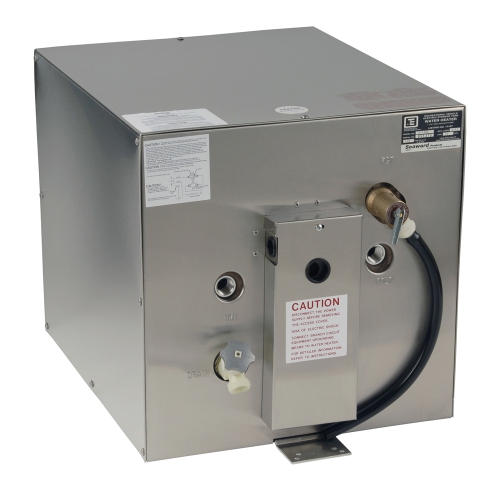
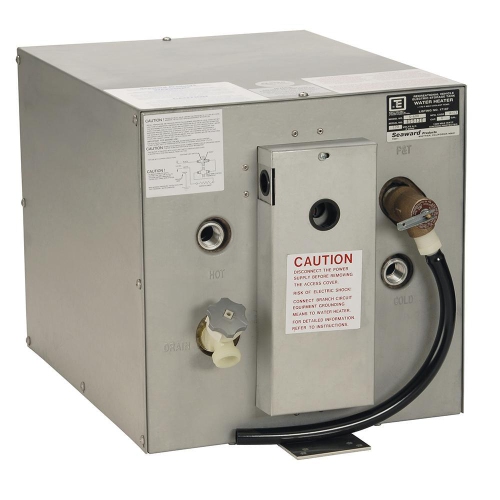
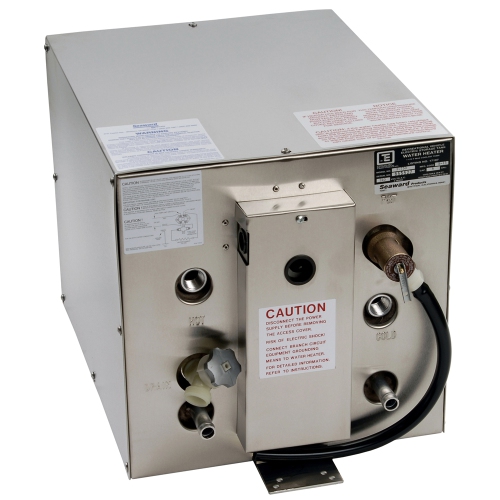
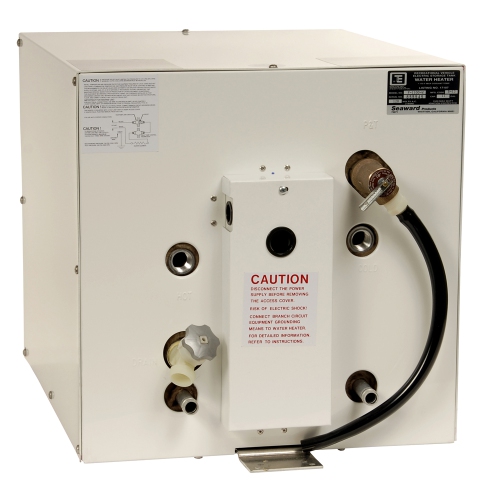
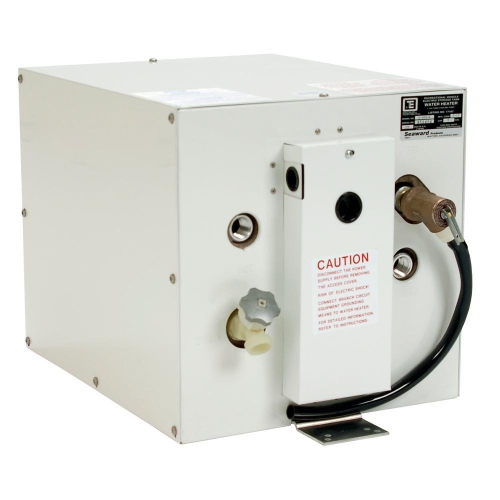
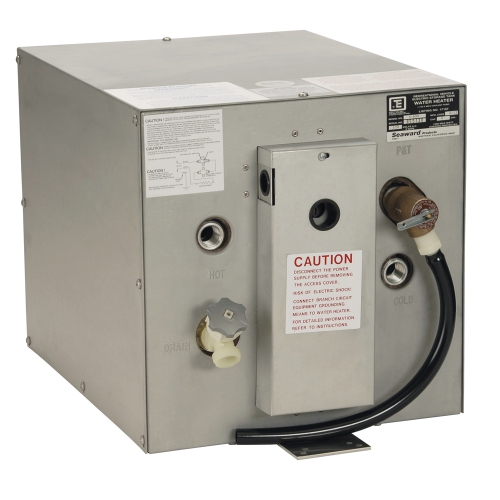
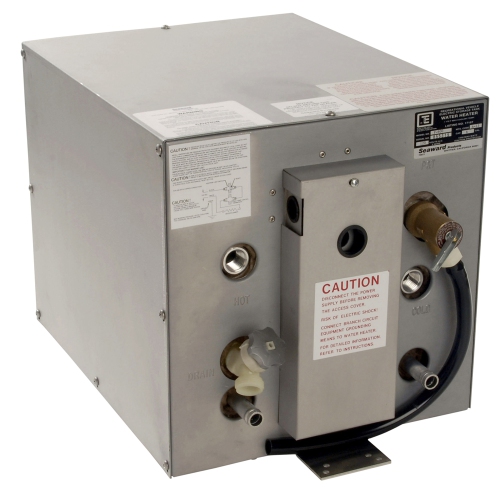

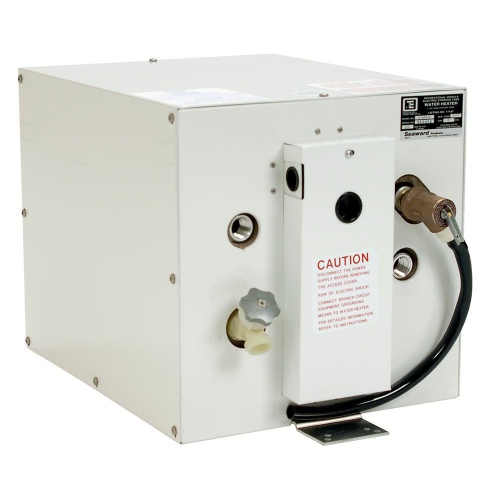
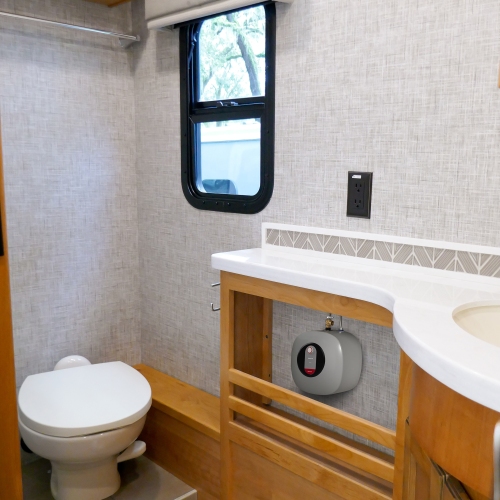
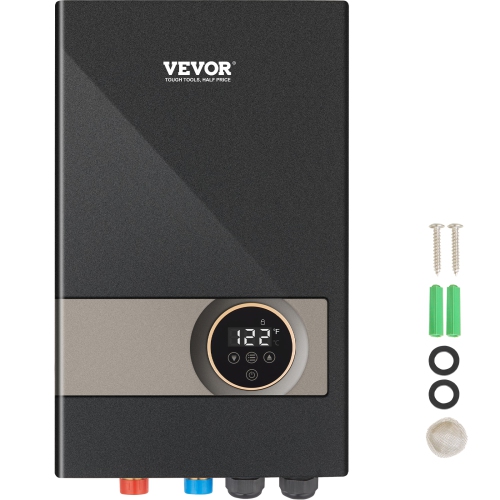
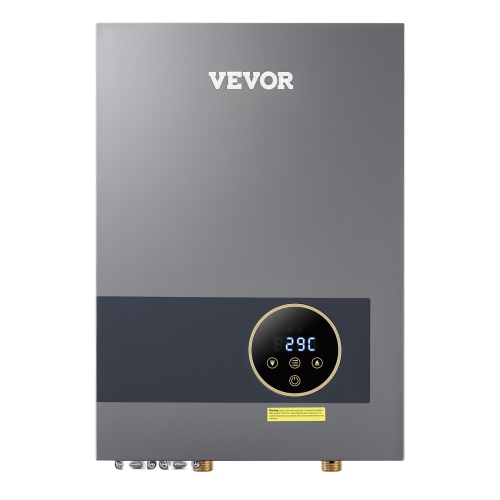

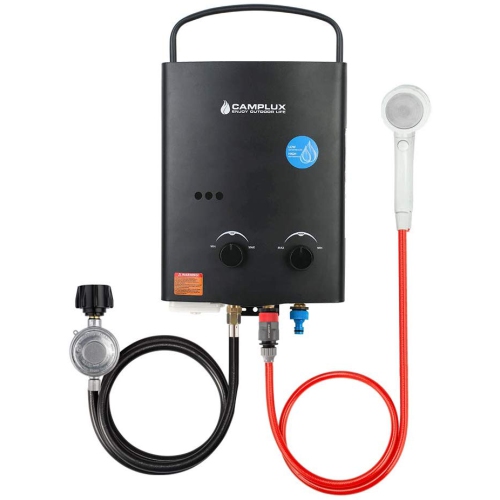

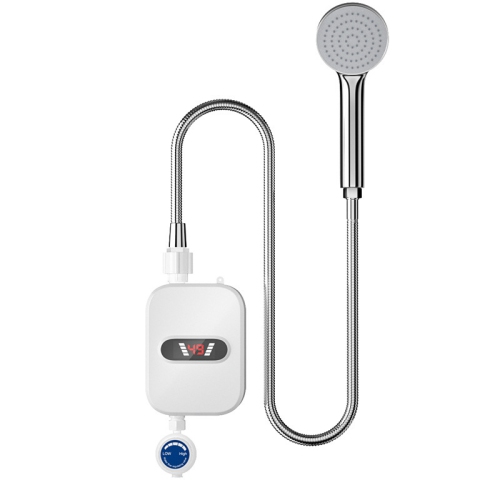
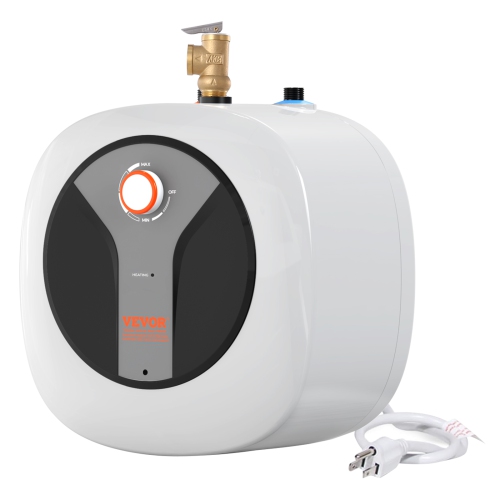
Less waiting for warm water at a distant sink
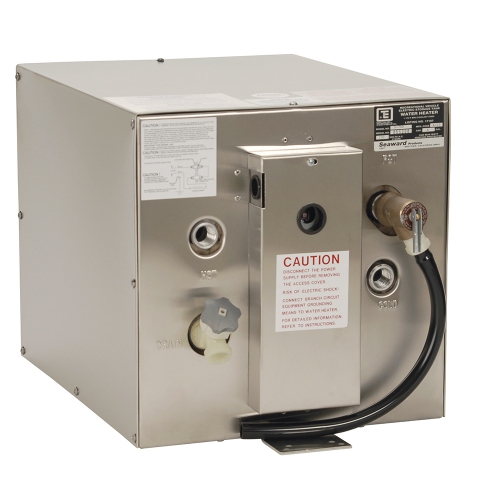
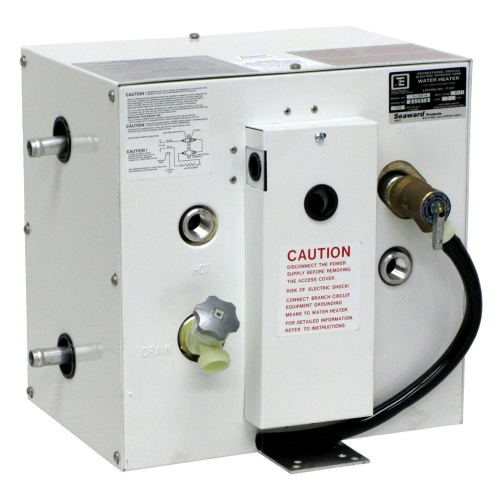
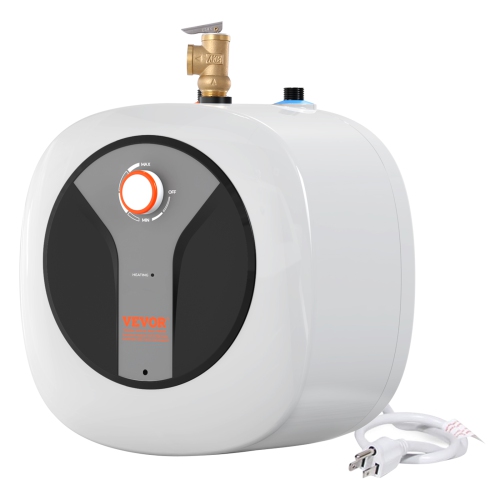
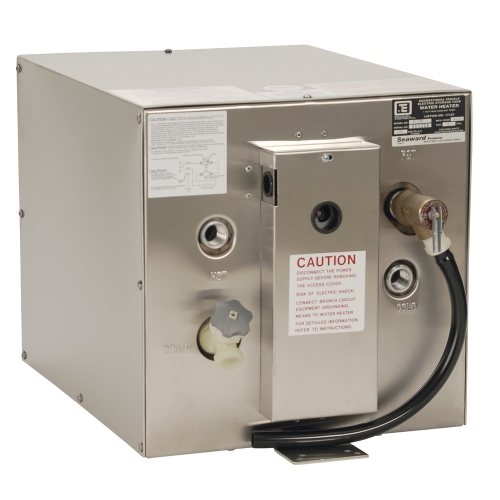
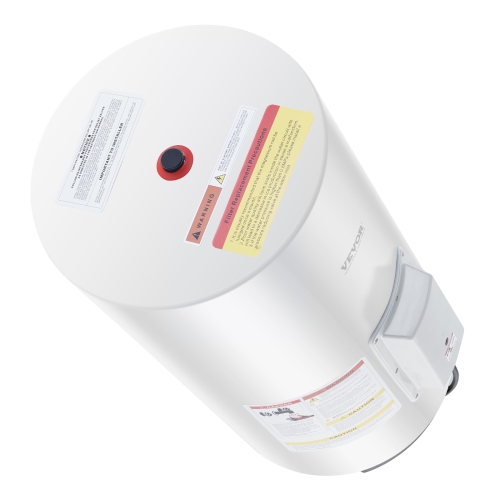
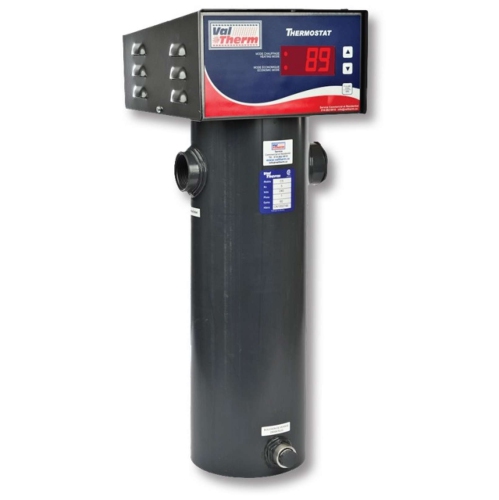
120V water heaters use a 120-volt electrical supply to heat water, most often for a single fixture or a small area rather than an entire home. They can be a practical fit for a powder-room basin, a workshop sink, or a kitchenette where the main hot-water tank is several rooms away. At a sink near the end of a long plumbing run, a compact heater installed close to the tap can shorten the wait for warm water. That makes a noticeable difference during everyday tasks such as washing hands or rinsing a coffee mug. The main types are storage-tank and tankless electric heaters. A mini-tank holds a limited quantity of heated water ready for use, while a tankless heater warms water as it passes through the unit. Small storage heaters often suit brief, intermittent use because they provide a reserve of hot water, then take time to heat the incoming replacement water. Tankless designs do not have a stored reserve to exhaust, but their output is limited by electrical power, incoming water temperature, and flow rate. At 120 volts, that generally means modest demand at a single fixture, not simultaneous showers, laundry, and kitchen use. Larger storage tanks can also operate on 120 volts, although a larger tank does not necessarily heat its contents quickly. Voltage alone is therefore not a measure of capacity or performance. Within the broader range of Water Heaters, 120V designs serve a particular purpose: supplying manageable amounts of hot water where the plumbing layout, electrical supply, and daily routine suit their capabilities. They may appeal to homeowners improving a distant sink, small-business owners fitting out a staff handwashing area, or cottage owners with modest hot-water needs. For each setting, the intended application matters more than the compact appearance of the heater. A unit suited to occasional handwashing may not meet the demands of a deep utility sink or repeated dishwashing.
Choosing a suitable capacity starts with the way the tap is actually used. A brief handwash draws much less hot water than filling a basin, and several people using a sink one after another can drain a small tank faster than expected. Storage capacity is commonly shown in litres or gallons; when comparing specifications, check whether a gallon measurement refers to US or imperial gallons, since the volumes differ. The usable amount of warm water also depends on the stored temperature and how much cold water is mixed in at the tap. For tankless heaters, the key relationship is between flow rate and temperature rise: the faster water moves through the heater, the less time the unit has to warm it at a given power level. A flow rating is meaningful only alongside the stated temperature rise and inlet-water conditions. During the cooler months, colder incoming water can make a low-powered heater’s limits more apparent, particularly in a cottage or workshop supplied by very cold water. A heater that takes the chill off water at a low-flow basin may not deliver the same temperature at a freely running utility tap. Electrical compatibility deserves equally close attention. A 120V rating does not mean every heater can be plugged into any ordinary receptacle. Some designs have a factory-fitted cord and plug, while others require a hardwired connection; circuit requirements depend on wattage, the manufacturer’s instructions, and applicable electrical rules. For context, a 1,500-watt heater draws approximately 12.5 amps at 120 volts, but that calculation alone does not establish whether an existing circuit is suitable. Higher-powered 120V tankless heaters can require substantially more current than a standard household receptacle can supply. A qualified electrician can confirm circuit capacity, wiring, protection, and any required dedicated supply. Extension cords and power bars are not substitutes for the specified electrical connection. For a shower, a full kitchen, or several fixtures, assess the complete hot-water demand rather than assuming that a convenient supply voltage makes a small heater suitable.
Physical fit involves more than finding a gap beneath the sink. An under-sink cabinet may already contain a drain trap, shut-off valves, cleaning supplies, and shelving, so the heater’s dimensions need to be considered alongside space for plumbing connections and future servicing. Some designs are intended for wall mounting, others for floor placement, and the approved orientation matters. A filled storage tank weighs considerably more than an empty one, making appropriate support essential. Connection size, permitted water pressure, and whether the heater is designed for a pressurized plumbing system also affect suitability. Certain designs require a particular tap or an open-outlet arrangement and should not be treated as interchangeable with conventional pressurized heaters. Installation should follow the manufacturer’s directions and local plumbing requirements, including any specified relief valve, discharge piping, drain pan, or expansion control. A licensed plumber can assess those details and help protect nearby cabinetry and flooring from leaks. Materials influence care and service life as well. Storage tanks may use glass-lined steel or stainless steel, while housings and fittings vary by design. Some lined tanks have a sacrificial anode that needs periodic inspection or replacement; stainless steel construction does not eliminate the need to follow water-quality limits and maintenance instructions. Hard water can leave mineral deposits on heating elements or inside narrow tankless passages, affecting performance over time. Depending on the design, routine care may include draining, flushing, descaling, or checking an anode, always with the electricity and water handled as directed before servicing. Accessible placement makes this work easier than an installation tucked behind fixed shelving. In an unheated garage or a seasonally used cottage, freezing is another important consideration: a heater and its connected pipes need protection, and winter shutdown may require manufacturer-specified draining. Temperature controls should also suit the users, with appropriate scald protection where needed, especially for children and older adults. A well-matched 120V water heater brings useful hot water to a specific place without asking a compact appliance to do the work of a whole-home system. Capacity, flow, electrical requirements, installation space, and ongoing care together determine how comfortably it will serve that everyday role.
Choosing a suitable capacity starts with the way the tap is actually used. A brief handwash draws much less hot water than filling a basin, and several people using a sink one after another can drain a small tank faster than expected. Storage capacity is commonly shown in litres or gallons; when comparing specifications, check whether a gallon measurement refers to US or imperial gallons, since the volumes differ. The usable amount of warm water also depends on the stored temperature and how much cold water is mixed in at the tap. For tankless heaters, the key relationship is between flow rate and temperature rise: the faster water moves through the heater, the less time the unit has to warm it at a given power level. A flow rating is meaningful only alongside the stated temperature rise and inlet-water conditions. During the cooler months, colder incoming water can make a low-powered heater’s limits more apparent, particularly in a cottage or workshop supplied by very cold water. A heater that takes the chill off water at a low-flow basin may not deliver the same temperature at a freely running utility tap. Electrical compatibility deserves equally close attention. A 120V rating does not mean every heater can be plugged into any ordinary receptacle. Some designs have a factory-fitted cord and plug, while others require a hardwired connection; circuit requirements depend on wattage, the manufacturer’s instructions, and applicable electrical rules. For context, a 1,500-watt heater draws approximately 12.5 amps at 120 volts, but that calculation alone does not establish whether an existing circuit is suitable. Higher-powered 120V tankless heaters can require substantially more current than a standard household receptacle can supply. A qualified electrician can confirm circuit capacity, wiring, protection, and any required dedicated supply. Extension cords and power bars are not substitutes for the specified electrical connection. For a shower, a full kitchen, or several fixtures, assess the complete hot-water demand rather than assuming that a convenient supply voltage makes a small heater suitable.
Physical fit involves more than finding a gap beneath the sink. An under-sink cabinet may already contain a drain trap, shut-off valves, cleaning supplies, and shelving, so the heater’s dimensions need to be considered alongside space for plumbing connections and future servicing. Some designs are intended for wall mounting, others for floor placement, and the approved orientation matters. A filled storage tank weighs considerably more than an empty one, making appropriate support essential. Connection size, permitted water pressure, and whether the heater is designed for a pressurized plumbing system also affect suitability. Certain designs require a particular tap or an open-outlet arrangement and should not be treated as interchangeable with conventional pressurized heaters. Installation should follow the manufacturer’s directions and local plumbing requirements, including any specified relief valve, discharge piping, drain pan, or expansion control. A licensed plumber can assess those details and help protect nearby cabinetry and flooring from leaks. Materials influence care and service life as well. Storage tanks may use glass-lined steel or stainless steel, while housings and fittings vary by design. Some lined tanks have a sacrificial anode that needs periodic inspection or replacement; stainless steel construction does not eliminate the need to follow water-quality limits and maintenance instructions. Hard water can leave mineral deposits on heating elements or inside narrow tankless passages, affecting performance over time. Depending on the design, routine care may include draining, flushing, descaling, or checking an anode, always with the electricity and water handled as directed before servicing. Accessible placement makes this work easier than an installation tucked behind fixed shelving. In an unheated garage or a seasonally used cottage, freezing is another important consideration: a heater and its connected pipes need protection, and winter shutdown may require manufacturer-specified draining. Temperature controls should also suit the users, with appropriate scald protection where needed, especially for children and older adults. A well-matched 120V water heater brings useful hot water to a specific place without asking a compact appliance to do the work of a whole-home system. Capacity, flow, electrical requirements, installation space, and ongoing care together determine how comfortably it will serve that everyday role.
Top selling and popular products
-
 Your price for this item is $30.59
 -
 Your price for this item is $30.54
 -
 Your price for this item is $38.85
 -
 Your price for this item is $92.99
 -
 Your price for this item is $844.91
 -
 Your price for this item is $909.33
 -
 Your price for this item is $30.62
 -
 Your price for this item is $34.93
Discover more categories related to 120v Water Heaters

Top Collections:
Pokemon Centers, Kindle Devices, Best Budget Office Chairs, Apple iPhones 16, Best Laptops for Writers, iPhone 15 Apple, Canon G7X Cameras, Refurbished Apple Laptops, Alarm Clock, Motorola Razr Phones
Some products may be subject to Environmental Handling Fees
(EHF) depending on your province.
Learn more about EHFs.