White Heaters
If you're looking for a sleek and efficient way to keep your space warm during those chilly winter months, look no further than these white heaters. These versatile and stylish appliances are designed to provide you with the perfect amount of heat while seamlessly blending into any room decor. Whether you need a compact heater for your office, a portable option for your bedroom, or a powerful unit to warm up your living room, these white heaters have got you covered.
Sort
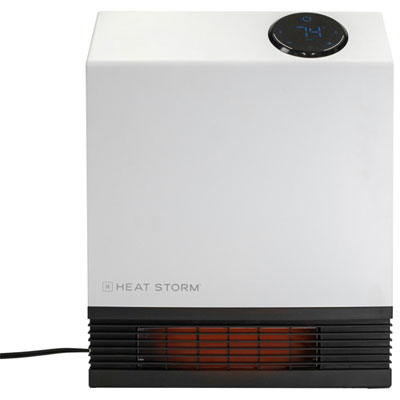
![Heat Storm 1000W Infrared Floor-To-Wall Heater - White/Black [Employee of bestbuy] This was the best thing purchased last year](https://multimedia.bbycastatic.ca/multimedia/products/400x400/196/19648/19648035.jpg)



What to consider for comfortable, safe room heating
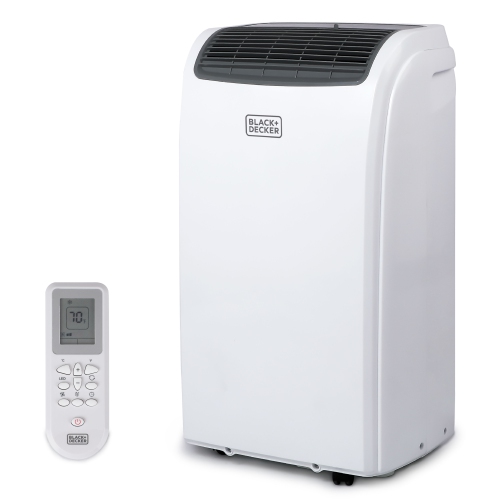
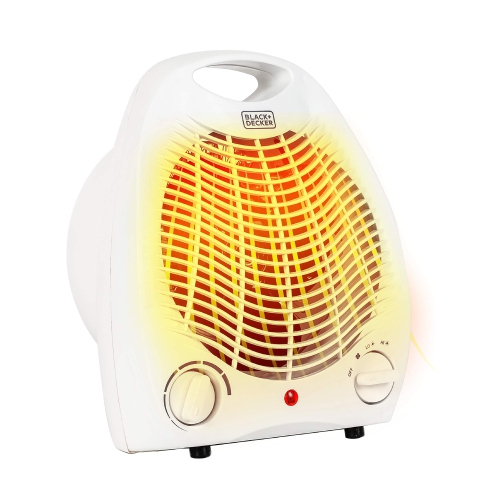
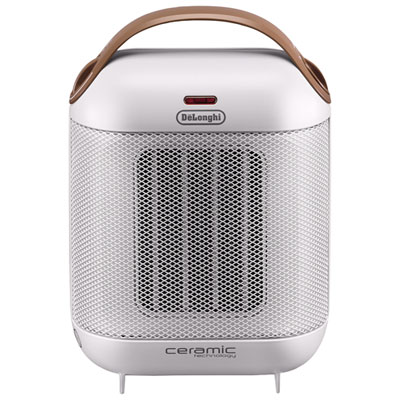
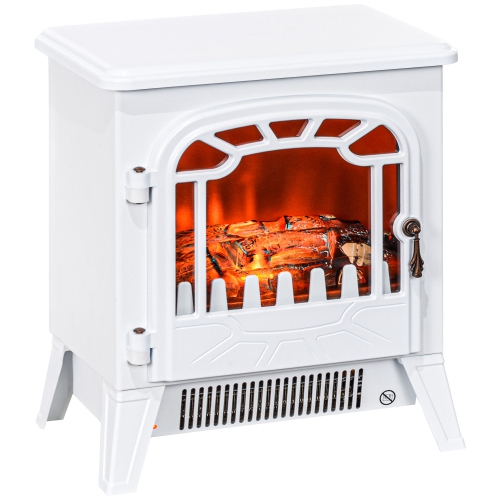
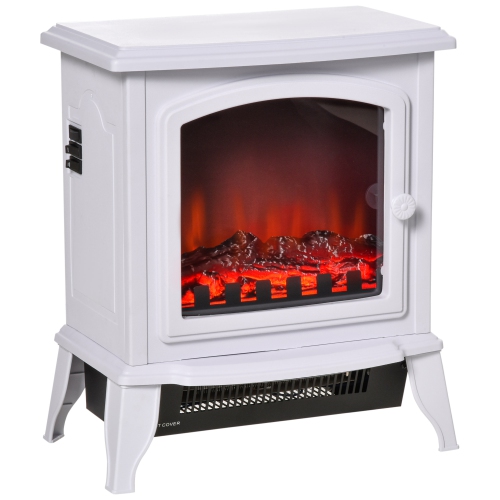
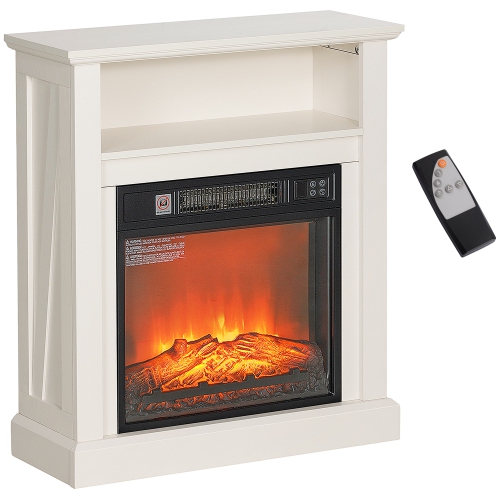
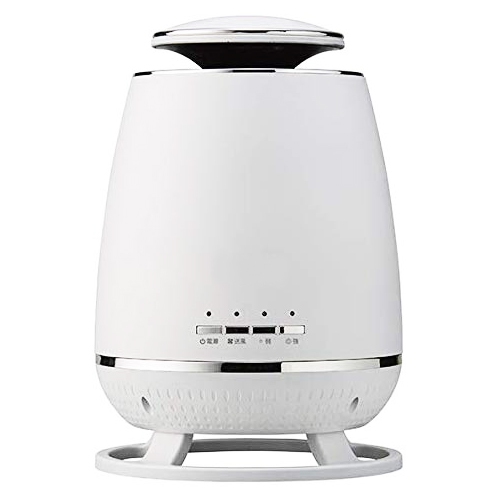
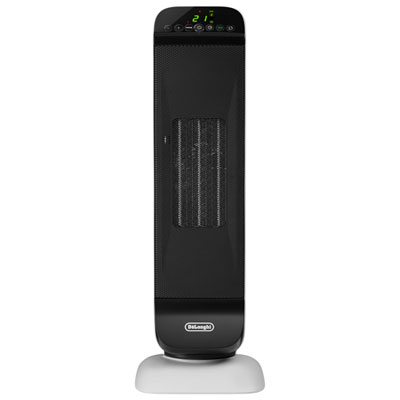
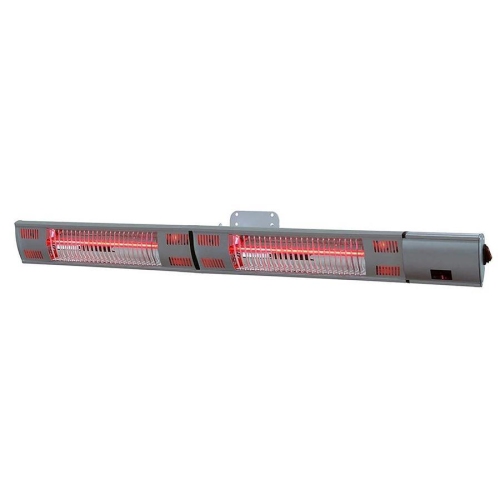
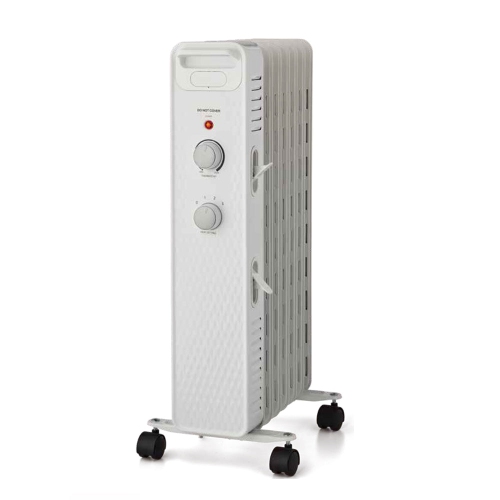
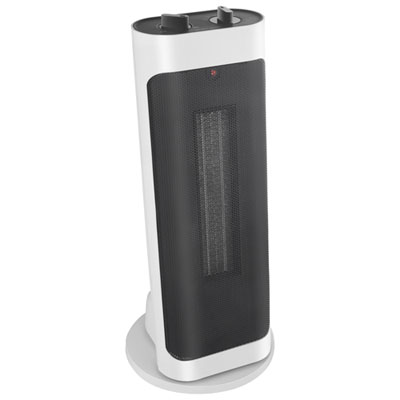
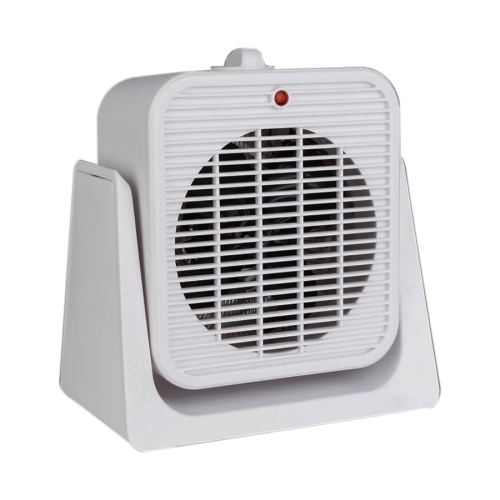
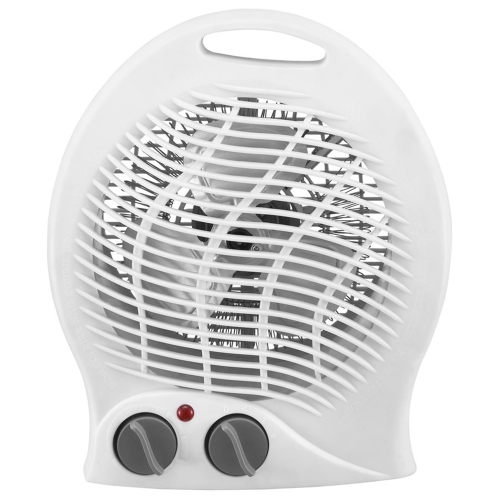
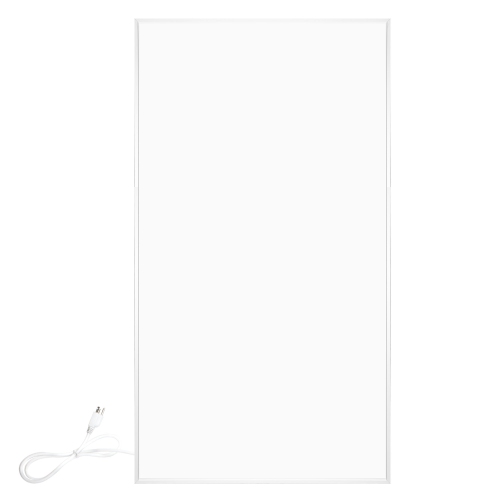
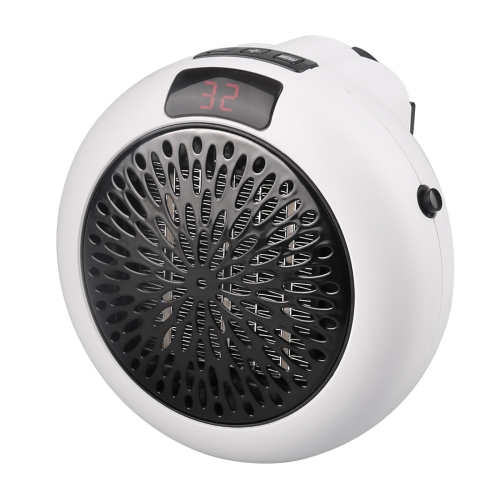
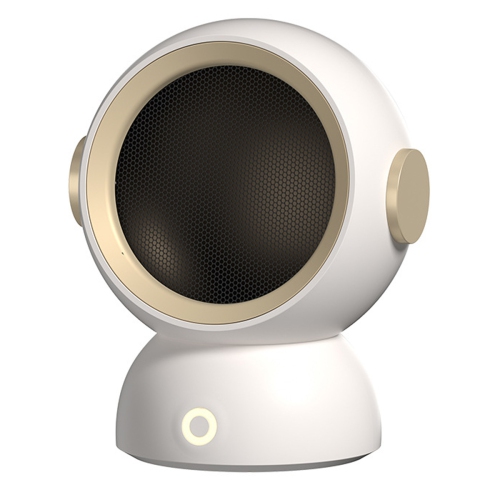
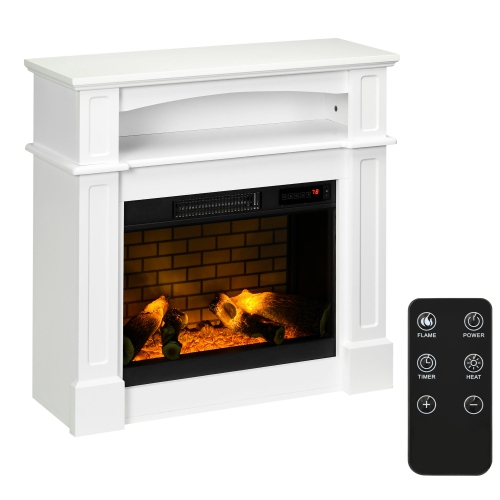
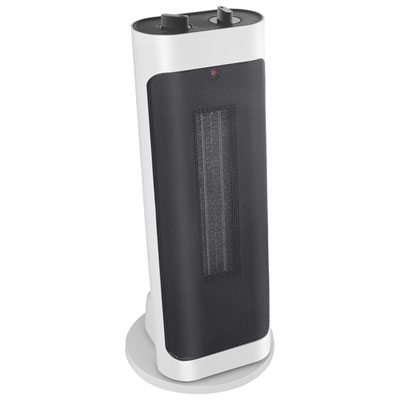
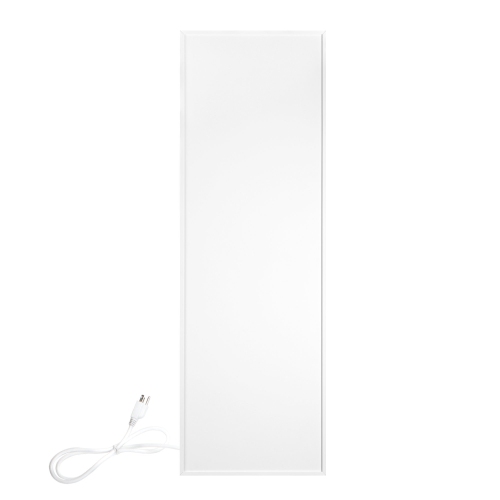
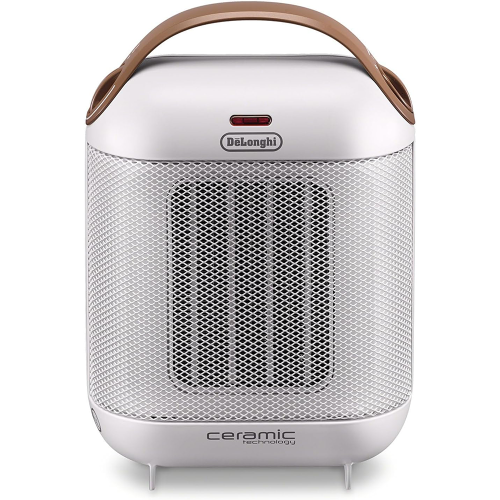
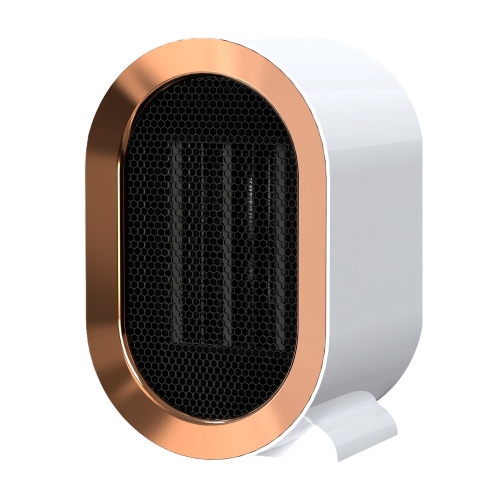
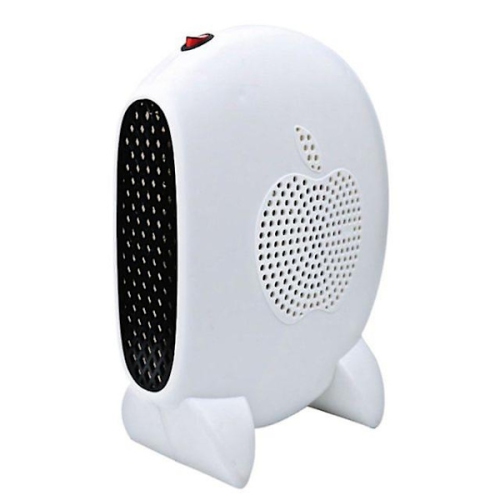
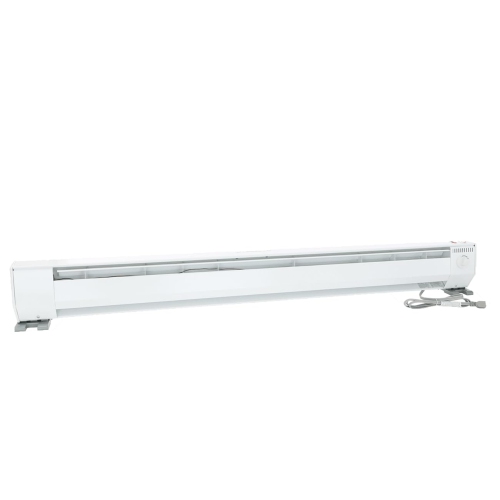
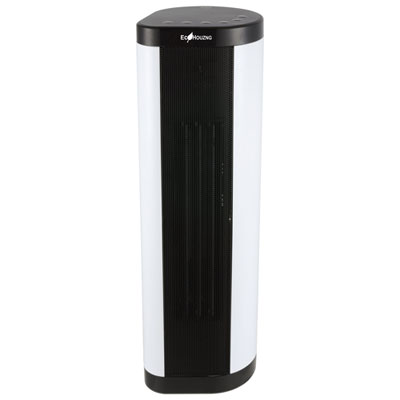
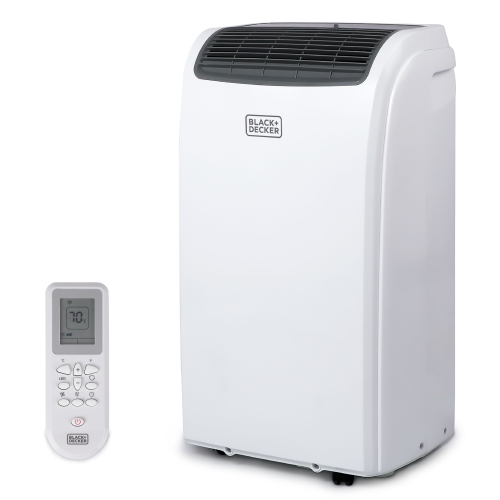
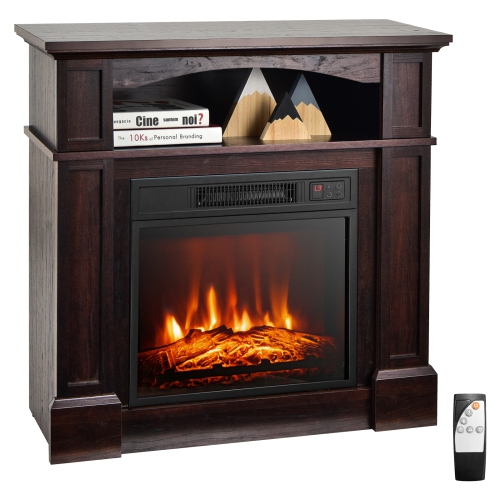
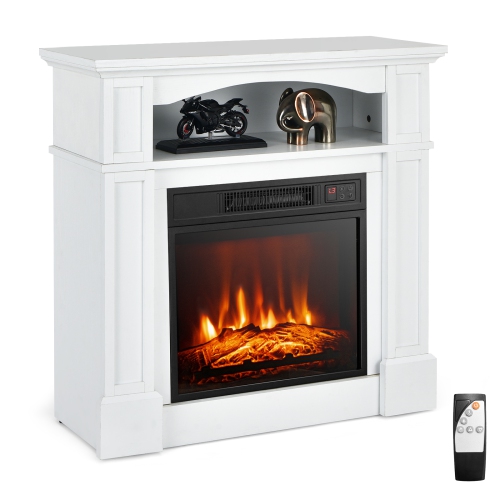
White heaters offer a practical way to add warmth while complementing a room’s décor. On a product page like this, “white heaters” generally refers to household space heaters with a white finish, including portable, wall-mounted, ceramic, convection, radiant, and oil-filled designs. They can be useful in bedrooms, home offices, living rooms, entryways, basements, three-season rooms, and other areas that feel cooler than the rest of the home during the cooler months. A compact portable heater can provide focused warmth beside a desk or reading chair, while a wall-mounted panel convector can offer a more permanent heating solution without taking up floor space. Ceramic heaters typically use a fan to circulate warm air through a room, making them useful when you want to feel heat quickly. Convection heaters warm the surrounding air gradually and quietly, which can suit a bedroom or workspace where a low-noise experience matters. Radiant heaters direct warmth toward nearby people and objects, making them comfortable for a reading nook, home office, or chilly corner. Oil-filled radiators are also designed for quiet, steady heat and can continue radiating warmth after the heating element cycles off. Most household models are electric and plug into a standard outlet, although larger or permanently installed units may require specific electrical service or professional installation. If you are comparing household heating options by design, size, and intended use, browse the selection of Electric Heaters to find styles that fit different rooms and heating preferences.
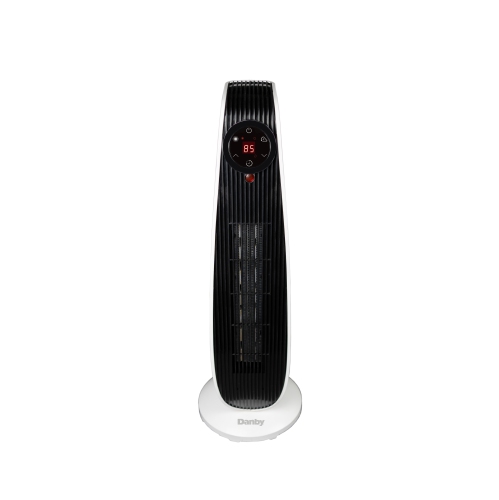
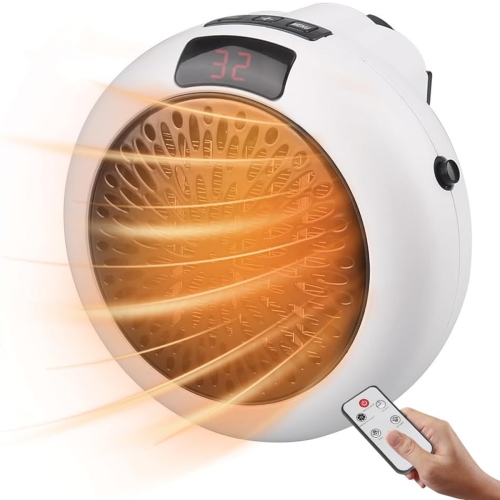
When choosing among white heaters, start with the space you want to warm and the way you plan to use it. A small personal heater may be appropriate for a desk, bedside table, or compact room, while a larger model may be better suited to a family room or open area. Check the manufacturer’s recommended room size, wattage, heat settings, thermostat controls, fan settings, and timer functions rather than judging performance by appearance alone. Adjustable temperature settings can help maintain a comfortable room without constant manual changes, and an oscillating function can distribute warm air over a broader area. A digital display and remote control may be helpful when the heater is positioned across the room, while simple manual controls can be preferable for a guest room, cottage, or occasional-use space. Consider the shape and footprint as well: a slim tower can fit beside furniture, a low-profile unit can be placed beneath a window or along a wall when suitable, and a wall-mounted heater can preserve valuable floor space in a small room. White finishes are especially easy to coordinate with light walls, pale wood, minimalist furnishings, and bright home offices, though a heater should always have ample clearance around it. Look for features such as overheat protection, a tip-over safety switch on portable models, a sturdy base, cool-touch areas where applicable, and a clearly visible power indicator. A white heater can also be a thoughtful gift for someone settling into a new apartment, working from home, furnishing a dorm-style room where permitted, or spending more time in a chilly basement or hobby area. For a gift, compact dimensions, straightforward controls, quiet operation, and easy storage are often more useful than an oversized design intended for a space the recipient may not have.
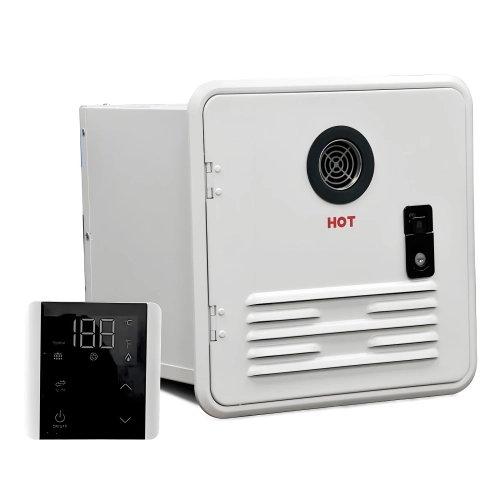
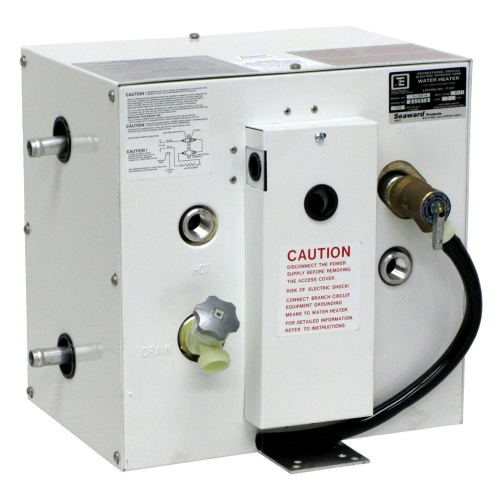
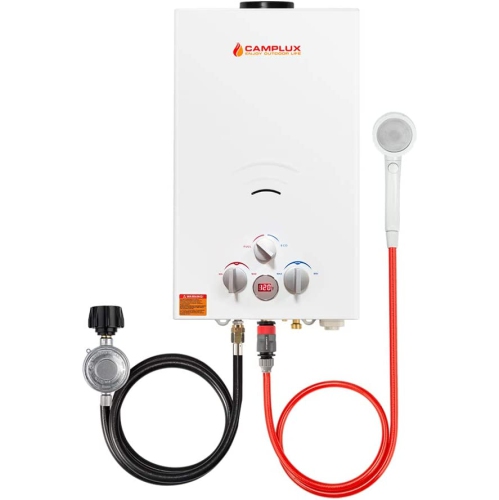
Safe placement and careful operation are essential with any heater. Keep portable units on a stable, level, non-combustible surface and leave generous space between the heater and bedding, curtains, clothing, paper, furniture, rugs, and other items that could obstruct airflow or be affected by heat. Avoid covering a heater, using it to dry clothing, placing it in a damp location unless the product is specifically rated for that environment, or running an extension cord or power bar unless the manufacturer expressly permits it. Plug the unit directly into an appropriate wall outlet whenever possible, inspect the cord and plug before use, and stop using the heater if you notice fraying, unusual odours, sparks, or repeated tripping of a circuit. Portable heaters should not be left operating unattended or while sleeping unless the manufacturer’s instructions specifically support that use, and children and pets should be kept away from hot surfaces and moving parts. Dust can collect around air intakes and vents, so follow the care instructions for cleaning and storage, allowing the unit to cool fully before handling it. White heaters may be selected primarily for their clean appearance, but their most important characteristics are the heating method, coverage, controls, safety features, and suitability for the room. Forced-air, radiant, and convection heaters each deliver warmth differently, while fuel-burning heaters using propane, natural gas, or kerosene are generally associated with specialized applications such as construction sites, agricultural buildings, greenhouses, or large event tents and require ventilation and operating practices appropriate to those settings. Residential water heaters, including tank and tankless systems, are a separate category from portable space heaters and may require licensed plumbing professionals for installation. Comparing the intended application, power requirements, room size, installation method, and safety guidance helps ensure that a white heater provides comfortable, dependable warmth throughout the cooler season.
When choosing among white heaters, start with the space you want to warm and the way you plan to use it. A small personal heater may be appropriate for a desk, bedside table, or compact room, while a larger model may be better suited to a family room or open area. Check the manufacturer’s recommended room size, wattage, heat settings, thermostat controls, fan settings, and timer functions rather than judging performance by appearance alone. Adjustable temperature settings can help maintain a comfortable room without constant manual changes, and an oscillating function can distribute warm air over a broader area. A digital display and remote control may be helpful when the heater is positioned across the room, while simple manual controls can be preferable for a guest room, cottage, or occasional-use space. Consider the shape and footprint as well: a slim tower can fit beside furniture, a low-profile unit can be placed beneath a window or along a wall when suitable, and a wall-mounted heater can preserve valuable floor space in a small room. White finishes are especially easy to coordinate with light walls, pale wood, minimalist furnishings, and bright home offices, though a heater should always have ample clearance around it. Look for features such as overheat protection, a tip-over safety switch on portable models, a sturdy base, cool-touch areas where applicable, and a clearly visible power indicator. A white heater can also be a thoughtful gift for someone settling into a new apartment, working from home, furnishing a dorm-style room where permitted, or spending more time in a chilly basement or hobby area. For a gift, compact dimensions, straightforward controls, quiet operation, and easy storage are often more useful than an oversized design intended for a space the recipient may not have.
Safe placement and careful operation are essential with any heater. Keep portable units on a stable, level, non-combustible surface and leave generous space between the heater and bedding, curtains, clothing, paper, furniture, rugs, and other items that could obstruct airflow or be affected by heat. Avoid covering a heater, using it to dry clothing, placing it in a damp location unless the product is specifically rated for that environment, or running an extension cord or power bar unless the manufacturer expressly permits it. Plug the unit directly into an appropriate wall outlet whenever possible, inspect the cord and plug before use, and stop using the heater if you notice fraying, unusual odours, sparks, or repeated tripping of a circuit. Portable heaters should not be left operating unattended or while sleeping unless the manufacturer’s instructions specifically support that use, and children and pets should be kept away from hot surfaces and moving parts. Dust can collect around air intakes and vents, so follow the care instructions for cleaning and storage, allowing the unit to cool fully before handling it. White heaters may be selected primarily for their clean appearance, but their most important characteristics are the heating method, coverage, controls, safety features, and suitability for the room. Forced-air, radiant, and convection heaters each deliver warmth differently, while fuel-burning heaters using propane, natural gas, or kerosene are generally associated with specialized applications such as construction sites, agricultural buildings, greenhouses, or large event tents and require ventilation and operating practices appropriate to those settings. Residential water heaters, including tank and tankless systems, are a separate category from portable space heaters and may require licensed plumbing professionals for installation. Comparing the intended application, power requirements, room size, installation method, and safety guidance helps ensure that a white heater provides comfortable, dependable warmth throughout the cooler season.
Top selling and popular products
-
 Your price for this item is $179.99
 -
 Your price for this item is $549.99
 -
 Your price for this item is $41.99
 -
 Your price for this item is $100.99
 -
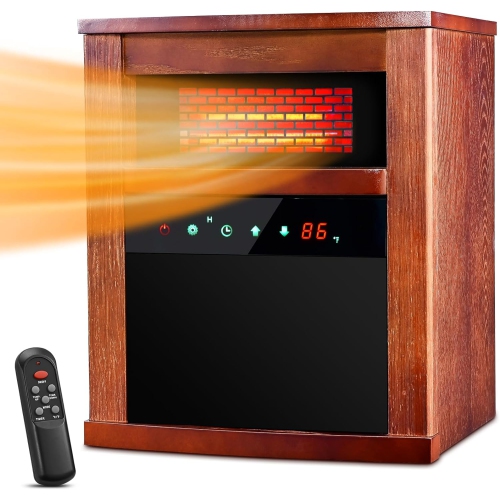 Your price for this item is $219.95
 -
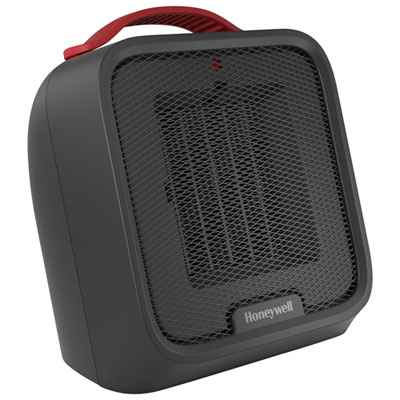 Your price for this item is $64.98
 -
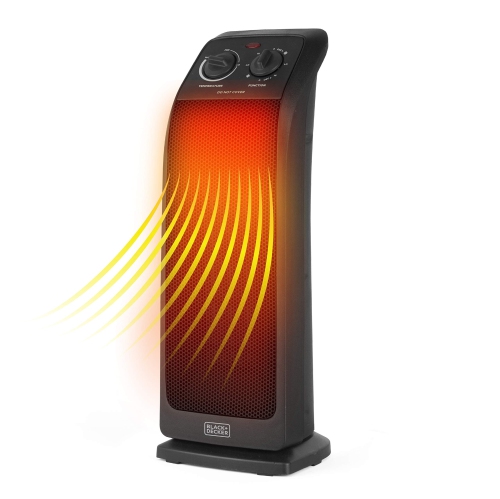 Your price for this item is $68.99
 -
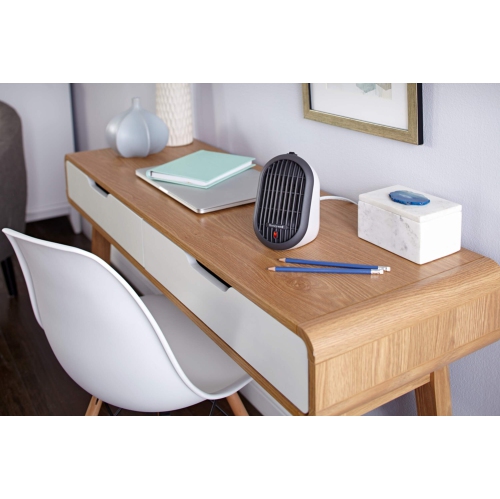 Your price for this item is $50
Discover more categories related to White Heaters

Top Collections:
Pokemon Centers, Kindle Devices, Best Budget Office Chairs, Apple iPhones 16, Canon G7X Cameras, iPhone 15 Apple, Alarm Clock, Refurbished Apple Laptops, Flip Phones, Best Laptops for Writers
Some products may be subject to Environmental Handling Fees
(EHF) depending on your province.
Learn more about EHFs.