Professional Heaters
Stay warm and cozy with our selection of professional heaters, designed to provide efficient and reliable heat for any space. Whether you're looking to add extra warmth to your office, living room, or bedroom, our range of heaters offers a variety of options to suit your needs. From sleek and modern designs to powerful and energy-efficient models, find the perfect heater to keep you comfortable during the chilly months. Discover innovative features and cutting-edge technology that make these heaters a must-have addition to your home or workspace.
Sort






Why workspace layout matters as much as heating output
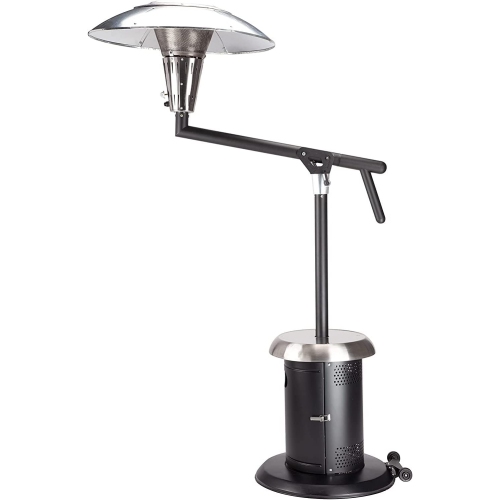
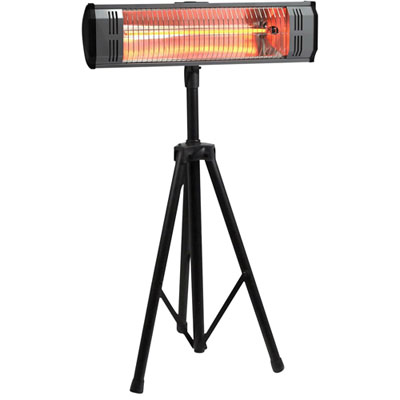
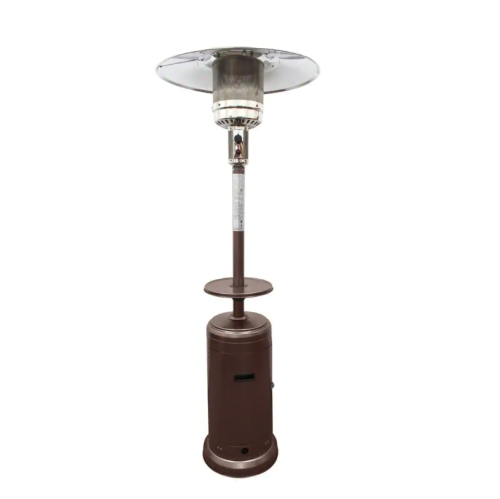
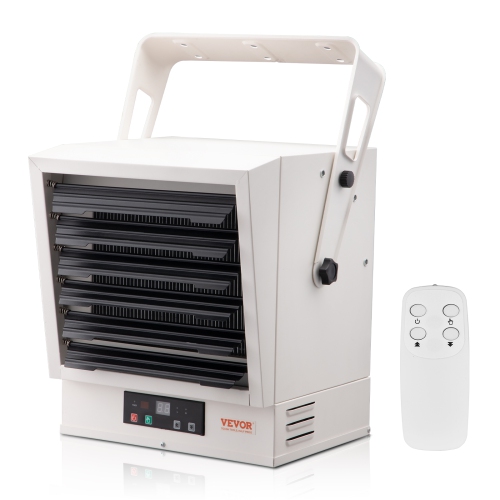
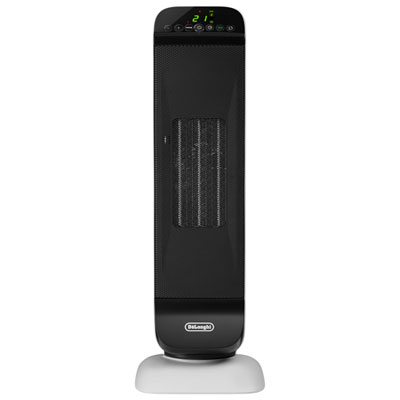
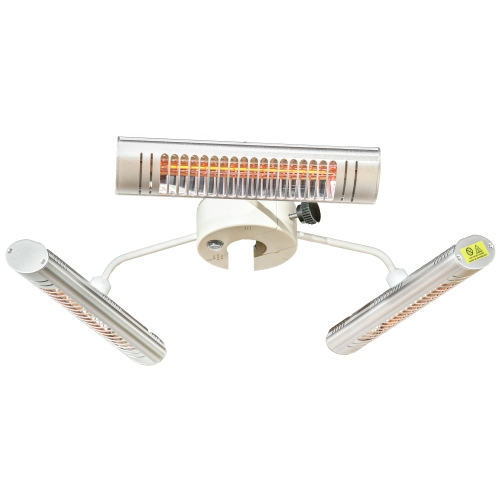
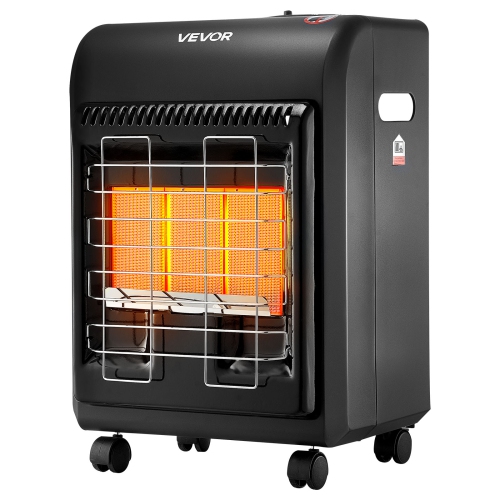
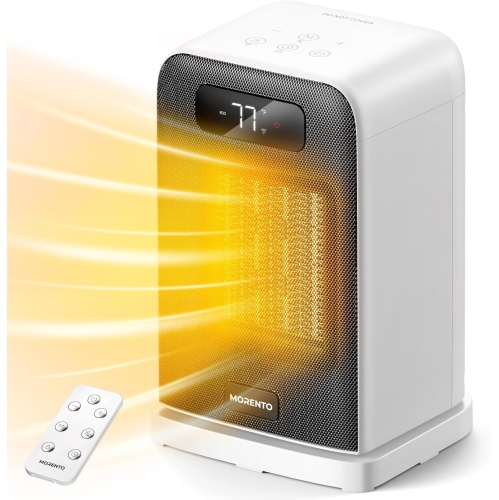
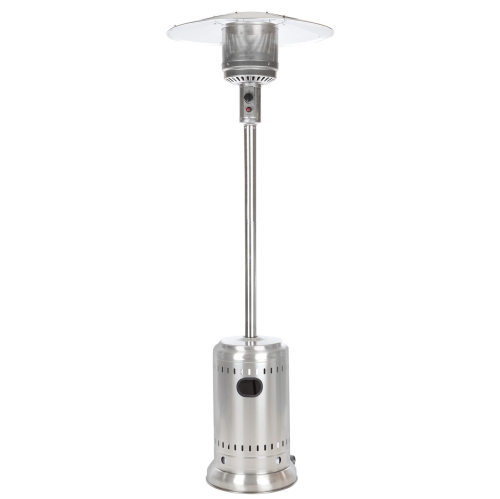
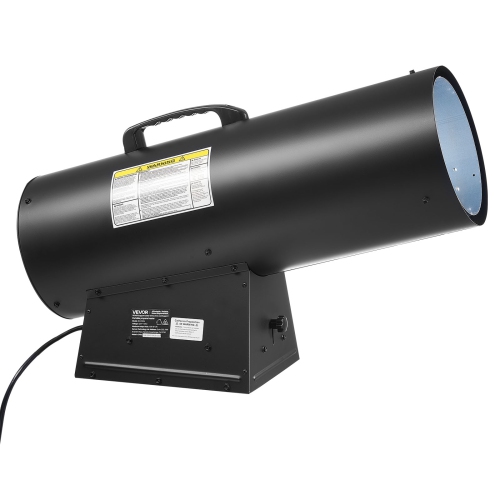
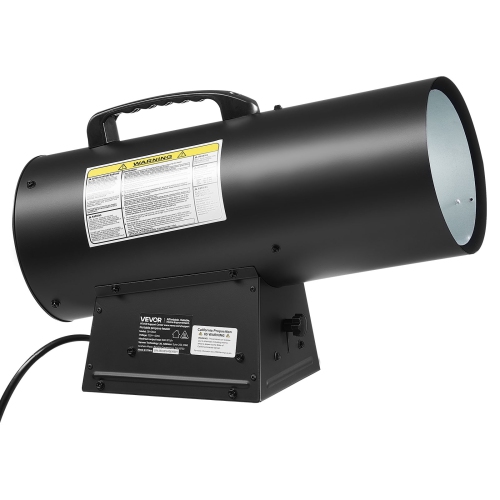
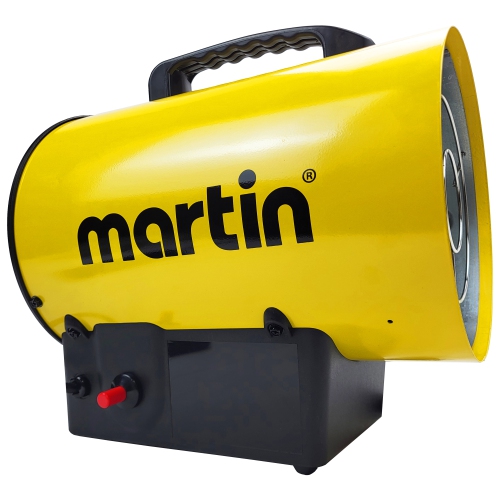
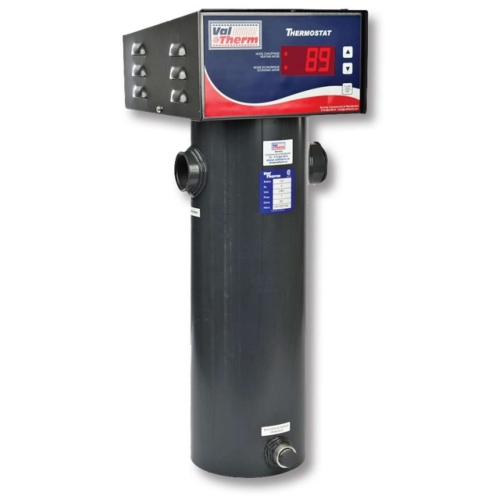
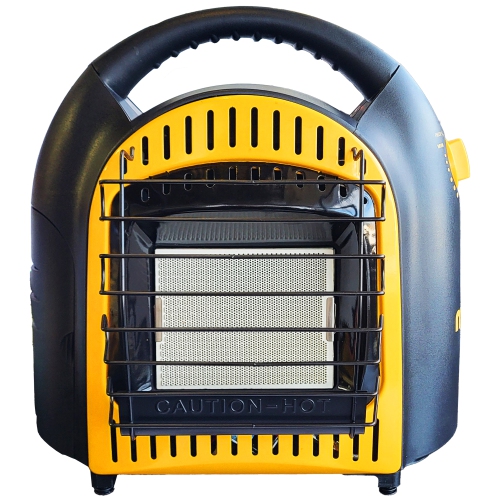
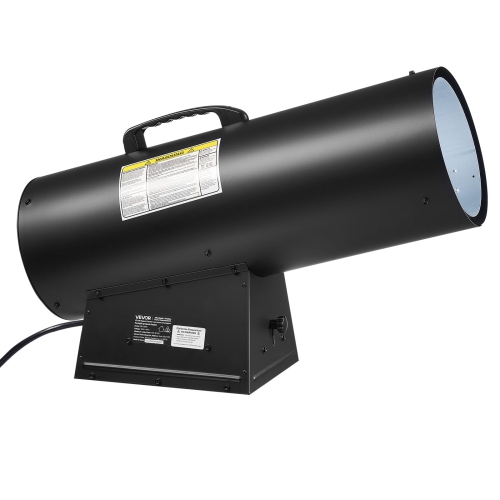
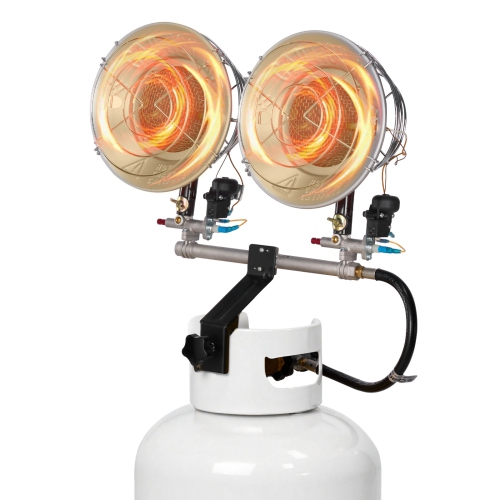
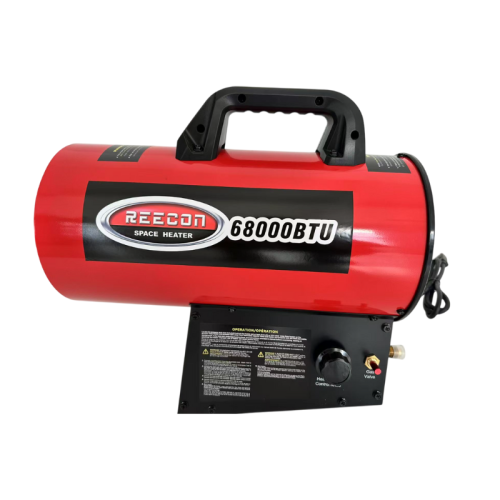
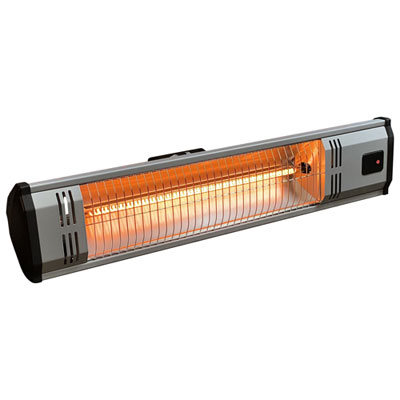
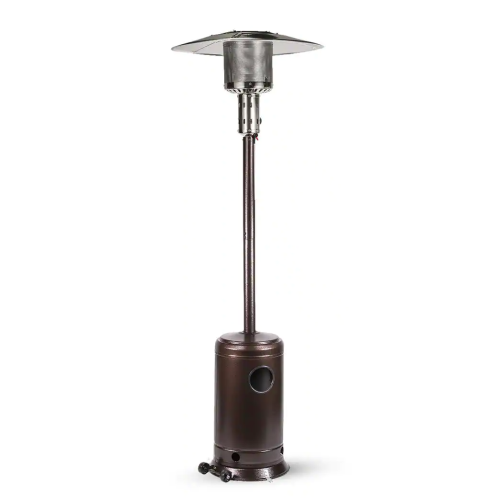
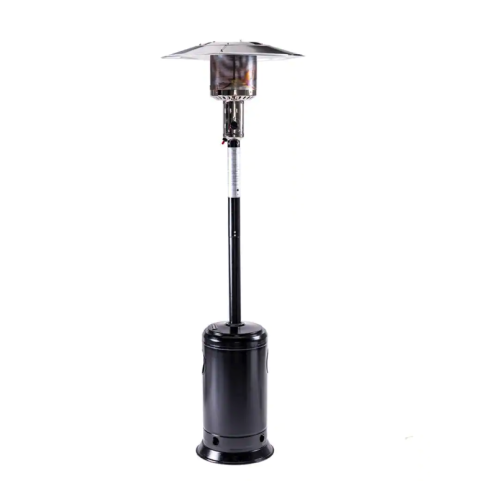
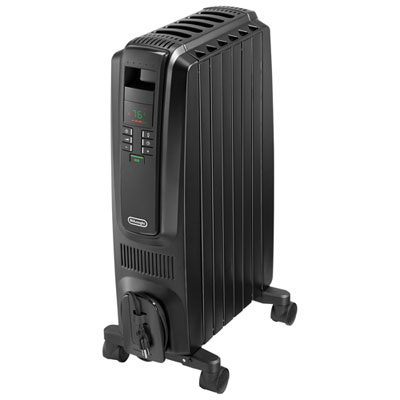
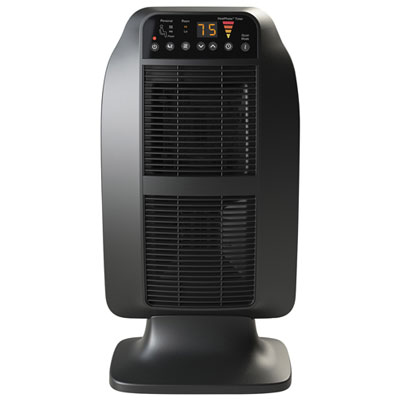
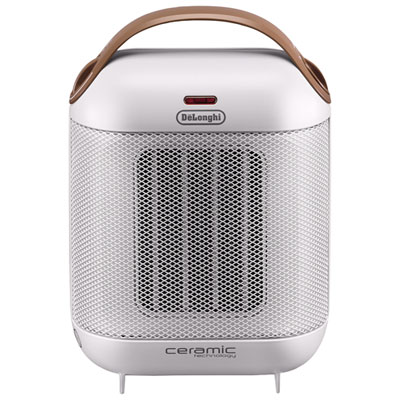
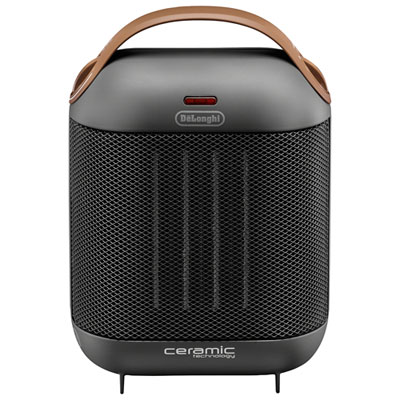
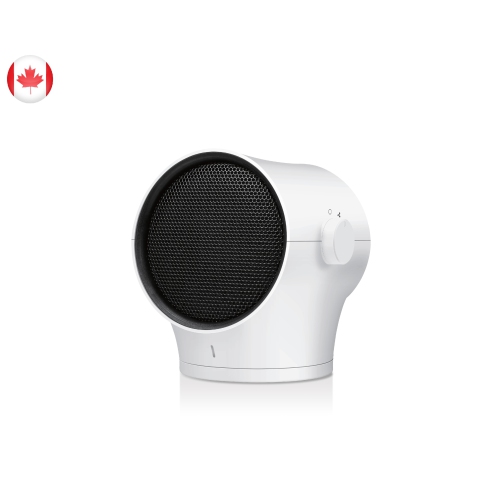
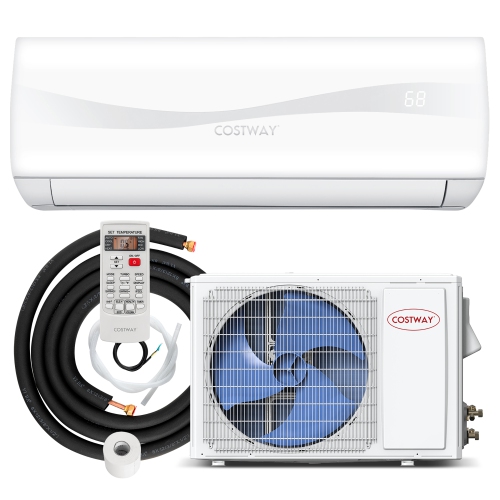
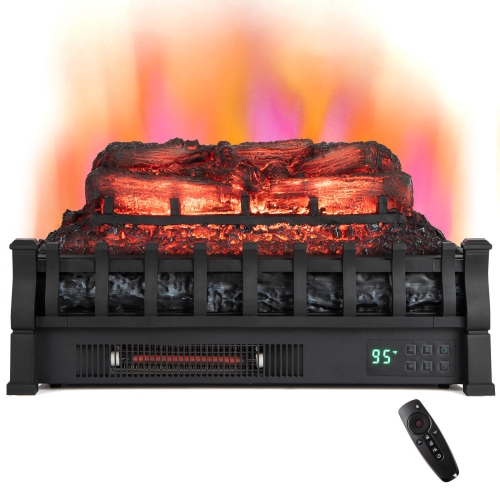
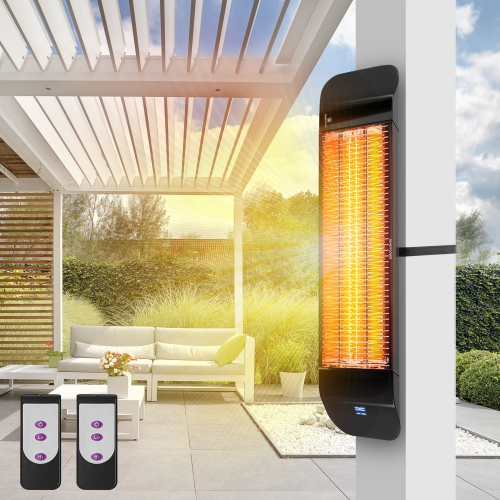
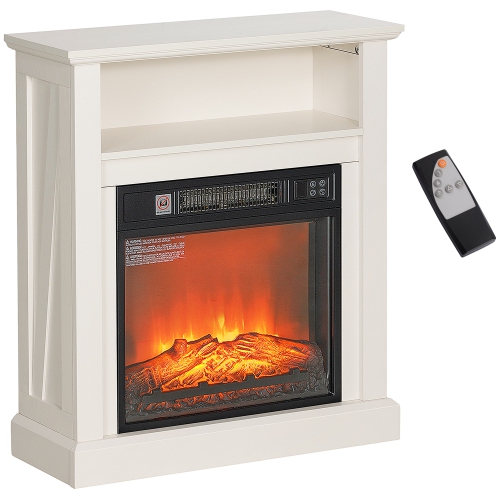
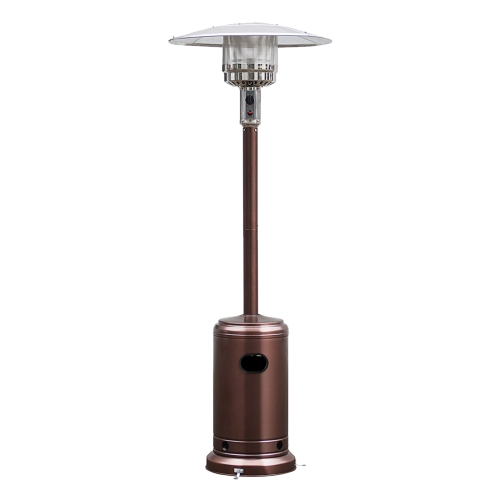
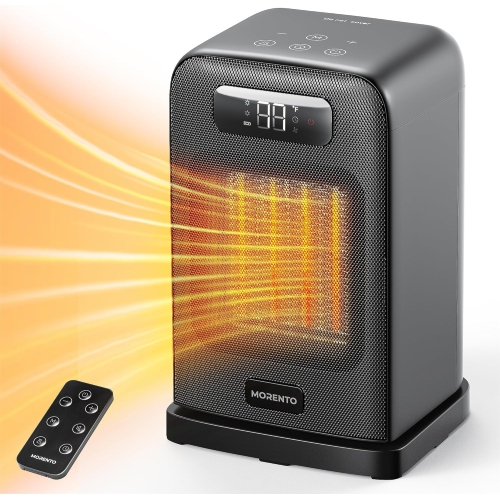
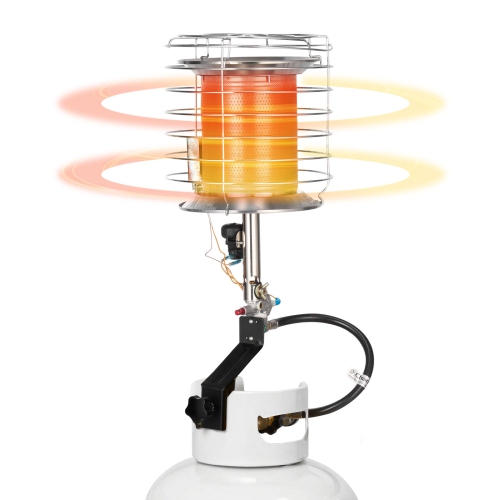
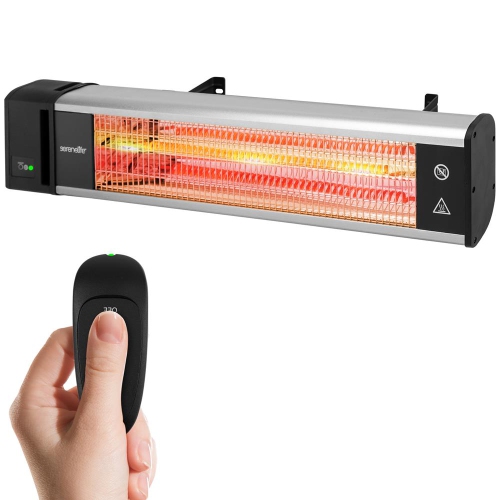
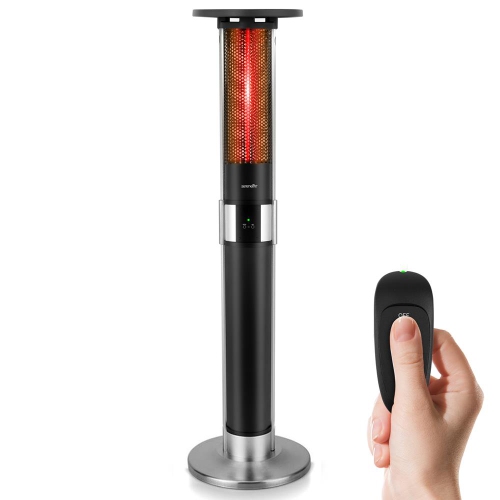
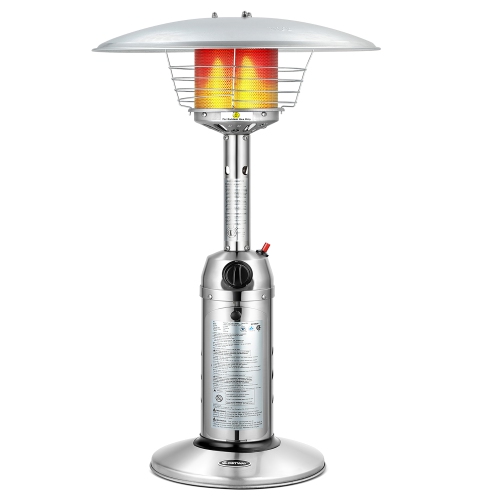
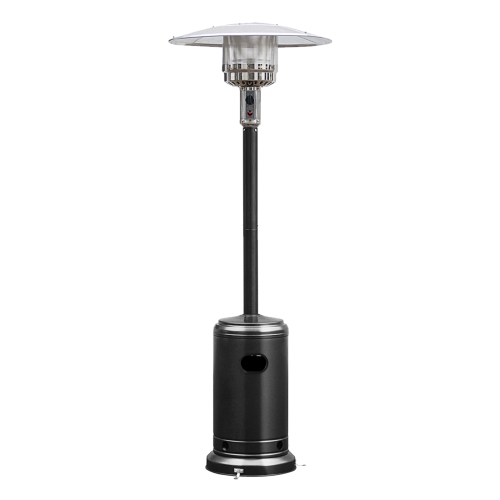
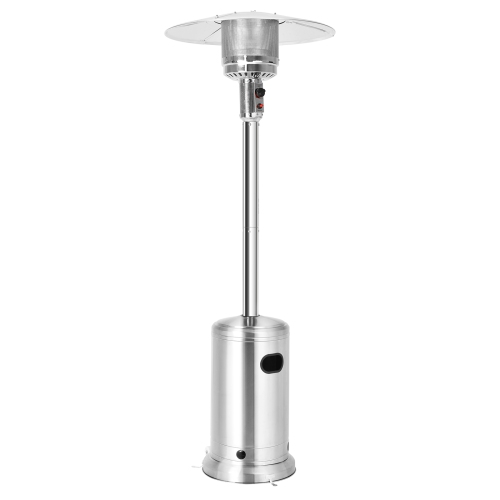
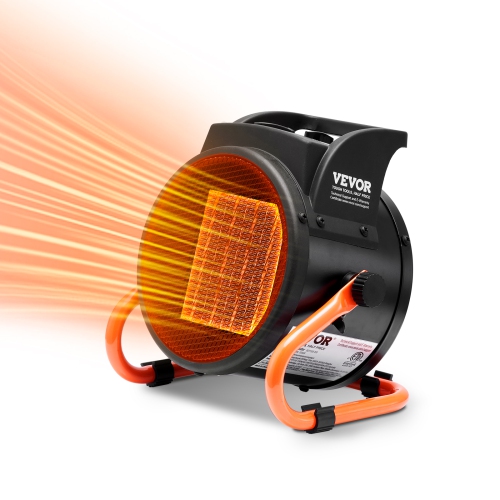
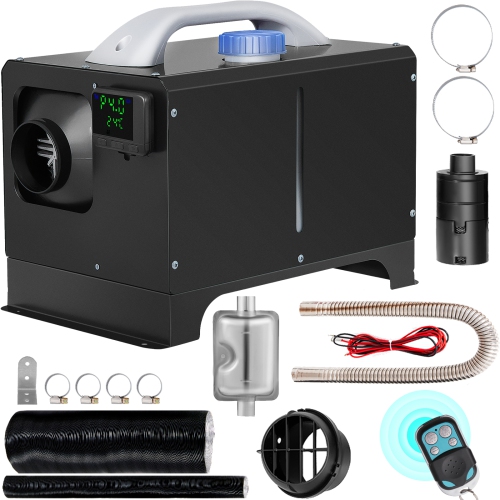
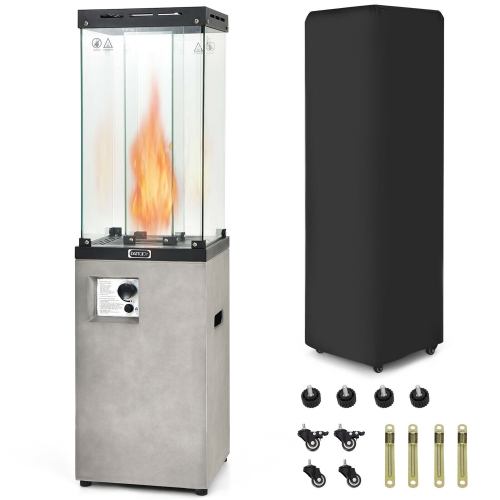
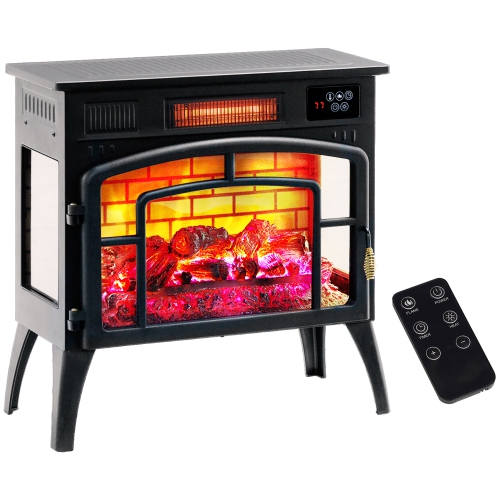
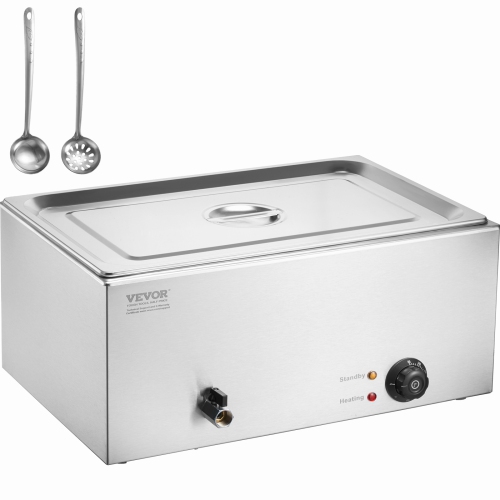
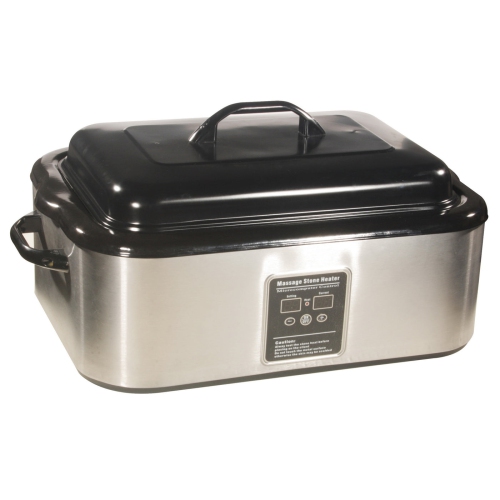
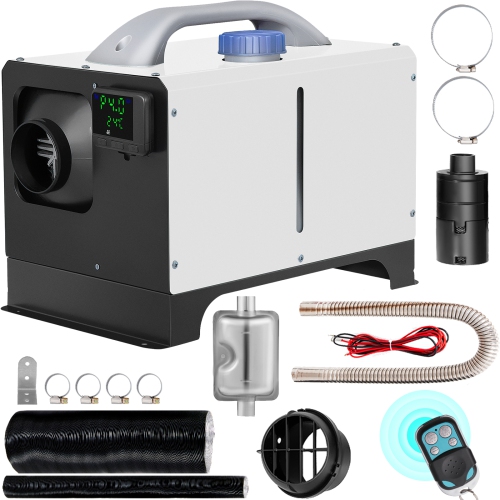
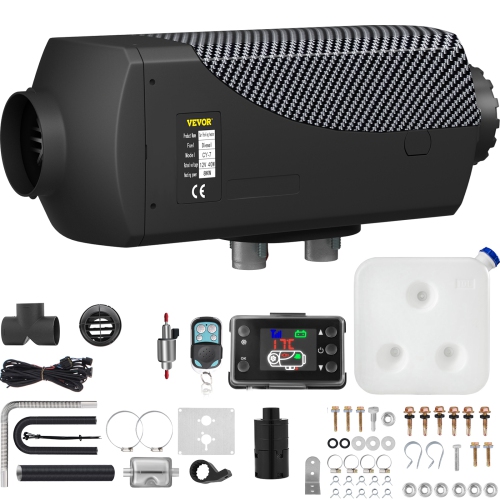
Professional heaters are heavy-duty heating systems designed for commercial spaces, workshops, garages, construction sites, and industrial buildings. Their purpose is to deliver dependable heat where room size, frequent door openings, high ceilings, or demanding work schedules place greater demands on equipment than typical household use. The category includes permanently installed wall and ceiling heaters, portable electric heaters, radiant heaters, and fuel-fired units intended for specific site conditions. Each format serves a different role: a mounted heater can provide ongoing warmth across a service bay, while a portable unit can bring temporary heat to an approved work area without committing floor space to a permanent installation. Fan-forced heaters move air across a heating element or heat exchanger and distribute it through the space. They are commonly suited to workshops and open work areas where air circulation helps spread warmth beyond the immediate location of the heater. Radiant heaters direct heat towards people and surfaces within their coverage area, making them useful for defined work zones where heating the entire volume of air may be less practical. A technician stationed at a bench has different heating needs from a crew moving throughout a large building, and the distinction matters more than the size of the heater alone. Ceiling height, insulation, air leakage, and the layout of partitions all affect how heat reaches occupied areas. Square footage provides a starting point, but it does not fully describe a space with tall overhead doors or an open roof structure. Heating output, commonly expressed in watts, kilowatts, or BTU per hour, needs to suit the building and the intended task. Airflow also matters for fan-forced equipment, although a higher airflow rating does not by itself mean greater heating capacity. For business owners, facilities teams, contractors, and serious workshop users, professional heating is ultimately about matching the equipment to the space, power source, operating schedule, and people using it.
Installation style and power requirements distinguish professional heaters from one another just as much as their output. Wall-mounted and ceiling-mounted units keep floors clear for tool cabinets, benches, and vehicle movement, provided their mounting locations meet the specified clearances and structural requirements. Adjustable louvers can help direct discharged air towards an occupied zone rather than an obstruction, while suitable placement can reduce uncomfortable hot spots close to the unit. Portable designs offer flexibility for changing workspace layouts, with handles, stable frames, or wheels that make repositioning easier once the equipment has been switched off and allowed to cool. Their footprint still needs to leave walkways and exits unobstructed, and cords or fuel connections must not create a trip hazard. Electric professional heaters may use a standard receptacle, a dedicated higher-voltage circuit, or a hardwired connection, depending on their rating. A heater designed for one voltage or electrical phase cannot be assumed to work with another supply simply because the building has commercial electrical service. Circuit capacity, connection type, and installation requirements all need to match the heater, with hardwired work handled by a qualified electrical professional in accordance with applicable requirements. Electric units produce heat without on-site fuel combustion, but their electrical load, hot surfaces, and required clearance remain important considerations. Fuel-fired heaters introduce a separate set of requirements involving approved fuels, combustion air, exhaust, and ventilation. Direct-fired designs release combustion products into the heated area, while indirect-fired designs use a heat exchanger to separate the heated airstream from combustion exhaust when properly installed. Neither type should be treated as suitable for every enclosed workspace. Manufacturer instructions and site rules determine where and how each unit can operate, including whether it is restricted to outdoor use. The related Heavy Duty Heaters category offers another way to explore heating equipment for demanding applications, with suitability determined by each heater’s documented ratings rather than its appearance or category name.
Durability in a professional heater comes from construction that supports its intended use, not simply from a large metal housing. Steel enclosures, protective grilles, securely mounted components, and finishes suited to the application can help equipment withstand routine handling in busy workspaces. Portable units benefit from a stable base and well-positioned handles, while mounted units depend on suitable brackets and secure installation. A rugged exterior does not automatically mean a heater is approved for wet locations, airborne dust, corrosive substances, or flammable vapours. A woodworking area with suspended dust, a wash bay with splashing water, and a repair space where solvents are used each present conditions that may require specially rated equipment or a different heating arrangement. Controls also shape everyday usability. An adjustable thermostat can help maintain a selected temperature, and multiple heat settings allow output to be matched to the task where the design supports them. Thermostat placement matters: a sensor close to a warm discharge stream may read differently from the air near a distant workbench. Fan noise and air movement deserve attention in spaces used for detailed assembly, customer conversations, or work involving lightweight materials. Overheat protection and, on applicable portable models, tip-over shutoff provide useful safeguards, but they do not replace proper positioning, supervision, or maintenance. Care typically includes keeping air intakes and outlets clear, inspecting accessible cords and connections for damage, and removing accumulated dust according to the manufacturer’s instructions after the unit is disconnected and cool. Fuel-burning equipment also requires the specified inspection and servicing of its combustion and fuel systems by appropriately qualified personnel. Storage between jobs should protect portable equipment from moisture and physical damage without putting pressure on controls, guards, or connections. Clear access for cleaning and servicing is worth accounting for in permanent installations as well. A professional heater that fits the workspace, carries certification accepted for its application in Canada, and can be maintained as specified is better suited to regular use than equipment selected on heating output alone.
Installation style and power requirements distinguish professional heaters from one another just as much as their output. Wall-mounted and ceiling-mounted units keep floors clear for tool cabinets, benches, and vehicle movement, provided their mounting locations meet the specified clearances and structural requirements. Adjustable louvers can help direct discharged air towards an occupied zone rather than an obstruction, while suitable placement can reduce uncomfortable hot spots close to the unit. Portable designs offer flexibility for changing workspace layouts, with handles, stable frames, or wheels that make repositioning easier once the equipment has been switched off and allowed to cool. Their footprint still needs to leave walkways and exits unobstructed, and cords or fuel connections must not create a trip hazard. Electric professional heaters may use a standard receptacle, a dedicated higher-voltage circuit, or a hardwired connection, depending on their rating. A heater designed for one voltage or electrical phase cannot be assumed to work with another supply simply because the building has commercial electrical service. Circuit capacity, connection type, and installation requirements all need to match the heater, with hardwired work handled by a qualified electrical professional in accordance with applicable requirements. Electric units produce heat without on-site fuel combustion, but their electrical load, hot surfaces, and required clearance remain important considerations. Fuel-fired heaters introduce a separate set of requirements involving approved fuels, combustion air, exhaust, and ventilation. Direct-fired designs release combustion products into the heated area, while indirect-fired designs use a heat exchanger to separate the heated airstream from combustion exhaust when properly installed. Neither type should be treated as suitable for every enclosed workspace. Manufacturer instructions and site rules determine where and how each unit can operate, including whether it is restricted to outdoor use. The related Heavy Duty Heaters category offers another way to explore heating equipment for demanding applications, with suitability determined by each heater’s documented ratings rather than its appearance or category name.
Durability in a professional heater comes from construction that supports its intended use, not simply from a large metal housing. Steel enclosures, protective grilles, securely mounted components, and finishes suited to the application can help equipment withstand routine handling in busy workspaces. Portable units benefit from a stable base and well-positioned handles, while mounted units depend on suitable brackets and secure installation. A rugged exterior does not automatically mean a heater is approved for wet locations, airborne dust, corrosive substances, or flammable vapours. A woodworking area with suspended dust, a wash bay with splashing water, and a repair space where solvents are used each present conditions that may require specially rated equipment or a different heating arrangement. Controls also shape everyday usability. An adjustable thermostat can help maintain a selected temperature, and multiple heat settings allow output to be matched to the task where the design supports them. Thermostat placement matters: a sensor close to a warm discharge stream may read differently from the air near a distant workbench. Fan noise and air movement deserve attention in spaces used for detailed assembly, customer conversations, or work involving lightweight materials. Overheat protection and, on applicable portable models, tip-over shutoff provide useful safeguards, but they do not replace proper positioning, supervision, or maintenance. Care typically includes keeping air intakes and outlets clear, inspecting accessible cords and connections for damage, and removing accumulated dust according to the manufacturer’s instructions after the unit is disconnected and cool. Fuel-burning equipment also requires the specified inspection and servicing of its combustion and fuel systems by appropriately qualified personnel. Storage between jobs should protect portable equipment from moisture and physical damage without putting pressure on controls, guards, or connections. Clear access for cleaning and servicing is worth accounting for in permanent installations as well. A professional heater that fits the workspace, carries certification accepted for its application in Canada, and can be maintained as specified is better suited to regular use than equipment selected on heating output alone.
Top selling and popular products
-
 Your price for this item is $179.99
 -
 Your price for this item is $549.99
 -
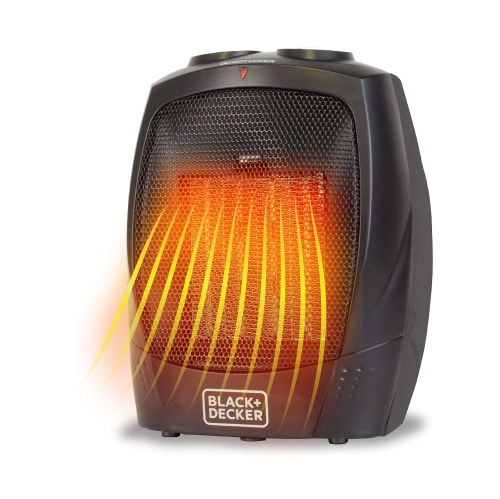 Your price for this item is $41.99
 -
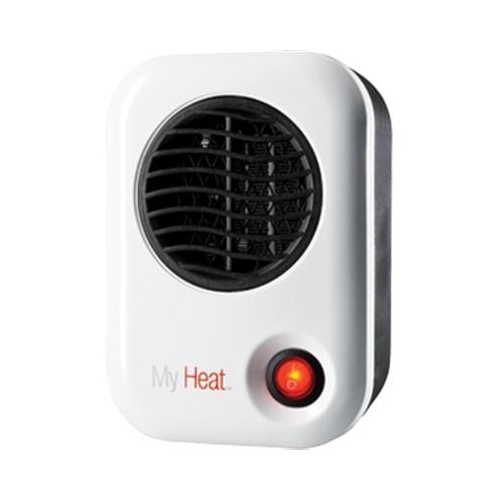 Your price for this item is $100.99
 -
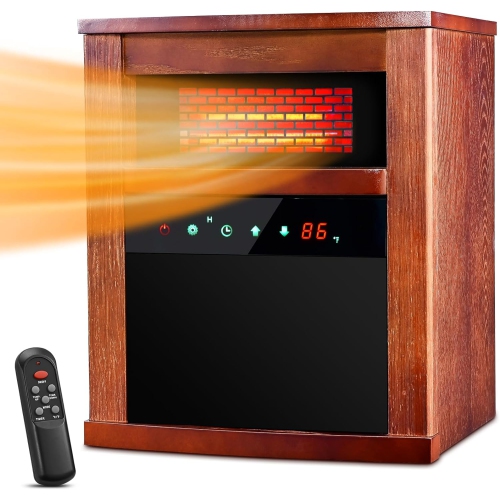 Your price for this item is $219.95
 -
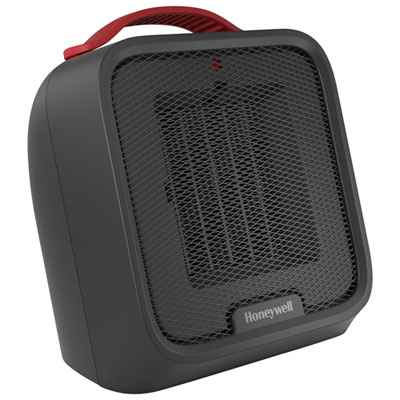 Your price for this item is $64.98
 -
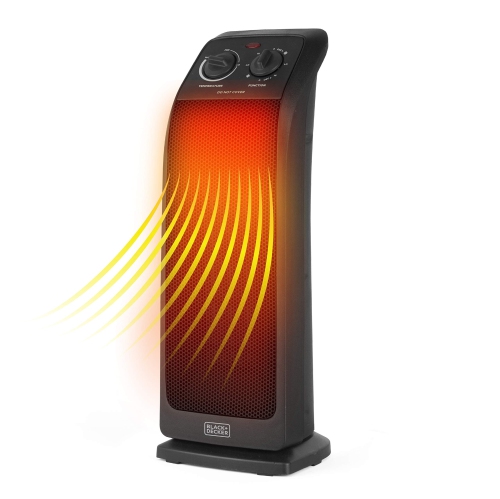 Your price for this item is $68.99
 -
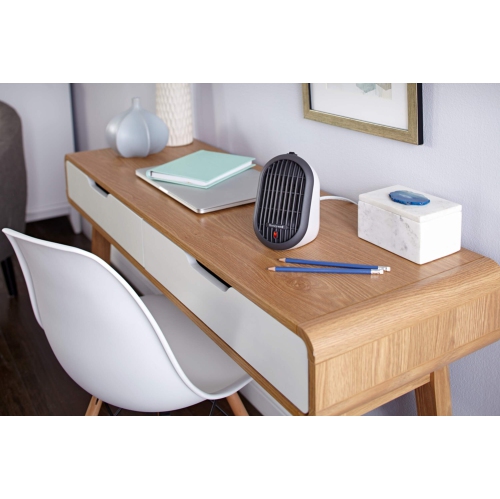 Your price for this item is $50
Discover more categories related to Professional Heaters
Top Collections:
Pokemon Centers, Kindle Devices, Best Budget Office Chairs, Apple iPhones 16, Canon G7X Cameras, iPhone 15 Apple, Alarm Clock, Refurbished Apple Laptops, Flip Phones, Best Laptops for Writers
Some products may be subject to Environmental Handling Fees
(EHF) depending on your province.
Learn more about EHFs.