Winter Electric Space Heaters
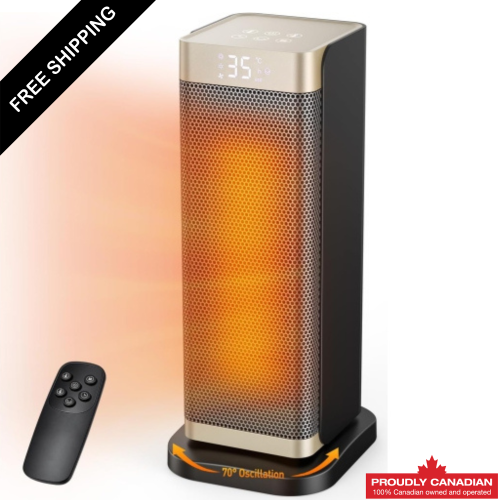
Find winter electric space heaters for extra warmth in chilly rooms. Browse electric room heaters and compare recommended room sizes, heat settings and listed safety features to choose a model suited to your space and heating needs.

Sort

How heater type and placement shape everyday comfort

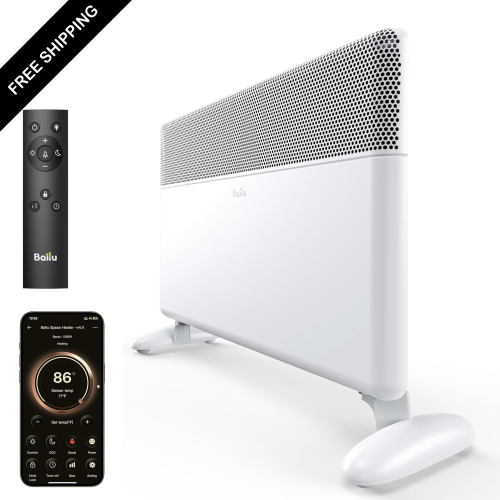
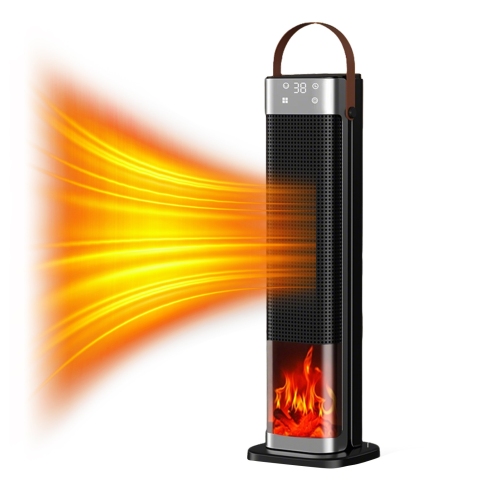
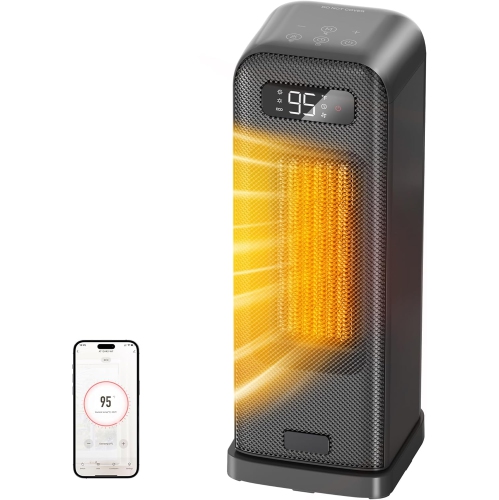
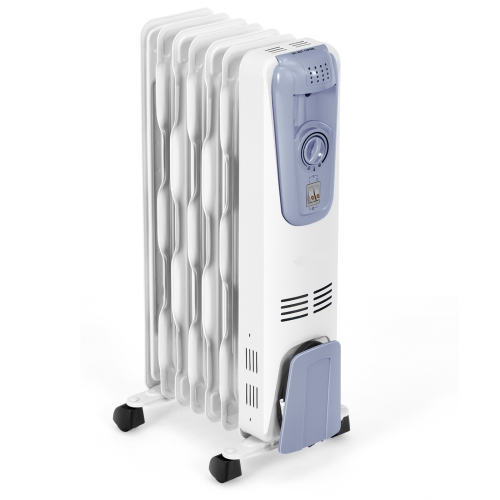
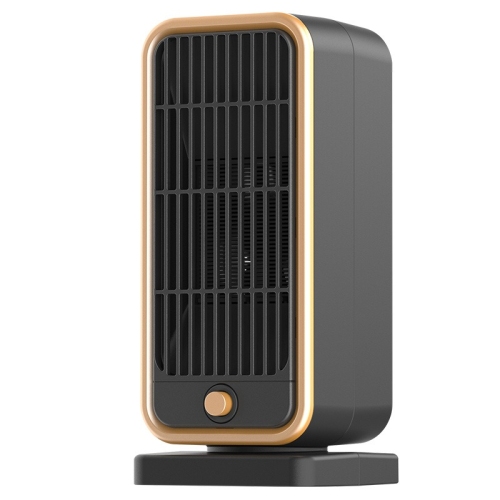
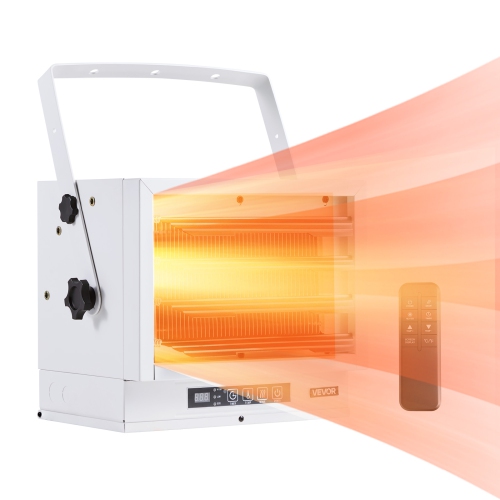
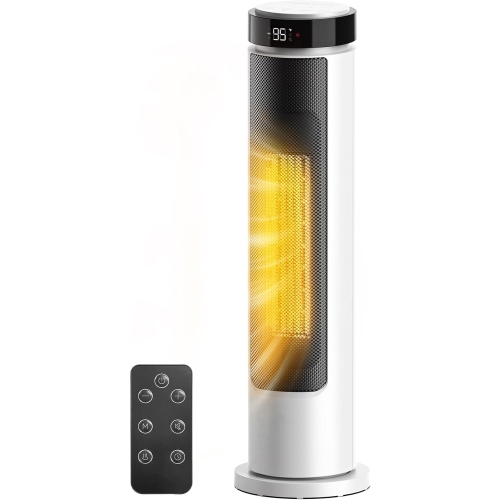
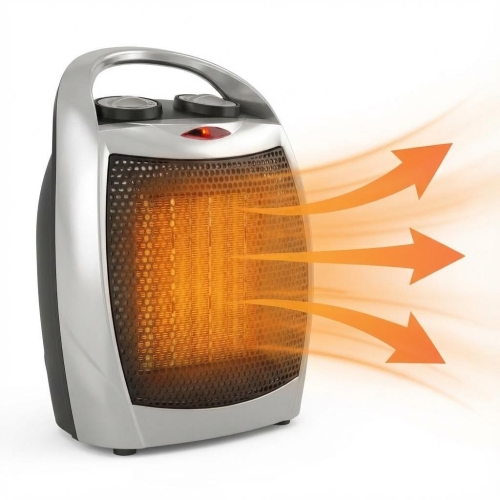
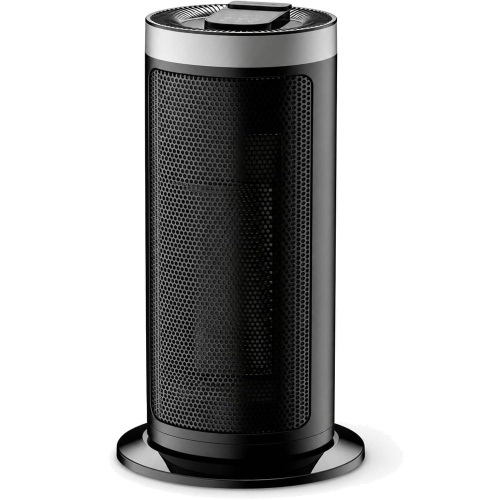
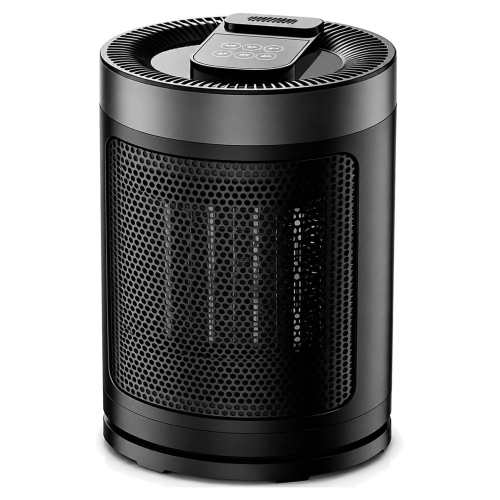
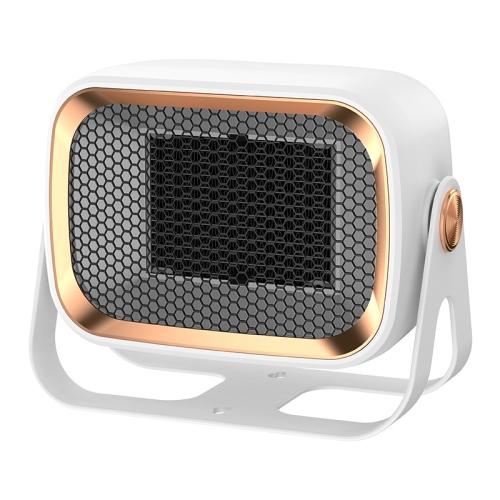
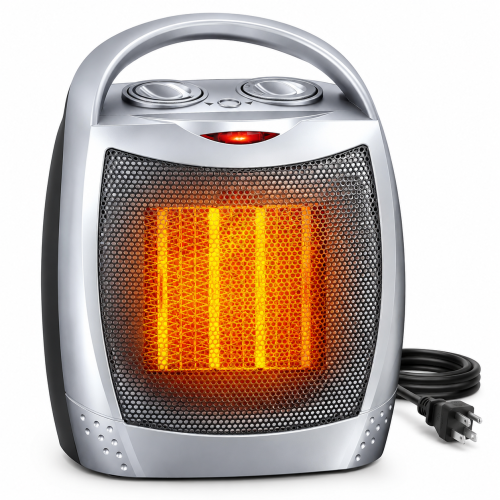
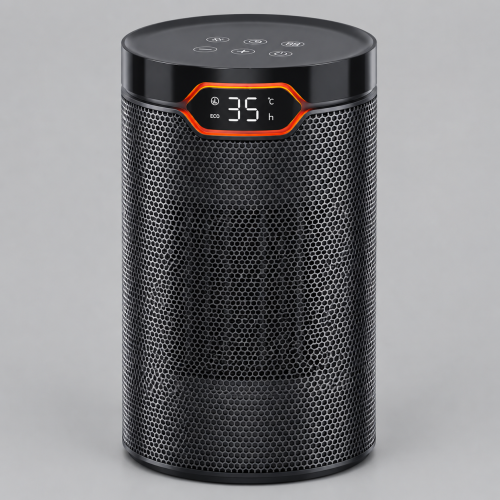
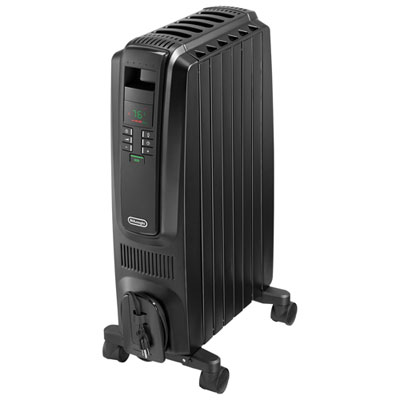
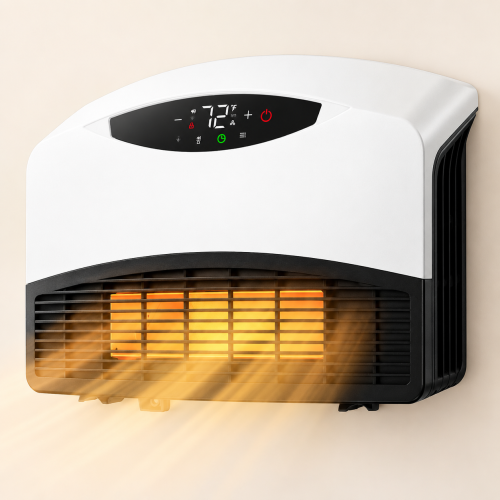
Winter electric space heaters add focused warmth to the places where people spend time, whether that means a home office beside a chilly window, a reading chair in a finished basement, or a living room that feels cooler than the rest of the house. They are generally intended to supplement a home’s main heating system rather than replace it, making their heating style and placement important to everyday comfort. The Electric Heaters collection brings together different approaches to indoor warmth, including designs that circulate heated air and others that deliver more direct radiant heat. Ceramic fan heaters typically move air across a heated ceramic element, helping distribute warmth around an occupied area. Their responsive output can be useful when settling in at a desk or taking the chill off a small room, although the fan creates some background sound. Radiant heaters warm people and nearby surfaces within their path, so positioning matters: a chair within the heating area may feel comfortable before the surrounding air becomes noticeably warmer. Oil-filled radiators use an electric element to heat fluid sealed inside metal columns. They usually warm up more gradually and continue releasing stored heat after the element cycles off, making them suited to longer periods of steady use while someone is present. Fan-free designs avoid the continuous sound of moving air, though thermostats and expanding materials may still make occasional clicks. Construction also affects how a heater feels to use. A broad base helps support stability, a sturdy handle makes repositioning easier once the unit has cooled, and a durable grille protects the heating components without obstructing airflow. Metal housings and radiator fins can become hot, while plastic outer panels do not necessarily mean every accessible surface stays cool. For households with children or pets, the location of hot surfaces matters just as much as the overall shape or finish.

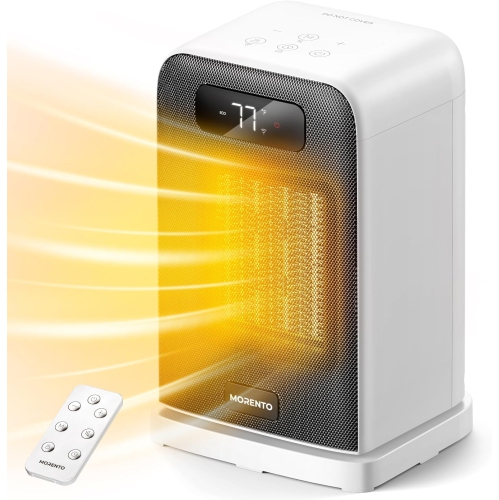
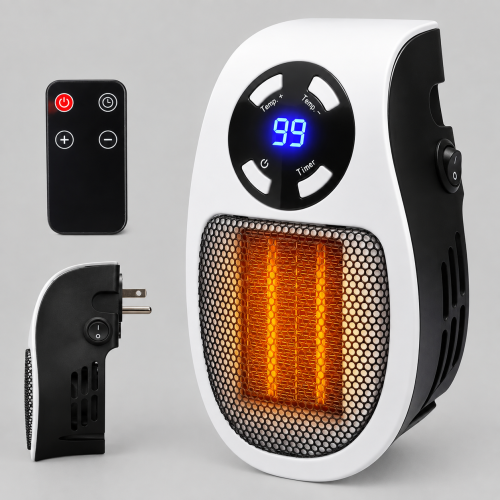
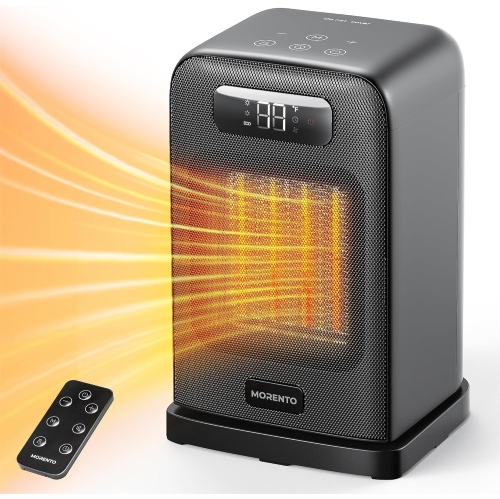
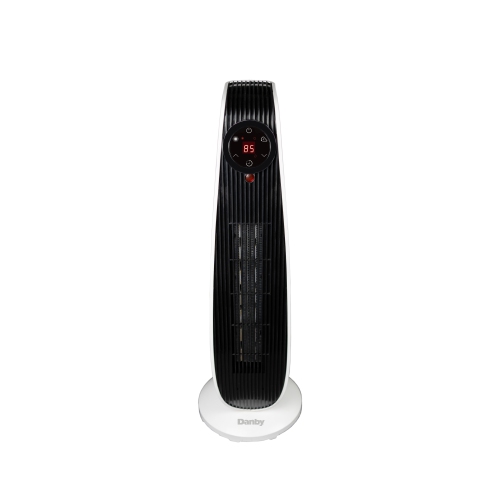
Matching a winter space heater to a room involves more than comparing its height or advertised coverage. Ceiling height, insulation, window condition, drafts, and an open doorway all influence how effectively warmth stays where it is wanted. A compact bedroom with a closed door behaves differently from an open-plan living area connected to a staircase, even when their floor areas seem similar. Wattage indicates electrical input, and many plug-in heaters operating at the same wattage produce broadly similar amounts of heat; their main differences lie in how they distribute it, how quickly the warmth is felt, and how precisely it can be controlled. Coverage estimates are best treated as general reference points rather than guarantees. Adjustable heat settings make it possible to reduce output when full power feels excessive, while a thermostat cycles the heating element to help maintain a selected temperature. The temperature sensed near the heater may differ from the temperature across the room, particularly near a drafty window or an exterior wall. Oscillation can spread airflow across a seating area, but it does not increase the heater’s total output. For a home office, fan noise and control visibility may matter as much as heating speed, especially during calls. In a television room, a clear display and an easy-to-use remote can make small adjustments less disruptive. A timer can limit an operating period, but it should not be treated as permission to leave a portable heater running unattended or while sleeping. Physical fit deserves equal attention. Tall tower shapes take up relatively little floor area but still need the full clearance specified in their instructions. Wider radiators require room around their fins, and wheels should roll smoothly across the intended floor surface. Before choosing a location, account for the cord’s reach, nearby furniture, opening doors, and the walking route through the room. A heater should fit safely into the space without depending on an extension cord or being tucked beneath a desk surrounded by papers.

Safe placement and routine care are essential parts of using electric space heaters through winter. Look for an electrical safety certification mark recognized in Canada, along with clearly described protective features such as overheat protection and, for portable designs, a tip-over shutoff. These features provide additional safeguards, not a substitute for supervision or correct use. Set the heater on a stable, level surface approved by the manufacturer, keeping it away from bedding, curtains, upholstered furniture, clothing, and other combustible materials. Maintain at least one metre of clearance from combustible materials, or more wherever the manufacturer specifies it, and keep air intakes and outlets unobstructed. A tempting spot beside a sofa may be unsuitable if a throw blanket can slip over the grille or a curtain can drift into the airflow. Never use a space heater to dry mittens, boots, towels, or laundry. Plug it directly into a suitable wall outlet rather than a power bar or extension cord, and avoid sharing the circuit with other high-wattage appliances. Stop using it if the plug or outlet becomes hot, the cord is damaged, or there is a burning smell; an outlet concern should be assessed by a qualified electrician. Keep cords out from under rugs and away from doorways where they can be pinched or tripped over. Standard indoor heaters are not automatically suitable for bathrooms, damp basements, garages, or outdoor spaces, so the intended location must match the manufacturer’s rating and instructions. Before cleaning or moving a heater, switch it off, unplug it, and let it cool fully. Dust can collect around grilles and intakes; remove it only as directed, without allowing liquid into the housing or opening sealed components. Oil-filled radiators contain sealed fluid and should not be drained or refilled as routine maintenance. Check the cord and housing periodically, and store the heater clean and dry when it is no longer needed. Thoughtful placement, straightforward controls, and consistent care help make supplemental warmth a practical addition to an occupied room.

FAQ

Some products may be subject to Environmental Handling Fees (EHF) depending on your province. Learn more about EHFs.