High End Aux Cables
Elevate your audio experience with a high-end aux cable, designed to deliver superior sound quality and reliability. Whether you're connecting your smartphone, tablet, or any other audio device to speakers or headphones, these premium cables ensure a seamless and crisp audio connection. Crafted with precision and high-quality materials, high-end aux cables are perfect for audiophiles and casual listeners alike who demand the best in audio performance. Explore our selection to find the perfect match for your audio needs, ensuring every note is heard as it was meant to be.
Sort
![CSMART [Cs] 3.3Ft / 1M Lightning to Male Aux 3.5MM Audio Conversion Adapter Nylon Braid Cable Cord Compatible for Iphone](https://multimedia.bbycastatic.ca/multimedia/products/500x500/160/16006/16006963.jpeg)
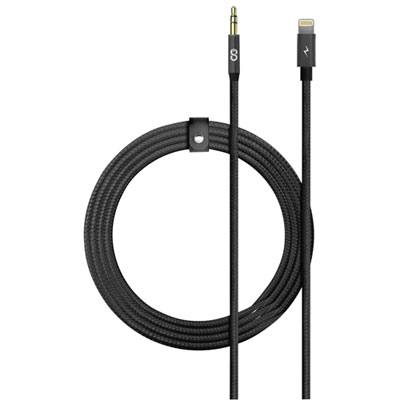
![SUPERSHIELD Iphone Aux Cord for Car Stereo, [Apple Mfi Certified] Lightning to 3.5MM Audio Cable Compatible w Iphone 13 12 11 Xs Xr X Se2 8 7 to Car](https://multimedia.bbycastatic.ca/multimedia/products/500x500/170/17020/17020808.jpeg)
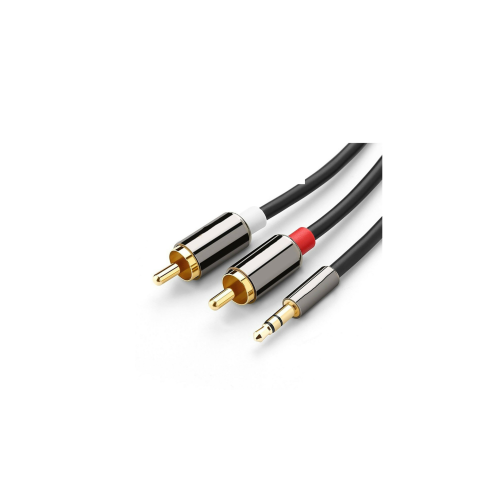
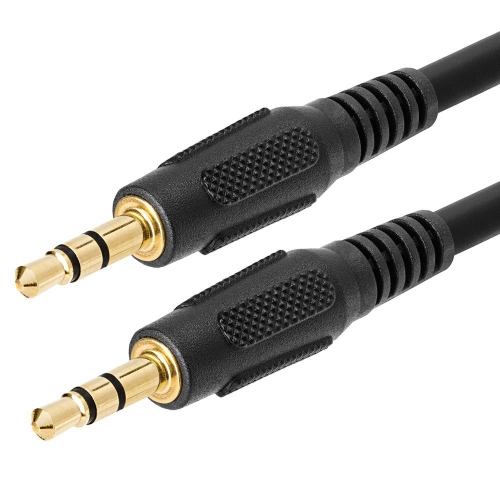
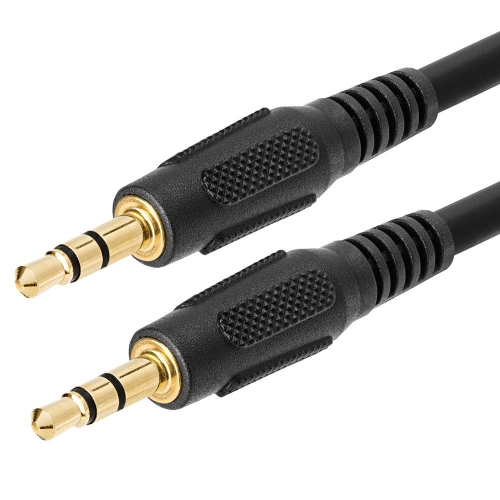

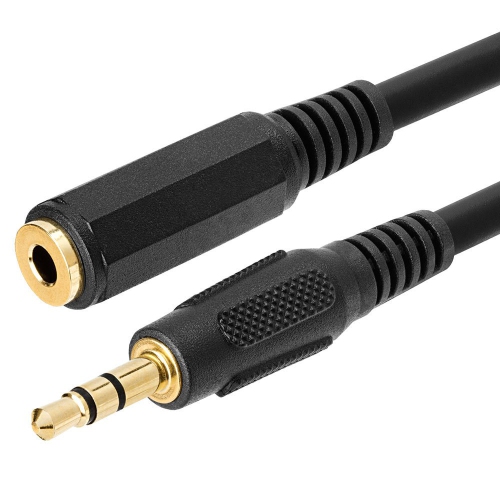

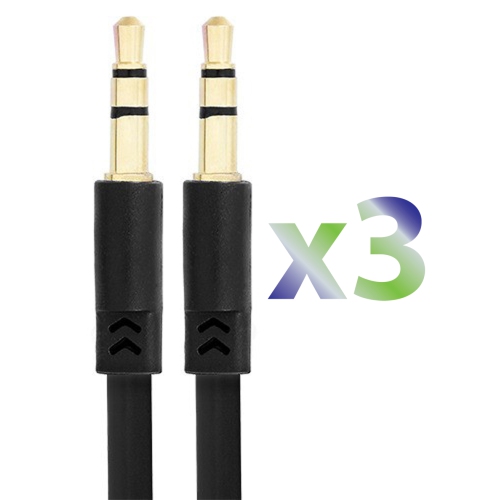
Connector compatibility and shielding shape reliable audio connections
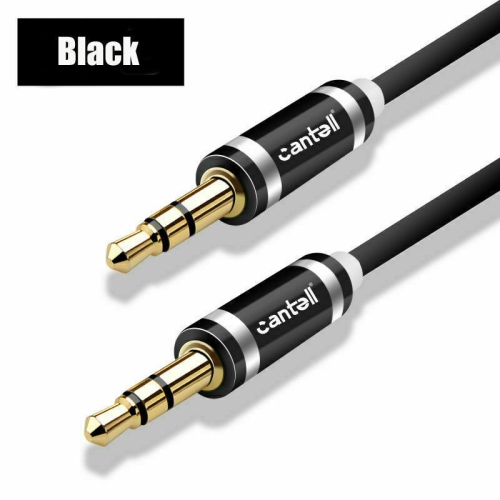
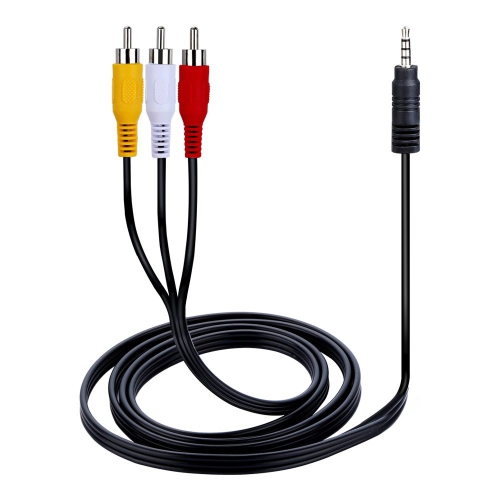
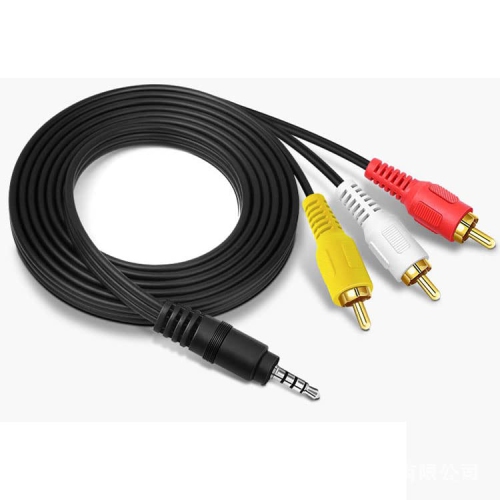
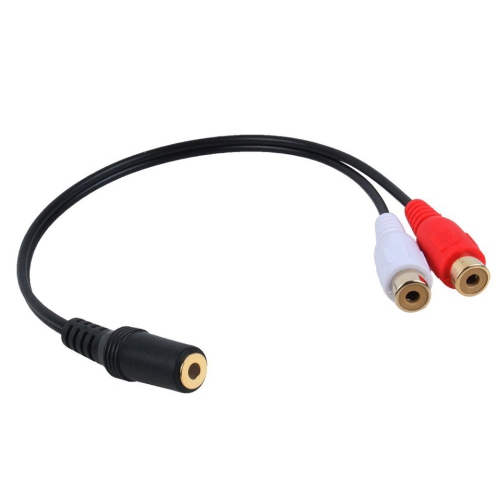
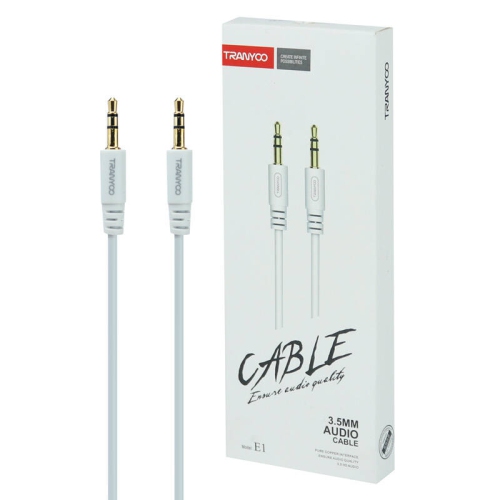
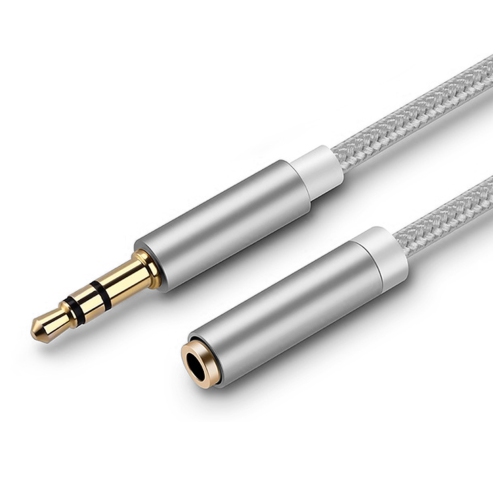
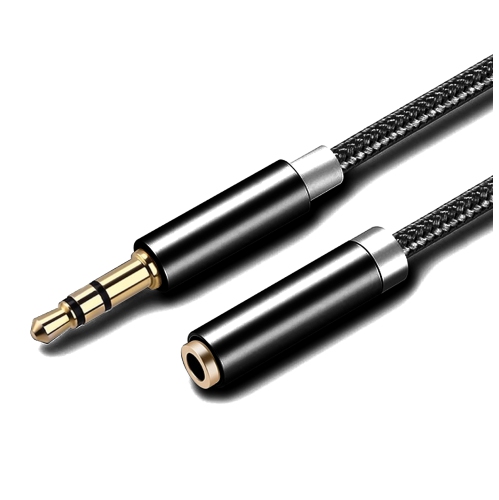
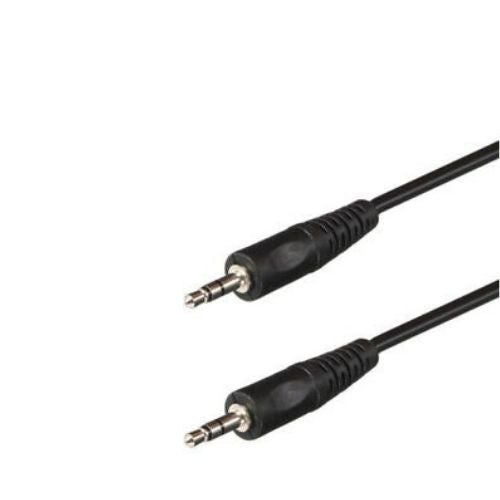
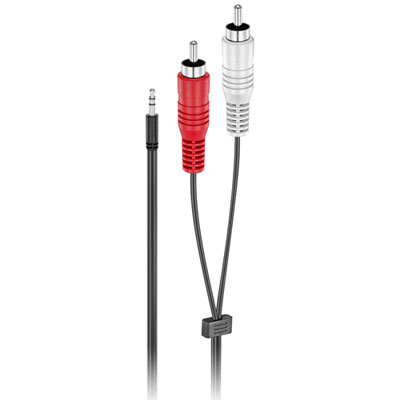
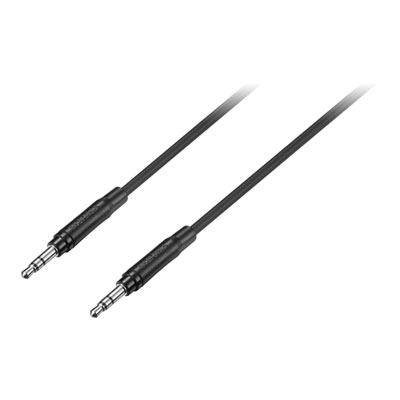
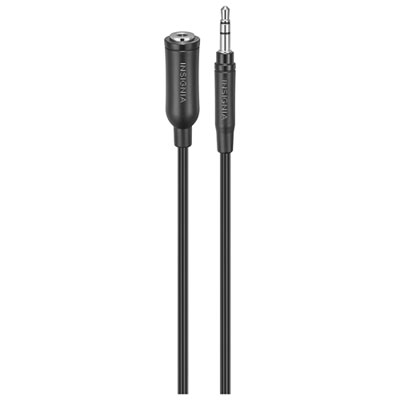
High-end aux cables are designed for listeners who want a dependable, carefully constructed connection between analogue audio devices. An auxiliary cable typically carries stereo sound through a 3.5 mm plug, although some configurations use a 3.5 mm connection at one end and left-and-right RCA plugs at the other. This makes the cable useful for connecting a phone, tablet, laptop, portable music player, DAC, headphone amplifier, powered speaker, car stereo, receiver, or integrated amplifier, depending on the equipment’s available inputs and outputs. The most important first step is confirming the connector type, plug configuration, and cable length required for your setup. A cable that is too short can put strain on the sockets, while one that is much longer than necessary may be harder to manage behind a desk or entertainment unit. High-end auxiliary cables commonly feature quality metal conductors, carefully designed insulation, strong strain relief, and shielding intended to reduce electromagnetic interference (EMI) and radio-frequency interference (RFI). Braided-over-foil shielding can help protect the audio signal from noise generated by nearby power supplies, wireless equipment, computers, lighting, and other electronics. Silver-plated or high-purity copper conductors may be selected for their conductivity and consistency, while low-capacitance designs can help preserve signal integrity across the cable run. These details are most valuable when they are paired with solid construction: snugly fitting plugs, corrosion-resistant contacts, flexible but durable jacketing, and moulded joints that can withstand repeated plugging and unplugging. A well-built cable should feel secure in your hand without being unnecessarily stiff, and its connectors should sit firmly without wobbling in the device’s audio jack.
The right high-end aux cable depends on the equipment, listening environment, and everyday routine. Someone connecting a portable music player to a home stereo may appreciate a flexible cable that can be routed neatly across a shelf, while a listener using a laptop at a desk may place greater importance on compact plugs and effective shielding near monitors, chargers, and USB hubs. In a vehicle, the cable may need a shorter length, a low-profile connector, and a jacket that can handle frequent movement between the centre console and a phone mount. For a turntable, amplifier, or other component with left-and-right RCA inputs, a 3.5 mm-to-RCA cable can provide the appropriate bridge, but it is important to check whether the source device sends a line-level signal and whether the receiving equipment accepts one. A cable cannot correct a mismatch between incompatible connections, and no conductor material can replace a properly configured audio system. It is also worth considering whether the cable will remain in place or travel regularly. Permanently installed connections benefit from robust shielding and strain relief, whereas a portable cable should balance durability with flexibility and easy storage. Gold-plated contacts are often used to resist surface corrosion and maintain a reliable connection over time, but careful handling still matters: grip the plug rather than pulling the cord, avoid sharp bends near the connector, and keep unused plugs covered or stored away from dust. For a gift, a high-end auxiliary cable can be a practical choice for a music lover, commuter, student, driver, home-office user, or anyone building a compact audio setup. It is particularly useful when the recipient already owns speakers, headphones, or a stereo system but needs a better-matched connection for everyday listening. During the cooler months, when more listening takes place indoors, a well-made cable can make it easier to connect a phone or computer to a living-room audio system, create a desk-based listening space, or enjoy playlists through a trusted set of speakers without relying on a wireless connection.
Premium construction should be judged by useful performance and fit rather than appearance alone. Good shielding may be especially noticeable in a setup where a poorly protected cable introduces buzzing, humming, crackling, or intermittent static, but a more expensive cable will not automatically make every recording sound dramatically different. In many systems, a solidly built, properly shielded cable offers the practical advantages listeners need without requiring an extreme price. Consider the total signal path, the quality and condition of the source and receiving equipment, the presence of nearby interference, and the distance between components before placing too much emphasis on exotic conductor materials. A carefully selected high-end aux cable should deliver a secure connection, stable stereo transmission, low handling noise, and confidence that the plugs and jacket will hold up through regular use. Compatibility remains central: stereo TRS 3.5 mm plugs are common for ordinary left-and-right audio, while four-contact TRRS plugs may be intended for headsets with microphone functions and may not behave the same way with every source or input. Mono and stereo connections should not be assumed to be interchangeable, and adapters should be chosen only when their wiring matches the equipment. For listeners comparing analogue connections with digital options, an aux cable carries an already converted audio signal, while a digital connection may transfer data for conversion by another component; the better choice depends on the devices and the desired setup. If your system uses HDMI for home theatre components, you can also explore High End HDMI Cables for compatible video and audio connections. Whether used beside a reading chair, across a studio desk, in a vehicle, or between components in a home theatre, a high-end auxiliary cable is best selected as a precise piece of the system: match the plugs, choose a sensible length, look for reliable shielding and strain relief, and select a construction that suits the way the cable will actually be handled.
The right high-end aux cable depends on the equipment, listening environment, and everyday routine. Someone connecting a portable music player to a home stereo may appreciate a flexible cable that can be routed neatly across a shelf, while a listener using a laptop at a desk may place greater importance on compact plugs and effective shielding near monitors, chargers, and USB hubs. In a vehicle, the cable may need a shorter length, a low-profile connector, and a jacket that can handle frequent movement between the centre console and a phone mount. For a turntable, amplifier, or other component with left-and-right RCA inputs, a 3.5 mm-to-RCA cable can provide the appropriate bridge, but it is important to check whether the source device sends a line-level signal and whether the receiving equipment accepts one. A cable cannot correct a mismatch between incompatible connections, and no conductor material can replace a properly configured audio system. It is also worth considering whether the cable will remain in place or travel regularly. Permanently installed connections benefit from robust shielding and strain relief, whereas a portable cable should balance durability with flexibility and easy storage. Gold-plated contacts are often used to resist surface corrosion and maintain a reliable connection over time, but careful handling still matters: grip the plug rather than pulling the cord, avoid sharp bends near the connector, and keep unused plugs covered or stored away from dust. For a gift, a high-end auxiliary cable can be a practical choice for a music lover, commuter, student, driver, home-office user, or anyone building a compact audio setup. It is particularly useful when the recipient already owns speakers, headphones, or a stereo system but needs a better-matched connection for everyday listening. During the cooler months, when more listening takes place indoors, a well-made cable can make it easier to connect a phone or computer to a living-room audio system, create a desk-based listening space, or enjoy playlists through a trusted set of speakers without relying on a wireless connection.
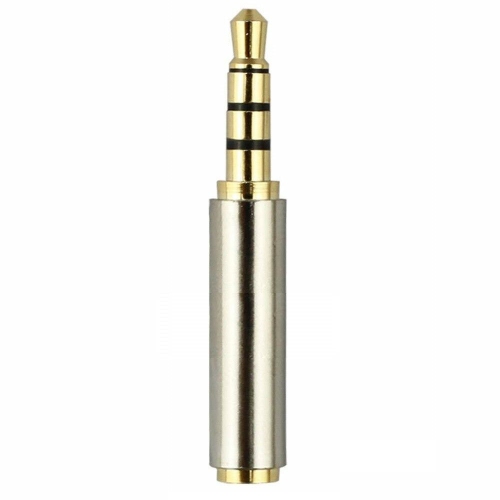
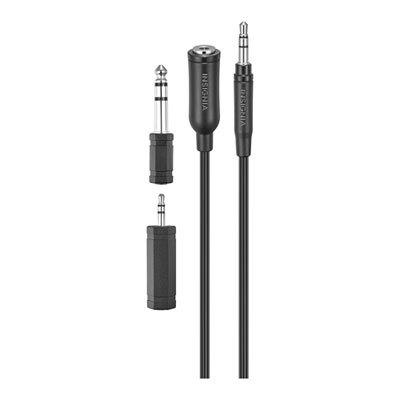
Premium construction should be judged by useful performance and fit rather than appearance alone. Good shielding may be especially noticeable in a setup where a poorly protected cable introduces buzzing, humming, crackling, or intermittent static, but a more expensive cable will not automatically make every recording sound dramatically different. In many systems, a solidly built, properly shielded cable offers the practical advantages listeners need without requiring an extreme price. Consider the total signal path, the quality and condition of the source and receiving equipment, the presence of nearby interference, and the distance between components before placing too much emphasis on exotic conductor materials. A carefully selected high-end aux cable should deliver a secure connection, stable stereo transmission, low handling noise, and confidence that the plugs and jacket will hold up through regular use. Compatibility remains central: stereo TRS 3.5 mm plugs are common for ordinary left-and-right audio, while four-contact TRRS plugs may be intended for headsets with microphone functions and may not behave the same way with every source or input. Mono and stereo connections should not be assumed to be interchangeable, and adapters should be chosen only when their wiring matches the equipment. For listeners comparing analogue connections with digital options, an aux cable carries an already converted audio signal, while a digital connection may transfer data for conversion by another component; the better choice depends on the devices and the desired setup. If your system uses HDMI for home theatre components, you can also explore High End HDMI Cables for compatible video and audio connections. Whether used beside a reading chair, across a studio desk, in a vehicle, or between components in a home theatre, a high-end auxiliary cable is best selected as a precise piece of the system: match the plugs, choose a sensible length, look for reliable shielding and strain relief, and select a construction that suits the way the cable will actually be handled.
Top selling and popular products
-
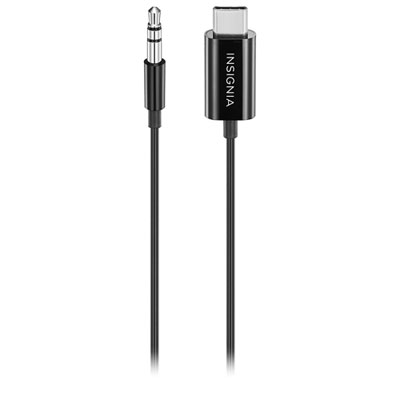 Your price for this item is $19.99
 -
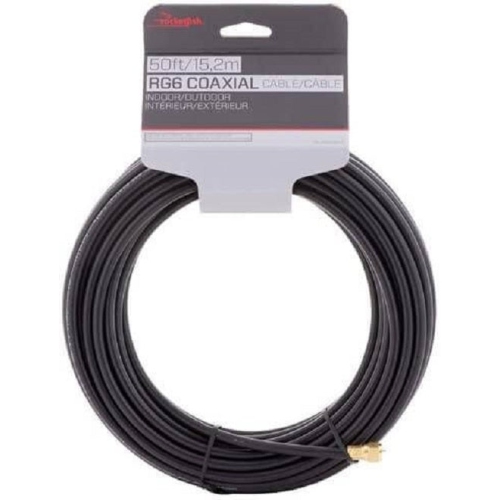 Your price for this item is $26.99
 -
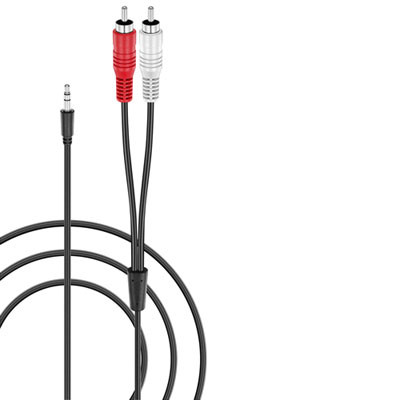 Your price for this item is $14.99
 -
 Your price for this item is $14.99
 -
 Your price for this item is $19.99
 -
 Your price for this item is $19.99
 -
 Your price for this item is $9.99
 -
 Your price for this item is $17.5
Discover more categories related to High End Aux Cables
Top Collections:
Pokemon Centers, Kindle Devices, Best Budget Office Chairs, Apple iPhones 16, Best Laptops for Writers, iPhone 15 Apple, Canon G7X Cameras, Refurbished Apple Laptops, Alarm Clock, Motorola Razr Phones
Some products may be subject to Environmental Handling Fees
(EHF) depending on your province.
Learn more about EHFs.