Audiophile USB Cables
Enhance your audio experience with our quality audiophile USB cables. Designed to deliver exceptional sound clarity and signal integrity, these cables are perfect for connecting your favorite audio devices to your computer or other compatible devices. Whether you're a music enthusiast, a gamer, or a professional audio engineer, our audiophile USB cables provide a reliable and efficient connection that ensures your audio is transmitted with utmost precision. Upgrade your setup today and immerse yourself in the world of premium sound quality.
Sort

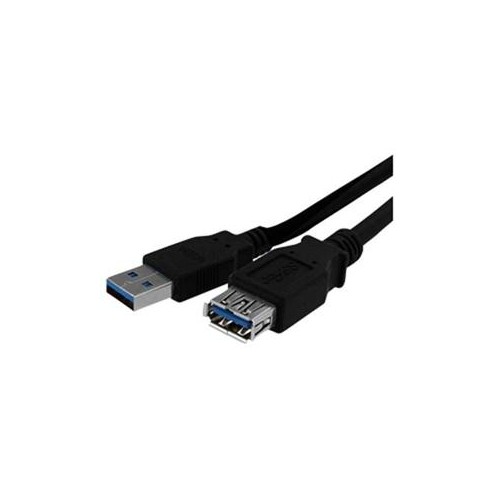
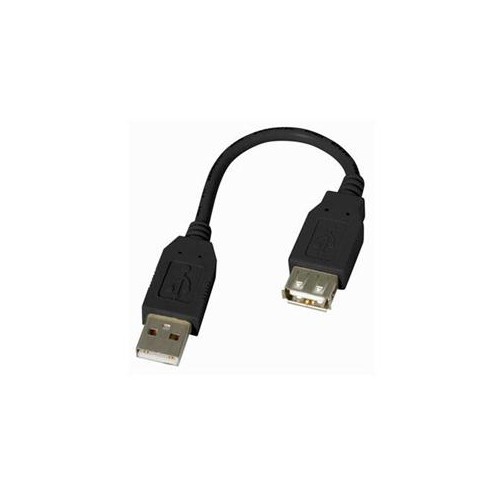

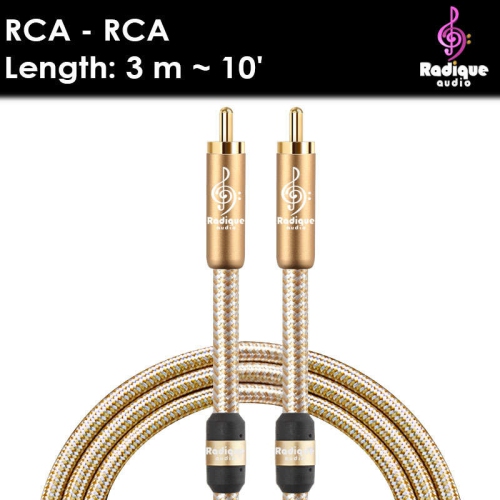
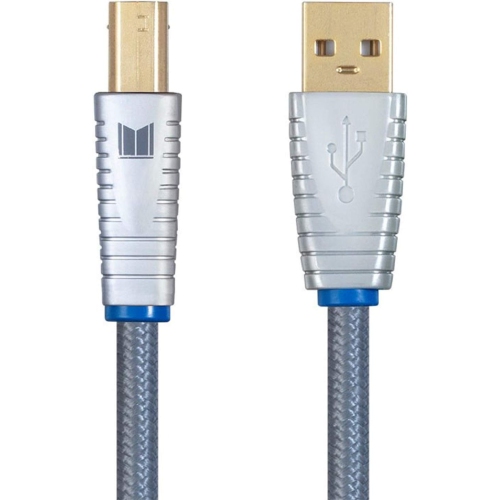
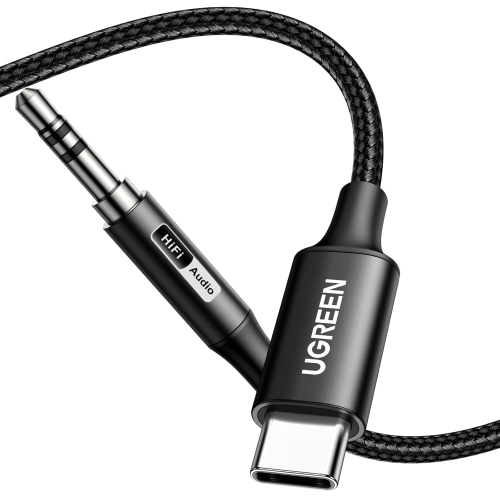
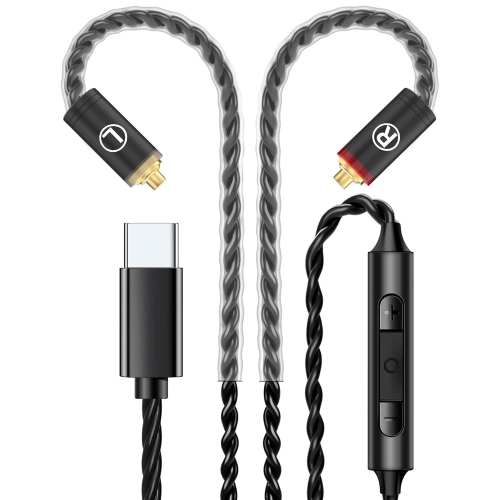
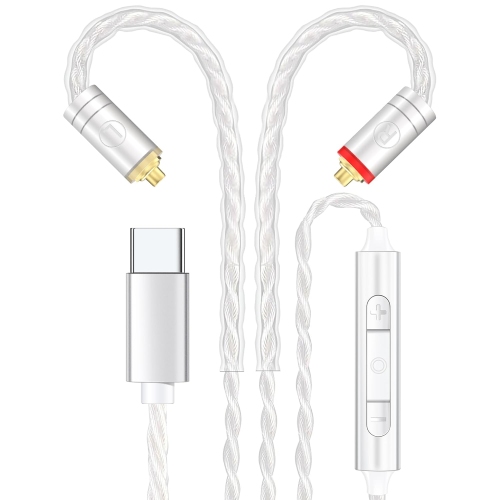
Understanding the connection between digital sources and DACs
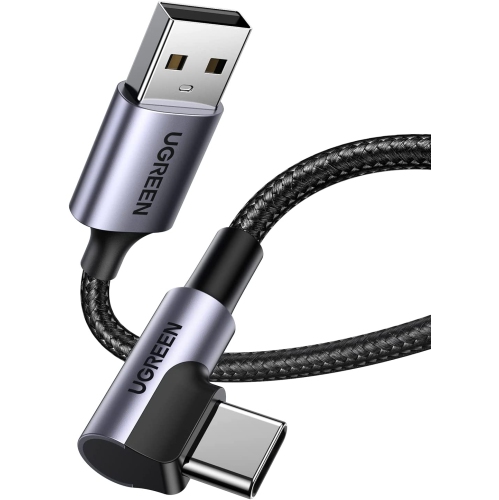
Audiophile USB cables are designed for listeners who want a carefully considered connection between a computer, tablet, music streamer, or other digital source and a digital-to-analog converter (DAC). USB-C has become common on newer laptops, mobile devices, and audio equipment, but the connector shape is only one part of the connection. Before choosing a cable, check the ports on both pieces of equipment and confirm whether the USB-C connection is intended for audio, data transfer, charging, or a combination of these functions. Some devices use USB-C while still requiring a particular USB standard or operating mode, and an adapter may not provide the same performance or convenience as a cable with the correct connectors built in. For a desktop listening setup, the cable may run from a computer to a DAC, which then sends the converted signal to an integrated amplifier, headphone amplifier, powered speakers, or a full stereo system. In a compact setup, it may connect a phone or tablet to a portable DAC for listening at a desk, in a reading chair, or while travelling. Cable length also deserves attention: a short, neatly routed cable can reduce clutter between nearby components, while a longer cable may be useful when a computer sits several feet from an audio rack. Look for solid construction, secure connectors, effective strain relief, and shielding that helps protect the cable from nearby power supplies, displays, wireless equipment, and other sources of electrical interference. Premium designs may use high-purity copper or silver-plated conductors, carefully controlled geometry, ferrite components, and multiple layers of shielding. Some are engineered around a nominal 90-ohm impedance, a specification associated with certain high-speed digital connections. These features can appeal to enthusiasts building a tidy, consistent system, although they do not replace the need for compatible ports, reliable electronics, and properly configured software.
The role of a USB cable in a digital audio system is often discussed with more nuance than a simple promise of better sound. A USB connection transfers digital data in packets, so a standard cable that meets the relevant specifications can perform correctly without creating audible problems. In a well-designed system, the DAC, source device, power supply, clocking system, software, and listening environment generally have a greater influence on the overall experience than a cable change alone. At the same time, a well-made audiophile USB cable can offer practical advantages that are easy to appreciate: a firmer connection, better durability, more dependable shielding, lower risk of intermittent dropouts, and a finish that suits a carefully assembled listening space. Some enthusiasts also value specialised construction as part of reducing radio-frequency and electromagnetic interference around sensitive audio equipment, particularly when a computer, monitor, charger, or network device shares the same desk. Results can vary from one system to another, and no cable should be expected to correct a noisy outlet, a faulty port, incompatible settings, or a DAC that lacks the required USB support. It is wise to confirm the maximum data rate supported by the source and DAC, as well as whether the cable supports the intended audio format and operating mode. If a system will carry high-resolution music, choose a cable rated for the required USB specification rather than relying on appearance or marketing language alone. Keep the cable away from sharp bends and avoid placing heavy equipment on it. Once connected, listen for reliable playback, an absence of dropouts, and a connection that remains secure when the desk or rack is gently moved. These simple checks provide a more useful starting point than assuming every premium cable will create a dramatic difference.
Audiophile USB cables can be a thoughtful addition for someone who enjoys refining a home audio system one connection at a time. They suit computer-audio listeners, headphone enthusiasts, musicians working with digital interfaces, and anyone who has added a DAC or streamer to a traditional stereo. They can also make a practical gift for a music lover who has recently upgraded a laptop, built a listening corner, or started exploring lossless and high-resolution music. A cable is especially easy to give when the recipient already has familiar equipment, since it can complement an existing setup without taking up much space. For a more complete listening experience, it may be paired with Audiophile Headphones, a headphone amplifier, or a selection of music accessories, provided the connectors and system requirements are checked first. During the cooler months, many people spend more time with music at a desk or in a dedicated room, making it a natural period to organise an audio system, replace worn connections, and improve the way equipment is arranged. A polished cable can help create a clean path between components, but the best choice remains the one that matches the hardware, required speed, distance, and budget. Consider where the cable will be used, whether it will be connected and disconnected often, and how much flexibility is needed around a crowded workspace. Braided jackets, reinforced housings, and clearly marked connectors can be helpful for regular use, while a softer, more flexible design may be preferable for portable listening. With the right fit, an audiophile USB cable provides a dependable link between digital source equipment and the rest of a listening system, allowing attention to stay where it belongs: on the music, the atmosphere of the recording, and the enjoyment of a familiar album or newly discovered performance.
The role of a USB cable in a digital audio system is often discussed with more nuance than a simple promise of better sound. A USB connection transfers digital data in packets, so a standard cable that meets the relevant specifications can perform correctly without creating audible problems. In a well-designed system, the DAC, source device, power supply, clocking system, software, and listening environment generally have a greater influence on the overall experience than a cable change alone. At the same time, a well-made audiophile USB cable can offer practical advantages that are easy to appreciate: a firmer connection, better durability, more dependable shielding, lower risk of intermittent dropouts, and a finish that suits a carefully assembled listening space. Some enthusiasts also value specialised construction as part of reducing radio-frequency and electromagnetic interference around sensitive audio equipment, particularly when a computer, monitor, charger, or network device shares the same desk. Results can vary from one system to another, and no cable should be expected to correct a noisy outlet, a faulty port, incompatible settings, or a DAC that lacks the required USB support. It is wise to confirm the maximum data rate supported by the source and DAC, as well as whether the cable supports the intended audio format and operating mode. If a system will carry high-resolution music, choose a cable rated for the required USB specification rather than relying on appearance or marketing language alone. Keep the cable away from sharp bends and avoid placing heavy equipment on it. Once connected, listen for reliable playback, an absence of dropouts, and a connection that remains secure when the desk or rack is gently moved. These simple checks provide a more useful starting point than assuming every premium cable will create a dramatic difference.
Audiophile USB cables can be a thoughtful addition for someone who enjoys refining a home audio system one connection at a time. They suit computer-audio listeners, headphone enthusiasts, musicians working with digital interfaces, and anyone who has added a DAC or streamer to a traditional stereo. They can also make a practical gift for a music lover who has recently upgraded a laptop, built a listening corner, or started exploring lossless and high-resolution music. A cable is especially easy to give when the recipient already has familiar equipment, since it can complement an existing setup without taking up much space. For a more complete listening experience, it may be paired with Audiophile Headphones, a headphone amplifier, or a selection of music accessories, provided the connectors and system requirements are checked first. During the cooler months, many people spend more time with music at a desk or in a dedicated room, making it a natural period to organise an audio system, replace worn connections, and improve the way equipment is arranged. A polished cable can help create a clean path between components, but the best choice remains the one that matches the hardware, required speed, distance, and budget. Consider where the cable will be used, whether it will be connected and disconnected often, and how much flexibility is needed around a crowded workspace. Braided jackets, reinforced housings, and clearly marked connectors can be helpful for regular use, while a softer, more flexible design may be preferable for portable listening. With the right fit, an audiophile USB cable provides a dependable link between digital source equipment and the rest of a listening system, allowing attention to stay where it belongs: on the music, the atmosphere of the recording, and the enjoyment of a familiar album or newly discovered performance.
Top selling and popular products
-
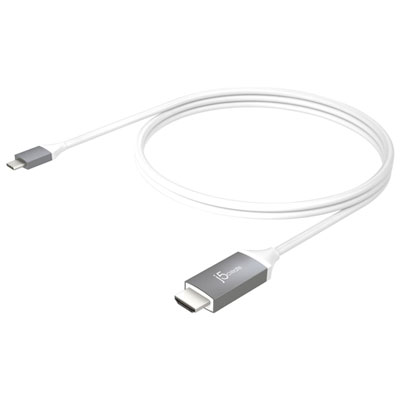 Your price for this item is $39.99
 -
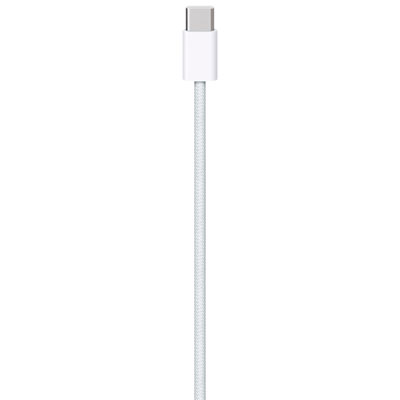 Your price for this item is $24.99
 -
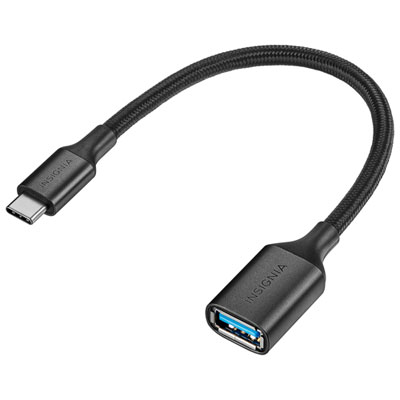 Your price for this item is $19.99
 -
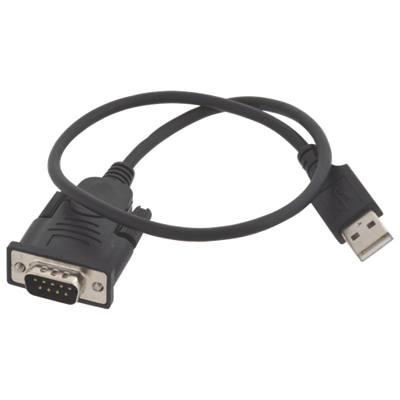 Your price for this item is $29.99
 -
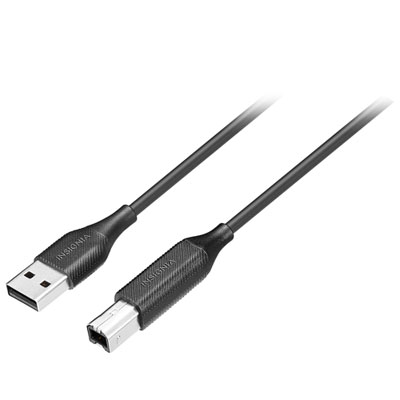 Your price for this item is $29.99
 -
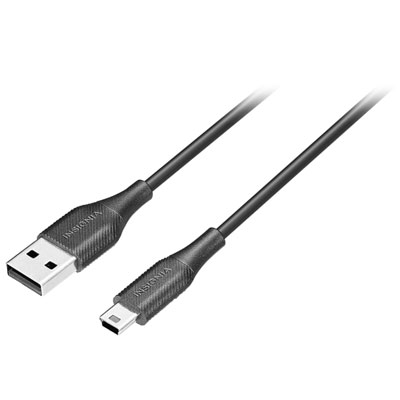 Your price for this item is $19.99
 -
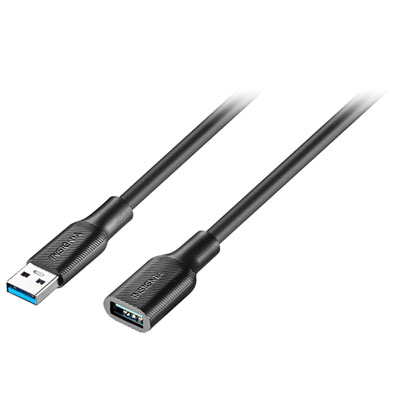 Your price for this item is $24.99
 -
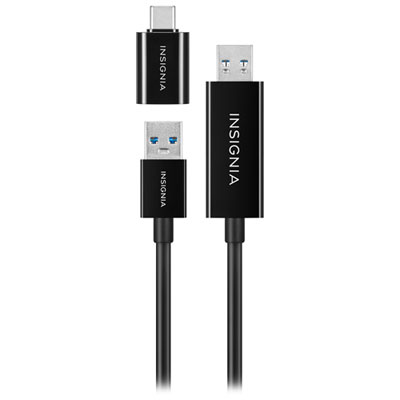 Your price for this item is $44.97
Discover more categories related to Audiophile USB Cables
Top Collections:
Pokemon Centers, Kindle Devices, Best Budget Office Chairs, Apple iPhones 16, Best Laptops for Writers, iPhone 15 Apple, Canon G7X Cameras, Refurbished Apple Laptops, Alarm Clock, Motorola Razr Phones
Some products may be subject to Environmental Handling Fees
(EHF) depending on your province.
Learn more about EHFs.