AirPods Silicone Tips
AirPods Silicone Tips offer a comfortable and secure fit for your wireless earbuds, making every listening experience more enjoyable. Designed to help you get the most out of your audio devices, these tips are easy to install and available in a variety of sizes. Whether you want extra comfort during long listening sessions or a snug fit for active use, AirPods Silicone Tips provide an ideal solution. Explore options that can enhance your earbuds and keep them feeling fresh every day.
Sort

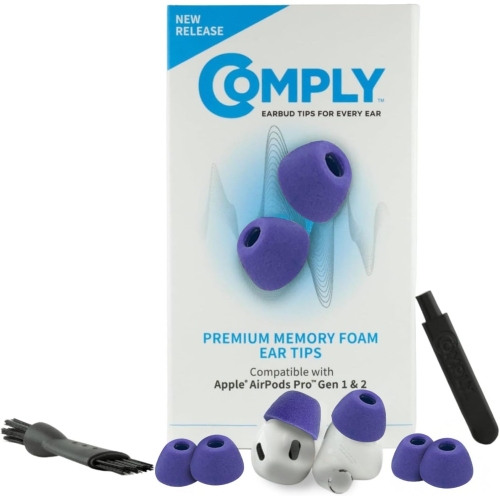
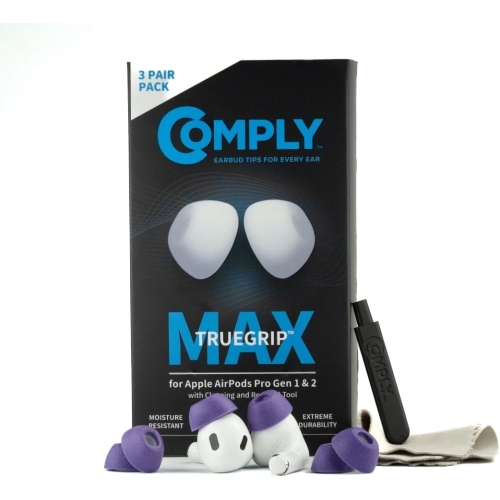
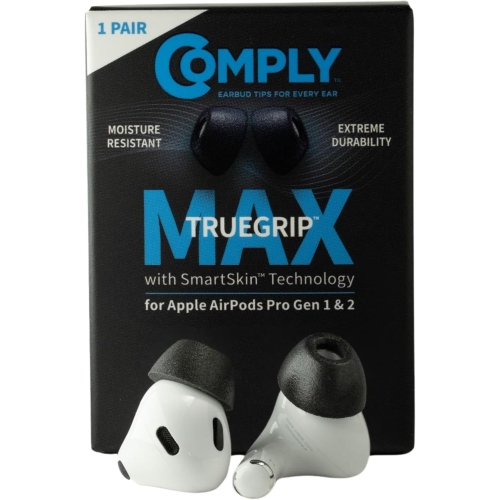
Why earbud comfort depends on more than tip size
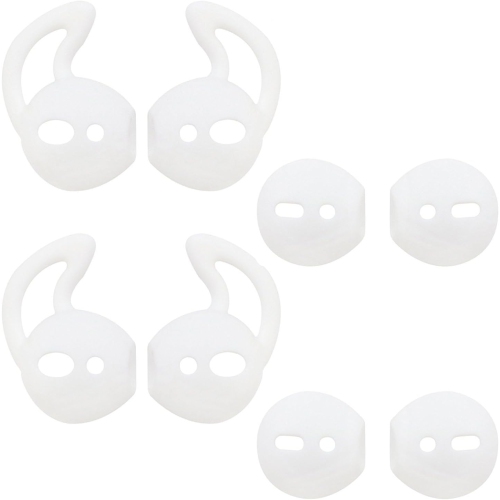
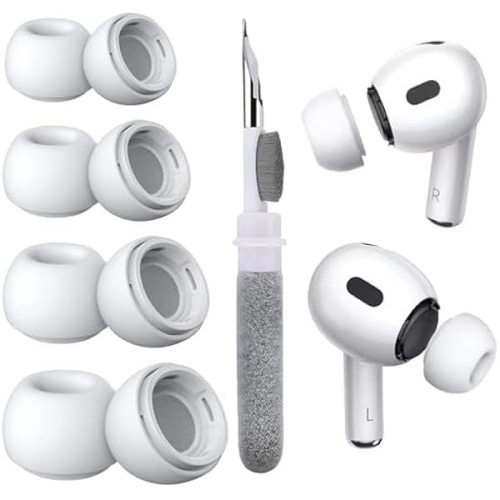
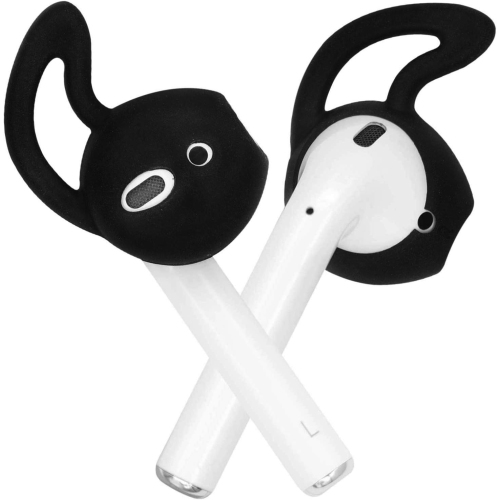
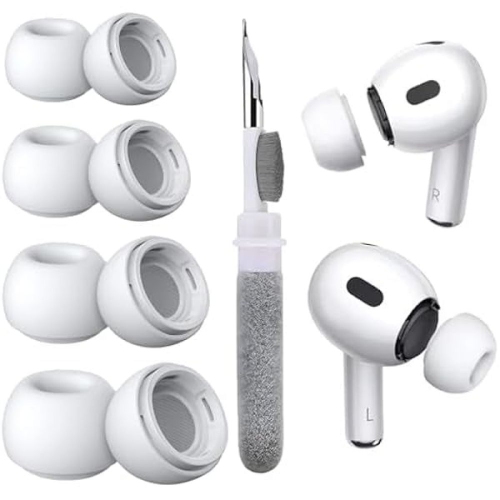
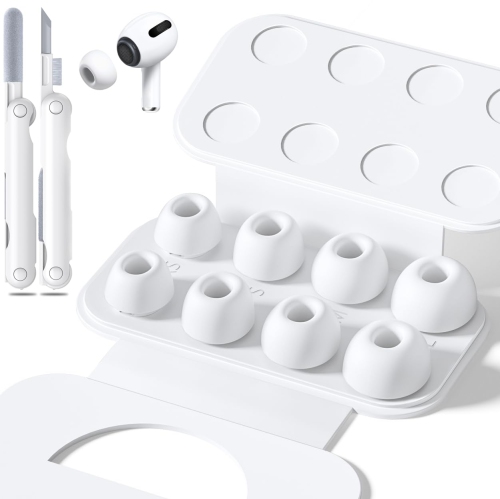
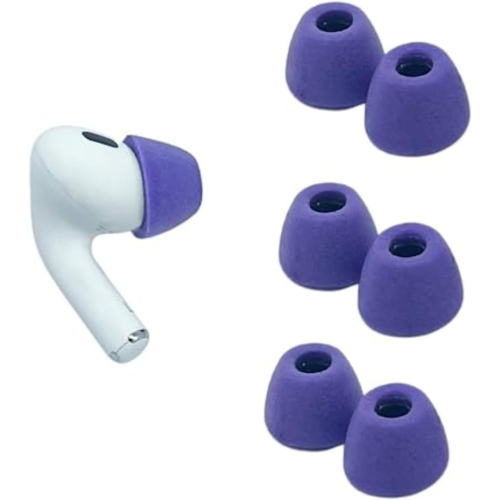
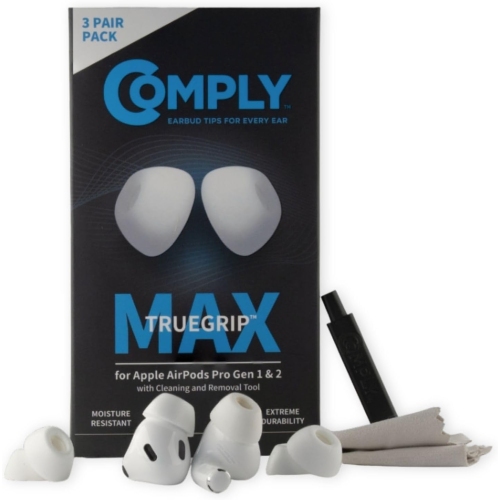
Silicone ear tips are soft, removable fittings that sit between compatible in-ear earbuds and the ear canal. They help create the seal that supports a secure fit, consistent sound, and effective passive noise isolation. Replacing a worn, damaged, or poorly fitting tip can make an otherwise familiar pair of earbuds feel more comfortable without replacing the earbuds themselves. When choosing Ear Tips for AirPods Pro, the exact earbud model and generation are important compatibility details, alongside the size that suits each ear. A tip that looks similar in a photo may have a different attachment collar, opening, or internal shape, so visual resemblance alone is not enough to establish a match. The connection needs to seat correctly on the earbud rather than merely stretch over it. These replacement tips are also different from silicone sleeves that wrap around an earbud’s outer body, and they do not convert fixed-shape, open-ear earbuds into models designed for removable in-ear tips. Beyond compatibility, the shape of the flexible outer skirt affects how the tip rests against the ear canal. Its width, depth, and flexibility all contribute to the feel, which is why the same labelled size can fit differently across designs. Size labels are useful starting points rather than universal measurements. For someone replacing a comfortable original pair, matching the existing size and intended compatibility provides a practical reference. For someone whose earbuds have always felt loose or uneven, having more than one size to compare may be more useful than choosing solely by appearance. The charging case deserves attention too: a tip must fit the earbud securely while still allowing it to sit correctly in its case and make contact with the charging points. An oversized or unusually shaped attachment can interfere with that everyday routine, even if it initially feels comfortable in the ear. The most useful replacement is one that works with the complete setup, from the attachment point to the closed case.
Fit is personal, and the left and right ears do not necessarily need the same tip size. A suitable fit feels gently secure rather than tightly wedged, with the flexible edge sitting smoothly instead of folding or pressing against one spot. If an earbud gradually works loose while walking, talking, or chewing, the tip’s size or shape may not be providing a dependable seal. A larger size is not automatically the answer, since an overly wide tip can buckle or create uncomfortable pressure. Conversely, a tip that feels easy to insert but leaves a gap may allow more outside sound through and make bass seem thinner. With compatible earbuds, an ear-tip fit test can help assess the acoustic seal, although comfort over a normal listening session still matters. Silicone’s smooth, flexible surface makes it well suited to removable ear tips, but material feel varies with thickness, firmness, and construction. A thinner skirt may flex more readily, while a firmer shape may feel more structured; neither approach suits every ear. For a commuter listening to a podcast, a consistent seal can make speech easier to follow without repeated adjustments. During a video call, comfortable tips can reduce the distraction of constantly reseating an earbud. For exercise, a steady fit is useful, but tips alone do not guarantee that earbuds will stay in place through every movement. They also do not add water resistance to the earbuds. A well-fitting tip supports the intended performance of compatible noise-cancelling features, but it cannot promise complete silence or turn earbuds into rated hearing protection. Awareness of traffic, announcements, and other people remains important wherever listening takes place. Comfort also includes knowing when to take a break: persistent soreness, irritation, or a feeling of excessive pressure is a reason to remove the earbuds and reconsider the fit. A secure seal should not depend on pushing an earbud farther into the ear or tolerating discomfort.
Regular care helps silicone tips remain comfortable and keeps small amounts of skin oil, earwax, and everyday debris from accumulating around the openings. Because the tips are removable, they can usually be cleaned separately from the electronics, but the care instructions for both the tips and the earbuds should determine the method. A soft, lint-free cloth is useful for routine surface cleaning, while any rinsing should be limited to detached tips when the manufacturer permits it. Tips should be completely dry before reattachment, and moisture should never be pushed into an earbud’s speaker opening or microphone ports. Sharp tools, abrasive scrubbing, and unapproved cleaning liquids can damage the flexible edge, attachment collar, or protective mesh where present. Pulling at the thin outer skirt can also place unnecessary stress on the material; removal should follow the attachment design rather than rely on force. Before putting the earbuds back into use, the tips should be fully seated and free of tears or distortion. Silicone is flexible and suited to repeated handling, but it is not immune to wear. A split edge, a collar that no longer holds securely, or a shape that stays stretched can affect fit and signal that replacement is appropriate. There is no single replacement schedule that suits everyone: frequency of use, handling, cleaning, and individual wear all play a part. Keeping a spare pair can be practical for someone who uses earbuds for daily calls, travel, study sessions, or workouts, especially when a small tip is misplaced during cleaning. Stored spares are best kept clean, dry, and protected from loose debris rather than left uncontained in a pocket or bag. For gifting, replacement tips make the most sense when the recipient’s exact earbud model and preferred size are known. They are a personal-fit accessory rather than a universal add-on, so matching those details matters more than choosing by colour alone. The right fit and compatibility make these small accessories useful in everyday listening, whether the goal is restoring a familiar feel or finding a more comfortable alternative.
Top selling and popular products
-
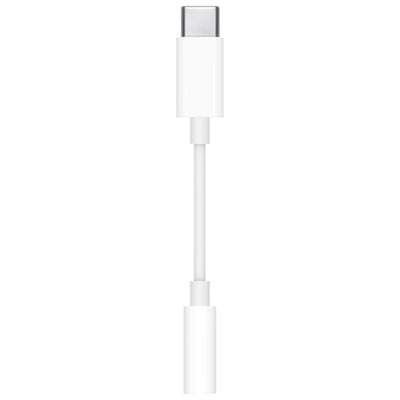 Your price for this item is $10
-
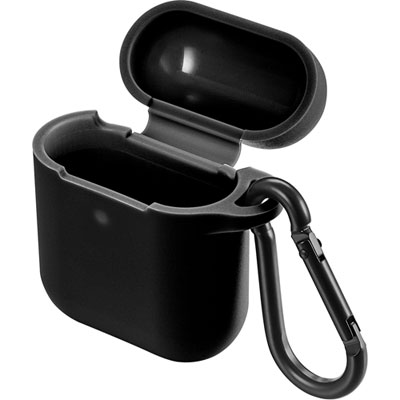 Your price for this item is $19.97
-
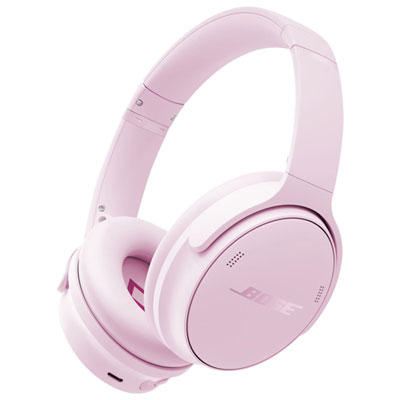 Your price for this item is $249
-
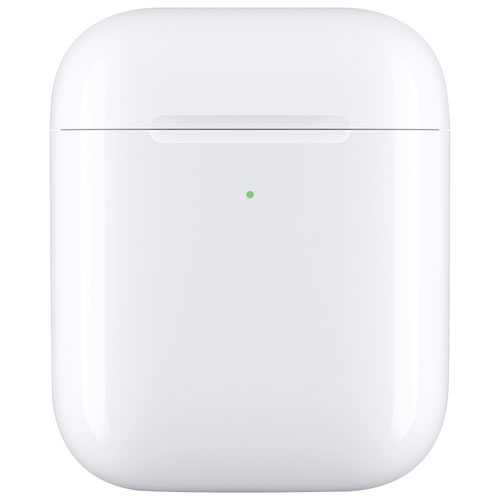 Your price for this item is $59.99
-
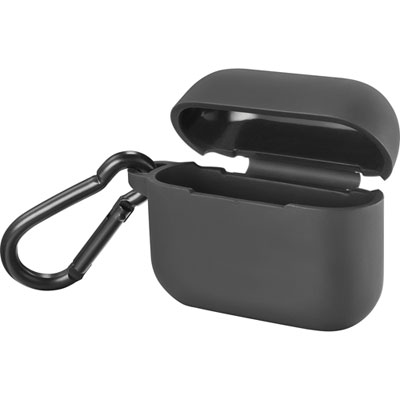 Your price for this item is $4.99
-
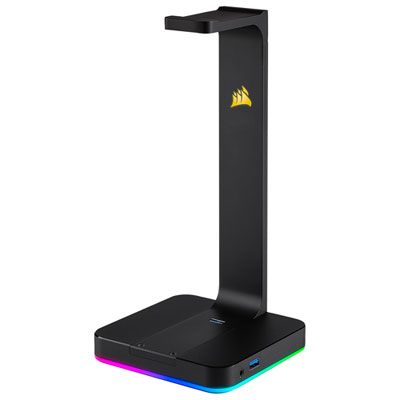 Your price for this item is $124.95
-
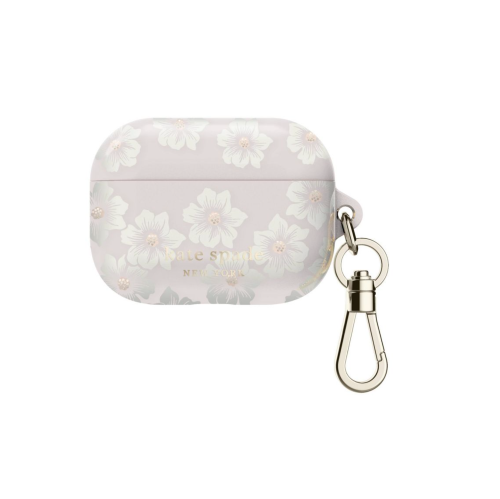 Your price for this item is $98.99
-
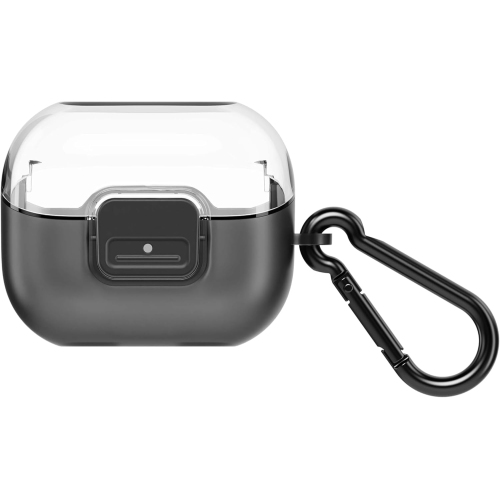 Your price for this item is $49.99
Discover more categories related to AirPods Silicone Tips
Top Collections:
Best Black Friday Deals This Year, Best Black Friday Deals On Electronics, Kindle Devices, Best Black Friday Deals On Apple Products, Best Budget Office Chairs, Best Cameras for Sports Photography, Dyson Airwrap, Canon G7X Cameras, Best Laptops for Writers, Samsung Galaxy Phones
Some products may be subject to Environmental Handling Fees
(EHF) depending on your province.
Learn more about EHFs.