Analog Radios
Rediscover the charm and simplicity of analog radios, where timeless design meets reliable performance. Perfect for those who appreciate the warm, nostalgic sound of traditional radio broadcasts, analog radios offer an authentic listening experience that digital formats often miss. Whether you're tuning into your favorite music station, catching up on news, or enjoying talk shows, these radios provide a seamless connection to the airwaves. Explore a variety of styles and features to find the ideal companion for your home, office, or outdoor adventures. Embrace the art of tuning in with ease and enjoy the classic allure of analog sound.
Sort
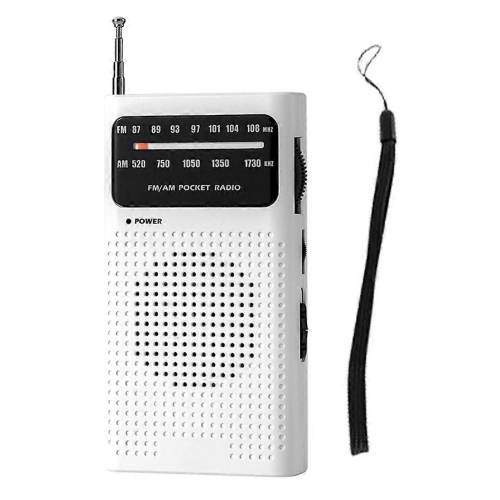
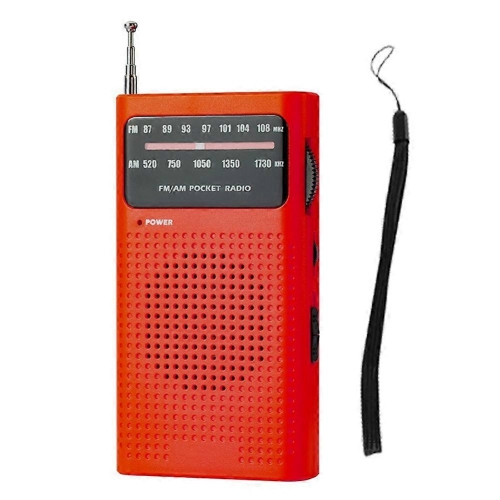
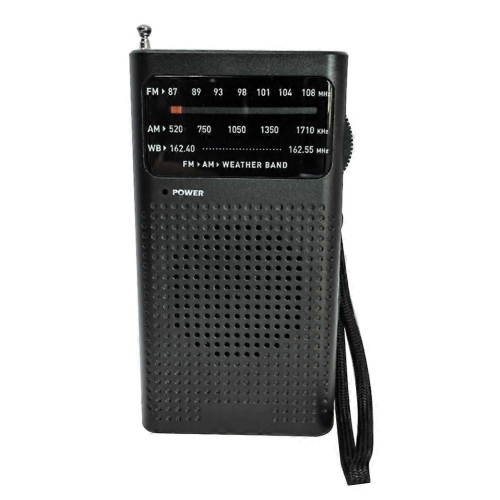
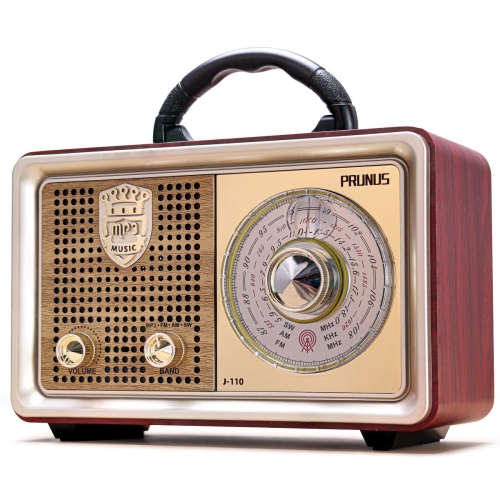


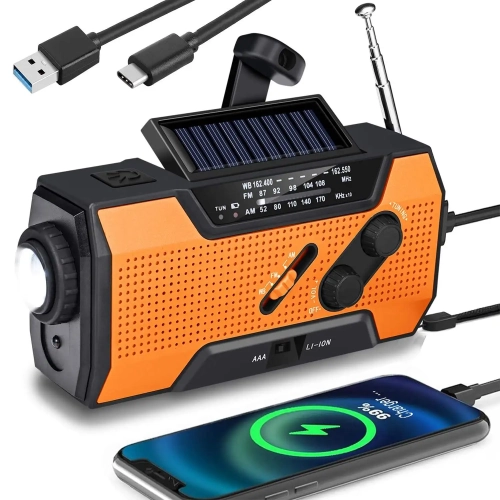
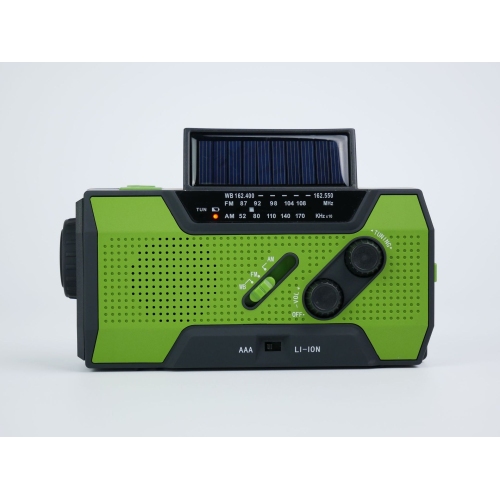
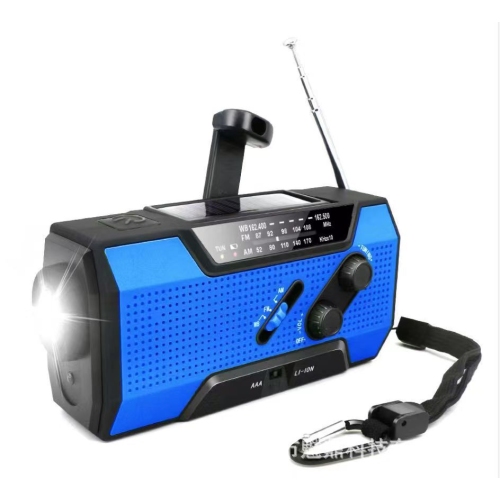
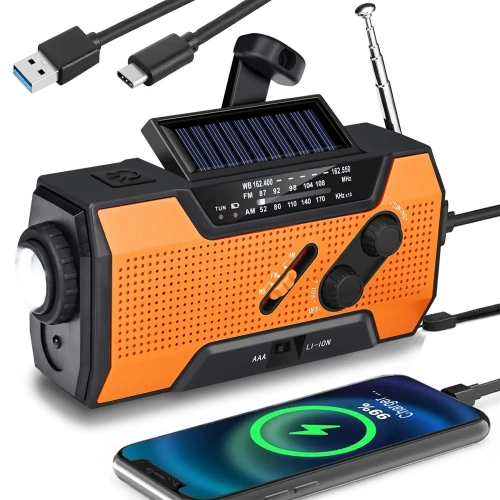

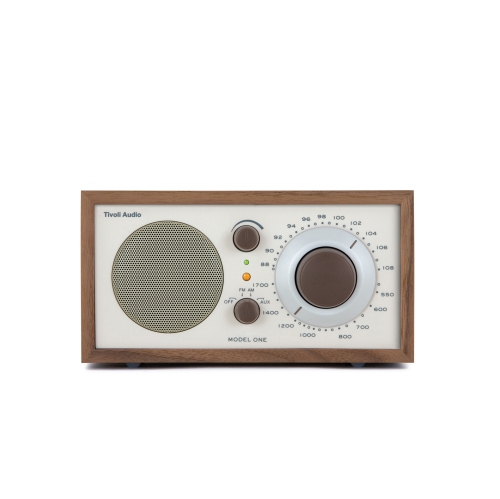
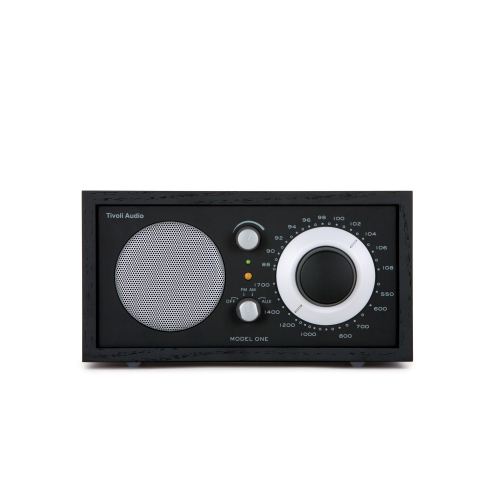
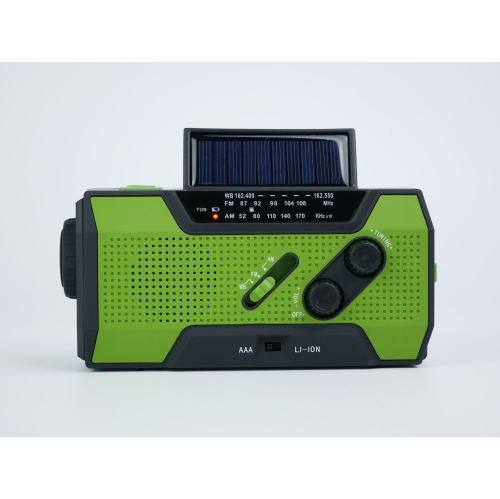
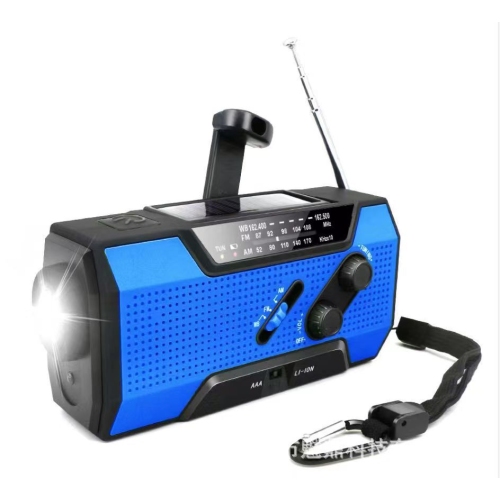
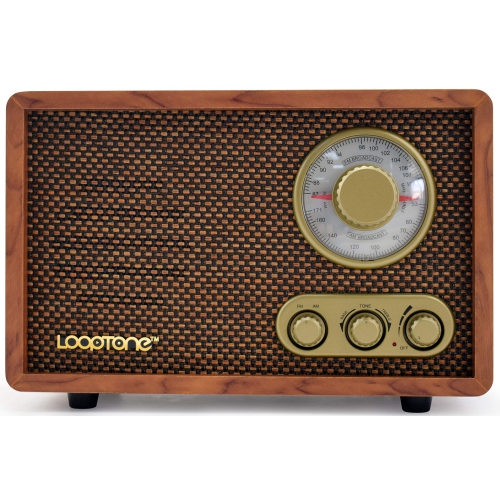

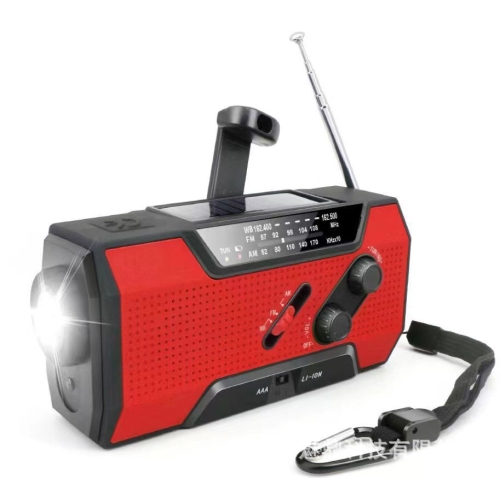
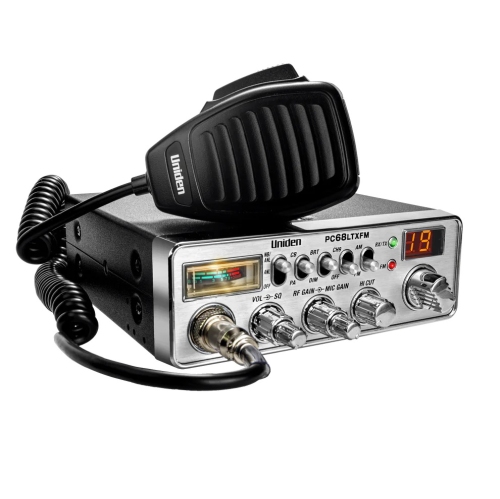
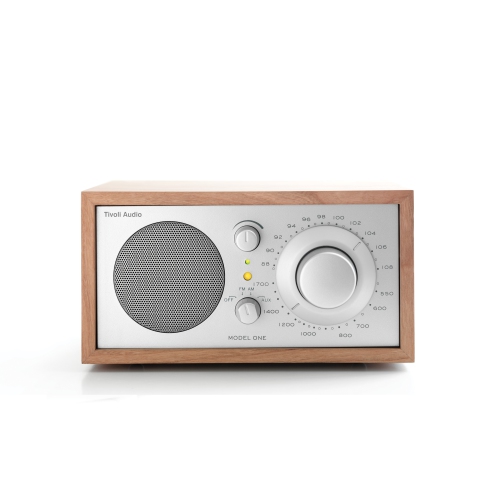
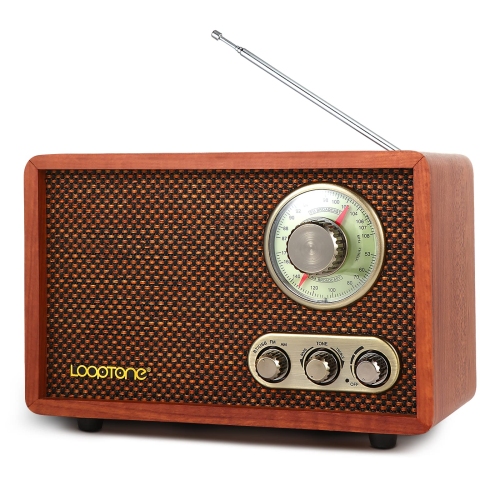

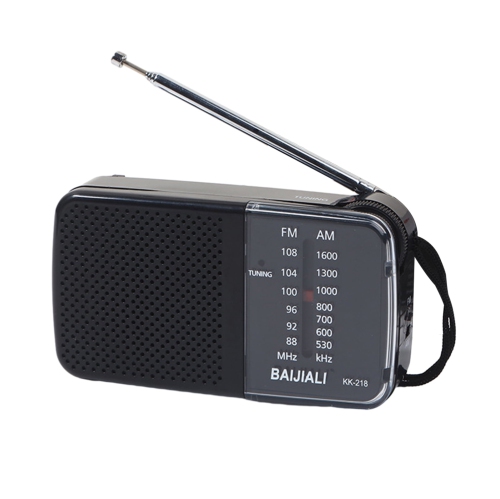
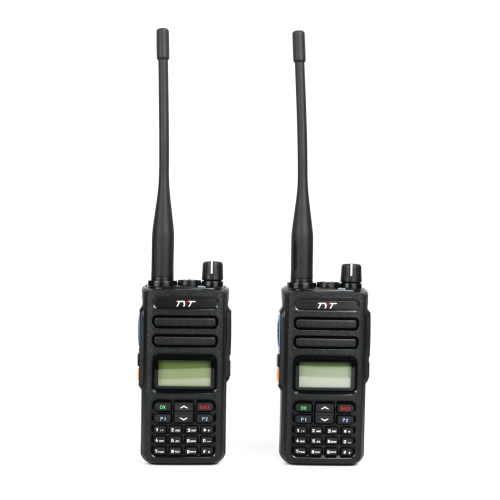
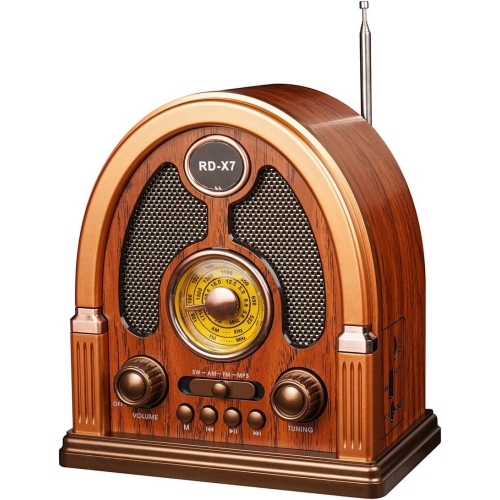


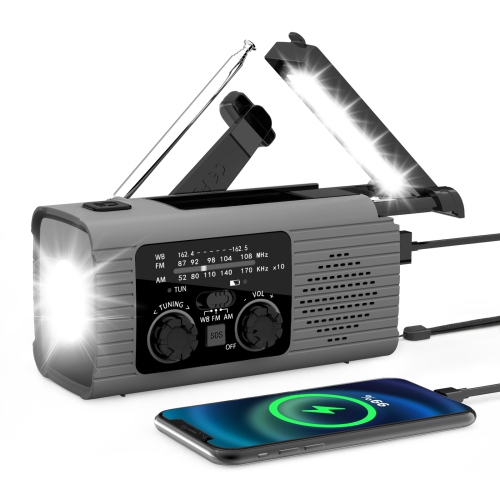
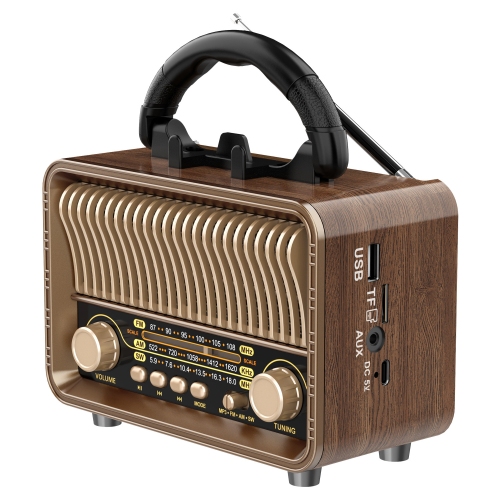
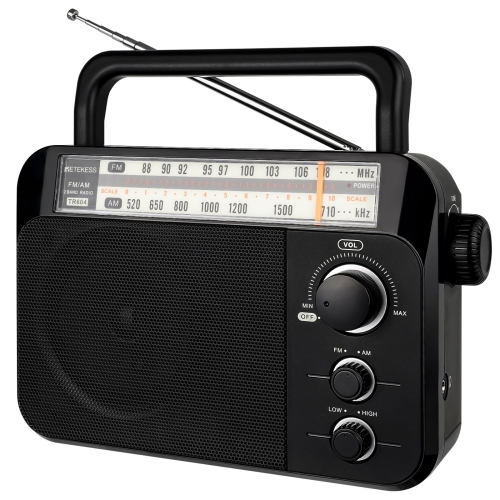

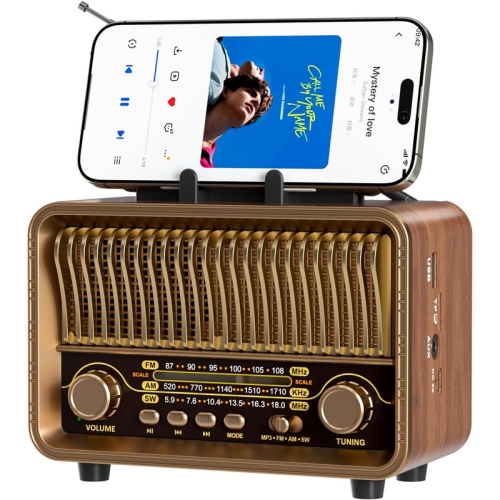

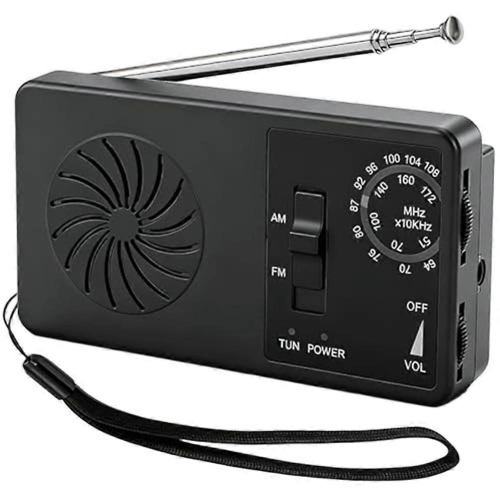
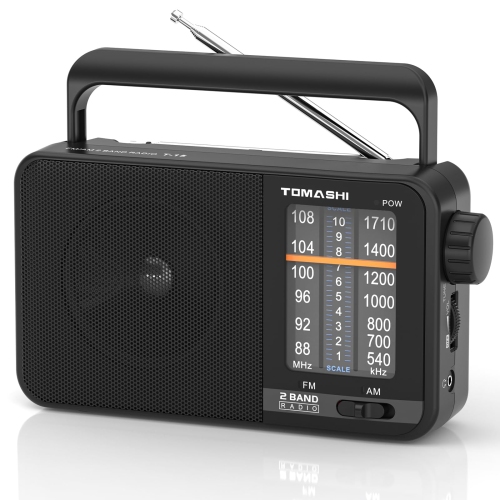

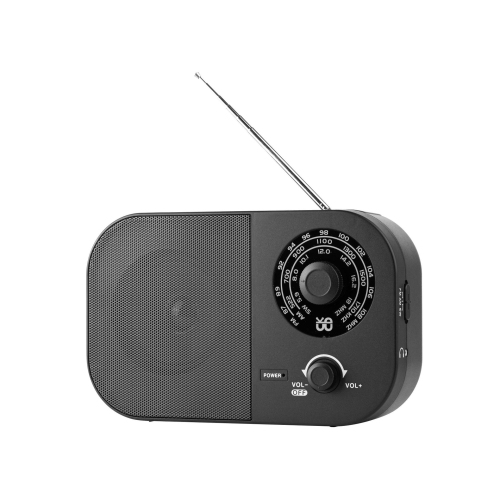
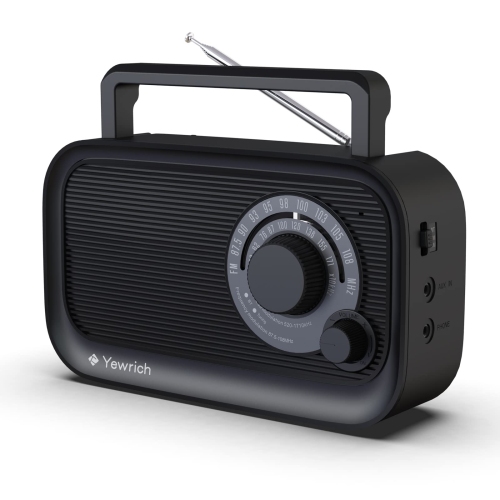



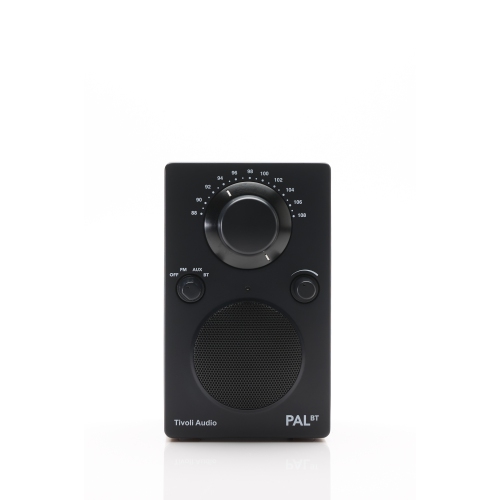


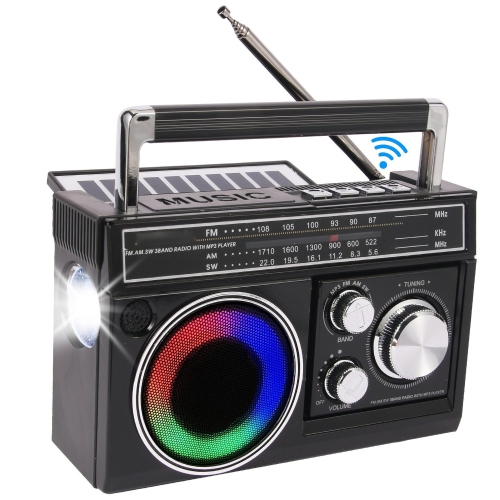


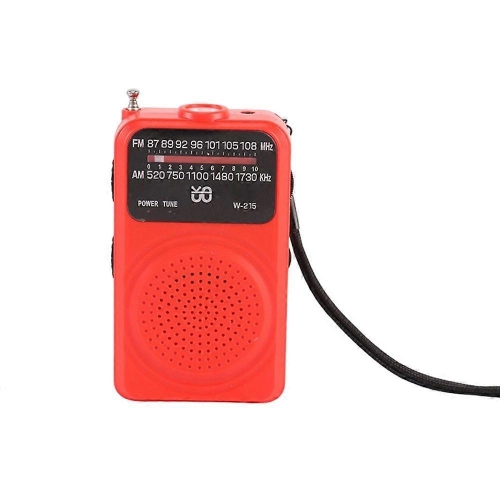

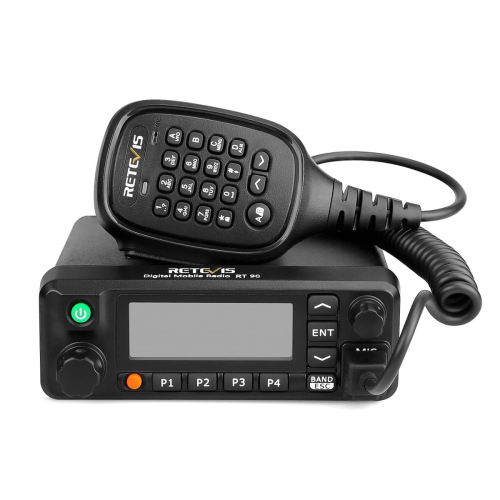
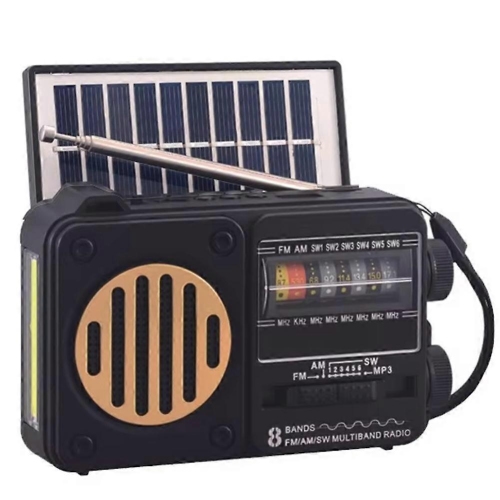
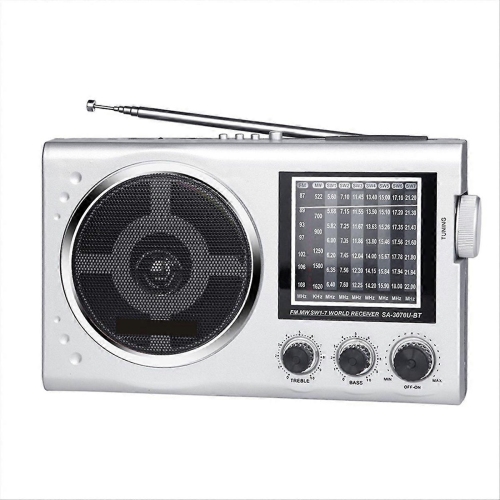
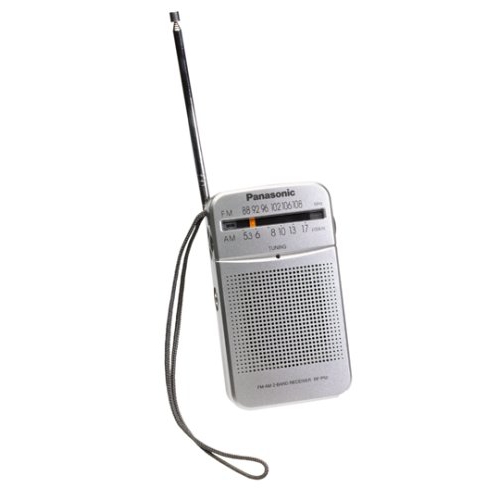


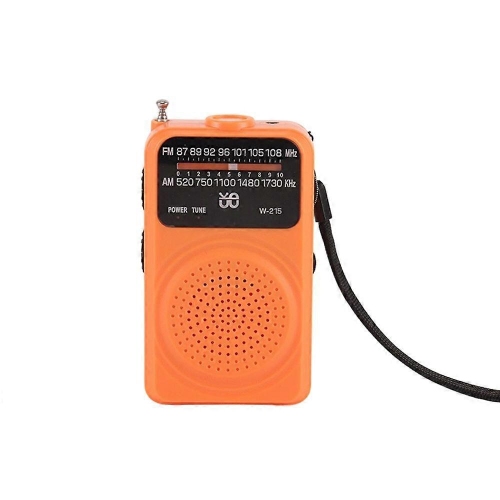


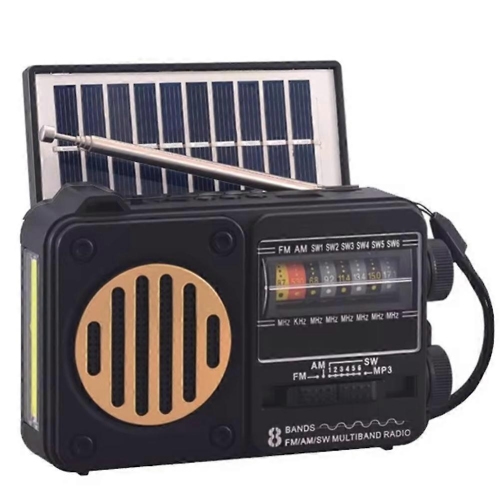
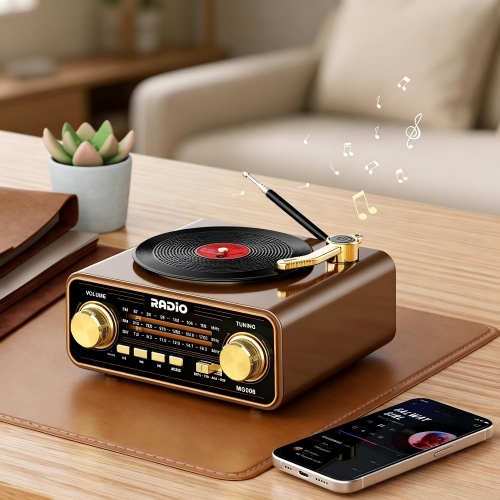
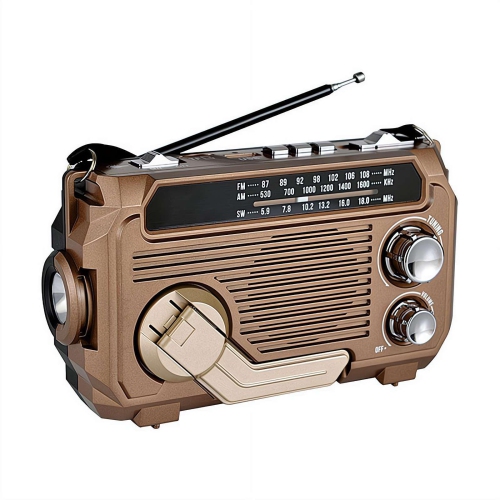
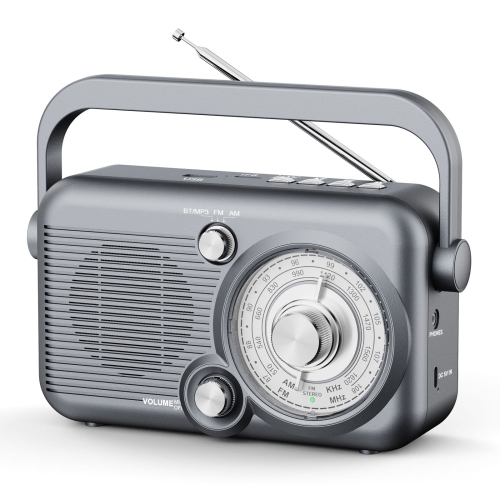
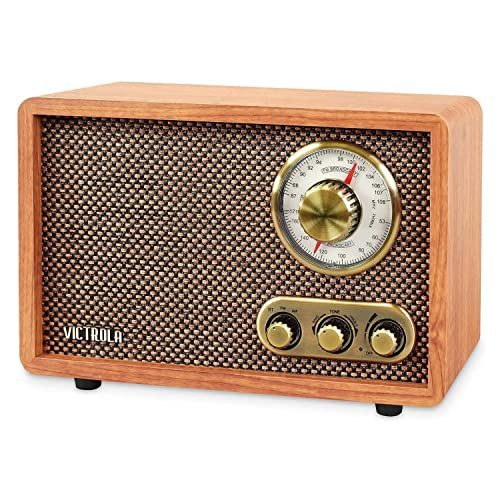
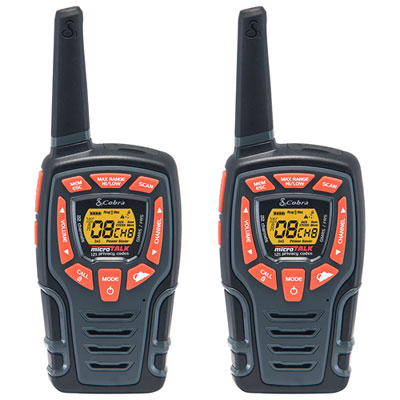


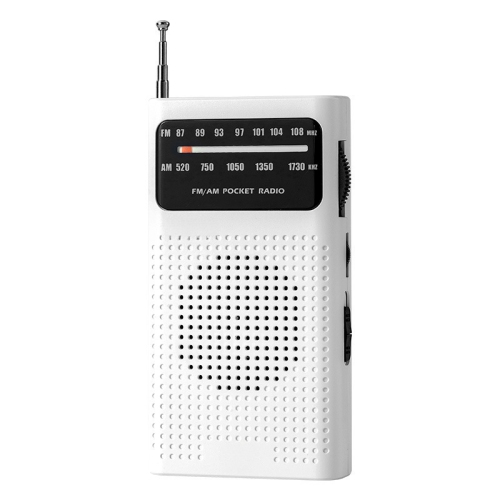

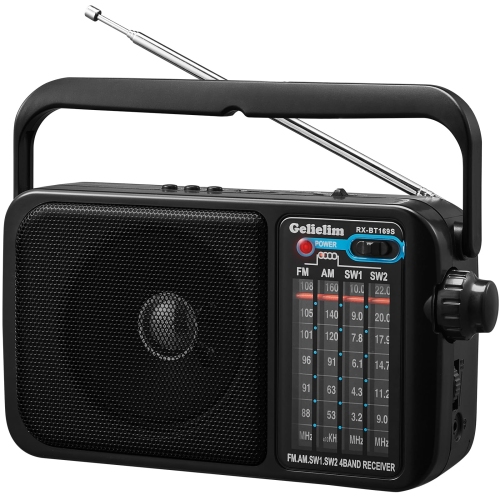

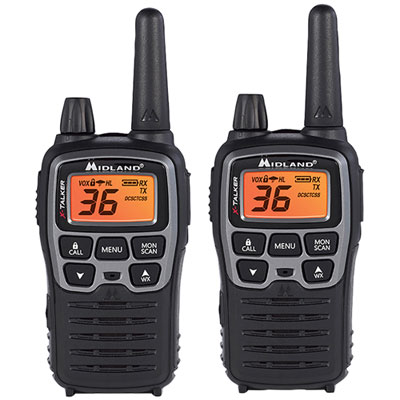


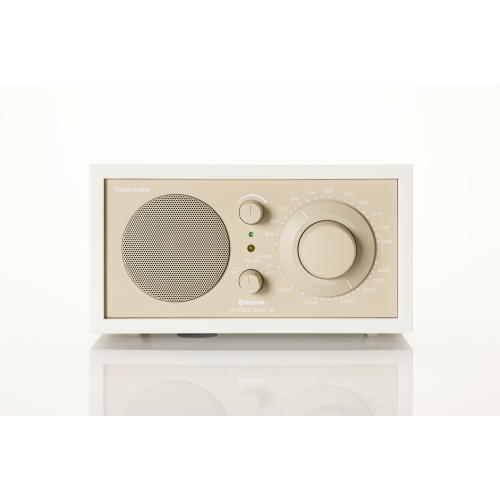
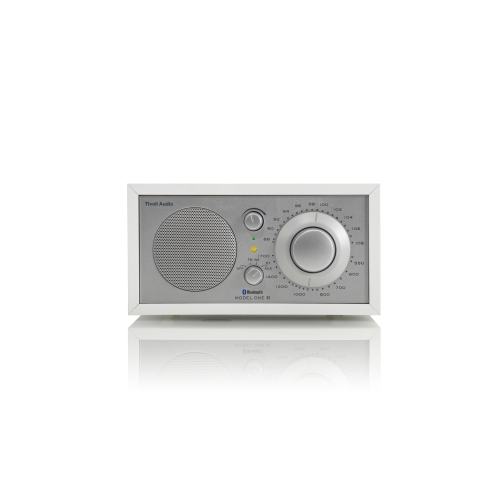
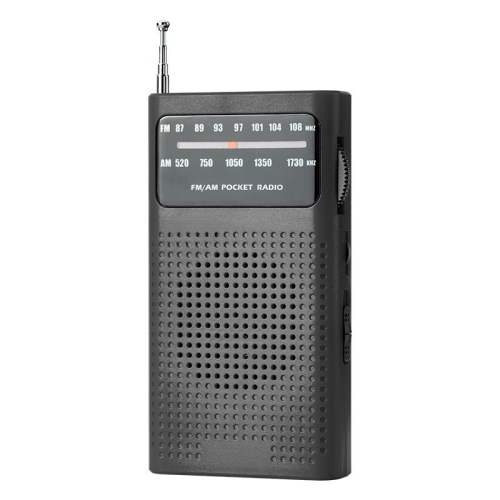
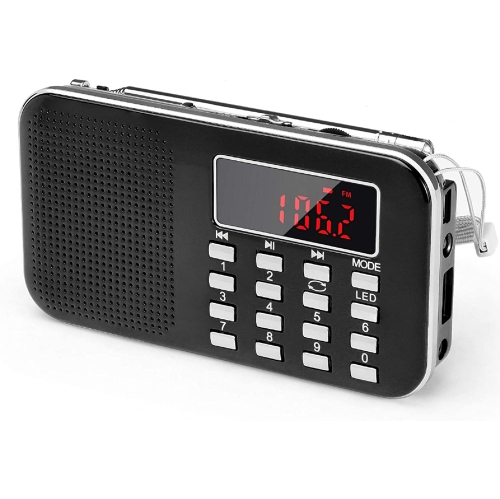
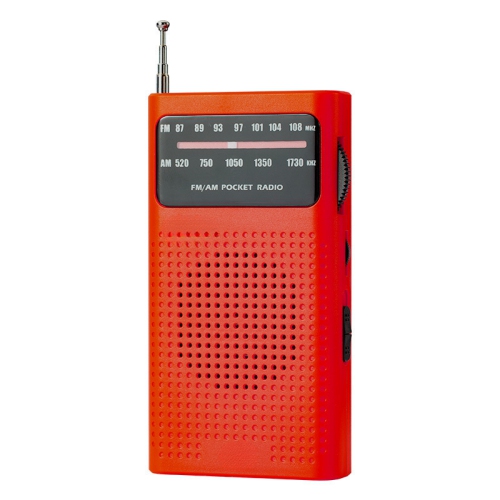

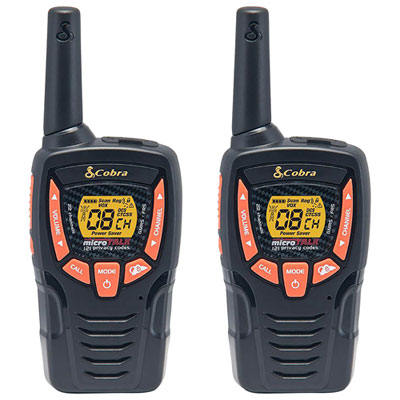
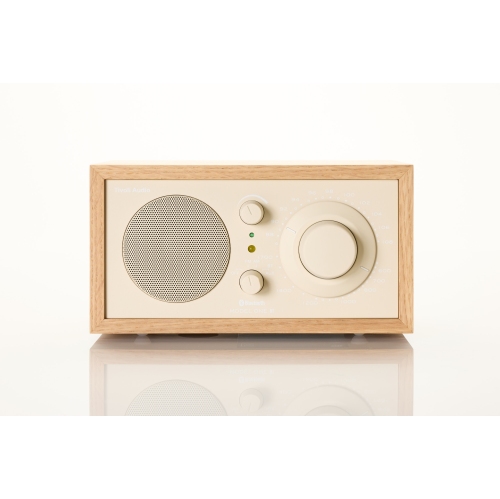


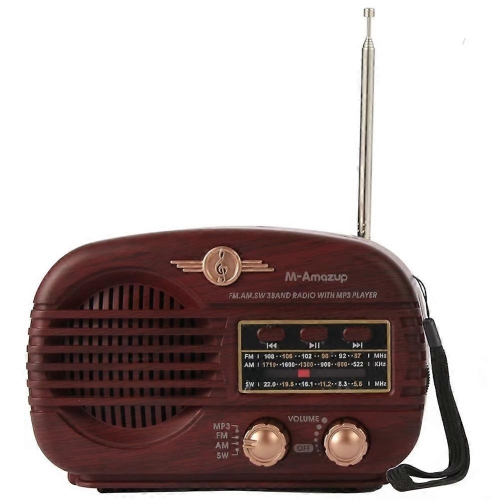
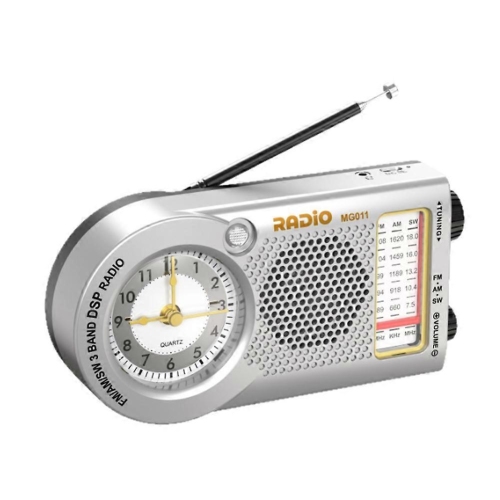
Local stations at the turn of a dial
Analog radios bring broadcast music, news, sports, and conversation into everyday spaces through familiar controls and direct access to local stations. An analog radio receives a continuous radio signal whose carrier wave is varied to carry sound: AM stands for amplitude modulation, while FM stands for frequency modulation. The receiver extracts the audio from that signal and plays it through a speaker or headphones. For listeners, the appeal is often more practical than technical. A tuning knob, a readable frequency scale, and a separate volume control can make listening as simple as switching on the radio and finding a familiar voice. Traditional analog tuning lets the listener move gradually across the band, making small adjustments to bring a station into clearer focus. Broadcast reception does not require an internet connection, a mobile app, or a streaming account, so a radio can work independently of a phone or home network. AM is widely used for talk, news, and sports programming, while FM commonly carries music and local programming with greater audio fidelity under suitable reception conditions. Station choices depend on the broadcaster coverage in a particular area, not just the receiver itself. As an analog signal weakens, hiss, crackle, or interference may become more noticeable rather than the sound stopping at a single threshold, although reception can eventually become unintelligible. Analog broadcasting and analog tuning are also distinct features: a radio with a digital frequency display may still receive ordinary analog AM and FM broadcasts. A screen alone does not establish that a receiver supports digital broadcasting. Shoppers comparing control styles may also explore Digital Radios, with attention to the supported broadcast bands and tuning functions. Within the analog radio category, the most useful differences often come down to how comfortably the controls operate, how clearly speech comes through, and whether the size and power options suit the place where the radio will be used.
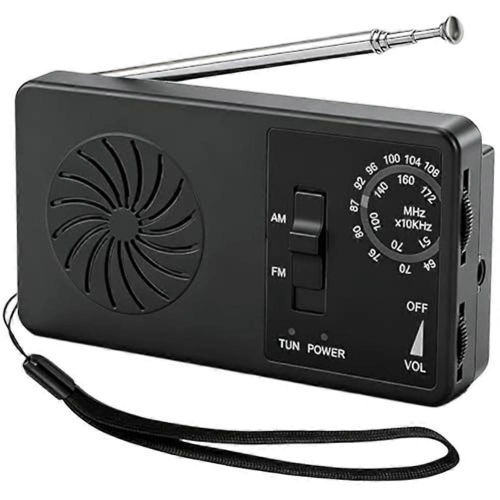
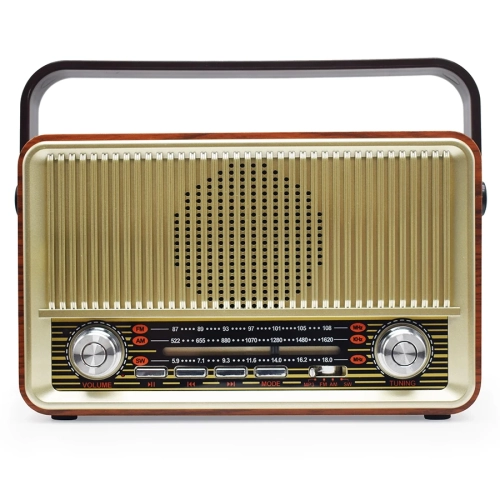
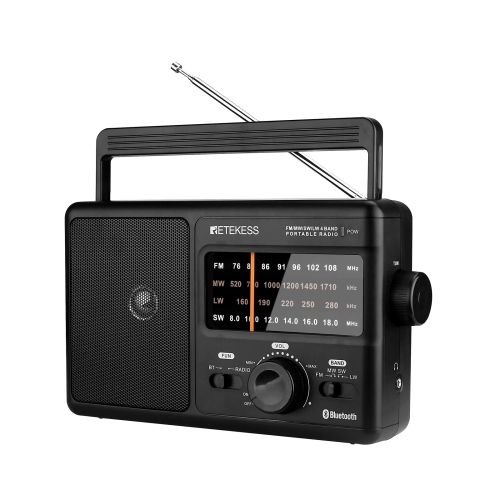
Pocket radios, portable radios, and tabletop radios each fit a different listening routine. A compact receiver can tuck into a jacket pocket or small bag, while a portable design with an integrated handle is easier to carry between a kitchen counter, a workbench, and a patio table. A tabletop radio usually has a more settled role, providing background music in a living room or keeping a favourite talk station within reach beside a reading chair. Dimensions matter beyond the space the cabinet occupies. A broad base helps a radio sit securely, accessible knobs leave room for fingers to turn them, and a clearly marked dial can be easier to read from a normal seated position. People with limited dexterity may appreciate larger controls with a textured grip, while strong contrast between the frequency markings and their background can improve readability. These details vary by design, so a traditional appearance does not automatically mean the controls will suit every listener. Cabinets may use moulded plastic, metal detailing, or wood and wood-look finishes. Plastic can keep carrying weight manageable, while a heavier cabinet may feel more stable on a shelf; durability still depends on construction, control quality, and protection around vulnerable parts such as the antenna. A larger enclosure can make room for a larger speaker, but cabinet size alone does not guarantee fuller or clearer sound. For spoken programming, distinct voices at a comfortable volume may matter more than strong bass. Music listeners may value a more balanced sound or a tone control, where included. Many compact radios use a single built-in speaker, even when headphone listening supports stereo FM reception. A headphone socket is useful for shared rooms and quiet listening, but connector compatibility and whether headphones are needed for FM reception depend on the design. For a gift recipient who enjoys local programming or familiar physical controls, these everyday handling details can matter more than a long list of additional functions.
Power options and reception characteristics shape where an analog radio fits into daily life. Battery operation allows listening away from a wall outlet, while an AC-powered radio suits longer sessions in one place. Designs that support both offer flexibility, provided the required batteries or compatible power supply are on hand. Battery type, expected running time, and whether charging takes place inside the radio are separate considerations; a battery compartment does not mean the radio can recharge its batteries. For power-outage preparedness, a battery-operated AM/FM receiver can provide access to local broadcasts when household internet equipment is unavailable, as long as the station remains on air and reception is adequate. It is a useful part of a broader household kit rather than a guarantee of access to every alert. Reception also changes with placement. An FM telescopic antenna often benefits from being extended and adjusted, while AM reception commonly relies on an internal ferrite antenna that responds when the entire radio is turned. A small move across a counter can sometimes make speech clearer. Reinforced walls, metal shelving, computers, LED lighting, and some chargers can interfere with reception, so distance from nearby electronics may help more than turning up the volume. Care is generally straightforward: a soft, dry cloth removes dust, ventilation openings should remain clear, and liquids should stay away from the cabinet and controls. Telescopic antennas need gentle handling, especially when collapsing the narrow upper sections, and carrying a radio by its antenna can damage the mechanism. Unless a design has a stated water-resistance rating, use near sinks or outdoors calls for protection from splashes and moisture. Removing replaceable batteries before extended storage can help prevent damage from leakage, following the manufacturer's instructions. With a suitable size, comfortable controls, and power arrangements that match the setting, an analog radio can be a familiar daily companion for a student at a desk, a hobbyist at a bench, or anyone who likes turning a dial and settling into a favourite broadcast.
Top selling and popular products
-
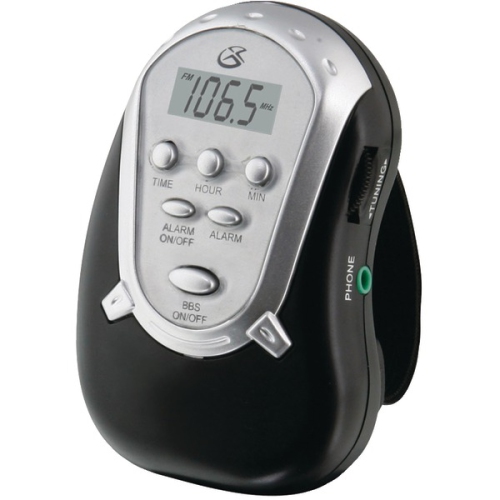 Your price for this item is $116.68
-
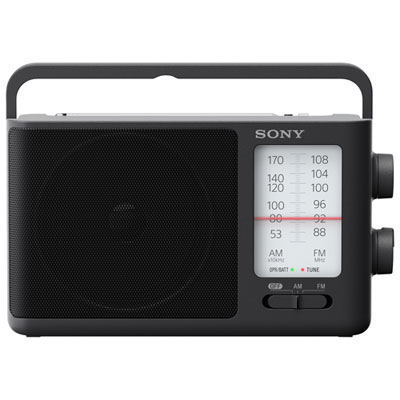 Your price for this item is $69.99
-
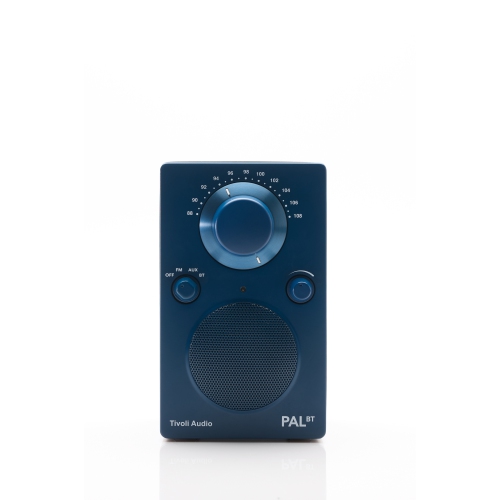 Your price for this item is $279
-
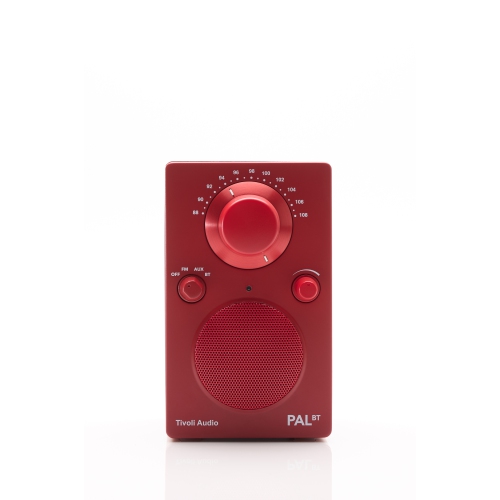 Your price for this item is $279
-
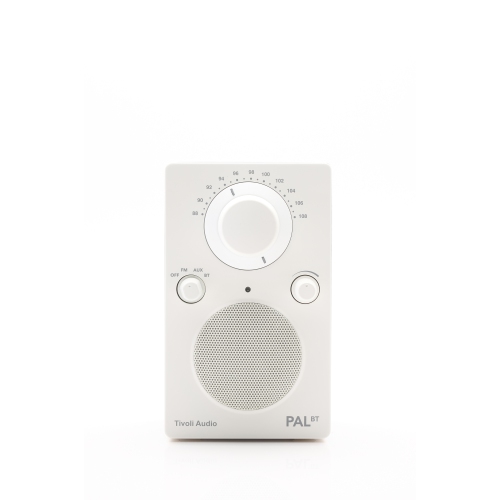 Your price for this item is $279
-
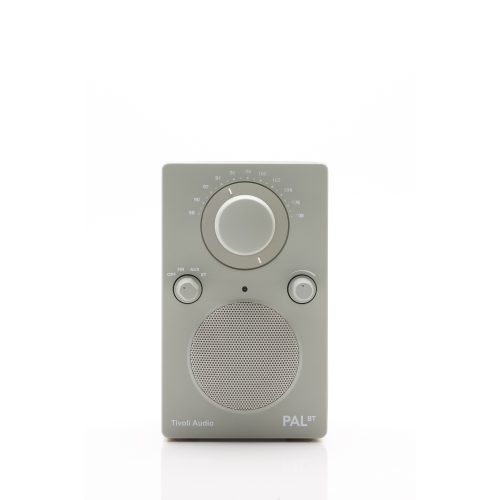 Your price for this item is $279
-
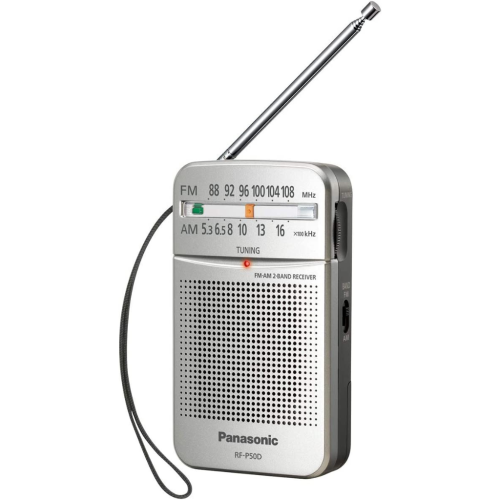 Your price for this item is $39.95
-
 Your price for this item is $45.99
Discover more categories related to Analog Radios

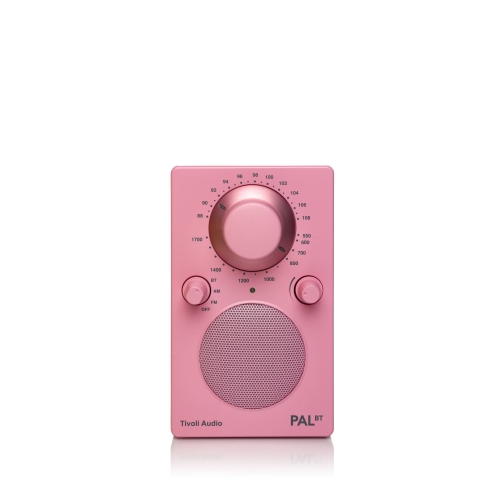
Top Collections:
Pokemon Centers, Kindle Devices, Best Cameras for Sports Photography, Pokémon 30th Celebration Cards, Apple iPhones 16, Canon G7X Cameras, iPhone 15 Apple, Flip Phones, Samsung Galaxy Phones, Alarm Clock
Some products may be subject to Environmental Handling Fees
(EHF) depending on your province.
Learn more about EHFs.