Auto Radio Adapters
Upgrade your car's audio system with ease using our wide selection of auto radio adapters. Whether you're looking to connect your smartphone or add Bluetooth functionality, these adapters are designed to seamlessly integrate into your vehicle's existing setup. With their compatibility and versatility, you can enjoy enhanced sound quality and convenient hands-free calling while on the road. Explore our range of auto radio adapters and take your driving experience to the next level.
Sort


![NULAXY 54W Bluetooth 5.3 Car Adapter With 4 Charging Ports [Pd 36W & Qc3.0 18W], Wireless Radio Fm Transmitter](https://multimedia.bbycastatic.ca/multimedia/products/500x500/193/19358/19358903.jpeg)
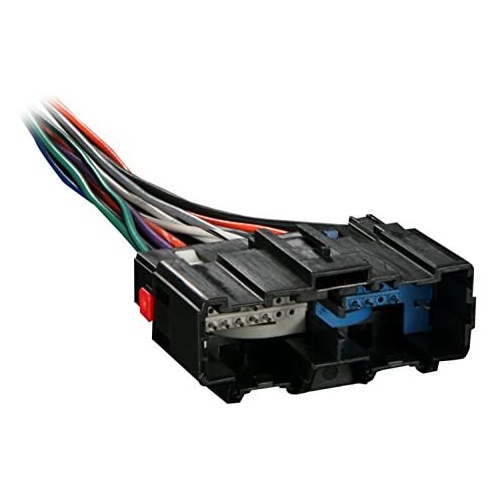
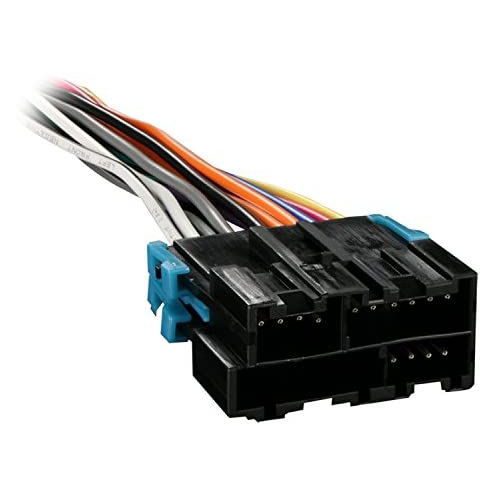
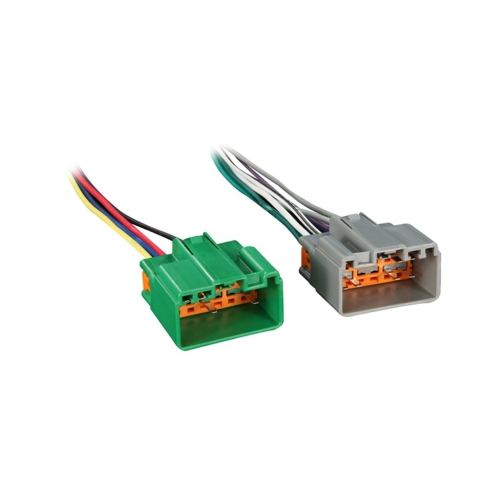
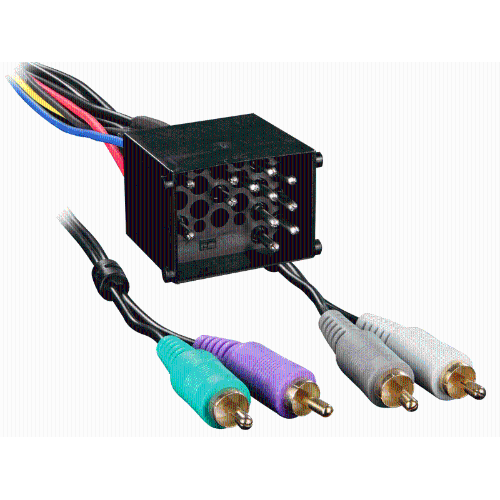









Compatibility guidance for upgrading your vehicle’s factory audio
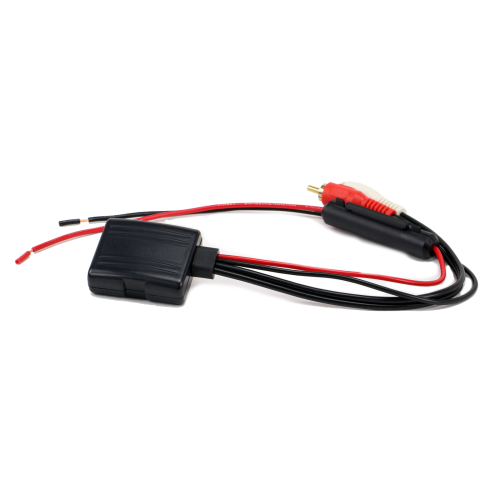
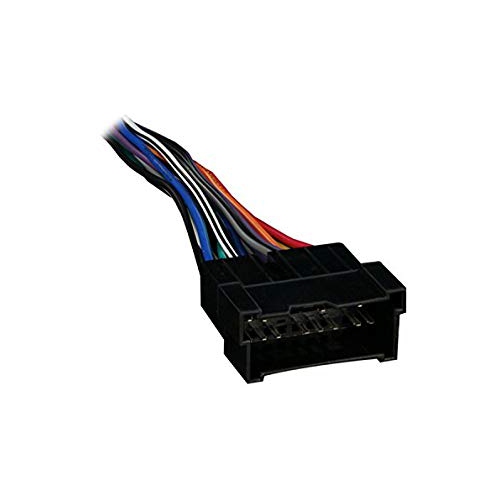
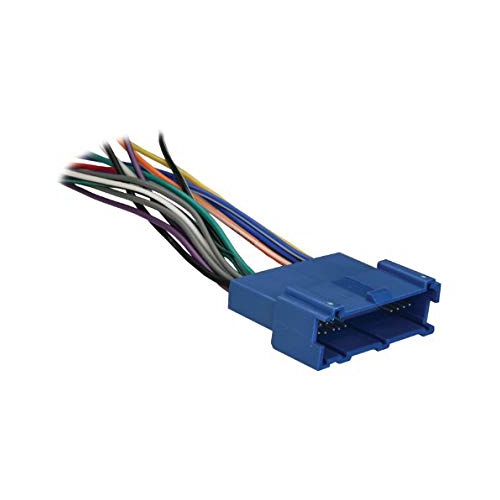
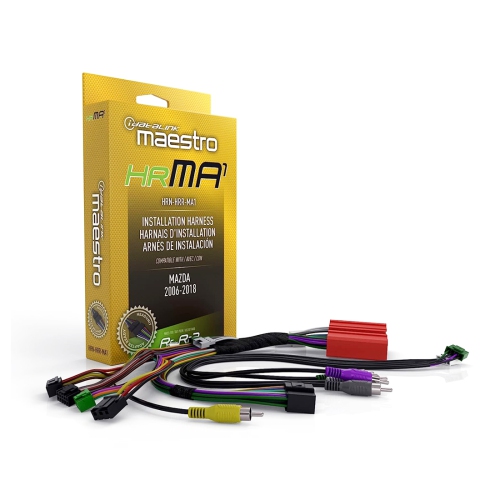
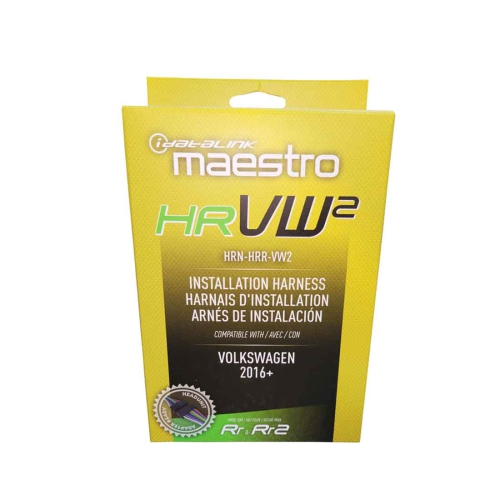
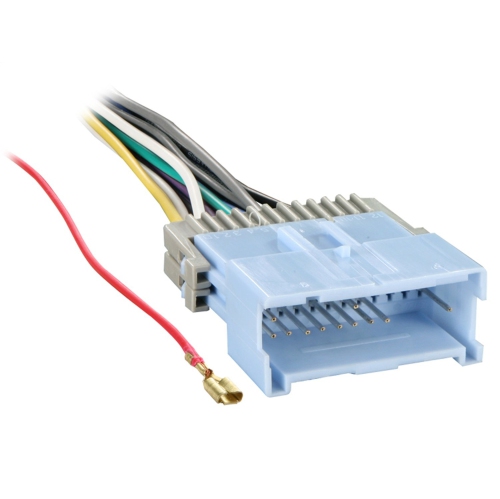
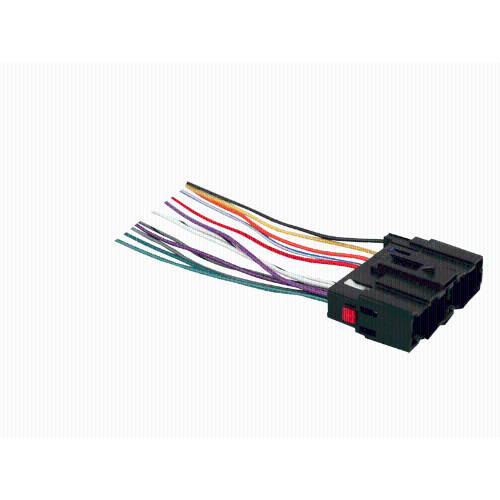
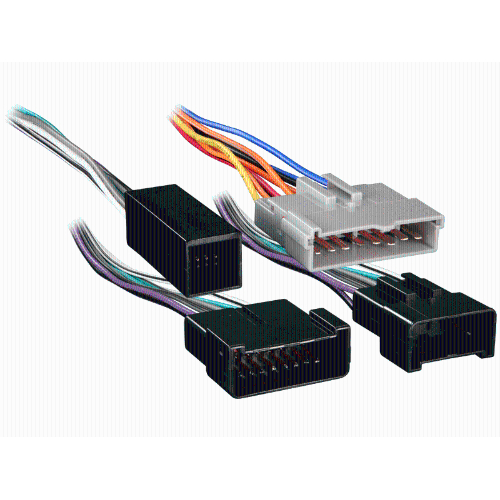
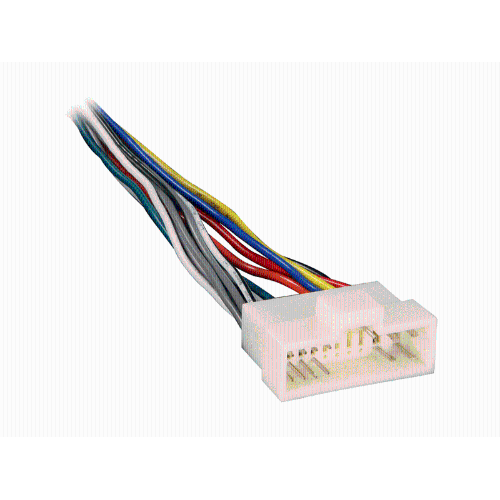
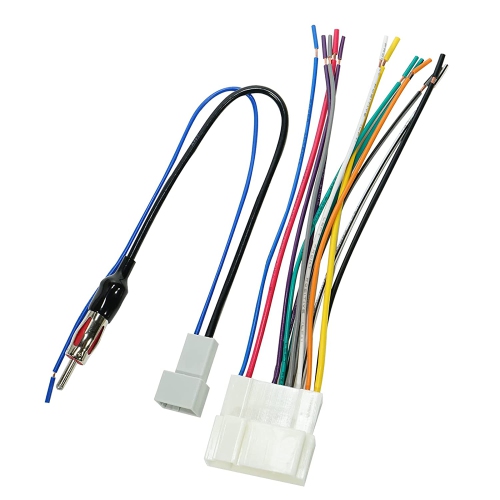
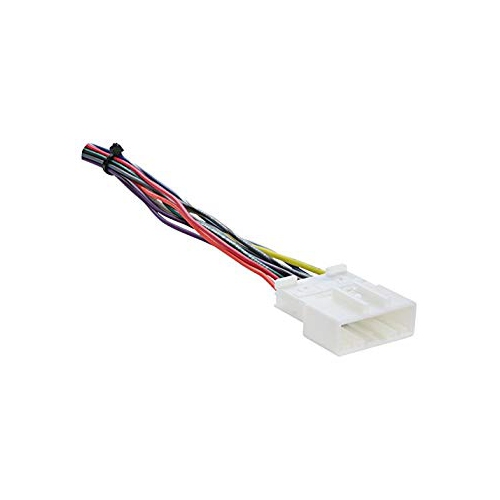
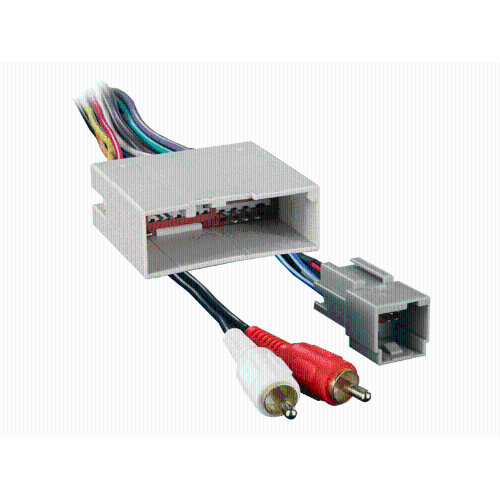
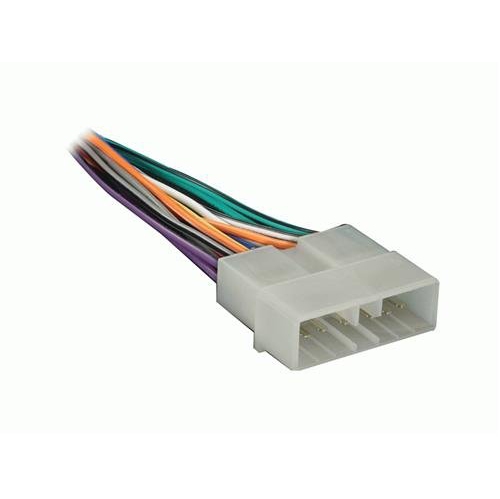
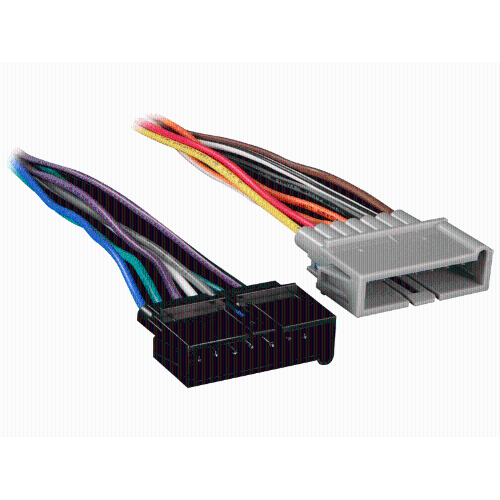
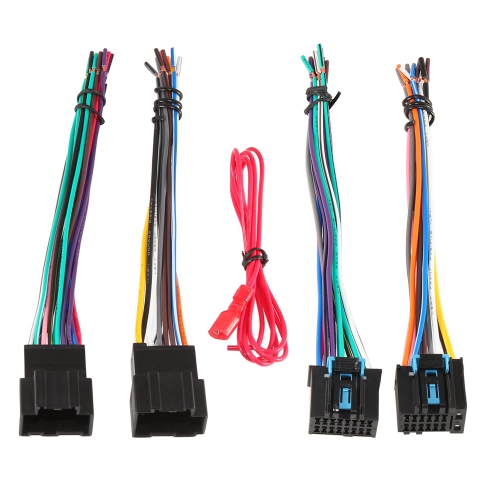
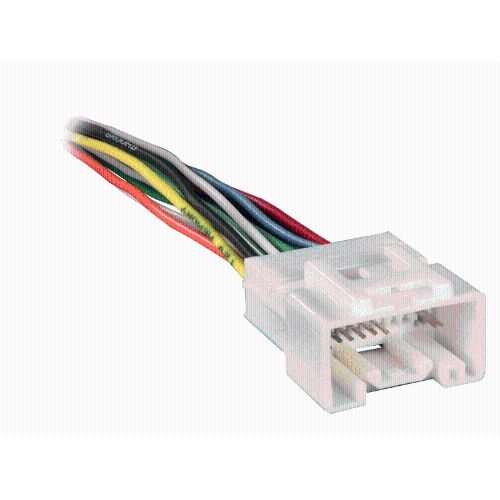
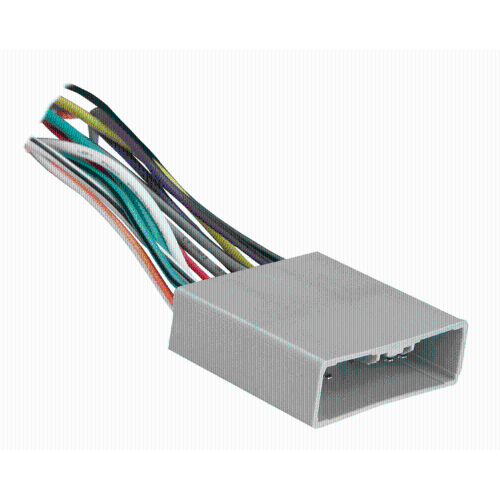
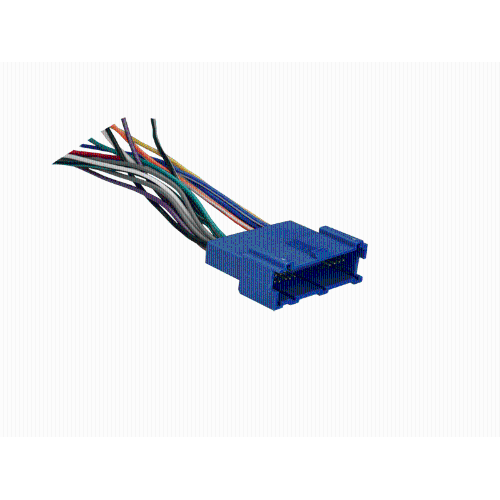
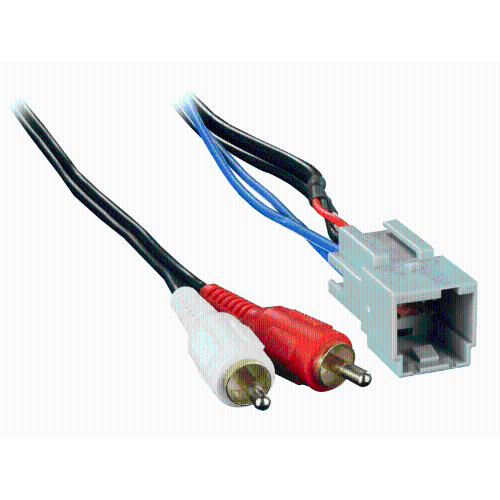
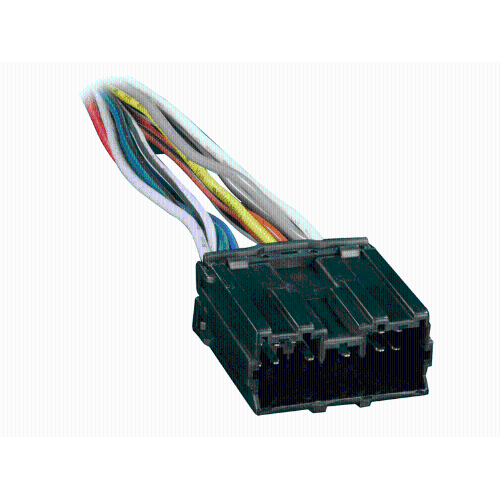
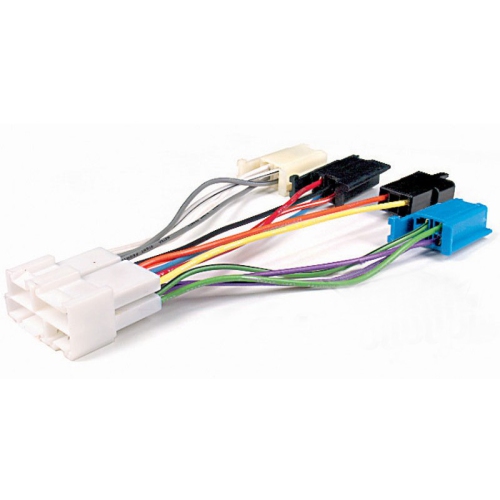
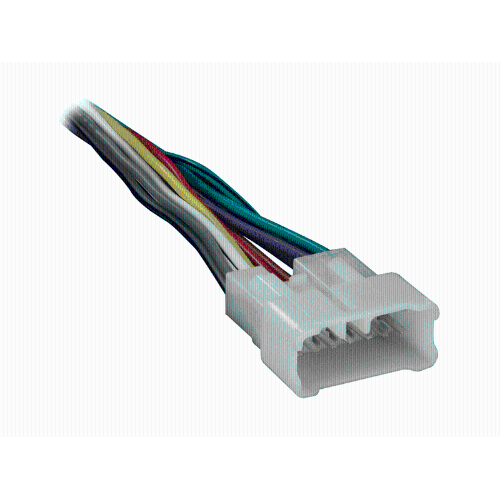
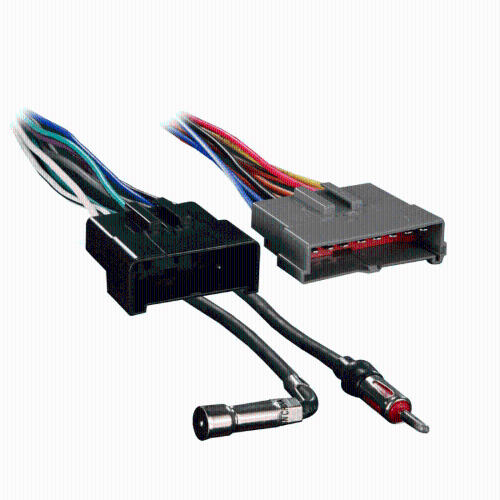
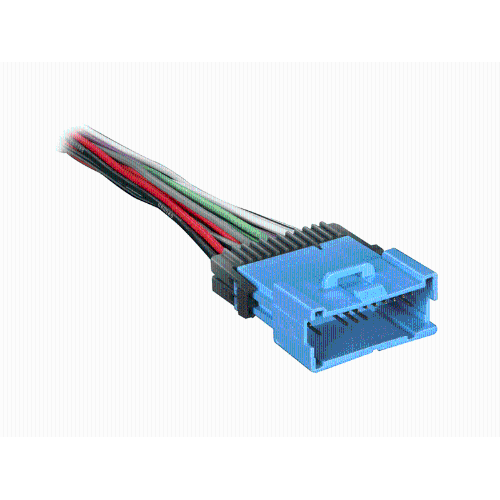
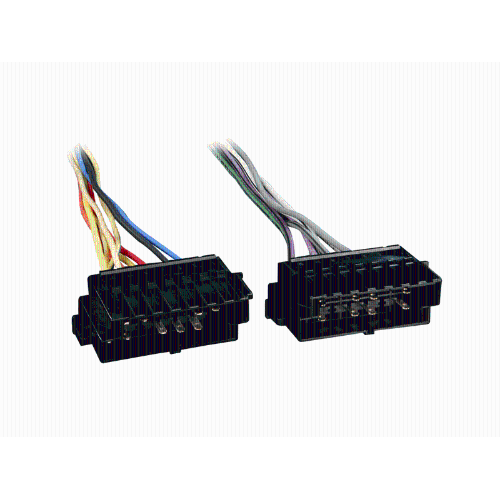
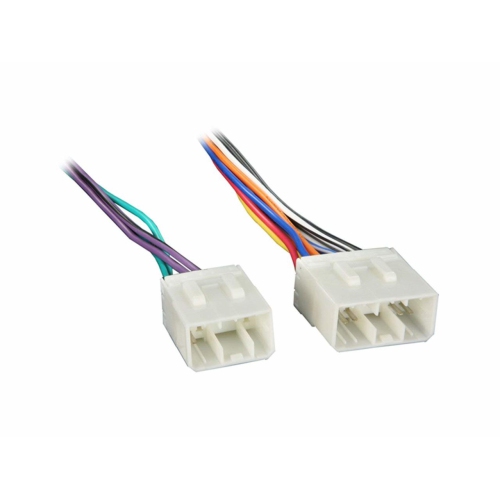
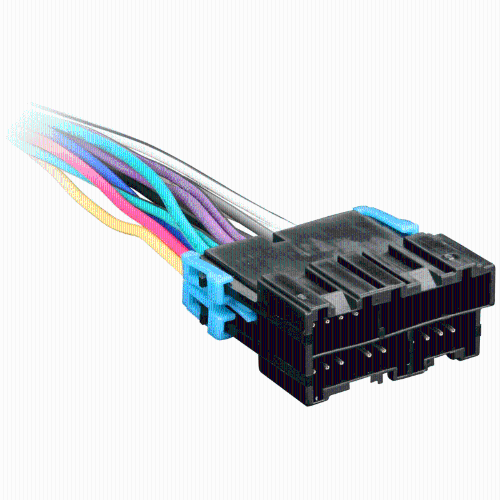
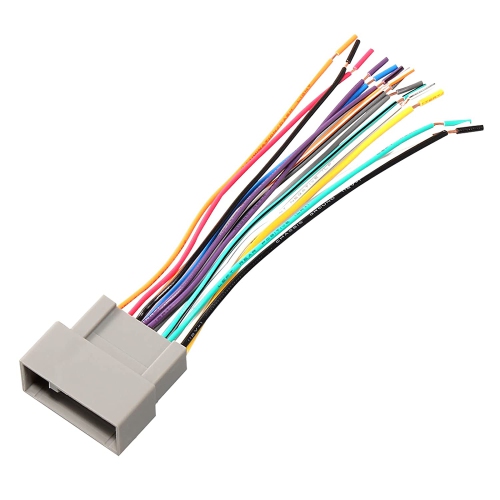
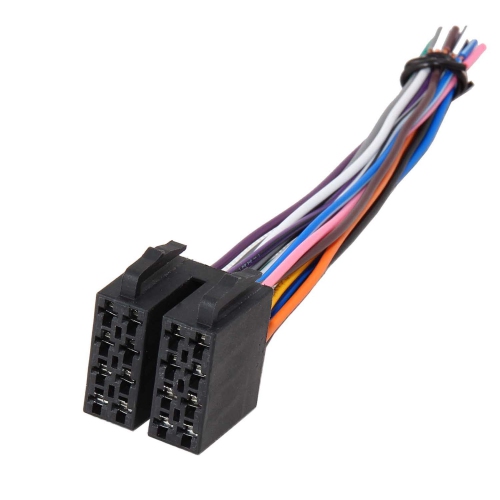
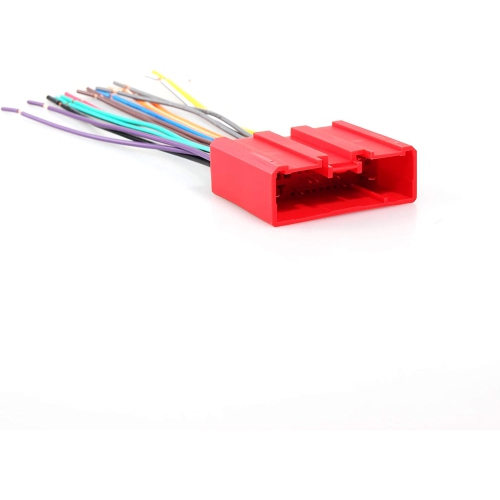
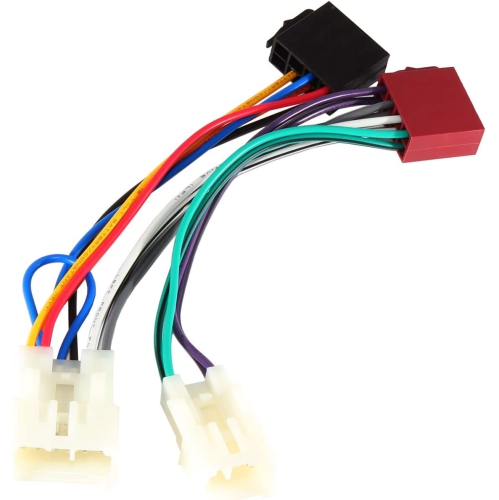
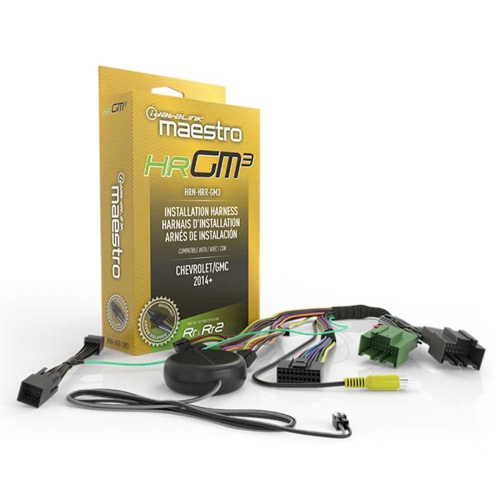
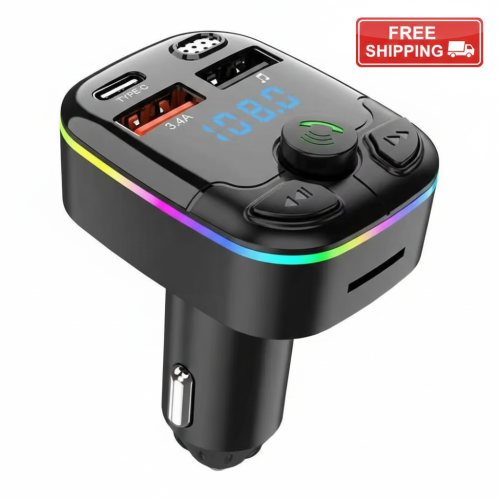
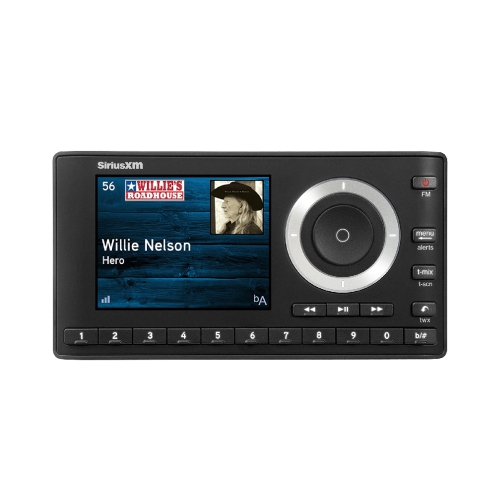
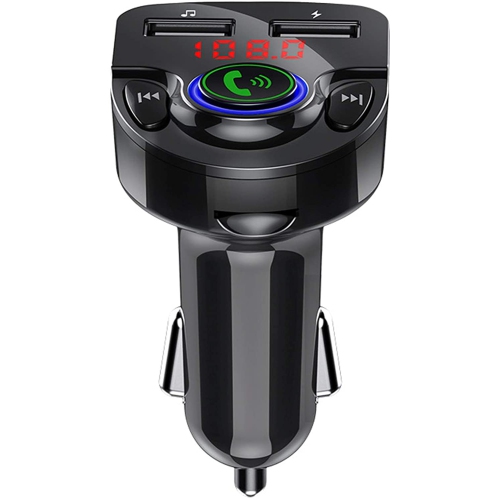
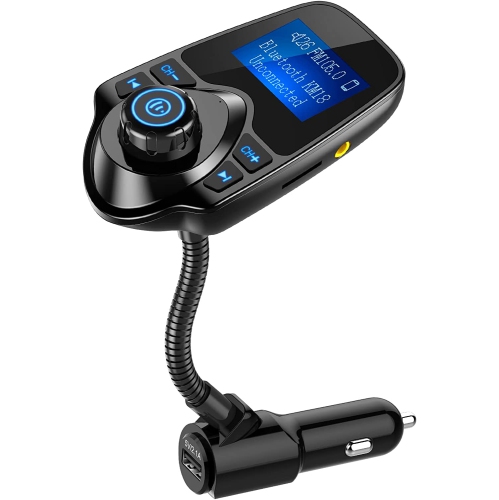
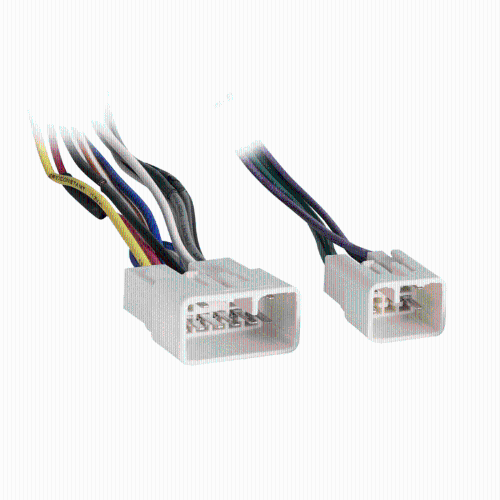
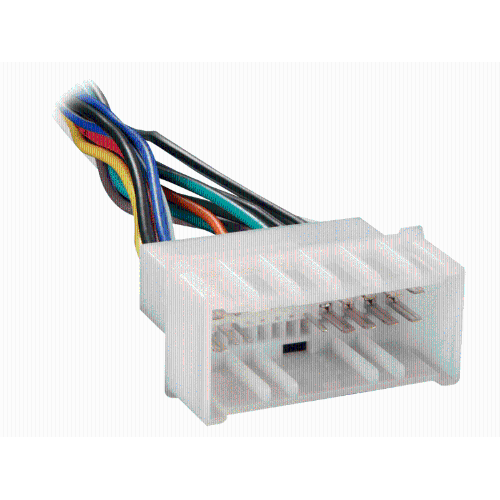
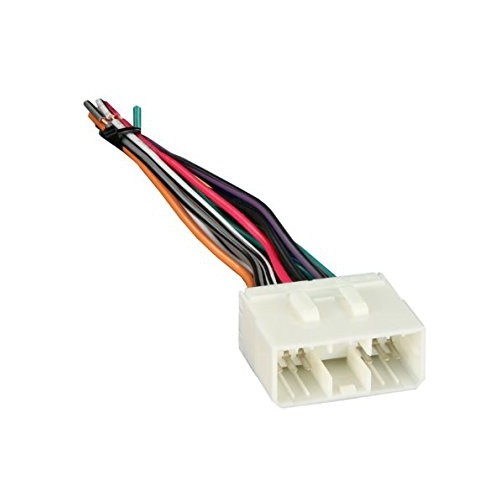
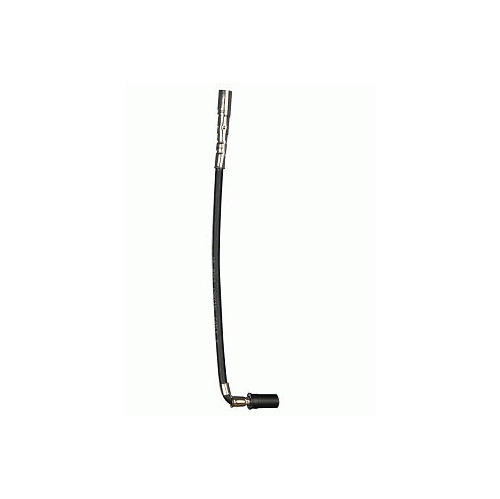
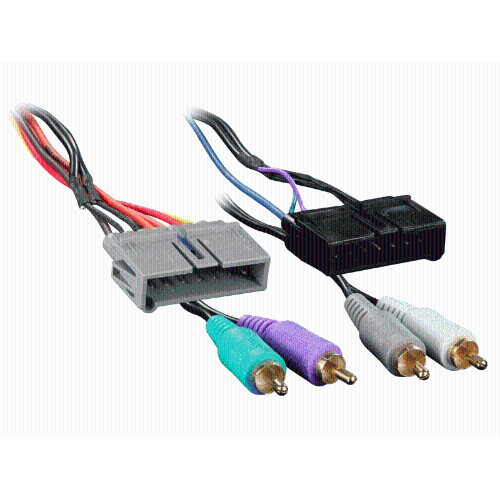
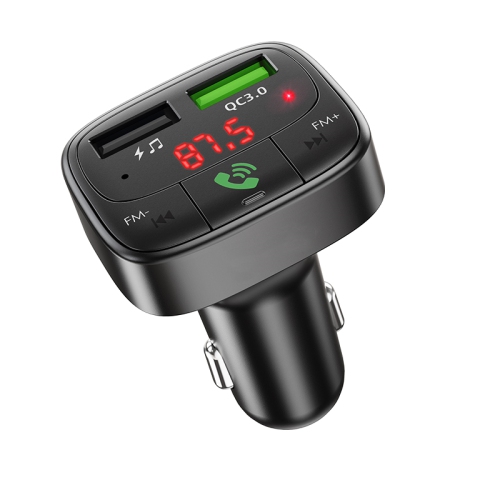
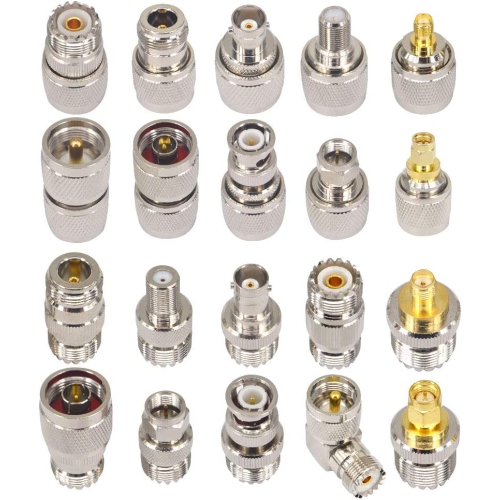
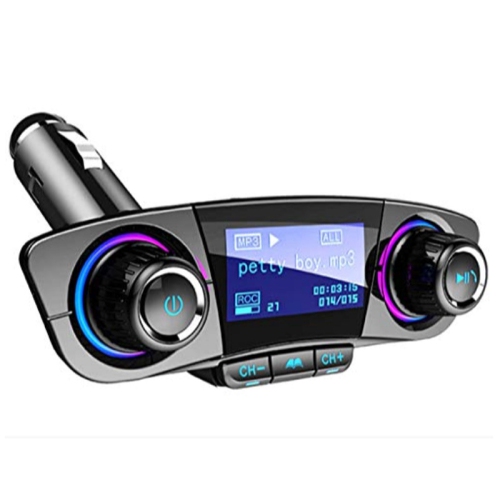
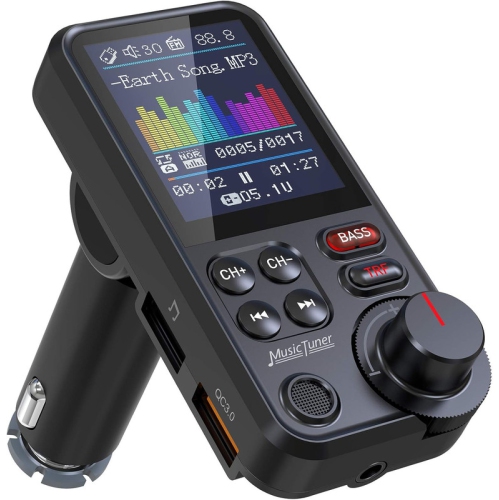
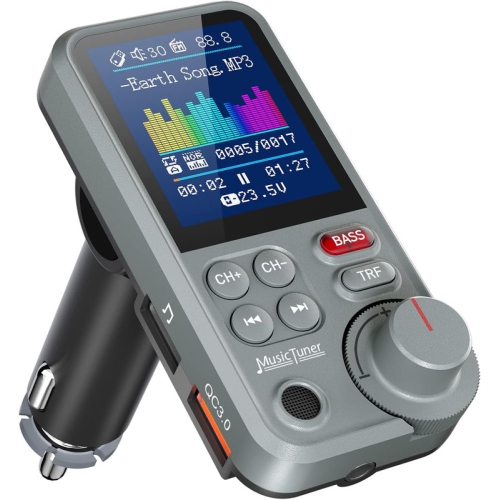
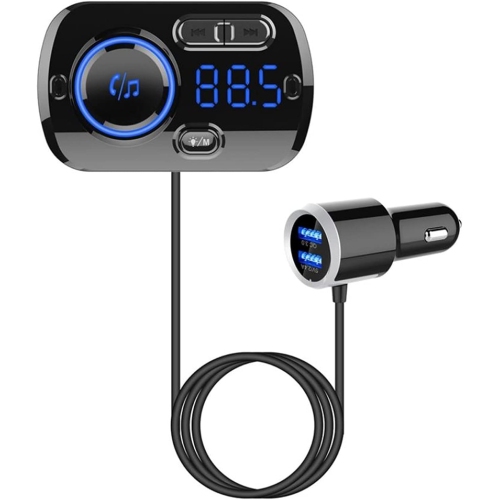
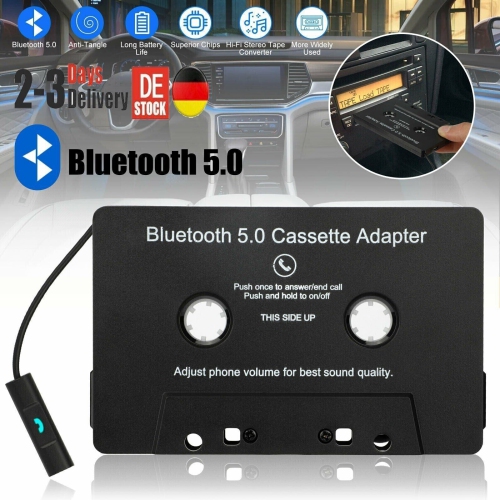
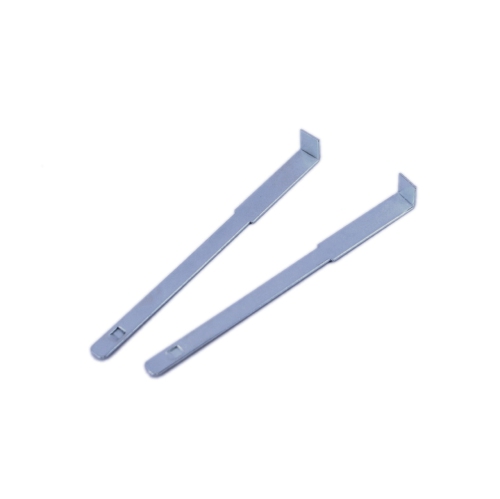
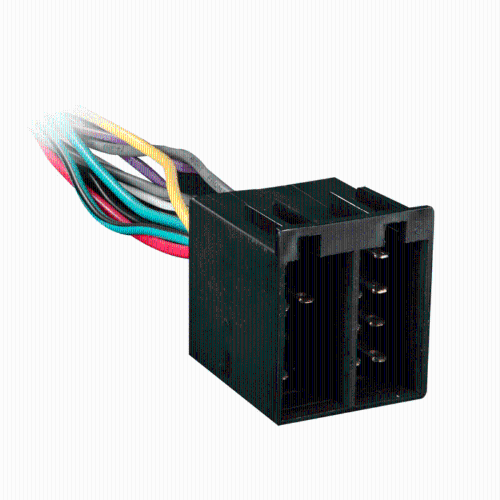
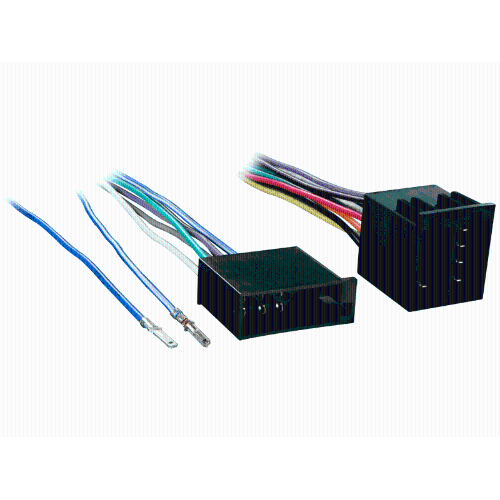
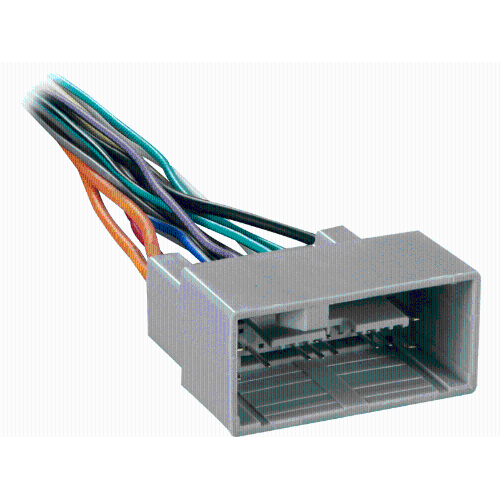
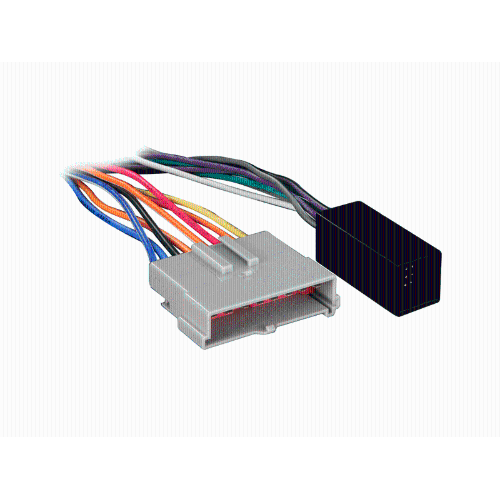
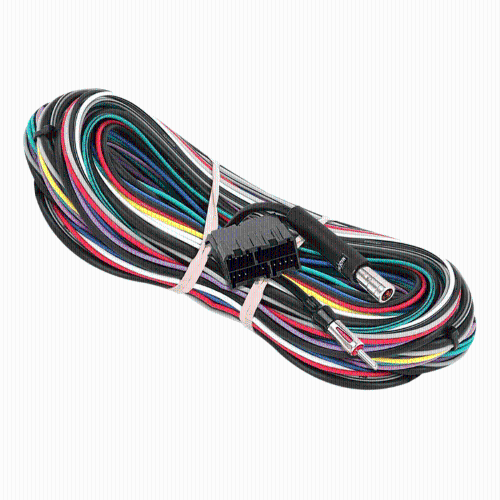
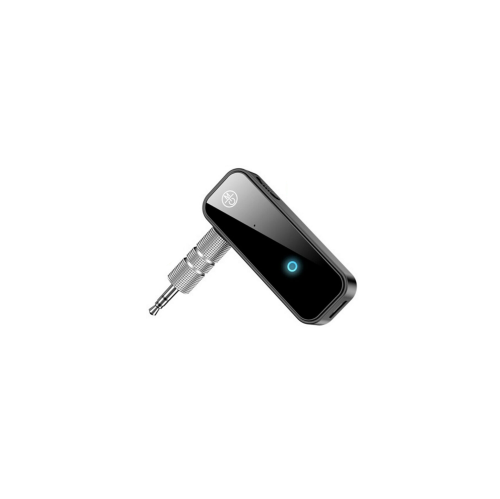
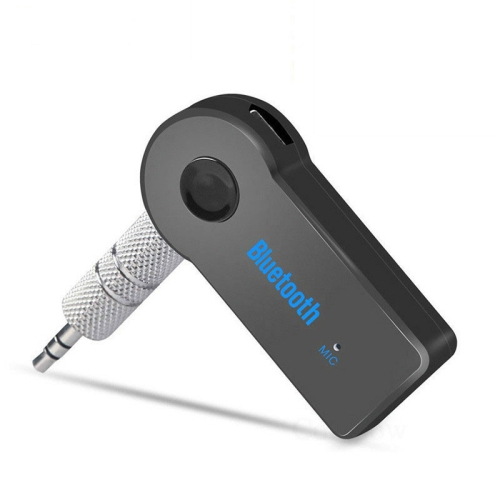
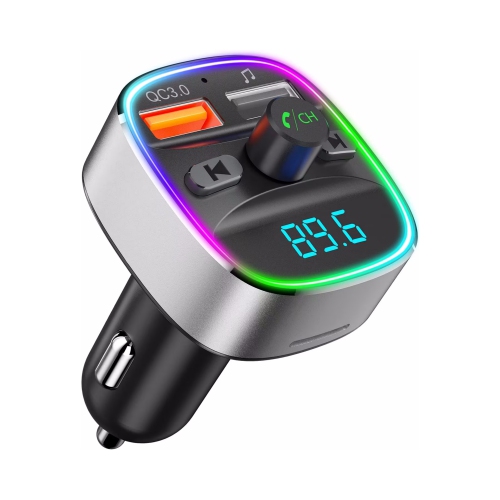
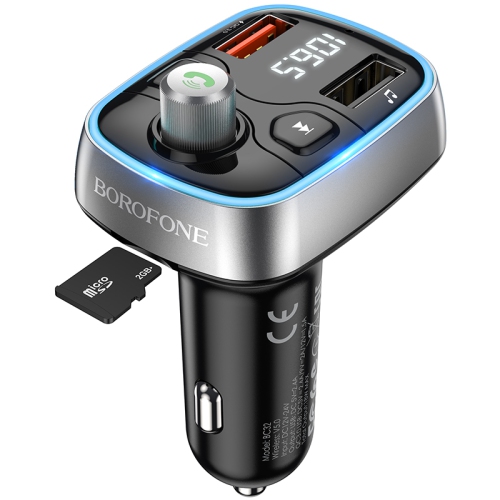
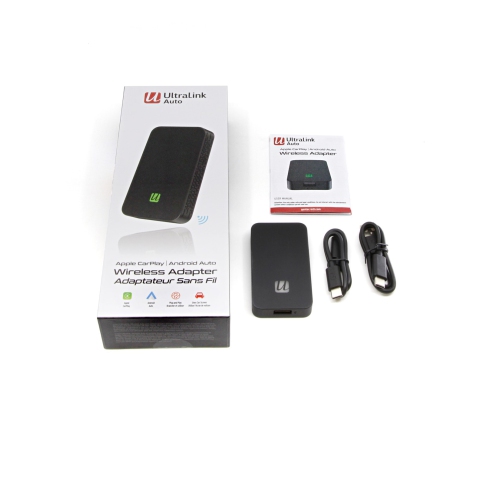
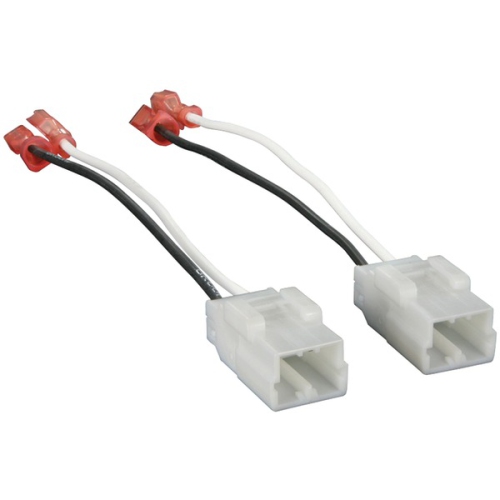
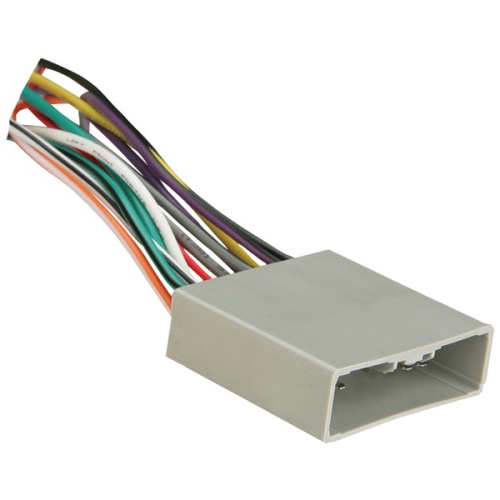
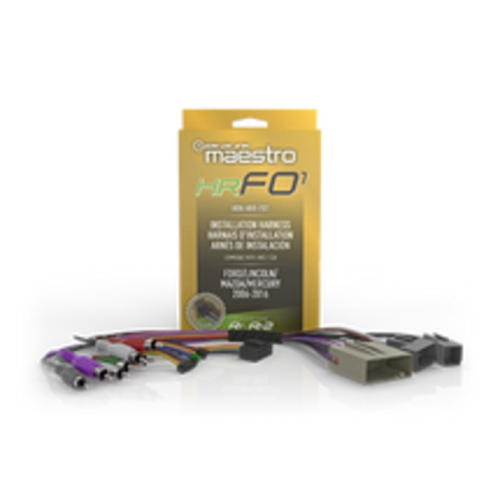
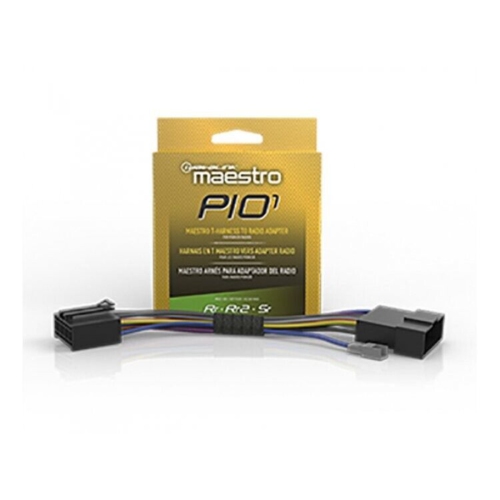
Auto radio adapters make it easier to connect a vehicle’s existing audio system with newer equipment, without replacing every part of the installation at once. They are commonly used when adding an aftermarket stereo, connecting a phone to an older factory radio, or preserving features that were built into the vehicle from the beginning. The right adapter depends on the vehicle’s year, make, model, trim, and factory audio configuration, so these details should be confirmed before ordering. A wiring harness adapter connects to the vehicle’s factory plug and matches its wires to the connections on a new stereo. This plug-in approach helps avoid cutting or splicing the original wiring, which can make future repairs more complicated and may affect the fit of replacement components. Some harnesses are designed for basic power and speaker connections, while others accommodate factory amplifiers, steering wheel audio controls, warning chimes, USB ports, or other integrated features. A vehicle-specific connection is usually the best starting point because two cars from the same manufacturer can use different plugs or audio systems depending on their equipment package. Adapters may also be useful for drivers who want a simple way to play music, podcasts, navigation prompts, or hands-free calls through an older radio. Bluetooth FM transmitters plug into a 12V power outlet and send audio from a compatible phone to an unused FM frequency, making them a practical option for vehicles without built-in Bluetooth or an auxiliary input. Before using one, check that the selected frequency is clear in the areas where you normally drive. Sound quality can be affected by nearby stations, signal interference, or the condition of the factory radio, so choosing an empty frequency and keeping the transmitter properly powered can help create a more consistent listening experience. These compact adapters can also make useful gifts for new drivers, commuters, or anyone who spends long hours behind the wheel of an older vehicle and wants convenient access to modern audio features without a major installation.
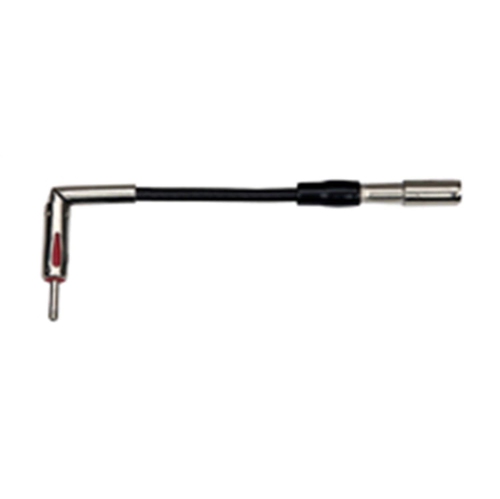
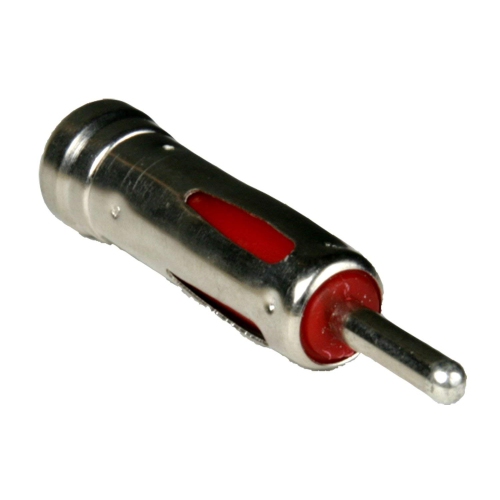
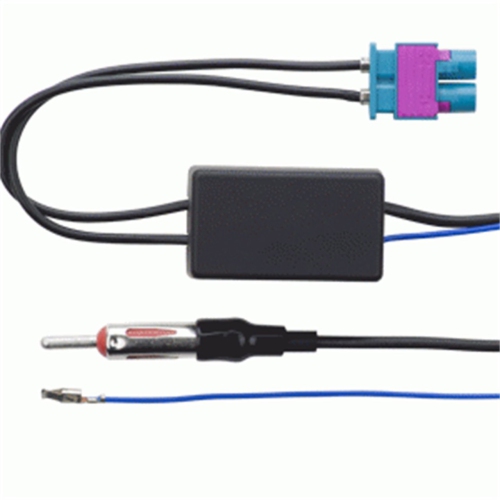
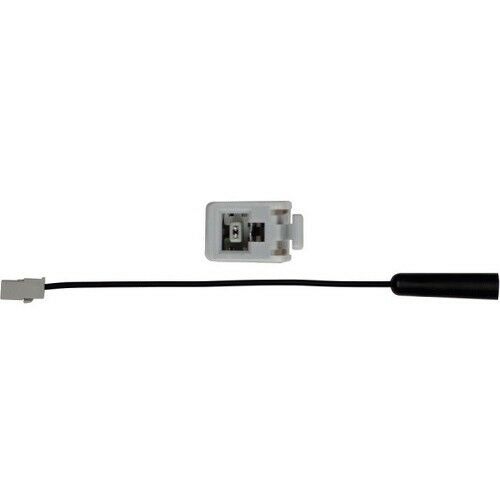
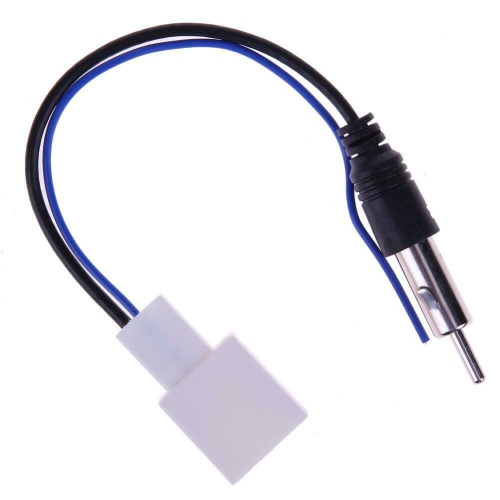
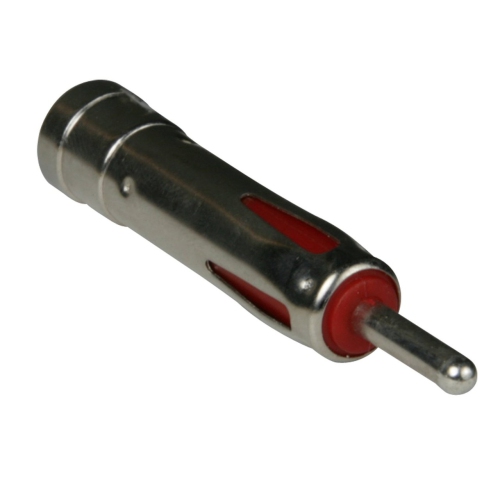
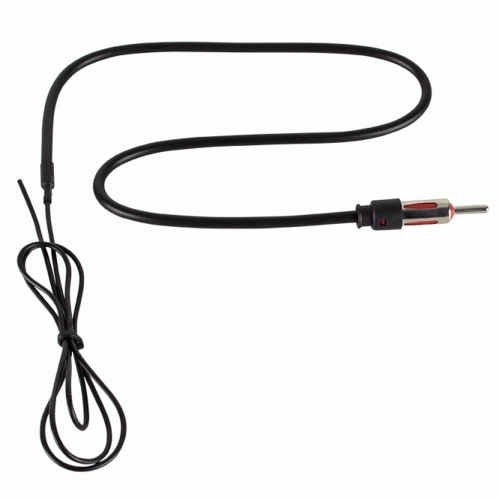
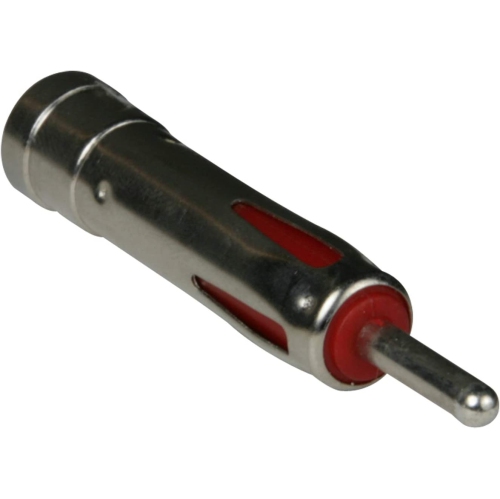
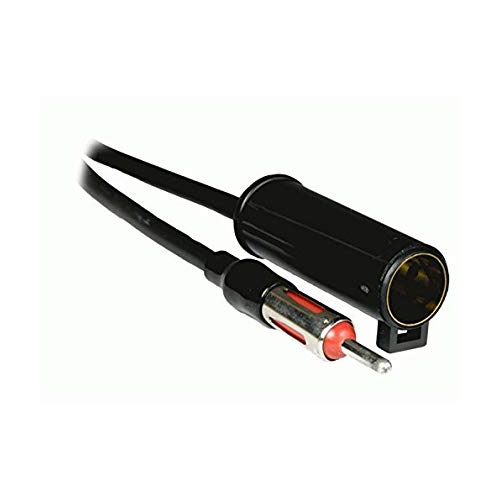
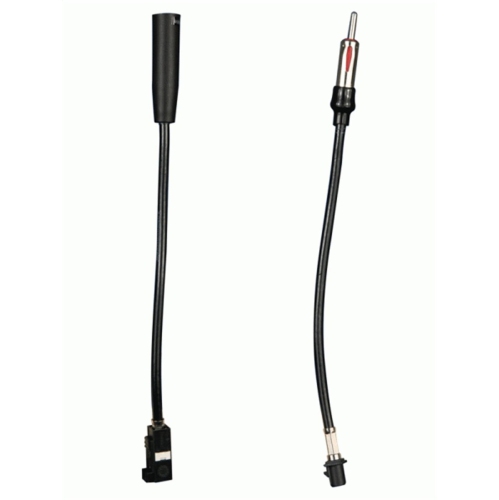
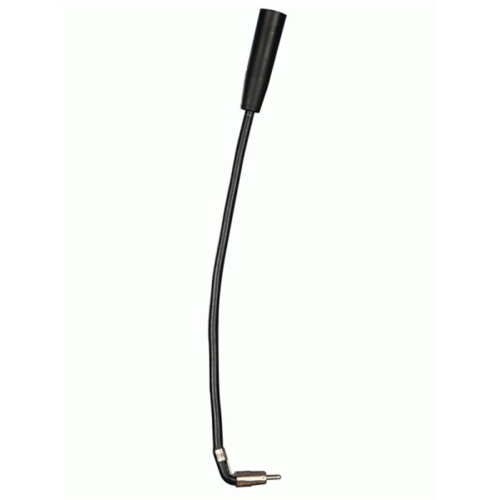
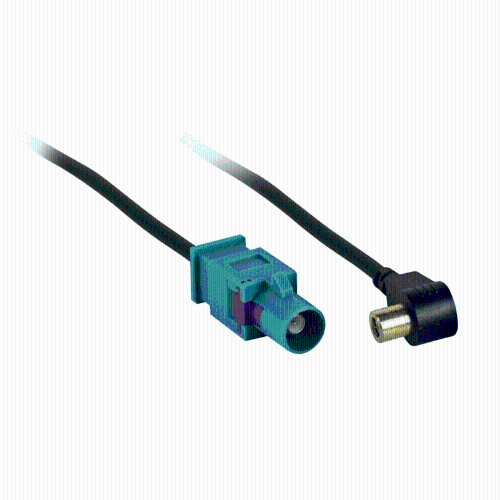
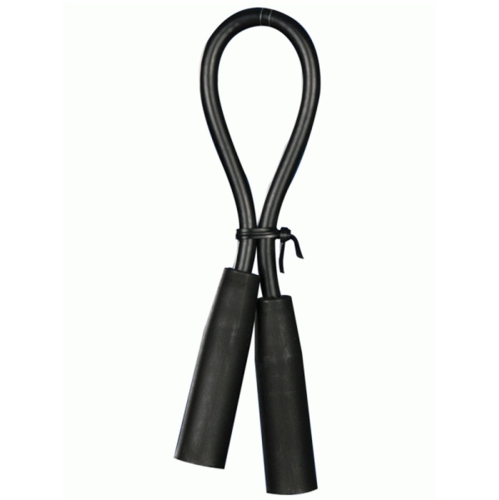
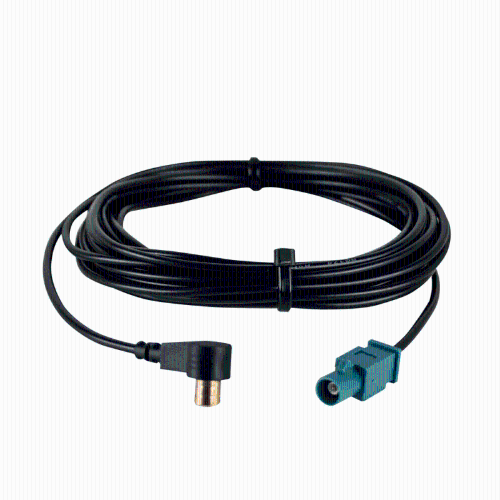
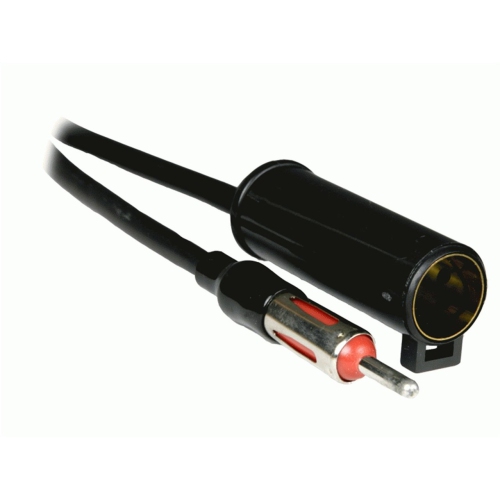
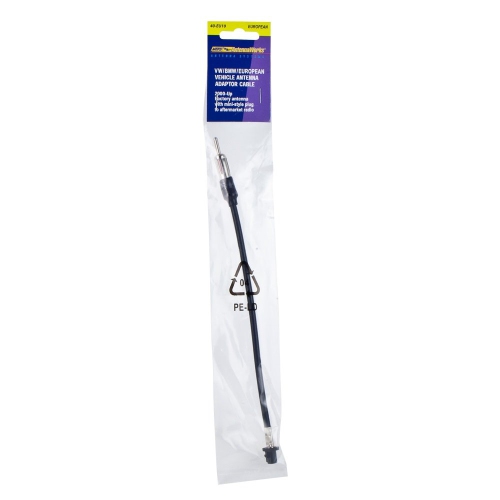
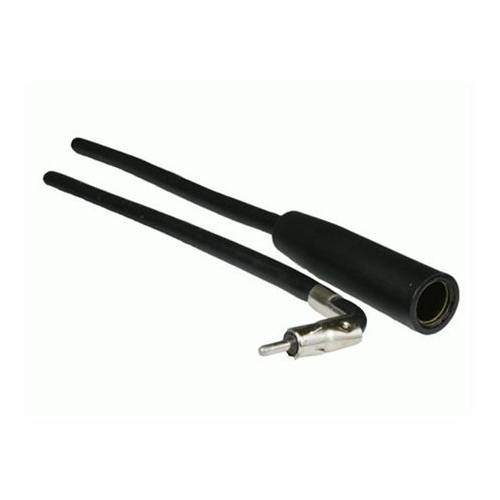
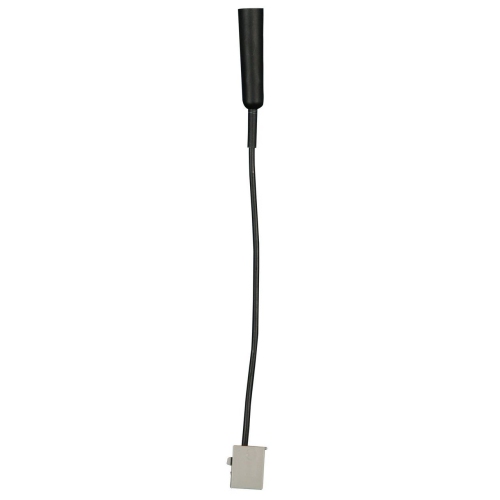
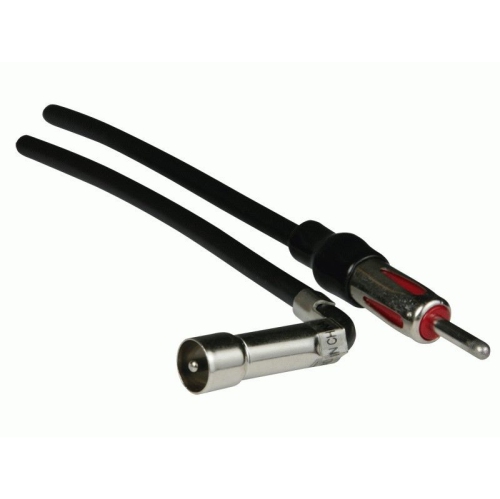
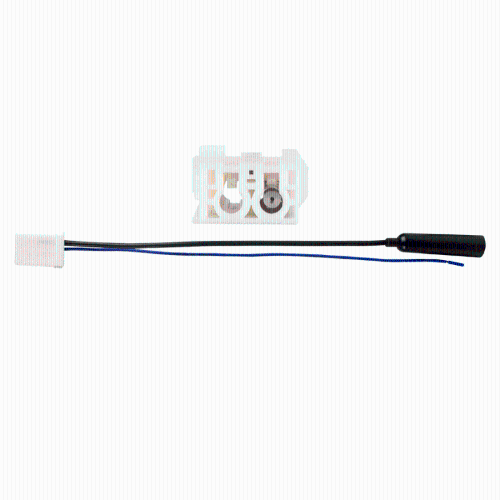
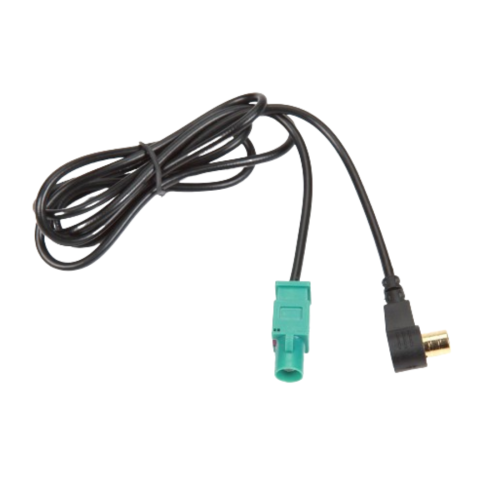
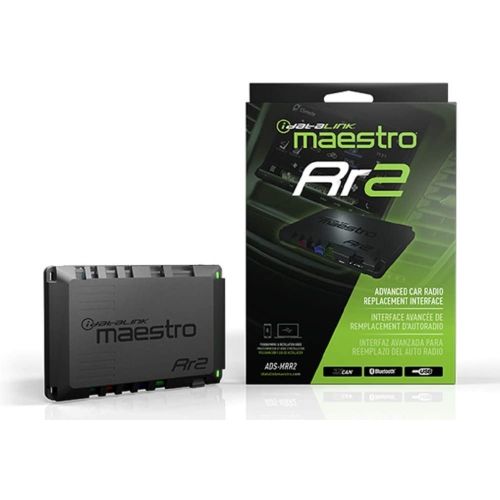
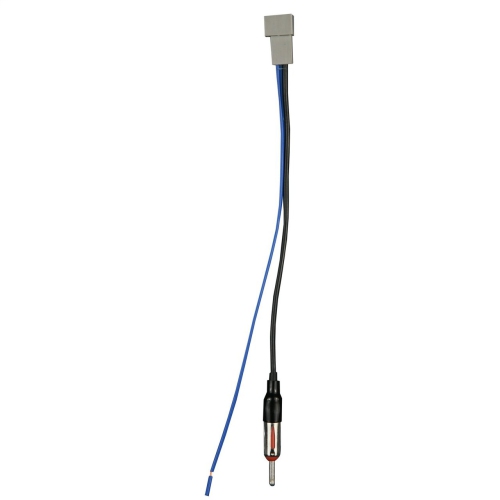
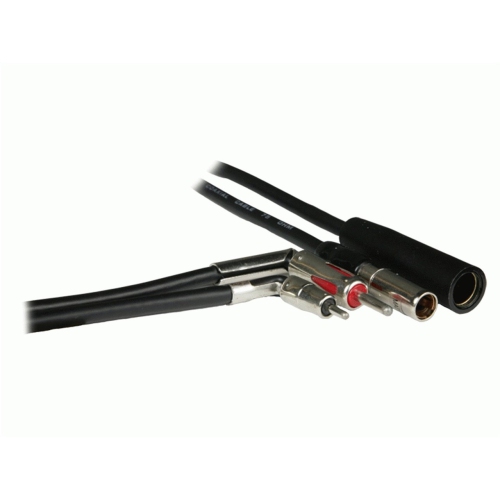
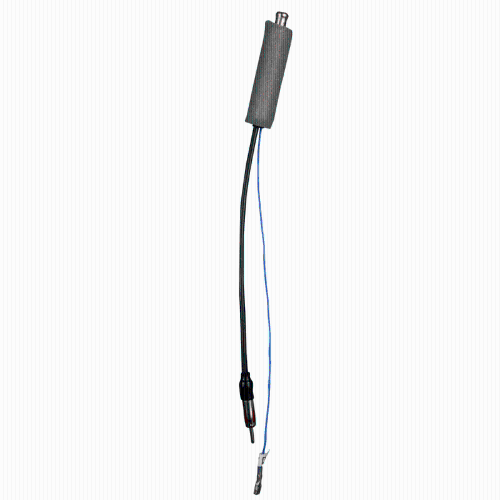
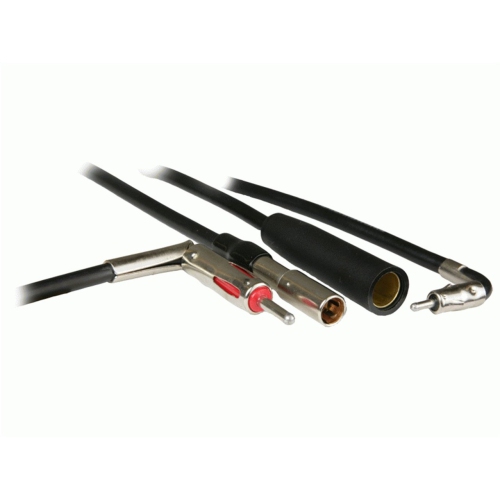
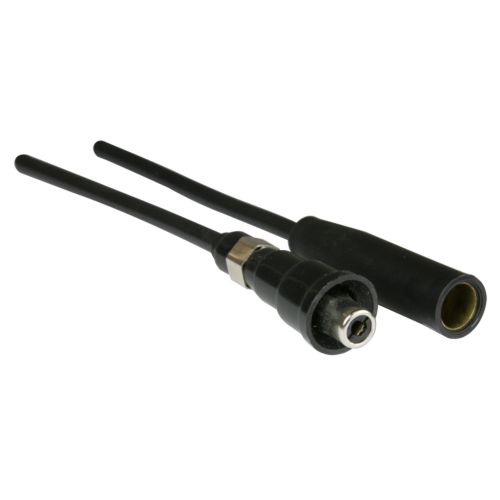
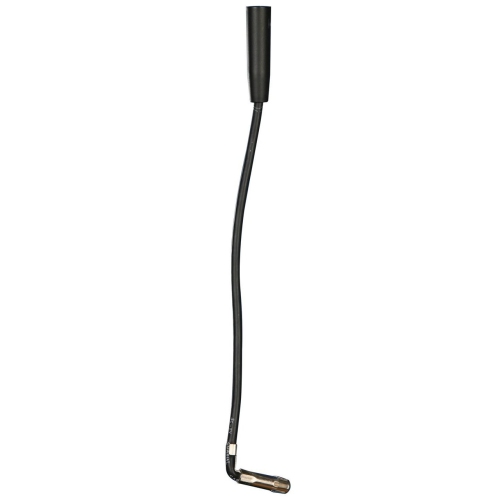
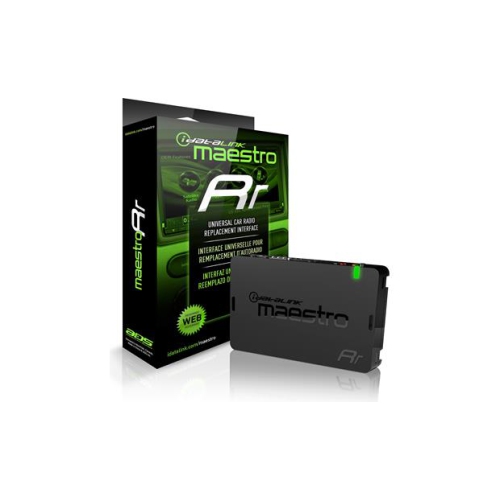
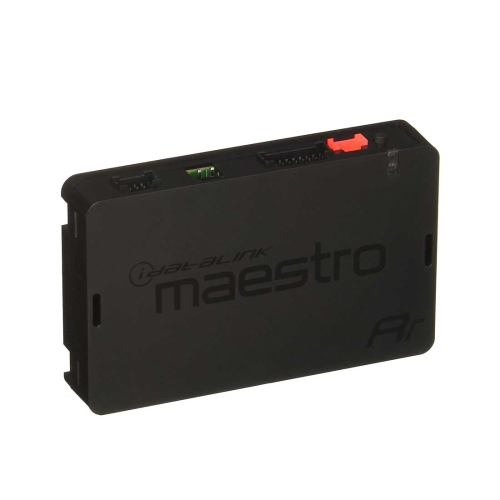
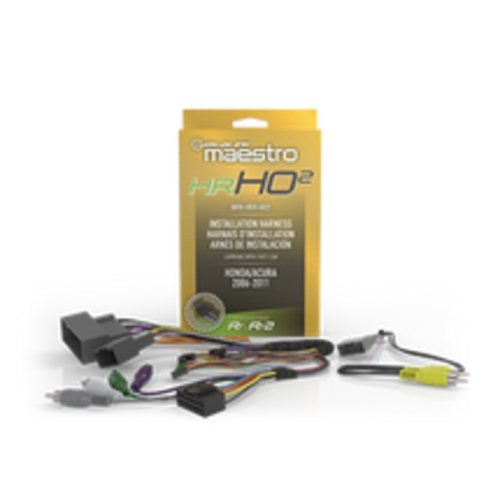
Antenna adapters serve a different purpose: they connect the vehicle’s factory antenna cable to an aftermarket radio when the original plug and the new stereo use different connection types. Maintaining a suitable antenna connection helps the new radio receive AM and FM stations clearly, which is especially helpful during long drives, in rural areas, or when listening to local traffic and weather updates. Browse Radio Antenna Adapters for options that can match common vehicle and stereo connections. Some vehicles use amplified antennas or require an adapter that provides power to the antenna system, so checking the installation instructions and the vehicle’s factory setup is important. Interface modules can provide an additional layer of compatibility when a new stereo needs to work with factory features. Depending on the vehicle and the module, these adapters may help retain steering wheel controls, a factory amplifier, a backup camera, parking sensors, USB functions, or warning tones. They are particularly helpful for drivers who want the clearer display, wireless connectivity, or updated audio controls of an aftermarket stereo while keeping familiar controls close at hand. Compatibility is not universal, and the same interface may work differently from one trim level to another. Confirm which factory features need to remain active, whether additional programming is required, and whether the installation calls for a separate harness, antenna connection, or control interface. Reading the vehicle fitment information closely can prevent a frustrating situation where the stereo powers on but the speakers, camera, or steering wheel buttons do not function as expected.
When choosing auto radio adapters, start by identifying the exact job the adapter must perform. Replacing a stereo generally calls for a wiring harness and may also require an antenna adapter or interface module. Adding phone connectivity to an older radio may call for a Bluetooth FM transmitter, an auxiliary adapter, or another connection designed for the radio already in the vehicle. Check the available ports, the type of factory antenna plug, the presence of a factory amplifier, and the way the current system handles steering wheel controls. It is also worth considering installation space and daily use. A transmitter that remains plugged into a 12V outlet should be easy to reach without blocking other controls, while a wired adapter should fit securely behind the dash rather than placing pressure on the stereo or surrounding trim. Many installations can be completed by someone comfortable with basic vehicle electronics, but professional installation may be the better choice when the dashboard includes complex controls, a factory camera, an amplified system, or multiple integrated functions. Disconnecting the vehicle battery when appropriate, following the stereo and adapter instructions, and testing each feature before reinstalling the dash can help identify connection issues early. During the cooler months, reliable hands-free calling, familiar steering wheel controls, and easy access to navigation audio can make daily drives feel less distracting, whether the route leads through busy city streets or along a quiet highway. With the correct adapter selected for the vehicle and the intended audio upgrade, an older factory system can work more smoothly with modern entertainment and communication devices while keeping the installation organised and dependable.
Antenna adapters serve a different purpose: they connect the vehicle’s factory antenna cable to an aftermarket radio when the original plug and the new stereo use different connection types. Maintaining a suitable antenna connection helps the new radio receive AM and FM stations clearly, which is especially helpful during long drives, in rural areas, or when listening to local traffic and weather updates. Browse Radio Antenna Adapters for options that can match common vehicle and stereo connections. Some vehicles use amplified antennas or require an adapter that provides power to the antenna system, so checking the installation instructions and the vehicle’s factory setup is important. Interface modules can provide an additional layer of compatibility when a new stereo needs to work with factory features. Depending on the vehicle and the module, these adapters may help retain steering wheel controls, a factory amplifier, a backup camera, parking sensors, USB functions, or warning tones. They are particularly helpful for drivers who want the clearer display, wireless connectivity, or updated audio controls of an aftermarket stereo while keeping familiar controls close at hand. Compatibility is not universal, and the same interface may work differently from one trim level to another. Confirm which factory features need to remain active, whether additional programming is required, and whether the installation calls for a separate harness, antenna connection, or control interface. Reading the vehicle fitment information closely can prevent a frustrating situation where the stereo powers on but the speakers, camera, or steering wheel buttons do not function as expected.
When choosing auto radio adapters, start by identifying the exact job the adapter must perform. Replacing a stereo generally calls for a wiring harness and may also require an antenna adapter or interface module. Adding phone connectivity to an older radio may call for a Bluetooth FM transmitter, an auxiliary adapter, or another connection designed for the radio already in the vehicle. Check the available ports, the type of factory antenna plug, the presence of a factory amplifier, and the way the current system handles steering wheel controls. It is also worth considering installation space and daily use. A transmitter that remains plugged into a 12V outlet should be easy to reach without blocking other controls, while a wired adapter should fit securely behind the dash rather than placing pressure on the stereo or surrounding trim. Many installations can be completed by someone comfortable with basic vehicle electronics, but professional installation may be the better choice when the dashboard includes complex controls, a factory camera, an amplified system, or multiple integrated functions. Disconnecting the vehicle battery when appropriate, following the stereo and adapter instructions, and testing each feature before reinstalling the dash can help identify connection issues early. During the cooler months, reliable hands-free calling, familiar steering wheel controls, and easy access to navigation audio can make daily drives feel less distracting, whether the route leads through busy city streets or along a quiet highway. With the correct adapter selected for the vehicle and the intended audio upgrade, an older factory system can work more smoothly with modern entertainment and communication devices while keeping the installation organised and dependable.
Top selling and popular products
-
 Your price for this item is $35.82
 -
 Your price for this item is $42.08
 -
 Your price for this item is $41.26
 -
 Your price for this item is $104.98
 -
 Your price for this item is $99.99
 -
 Your price for this item is $99.98
 -
 Your price for this item is $169.99
 -
 Your price for this item is $44.98
Discover more categories related to Auto Radio Adapters
Top Collections:
Pokemon Centers, Kindle Devices, Apple iPhones 16, Canon G7X Cameras, iPhone 15 Apple, Alarm Clock, Flip Phones, Refurbished Apple Laptops, iPhone 14 256GB, Lightweight On-Ear USB-C Headphones
Some products may be subject to Environmental Handling Fees
(EHF) depending on your province.
Learn more about EHFs.