Auto Antenna Adapters
Upgrade your car's audio system with this wide selection of auto antenna adapters. Whether you're replacing a broken antenna or looking to enhance your radio reception, these adapters are designed to seamlessly integrate with your vehicle's existing antenna connection. With compatibility for various car makes and models, you can easily find the right adapter to fit your needs. Say goodbye to static and enjoy crystal-clear sound quality on your next road trip or daily commute.
Sort
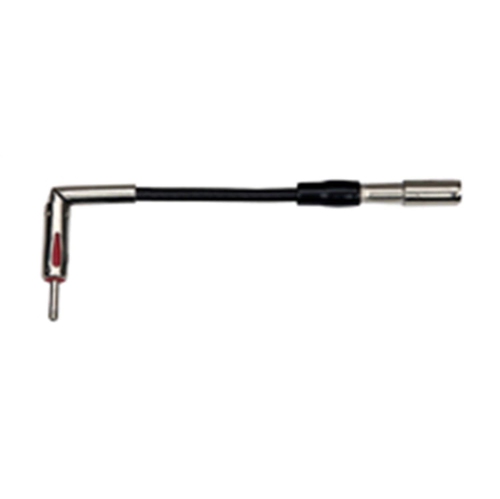
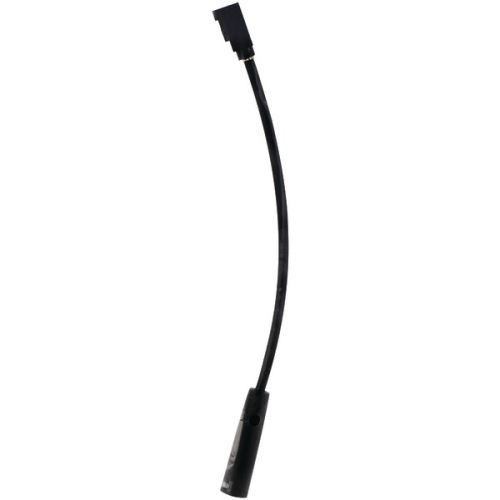

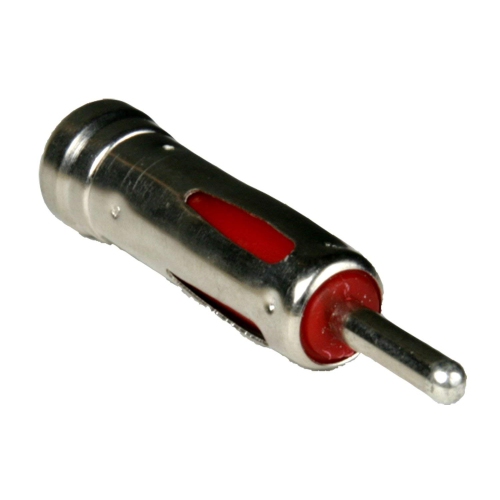
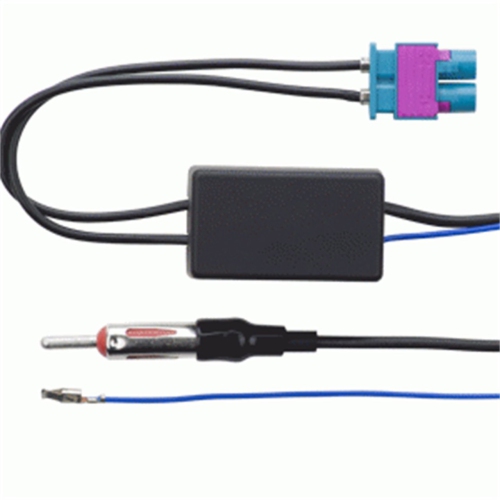
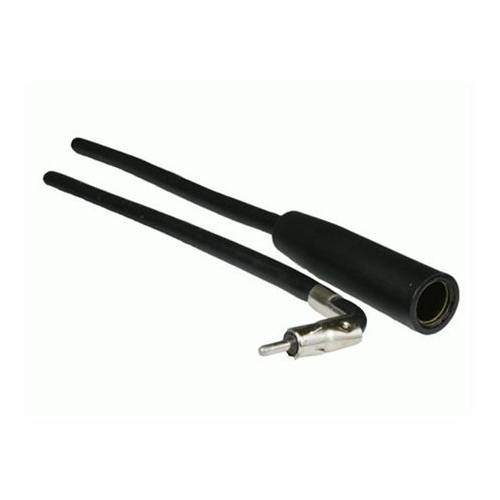
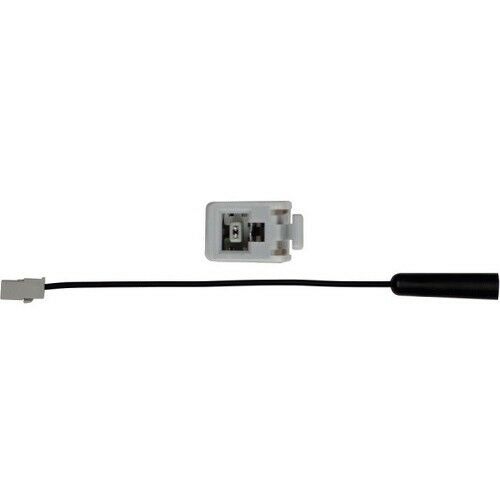
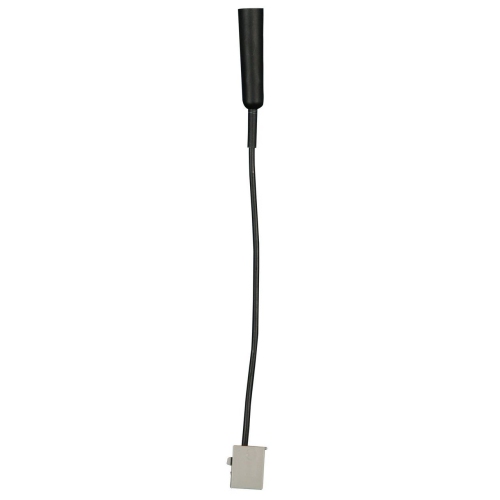
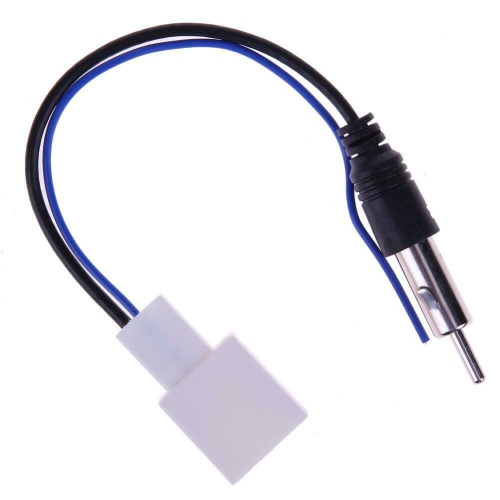
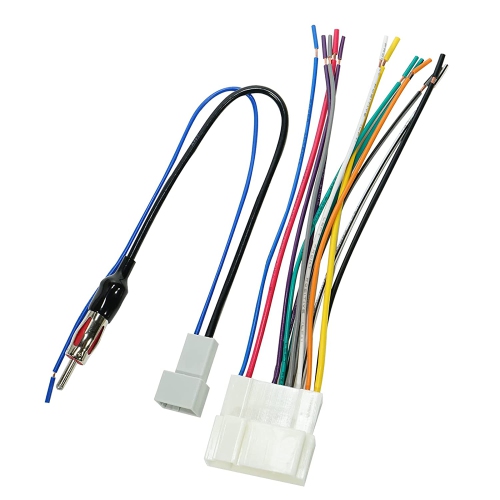
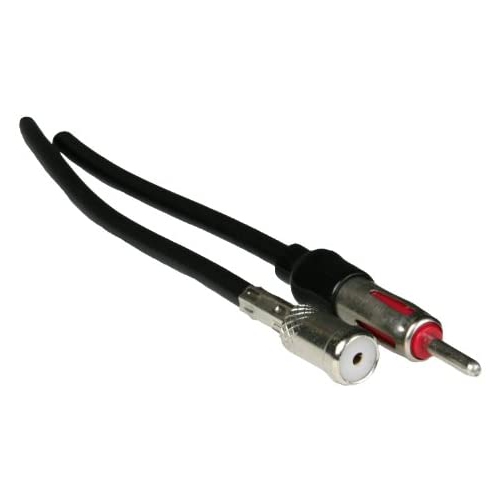
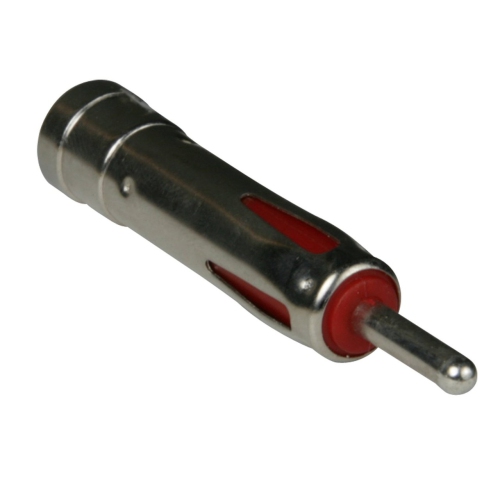
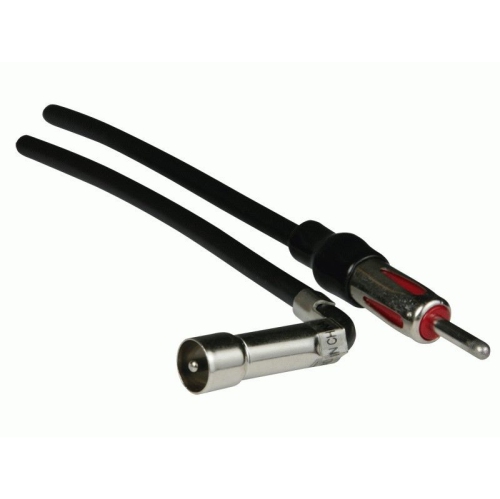
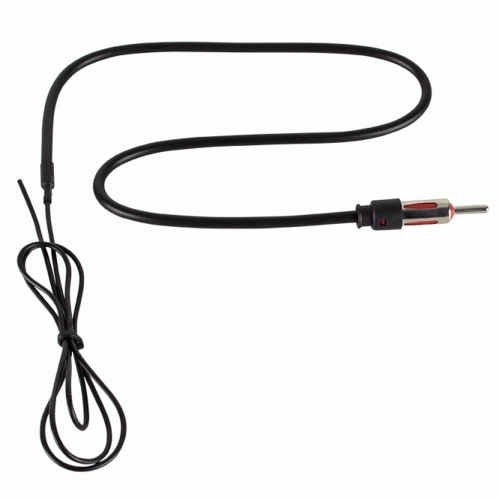
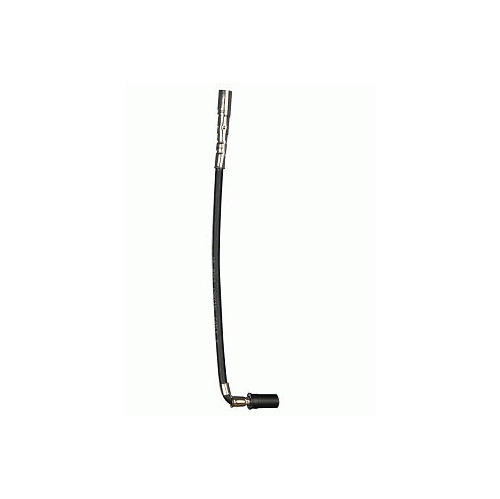
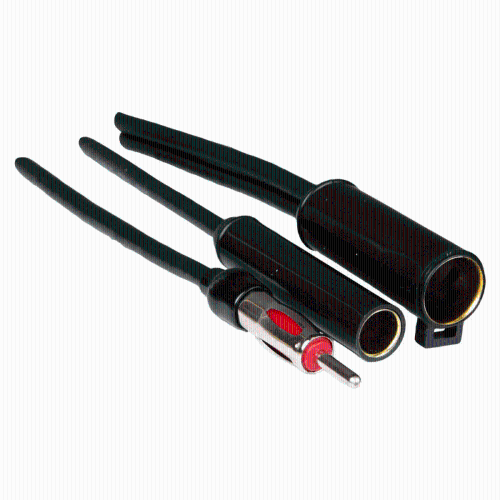
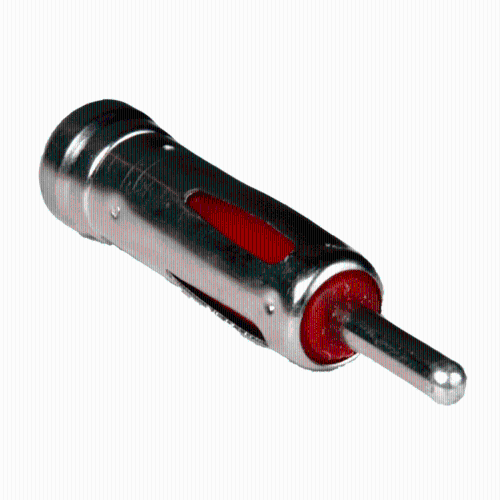
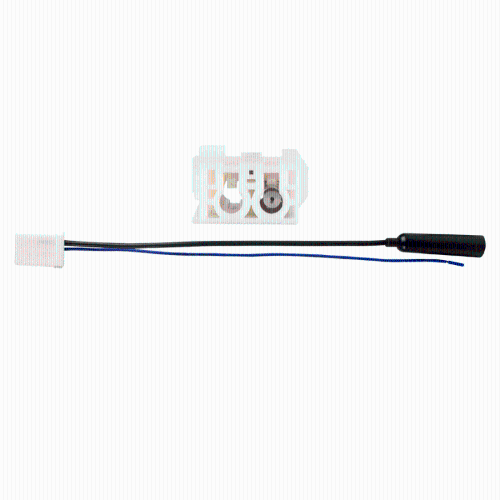
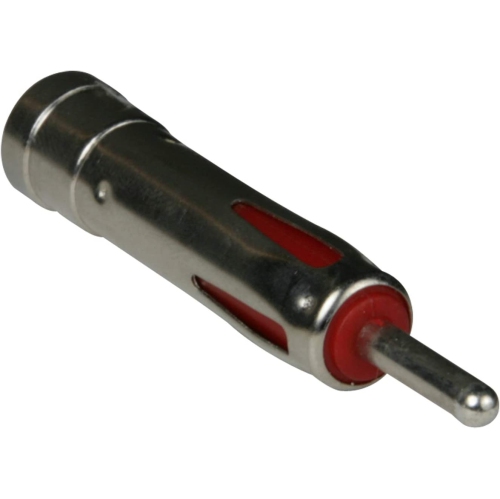
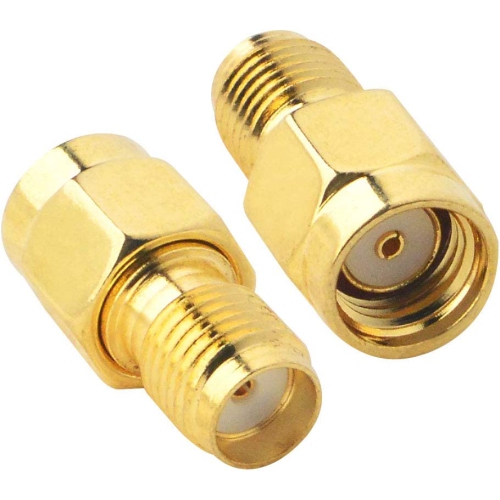
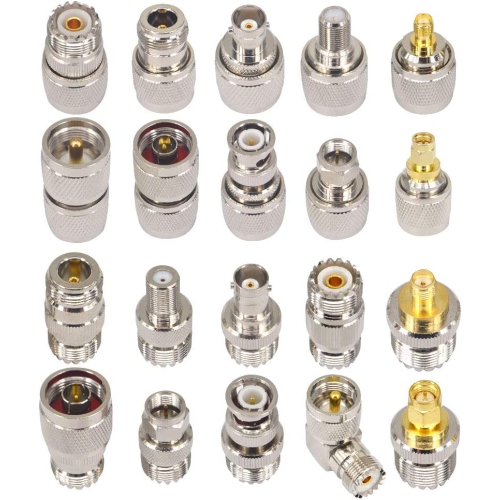
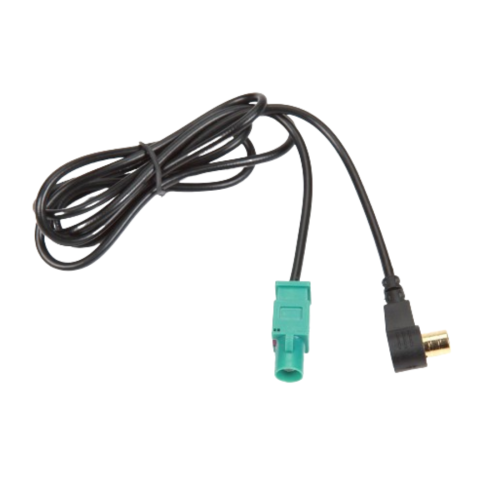
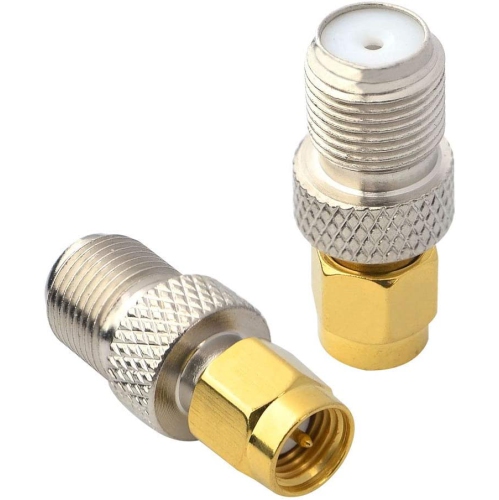
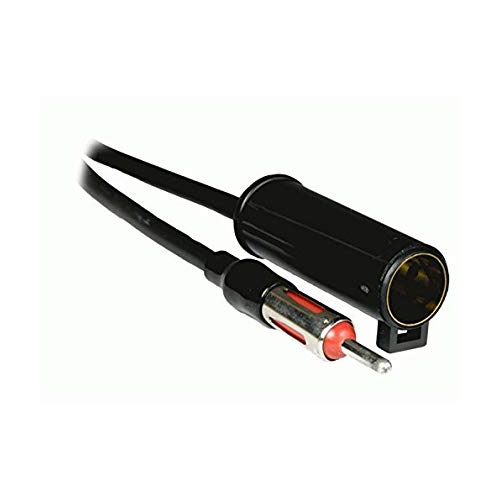
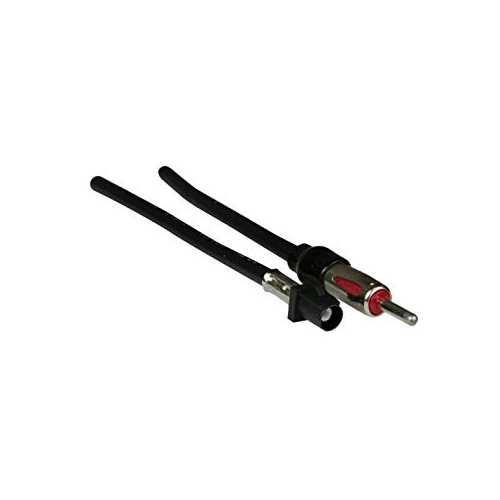
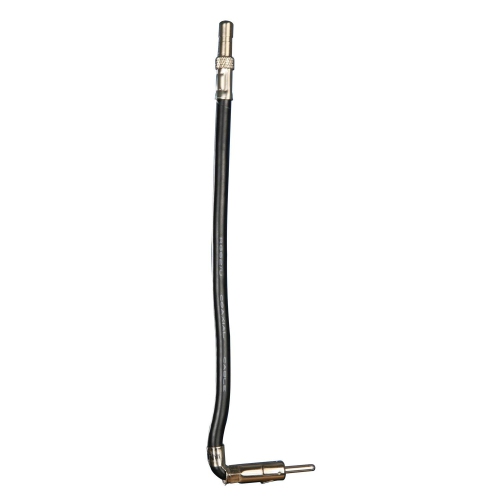
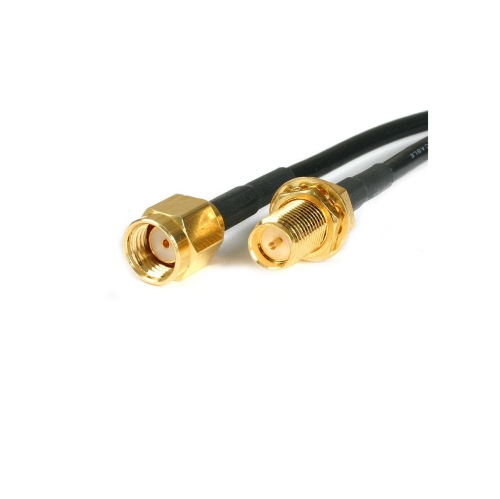
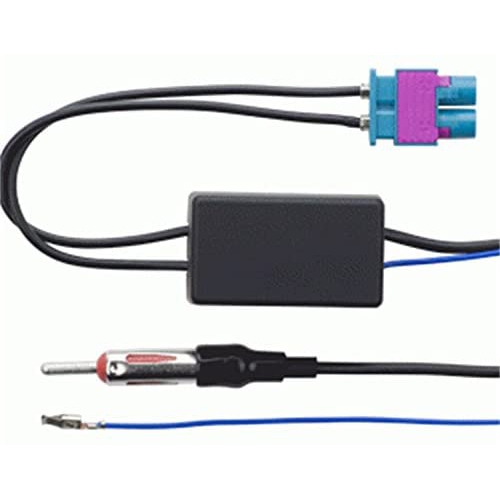

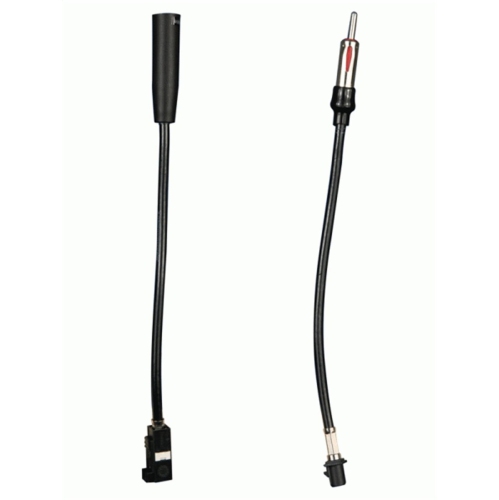


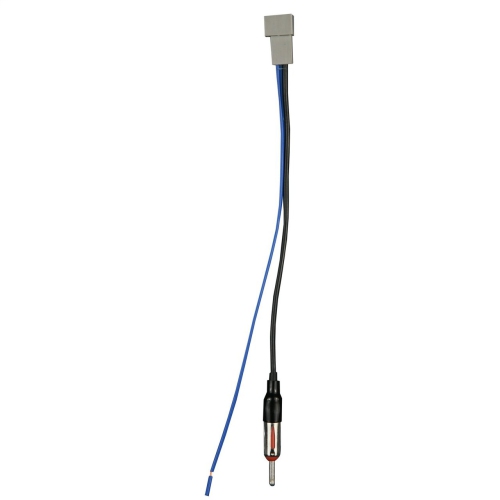
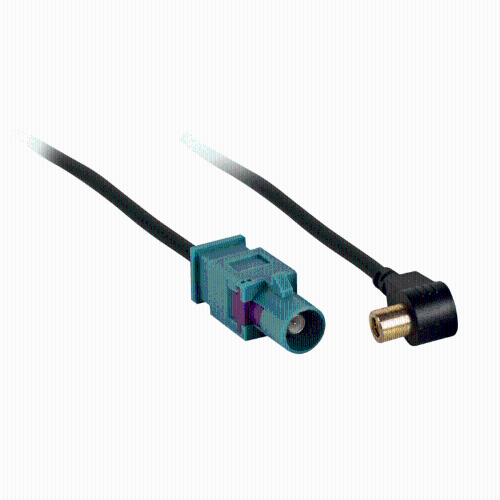
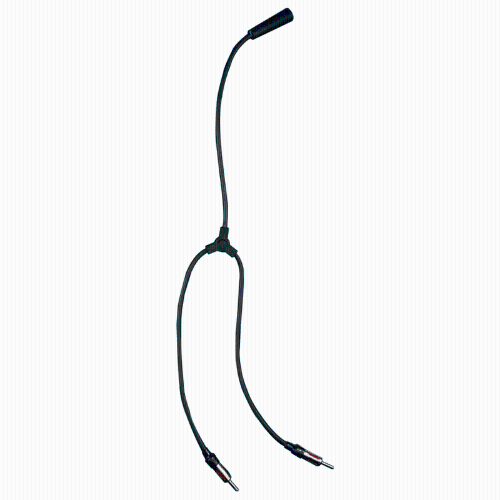
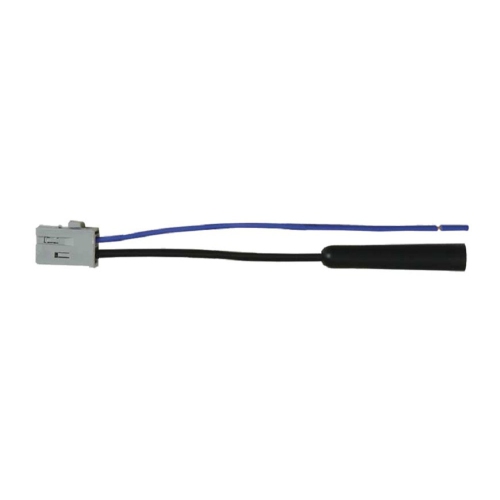



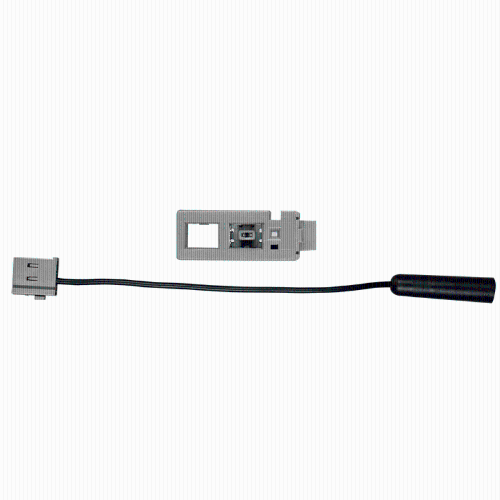


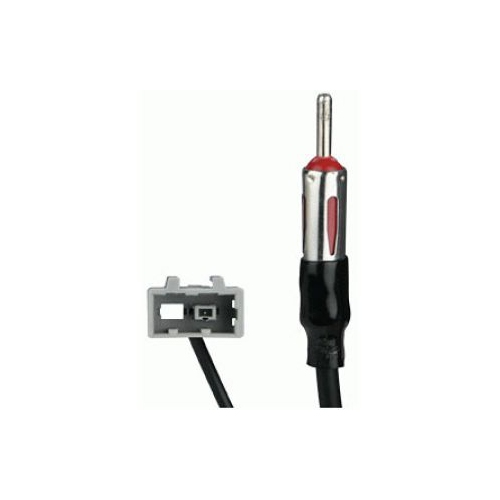
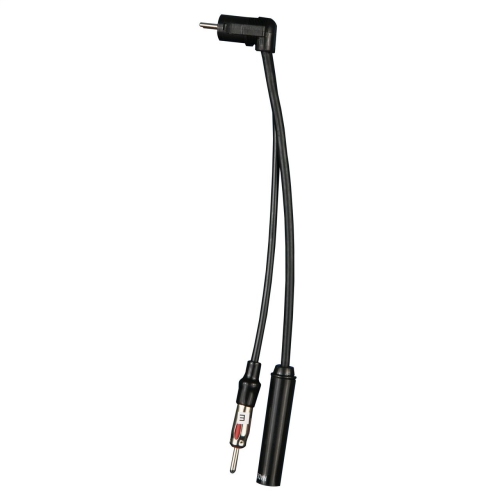
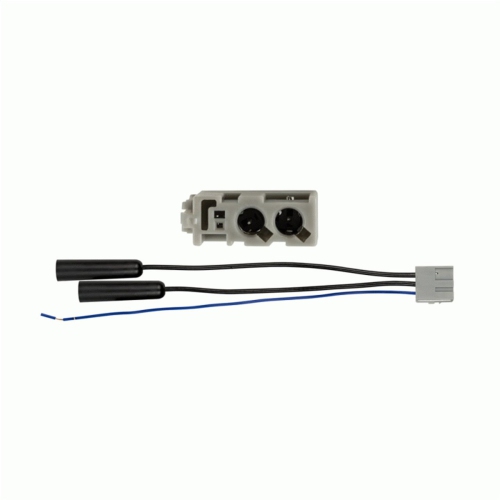
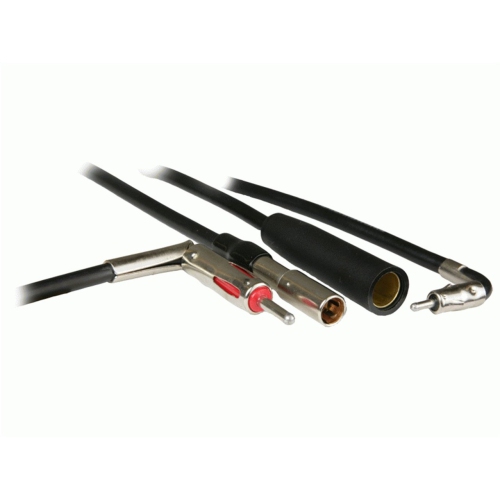
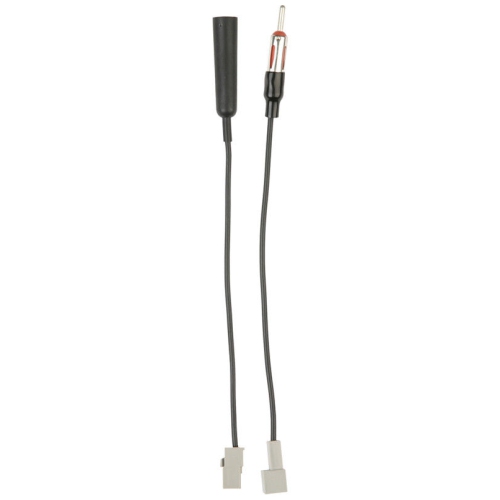
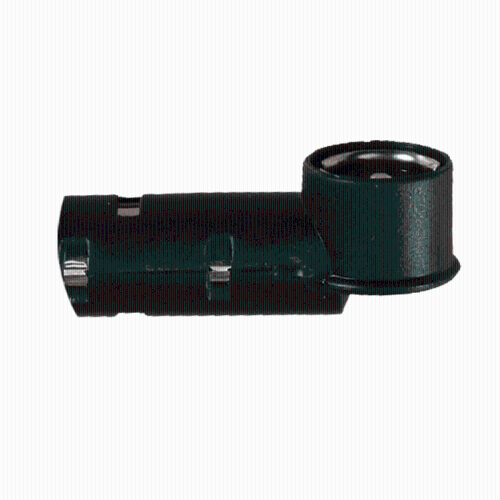
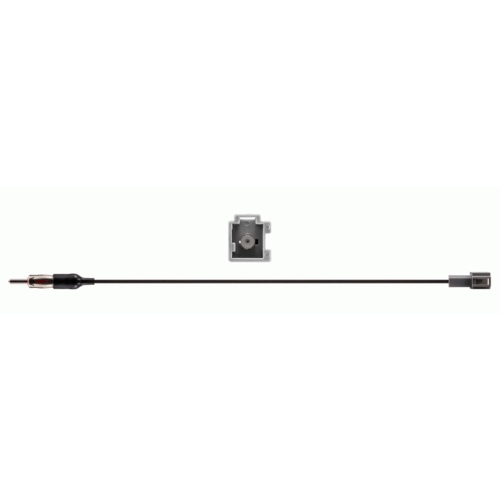
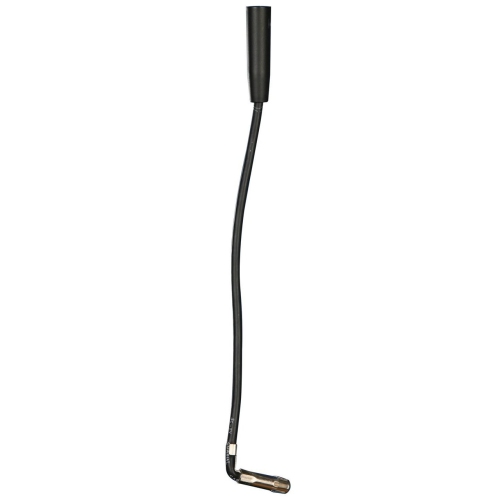
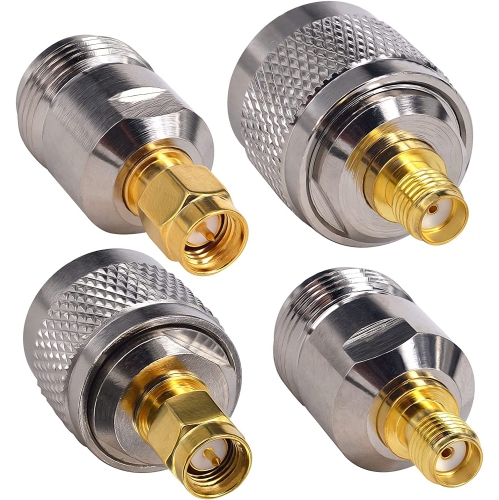

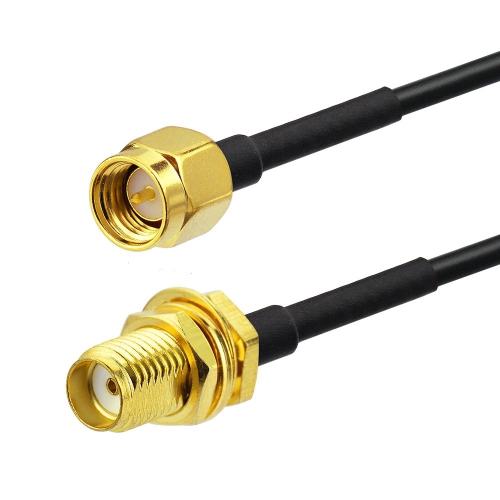
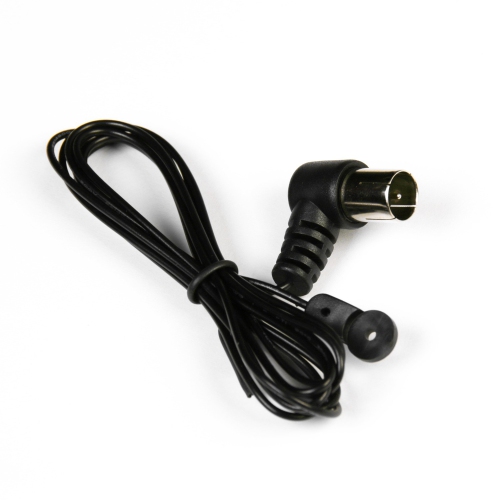
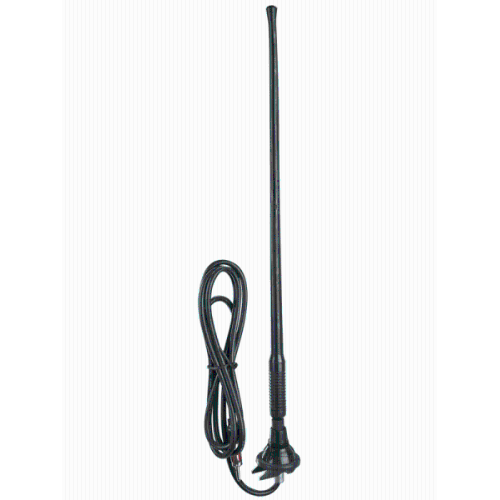
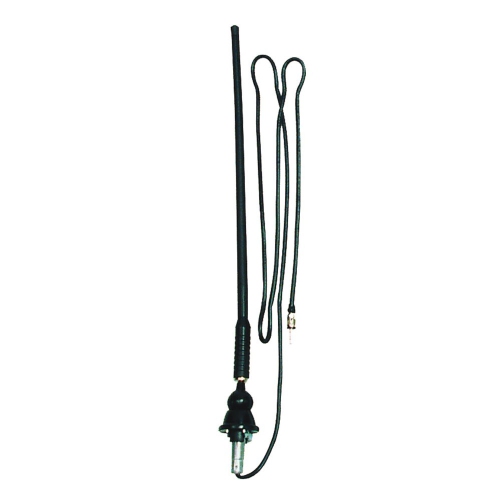
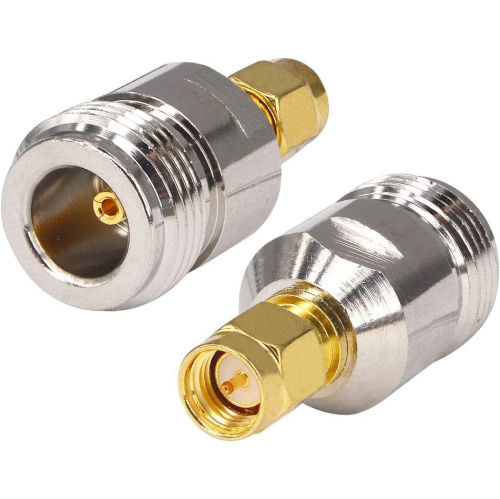
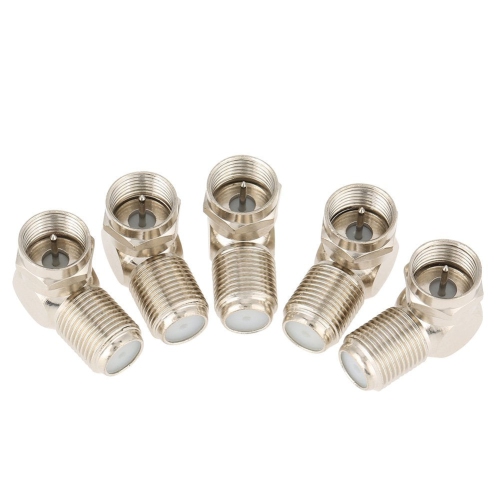
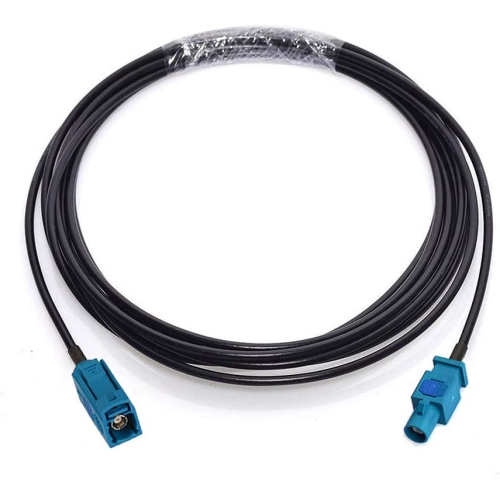
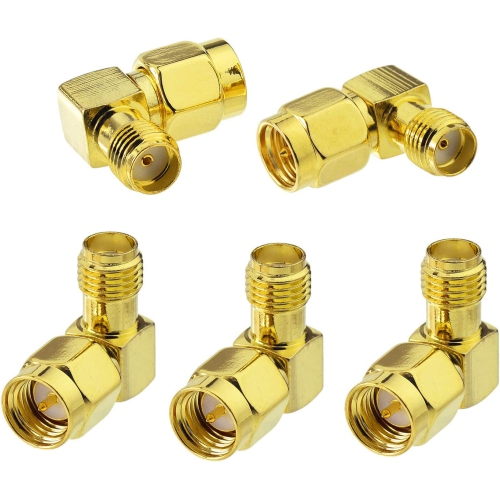
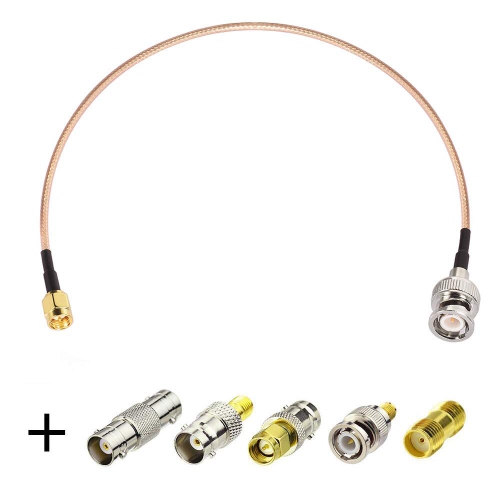
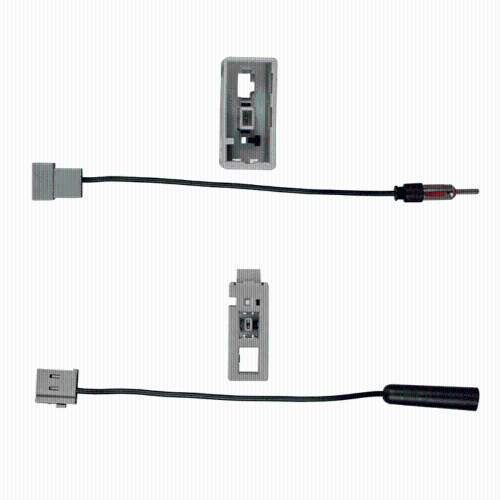
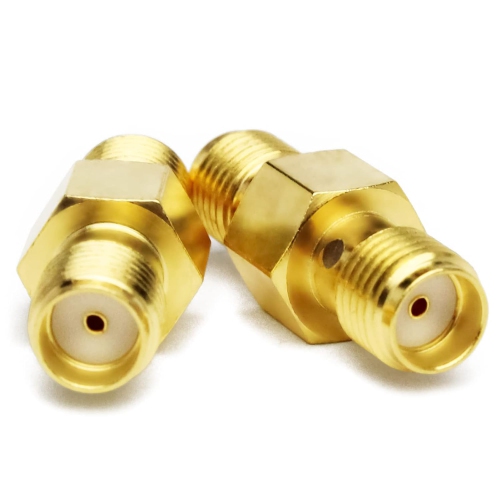
The right connection preserves reception during your stereo upgrade
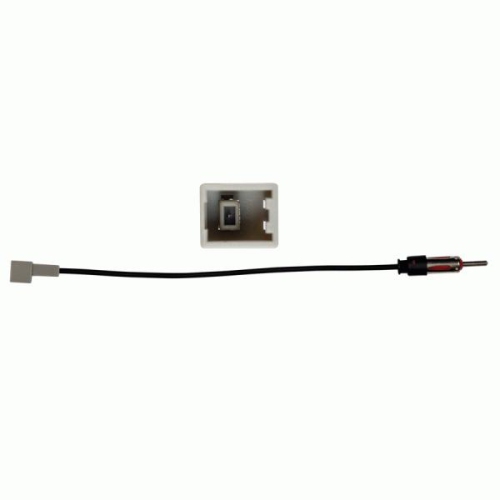
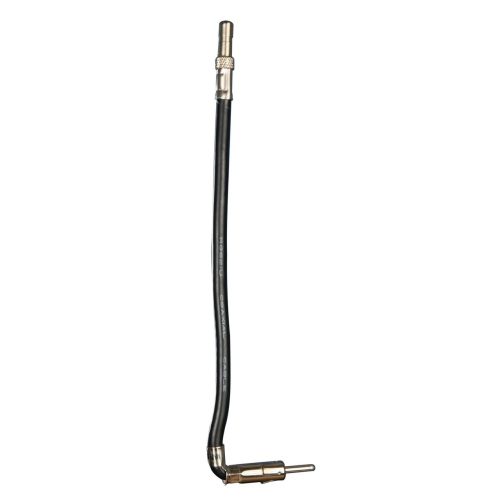
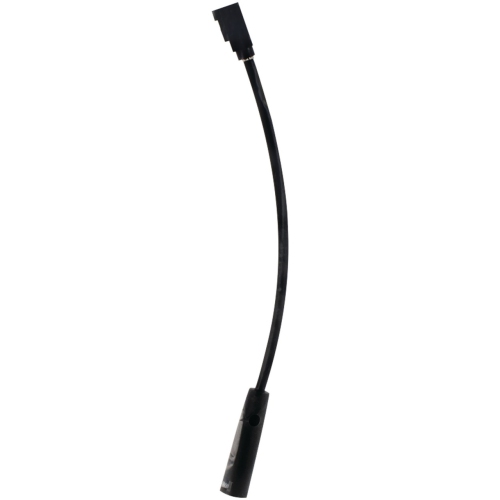
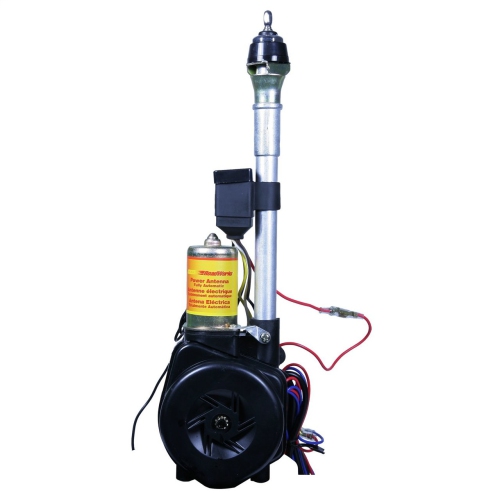
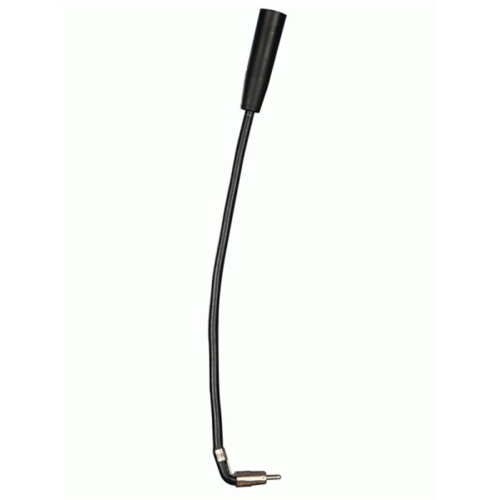
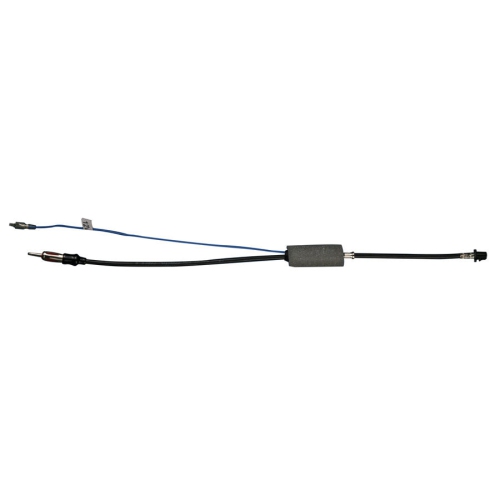
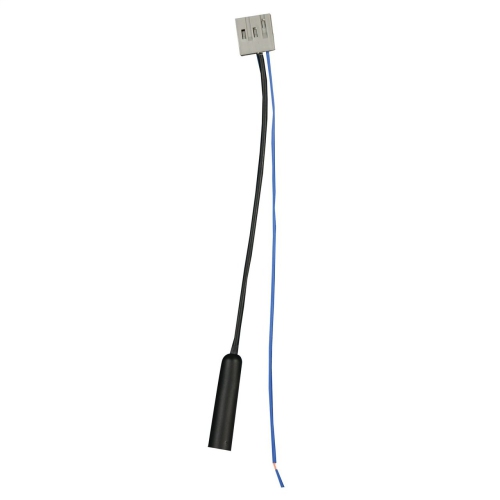
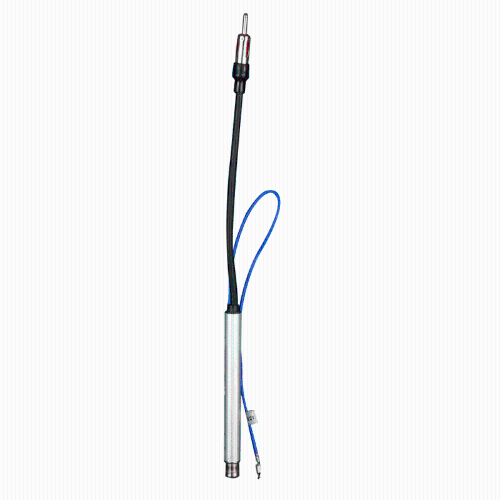
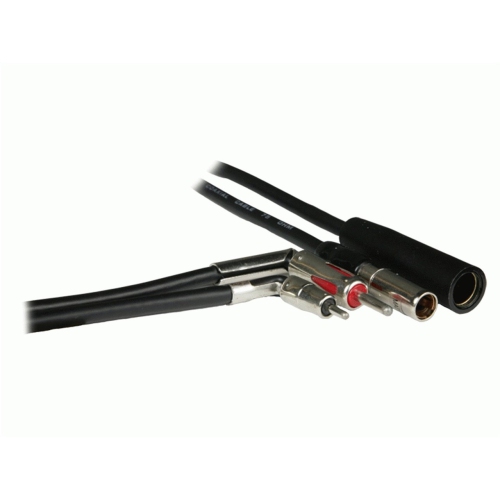
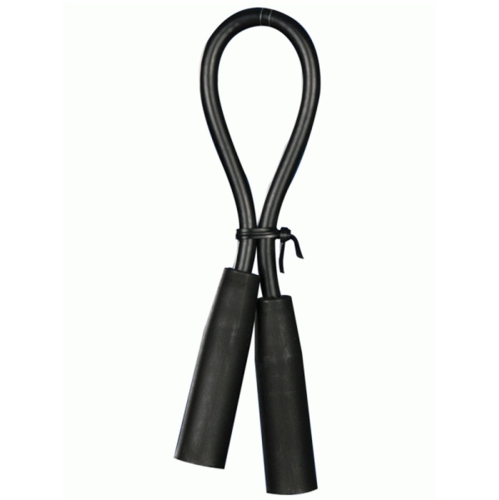
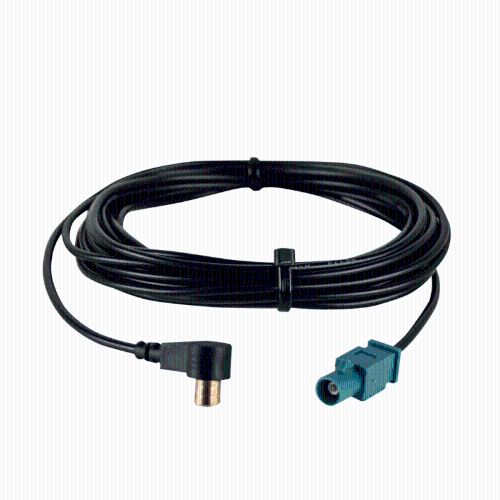
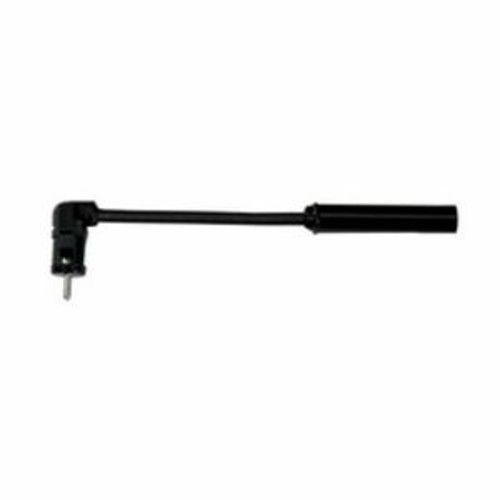
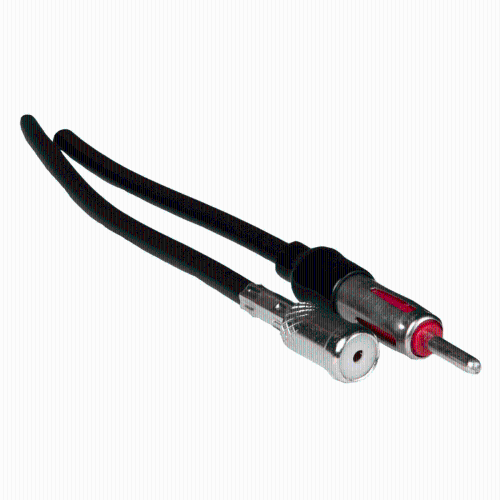
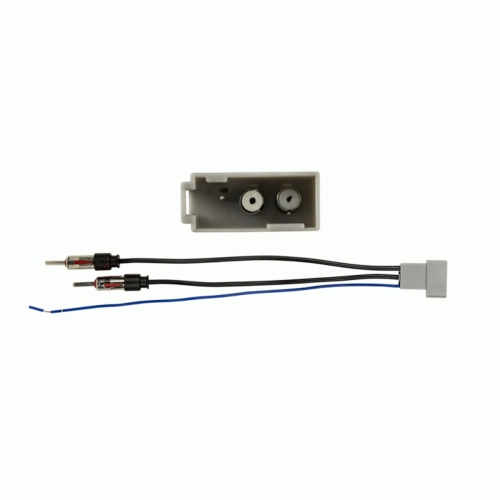
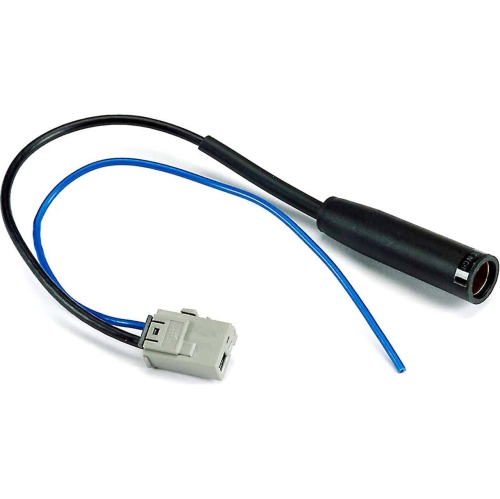
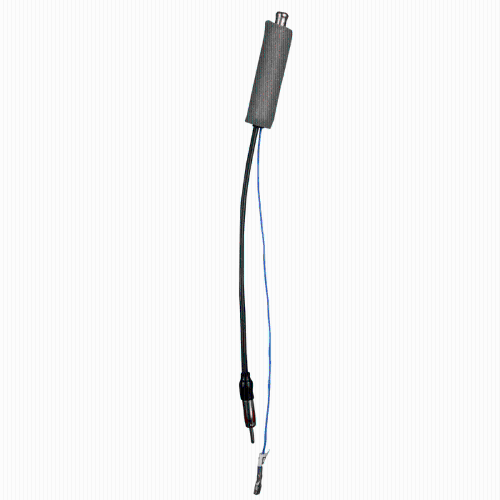
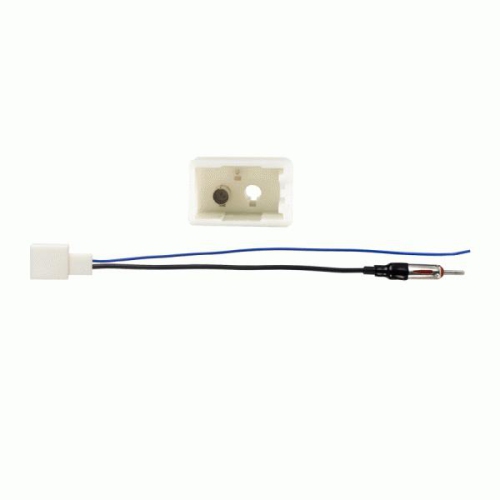
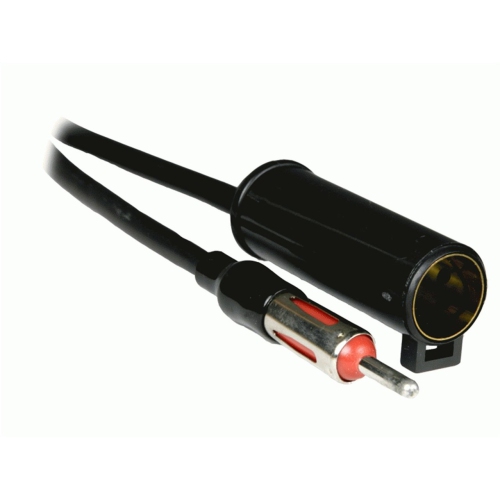
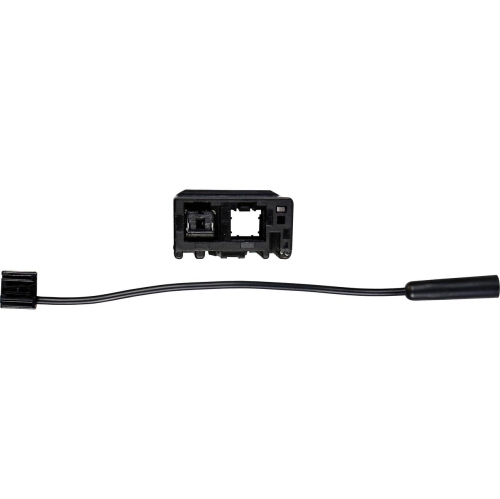
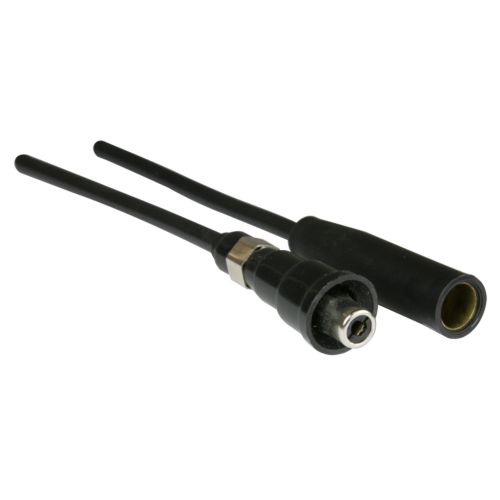
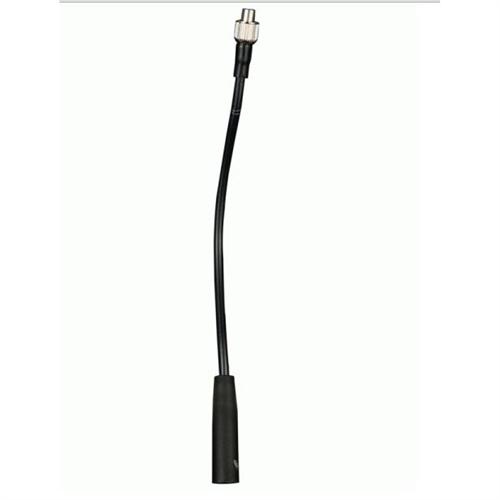
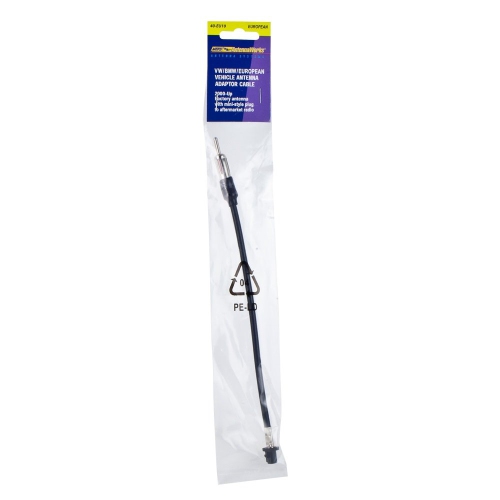
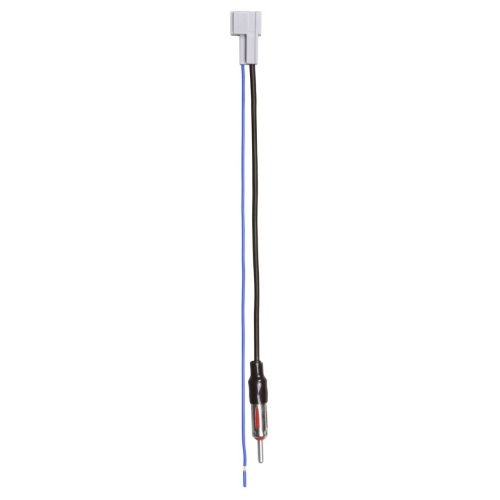
Auto antenna adapters are small but essential connection pieces for drivers replacing a factory radio with an aftermarket stereo. They connect the vehicle’s original antenna plug to the antenna input on the new head unit, helping the radio receive AM and FM broadcasts without cutting, splicing, or improvising with incompatible wiring. The factory side of the connection can vary widely between vehicles, while many aftermarket stereos use a standard Motorola-style or DIN antenna input. An adapter creates the bridge between these two formats, allowing the new stereo to work with the vehicle’s existing antenna system. This can be especially helpful during an audio upgrade when the vehicle’s original antenna is built into the fender, roof, rear glass, or another hard-to-reach location. Instead of replacing the entire antenna assembly, an appropriate adapter can make the installation cleaner, faster, and easier to reverse later. Drivers may use these adapters when adding a touchscreen receiver, replacing a failed factory radio, installing a navigation system, or restoring dependable radio reception after years of use. Since these are compact accessories, they can also be useful additions for someone preparing a do-it-yourself car audio project or putting together an installation kit for a family member who enjoys working on vehicles.
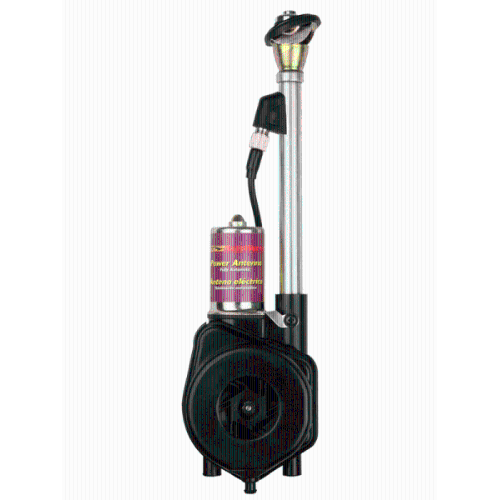
Vehicle fit is the most important consideration when choosing an auto antenna adapter. Connector styles can change between model years and may differ among trim levels, even when two vehicles share the same manufacturer. Before ordering, check the vehicle’s exact year, make, and model, then compare the original antenna plug with the connection required by the aftermarket stereo. It is also helpful to confirm whether the new head unit uses a standard antenna input or a less common socket. Vehicles from North American, Asian, and European manufacturers may use different factory connectors, and some models use an antenna system that requires more than a simple physical connection. A powered antenna, amplified antenna, or antenna module may need a 12-volt power signal to maintain proper reception. In those cases, a power-injected adapter can help supply the required signal from the stereo’s antenna or accessory lead. Without the correct powered connection, the radio may receive weak stations, lose distant signals, or produce inconsistent performance even though the plugs appear to fit. When comparing options, look for clear fitment information, a secure connector design, adequate cable length, and compatibility with the stereo installation harness. A snug fit matters in a vehicle, where vibration, temperature changes, and repeated service can loosen poorly matched connections. If the vehicle has factory amplification, satellite radio integration, or an unusual antenna arrangement, additional wiring may be required, so checking the installation instructions for both the vehicle and stereo is a sensible step. For related wiring and connection accessories, browse Auto Radio Adapters to help plan a complete installation.
The right adapter can make a noticeable difference in the overall quality of a radio upgrade, even though it is often hidden behind the dashboard once the work is complete. A proper connection helps preserve clear reception for music, traffic reports, weather updates, and local news during daily commutes or longer road trips. It also reduces the temptation to force a plug into place or modify factory wiring, which can make future troubleshooting more difficult. For a smooth installation, disconnect the vehicle battery according to the stereo manufacturer’s instructions, route the adapter away from sharp metal edges and moving components, and make sure each connector is fully seated before reinstalling the dash trim. After the stereo is powered on, test several AM and FM stations, including a weaker local signal, and check reception while the vehicle is moving. If the new radio powers on but reception is poor, revisit the antenna connection, powered-antenna lead, and vehicle-specific fitment before assuming the stereo itself is faulty. Auto antenna adapters are practical purchases for anyone upgrading a vehicle’s sound system, whether the work is being completed at home or alongside a professional installation. They can also be a thoughtful gift for a new driver, a hands-on hobbyist, or someone restoring an older vehicle and wanting modern audio without losing the convenience of the original antenna. With the correct match for the vehicle and stereo, this modest accessory helps create a tidy installation and keeps familiar radio listening dependable through changing road conditions and the cooler months.
Vehicle fit is the most important consideration when choosing an auto antenna adapter. Connector styles can change between model years and may differ among trim levels, even when two vehicles share the same manufacturer. Before ordering, check the vehicle’s exact year, make, and model, then compare the original antenna plug with the connection required by the aftermarket stereo. It is also helpful to confirm whether the new head unit uses a standard antenna input or a less common socket. Vehicles from North American, Asian, and European manufacturers may use different factory connectors, and some models use an antenna system that requires more than a simple physical connection. A powered antenna, amplified antenna, or antenna module may need a 12-volt power signal to maintain proper reception. In those cases, a power-injected adapter can help supply the required signal from the stereo’s antenna or accessory lead. Without the correct powered connection, the radio may receive weak stations, lose distant signals, or produce inconsistent performance even though the plugs appear to fit. When comparing options, look for clear fitment information, a secure connector design, adequate cable length, and compatibility with the stereo installation harness. A snug fit matters in a vehicle, where vibration, temperature changes, and repeated service can loosen poorly matched connections. If the vehicle has factory amplification, satellite radio integration, or an unusual antenna arrangement, additional wiring may be required, so checking the installation instructions for both the vehicle and stereo is a sensible step. For related wiring and connection accessories, browse Auto Radio Adapters to help plan a complete installation.
The right adapter can make a noticeable difference in the overall quality of a radio upgrade, even though it is often hidden behind the dashboard once the work is complete. A proper connection helps preserve clear reception for music, traffic reports, weather updates, and local news during daily commutes or longer road trips. It also reduces the temptation to force a plug into place or modify factory wiring, which can make future troubleshooting more difficult. For a smooth installation, disconnect the vehicle battery according to the stereo manufacturer’s instructions, route the adapter away from sharp metal edges and moving components, and make sure each connector is fully seated before reinstalling the dash trim. After the stereo is powered on, test several AM and FM stations, including a weaker local signal, and check reception while the vehicle is moving. If the new radio powers on but reception is poor, revisit the antenna connection, powered-antenna lead, and vehicle-specific fitment before assuming the stereo itself is faulty. Auto antenna adapters are practical purchases for anyone upgrading a vehicle’s sound system, whether the work is being completed at home or alongside a professional installation. They can also be a thoughtful gift for a new driver, a hands-on hobbyist, or someone restoring an older vehicle and wanting modern audio without losing the convenience of the original antenna. With the correct match for the vehicle and stereo, this modest accessory helps create a tidy installation and keeps familiar radio listening dependable through changing road conditions and the cooler months.
Top selling and popular products
-
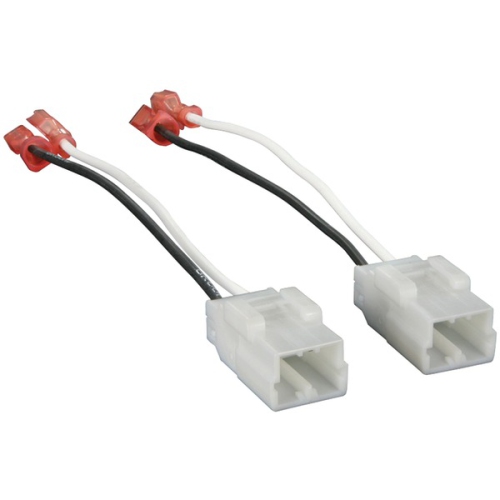 Your price for this item is $35.82
 -
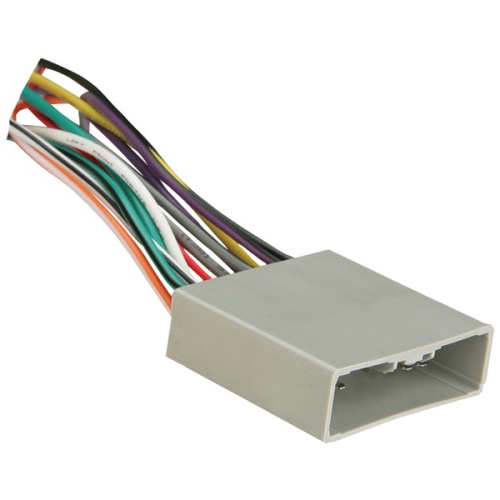 Your price for this item is $42.08
 -
 Your price for this item is $41.26
 -
 Your price for this item is $104.98
 -
 Your price for this item is $99.99
 -
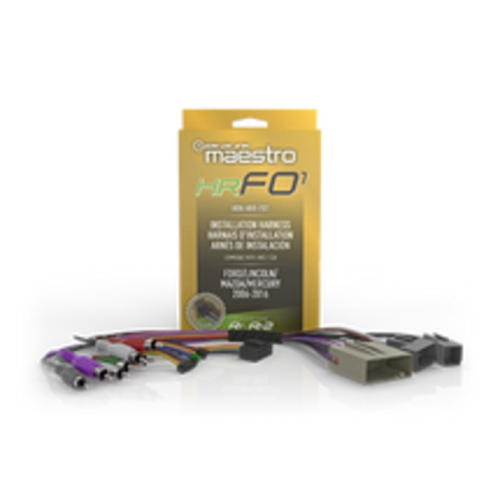 Your price for this item is $99.98
 -
 Your price for this item is $169.99
 -
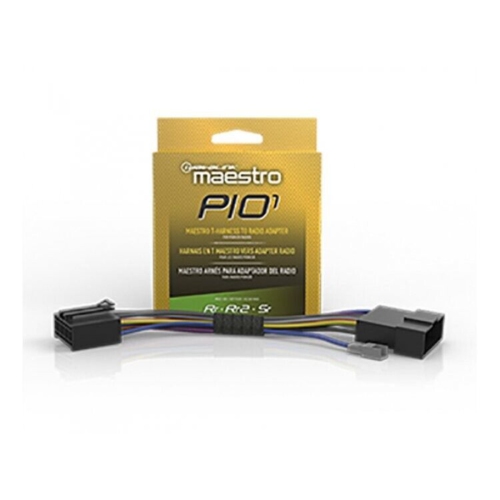 Your price for this item is $44.98
Discover more categories related to Auto Antenna Adapters

Top Collections:
Pokemon Centers, Kindle Devices, Apple iPhones 16, Canon G7X Cameras, iPhone 15 Apple, Alarm Clock, Flip Phones, Refurbished Apple Laptops, iPhone 14 256GB, Lightweight On-Ear USB-C Headphones
Some products may be subject to Environmental Handling Fees
(EHF) depending on your province.
Learn more about EHFs.