Back To School Studio Monitor Speakers For Student Music Production
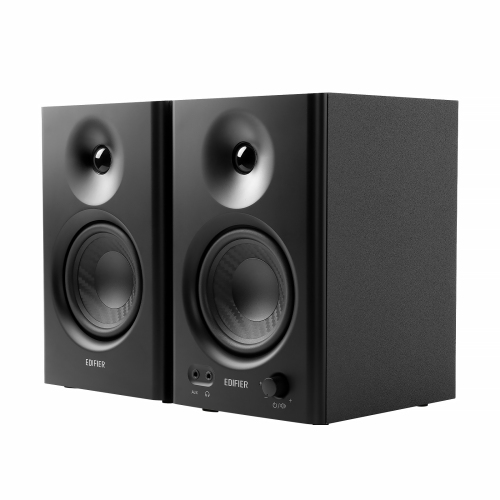
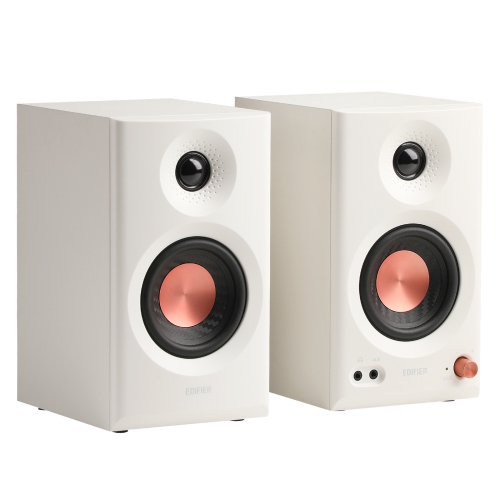
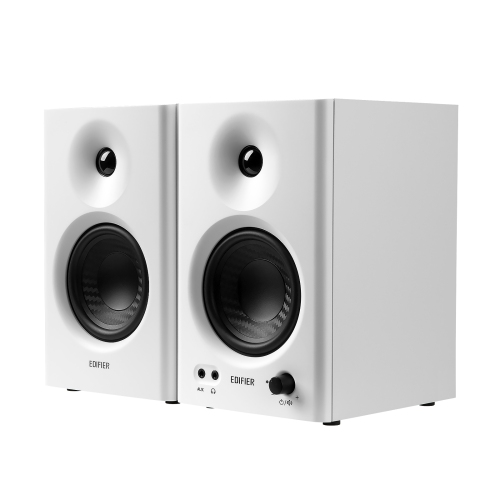
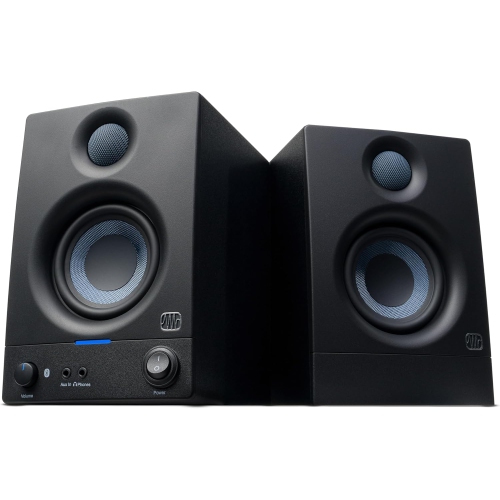
Find back-to-school studio monitor speakers for student music production, whether you’re setting up a desk for coursework or building a home recording space. Browse monitoring options for recording, mixing, and listening back to your tracks, and compare speaker size, connection types, and power requirements to find a fit for your workspace and audio setup.
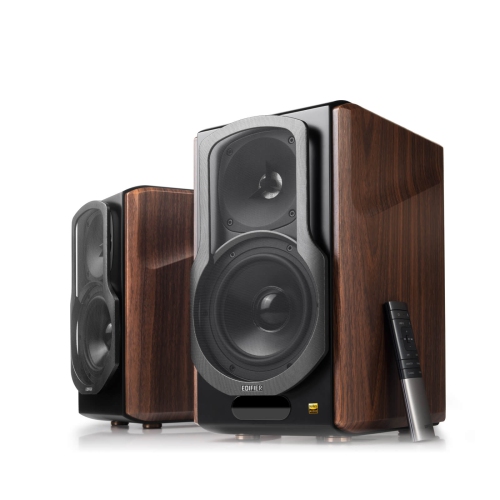
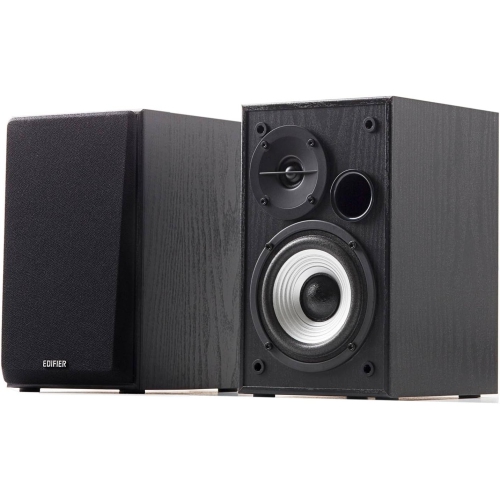

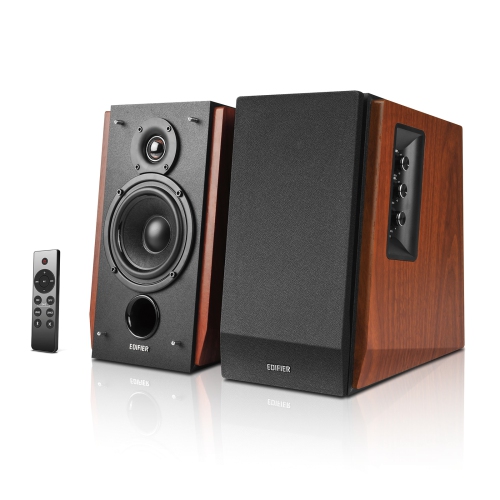
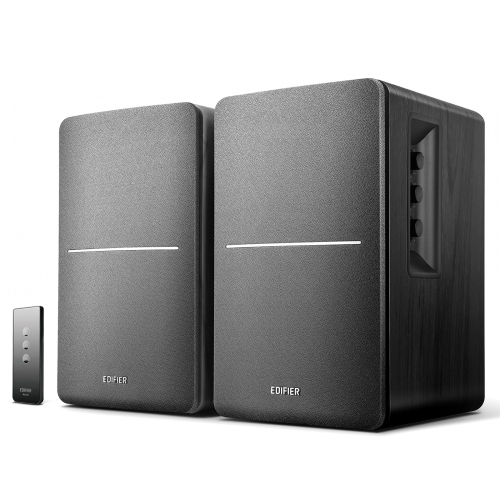
FAQ
Studio monitor speakers are designed for audio production tasks such as editing, mixing and arranging music. They commonly use separate left and right speakers with dedicated audio inputs. Computer speakers typically focus on everyday playback and may include built-in controls for entertainment features.
Active studio monitors have built-in amplification, while passive monitors require an external amplifier. Some powered speaker pairs have an amplifier in one speaker that also powers the other. Check the connection requirements to understand which components a student music production setup needs.
An audio interface is not always required. Some monitors accept USB or analogue connections directly from a computer. Monitors with line-level XLR or quarter-inch inputs are commonly connected through an audio interface, which can also provide microphone inputs, headphone connections and a physical volume control.
Common connections include XLR, quarter-inch TRS, RCA and stereo 3.5 mm cables. XLR and quarter-inch TRS connections often carry balanced line-level audio, while RCA and stereo 3.5 mm connections are generally unbalanced. Choose cables that match the output on your computer or audio interface and the input on each monitor.
In your digital audio workstation, select the connected audio interface or USB monitors as the audio output device. Assign the main stereo output to the corresponding left and right hardware outputs. When using monitors connected to a computer’s analogue audio jack, select the computer’s built-in audio output instead.
Top selling and popular products
Discover more categories related to Back To School Studio Monitor Speakers For Student Music Production

Some products may be subject to Environmental Handling Fees (EHF) depending on your province. Learn more about EHFs.