Back To School Studio Monitor Speakers For Music Students
Find back-to-school studio monitor speakers for music students to support recording, mixing, and critical listening assignments. Explore options for a student audio setup, comparing speaker size, input connections, and desk space requirements to find a fit for your workspace and audio interface.

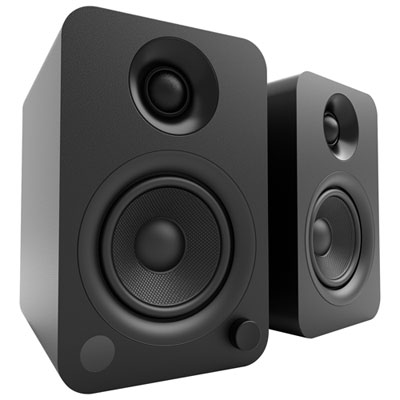
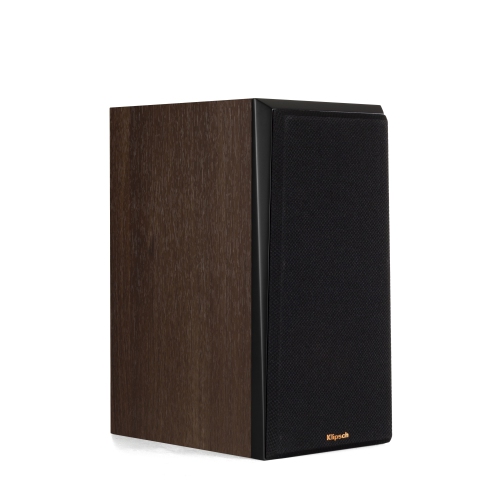
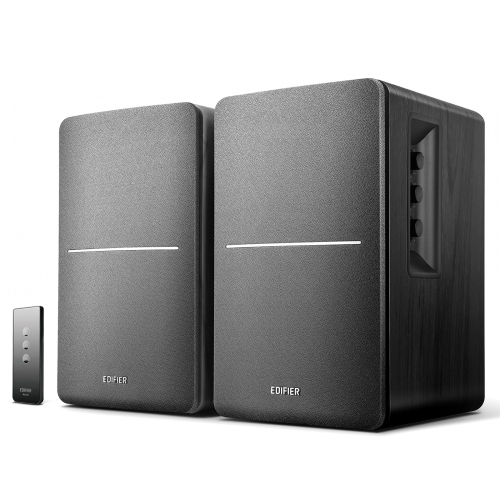
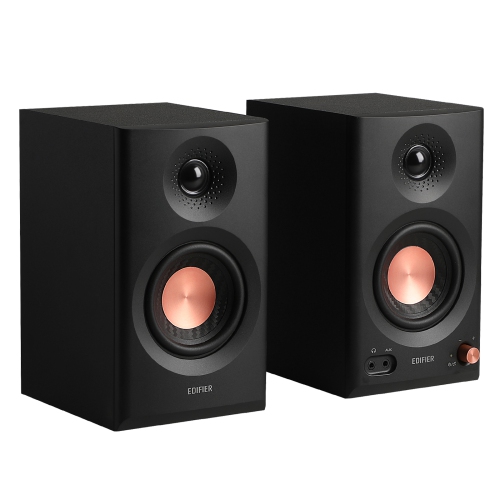
FAQ
Active studio monitors have built-in amplification, while passive monitors require a separate power amplifier. For a back-to-school music setup, check whether each speaker needs its own power connection and whether the monitors are sold individually or as a pair.
A common setup connects the computer to an audio interface by USB, then connects the interface’s left and right line outputs to powered studio monitors. Some monitors also offer direct USB or analogue connections. Match the cables to the connections on both devices.
Common inputs include XLR, 1/4-inch TRS and RCA, though connections vary by model. XLR and TRS inputs often support balanced audio, while RCA inputs are unbalanced. Check the monitor and audio interface specifications to confirm the connection type and cable requirements.
Stereo coursework generally uses two monitors connected to separate left and right outputs. Mono monitoring combines playback into a single channel and may be part of mixing or audio production assignments. Your course requirements and recording software will help determine which playback options you need.
Many audio interfaces provide speaker outputs and a headphone jack, with controls for selecting or adjusting each listening option. A monitor controller can also manage speaker playback, depending on the setup. Check whether the interface offers separate headphone and monitor controls if you plan to alternate between shared study sessions and individual practice.
Top selling and popular products
Discover more categories related to Back To School Studio Monitor Speakers For Music Students
Some products may be subject to Environmental Handling Fees (EHF) depending on your province. Learn more about EHFs.