Bird Feeder Hooks
Bird feeder hooks are essential for creating a welcoming environment for your feathered friends, allowing you to hang bird feeders securely and attract a variety of birds to your outdoor space. Whether you're an avid birdwatcher or just starting, the right hooks can enhance your backyard or garden, making it easier to enjoy nature's beauty. Designed for durability and ease of use, bird feeder hooks help you position feeders in optimal locations, ensuring that birds have easy access to food while keeping the feeding area tidy and organized. Explore our selection to find the perfect hooks that will make your bird-watching experience delightful and rewarding.
Sort
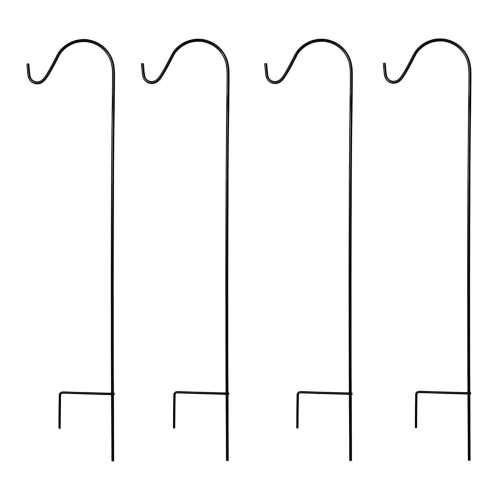
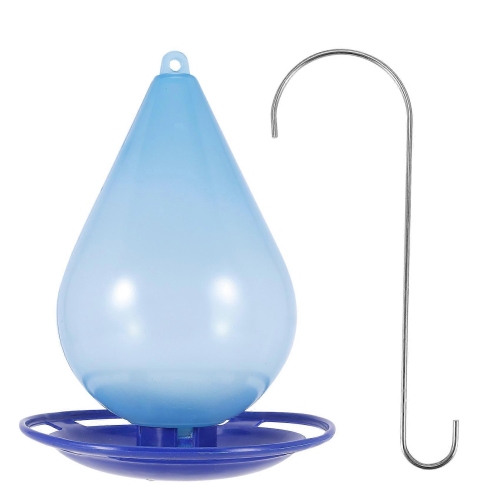
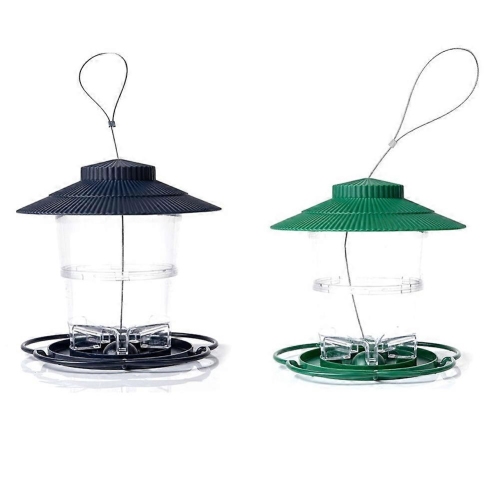
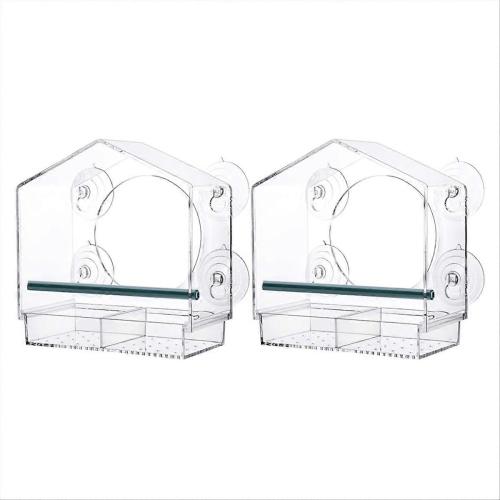
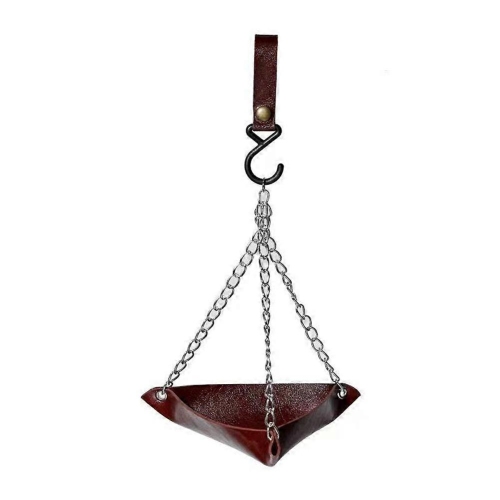
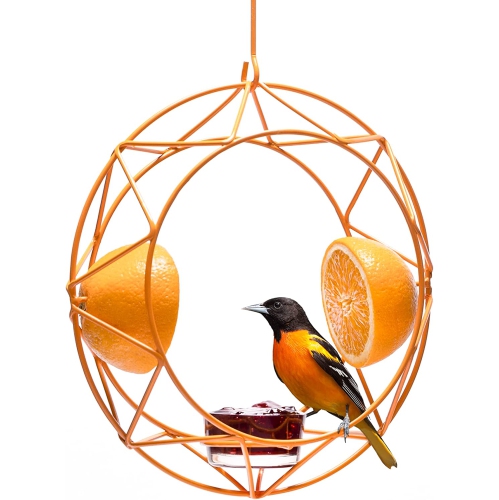
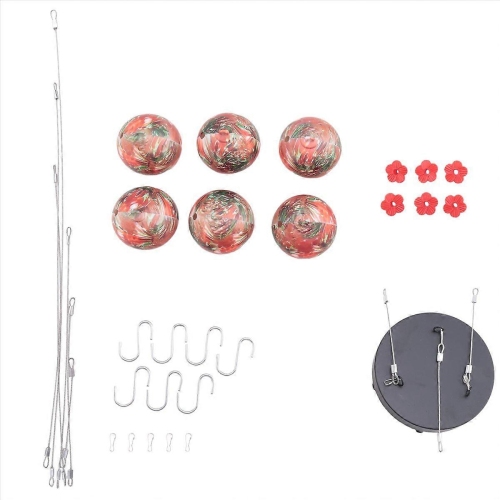
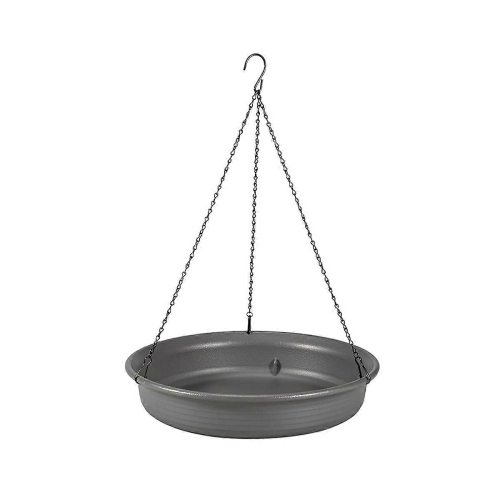
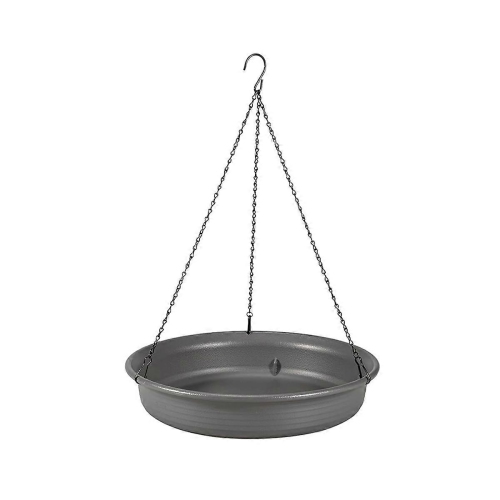
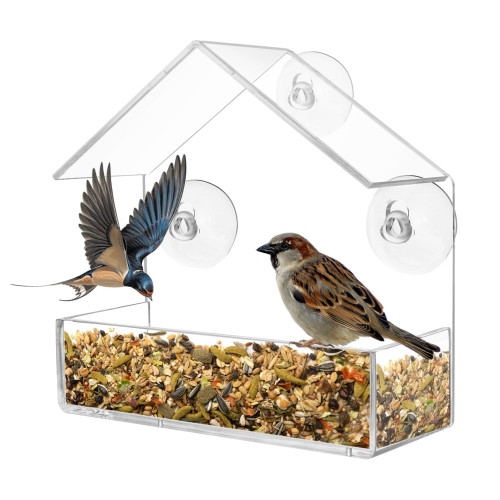
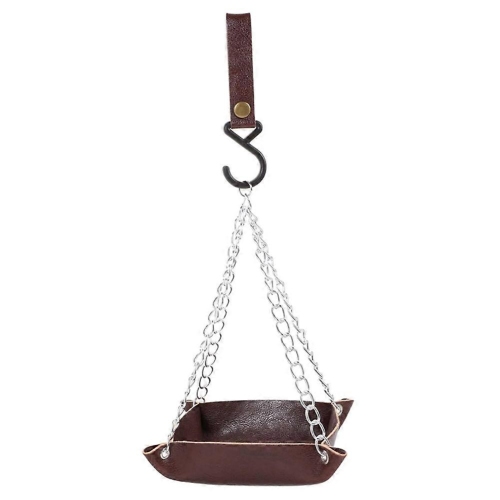
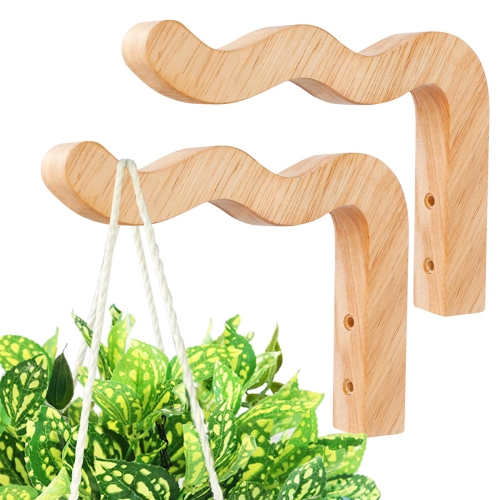
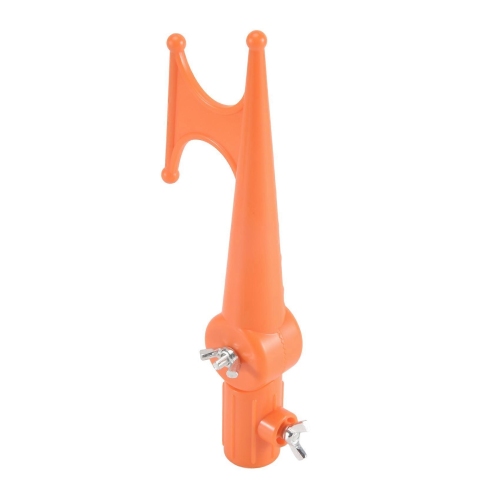
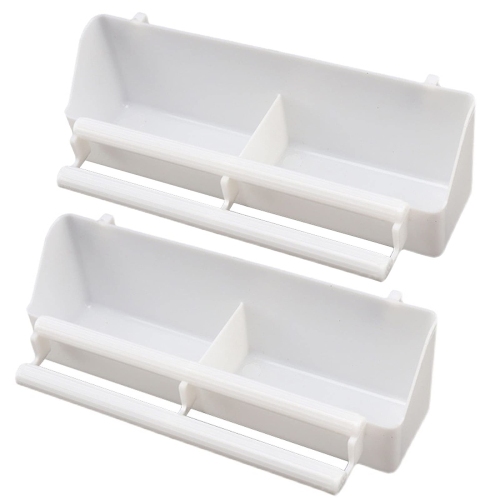
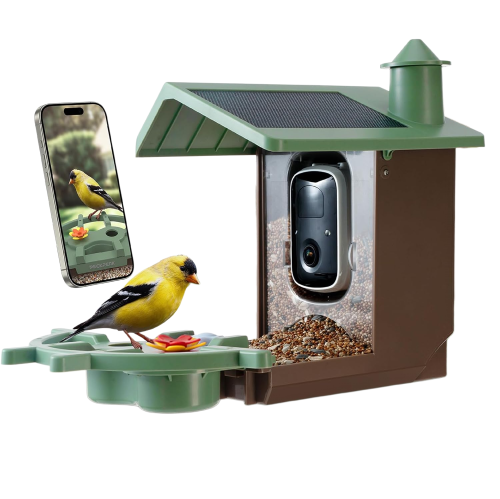
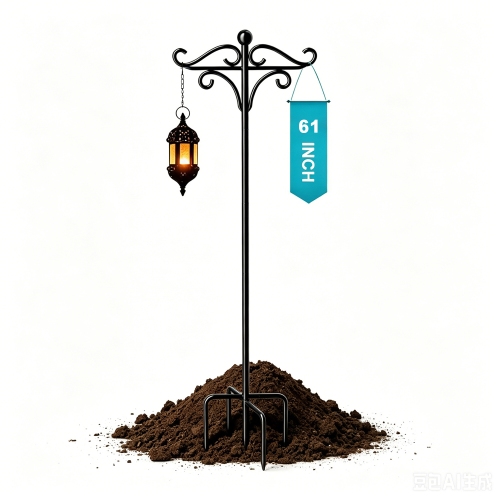
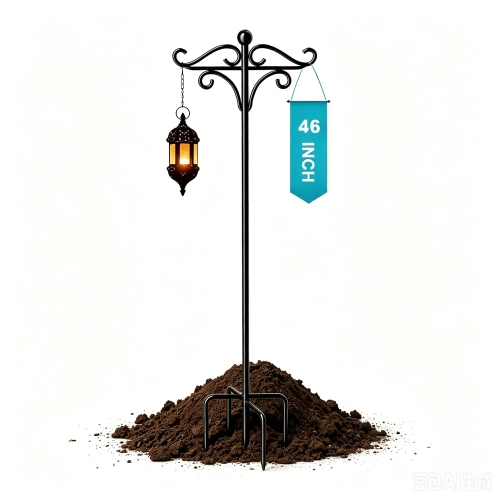
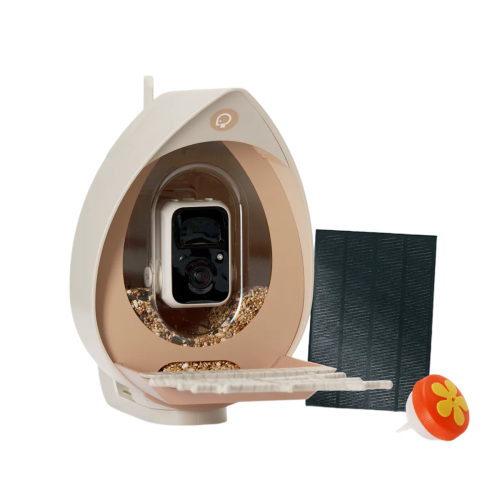
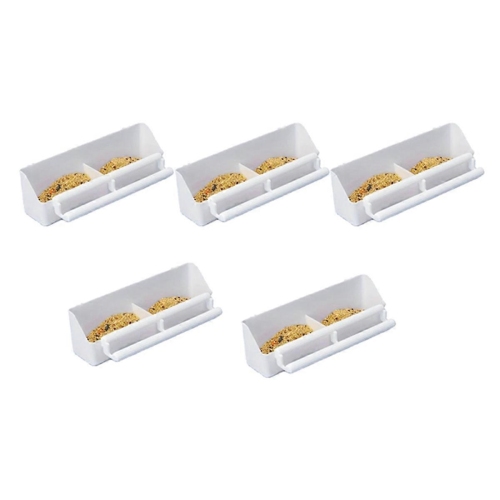
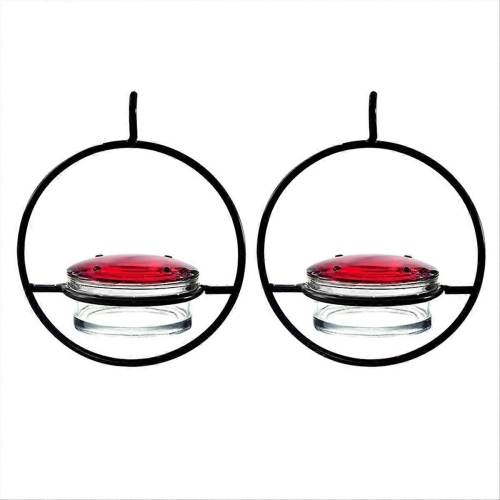
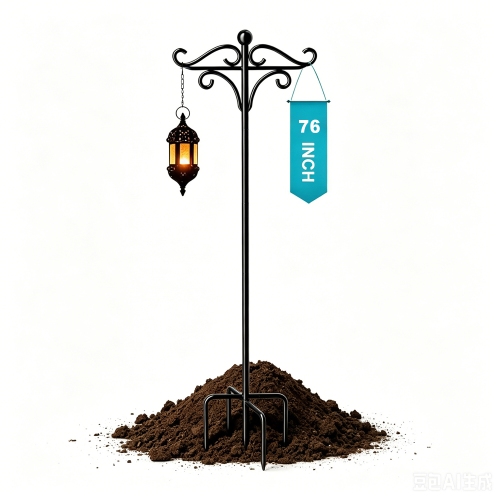
How different mounting styles support feeders in varied spaces
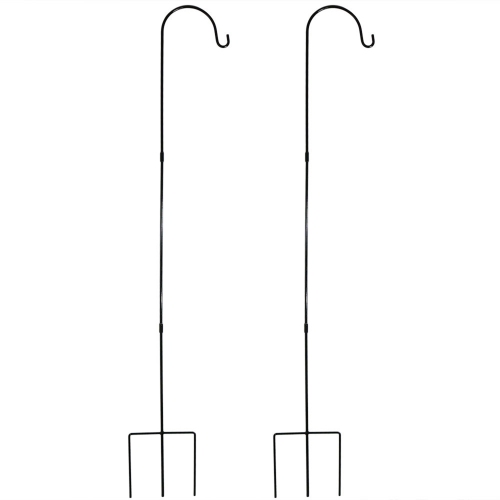
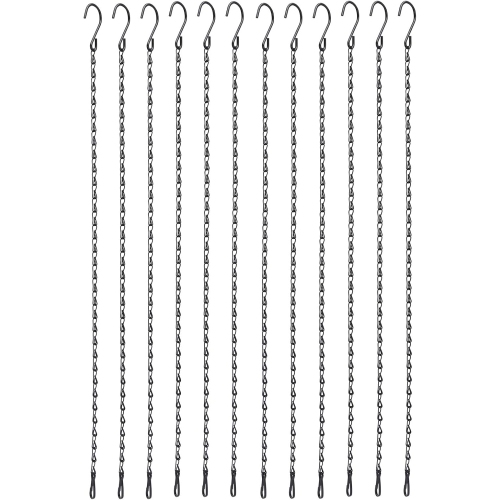
Bird feeder hooks provide a practical way to place a feeder where it can be seen, reached, and enjoyed without taking up a table or permanently altering a wall, deck, or fence. The right style depends mainly on where the feeder will go. Freestanding shepherd’s hooks are designed for lawns, garden beds, and open areas, with a tall metal pole that is pushed into the ground and supported by a multi-prong base. Many stand between 60 and 92 inches high, helping position a feeder above low plants while keeping it within view from a kitchen window, living room, or covered porch. A wider base or multiple ground stakes can add stability in breezy conditions, while a slimmer design may suit a small yard or garden border. Branch extension hooks offer a simpler solution for trees and shrubs. These short S-shaped hooks or longer metal rods loop over a sturdy limb, allowing a feeder to hang from a branch without drilling or tying cord around the tree. They can also make refilling easier by lowering the feeder to a comfortable height, which is helpful for anyone who prefers not to use a ladder. Deck railing mounts attach to wooden or composite railings with a clamp or bracket, creating a convenient option for balconies, raised decks, and patios where there may be no suitable ground for a pole. They are especially useful in compact spaces, as the feeder can sit just beyond the railing while remaining close enough for easy filling and cleaning. Before choosing, measure the railing width, inspect the branch diameter, and consider how much clearance the feeder needs from walls, windows, fences, and busy walkways. A hook that places the feeder too close to a surface may encourage spills or make it easier for unwanted animals to reach, while one positioned too far out may be difficult to access in colder weather. For households with children, older adults, or anyone with limited mobility, a manageable hanging height and straightforward refill routine can make the setup much more enjoyable. Bird feeder hooks can also make thoughtful gifts for new homeowners, gardeners, cottage owners, grandparents, or anyone who likes watching birds from indoors. They pair naturally with a feeder, bird seed, and a comfortable chair near a bright window, creating a small daily ritual that continues through the cooler months.
Capacity and construction are important considerations, particularly when a hook will hold a full feeder, accumulated seed, and occasional rain or snow. Smaller hooks may support approximately 15 lb, while heavy-duty options can be rated for 35 lb or more; always compare the hook’s stated capacity with the filled weight of the feeder rather than its empty weight. A large hopper or tube feeder can become considerably heavier when filled, and a wet seed mix may add extra strain. Powder-coated carbon steel and cast iron are common choices because they offer a solid feel and a finish suited to changing outdoor conditions. Look for smooth welds, secure joints, stable feet, and mounting hardware that matches the surface being used. On a shepherd’s hook, press each stake firmly into undisturbed soil and avoid placing the base in loose mulch, saturated ground, or an area that is frequently walked through. On a branch hook, select a healthy, well-supported limb and check that the hook cannot slide along the branch when the feeder swings. For a deck railing mount, tighten the clamp evenly and check the fasteners periodically, especially after strong wind or heavy precipitation. A pole baffle can be added when squirrels or other climbing animals are reaching the feeder, while extra height and generous spacing from fences or tree trunks may also help. Keep the feeder high enough to discourage pets from jumping at it, but not so high that cleaning and refilling become awkward. Regularly brush away spilled seed, wipe the feeding surface, and inspect the hook for loosened fittings or chipped finish. During early fall and into winter, changing light, wind, and precipitation can make a sheltered location more comfortable for both the birds and the person maintaining the feeder. A spot visible from a frequently used room tends to receive more attention than one hidden at the back of the yard, and a location near natural cover can give small birds a place to pause between visits without allowing branches to interfere with the feeder. For apartment dwellers or balcony gardeners, a railing mount can provide the same viewing opportunity in a smaller footprint; those comparing other hanging options for the home may also wish to browse Hanging Plant Hooks. Whether used in a spacious lawn, beneath a tree, or along a compact deck, bird feeder hooks make it easier to create a dependable feeding station that fits the space, supports the feeder securely, and becomes part of the everyday view.
Capacity and construction are important considerations, particularly when a hook will hold a full feeder, accumulated seed, and occasional rain or snow. Smaller hooks may support approximately 15 lb, while heavy-duty options can be rated for 35 lb or more; always compare the hook’s stated capacity with the filled weight of the feeder rather than its empty weight. A large hopper or tube feeder can become considerably heavier when filled, and a wet seed mix may add extra strain. Powder-coated carbon steel and cast iron are common choices because they offer a solid feel and a finish suited to changing outdoor conditions. Look for smooth welds, secure joints, stable feet, and mounting hardware that matches the surface being used. On a shepherd’s hook, press each stake firmly into undisturbed soil and avoid placing the base in loose mulch, saturated ground, or an area that is frequently walked through. On a branch hook, select a healthy, well-supported limb and check that the hook cannot slide along the branch when the feeder swings. For a deck railing mount, tighten the clamp evenly and check the fasteners periodically, especially after strong wind or heavy precipitation. A pole baffle can be added when squirrels or other climbing animals are reaching the feeder, while extra height and generous spacing from fences or tree trunks may also help. Keep the feeder high enough to discourage pets from jumping at it, but not so high that cleaning and refilling become awkward. Regularly brush away spilled seed, wipe the feeding surface, and inspect the hook for loosened fittings or chipped finish. During early fall and into winter, changing light, wind, and precipitation can make a sheltered location more comfortable for both the birds and the person maintaining the feeder. A spot visible from a frequently used room tends to receive more attention than one hidden at the back of the yard, and a location near natural cover can give small birds a place to pause between visits without allowing branches to interfere with the feeder. For apartment dwellers or balcony gardeners, a railing mount can provide the same viewing opportunity in a smaller footprint; those comparing other hanging options for the home may also wish to browse Hanging Plant Hooks. Whether used in a spacious lawn, beneath a tree, or along a compact deck, bird feeder hooks make it easier to create a dependable feeding station that fits the space, supports the feeder securely, and becomes part of the everyday view.
Top selling and popular products
-
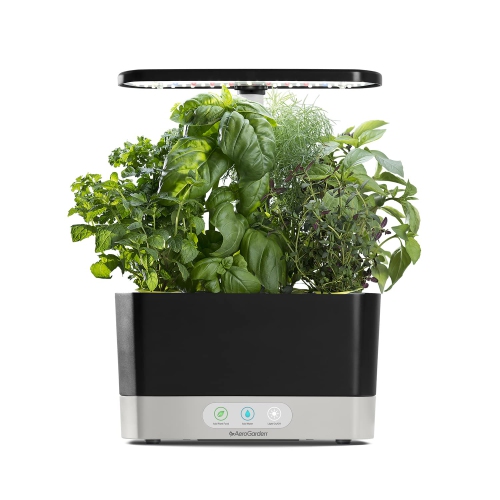 Your price for this item is $199
 -
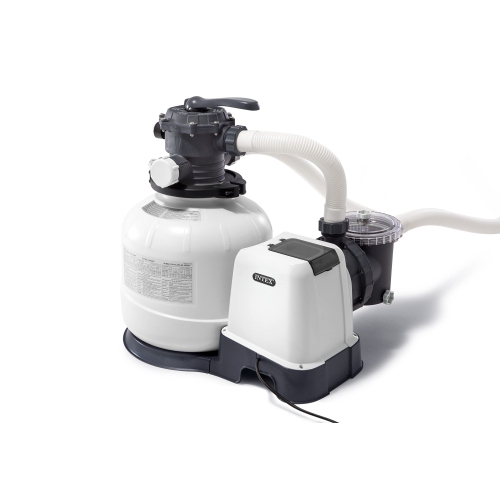 Your price for this item is $418.99
 -
 Your price for this item is $481.99
 -
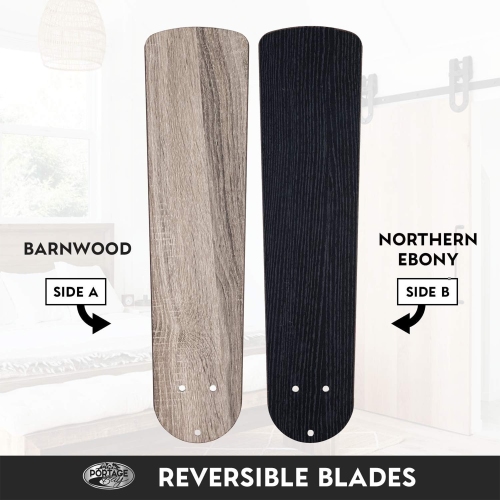 Your price for this item is $224.99
 -
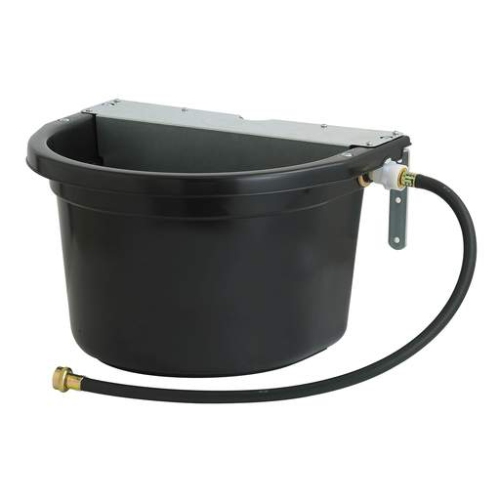 Your price for this item is $132.99
 -
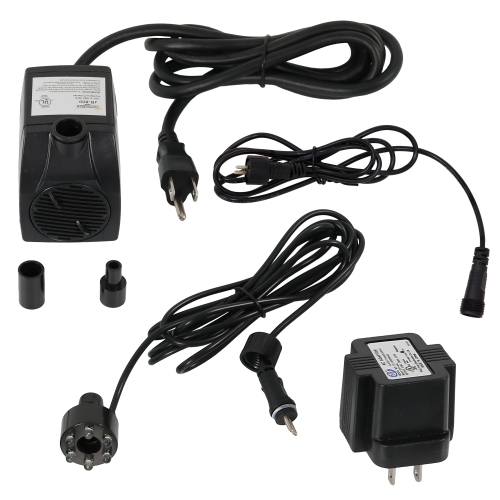 Your price for this item is $69.45
 -
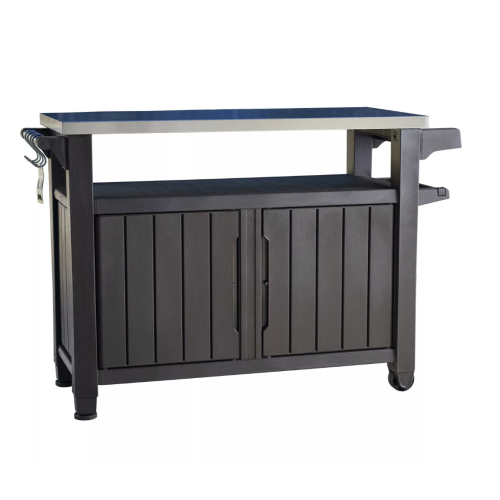 Your price for this item is $562.99
 -
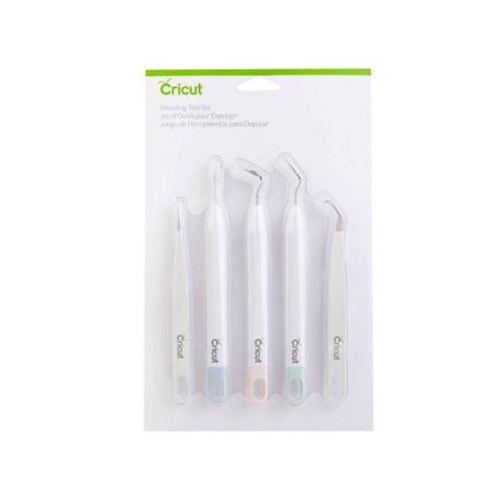 Your price for this item is $26.99
Discover more categories related to Bird Feeder Hooks
Top Collections:
Pokemon Centers, Kindle Devices, Best Budget Office Chairs, Apple iPhones 16, Canon G7X Cameras, iPhone 15 Apple, Alarm Clock, Refurbished Apple Laptops, Flip Phones, Best Laptops for Writers
Some products may be subject to Environmental Handling Fees
(EHF) depending on your province.
Learn more about EHFs.