Church Sound Systems
Looking to enhance the audio experience in your place of worship? Look no further than our selection of church sound systems. Whether you're hosting a small gathering or a large congregation, our range of high-quality audio equipment is designed to deliver crystal-clear sound and create an immersive environment for your worship services. From speakers and microphones to mixers and amplifiers, our collection offers everything you need to ensure that every word and note is heard with utmost clarity. Explore our diverse range of church sound systems and elevate your worship experience today.
Sort


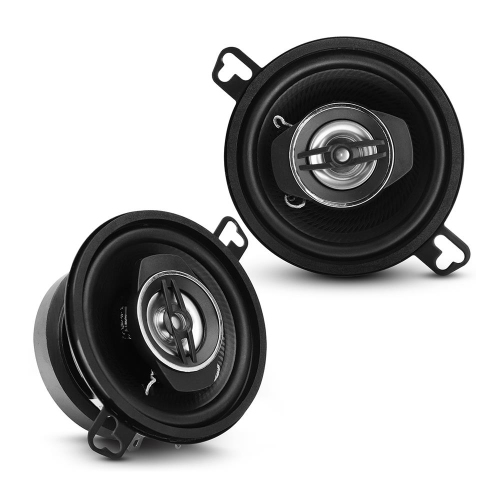
Room size and layout shape every sound decision
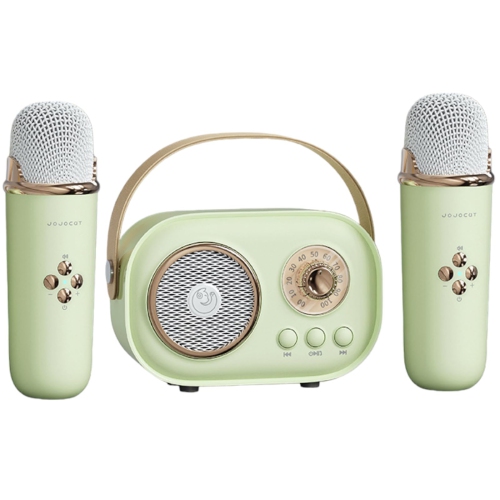
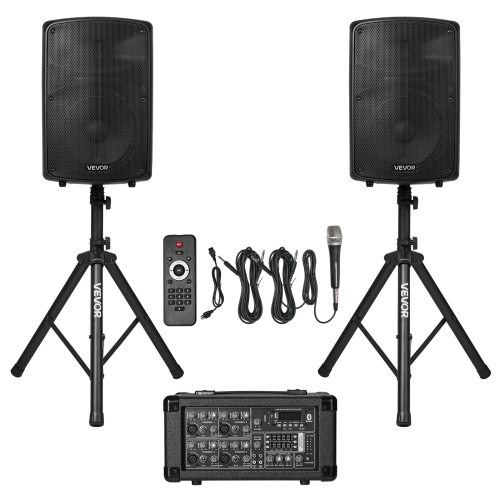
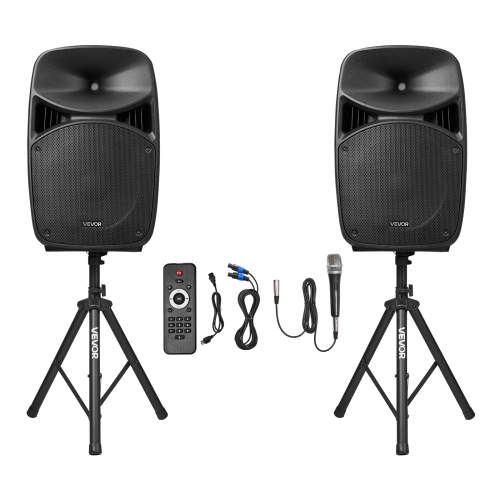
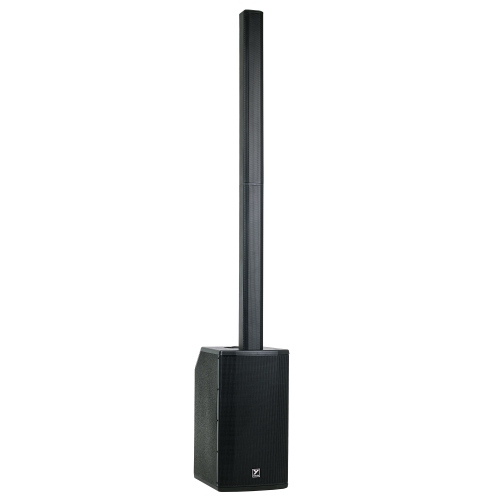
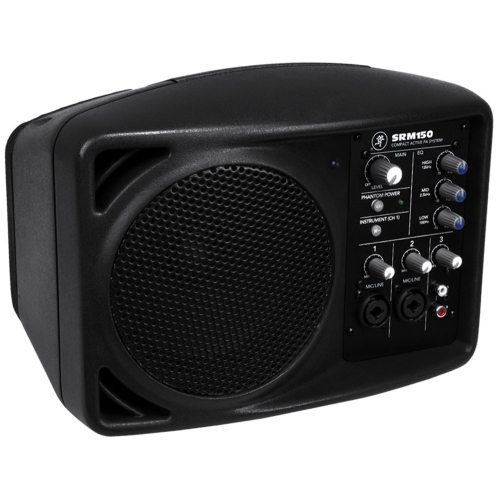
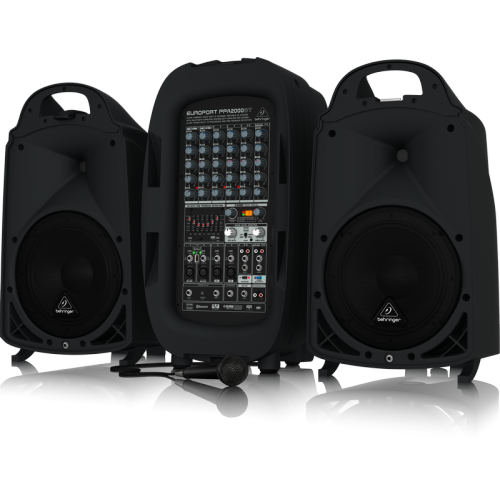
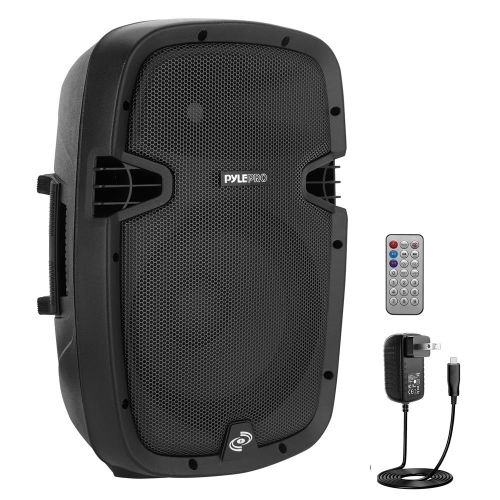
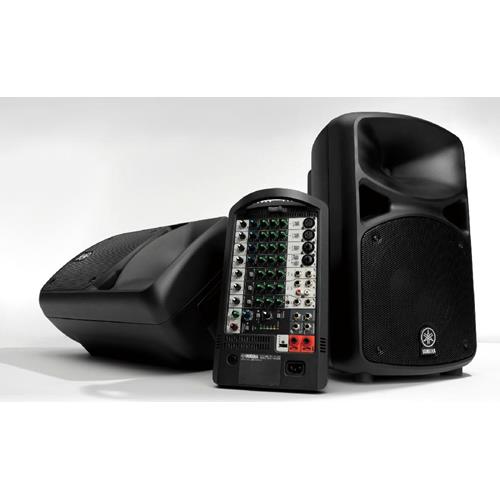
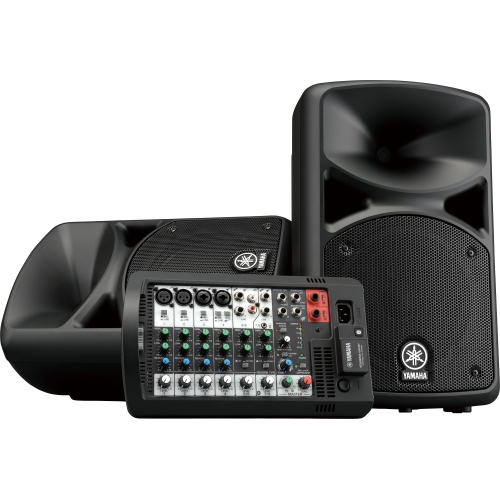
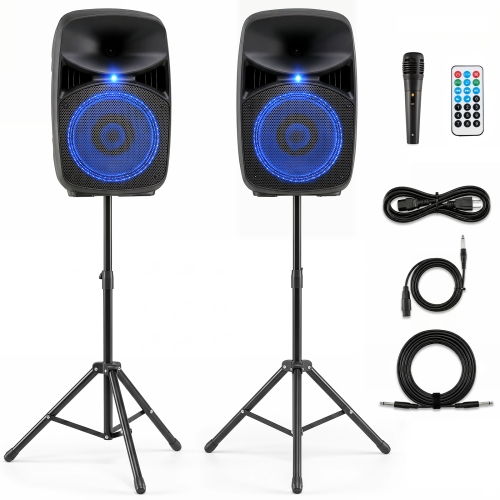
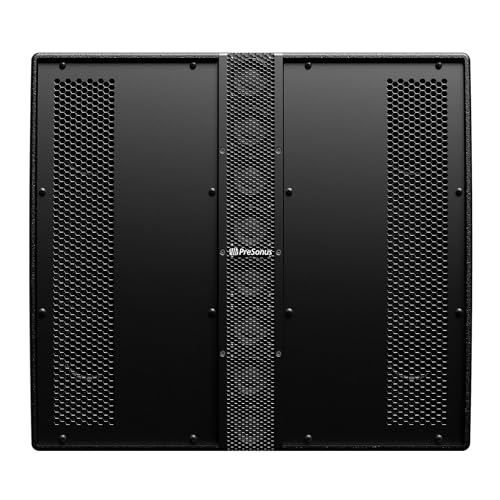
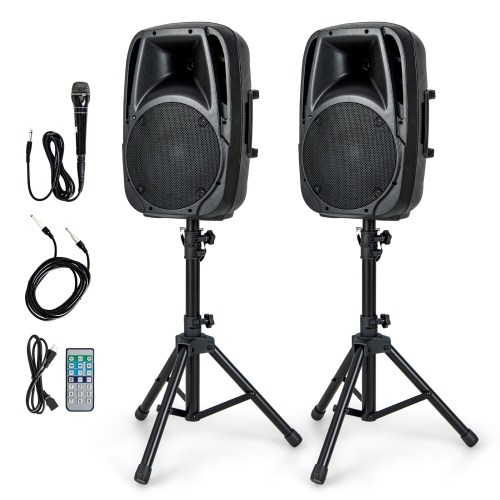
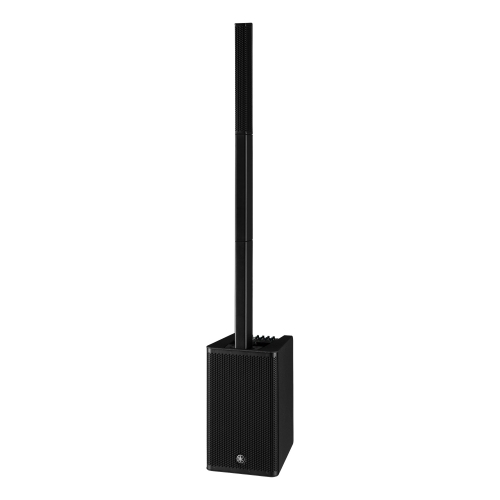
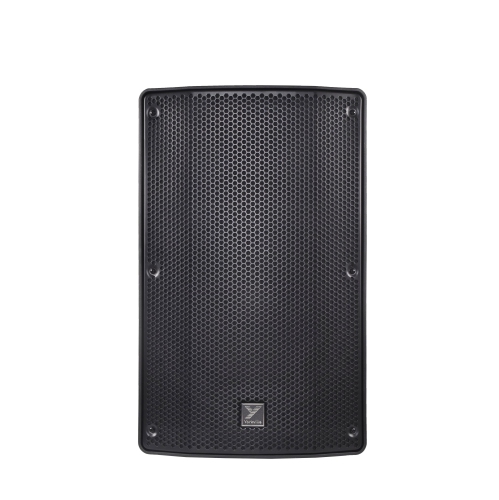
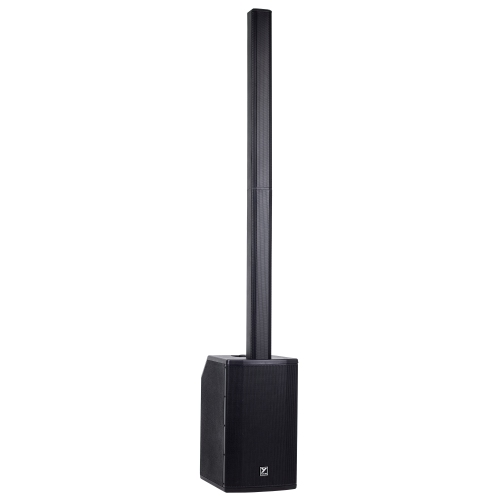
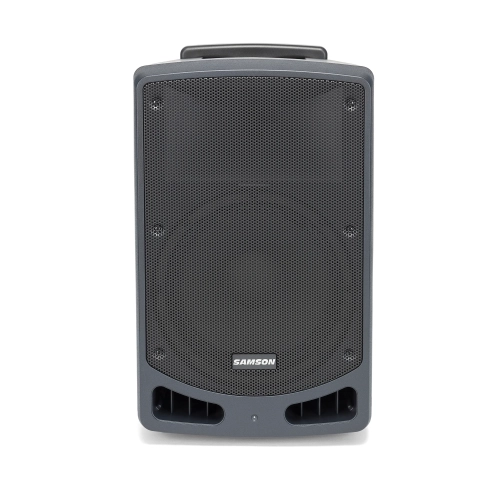
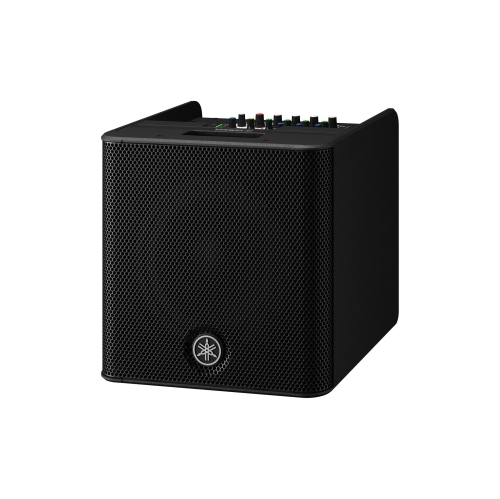
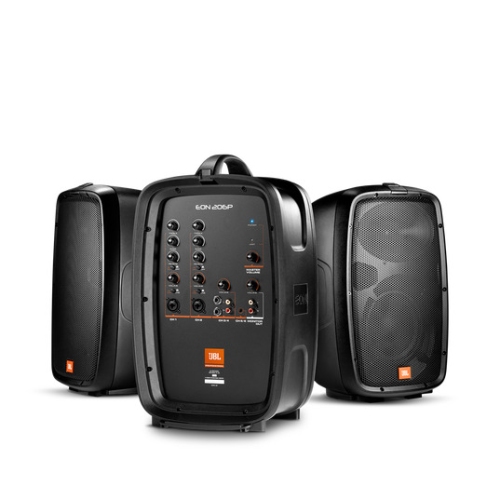
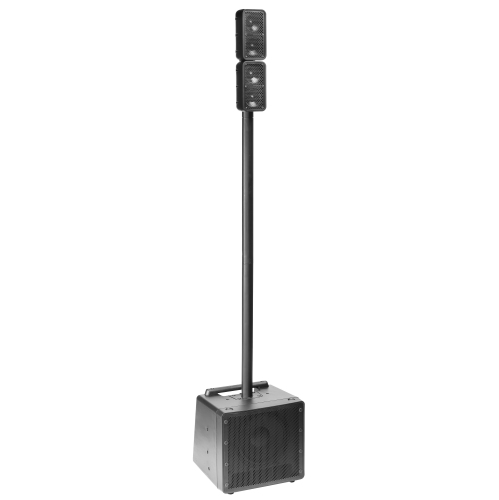
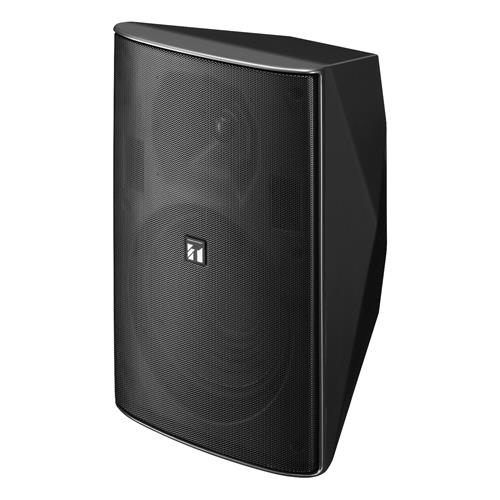
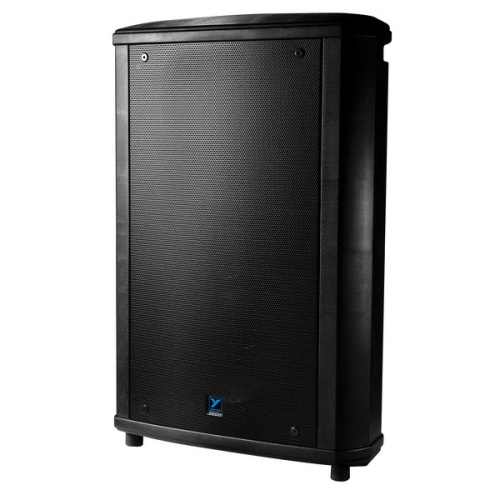
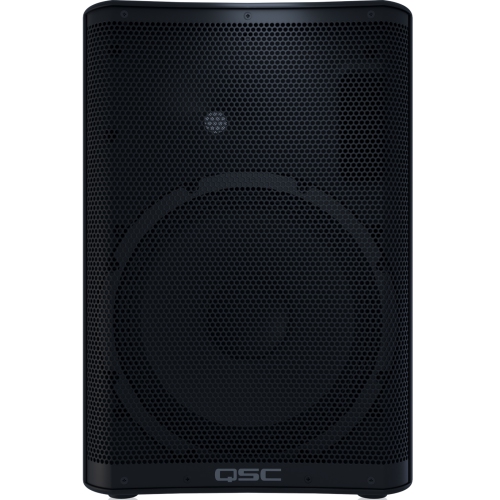
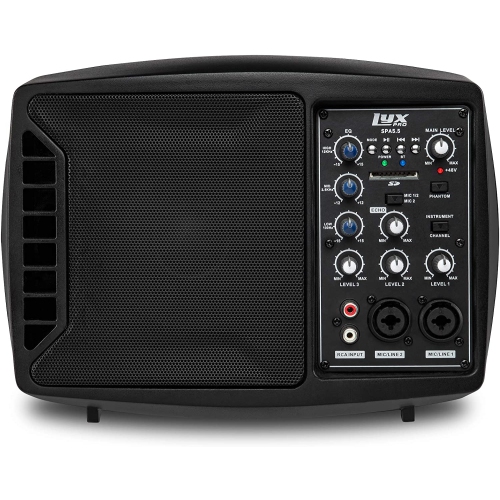
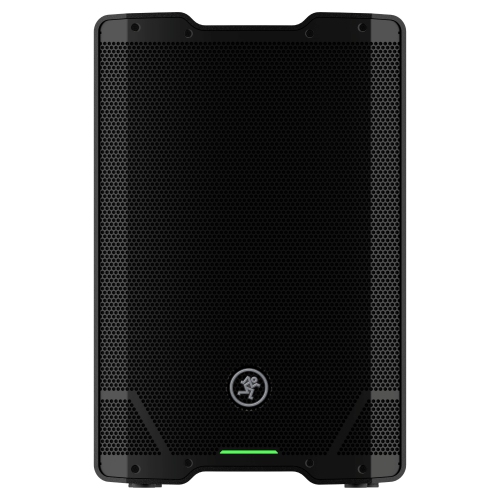
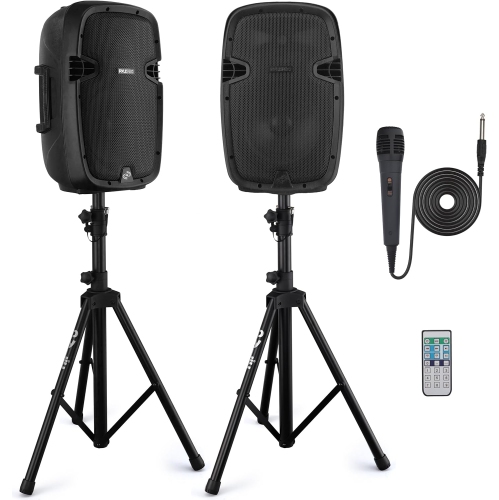
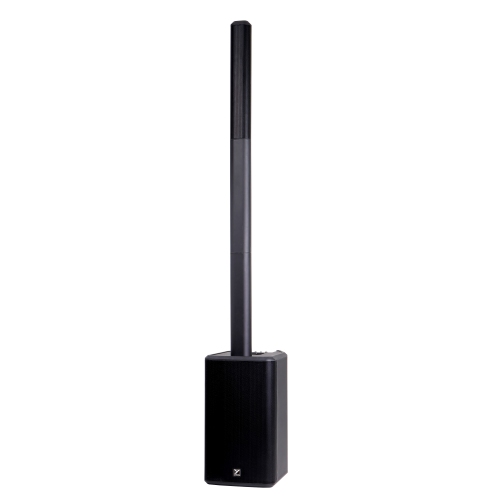
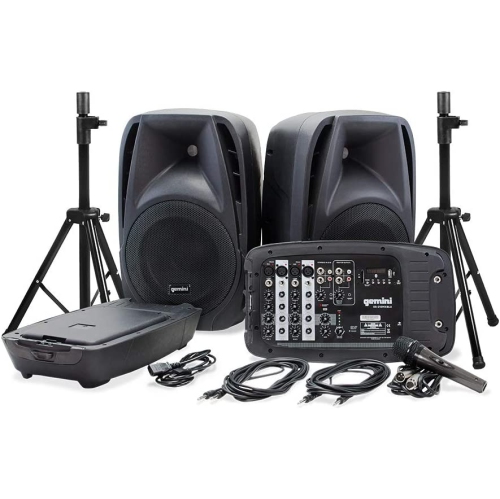
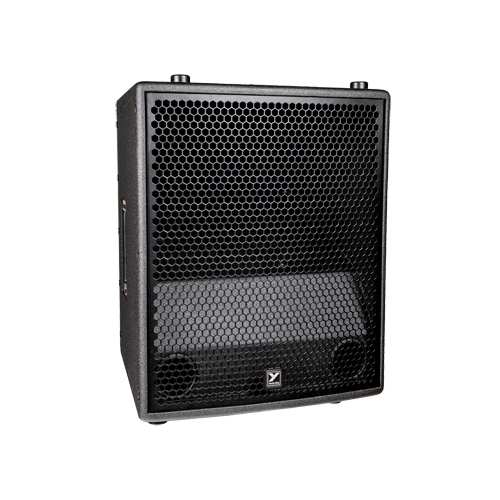
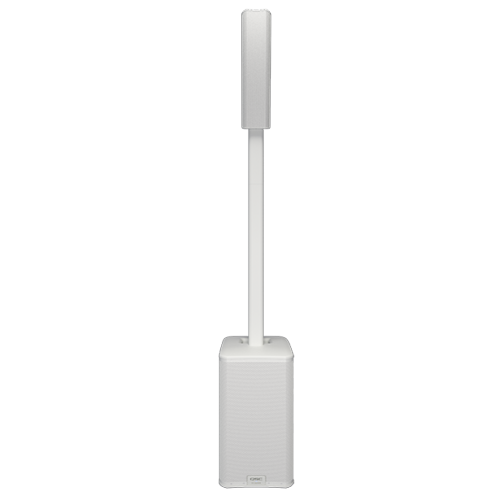
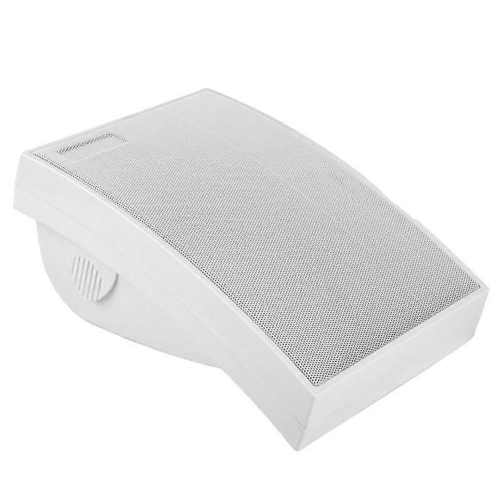
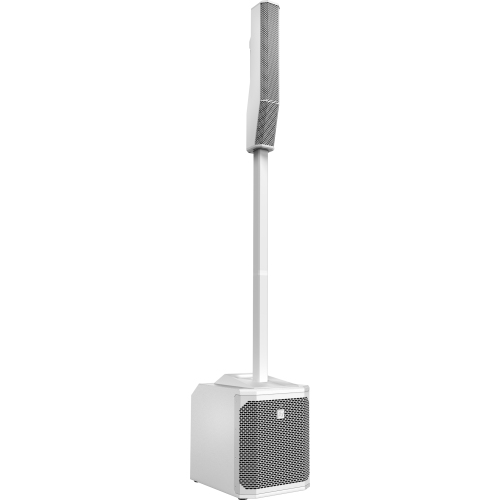
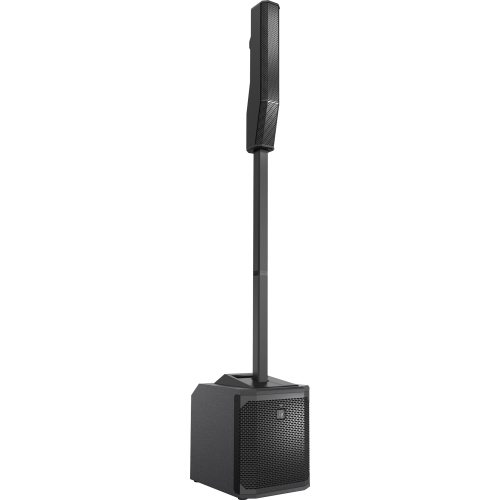
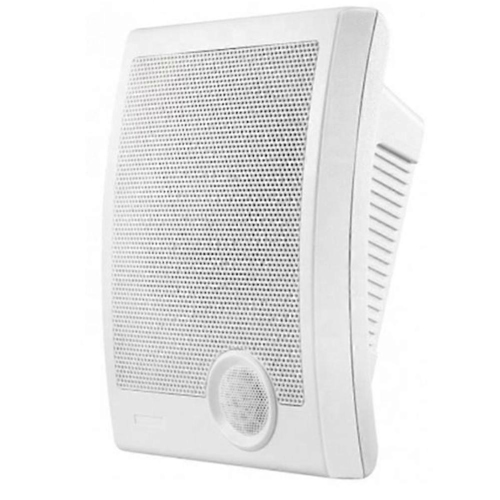
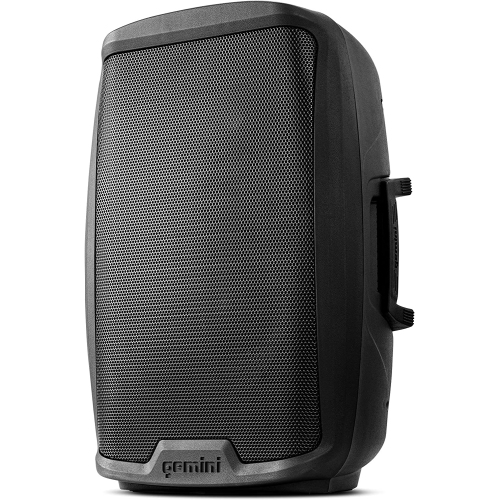
A church sound system helps every part of a service reach the congregation with clarity, balance, and confidence, from a softly spoken reading at the front of a chapel to full worship music in a large sanctuary. The right setup depends on the size and shape of the venue, the number of people attending, and the types of gatherings it supports. A small church, meeting room, or chapel may need a compact portable PA with a built-in mixer and a pair of powered speakers, while a medium-sized auditorium may benefit from a multi-channel mixer, several microphones, larger active speakers, and a dedicated subwoofer for music with more depth. Large sanctuaries often require a more extensive arrangement, including distributed speakers, line-array speaker systems, stage monitors, digital audio networking, and professional acoustic tuning. Capacity and floor area are useful starting points, but the room’s ceiling height, balcony placement, hard reflective surfaces, and seating layout also affect how sound travels. A system that sounds excellent in an empty room can behave differently once the congregation arrives, so even coverage across the room is just as important as volume. Portable all-in-one systems are useful for churches that meet in rented halls, community spaces, or multipurpose rooms, since they can be transported, set up, and stored without a permanent installation. They can also suit smaller congregations that need practical equipment for Sunday services, study groups, weddings, fundraisers, outdoor gatherings, or seasonal performances. For a fixed installation, individual components make it easier to expand over time, add more microphones, create separate monitor mixes, or adjust sound for different areas of the building.
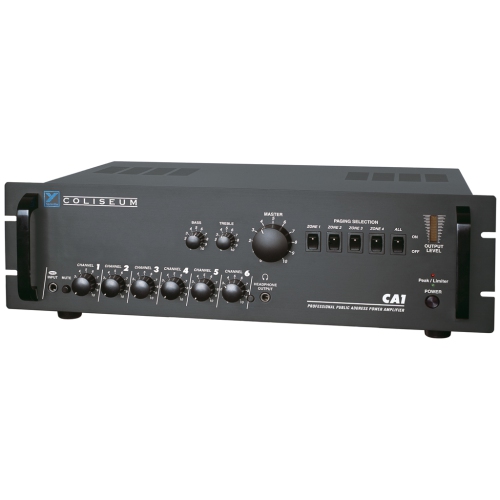
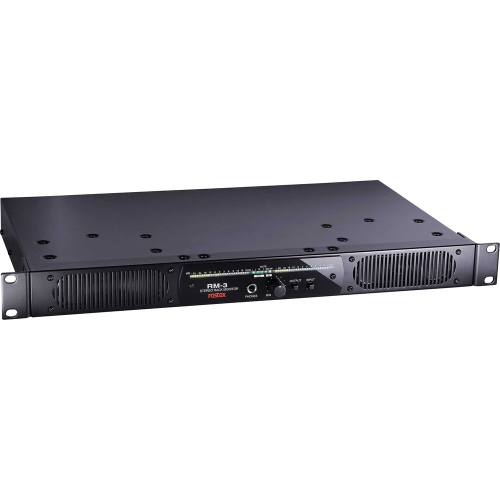
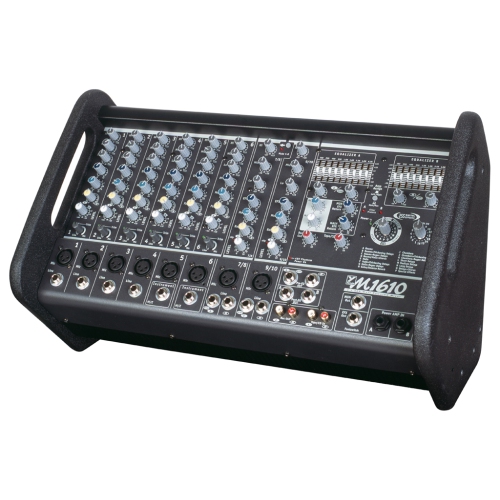
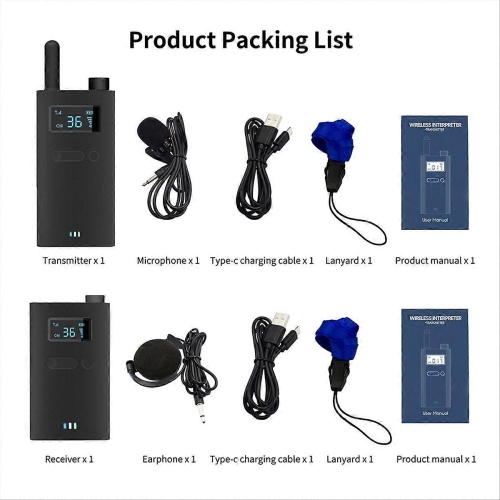
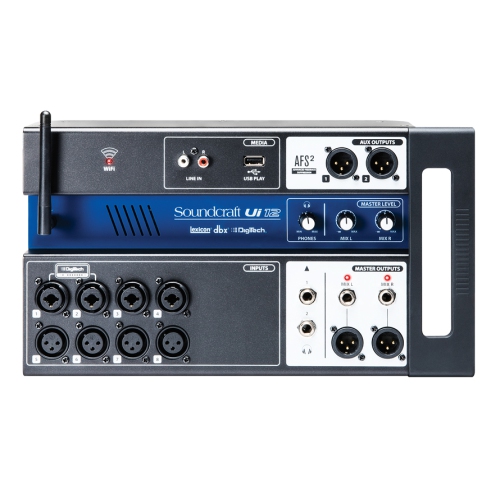
The mixer is the central control point of most church sound systems. It receives signals from microphones, instruments, playback devices, and other audio sources, then lets an operator adjust volume, equalization, effects, panning, and monitor feeds. An analogue mixer can be a straightforward choice for volunteers who prefer clearly labelled physical controls and a simple setup, particularly when the church uses a consistent number of inputs from week to week. A digital mixer can provide more advanced routing, built-in processing, scene recall, remote control, and saved settings for services, concerts, meetings, and special events. Presets can be helpful when several volunteers share sound duties, as they allow a familiar starting point without rebuilding every channel before a service. Microphone selection should reflect how each person speaks or performs. Wireless handheld microphones allow presenters, worship leaders, and clergy to move naturally, while lapel microphones can keep both hands free for readings, teaching, or ceremonies. Gooseneck microphones are often well suited to lecterns and pulpits, where consistent placement helps maintain a steady level. Wired microphones can be dependable choices for fixed positions, instruments, and backup use. Consider the number of singers, speakers, instrumentalists, and playback sources that may be used at once, then leave room for future additions rather than selecting a mixer with only the exact number of inputs needed today. Speakers should be matched to the room and the mixer, with active or powered models offering built-in amplification and a relatively simple setup. Passive speakers paired with separate amplifiers can provide flexibility for more complex installations. Speaker stands, mounting hardware, cables, direct boxes, microphone stands, and power distribution accessories are also part of a complete system, and careful cable management can make the stage safer and the setup less distracting.
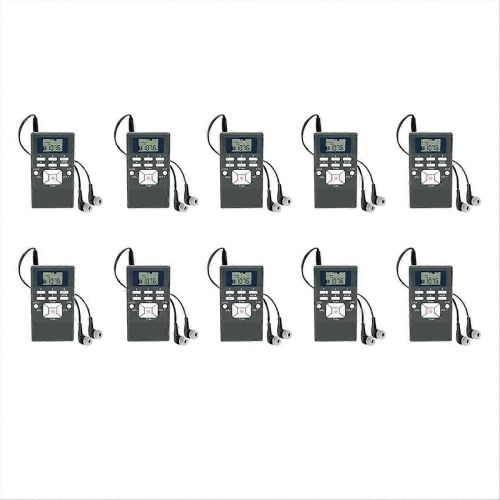
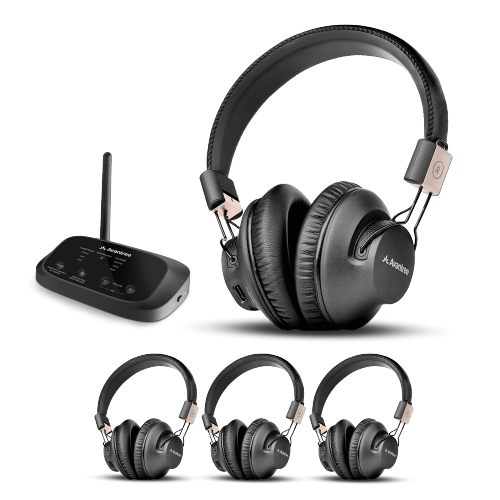
Clear speech is often the most important performance measure in a church, even when live music is a major part of the service. Excessive bass, feedback, uneven speaker placement, or reflections from bare walls can make announcements and readings difficult to understand. Place speakers so they project towards the seating area rather than directly at open microphones, and use the mixer’s equalization and feedback-control features with a light touch. A soundcheck should include the actual speaking positions, instruments, playback sources, and monitor levels that will be used during the service. Listening from the back rows and along the sides of the room can reveal coverage gaps that are not obvious beside the mixer. In larger spaces, distributed speakers may provide more even volume than relying on a single pair at the front, while subwoofers can add low-frequency impact for music without requiring the main speakers to handle every part of the mix. Churches may also need assisted listening compatibility, recording outputs for sermons or livestreams, and separate audio feeds for overflow rooms. A system can be valuable for volunteers, community groups, and event organizers who need dependable sound without advanced technical training, and it may serve as a thoughtful contribution from a congregation, family, or committee supporting a new meeting space. For venues that host meals, receptions, presentations, or community gatherings alongside worship services, related equipment needs may overlap with Restaurant Sound Systems. During the warmer and cooler parts of the year, when churches may move activities between indoor rooms, covered outdoor areas, and larger event spaces, portable components can make it easier to adapt while maintaining familiar controls and consistent audio. The best church sound system is one that suits the room, supports the people using it, and makes every voice, instrument, and message easier for the congregation to hear.
The mixer is the central control point of most church sound systems. It receives signals from microphones, instruments, playback devices, and other audio sources, then lets an operator adjust volume, equalization, effects, panning, and monitor feeds. An analogue mixer can be a straightforward choice for volunteers who prefer clearly labelled physical controls and a simple setup, particularly when the church uses a consistent number of inputs from week to week. A digital mixer can provide more advanced routing, built-in processing, scene recall, remote control, and saved settings for services, concerts, meetings, and special events. Presets can be helpful when several volunteers share sound duties, as they allow a familiar starting point without rebuilding every channel before a service. Microphone selection should reflect how each person speaks or performs. Wireless handheld microphones allow presenters, worship leaders, and clergy to move naturally, while lapel microphones can keep both hands free for readings, teaching, or ceremonies. Gooseneck microphones are often well suited to lecterns and pulpits, where consistent placement helps maintain a steady level. Wired microphones can be dependable choices for fixed positions, instruments, and backup use. Consider the number of singers, speakers, instrumentalists, and playback sources that may be used at once, then leave room for future additions rather than selecting a mixer with only the exact number of inputs needed today. Speakers should be matched to the room and the mixer, with active or powered models offering built-in amplification and a relatively simple setup. Passive speakers paired with separate amplifiers can provide flexibility for more complex installations. Speaker stands, mounting hardware, cables, direct boxes, microphone stands, and power distribution accessories are also part of a complete system, and careful cable management can make the stage safer and the setup less distracting.
Clear speech is often the most important performance measure in a church, even when live music is a major part of the service. Excessive bass, feedback, uneven speaker placement, or reflections from bare walls can make announcements and readings difficult to understand. Place speakers so they project towards the seating area rather than directly at open microphones, and use the mixer’s equalization and feedback-control features with a light touch. A soundcheck should include the actual speaking positions, instruments, playback sources, and monitor levels that will be used during the service. Listening from the back rows and along the sides of the room can reveal coverage gaps that are not obvious beside the mixer. In larger spaces, distributed speakers may provide more even volume than relying on a single pair at the front, while subwoofers can add low-frequency impact for music without requiring the main speakers to handle every part of the mix. Churches may also need assisted listening compatibility, recording outputs for sermons or livestreams, and separate audio feeds for overflow rooms. A system can be valuable for volunteers, community groups, and event organizers who need dependable sound without advanced technical training, and it may serve as a thoughtful contribution from a congregation, family, or committee supporting a new meeting space. For venues that host meals, receptions, presentations, or community gatherings alongside worship services, related equipment needs may overlap with Restaurant Sound Systems. During the warmer and cooler parts of the year, when churches may move activities between indoor rooms, covered outdoor areas, and larger event spaces, portable components can make it easier to adapt while maintaining familiar controls and consistent audio. The best church sound system is one that suits the room, supports the people using it, and makes every voice, instrument, and message easier for the congregation to hear.
Top selling and popular products
-
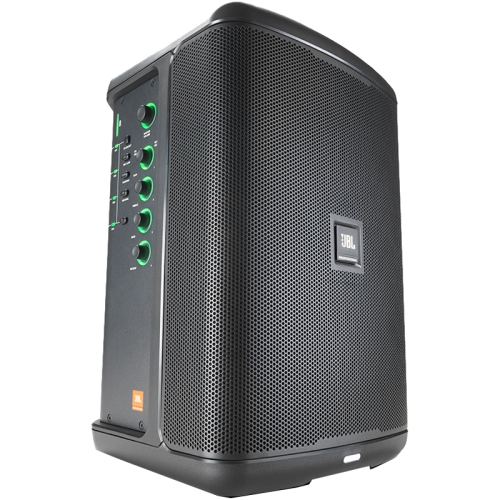 Your price for this item is $999.99
 -
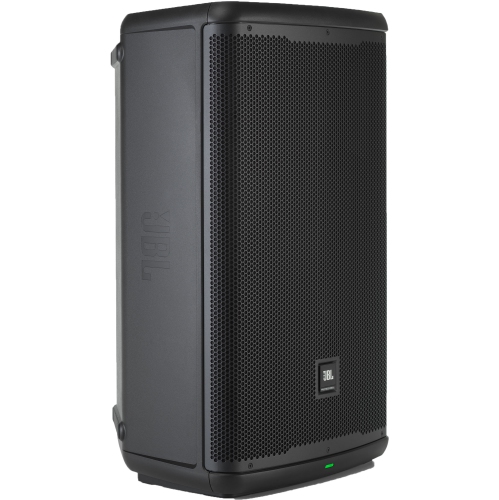 Your price for this item is $1049.99
 -
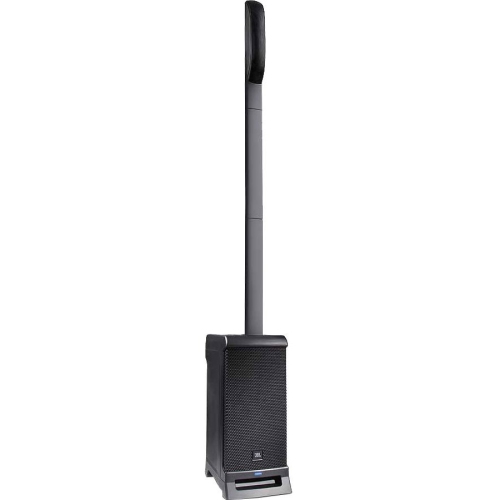 Your price for this item is $2099.99
 -
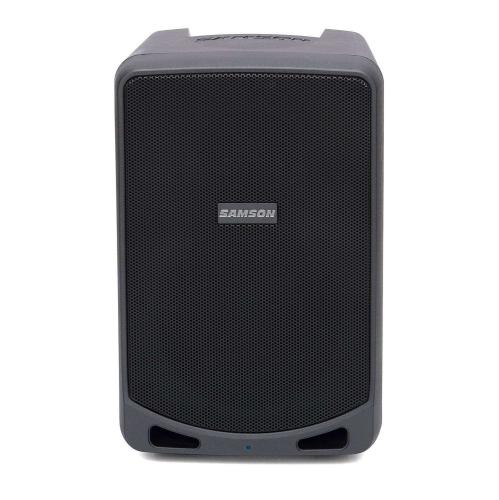 Your price for this item is $519.99
 -
 Your price for this item is $899.99
 -
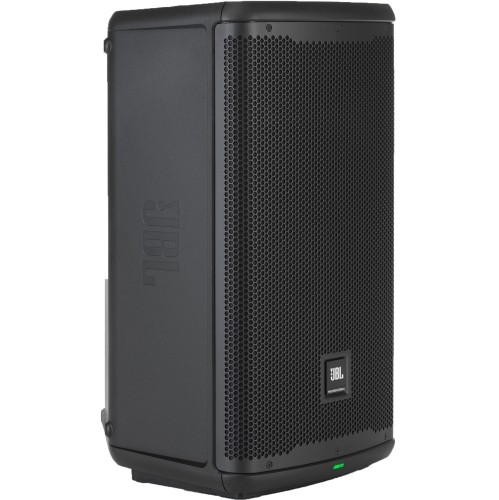 Your price for this item is $799.99
 -
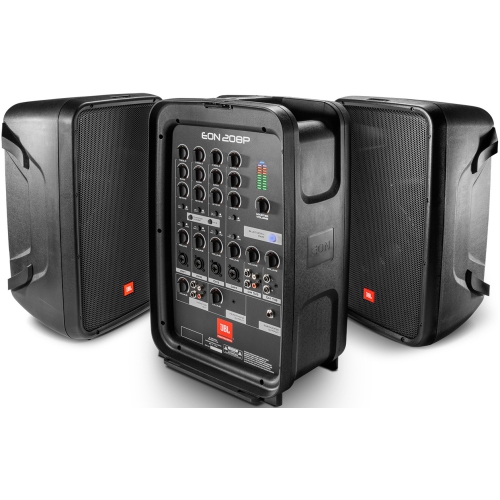 Your price for this item is $1649.99
 -
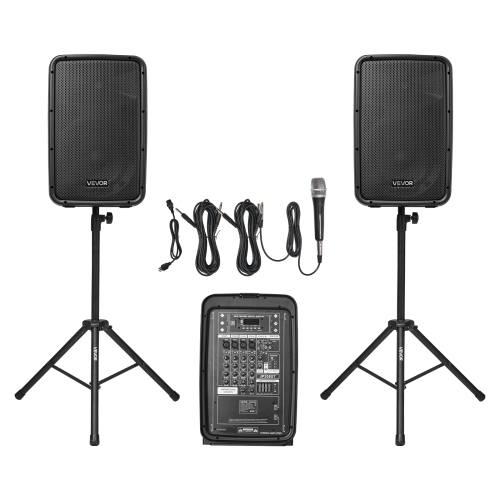 Your price for this item is $359.9
Discover more categories related to Church Sound Systems
Top Collections:
Pokemon Centers, Kindle Devices, Best Budget Office Chairs, Canon G7X Cameras, Apple iPhones 16, Samsung Galaxy Phones, Refurbished Apple Laptops, Laptops for Students, iPhone 15 Apple, Budget Smartphones
Some products may be subject to Environmental Handling Fees
(EHF) depending on your province.
Learn more about EHFs.